News
Starlink nears S Korea launch as satellite internet demand rises


Starlink is poised to launch in South Korea this year, pending regulatory approvals, as global demand for low-orbit satellite connectivity surges.
On April 27, South Korea’s Ministry of Science and ICT announced system improvements to facilitate low-orbit satellite communication services like Starlink and the U.K.’s OneWeb. Low-orbit satellites, operating at 300–1,500 km, enable high-speed internet without extensive ground infrastructure, serving remote areas, ships, and airplanes.
“If we start domestic services, high-speed Wi-Fi services will be available on airplanes, and we will be able to provide online video services (OTT) and video calls to crews on long-haul ships,” said Minister of Science and ICT Yoo Sang-im.
According to KMIB, OneWeb is awaiting approvals for cross-border supply agreements and terminal suitability assessments. SpaceX’s Starlink is also waiting for approval. In October 2024, South Korea’s Ministry of Science and ICT notified the public about amendments to technical standards that would prevent frequent interference. After 60 days of the notice’s publication, the South Korean government is estimated to take 3-4 months to approve Starlink’s cross-board supply agreement with SpaceX.
Kim Nam-cheol, director of the Radio Policy Bureau, noted, “It is certain that (the two companies) will launch services this year, but it is difficult to specify a date as changes may occur during the consultation process.”
Starlink and OneWeb’s pending approvals in S. Korea involve ensuring compliance with local regulations, including terminal assessments for new devices. The push for satellite internet reflects a broader global trend, with S. Korea positioning itself to bridge connectivity gaps in aviation, maritime, and remote regions.
Starlink’s global reach is evident, and its usefulness increases as it expands. In January, T-Mobile used Starlink Cellular to transmit emergency alerts during LA wildfires. Meanwhile, Hawaiian and United Airlines offer Starlink Aviation for in-flight video streaming and gaming.
As Starlink expands, new competitors enter the ever-growing lob-orbit satellite communications industry. For example, Amazon’s Kuiper established a corporation in South Korea last May.
Starlink’s involvement in the Ukriane-Russia war has also led world governments to consider establishing their own satellite communications network. South Korea aims to develop its own independent satellite technology by 2030. The Asian nation plans to invest 320 billion won over six years to launch two communication units via the Nuri rocket.
Ukraine is also exploring Starlink alternatives developed by the European Union. In addition, Germany’s military, Bundeswehr, plans to build its own satellite constellation to reduce dependence on foreign networks amid geopolitical tensions.
As Starlink expands, S Korea’s regulatory and technological efforts could shape its role in the global satellite communication market, balancing foreign services with ambitions for domestic innovation.



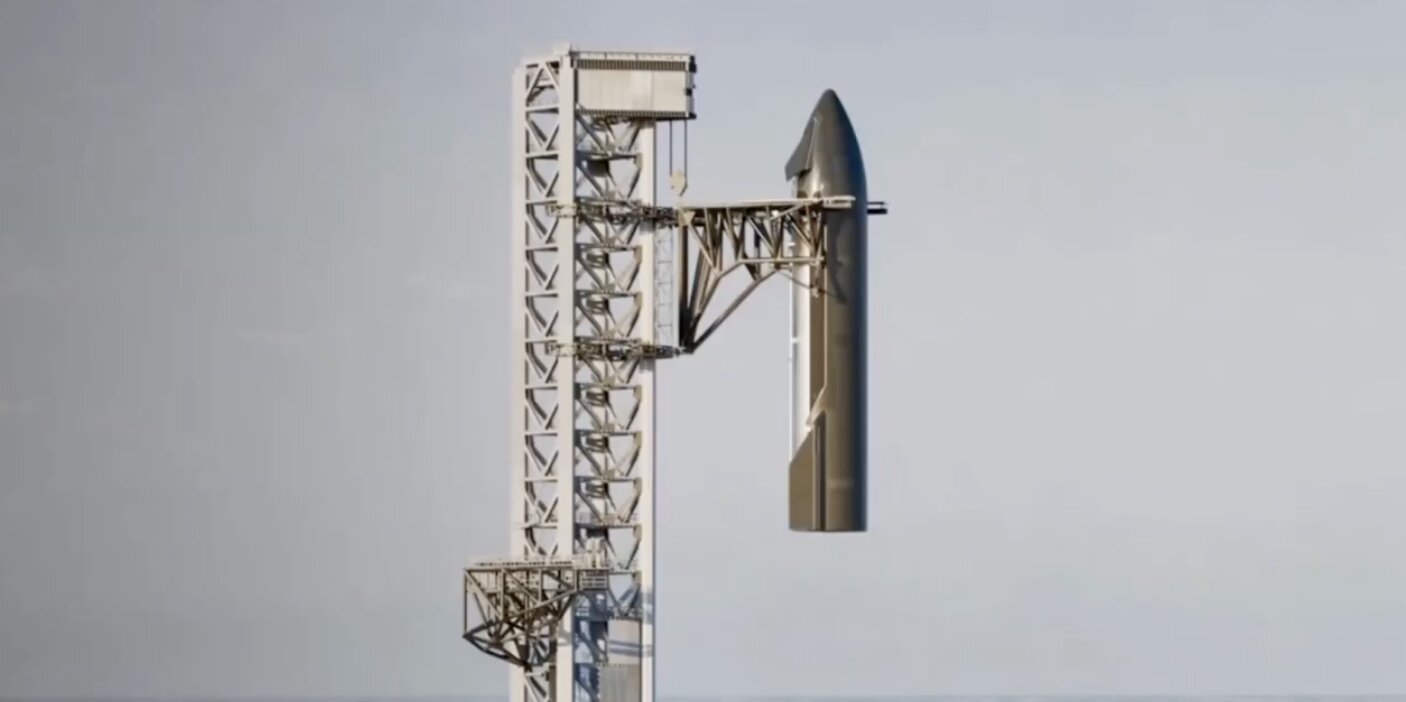
SpaceX plans to attempt what will be a defining moment in rocket reusability on Starship Flight 15.
As Elon Musk announced in a recent X post, SpaceX will attempt to catch both the Super Heavy Booster and the Starship upper stage during the upcoming orbital flight. If successful, it will mark the first time that all parts of an orbital rocket return to Earth intact, a breakthrough Musk has called essential to making life multiplanetary.
SpaceX will attempt to catch both the Super Heavy booster and Starship on the upcoming flight.
If both are successful, it will mark the first time that all parts of an orbital rocket return to Earth intact.
This is the critical breakthrough needed to make life multiplanetary.
— Elon Musk (@elonmusk) November 6, 2026
Previous flights have demonstrated the tower-catch technique with Super Heavy. SpaceX has successfully caught V1 boosters three times (on Flights 5, 7, and 8), with some even reflown. The Ship upper stage has never been caught.
Returning from orbital velocity after deploying payload makes it a significantly harder challenge due to higher energy, heat loads, and the need for precise belly-flop reentry, a flip maneuver, and a final landing burn to settle between the Mechazilla tower’s chopstick arms.
Flight 15, using Booster 22 and Ship 42 (both Block 3 vehicles), is targeted for no earlier than Friday, November 13, 2026, from Orbital Launch Pad 2 at Starbase, Texas. The 75-minute window opens at 4:45 p.m. CT, pending regulatory approval. After hot staging and separation, the booster is planned to return for a catch roughly 6 minutes and 35 seconds after liftoff.
The Ship will insert into a roughly 275 km orbit, deploy 26 advanced Starlink V3 satellites, complete about 14 orbits over more than 22 hours, and—if systems check out—perform a deorbit burn, reentry, flip, and landing burn for a tower catch at approximately T+22 hours 32 minutes.
SpaceX confirms Starship 15 launch window with massive ambitions
A simulation shown during SpaceX’s October earnings call depicted the Ship descending in a belly-flop attitude, flipping upright with a short engine burn, and being captured by the arms:
From simulation to reality
SpaceX is just ONE WEEK away from attempting its most ambitious Starship catch yet https://t.co/nHrxSX6DSz
— X Freeze (@XFreeze) November 6, 2026
Contingency splashdown zones exist in the Gulf of Mexico (booster) and Pacific (Ship) if a catch is not viable. SpaceX has stressed rigorous health checks before committing the Ship to a return-to-launch-site trajectory.
Musk has described the odds of success on this first dual-catch attempt as “more likely than not,” noting a steady stream of additional flights is already scheduled if needed. Full recovery would enable rapid inspection, refurbishment, and reflight—slashing costs and supporting the high launch cadence required for Starlink expansion, lunar missions, and eventual Mars settlement.
As Musk put it, this is “the critical breakthrough needed to make life multiplanetary.”
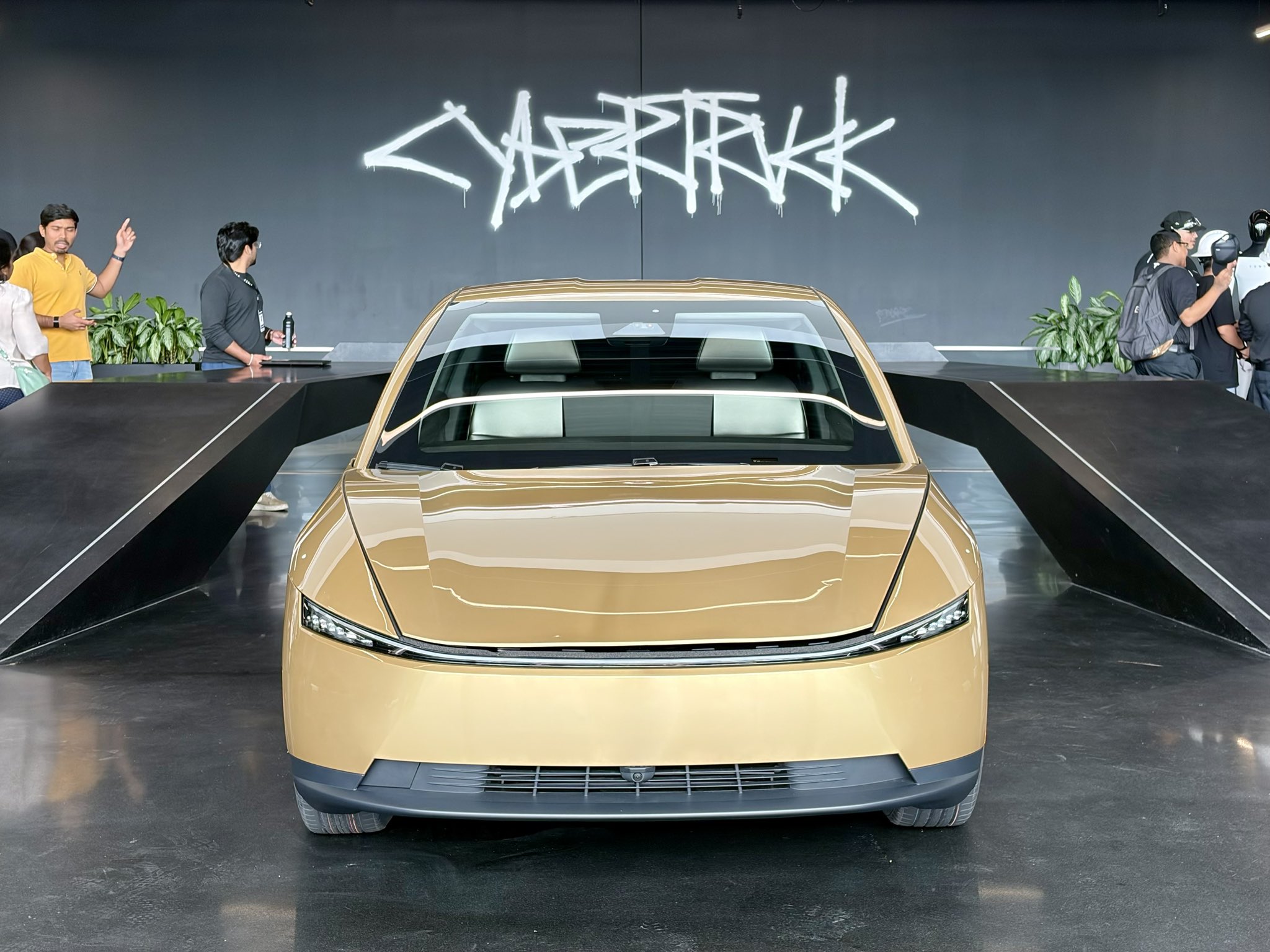
Tesla Cybercab is going to get some pretty substantial updates, including improvements to efficiency and a new color.
CEO Elon Musk said in a post on X on Saturday that Tesla would be working to refine the Cybercab even more, following the announcement during the week that the company would eliminate the Cybertruck lines within Giga Texas for more Cybercab manufacturing capacity.
“There are efficiency improvements coming that will allow for a 40kWh Cybercab pack,” Musk posted on X. “We will make this in liquid silver, so the colors are not too monotonous.”
There are efficiency improvements coming that will allow for a 40kWh Cybercab pack. We will make this in liquid silver, so the colors are not too monotonous.
The biggest thing most people fail to understand is that there are a very limited number of smart, dedicated people! They can only do so many things.
If we have to maintain a complex production line, supply chain and allocate engineering for Cybertruck, we can’t use those people or factory space and machinery for scaling Cybercab, which is the vehicle that will PROFOUNDLY transform the world of terrestrial transport!
— Elon Musk (@elonmusk) November 7, 2026
A new, more efficient model of the Cybercab will be engineered, which will only help Tesla’s profitability and margins, and it also boosts the argument for why the Cybertruck should be discontinued, at least from a business perspective.
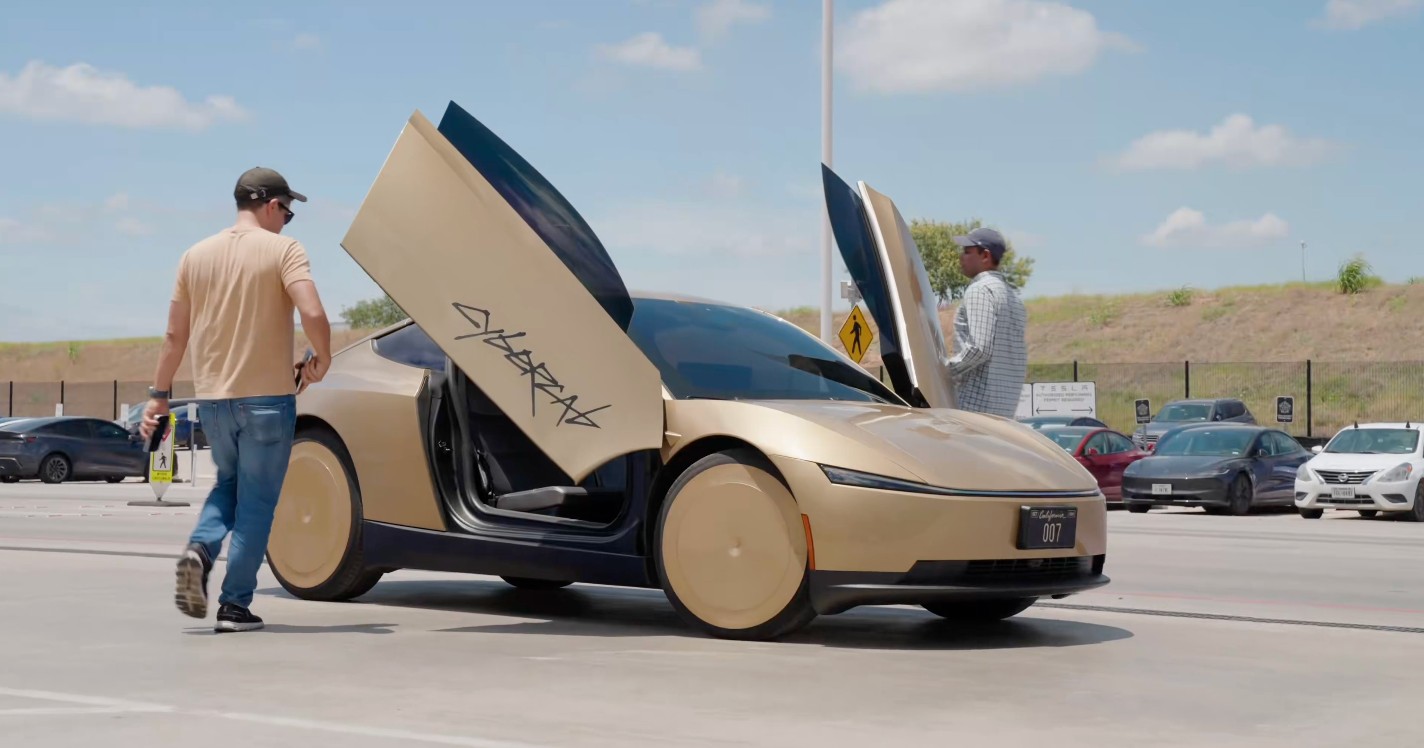
The current Cybercab that operates in the Robotaxi platform in Austin, Texas, has a 48 kWh pack, and it sounds like Musk believes Tesla is on its way to introducing a version that has fewer cells but can manage the same workload thanks to engineering efficiencies.
Credit: Tesla
Musk also doubled down on the decision to prioritize Cybercab production over Cybertruck, which is a decision that has been extremely polarizing within the community, and many fans have made it abundantly clear that they are not particularly pleased with the plans.
“If we have to maintain a complex production line, supply chain, and allocate engineering for Cybertruck, we can’t use those people or factory space and machinery for scaling Cybercab, which is the vehicle that will PROFOUNDLY transform the world of terrestrial transport,” Musk said.
A good look at Tesla’s new Liquid Silver Cybercab, planned with a 40 kWh battery pack following new improvements
😍 https://t.co/IUYsUcCBMs
— TESLARATI (@Teslarati) November 8, 2026
Cybercab is obviously Tesla’s path forward in an automotive sense. It seems that Tesla is less concerned about catering to the passenger vehicle market and is more prone to focus on transforming passenger transportation in a way that prioritizes autonomy. However, this requires some sacrifice on Tesla’s end, and the Cybertruck is unfortunately a victim of this.
Cybercab holds an extremely crucial part of Tesla’s future. With the company already revolutionizing passenger transportation once, this is the next phase, and Cybercab is the path forward.
News
Tesla Robotaxi app update now tells riders if Cybercab is the better choice
Tesla’s Robotaxi app now shows ETAs, wait times and availability for Cybercab and Model Y.

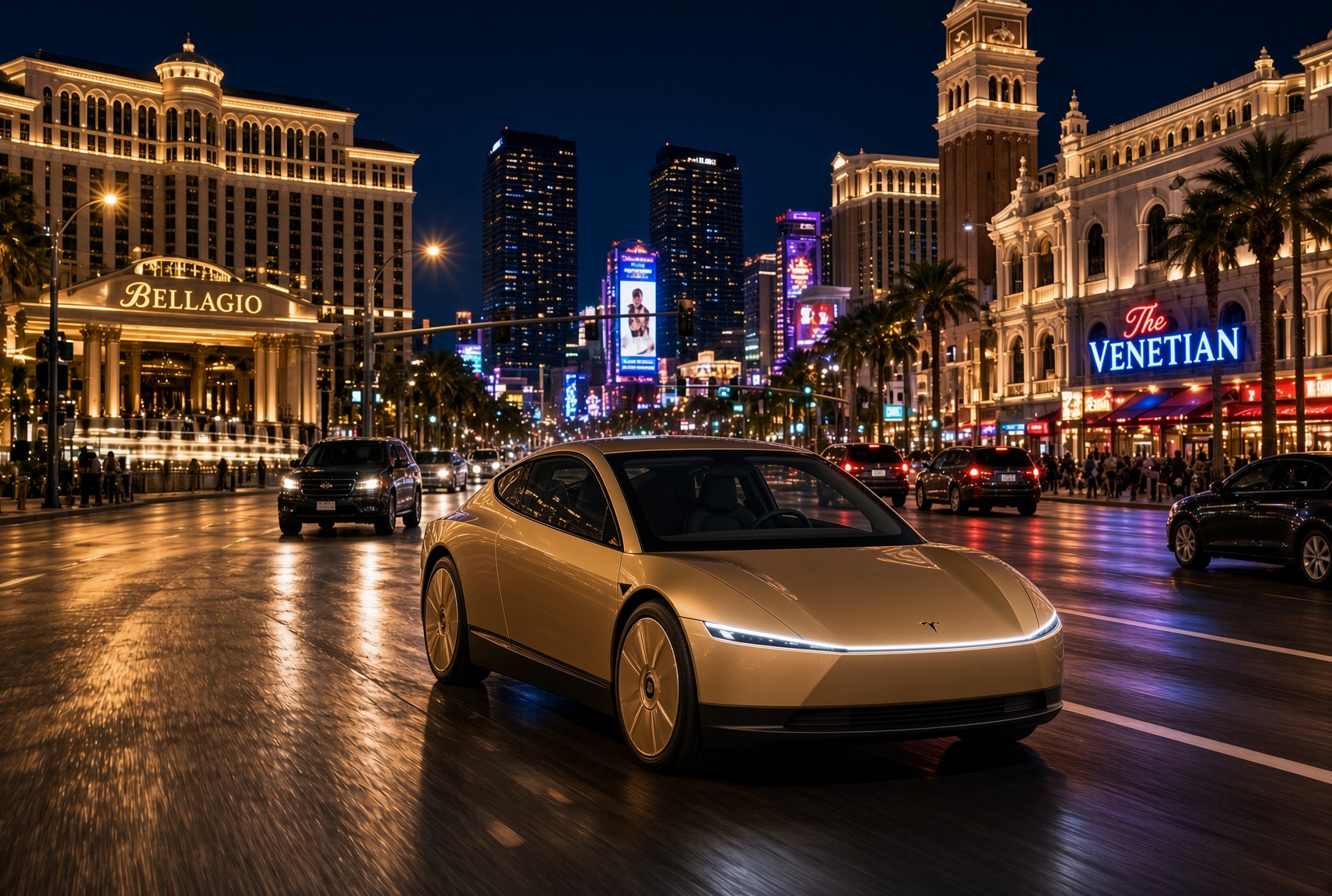
Tesla has rolled out a new vehicle selection screen in its Robotaxi app, and it puts the numbers riders care about most in front of them before they book.
Version 26.11.0 of the app shows the estimated arrival time, the expected wait and current availability for each vehicle option on a single screen, according to a video shared by @gheeunit on X on November 7. Riders deciding between a Cybercab and a Model Y Robotaxi can now compare those figures side by side instead of picking a car first and learning how long it will take afterward.
Tesla first gave riders that choice on September 3, the day paid Cybercab rides began in Austin. The original version of the screen listed the Cybercab, which seats two, next to the Model Y, which seats four. A later build, 26.8.2, added a seating capacity indicator so groups knew which car would fit them. What it did not show was whether choosing the Cybercab meant standing on the curb a few extra minutes.
Newest version of @robotaxi app has a new vehicle selector UI for choosing between Cybercab and Model Y and shows you the fare for both simultaneously! https://t.co/7qoDQ0vACX — mantequilla 🧈 (@gheeunit) November 7, 2026
That question matters more now than it did two months ago. Tesla had 45 Cybercabs on the Texas DMV roster when rides started. By late October the state listed 573, alongside 631 Model Ys, and community trackers logged a record 1,576 Cybercab sightings across Austin on Halloween alone. With two large fleets sharing one service area, the closest car and the quickest pickup are not always the same vehicle.
Inline availability also changes what happens when demand spikes. If no Cybercab is free nearby, the rider sees that on the selection screen rather than after trying to book one.
For now the comparison is mostly an Austin feature. Riders in Dallas, Houston, Fort Worth and the Florida markets are still matched with Model Y vehicles, though Tesla said on its third quarter earnings call that Cybercab rides would launch in Dallas this month.
The update follows a steady run of smaller changes to the rider experience. Late last month Tesla brought a quiet mode that blacks out the cabin screen to Model Y Robotaxis after first testing it in the Cybercab, and it has stretched Austin service to run from 6 a.m. to 2 a.m.
The Cybercab side of that selection screen is about to get much busier. Elon Musk said this week that Tesla will wind down Cybertruck production at Gigafactory Texas around the middle of 2027 to make room for more Cybercab output, and Tesla has said it is aiming to get Cybercabs to customers by the end of this year.
Tesla has not published official release notes for version 26.11.0.

SpaceX will perform Starship double catch attempt with Flight 15

Tesla Cybercab is set to get some massive improvements


