Elon Musk
GM CEO Mary Barra says she told Biden to give Tesla and Musk EV credit
“He was crediting me, and I said, ‘Actually, I think a lot of that credit goes to Elon and Tesla…You know me, Andrew. I don’t want to take credit for things.”

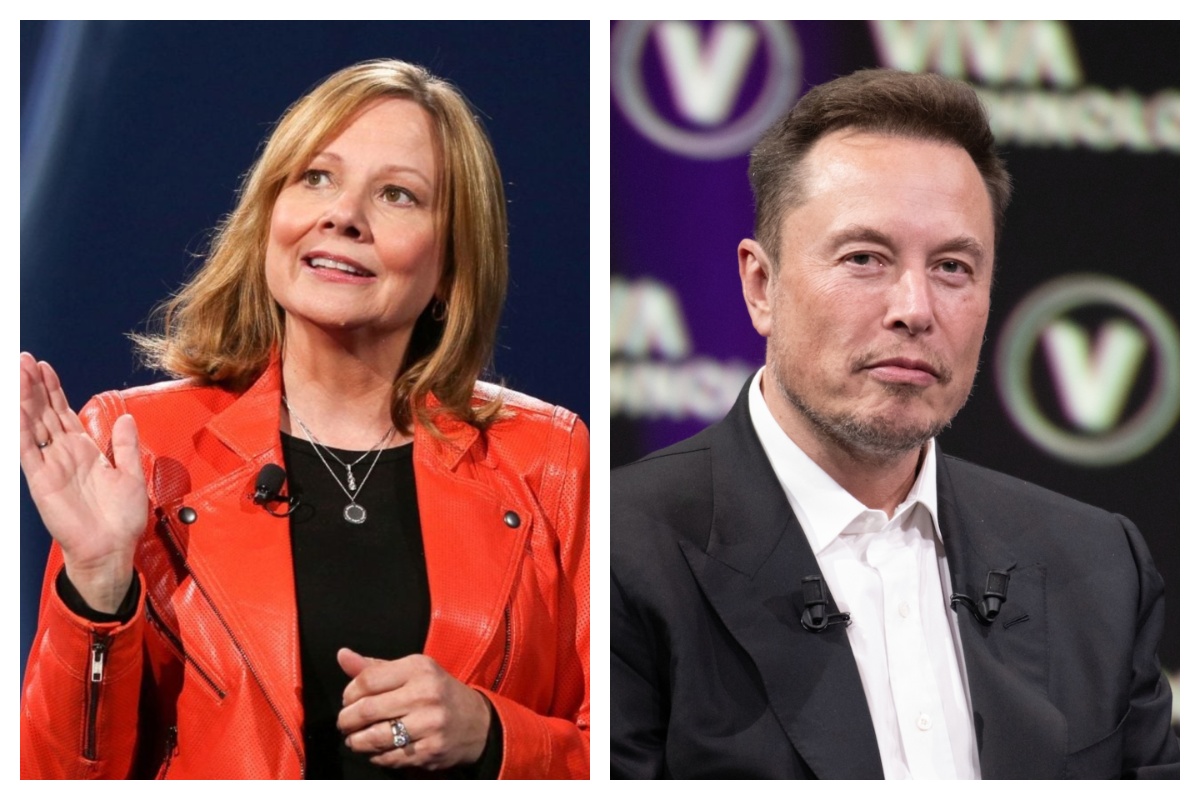
General Motors CEO Mary Barra said in a new interview on Wednesday that she told President Joe Biden to credit Tesla and its CEO, Elon Musk, for the widespread electric vehicle transition.
She said she told Biden this after the former President credited her and GM for leading EV efforts in the United States.
During an interview at the New York Times Dealbook Summit with Andrew Ross Sorkin, Barra said she told Biden that crediting her was essentially a mistake, and that Musk and Tesla should have been explicitly mentioned (via Business Insider):
“He was crediting me, and I said, ‘Actually, I think a lot of that credit goes to Elon and Tesla…You know me, Andrew. I don’t want to take credit for things.”
GM CEO Mary Barra said to Andrew Sorkin at the New York Times Dealbook Summit that she pulled President Biden aside and said Tesla CEO @elonmusk deserved the credit for EVs:
“He was crediting me, and I said, ‘Actually, I think a lot of that credit goes to Elon and Tesla,’” Barra… pic.twitter.com/OHBTG1QfbJ
— TESLARATI (@Teslarati) December 3, 2025
Back in 2021, President Biden visited GM’s “Factory Zero” plant in Detroit, which was the centerpiece of the company’s massive transition to EVs. The former President went on to discuss the EV industry, and claimed that GM and Barra were the true leaders who caused the change:
“In the auto industry, Detroit is leading the world in electric vehicles. You know how critical it is? Mary, I remember talking to you way back in January about the need for America to lead in electric vehicles. I can remember your dramatic announcement that by 2035, GM would be 100% electric. You changed the whole story, Mary. You did, Mary. You electrified the entire automotive industry. I’m serious. You led, and it matters.”
People were baffled by the President’s decision to highlight GM and Barra, and not Tesla and Musk, who truly started the transition to EVs. GM, Ford, and many other companies only followed in the footsteps of Tesla after it started to take market share from them.
Elon Musk and Tesla try to save legacy automakers from Déjà vu
Musk would eventually go on to talk about Biden’s words later on:
“They have so much power over the White House that they can exclude Tesla from an EV Summit. And, in case the first thing, in case that wasn’t enough, then you have President Biden with Mary Barra at a subsequent event, congratulating Mary for having led the EV revolution.”
In Q4 2021, which was shortly after Biden’s comments, Tesla delivered 300,000 EVs. GM delivered just 26.


Elon Musk
The Starship V3 static fire everyone was waiting for just happened
SpaceX fired all 33 Raptor 3 engines on Starship V3 today clearing the path for Flight 12.

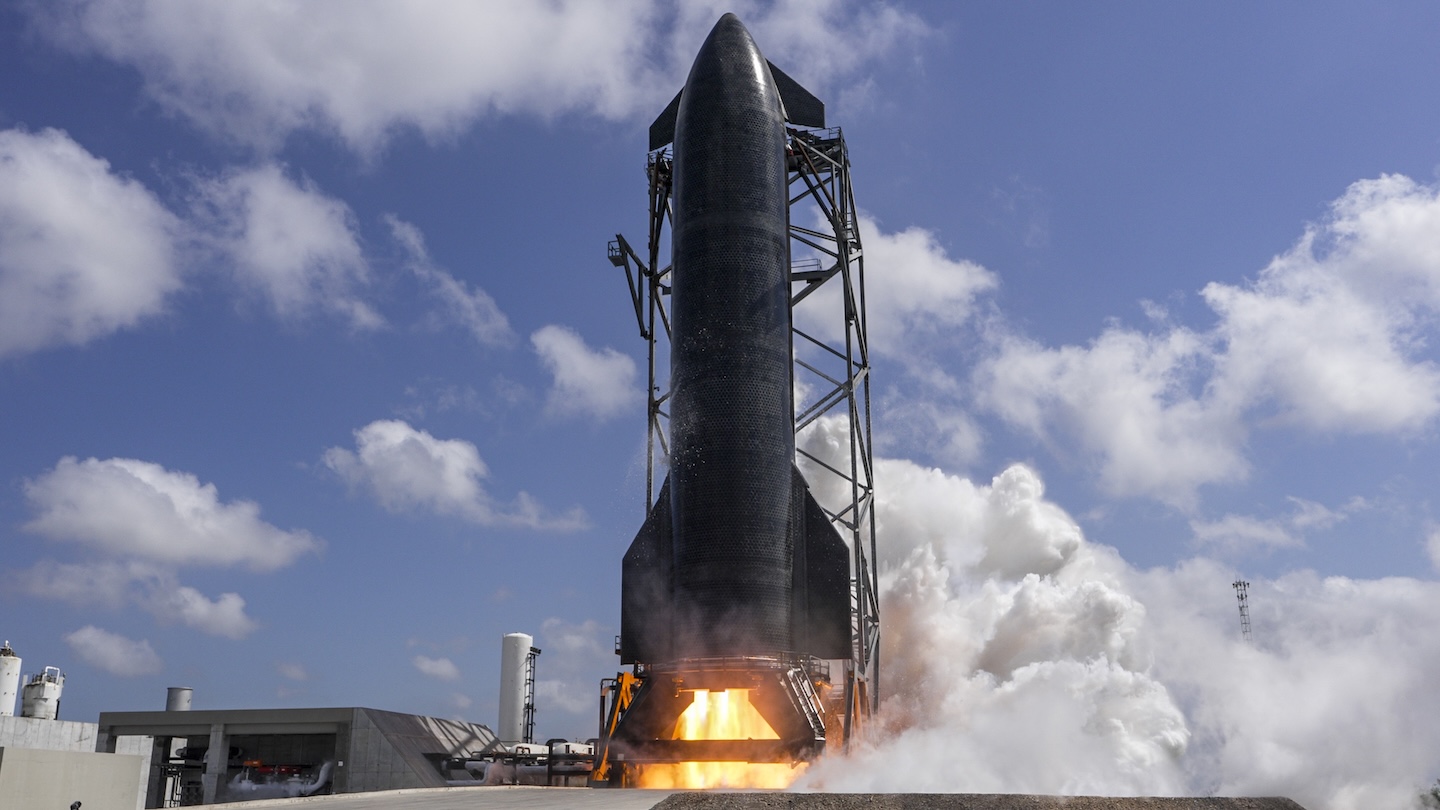
SpaceX is that much closer to launching their next-gen Starship after completing today’s full duration static fire of all 33 Raptor 3 engines out of Starbase, Texas. This marks the most powerful rocket engine test ever conducted and a direct signal that Flight 12, the maiden voyage of Starship V3, is imminent. SpaceX confirmed the test on X, posting that the full duration firing was completed ahead of the vehicle’s next flight test.
The road to today started on March 16, when Booster 19 completed a shorter 10-engine static fire, also at the newly constructed Pad 2. That test ended early due to a ground systems issue but confirmed all installed Raptor 3 engines started cleanly. Booster 19 returned to the Mega Bay, received its remaining 23 engines for a full complement of 33, and rolled back out this week for the complete test campaign. Musk confirmed earlier this month that Flight 12 is now 4 to 6 weeks away.
Countdown: America is going back to the Moon and SpaceX holds the key to what comes after
The numbers behind today’s test are genuinely hard to put in context. Each Raptor 3 engine produces roughly 280 tons of thrust, and with all 33 firing simultaneously, this generates approximately 9,240 tons of combined thrust, more than any rocket in history. For context, that’s enough thrust to lift the entire Empire State Building, and then some. V3 stands 408 feet tall and can carry over 100 tons to low Earth orbit in a fully reusable configuration. The V2 generation topped out at around 35 tons.
Historically, a successful full-duration static fire is the last major ground milestone before launch. SpaceX has followed this pattern with every Starship iteration since the program began in 2023. Musk has been direct about the ambition behind all of it. “I am highly confident that the V3 design will achieve full reusability,” he wrote on X earlier this year. Full reusability of both stages is the foundation of SpaceX’s plan to make regular flights to the Moon and Mars economically viable. Today’s test brings that goal one significant step closer.
Starship V3 delivers on two most critical promises of full reusability and in-orbit refueling. The reusability case is straightforward, and one we have seen with Falcon 9 wherein the rocket can fly again within a day rather than building a new one for every mission. It’s the only economic model that makes frequent lunar cargo runs viable. The in-orbit refueling piece is less obvious but equally essential. To reach the Moon with enough payload, Starship requires roughly ten dedicated tanker flights to fuel up a propellant depot in low Earth orbit before it can even begin its journey to the lunar surface. That capability has never been demonstrated at scale, and Flight 12 is the first step toward proving it works. As Teslarati reported, NASA’s Artemis II crew completed a historic lunar flyby earlier this month, the first humans to travel beyond low Earth orbit since 1972, but getting astronauts to actually land and eventually supply a permanent Moon base requires a cargo pipeline that only a fully reusable, refuelable Starship V3 can deliver at the volume and cost NASA’s plans demand.
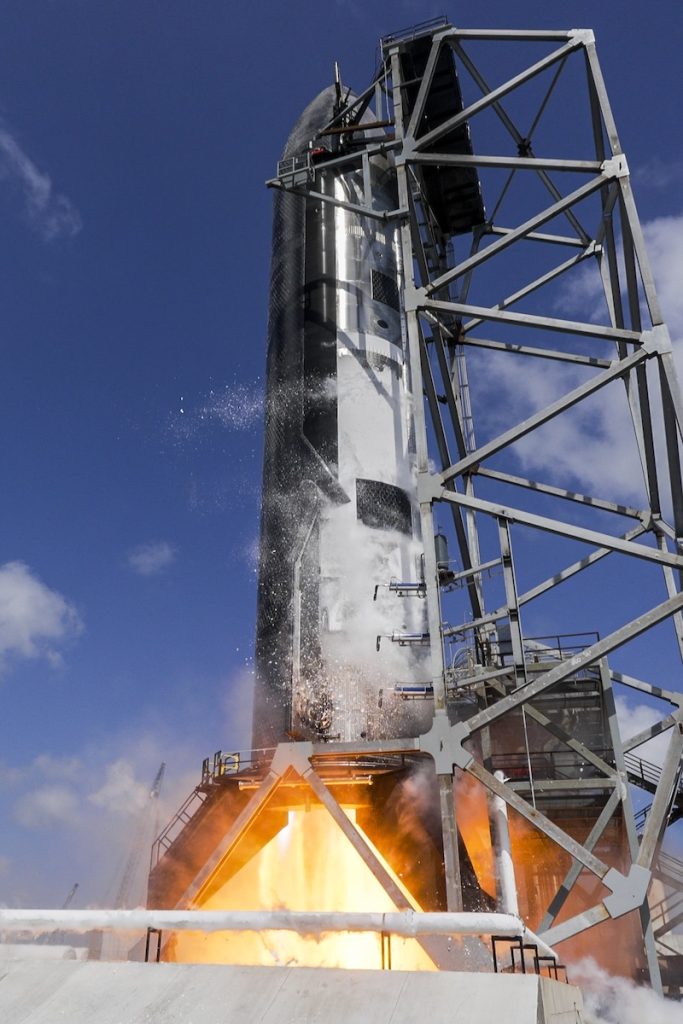
SpaceX Starship full duration static fire on April 14, 2026 from Starbase, Texas (Credit: SpaceX)
Elon Musk
Tesla launches 200mph Model S “Gold” Signature in invite-only purchase
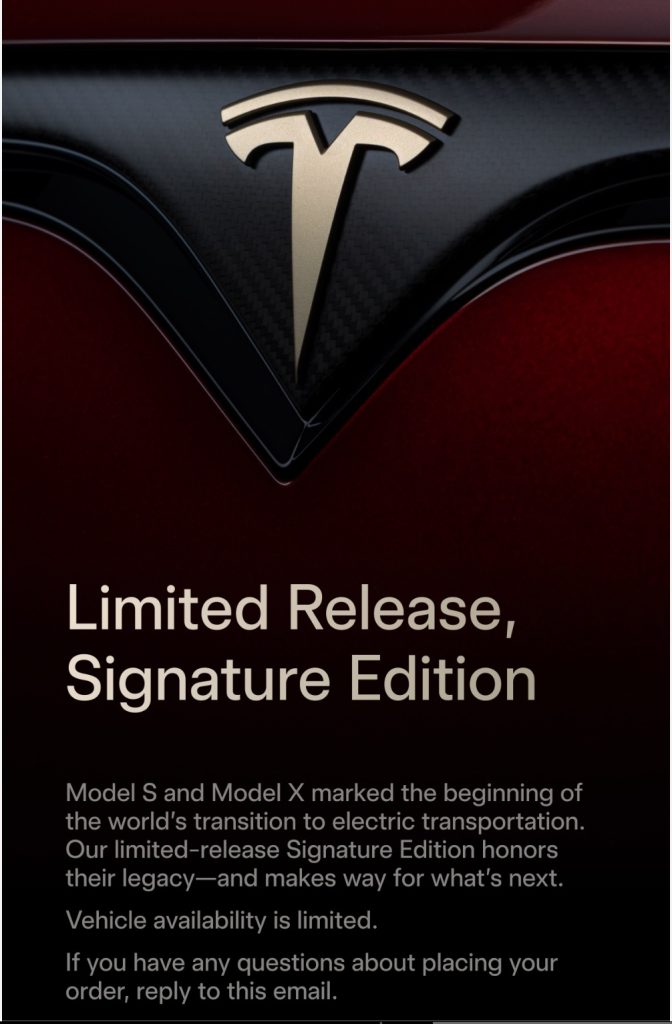
Tesla’s final 350-unit Signature Edition closes the book on two cars that changed everything.
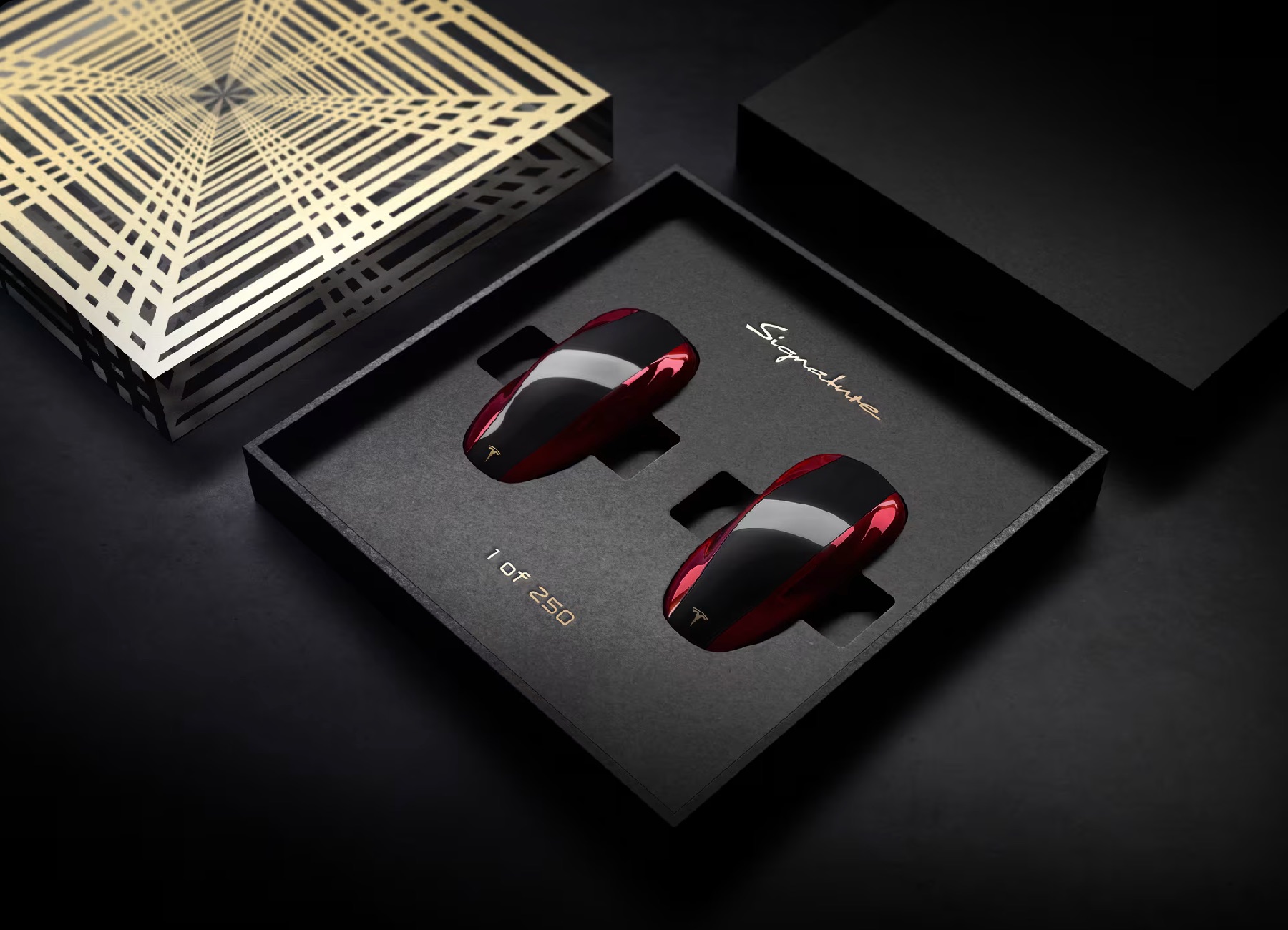
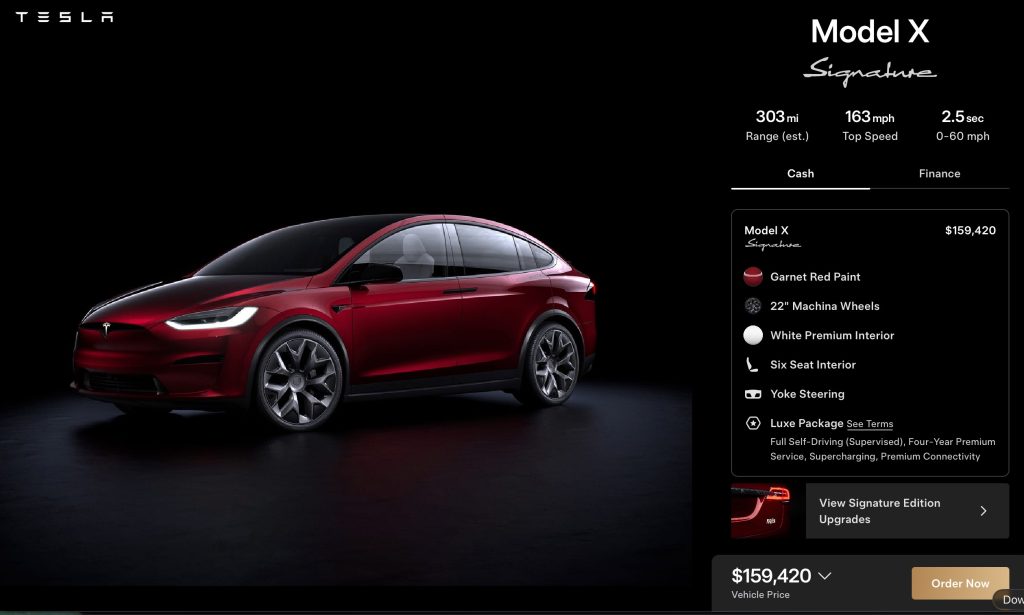
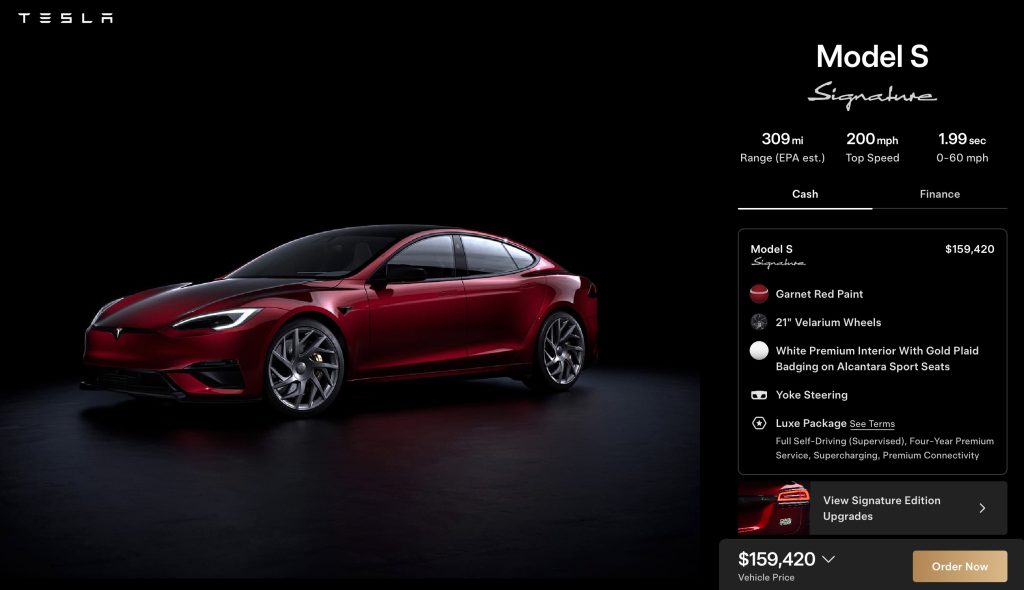
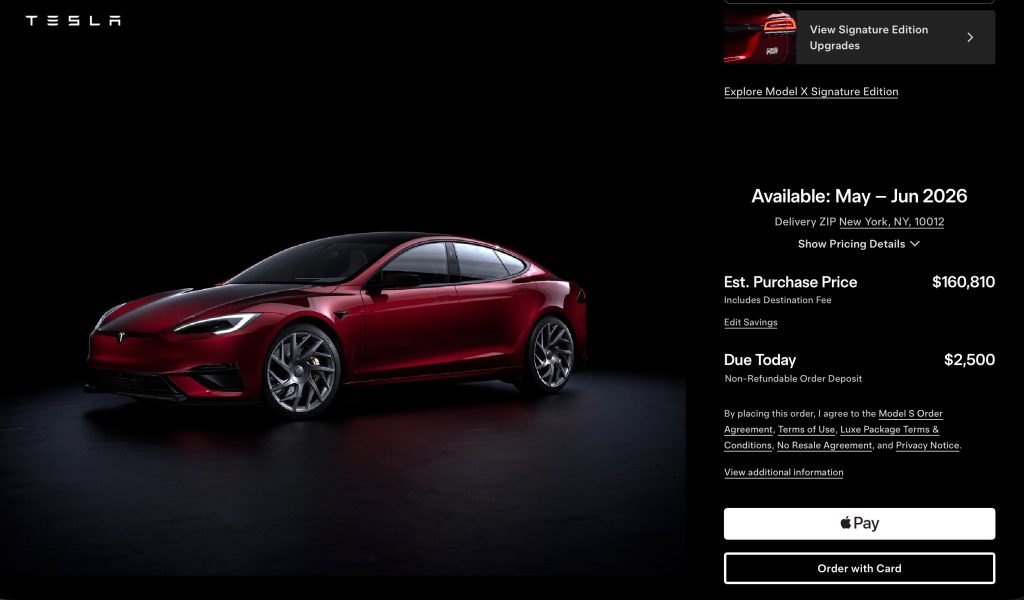
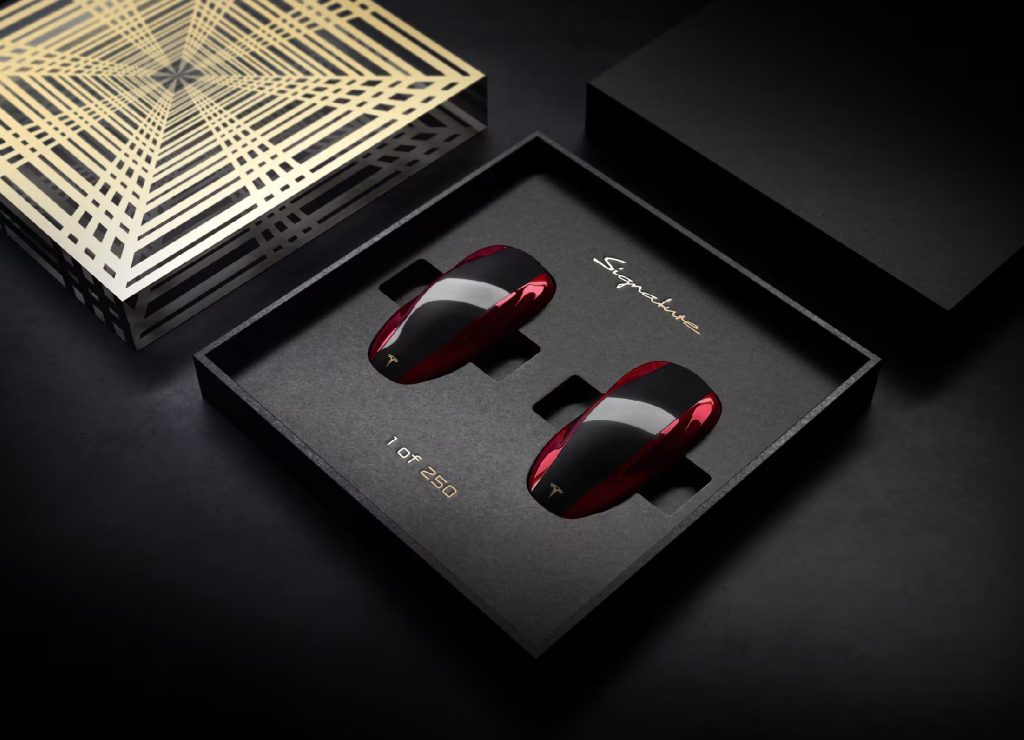
Tesla has announced a super limited Signature Edition run of 250 Model S Plaid and 100 Model X Plaid units as an invite only purchase in a bid to give its original flagship vehicles a proper send-off.
When the Model S first launched in 2012, the first 1,000 units sold were “Signature” editions that required a $40,000 deposit and cost nearly $100,000 each. Those early buyers were Tesla’s first real believers. This new Signature Edition deliberately echoes that moment, bookending a 14-year run with numbered collector hardware.
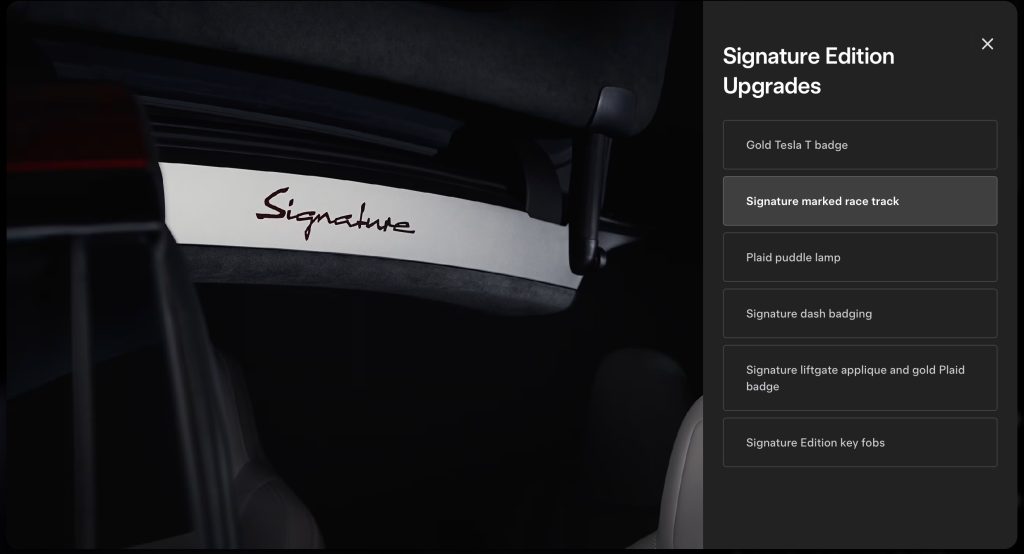
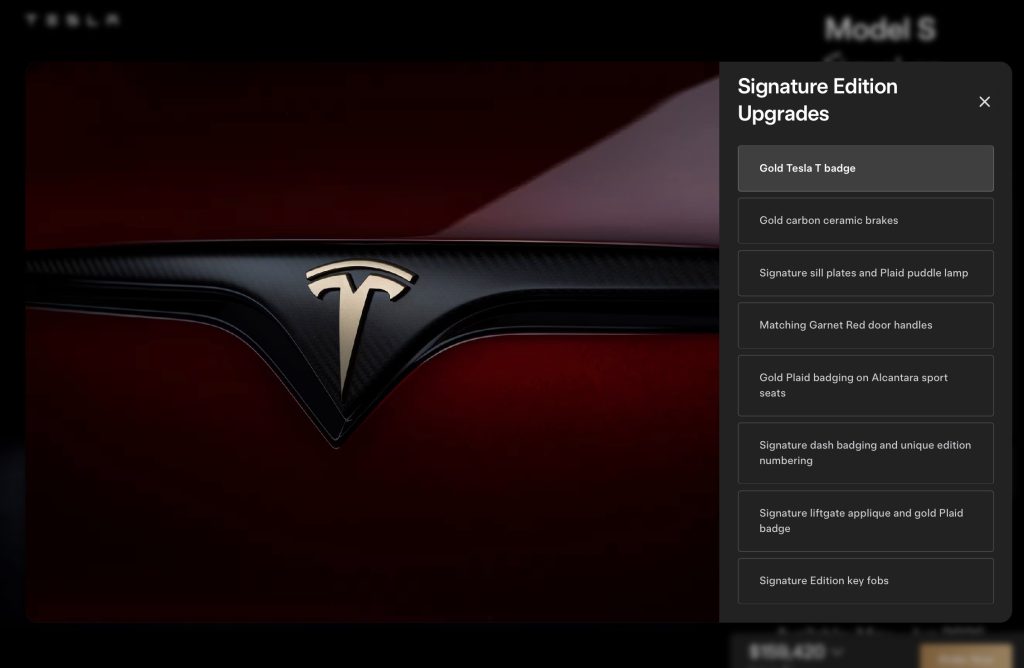
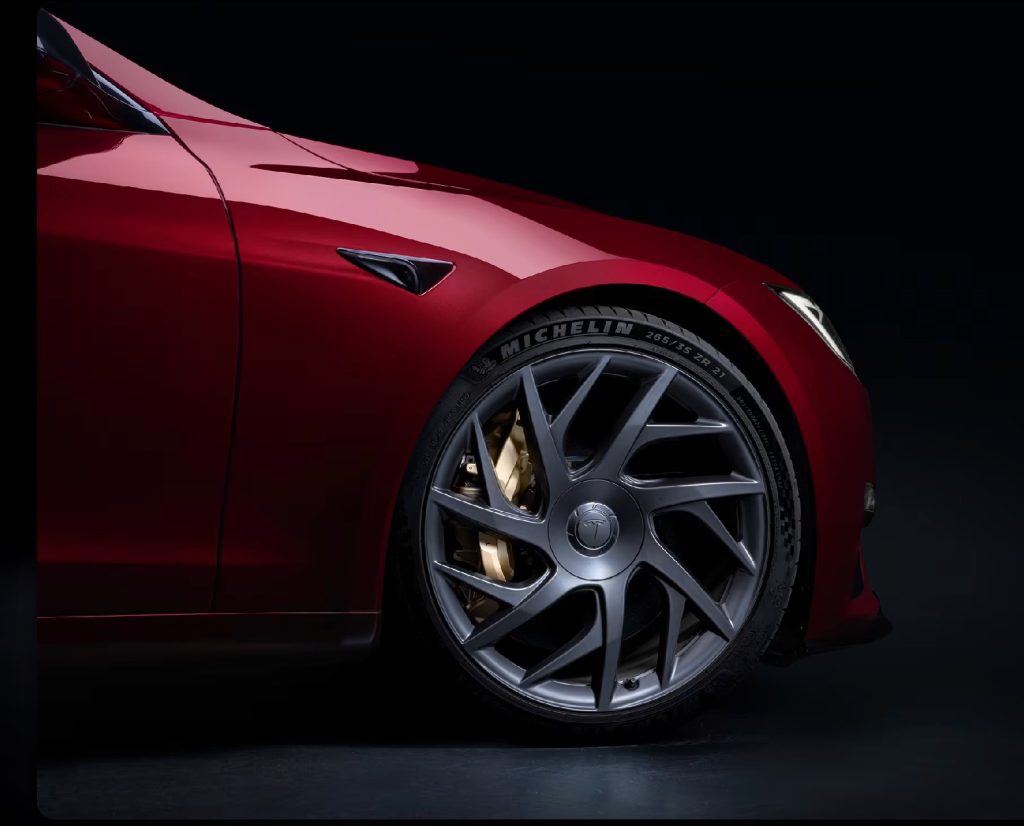
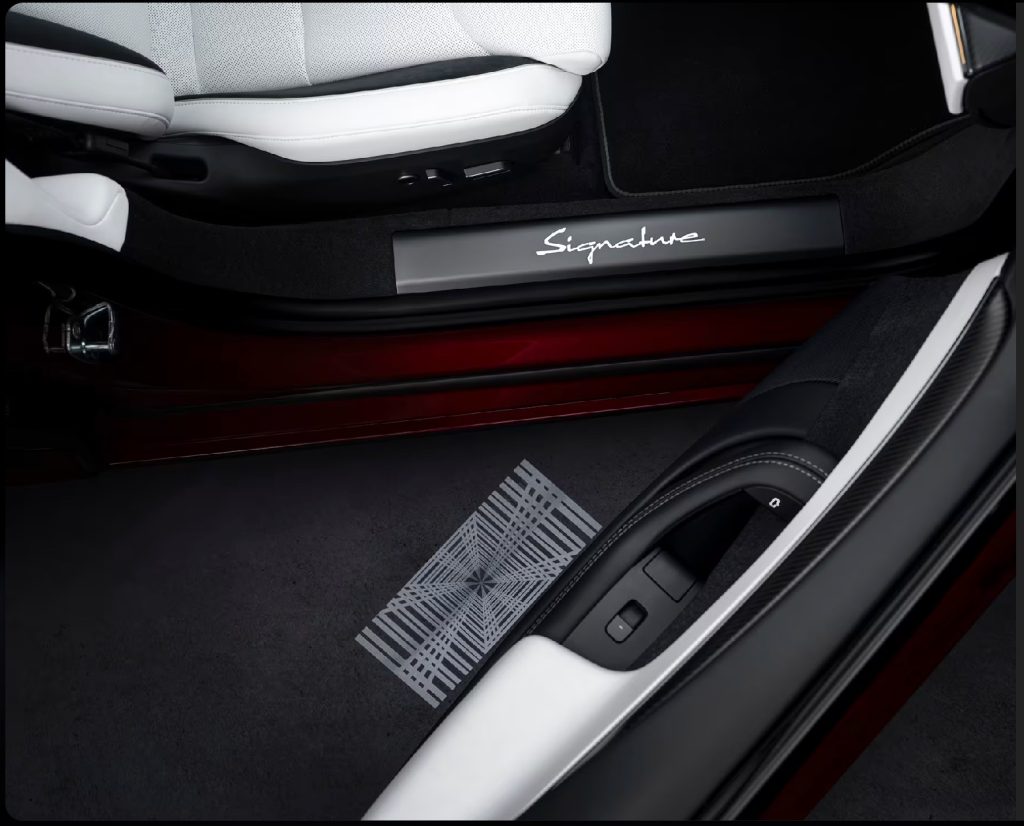
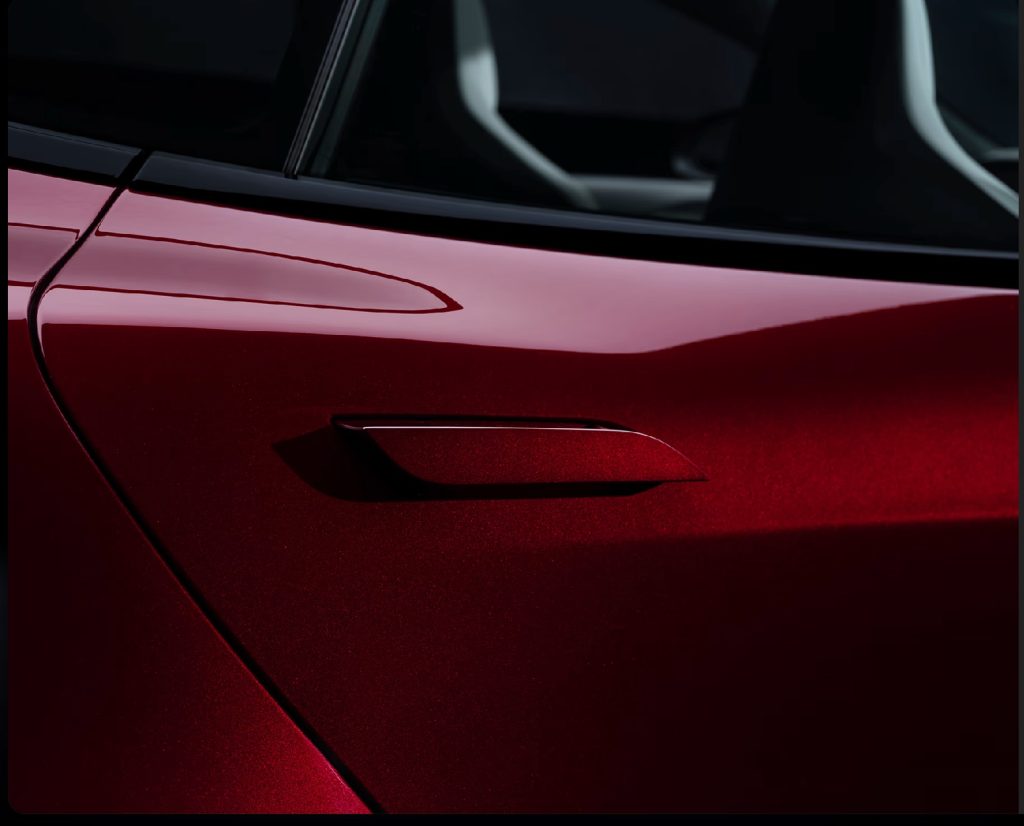
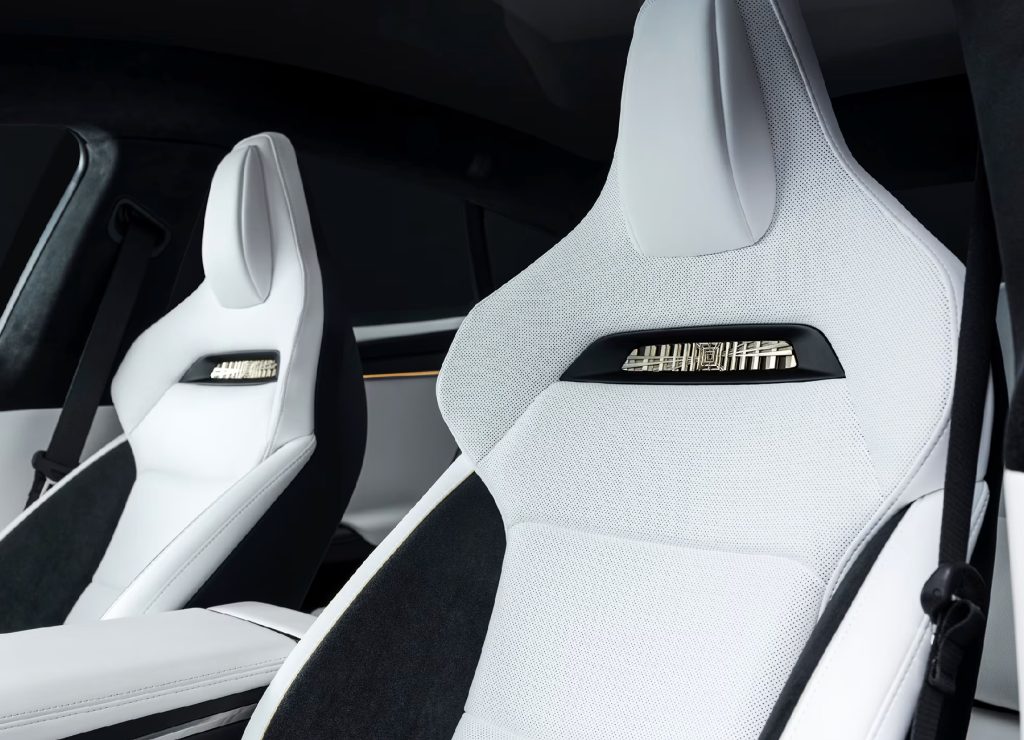
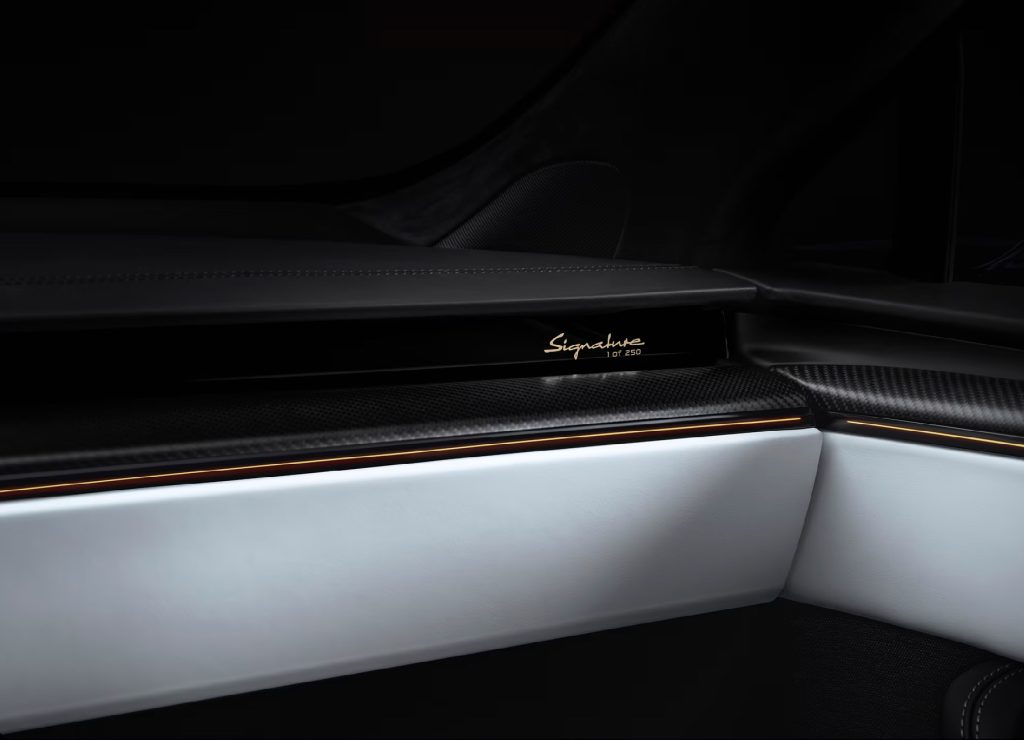
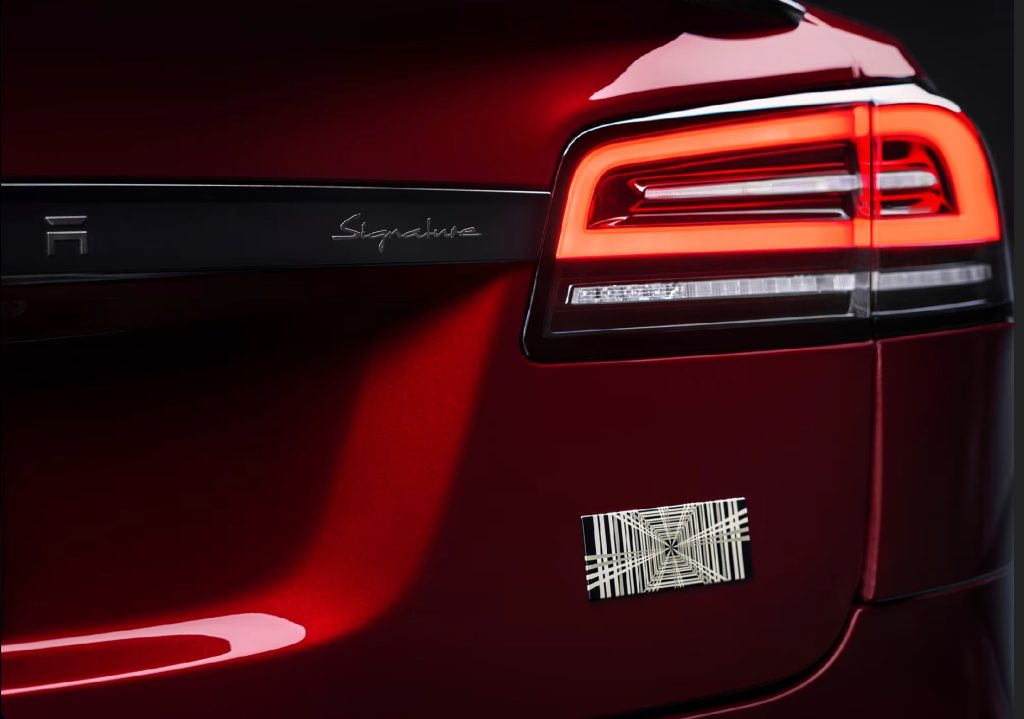
Both models are finished in an exclusive Garnet Red paint not available on any current Tesla production vehicle, with gold Tesla T badges up front, a gold Plaid badge and Signature badge at the rear, and a white Alcantara interior featuring gold Plaid seat badges, gold piping, Signature-marked door sills, and a numbered dash plate. The Model S adds carbon ceramic brakes with gold calipers. Every unit ships with Tesla’s Luxe Package, bundling Full Self-Driving (Supervised), four years of Premium Service, free lifetime Supercharging, and a Signature Edition key fob. Both are priced at $159,420, a roughly $35,000 premium over standard Plaid inventory.
The discontinuation is part of a broader strategic shift. At Tesla’s Q4 2025 earnings call, Musk described the decision as “slightly sad” but necessary, saying: “It’s time to basically bring the Model S and X programs to an end with an honorable discharge, because we’re really moving into a future that is based on autonomy.”
The Fremont factory floor that built these cars is being converted to manufacture Optimus humanoid robots, with a target of one million units annually.
Elon Musk
Tesla FSD in Europe vs. US: It’s not what you think
Tesla FSD is approved in the Netherlands, but the European version differs from what US drivers use.
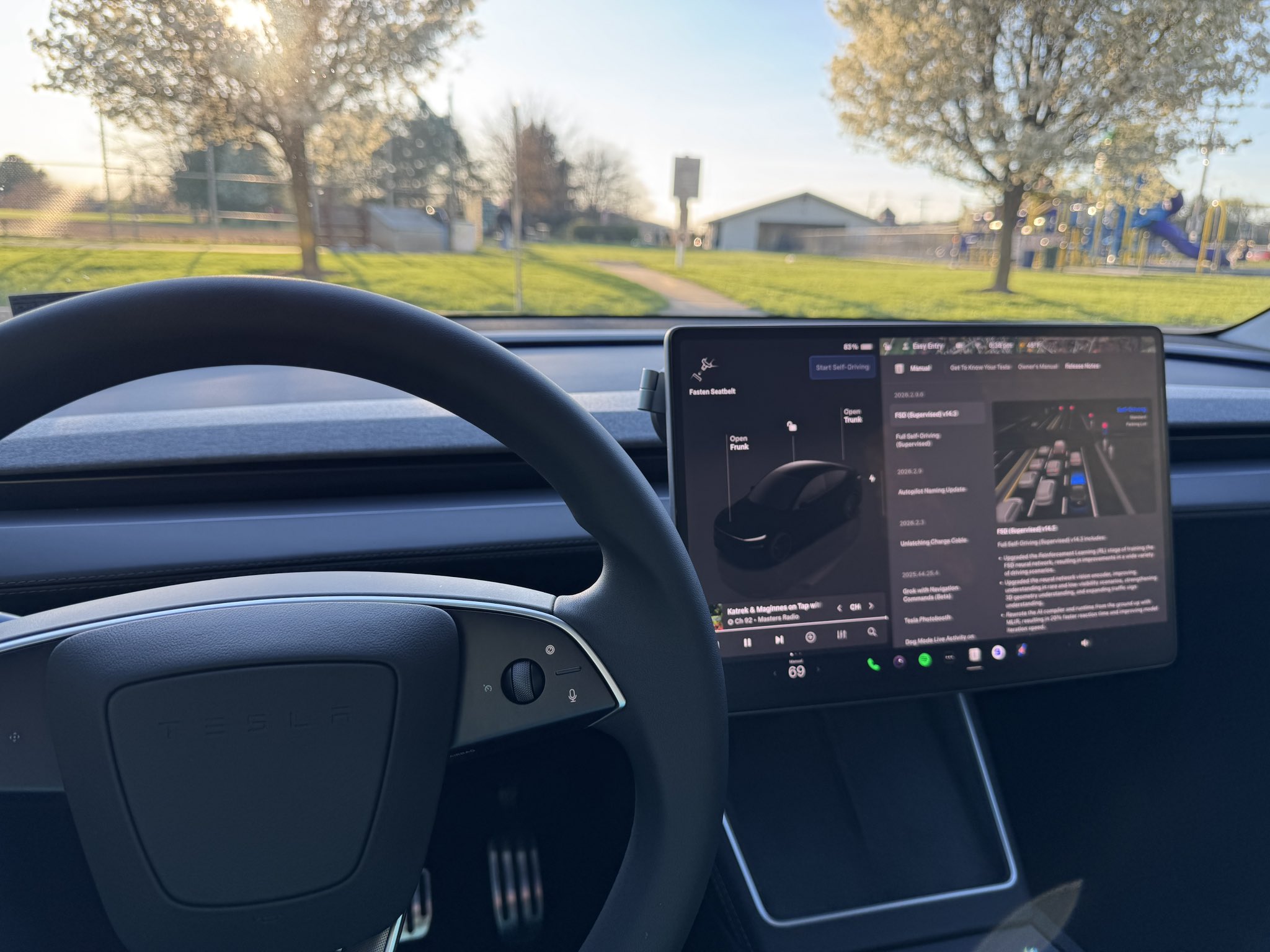
On April 10, 2026, the Dutch vehicle authority RDW granted Tesla the first European type approval for Full Self-Driving Supervised, making the Netherlands the first country on the continent to authorize Tesla’s semi-autonomous system for customer use on public roads.
As Teslarati reported, the RDW approval followed 18 months of testing, more than 1.6 million kilometers driven on EU roads, 13,000 customer ride-alongs, and documentation covering over 400 compliance requirements. Tesla Europe had been running public demo drives through cities like Amsterdam and Eindhoven since early 2026, giving passengers their first experience of the system on European streets.
The European version of FSD is not the same software US drivers use. The RDW’s own statement is direct, noting that the software versions and functionalities in the US and Europe “are therefore not comparable one-to-one.” We’ve compile a table below that captures the most significant differences between US-based Tesla FSD vs. European Tesla FSD that’s based on what regulators and Tesla have publicly confirmed.
| Feature | FSD US | FSD Europe (Netherlands) |
| Regulatory framework | Self-certification, post-market oversight | Pre-market type approval required (UN R-171 + Article 39) |
| Hands requirement | Hands-off permitted on highway | Hands must be available to take over immediately |
| Auto turning from stop lights | Available — navigates intersections, turns, and traffic signals autonomously | Available in EU build — confirmed in Amsterdam demo footage handling unprotected turns and signalized intersections |
| Driving modes | Multiple profiles including a more aggressive “Mad Max” mode | EU build is more conservative by default and errs on the side of restraint when it cannot confirm the limit |
| Summon | Available — Smart Summon navigates parking lots to driver | Status unclear — not confirmed as part of the RDW-approved feature set; urban FSD approval targeted separately for 2027 |
| Driver monitoring | Camera-based eye tracking | Stricter continuous monitoring with more frequent intervention alerts |
| Software version | FSD v14.3 | EU-specific builds that must be separately validated by RDW |
| Geographic restriction | US, Canada, China, Mexico, Australia, NZ, South Korea | Netherlands only; EU-wide vote pending summer 2026 |
| Subscription price | $99/month | €99/month |
| Full urban FSD scope | Available | Partial — separate urban application planned for 2027 |
The approval comes as Tesla is under real pressure to grow FSD subscriptions globally. Musk’s 2025 CEO compensation package, approved by shareholders, includes a milestone requiring 10 million active FSD subscriptions as one condition for his stock awards to vest. Tesla hit one million subscriptions during its Q4 2025 earnings call, which is a meaningful start, but still a long way from the target. Opening Europe as a market for subscriptions, rather than just hardware sales, directly accelerates that number.
Tesla has said it anticipates EU-wide recognition of the Dutch approval during summer 2026, which would extend FSD access to Germany, France, and other major markets through a mutual recognition process without each country repeating the full 18-month review. That timeline is Tesla’s projection, not a confirmed regulatory outcome. As Musk acknowledged at Davos in January 2026, “We hope to get Supervised Full Self-Driving approval in Europe, hopefully next month.”

The Starship V3 static fire everyone was waiting for just happened

Tesla Full Self-Driving shows stunning maneuver in Europe to silence skeptics


