News
SpaceX’s record-breaking Falcon 9 booster returns to port

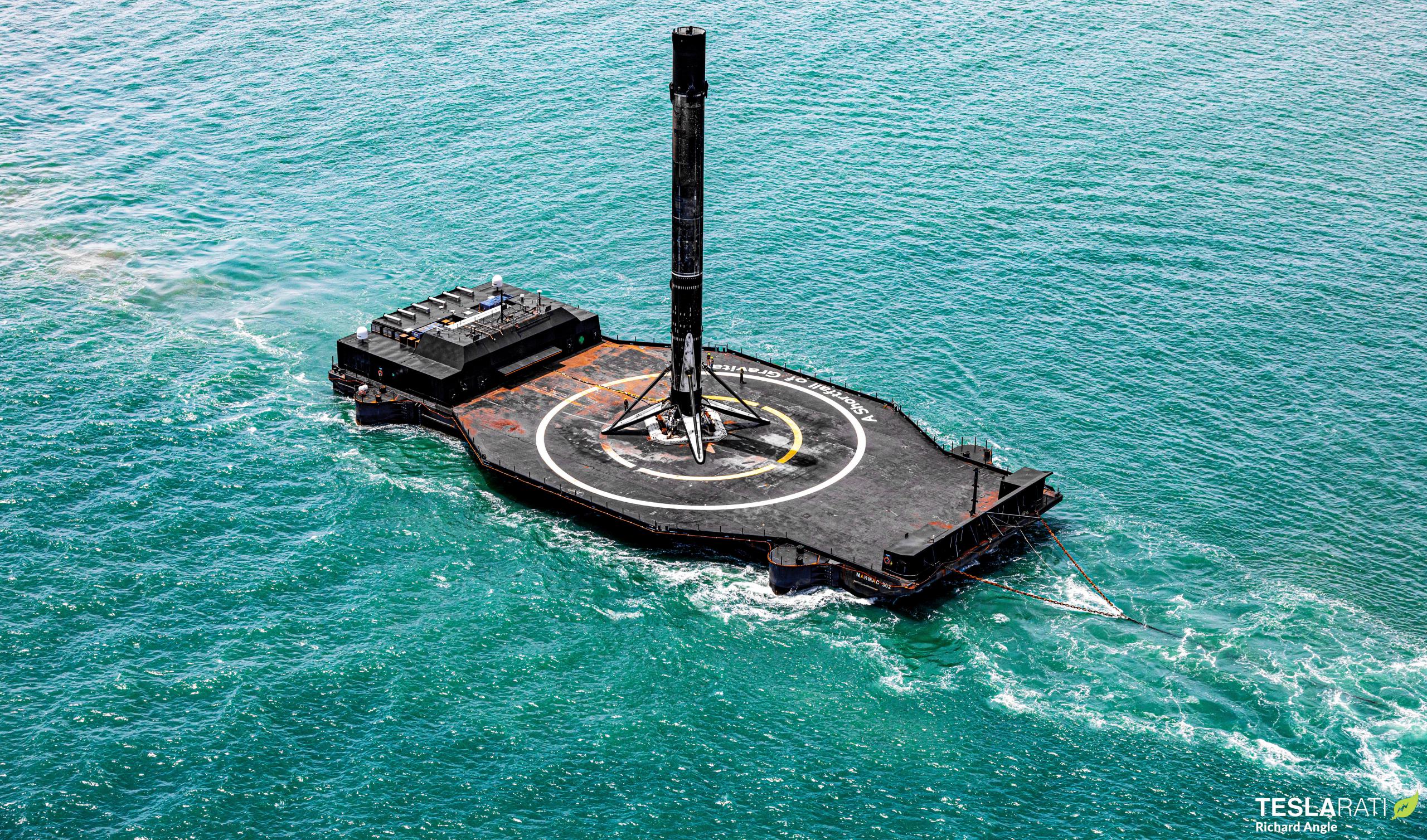
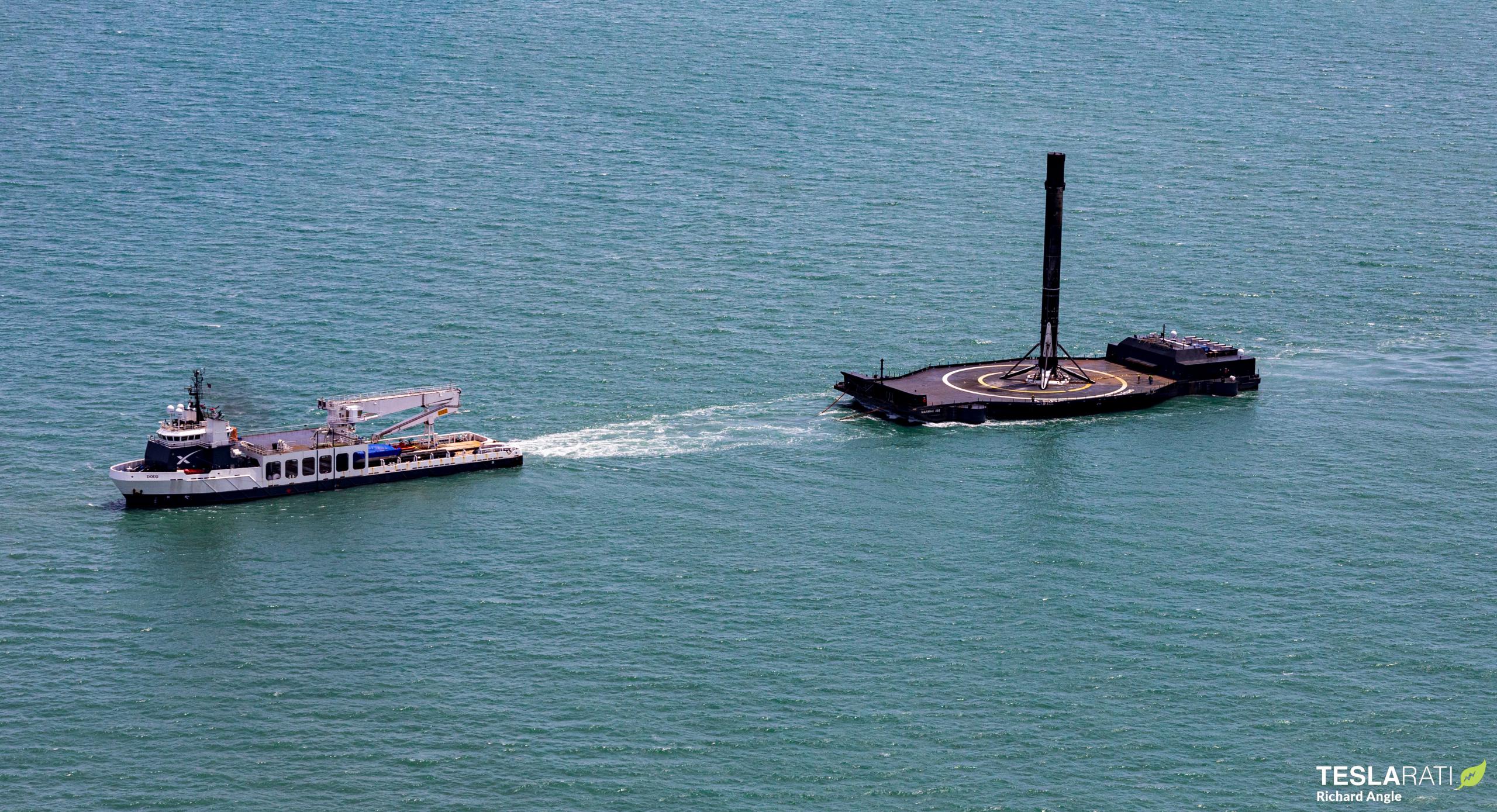
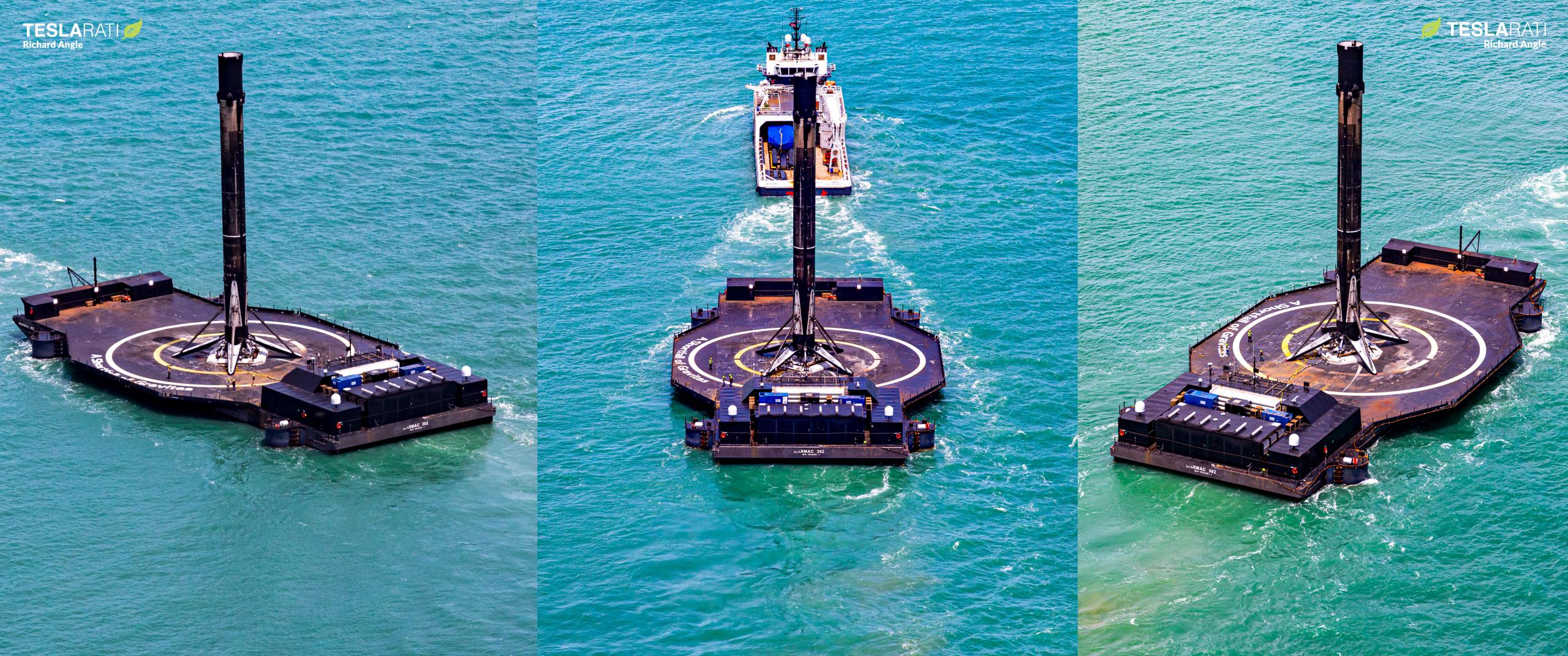
SpaceX’s latest record-breaking Falcon 9 booster has returned to port after completing its 13th launch and landing.
Falcon 9 B1060 lifted off for the first time in June 2020 with the US military’s third next-generation GPS III satellite safely cocooned inside a payload fairing. Unlike B1054, which the US Air Force required SpaceX to expend after their first GPS III satellite launch, the military allowed the company to attempt to recover booster B1060. That first successful recovery would unknowingly pave the way for a future of firsts and for an exceptionally productive career.
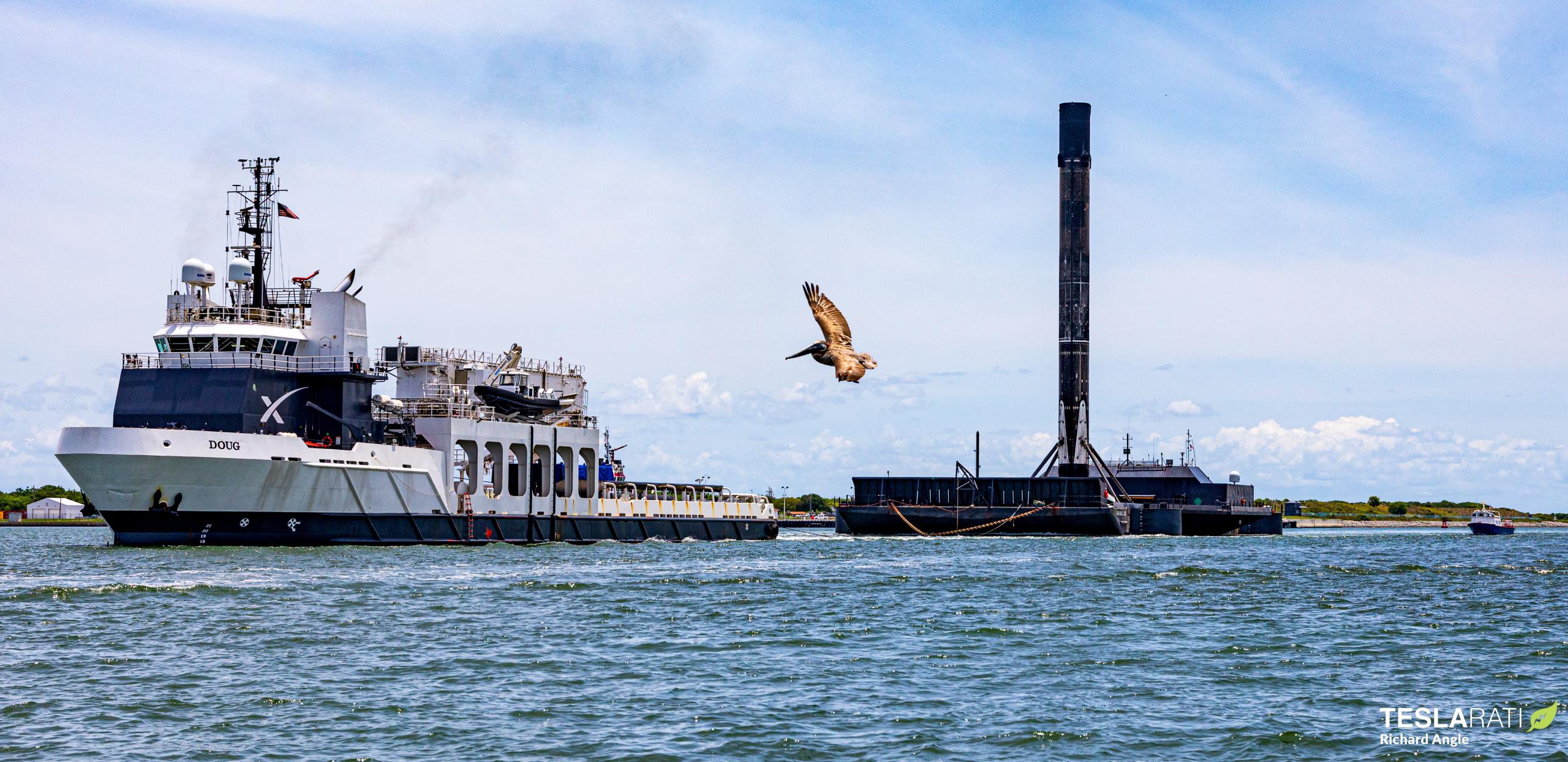
After GPS III SV03, B1060 occasionally supported commercial launches like Turkey’s Turksat 5A geostationary communications satellite and one of SpaceX’s own Transporter rideshare missions, but the booster has primarily been assigned to Starlink launches. In early 2021, the booster smashed SpaceX’s internal turnaround record and spent just 27 days on the ground between its fourth and fifth launches – halving the 54-day record set by NASA’s Space Shuttle, the only other orbital-class rocket that has ever been repeatedly reused.
B1060 has singlehandedly supported the launch of 550 Starlink satellites weighing more than 150 metric tons (>330,000 lb). Altogether, it’s helped launch more than 640 satellites with a collective weight around 165 tons. After its June 17th launch of Starlink 4-19, it’s also supported more orbital-class launches and landings – 13 – than any other Falcon booster, although Falcon 9 B1051 and B1058 are close behind with 12 launches apiece.
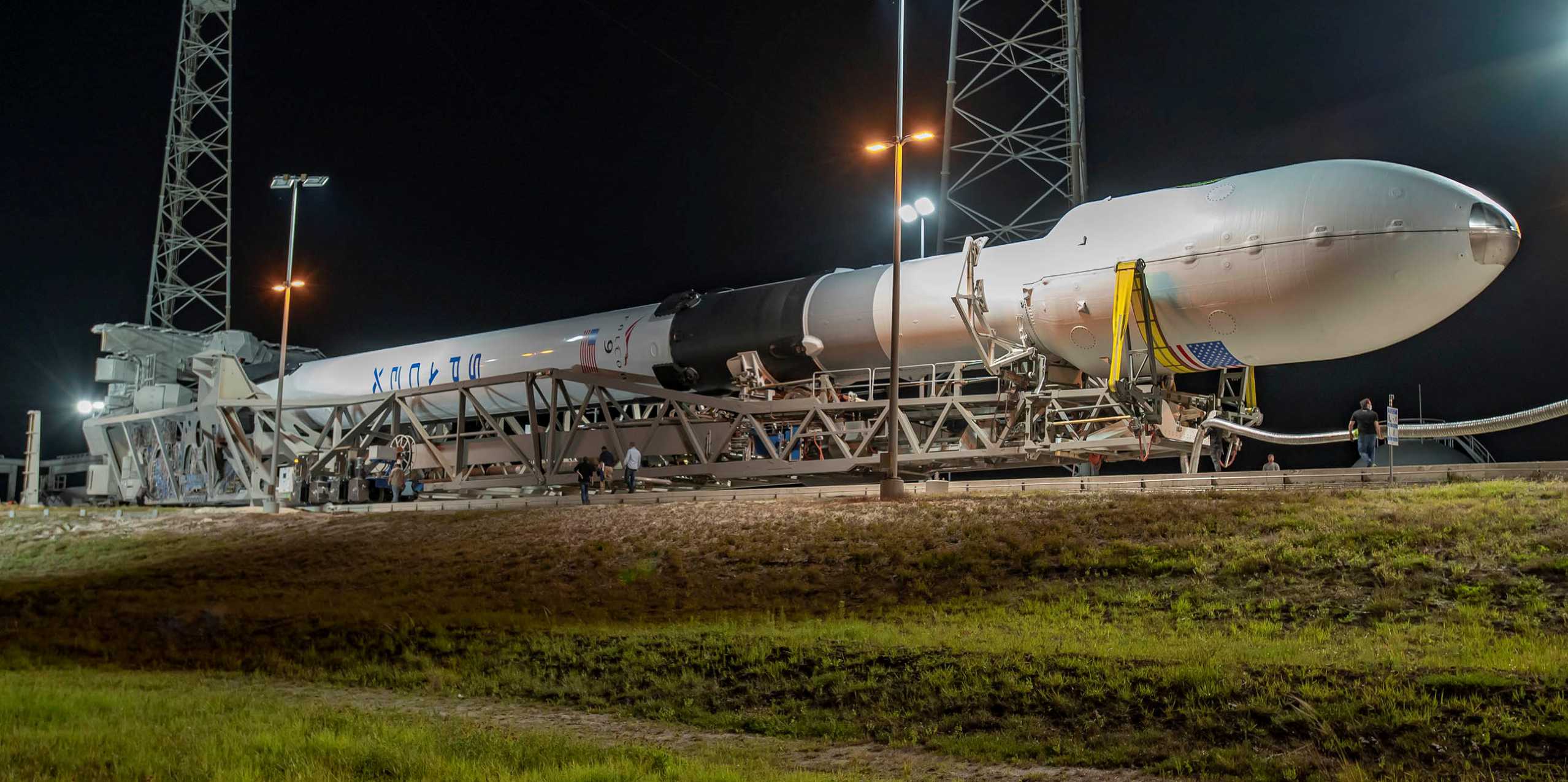
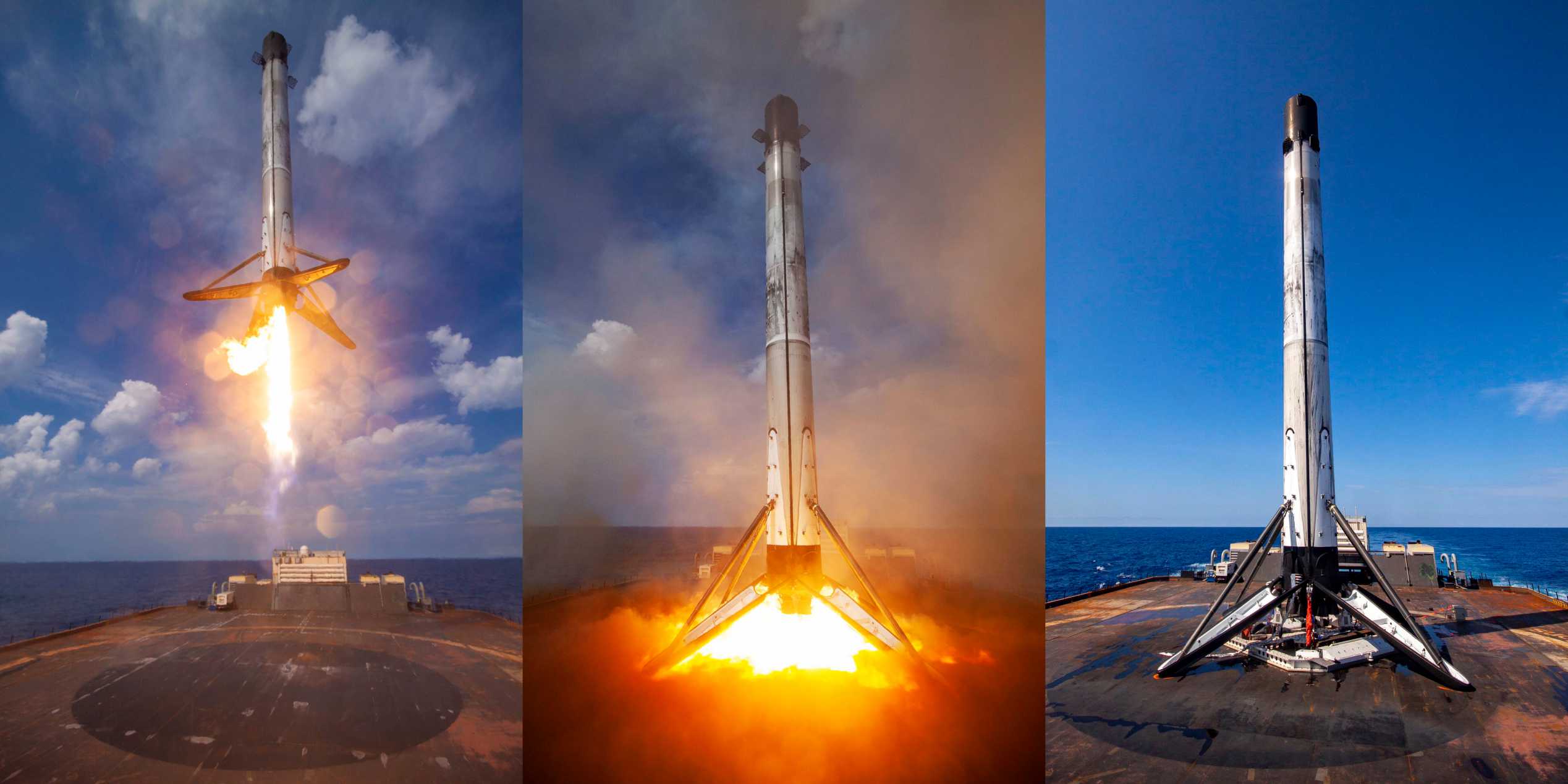
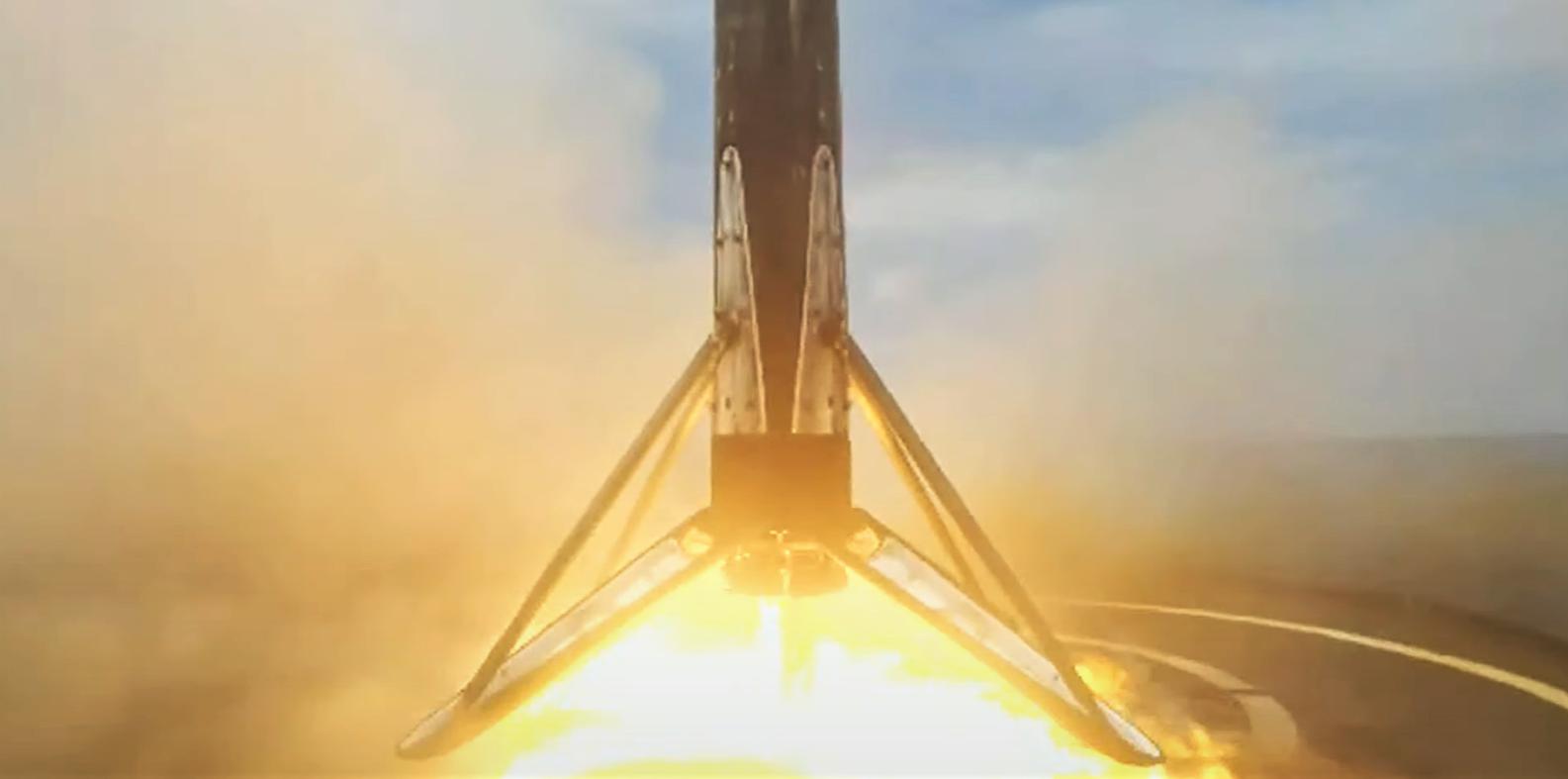
According to senior SpaceX engineers and executives that recently provided exclusive interviews to Aviation Week, the company no longer believes it will need to fly Falcon 9 boosters more than 15 times each, with the implication being that Starship – a next-generation, fully-reusable rocket – will soon begin to take over. Once a Falcon 9 booster (now likely to be B1060) completes its 15th launch, SpaceX intends to take it out of service and perform extensive inspections. If the data gathered is encouraging, it will certify all current and future Falcon boosters for 15 launches each.
It’s unclear if that 15-flight target is a firm cap or if exceptionally productive boosters like B1060, B1051, and B1058 will be allowed to continue pushing the envelope of reuse on future Starlink missions. At their current rate of launch, there’s a good chance that all three could complete 15 launches before the end of 2022. Slightly older and more tempermental, booster B1049 will reportedly be expended after its eleventh launch sometime later this year. If SpaceX’s plan is to full remove boosters from service after Flight 15, the company’s fleet of regularly flying boosters could plummet from 12 to 8 around around the end of 2022 or early 2023.
Following B1060’s June 21st port return, Falcon 9 booster B1061 sailed into port on SpaceX’s other East Coast drone ship on June 22nd after SpaceX launched Starlink 4-19 and Globalstar FM15 (B1061’s latest mission) 36 hours apart the weekend prior. That kind of rapid-fire cadence will likely become a regular occurrence in the second half of 2022 if SpaceX continues to launch an average of once per week, and the company is showing no signs of slowing.




Elon Musk has acknowledged that early discussions with Taiwan Semiconductor Manufacturing Company (TSMC) could bring the company into his ambitious Terafab semiconductor project, signaling a possible partnership with the world’s leading contract chipmaker.
Musk confirmed that early talks are underway, but as of right now, they are “just discussions.” There is no confirmation of a deal nor dismissal of the possibility of one, leaving open the prospect of one of the largest advanced-chip collaborations under discussion in the U.S.
@wholemars Just discussions, but something may come of it
— Elon Musk (@elonmusk) October 3, 2026
The report that speculated on potential discussions between Terafab and TSMC comes from Tim Culpan, who outlined a few ways the collaboration could operate. One is TSMC using the project as an “anchor customer” for future facilities in Texas, potentially contributing process expertise, operational know-how, or capacity while Terafab provides capital, long-term purchase commitments, or both.
Tesla and SpaceX jointly developed the Terafab project, with Intel already participating on the tech side. Elon Musk announced the project in March, and it intends to produce more than one terawatt of AI compute capacity annually once fully built.
Company statements place the first phase at approximately $16.8 billion in cost, with later filings pointing to a total that could reach well into the tens of billions across multiple stages.
Intel joined the effort in April 2026 and is expected to supply its 14A manufacturing process for the full-scale plant.
Musk has said existing suppliers, including Samsung and TSMC, remain important for near-term needs; Tesla already has production arrangements with Samsung for AI5 and AI6 chips, but that future demand from Optimus robots, Cybercab vehicles, and planned space-based data centers will eventually exceed what the global industry can currently deliver.
Terafab is positioned as the long-term answer to that projected shortfall, and Tesla did something similar during COVID to avoid a chip shortage. This is just a much larger-scale solution.
If the partnership were to materialize, it would add TSMC’s industry-leading strategies to a project that already combines Tesla’s and SpaceX’s capital and offtake with Intel’s process technology. For now, the only public confirmation is Musk’s brief acknowledgement that conversations are occurring.
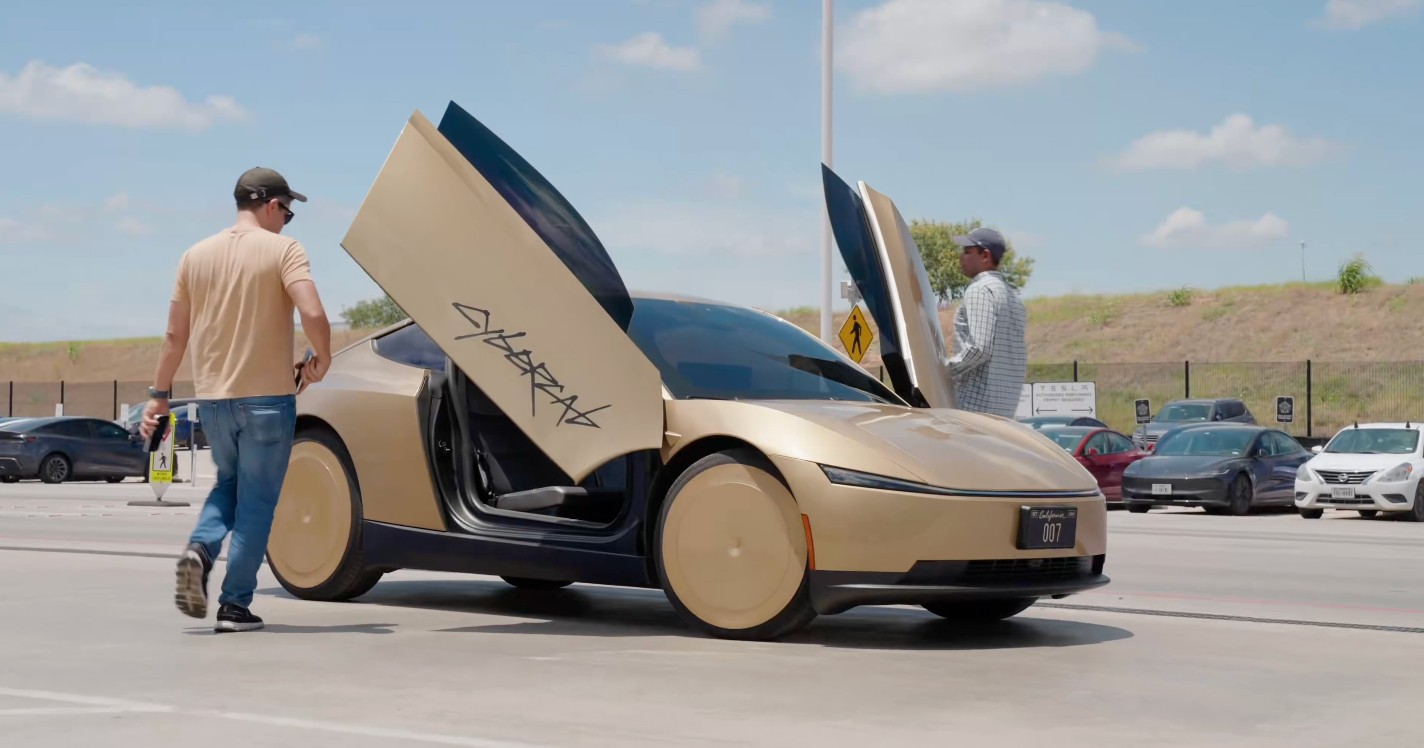
Tesla’s early strategy for charging units operating within its Robotaxi fleet reveals that the company surely has not lost any of that scrappy DNA that took it from an unlikely success story to the most valuable carmaker in the world.
An observer at a Tesla Supercharger in Austin spotted ten total Robotaxi vehicles arrive: one Cybercab and nine Model Y units. A Tesla employee was waiting at the lot and allowed each unit to park itself; every car that arrived had nobody in it.
Tesla wins FCC approval for wireless Cybercab charging system
The Tesla employee would walk around and plug each car in, adjusting the parking if needed:
So look at what I found. This is how Tesla charges unsupervised robotaxis at a public supercharger. Here is a driverless Cybercab showing up with no one in it. There are 9 other Model Ys that showed up too. A Tesla employee is walking around and plugging each of them in. She also moves the cars if they are not positioned well enough to charge. I love this process. One person charges multiple robotaxis at once
— Abhimanyu Yadav (@WorldlyReviewer) October 3, 2026
It’s a very interesting strategy, but extremely understandable at this early point in the Robotaxi program. It’s only been out for about 15 months, and Cybercab just entered the fleet in early September.
On top of that, Tesla is still working tirelessly on its wireless charging apparatus, and a new patent was just published regarding that product last week.
However, this is just another example of how Tesla still has plenty of that scrappy DNA leftover from the “production hell” days, when CEO Elon Musk slept on the floor of the factory, employees were working crazy hours, Tesla was building Sprung Structures to build cars in, and the company was tiptoeing on the brink of bankruptcy.
@Teslarati Sheer magnitude of the entire production system is hard to appreciate. Almost every element of production is >75% automated. Only wire harnesses & general assembly, which are <10% of production costs, are primarily manual.
— Elon Musk (@elonmusk) October 12, 2020
For now, Tesla is utilizing a simple system for recharging its ride-hailing vehicles, and that is a Tesla employee doing it manually until another solution presents itself. Sure, it’s not the most high-tech thing, and it certainly is not what people might have expected at this point in time, but it works, and it’s keeping the entire suite running.
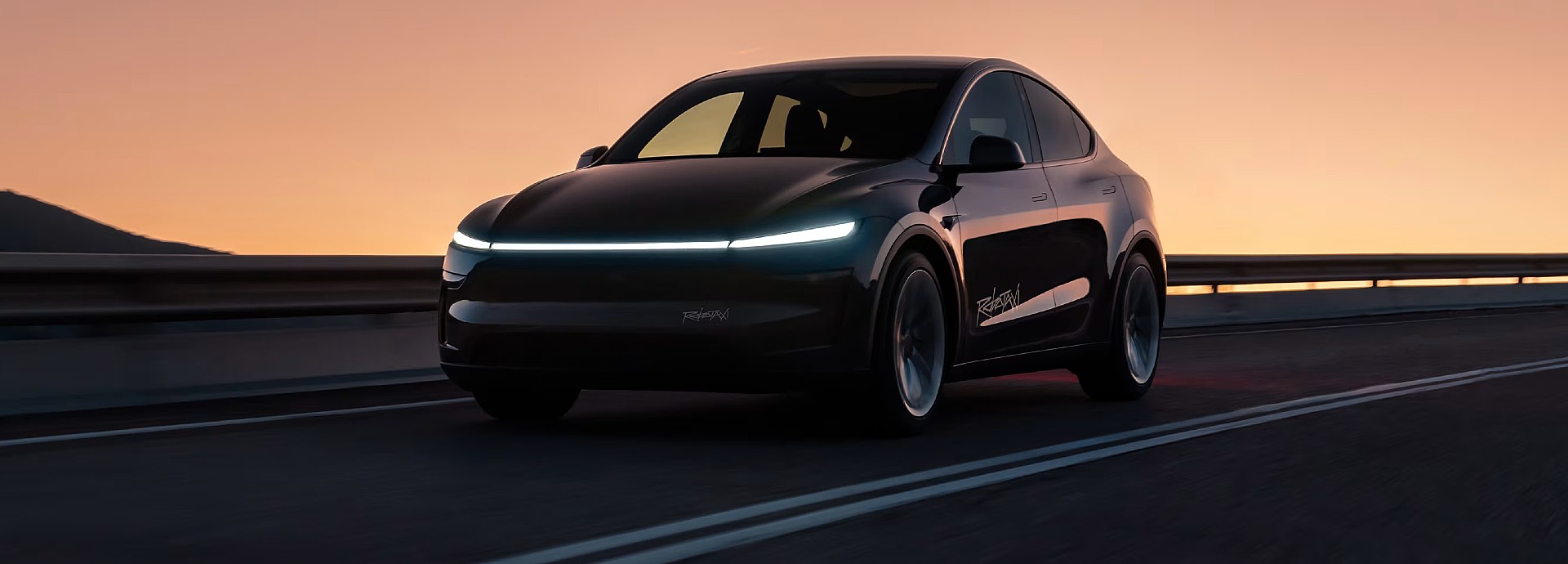
Tesla is expanding its Robotaxi service hours by pushing the time back by one hour, keeping the ride-hailing service operational until 11 p.m., one hour later than previously.
CEO Elon Musk confirmed the change and offered a specific reason the expansion has been gradual: the system still needs to reliably avoid small pets that are difficult to see after dark, as they commonly blend into the color of the road, especially when they’re grey.
The latest adjustment restores only a fraction of the operating window the service once held. When paid Robotaxi rides began in Austin on June 22, 2025, vehicles ran from 6 a.m. to midnight.
In September 2025, Tesla lengthened the day to a 2 a.m. close, producing a 20-hour window that stayed in place for most of the following year. By early August of this year, the cutoff had already been pulled back; an August 26 update formalized hours of 6 a.m. to 10 p.m. across Austin and several other markets.
The October move to 11 p.m. therefore leaves the Austin day one hour shorter than the original launch schedule and three hours shorter than the 2025 peak.
Musk addressed the constraint directly after the announcement. “The main thing we’re trying to solve is making sure that we don’t run over pets when they’re hard to see at night,” he wrote. “Literally trying to avoid grey kittens on grey tarmac in the dark.”
Robotaxi operating hours moved from 10pm to 11pm.
The main thing we’re trying to solve is making sure that we don’t run over pets when they’re hard to see at night. Literally trying to avoid grey kittens on grey tarmac in the dark.
— Elon Musk (@elonmusk) October 3, 2026
The example points to a low-contrast perception problem in which a small animal can blend into the road surface under limited lighting.
Tesla’s vehicles rely on cameras and neural-network processing rather than lidar; Musk has previously argued that advanced vision software can extract useful information even in low light by analyzing photon counts, but the pet-detection case remains the stated limiter in later hours.
The modest schedule change arrives alongside faster growth in the purpose-built Cybercab fleet. Texas registration data tracked by observers showed the Austin Cybercab count rising sharply in recent weeks, reaching 169 vehicles after more than 100 were added in a short span.
Tesla has indicated that a broader shift toward 24-hour operation is tied to the upcoming FSD v15 software release expected this month on Robotaxi vehicles. Until that capability is validated for the edge cases Musk described, the company continues to add service time incrementally rather than jumping straight to overnight coverage.
The one-hour extension gives Austin riders a later option for evening trips while the underlying detection work continues.

Elon Musk teases TSMC as potential Terafab partner

Tesla reveals early Robotaxi charging strategy, showing scrappy DNA


