News
Tesla Cybercab and Semi have more in common than you might think

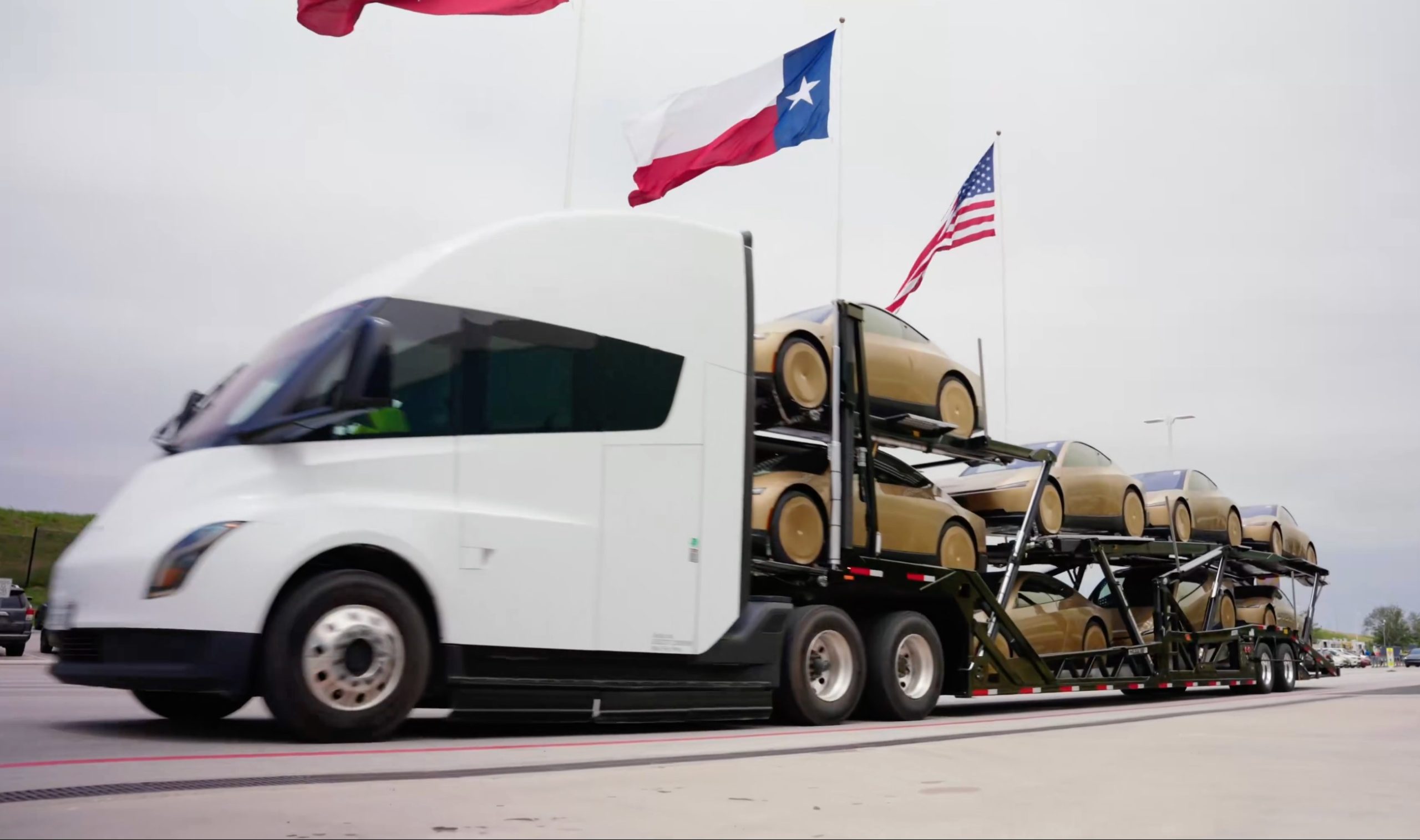
Although the two vehicles are built for completely different use cases, Tesla utilized engineering expertise while developing both the Cybercab and Semi to build a thermal architecture that would fit both vehicles. Of course, with some slight revisions.
The development was noted by Lars Moravy and Dan Priestley last week at Tesla’s Semi Handover event in Sparks, Nevada, where the company showed off its dedicated production facility for the Class 8 truck.
🚨 Tesla designed the integrated thermal systems for Cybercab and Semi at the same time as the vehicles were both in development
Tesla wanted to build one thermal system that worked with both vehicles, apart from small modifications.
Semi and Cybercab share parts 🤯 pic.twitter.com/KmzSsUbrcg
— TESLARATI (@Teslarati) September 25, 2026
Tesla’s decision to develop one thermal architecture for both the Cybercab and Semi is one of the more revealing engineering choices in the company’s 2026 lineup:
“We designed it at the same time we designed the Cybercab and we said okay we’re going to take our most efficient vehicle and our biggest vehicle and we’re going to take one thermal system and make it work for both.”
Core parts, meaning the compressor, pumps, and heat exchangers, are shared, with only modest changes to cooling-loop sizing and a larger radiator on the truck. The result, they said, is a compressor and thermal stack already proven across millions of miles, delivering “reliability from day one.”
Priestley also highlighted a practical payoff of the indirect design:
“There’s no AC lines, there’s no refrigerant lines…It comes from the factory fully charged, sealed with refrigerant, and it just exchanges coolant. It doesn’t actually run refrigerant up to the front of the vehicle.”
This eliminates potentially leak-prone plumbing that would otherwise require hands-on service, reducing overall uptime and potentially cutting into business margins. The megamanifold runs cabin HVAC and every powertrain heating and cooling loop at once, recapturing waste heat from motors and the battery instead of dumping it the way a diesel engine does.
The approach is just the latest chapter in a continuing story of stretching thermal solutions across wildly different vehicles. Model Y’s Octovalve evolved into the Super Manifold used on Cybertruck, and later Model S/X refreshes. Cybercab then introduced Supermanifold V3, which Tesla says is 80 percent automated to build and 38 percent more efficient than typical automotive thermal systems.
This thermal system is also shared with Cybercab – one thermal system for both our most efficient vehicle & our biggest vehicle
— Tesla Semi (@tesla_semi) September 25, 2026
Tesla has done the same with the 4680 cells, both being utilized in the Cybertruck and Semi, and with heat-pump compressors that Priestley noted were already common across the passenger-car fleet.
Concurrent development of crucial vehicle elements buys scale and reliability that a truck-only thermal system could not match. High-volume passenger car parts are cheaper and more accessible, which can give fleets a sealed, low-maintenance loop of operation from their first day of operation.
For owners and operators, that translates into less energy spent on cabin heat in the colder months, fewer refrigerant-related repairs, and a thermal architecture already stress-tested at passenger-car volumes before the first high-volume Semi left the lines in Nevada.


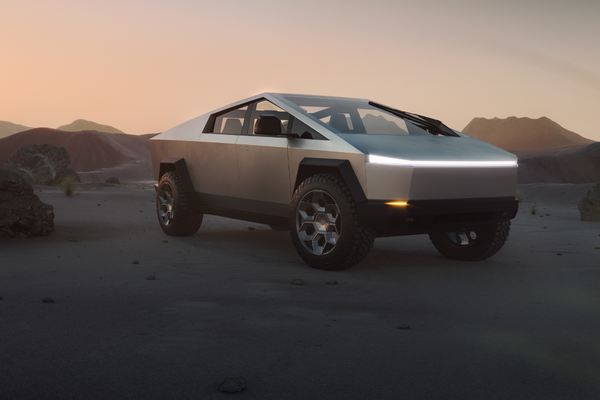
A Tesla upfitter has offered to take over Cybertruck lines from the company in a last-ditch effort to save the all-electric pickup from being completely canceled in the middle of 2027.
Unplugged Performance, the Hawthorne, California-based Tesla aftermarket specialist, has publicly offered to take over Cybertruck production from Tesla, funding the effort “through a consortium of investors.”
An open offer to Tesla: We fully support putting Cybercab first, and we’d be glad to take the Cybertruck line off your hands.
We’d fund it with a consortium of investors and run it at no cost to Tesla’s floor space, headcount, or focus. All of that goes to Cybercab. Cybercab gets first call on battery cells too. We’ll wait our turn.
Tesla gains incremental profit: a license fee, plus FSD and Robotaxi network revenues on every vehicle built.
We’d build the Cybertruck, a three-row CyberSUV, and an unmanned CyberCargo hauler. More autonomous miles, across every surface of this planet and beyond.
Worth a conversation?— UP (@UnpluggedTesla) November 10, 2026
The proposal comes as Tesla prioritizes its Cybercab Robotaxi program and prepares to wind down Cybertruck assembly at Gigafactory Texas around mid-2027.
Founded in 2013 by Ben Schaffer and located adjacent to Tesla’s Design Studio and SpaceX, Unplugged Performance has become a leading provider of premium upgrades for Tesla vehicles, including extensive Cybertruck packages under its UP INVINCIBLE line.
Through its UP.FIT division, the company has also developed purpose-built police and fleet versions of the Cybertruck, including deliveries to agencies such as the Las Vegas Metropolitan Police Department.
In an X post on Tuesday, Unplugged said:
“An open offer to Tesla: We fully support putting Cybercab first, and we’d be glad to take the Cybertruck line off your hands. We’d fund it with a consortium of investors and run it at no cost to Tesla’s floor space, headcount, or focus. All of that goes to Cybercab. Cybercab gets first call on battery cells too. We’ll wait our turn. Tesla gains incremental profit: a license fee, plus FSD and Robotaxi network revenues on every vehicle built. We’d build the Cybertruck, a three-row CyberSUV, and an unmanned CyberCargo hauler. More autonomous miles, across every surface of this planet and beyond. Worth a conversation?”
The arrangement would free Tesla resources and manufacturing capacity for Cybercab while allowing continued production of the stainless-steel pickup and expanded variants. Unplugged Performance indicated it would wait for battery cells after Cybercab needs are met and would generate ongoing revenue for Tesla through licensing and software/network services on the vehicles it produces.
Following strong initial interest, Unplugged Performance posted a follow-up inviting potential investors and strategic partners to email cyber@unpluggedperformance.com. The company clarified that the outreach is solely to gauge interest and does not constitute an offer to sell securities or acceptance of funds at this stage.
The proposal arrives shortly after Elon Musk indicated that Cybertruck production in Texas would be phased out by roughly the middle of 2027 to expand Cybercab output.
Whether Tesla engages with the offer remains to be seen, but the public overture highlights both the aftermarket specialist’s deep experience with the Cybertruck platform and the growing focus on autonomy within Tesla’s manufacturing plans.
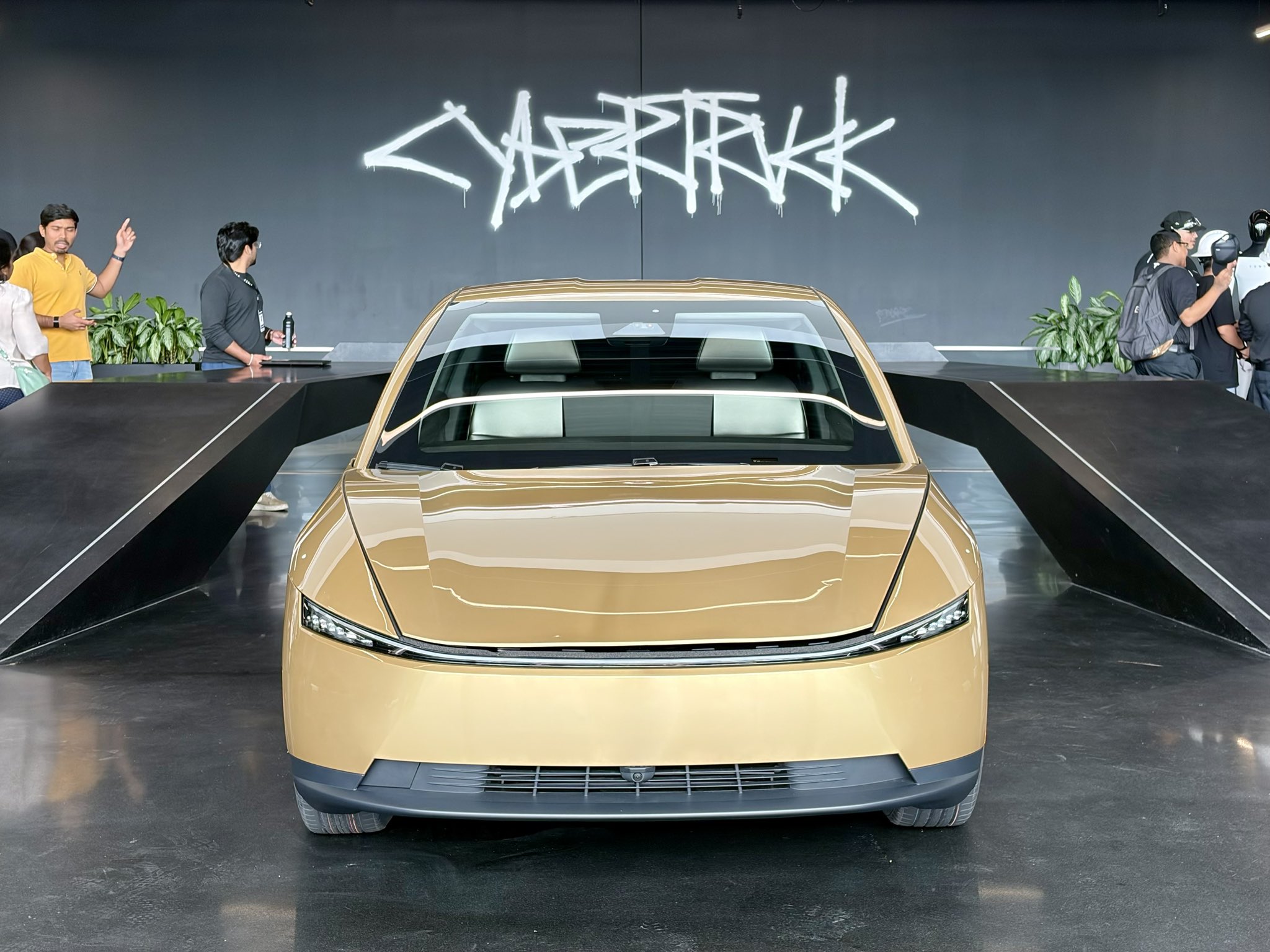
Elon Musk said the Tesla Cybercab will perform “a majority of all passenger miles” where it is allowed to operate and that point is “obvious to anyone with eyes and a brain.”
Musk used the point to double down on the company’s decision to ax the cult-favorite Cybertruck, as its production space will be removed and transitioned into additional Cybercab lines. The move has catalyzed a polarizing conversation on whether its right or wrong.
Whatever side you are on — it’s happening.
Dodge ended the Viper.
Audi retired the R8.
Mitsubishi said goodbye to the Lancer Evo.
Ford bid farewell to the Bronco (at one point).
Chevrolet sunset the Camaro.Tesla is ending the Cybertruck. I’m pissed. I’m upset.
Fans of those five automakers mentioned did the same thing. It happens. It sucks. I don’t like it.
But I still love Tesla. I love my Model Y. I hoped to be in a Cybertruck in a little under two years.
I won’t be. But I still won’t put my family in anything else. Too safe. Too advanced. Too much better than everything else.
— TESLARATI (@Teslarati) November 10, 2026
Regardless, Musk seems to be getting to the point that he is done talking about the choice. At some point, you have to think that this was truly a difficult decision for him and the company as well, and this is not something he took lightly. In fact, he’s probably a little bit disappointed with it, too.
But the point remains that the Cybertruck is gone. Musk’s focus is purely on developing an autonomous platform that the world will utilize for transportation, and he’s telling you that anyone “with eyes and a brain” can see it:
@PalmerLuckey @carlhancock Cybercab will do a majority of all passenger miles in any jurisdiction where it is not prohibited by law.
Obvious to anyone with eyes and a brain.
— Elon Musk (@elonmusk) November 10, 2026
Tesla is betting that all of its passengers in the future will be okay with not owning their own personal cars and will be fine with ride-hailing for the rest of their lives. Every dinner, every errand, every trip to the airport and transportation thereafter, will all be operated by ride-sharing, and in Tesla’s perfect world, it will happen in a Cybercab.
As of now, Cybercab is only active in Austin, but it has been spotted all over the country with a driver behind the wheel in those prototypes. In Austin, the car has no steering wheel or pedals for people to control the vehicle.
The Cybertruck dilemma is one that has truly come across the entire Tesla community and while it seems to be a great idea to keep it because people love it, the business side of things is steering Musk and Tesla in another direction.
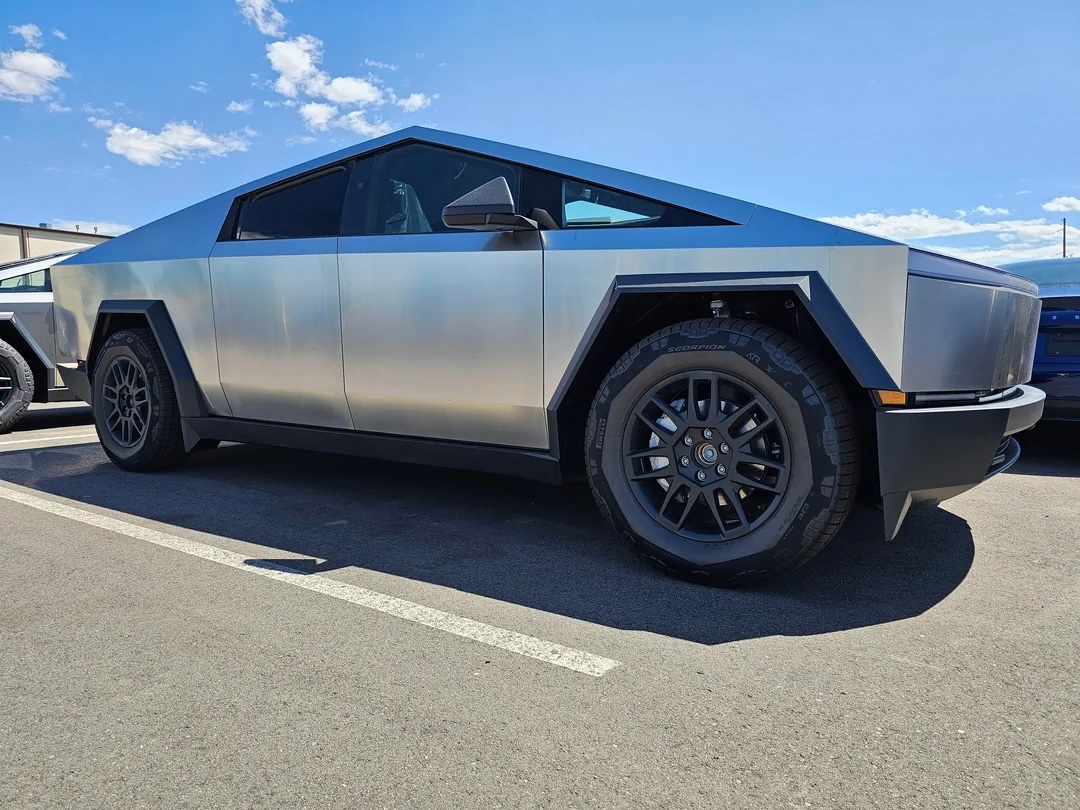
Tesla has slimmed its Cybertruck offerings to offer only its most expensive trim: the Cyberbeast.
After announcing that the Cybertruck would no longer be produced and the company would wind down manufacturing sometime in the middle of 2027, Tesla started to eliminate some of the configurations offered to customers.
Tesla has stopped taking orders for the Cybertruck Premium AWD.
The Cyberbeast is now the only trim you can order, and its price went up $7,500 to $109,990.
Estimated deliveries have also slipped to March–June 2027 as the Giga Texas line heads toward its mid-2027 wind-down. https://t.co/o28epA0ZQl
— TESLARATI (@Teslarati) November 10, 2026
Now, only one remains: the $109,990 Cyberbeast. This is truly what seems like Tesla’s last effort to deter any remaining orders from coming in: eliminate the cheap trims and leave only the high-dollar vehicle within the lineup of Cybertruck options.
Those who want to take advantage of this last-ditch opportunity to own Tesla’s symbolic pickup have to pay to play.
Tesla says the reason for the wind down is truly because of Cybercab and its importance to the future.
Despite cries for Tesla to continue production of the pickup, Musk says it is too difficult to ramp a high-volume line instead of ending the truck altogether. He also says Cybercab is what will take passengers around for the “majority of all miles in any jurisdiction where it is not prohibited by law.”
@PalmerLuckey @carlhancock Cybercab will do a majority of all passenger miles in any jurisdiction where it is not prohibited by law.
Obvious to anyone with eyes and a brain.
— Elon Musk (@elonmusk) November 10, 2026
Tesla is going all in on autonomy, and that’s never been a secret. But the commitment to a two-door, two-seat Cybercab truly limits people from having options for labor or hobbies. It also limits people from having their entire family in a single car.
Parents with even a single child will be required to take multiple vehicles if Cybercab is truly the only option Tesla plans to have.
Elon Musk keeps justifying Tesla Cybertruck’s cancelation, but it’s confusing
Tesla has stated the Robovan will also be in production eventually, but it still does not seem like the most ideal vehicle to own. It seems like it is geared more toward commercial uses, but Tesla might have something in the pipeline for families.

Tesla upfitter offers to keep Cybertruck alive

Elon Musk says Tesla Cybercab future is ‘obvious to anyone with eyes and a brain’


