News
Tesla Cybertruck reservation holders maintain high ‘intent to buy,’ survey

According to a new survey, Tesla Cybertruck reservation holders still firmly intend to buy, years after the initial announcement.
The car reservation system has dramatically grown in popularity since Tesla made it a core part of its brand, and it’s no wonder why. By allowing customers to reserve a vehicle ahead of time, automakers gain an additional stream of revenue, an easy gauge of interest in its upcoming model, and even a reduction of required storage space. Now, ahead of the Tesla Cybertruck’s launch later this year, surveyed reservation holders appear dedicated to still buying, even years after the vehicle was announced.
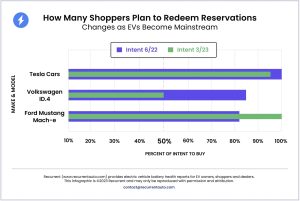
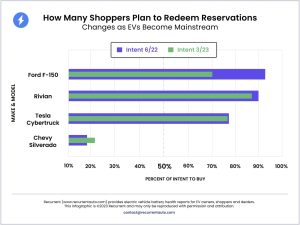
The survey, conducted by Recurrent Auto, first gauged customers’ intent to buy different reserved models in June of last year but has since been updated with a replicated survey from last month. Recurrent found that Tesla vehicles, including the Cybertruck, had an exceptionally high intent to buy, especially compared to some more recently announced electric vehicles.
-
- Credit: Recurrent Auto
-
- Credit: Recurrent Auto
According to its findings, roughly 75% of Cybertruck reservation holders plan to purchase the vehicle, which essentially remains unchanged from last year. Other vehicles with a strong “intent to buy” include the Rivian R1T and R1S, the Ford F-150 Lightning and Mustang Mach-E, and the Aptera. On the other hand, the Chevrolet Silverado EV had the least intent to buy, with just over 20% of reservation holders planning to go through with their purchase.
Strangely, truck buyers, in particular, held a large number of reservations from numerous different brands, primarily consisting of the Ford F-150 Lightning, Rivian R1T, and Tesla Cybertruck.
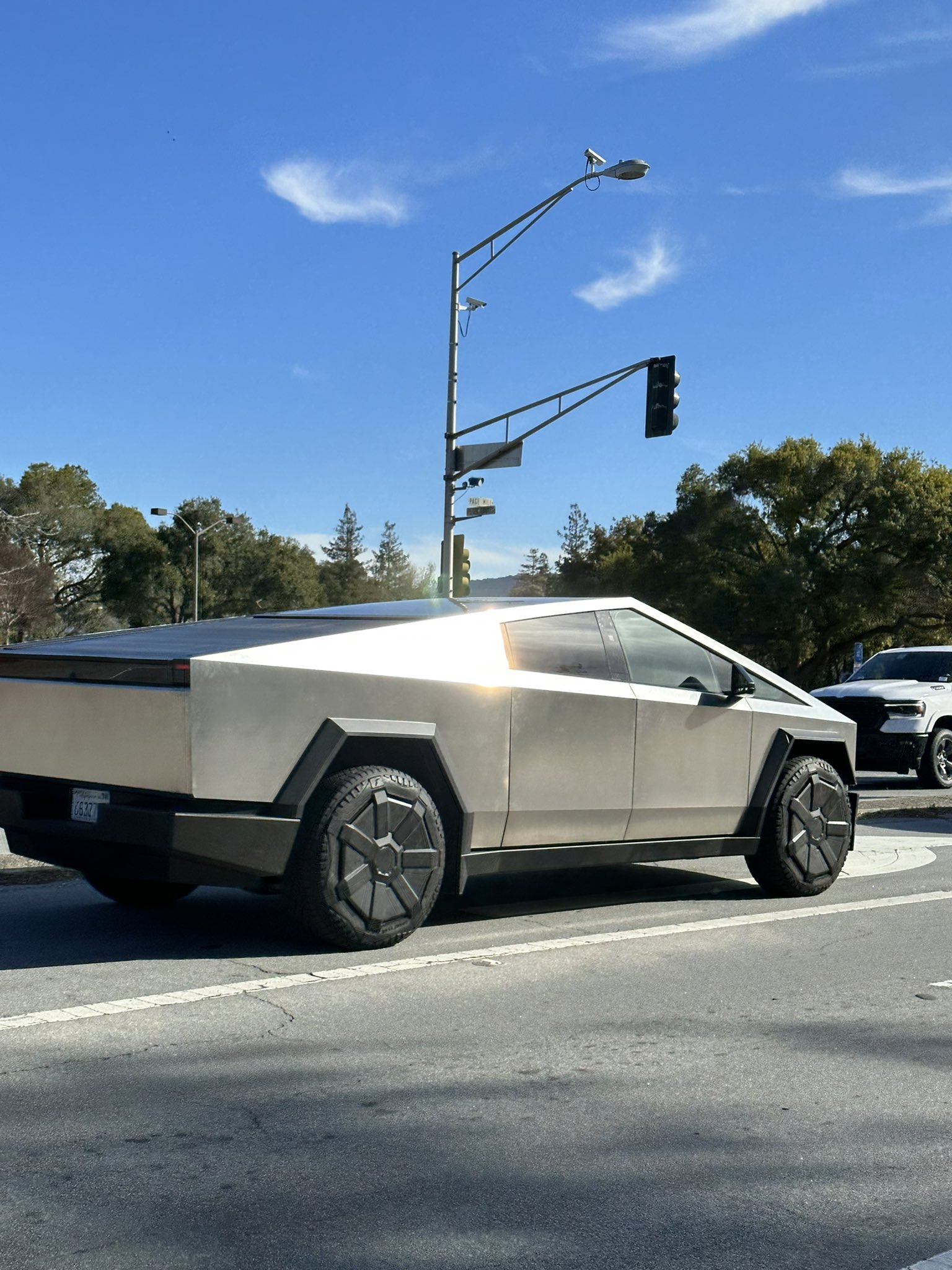
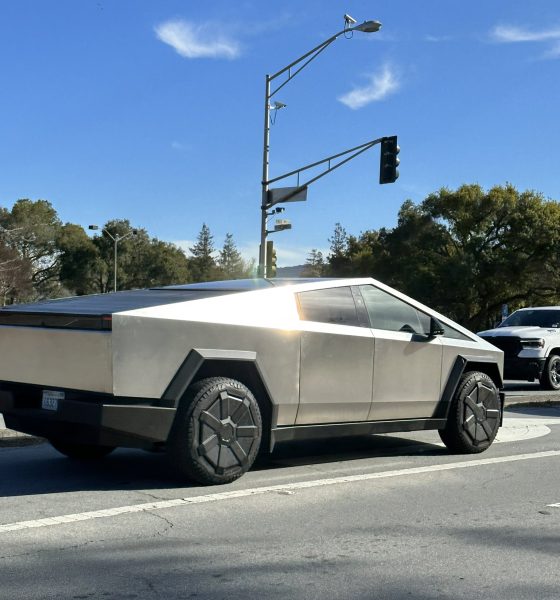
Luckily, Tesla Cybertruck buyers shouldn’t have too much time to wait, especially as more production equipment comes online at the Giga Texas facility where the electric truck will be produced. On top of this production readiness, there have been a growing number of sightings of the Cybertruck, indicating that a final prototype design has been made, and is now entering final regulatory certification.
What do you think of the article? Do you have any comments, questions, or concerns? Shoot me an email at william@teslarati.com. You can also reach me on Twitter @WilliamWritin. If you have news tips, email us at tips@teslarati.com!


Investor's Corner
Elon Musk drops a Thanksgiving hint about Starship’s biggest test yet
Elon Musk says Starship Flight 15 will try to catch the ship itself, a first.

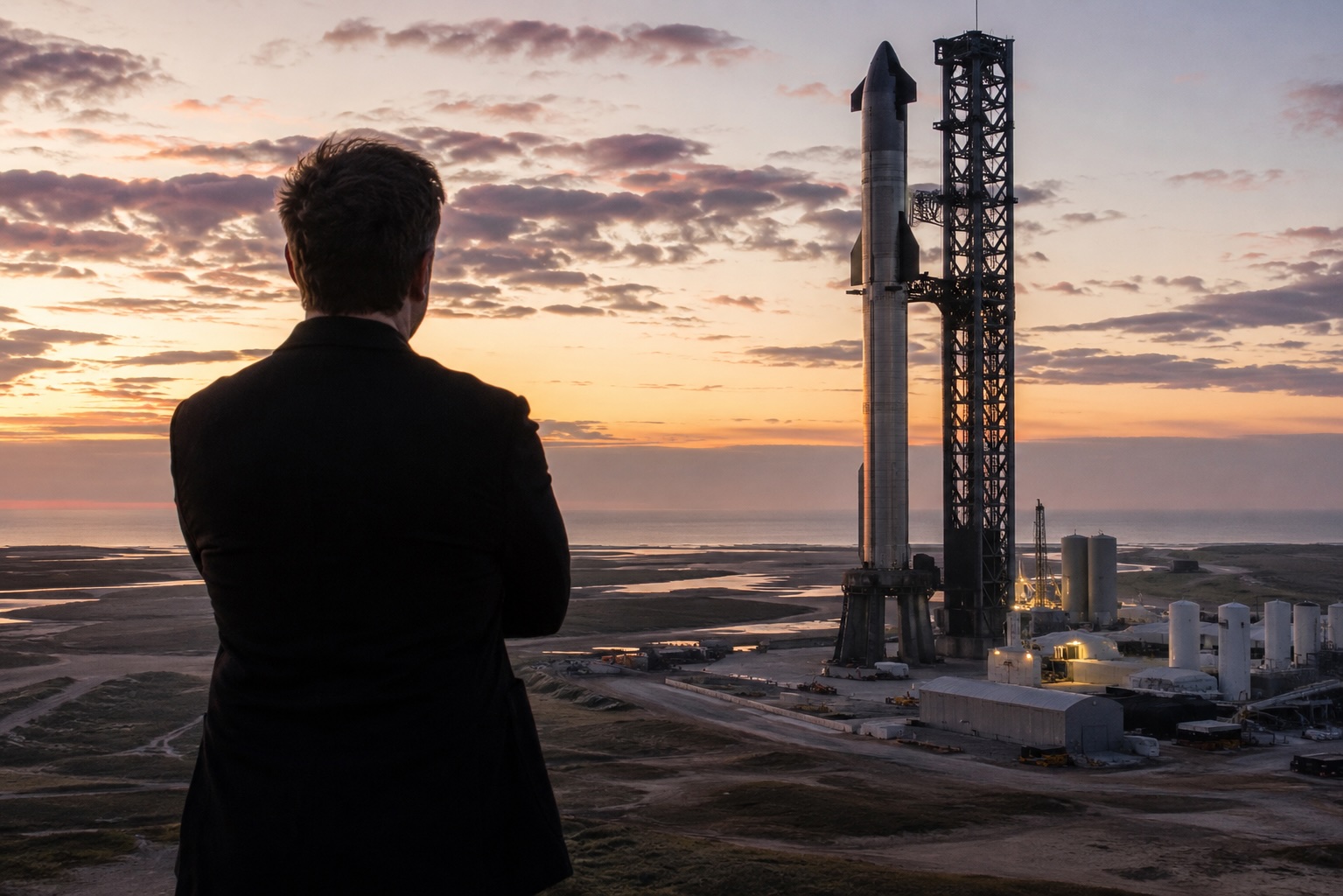
Elon Musk says SpaceX’s next Starship flight will try something nobody has done before, by catching the ship itself. Speaking to roughly 2,000 people at the X Takeover event at Giga Texas on Saturday, Musk said Flight 15 is about four to six weeks away and “probably launches a little bit before Thanksgiving, is my guess.”
That is a slip from earlier reporting, which had pointed to a launch as early as October 19. Musk explained why the date keeps moving. “We’re making a bunch of improvements to the rocket between every flight,” he said, adding that there are often hundreds, sometimes thousands, of small changes. This time the list is short, “but some of them take a fair bit of work and we’ve got to go inside the tank to make some of these changes.”
“We’re going to try to catch the ship, which is a super big deal,” Musk said. “If we do so, that’ll be the first time that there’s been full recovery of an orbital class rocket.” SpaceX has already caught the Super Heavy booster with the tower’s mechanical arms, and has talked about catching the ship since late 2025, but the upper stage has never been caught.
Musk also laid out what comes after. “The next big milestone would be to refly both the booster and the ship,” he said, describing a Flight 16 where “all parts of an orbital rocket are reflown.”
The reason SpaceX wants this comes down to cost and cadence. Every Starship ship so far has ended its flight in the ocean, and SpaceX expects most of those water landings to end in fireballs. A ship that returns to Starbase intact can be inspected and flown again. SpaceX’s IPO filing, says Starship V3 is designed to deliver 100 metric tons to orbit in a fully reusable configuration, that SpaceX aims to cut the cost to reach orbit by 99% or more versus the historical average, and that tower catches should allow “multiple launches per day.”
The payoff goes beyond cheaper launches. The next generation Starlink V3 satellites are too large for Falcon 9 and can only fly on Starship, which can carry up to 60 per flight. Flight 14 on September 28 deployed the first 26 of them after Starship reached orbit despite an early engine shutdown, as Teslarati reported. Musk blamed engine computer software, and said the heat shield “was extremely robust,” which he claimed in August had solved Starship’s biggest challenge.
NASA’s Moon plans depend on the same capability. NASA’s inspector general has described a lander mission that needs a propellant depot in low Earth orbit and more than 10 tanker flights, with SpaceX targeting one tanker launch every six days. That schedule only works if ships and boosters come back fast and fly again. Also, ship to ship propellant transfer has not been attempted yet.
One interesting hurdle yet to be explored is bringing the ship back to the launch site, with reentry over land, which will undoubtedly come with a lot of aviation safety reviews.
Lifestyle
Tesla’s mirrorless Cybercab will give riders a visibility upgrade
Tesla engineer confirms Cybercab update letting riders pull up rear and repeater cameras on demand.
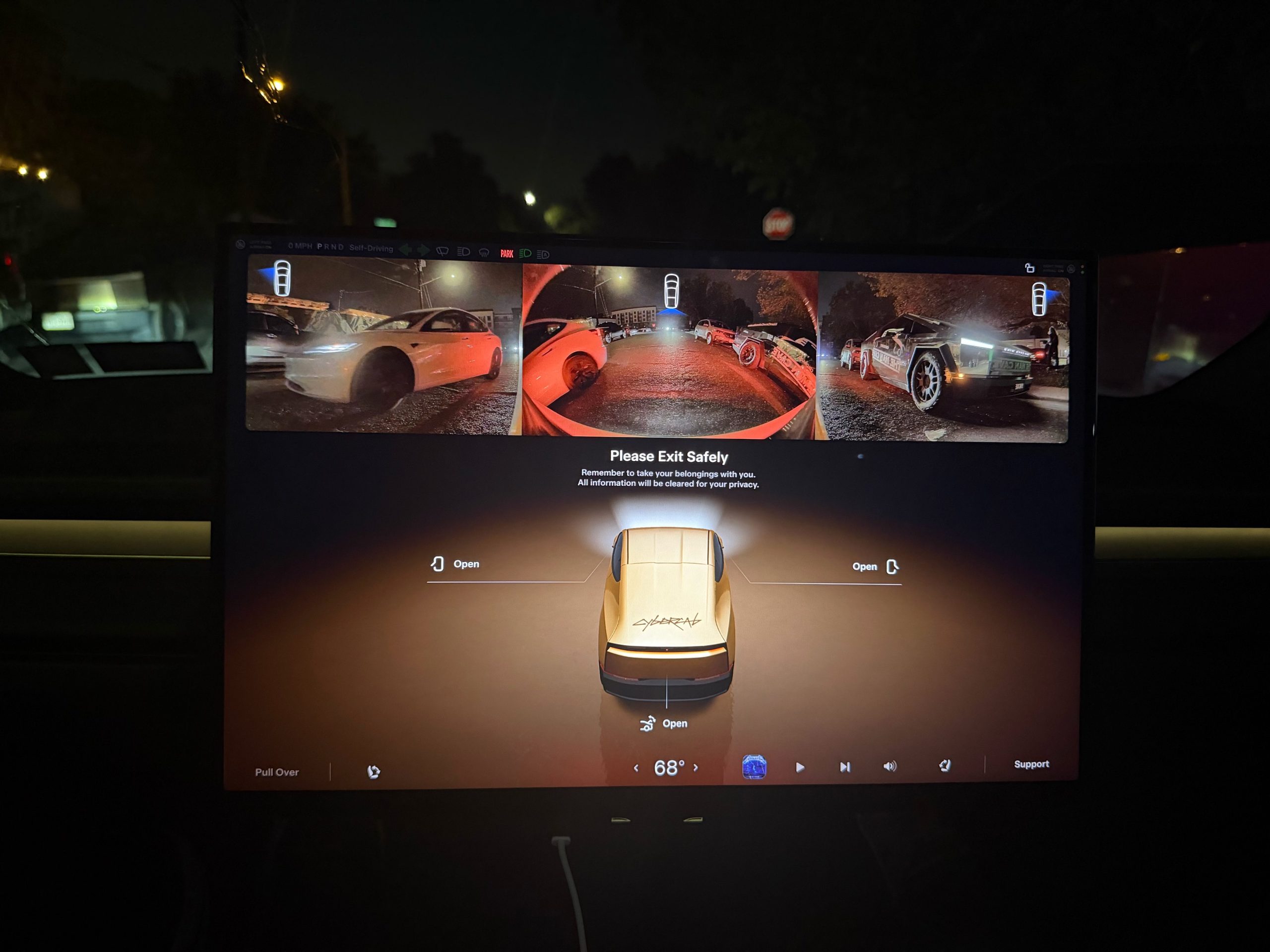
Tesla is working on a Cybercab update that would let passengers pull up the vehicle’s rear and side cameras on demand, and the request came straight from a rider.
The exchange played out on X late Friday. Cybercab rider Dan Burkland shared photos of the two-seater’s cabin screen after an evening ride, praised the UI team’s work, and left one request: let riders open the rear and repeater cameras whenever they want, “especially for peace of mind.” Tesla UI software engineer Evan (@CarCoder) answered with two words: “In development.”
The Tesla UI team absolutely crushed it with the infotainment software. Nicely done @CarCoder!
One feature request: Allow folks to pull up the rear & repeater cameras on demand. This would be great especially for peace of mind. https://t.co/mNAOSLx6pE
— Dan Burkland (@DBurkland) October 10, 2026
The idea fits a pattern Teslarati has tracked since public rides began. Days after paid Cybercab service opened in Austin, Tesla sent riders a survey that asked them to rate the touchscreen, the app and the cabin, and to pick the features they wanted most. We reported on that survey in September, and a camera view is the kind of small software change Tesla can push quickly if riders keep asking.
It also speaks to something unique about the vehicle. With no steering wheel, no pedals and no driver, passengers have no mirror to check and no way to see behind them. The hardware is clearly built for camera awareness, from the repeater cameras to the rear camera. Letting a passenger look through those same cameras would give a nervous first time rider a way to confirm what is around the car.
The timing matters because the fleet is growing fast. Tesla’s Robotaxi account said on Saturday that more than 300 Cybercabs are now serving Austin, an eightfold increase in 30 days, and Tesla AI chief Ashok Elluswamy named Dallas as the next city. More cars and more cities mean more people riding in a driverless vehicle for the first time, which is exactly when small trust features carry weight.
For now, the feature is confirmed only as in development. If Tesla follows its usual pattern with Cybercab software, riders could see it appear in a point release without any announcement, and Teslarati will watch for it.
News
Tesla’s Cybercab fleet jumped 8x in a month, with Dallas up next
Tesla confirms its first official Cybercab fleet number as Austin scales fast and Dallas looms.
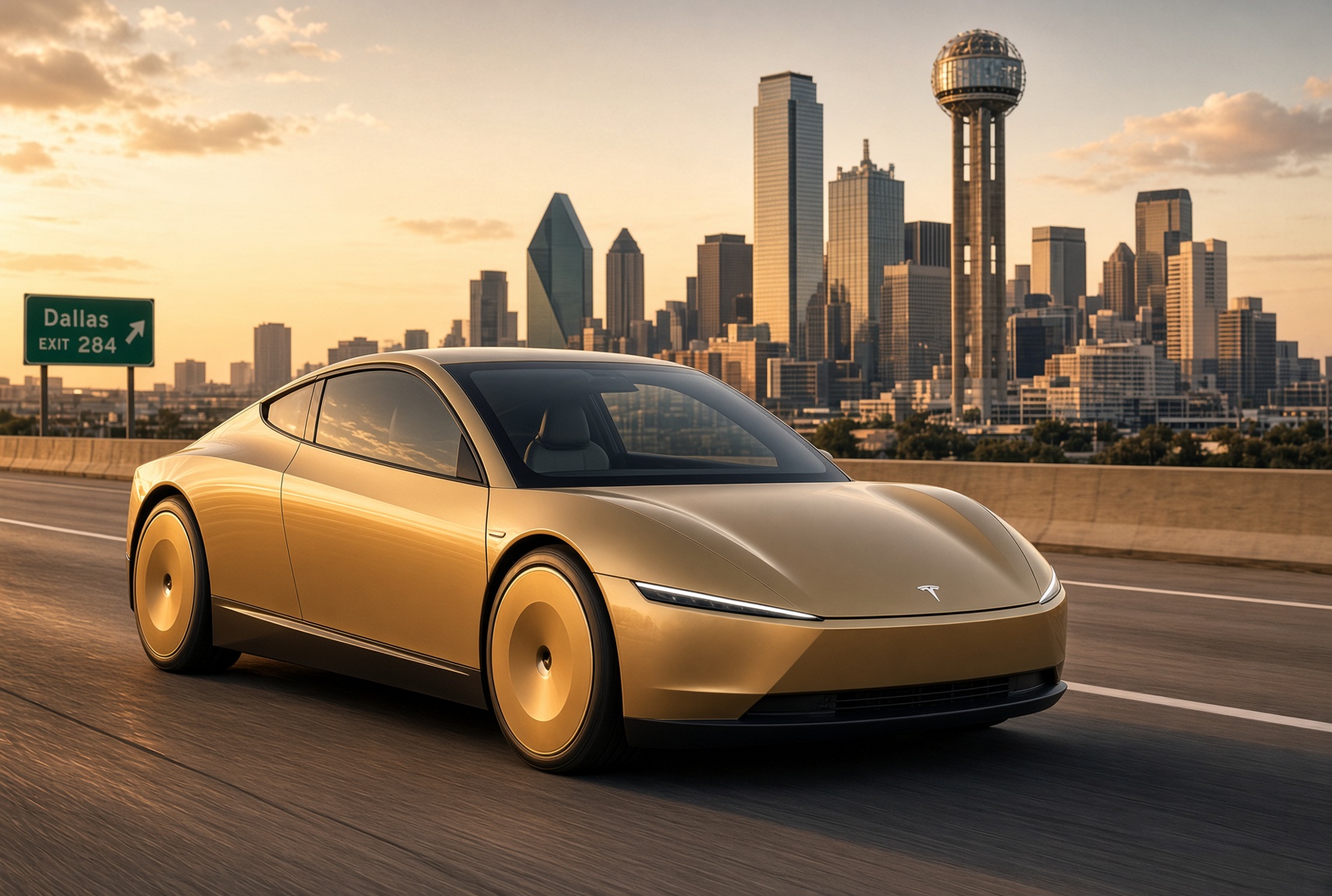
Tesla says more than 300 Cybercabs are now serving Austin, the first time the company has put an official number on its active Cybercab fleet. The figure came from the Robotaxi account on X on Saturday, which wrote that one month after launch the service had “scaled to 300+ Cybercabs serving Austin – an 8x increase in 30 days.”
Ashok Elluswamy, Tesla’s head of AI software, quoted the post with a line that carried the bigger news. “Two years since the 10/10 Cybercab WeRobot event, the cabs are everywhere in Austin now. Dallas soon,” he wrote. It is the first time Tesla has named the next city for public Cybercab rides.
One month after launch, we’ve scaled to 300+ Cybercabs serving Austin – an 8x increase in 30 days https://t.co/EagJy2JAsm
— Robotaxi (@robotaxi) October 10, 2026
Tesla opened Cybercab rides to the public in Austin on September 4, as Teslarati reported, a day after an invite only launch event. The ramp since then has been steep. Our September 28 report had the fleet at well over 100 units after availability jumped from 58 to 125 in a single week. On Thursday, Tesla added 150 Cybercabs to the Texas automated vehicle registry, lifting its registered count to 319 from 169. The first seven appeared on the registry on August 31.
RobotaxiTracker, a community site that counts vehicles from sightings and state records, listed 275 vehicles in unsupervised service in Austin on Saturday, 105 of them Cybercabs, which is well below Tesla’s figure. Tracker counts can lag official numbers, though Sawyer Merritt noted that Cybercab wait times in Austin stayed short on Saturday evening even with more than 2,000 fans in town for X Takeover.
Regulators are watching the rollout. NHTSA opened an audit query into Tesla’s certification that the Cybercab meets federal safety standards, and sworn answers are due October 30. Tesla reports third quarter earnings on October 21, which gives the company a natural venue to define its fleet numbers and put a date on Dallas.

Elon Musk drops a Thanksgiving hint about Starship’s biggest test yet

Tesla’s mirrorless Cybercab will give riders a visibility upgrade

Tesla’s Cybercab fleet jumped 8x in a month, with Dallas up next

The Pentagon taps Elon Musk to design the battlefield of the future

Tesla Roadster’s new patent preps white-knuckle speeds, keeping it grounded


