News
Elon Musk reveals big plans for Tesla Optimus at the Supercharger Diner
Will Optimus deliver my Tesla Club on roller skates? I’m hopeful.

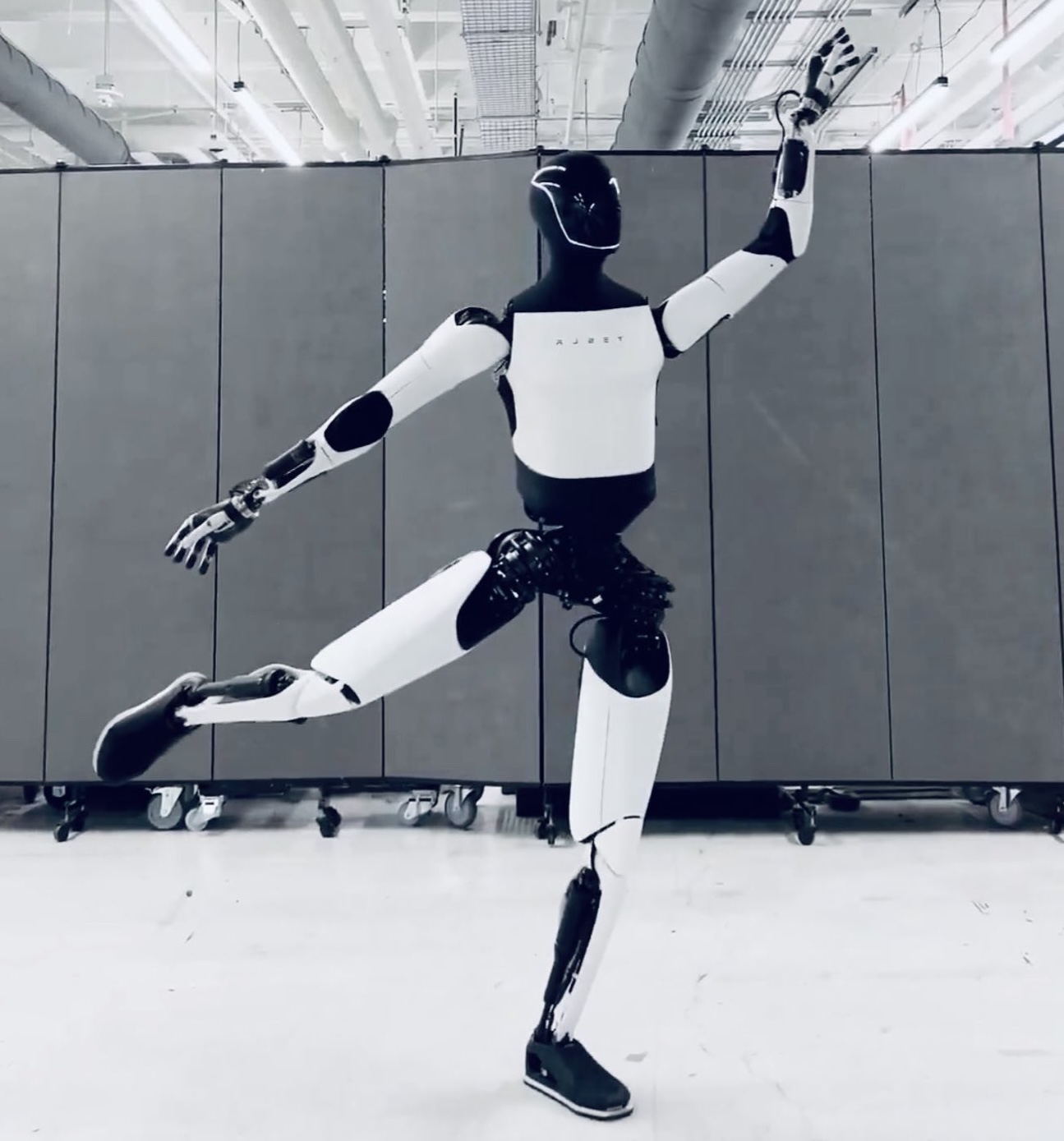
Elon Musk revealed on X on Wednesday that Tesla Optimus will soon be getting a job at the Supercharger Diner in Los Angeles, and its role will be right on par with what we believed the humanoid bot would be perfect for.
While Optimus was spotted serving popcorn at the Diner on Monday as it opened for the first time, that’s its only job, at least for now. Musk said Optimus will be getting a promotion in 2026, and it will be a food runner, bringing your order straight to your car, eliminating the need to go inside yourself.
It will complete what Tesla hopes is a full-fledged 50s diner experience, curated by the imagination of the future. In the 1950s, drive-in diners were a common hangout to grab a bite and watch a movie. Tesla opened its Supercharger Diner in Los Angeles earlier this week, but it has a futuristic twist to it.
You can order food directly from your car, sync your center touchscreen and speakers to the two massive projection screens that Tesla is playing movie scenes on at the Diner, and even go inside for a true break from your car.
Next year, Tesla will take it a step further, Musk confirmed:
Optimus will bring the food to your car next year pic.twitter.com/opPGjOe7t1
— Elon Musk (@elonmusk) July 23, 2025
The Diner features 80 Superchargers that can be used by both Tesla and non-Tesla EVs, provided that the manufacturer of the electric car has access to the company’s robust network. It is also available to non-EV owners, as they can park their cars and stop in for a quick bite to eat.
Tesla’s full menu at the Diner is available here, and its focus for the restaurant was to provide healthier options by sourcing most of its food from local, organic, and humane farms:
We put a lot of effort into using truly organic ingredients from farms that we have visited
— Elon Musk (@elonmusk) July 22, 2025
Optimus’s capabilities seem to be progressing to a point where Tesla feels confident that the humanoid robot can handle carrying food and delivering it to customers at their cars. Whether it will be put on roller skates is another question, but we’re hopeful Optimus can do it when it gets its promotion next year.


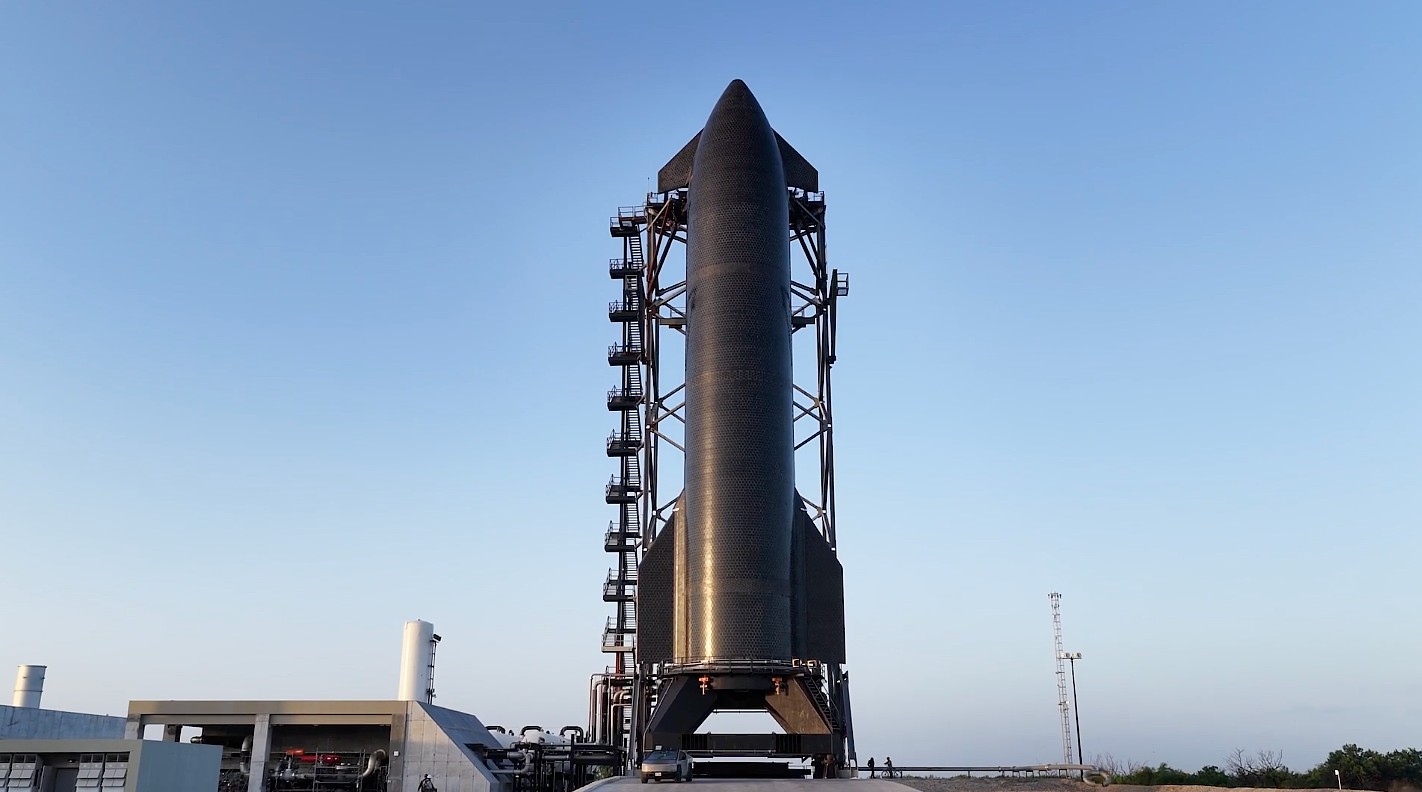
Just hours after Starship Flight 13 achieved a successful soft splashdown of its upper stage in the Indian Ocean on July 24, Elon Musk announced an ambitious next step for the company’s next launch of the rocket.
“Unless we discover problems after mission data review, SpaceX will attempt to catch the ship with the tower on [the] next flight,” the SpaceX CEO posted on X on Friday.
That “next flight” is expected to be Flight 14. The plan involves returning the Starship upper stage, commonly called the “ship,” to the Starbase launch tower in Texas and catching it mid-air using the same mechanical “chopsticks” arms that have already proven themselves with the Super Heavy booster.
Unless we discover problems after mission data review, SpaceX will attempt to catch the ship with the tower on next flight
— Elon Musk (@elonmusk) July 25, 2026
A successful catch would mark the first time an orbital-class upper stage has been recovered this way, advancing SpaceX’s goal of full and rapid reusability for the entire vehicle.
SpaceX has already demonstrated the tower-catch technique multiple times with Super Heavy. The first successful catch came on Flight 5 in October 2024, when Booster 12 was plucked from the sky by the Mechazilla arms. Subsequent flights, including those involving Boosters 14 and 15, repeated the feat. Several of those recovered boosters were later inspected, refurbished, and flown again, proving the system’s viability for quick turnaround.
Traditional reusable rockets, such as SpaceX’s own Falcon 9 or Blue Origin’s New Shepard, land on legs either on land or droneships. Rocket Lab has recovered its small Electron first stages by helicopter, but those are far lighter vehicles.
SpaceX Starship just nailed something it’s never done before
The China Academy of Launch Vehicle Technology (CALT), a subsidiary of the China Aerospace Science and Technology Corp. (CASC), completed a catch of its booster on July 10. They are the only entity besides SpaceX to attempt and complete the feat.
Flight 13 provided encouraging data. The ship executed a controlled reentry, flipped, and soft-landed intact in the ocean after deploying Starlink satellites, offering the first clear post-splashdown views of an undamaged heat shield. The Super Heavy booster, meanwhile, experienced a harder splashdown in the Gulf of Mexico.
Musk has previously stressed that ship catches would only follow multiple successful soft ocean landings to minimize risk of debris over land.
If Flight 14 succeeds, SpaceX would take a major stride toward routine, rapid reuse of both stages—critical for lowering launch costs and supporting ambitious plans for lunar and Mars missions. For now, teams are reviewing the Flight 13 data. Should everything check out, the next Starship flight could deliver one of the most spectacular recoveries in aerospace history.
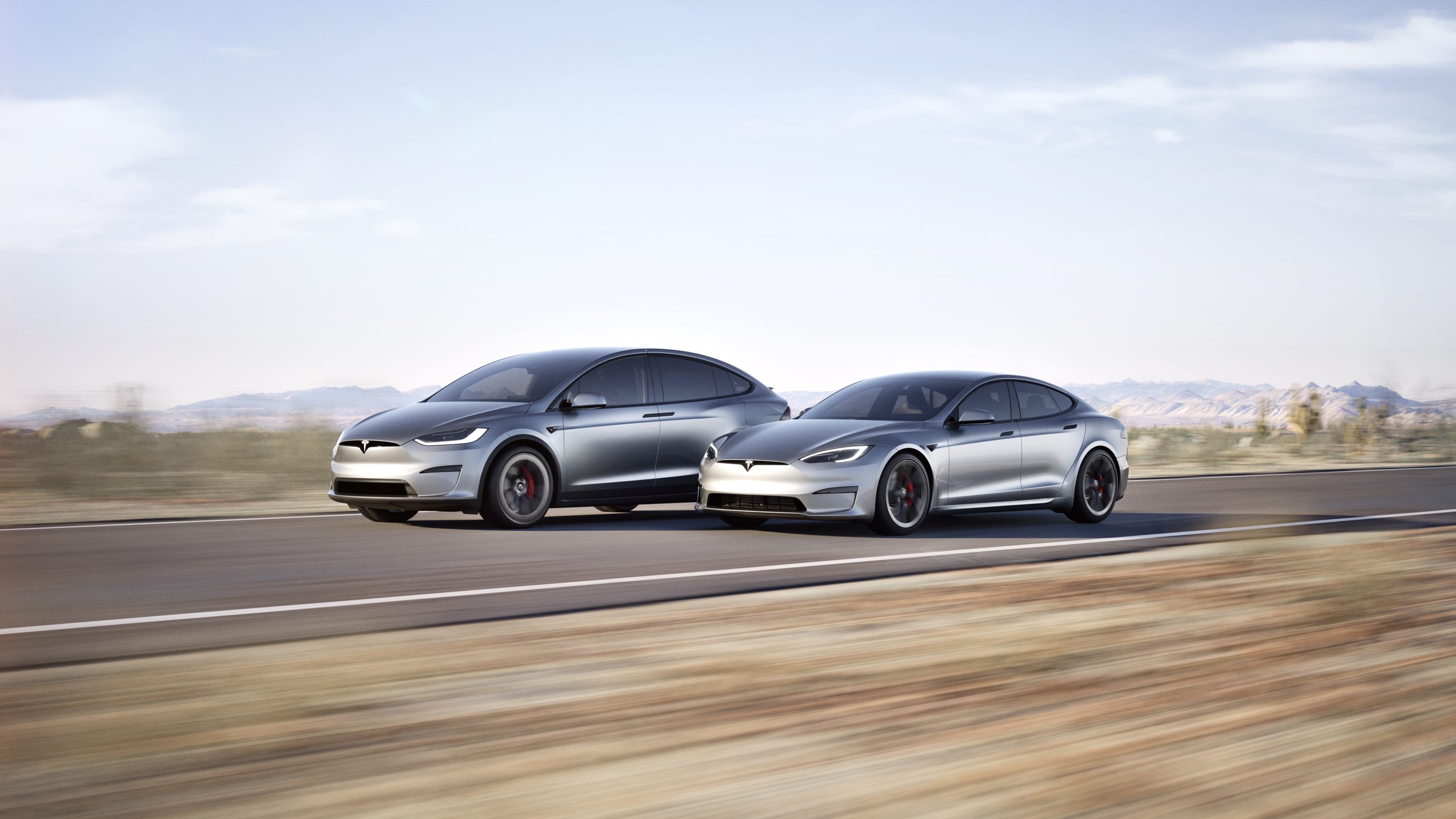
In a move echoing its earlier commitment to open innovation, Tesla CEO Elon Musk announced recently that the company plans to make the design and software of its Model S and Model X fully open source.
This follows the same approach Tesla took with its original Roadster, releasing all available design, engineering, and diagnostic materials in November 2023 so that “whatever we have, you now have.”
Just as Tesla made the original Roadster design & software open source, we plan to do the same with Model S & X
— Elon Musk (@elonmusk) July 24, 2026
The Model S, introduced in 2012, was Tesla’s first mass-produced vehicle and a groundbreaking luxury electric sedan. It offered impressive range, rapid acceleration, and over-the-air software updates that redefined expectations for electric cars.
The Model X, launched in 2015, built on that foundation as a high-performance electric SUV notable for its distinctive falcon-wing doors, spacious interior, and advanced safety features. Both models served as flagships that helped establish Tesla as a leader in the EV industry and popularized long-range battery-electric vehicles.
Production of the Model S and Model X was wound down earlier in 2026, with manufacturing ending in the second quarter. Tesla redirected the Fremont factory space previously used for these vehicles toward higher-priority projects, including Optimus humanoid robots and the Cybercab autonomous vehicle.
By the time of Musk’s open-source announcement, custom orders had closed and only remaining inventory was available.
Open-sourcing the designs and software offers several clear advantages. Owners of these aging but still capable vehicles gain better access to technical documentation, diagnostic tools, and software resources, making independent repairs and modifications easier and more affordable.
Independent repair shops and third-party specialists can support the large existing fleet without relying solely on Tesla’s service network. Enthusiasts and engineers can study real-world implementations of Tesla’s battery, powertrain, and software systems, potentially accelerating broader industry progress in electric mobility.
The step aligns with Tesla’s 2014 patent pledge and its overall mission to advance sustainable transport by sharing hard-won knowledge rather than locking it behind proprietary walls.
By releasing these materials now that the models have left production, Tesla ensures continued support for its early adopters while freeing internal resources for future technologies. The open-source release of the original Roadster already enabled simulations, community projects, and deeper technical understanding.
Extending that practice to the Model S and Model X should deliver similar benefits on a larger scale, helping keep these influential vehicles relevant and repairable for years to come
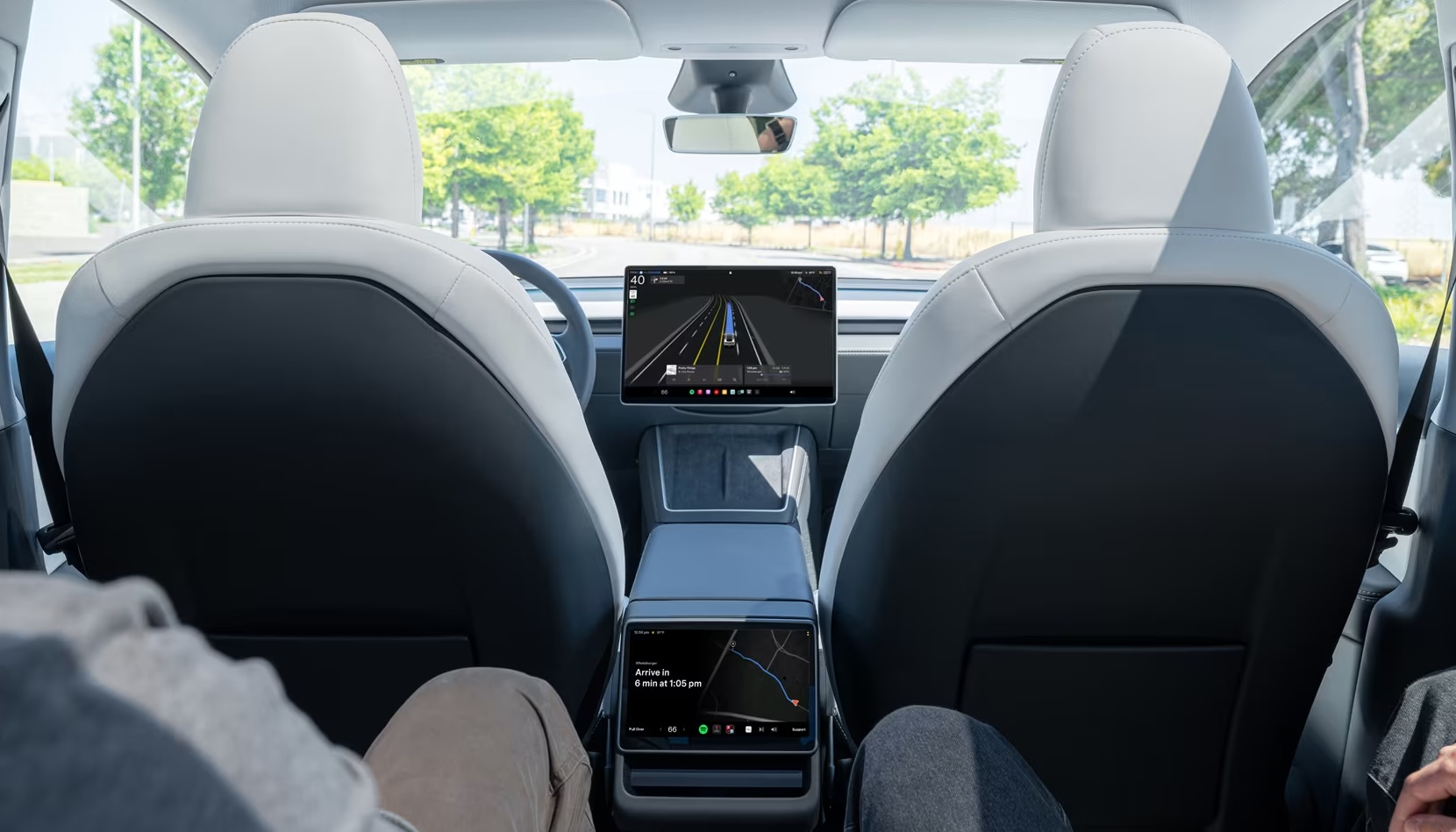
Tesla flexed one incredible Robotaxi metric during the Q2 Earnings Call that skeptics have to hate to hear. The company’s platform has already driven more than 380,000 miles of unsupervised ride-hailing across several states with no notable incidents.
During the company’s Q2 Earnings Call on Wednesday, Vice President of AI, Ashok Elluswamy, said:
“First of all, I’d like to state that the Robotaxi program has been operating extremely well. Especially in terms of safety, the program has had an impeccable safety record. We have driven more than 380,000 miles of unsupervised Robotaxi, now across six cities in two different states. We have had zero notable incidents. Any reports have been of other actors impacting us when we were stationary. I like to emphasize how safe the operation has been so far. Zero notable incidents over 380,000 miles.”
Elluswamy’s claim over Robotaxi miles is a significant milestone for Tesla in the grand scheme, especially considering this is a sizeable number of miles without any incident.
0 notable incidents across over 380,000 miles traveled by Robotaxi
— Tesla (@Tesla) July 22, 2026
Tesla’s self-driving approach is much different than that of other companies. Tesla has maintained that vision is the only thing needed to have a solid and effective self-driving suite. Many self-driving companies utilize things like LiDAR, sensors, and other elements to improve performance, but Elluswamy sent a jab at those who believe it’s needed.
“Historically, the so-called experts have always claimed that you need LiDARs, radars, HD maps, and the entire kitchen sink to drive safely. Here we show that such is not true. You can have safe, comfortable, and affordable autonomy with just cameras. This record should be a huge validation of Tesla’s entire AI approach.”
The feat of accumulating this many miles without any driver behind the wheel is impressive. The thing is, Tesla is also doing this across several different locations, with varying traffic rules, pedestrian levels, weather patterns, and other important factors.
While Tesla is not ready to roll out an unsupervised platform completely, it is a slow but steady indication that the company is well on its way to figuring things out.
The company’s attitude toward expansion is slow, safe, and controlled, and despite this huge milestone, it will still be some time until we see Tesla truly unleash unsupervised rides more aggressively.

SpaceX wants to catch Starship for launch 14, Elon Musk says

Tesla to open source Model S and Model X designs and software


