News
SpaceX Shows Off Crew Dragon Capsule Hover Test
SpaceX is working on a landing system that will use rockets instead of parachutes to return capsules to earth. It has conducted several successful tests.

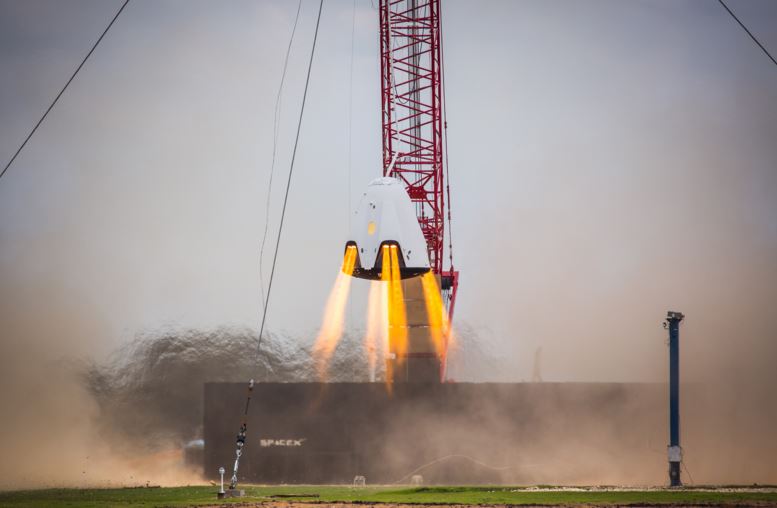
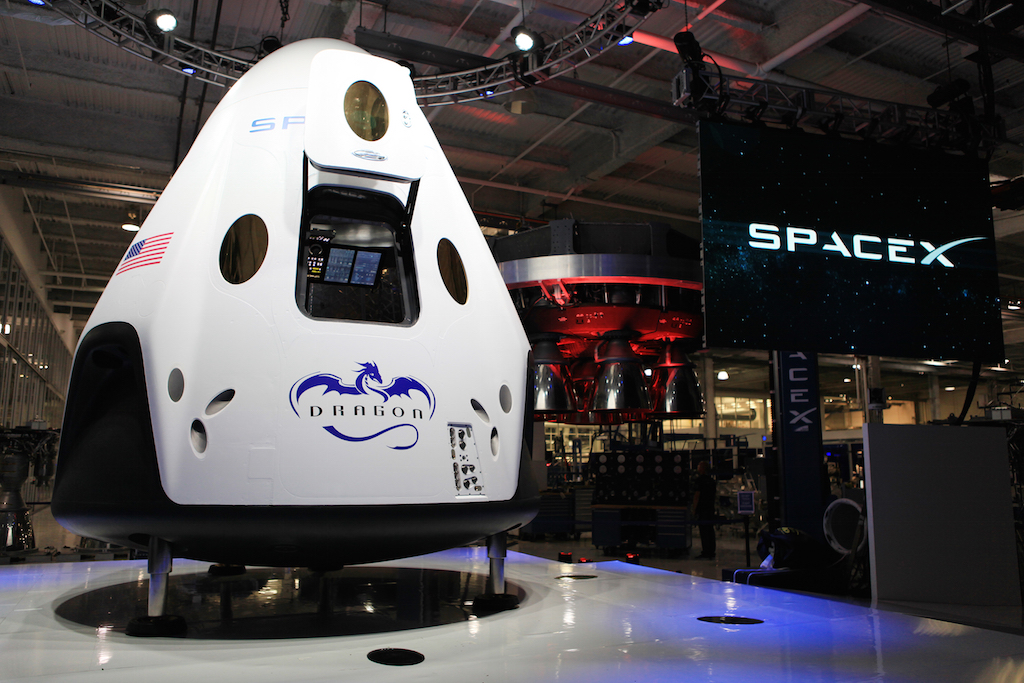
Dragon V2 capsule designed to carry humans into space and capable of terrestrial landings [Source: SpaceX]
The capsule that transports humans into space typically uses parachutes to land them back to earth safely. SpaceX has a better idea. Instead of parachutes, it wants to use the SuperDraco rocket engines that are mounted in four pairs to the outside of the Crew Dragon capsule to control its descent back to earth at the end of a mission.
The SuperDraco engines were originally developed to provide an emergency escape capability for the Crew Dragon Capsule, which can transport up to 4 people to the International Space Station and back. Normally, the SuperDraco rockets just go along for the ride, ready to be activated if the capsule needs to be whisked out of danger. Combined, they create 120,000 lb of thrust — enough to accelerate the capsule to 100 mph in a tick over 1 second.
In the event of an emergency, the SuperDraco rockets can lift the capsule off the launch pad or away from a malfunctioning rocket in seconds, protecting the crew members inside from danger. The 3D printed engines use hypergolic propellants that ignite instantly when they come into contact with each other. The rockets have been test fired successfully 27 times at the SpaceX research facility in McGregor, Texas.
After SpaceX engineers got the idea to use the rockets to return the capsule safely to earth, they conducted several tethered tests of the landing system to calibrate the control software. They believe their system can land the capsule with the precision of a helicopter. As the system is still experimental, return trips from the ISS will continue to make a splashdown in the ocean for the foreseeable future. After the development cycle is completed, SpaceX will continue evaluating their innovative rocket return system.
In conjunction with NASA, both SpaceX and Boeing are developing new space capsules capable of transporting 4 person to the ISS and back. Prior capsules were limited to no more than 3 passengers. Having an extra person aboard the ISS will significantly increase the number of scientific missions the astronauts can carry out aboard the space station. The goal of the project is to provide safe, reliable and cost effective access to the ISS and other low Earth orbit destinations.



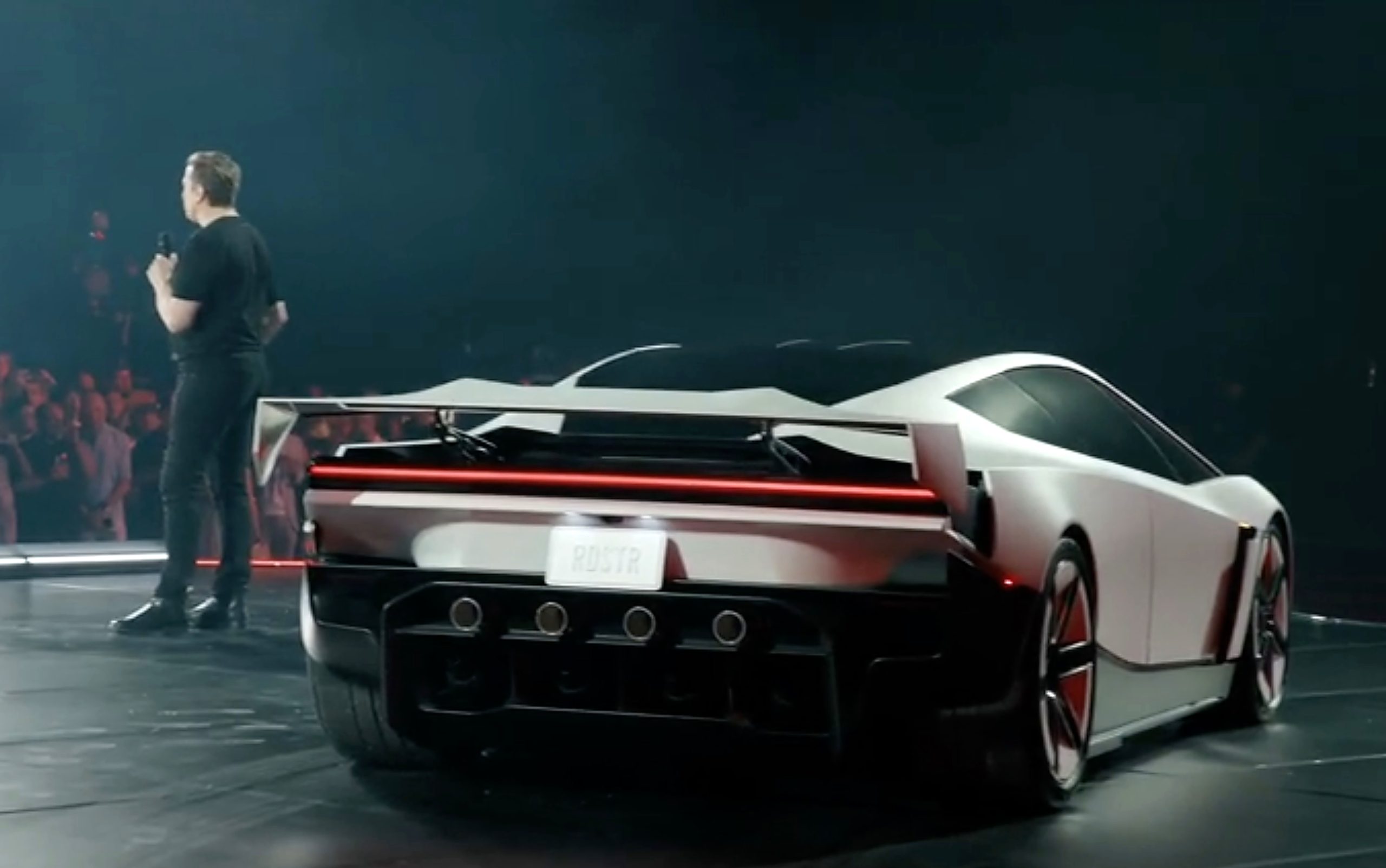
Tesla CEO Elon Musk took to his social media platform X on Sunday to remind everyone that the Roadster’s true meaning is not about company growth or adding dollars to shareholders’ pockets. Sometimes, you just do things because you can.
Following the Roadster’s epic unveiling event last Thursday, skeptics and critics of the company or the project itself came out to say that the vehicle is a pointless project because it is not geared toward growing the company, delivering supreme margins for profitability, nor does it contribute to the big picture of Artificial/Super Intelligence.
But that’s just the thing: Roadster is not meant to be some shareholder dream; it’s meant to be a vehicle that people buy just because it is something awesome, unique, and the first of its kind.
Tesla Roadster: Three configs, one can fly, 0-60 in 0.8 seconds
Musk had to remind those who are skeptical about the Roadster’s importance to the company mission that while it is not a major contributor to Tesla’s long-term goals, it is something that is being built just because it can be:
“Optimus and Cybercab will be the vast majority of Tesla’s value. The only things that will scale to incredible size (K2 and beyond) economically are super intelligence, robots, solar power, and mass to space. And, of course, if you have the first two, the rest will follow. But Roadster is super cool, so we’re doing it anyway.”
Musk has said on many occasions that Optimus would be the project that would make up the vast majority of Tesla’s value in the coming years.
Robotics will be a major focus of Tesla over the coming years, especially as Musk believes Optimus will enable work to be optional for humans and will enable what he calls “High Universal Income.”
Optimus and Cybercab will be the vast majority of Tesla’s value.
The only things that will scale to incredible size (K2 and beyond) economically are super intelligence, robots, solar power and mass to space.
And, of course, if you have the first two, the rest will follow.
But Roadster is super cool, so we’re doing it anyway.
— Elon Musk (@elonmusk) October 18, 2026
Cybercab will be a passive income opportunity for owners, Musk and Tesla have said for a very long time, as a fleet of self-driving vehicles will operate within a ride-hailing Robotaxi service that won’t require a human driver to be present.
Tesla investors are more than enthusiastic about the company’s future projects, at least from a general consensus perspective. However, it is important to note that the Roadster is a fun and cool project that pushes the boundaries of what people thought was possible for an automobile.
What we saw last week was the first true example of a flying car, and despite the backlash about how it might not contribute to Tesla’s grand ambitions, it’s okay to have fun sometimes, too.
Investor's Corner
SpaceX’s biggest earnings test yet lands Tuesday, and Tesla shareholders should be watching
SpaceX reports earnings Tuesday as Wall Street watches AI spending, Starlink growth and Tesla merger

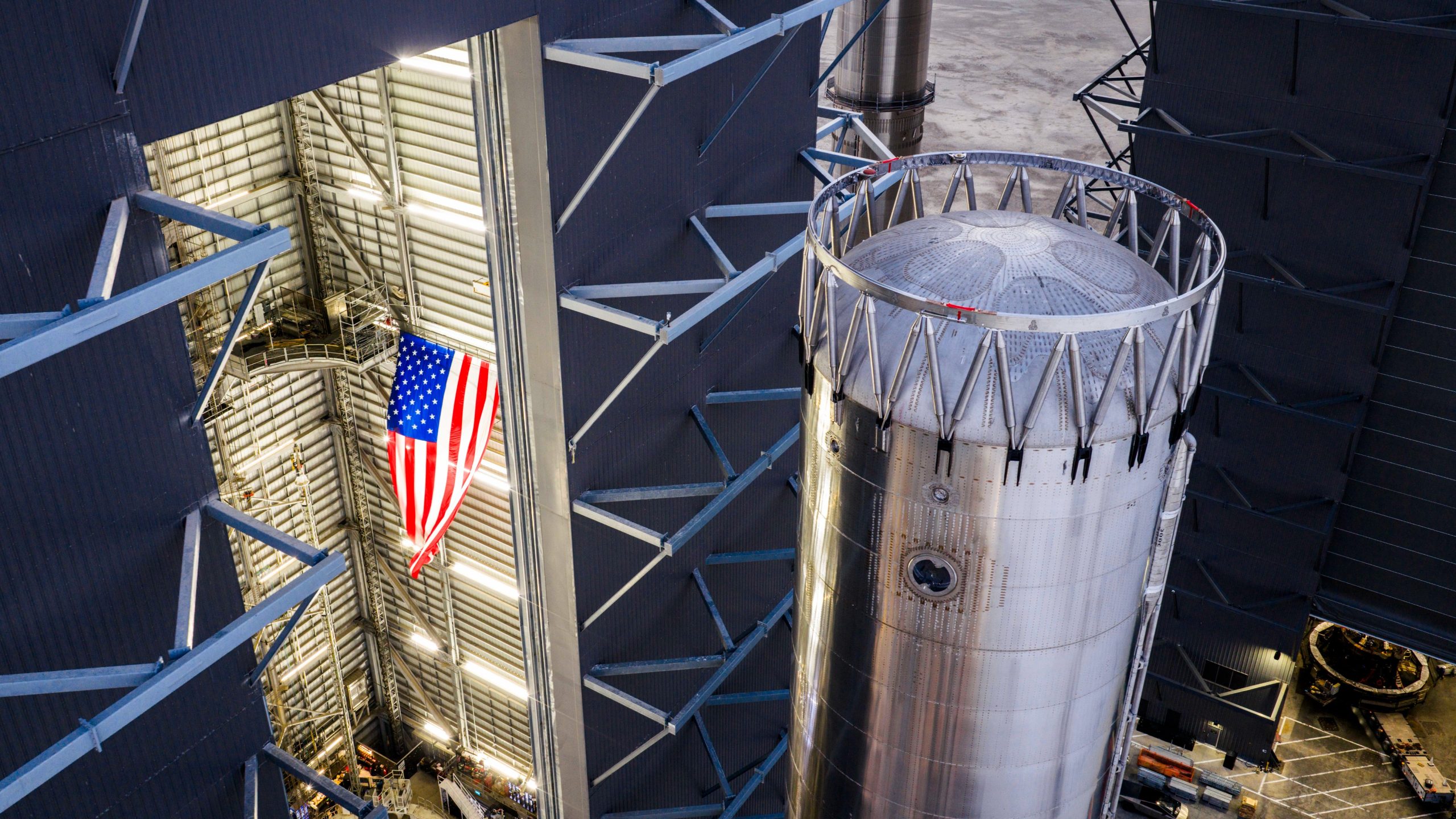
SpaceX reports third quarter results after the market closes Tuesday, with a webcast at 4:30 p.m. ET streamed on X, and Tesla follows a day later. Bloomberg consensus, cited by Pepperstone, calls for revenue of $12.89 billion, adjusted EBITDA of $6.62 billion and adjusted EPS near $0.15. That would be about 65% growth from the second quarter and SpaceX’s first profitable quarter since its IPO. Analysts expect roughly $6.4 billion from AI and $4.9 billion from Starlink, which is projected to reach 14.3 million consumer subscribers. Capital spending is forecast at $19.6 billion, leaving free cash flow near negative $11.6 billion.
The numbers matter because SpaceX has spent months trying to win over a skeptical market. It priced its record IPO at $135, spiked to $225.64, then sank near $105 in early August. Friday’s close of $146.03 sits about 28% below the June high. The Q2 report beat on revenue at $7.8 billion and put Starlink at 12 million subscribers, but $18.4 billion of capex hurt the stock. Since then SpaceX reached orbit on Starship Flight 14 with 26 Starlink V3 satellites, agreed to buy 800 MHz spectrum for about $8 billion as part of its Starlink Mobile push, and signed a fourth compute hosting deal in four months worth roughly $13 billion a year from December. Management is targeting more than 2 gigawatts of compute by year end and a $100 billion annualized revenue run rate. Evercore ISI, which raised its target to $275, said the quarter may be judged more on those targets than the reported figures
All of this sits under the Tesla merger question. Barclays analyst Dan Levy expects an all stock deal in which SpaceX buys Tesla at a premium, using reference values of $2.1 trillion and $1.5 trillion, and said an announcement would need to come by late October or early November to be voted on at Tesla’s December 6 annual meeting. Barclays estimates Musk would hold about 37% of the combined company and 56% of the votes. Musk said in July that combining companies cannot be discussed on an earnings call, but an investor question asking when SpaceX will merge with Tesla is sitting on SpaceX’s Q&A platform, and Teslarati has tracked how the Roadster demo revived the talk.
If a deal happens, Tuesday’s result would effectively set the price Tesla holders would receive. Their shares would convert into SpaceX stock, along with exposure to a company with a heavy investment on AI, while Tesla itself expects 2026 capex above $25 billion. A strong quarter and calmer spending would make that exchange easier to sell. Another round of heavy capex and a falling stock would make it harder.
News
SpaceX’s Gwynne Shotwell just made a quiet gesture toward Tesla
SpaceX president Gwynne Shotwell quietly followed Tesla on X, and merger watchers noticed right away.
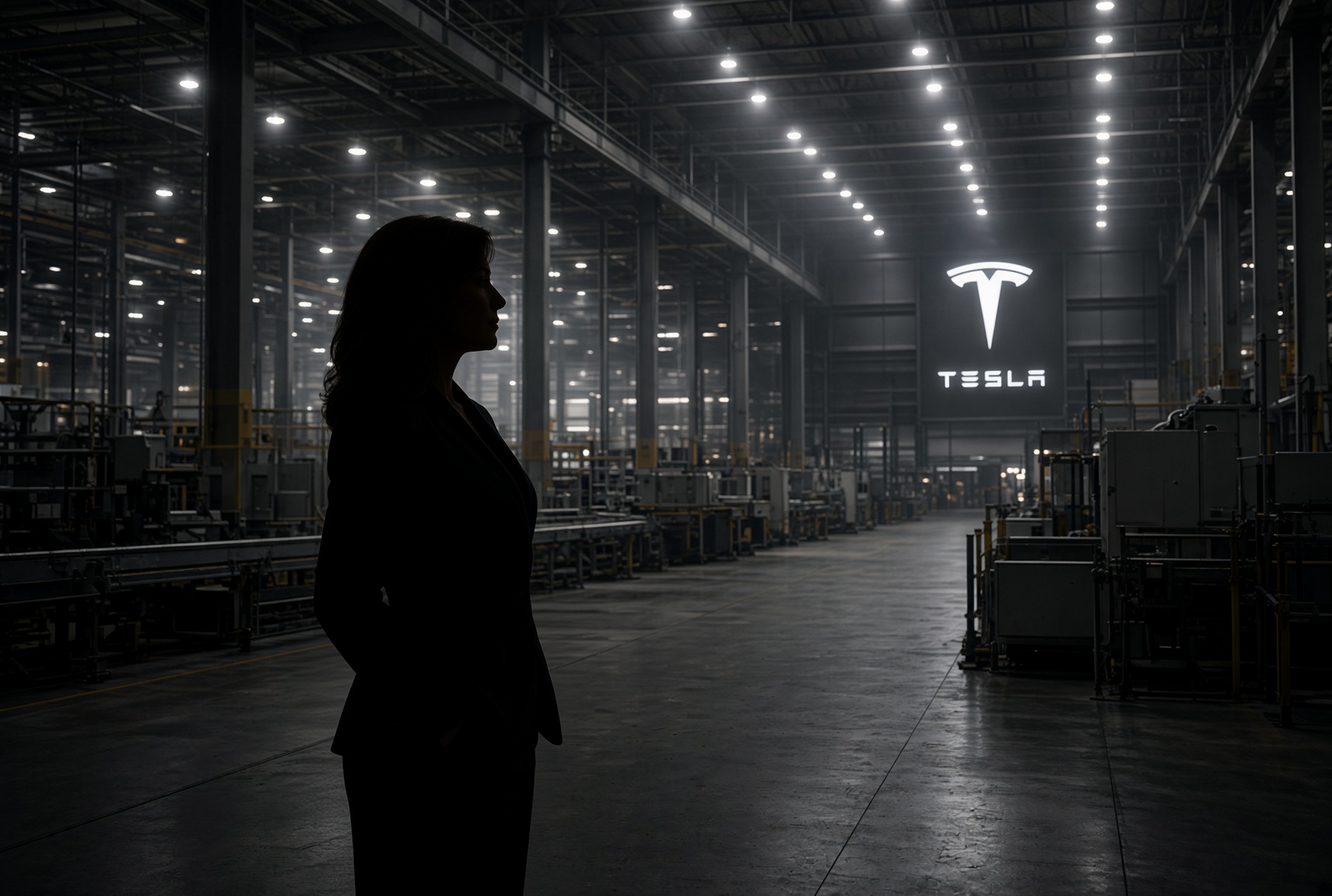
SpaceX President and COO Gwynne Shotwell has started following Tesla’s official account on X, a small change that landed in the middle of a very loud merger conversation. Whole Mars Catalog joked about it on Sunday.
A follow is not an announcement, and neither company has said anything about a deal. What gives the moment weight is the timing. Barclays analyst Dan Levy has told clients that an agreement could come before Tesla’s annual meeting, which must be held by December 6, with SpaceX as the buyer in an all stock deal, as we reported after the Roadster unveiling. Wedbush’s Dan Ives has stuck with a 2027 timeline.
“Shit, I better start following their X account if i’m gonna be helping run the company”
— Whole Mars Catalog (@wholemars) October 18, 2026
Shotwell is the executive most worth watching if the two companies do move closer. When Musk was asked at the All In Summit why Tesla and SpaceX remain separate, Shotwell sat next to him and said SpaceX personnel had already moved into xAI to fill leadership and engineering gaps. The businesses were integrating “faster than I thought,” she said, though “not fully integrated yet.” Her responsibilities have also grown since SpaceX absorbed xAI, and she now oversees operations that include Grok and the company’s AI compute buildout.
The financial links are already there. Tesla’s $2 billion xAI investment turned into a stake of less than one percent in SpaceX, the two share the Terafab chip project in Austin, and Musk exercised his 2018 Tesla options a week after SpaceX began trading, a sequence analysts flagged as giving SpaceX public shares to use in a deal. Musk holds about 20 percent of Tesla and controls 85.1 percent of SpaceX’s voting power, according to our earlier breakdown.
The next test is close at hand. SpaceX reports its second earnings as a public company on Tuesday after the close, and Tesla follows on Wednesday. Musk told analysts in July that “we can’t talk about combining companies and that kind of thing on an earnings call,” so a direct answer is unlikely from either stage. Tesla shareholders can still submit and vote on questions through the Say portal until 4 p.m. EDT on Monday, and the merger is a recurring theme in the queue.

Tesla CEO Elon Musk reminds everyone about Roadster’s true meaning

SpaceX’s biggest earnings test yet lands Tuesday, and Tesla shareholders should be watching

SpaceX’s Gwynne Shotwell just made a quiet gesture toward Tesla

SpaceX reveals how its 1 Million AI satellite network will work and prevent space collisions
Tesla Roadster: Three configs, one can fly, 0-60 in 0.8 seconds


