News
Tesla Robotaxi’s biggest rival sends latest statement with big expansion
The new expanded geofence now covers a broader region of Austin and its metropolitan areas, extended south to Manchaca and north beyond US-183.

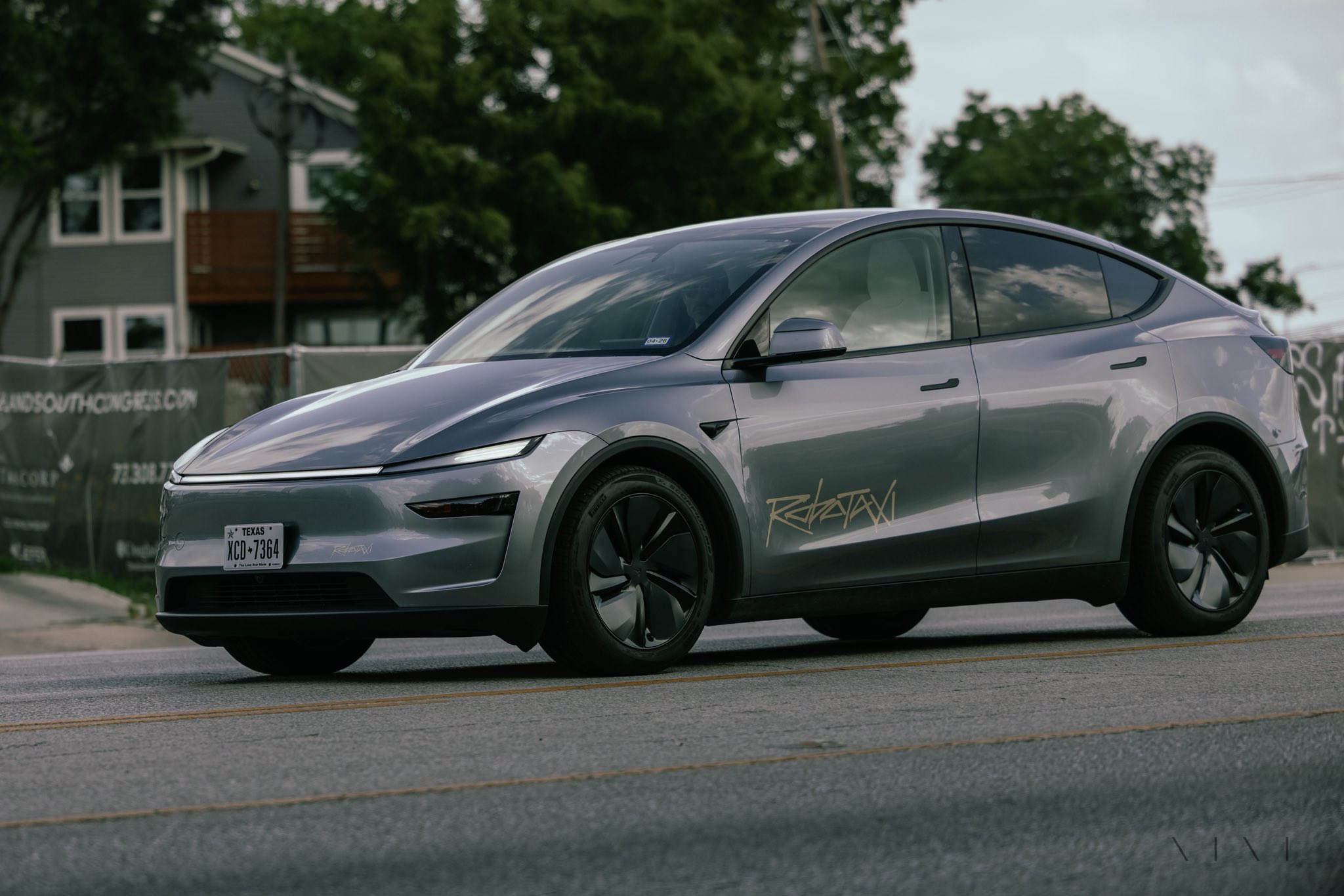
Tesla Robotaxi’s biggest rival sent its latest statement earlier this month by making a big expansion to its geofence, pushing the limits up by over 50 percent and nearing Tesla’s size.
Waymo announced earlier this month that it was expanding its geofence in Austin by slightly over 50 percent, now servicing an area of 140 square miles, over the previous 90 square miles that it has been operating in since July 2025.
Tesla CEO Elon Musk shades Waymo: ‘Never really had a chance’
The new expanded geofence now covers a broader region of Austin and its metropolitan areas, extended south to Manchaca and north beyond US-183.
These rides are fully driverless, which sets them apart from Tesla slightly. Tesla operates its Robotaxi program in Austin with a Safety Monitor in the passenger’s seat on local roads and in the driver’s seat for highway routes.
It has also tested fully driverless Robotaxi services internally in recent weeks, hoping to remove Safety Monitors in the near future, after hoping to do so by the end of 2025.
Tesla Robotaxi service area vs. Waymo’s new expansion in Austin, TX. pic.twitter.com/7cnaeiduKY
— Nic Cruz Patane (@niccruzpatane) January 13, 2026
Although Waymo’s geofence has expanded considerably, it still falls short of Tesla’s by roughly 31 square miles, as the company’s expansion back in late 2025 put it up to roughly 171 square miles.
There are several differences between the two operations apart from the size of the geofence and the fact that Waymo is able to operate autonomously.
Waymo emphasizes mature, fully autonomous operations in a denser but smaller area, while Tesla focuses on more extensive coverage and fleet scaling potential, especially with the potential release of Cybercab and a recently reached milestone of 200 Robotaxis in its fleet across Austin and the Bay Area.
However, the two companies are striving to achieve the same goal, which is expanding the availability of driverless ride-sharing options across the United States, starting with large cities like Austin and the San Francisco Bay Area. Waymo also operates in other cities, like Las Vegas, Los Angeles, Orlando, Phoenix, and Atlanta, among others.
Tesla is working to expand to more cities as well, and is hoping to launch in Miami, Houston, Phoenix, Las Vegas, and Dallas.


News
Tesla launches new Model Y interior option
Produced at Gigafactory Shanghai, the update applies to all five-seat Premium Model Y configurations and started being seen on customer deliveries this week. The move marks the first major interior refresh for the compact crossover since its global debut.
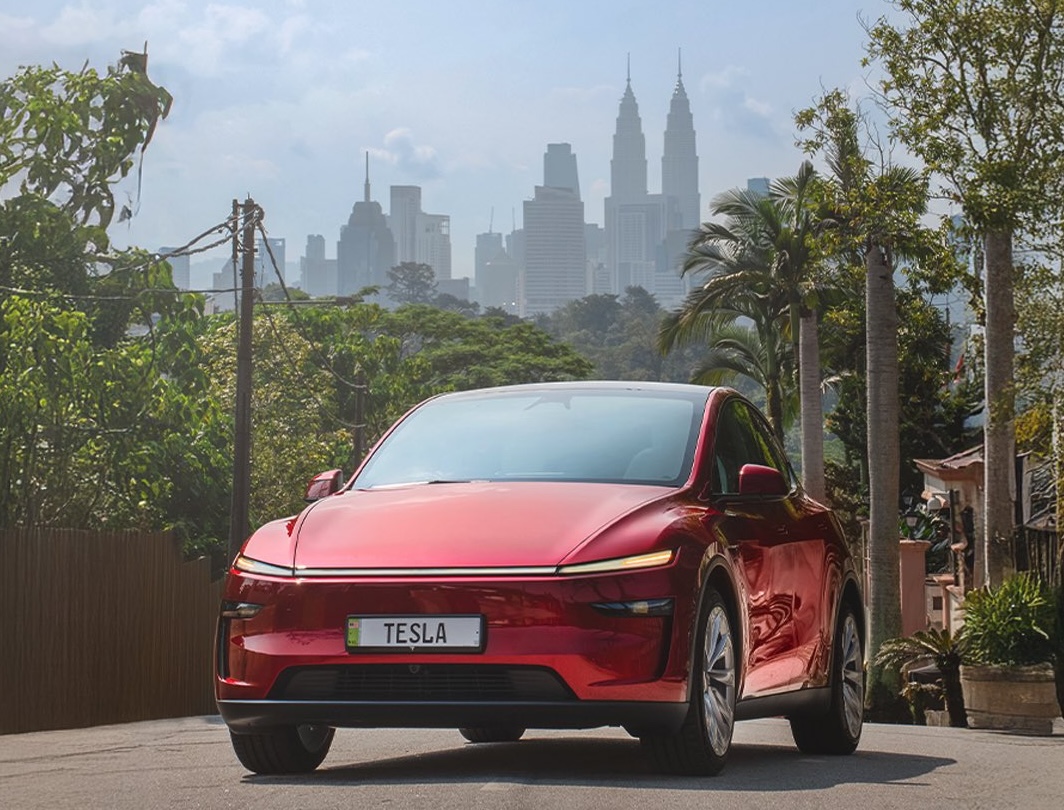
Tesla has rolled out a striking new interior choice for its best-selling Model Y in China, replacing the long-familiar white cabin with a fresh option: Zen Grey.
Produced at Gigafactory Shanghai, the update applies to all five-seat Premium Model Y configurations and started being seen on customer deliveries this week. The move marks the first major interior refresh for the compact crossover since its global debut.
The Zen Grey interior swaps the classic black-and-white contrast for a softer, more unified palette. Seats, door panels, and center console trim now feature a warm light-grey tone that covers far more surface area than before.
Previously, black accents on the console, door handles, and lower dashboard are now color-matched in the same pebbled vegan leather, creating a brighter, less clinical cabin.
Tesla describes the material as durable and easy to maintain while delivering a noticeably more premium feel. Early photos and videos from Chinese owners show the new shade reflecting natural light beautifully, giving the spacious Model Y an even airier, more inviting atmosphere without sacrificing the minimalist design customers expect:
🚨 First look at Tesla’s new Zen Grey interior, which differs slightly in tone and in placement compared to the now discontinued White Interior https://t.co/rRRuEOrbm4 pic.twitter.com/p7uyNfO3xY
— TESLARATI (@Teslarati) April 13, 2026
The change is not an added-cost upgrade but a direct replacement for the discontinued white interior on Shanghai-built vehicles. Customers configuring a new Model Y in China, Hong Kong, or Macau now see Zen Grey as the default light-colored choice.
The update also flows to export markets supplied by Giga Shanghai, including Australia, New Zealand, South Korea, Japan, and the Philippines. Tesla has used its Chinese factory as an innovation hub before, and executives appear to be testing broader appeal with this subtler, warmer tone that avoids the high-maintenance reputation sometimes associated with bright white leather.
Beyond the interior, the refreshed Model Y from Shanghai includes minor exterior tweaks such as blacked-out badges on some trims and optional dark 20-inch wheels.
These changes arrive as Tesla faces stiff competition from domestic EV makers in its largest market. By refreshing the Model Y’s cabin without raising prices, the company is signaling continued commitment to value and constant improvement.
With over 1.2 million Model Y units already on Chinese roads, the Zen Grey launch gives existing owners a fresh talking point and new buyers another reason to choose Tesla. As deliveries ramp up this month, the updated interior is expected to become the dominant light-colored choice across the Asia-Pacific region.
Tesla has not yet confirmed whether the Zen Grey will reach Fremont, Austin, or Berlin-built Model Ys, but Shanghai’s track record suggests the option could spread quickly if customer feedback remains strong.
Elon Musk
Tesla launches 200mph Model S “Gold” Signature in invite-only purchase
Tesla’s final 350-unit Signature Edition closes the book on two cars that changed everything.

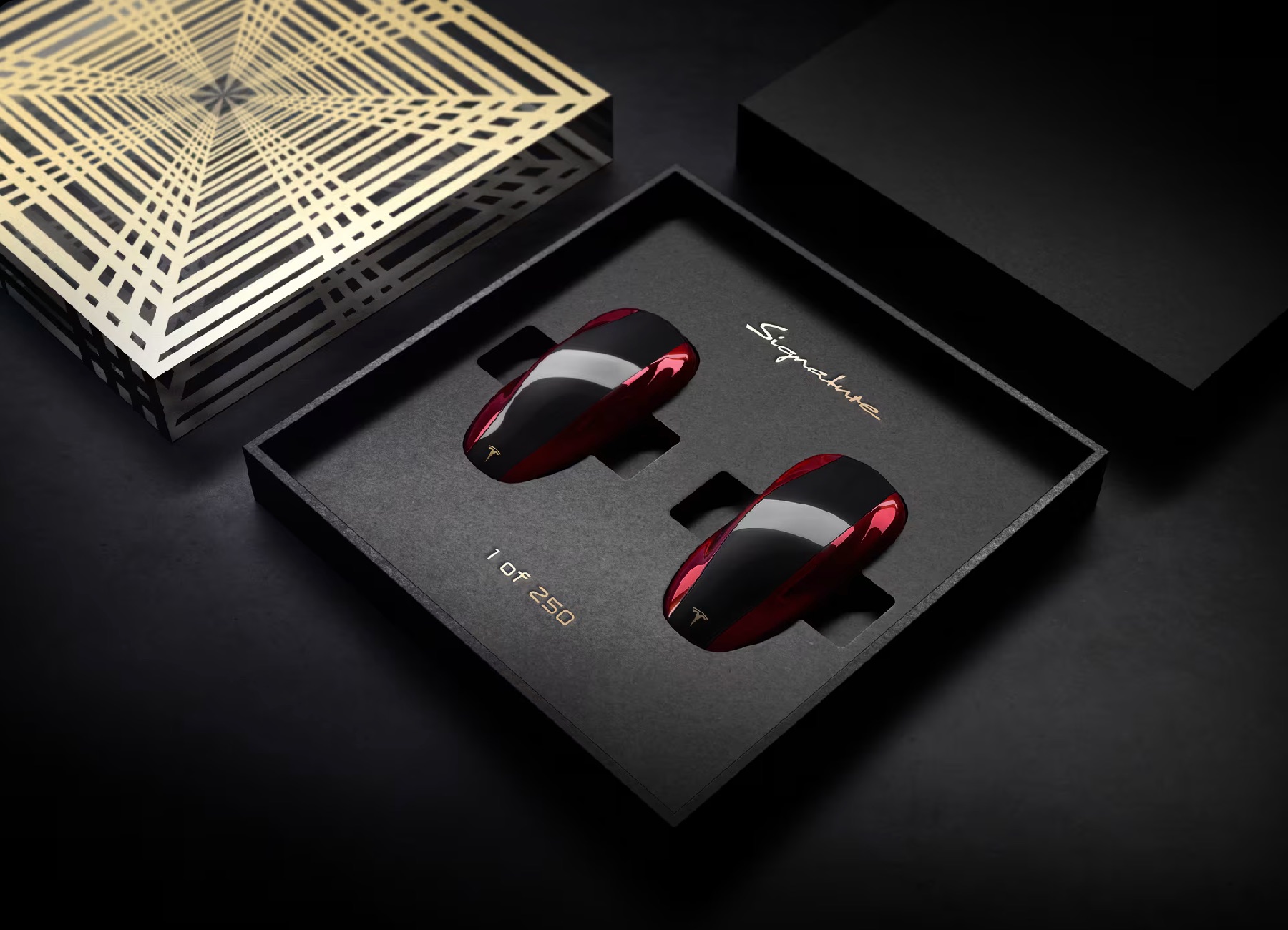
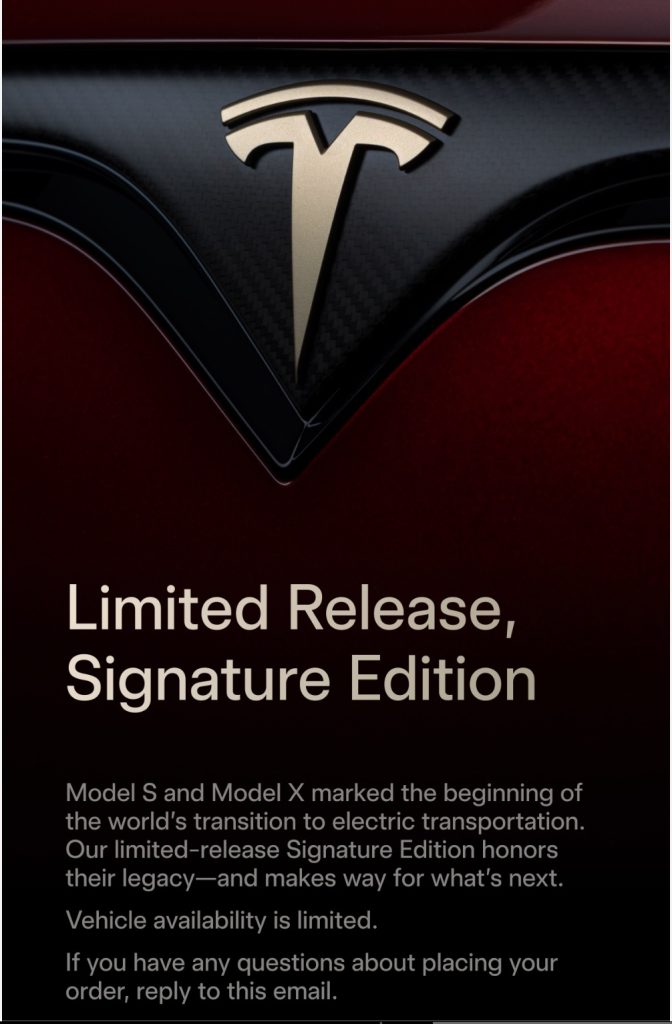
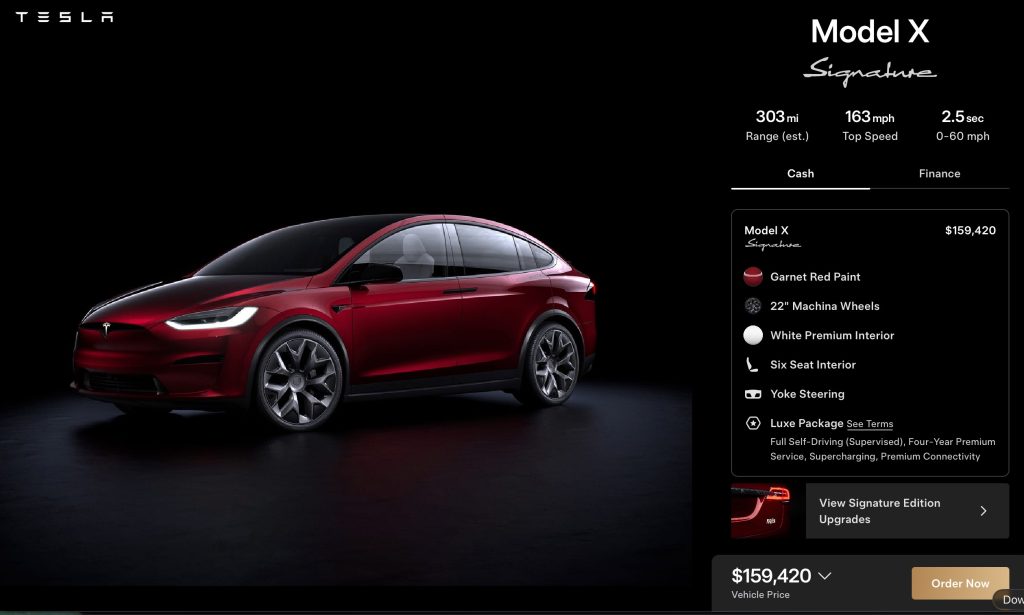
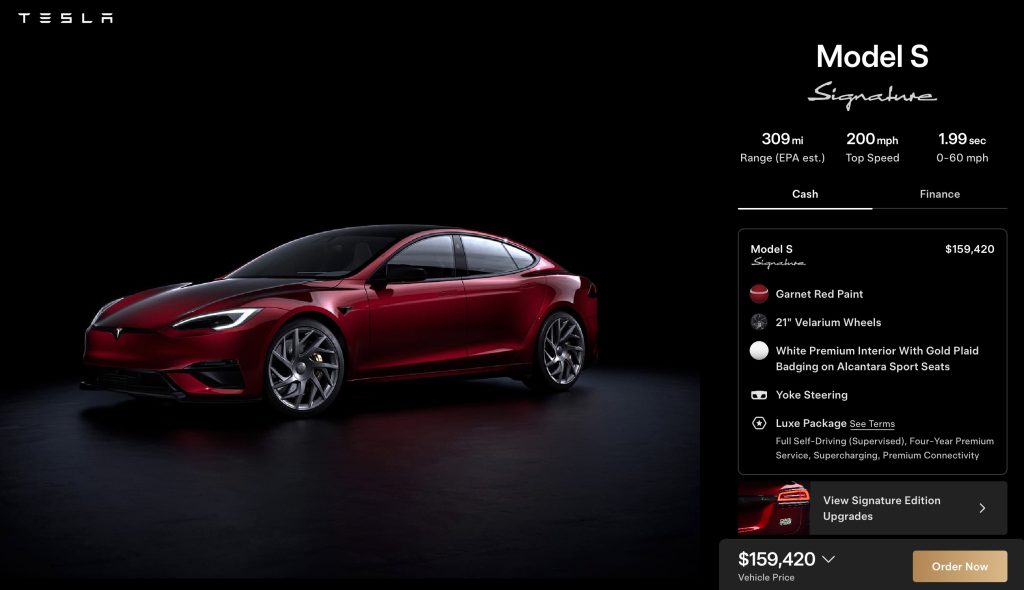
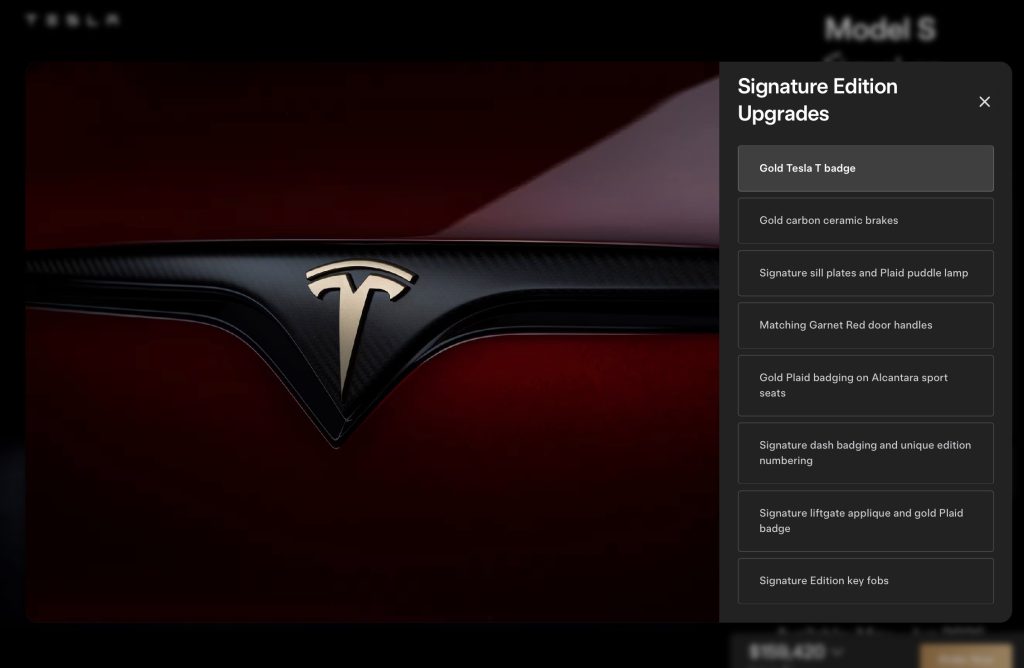
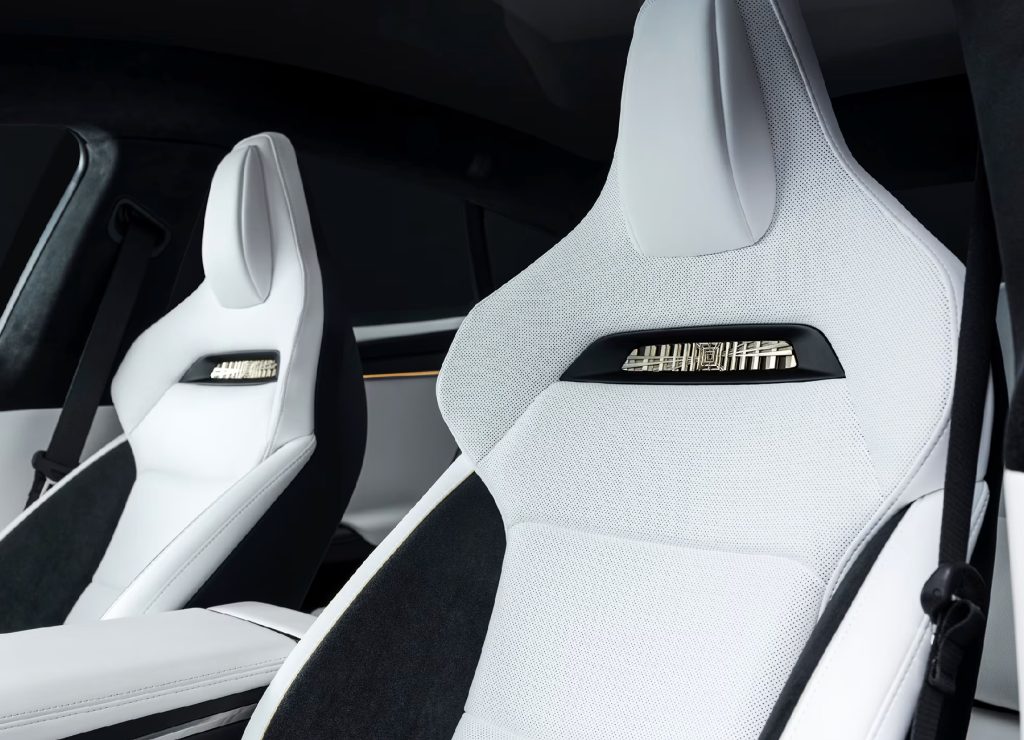
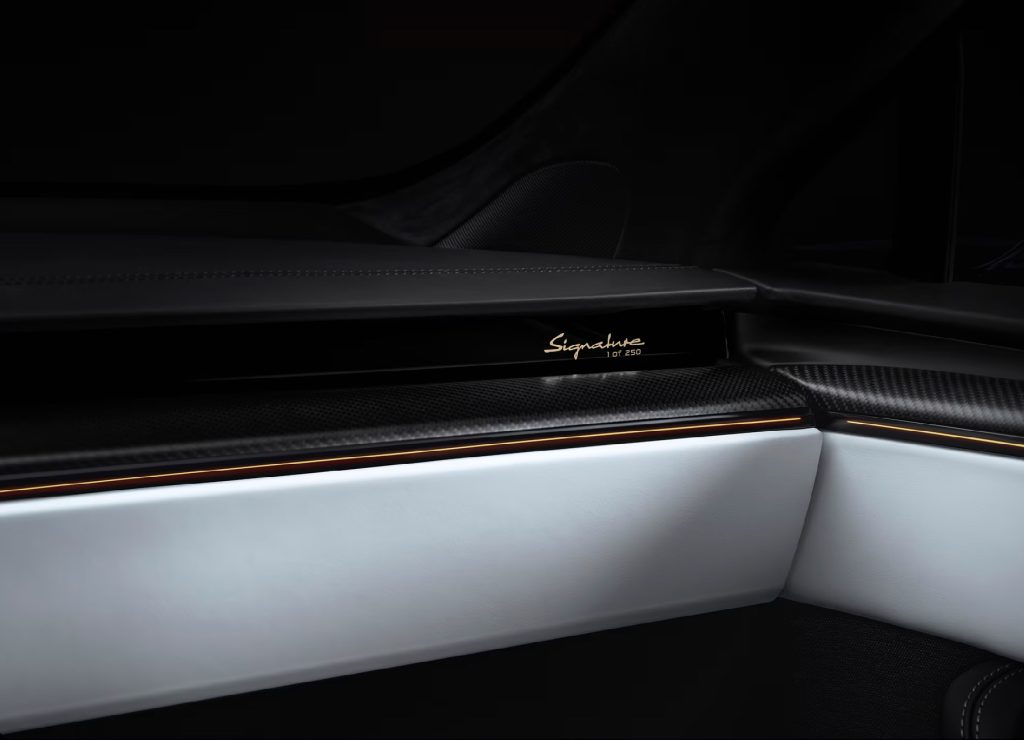
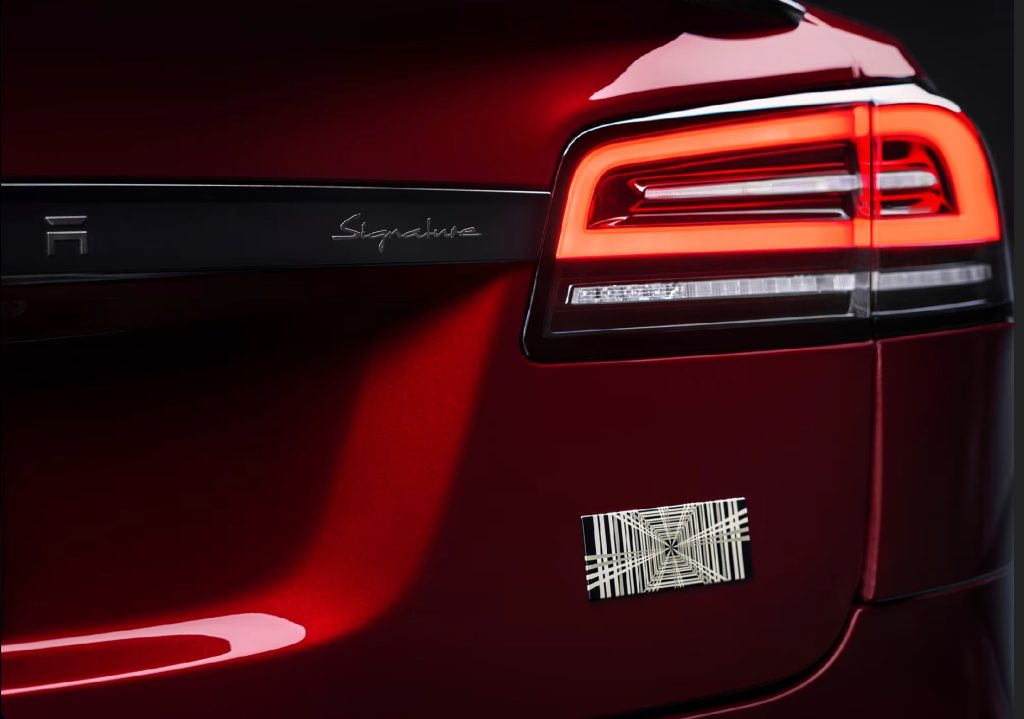
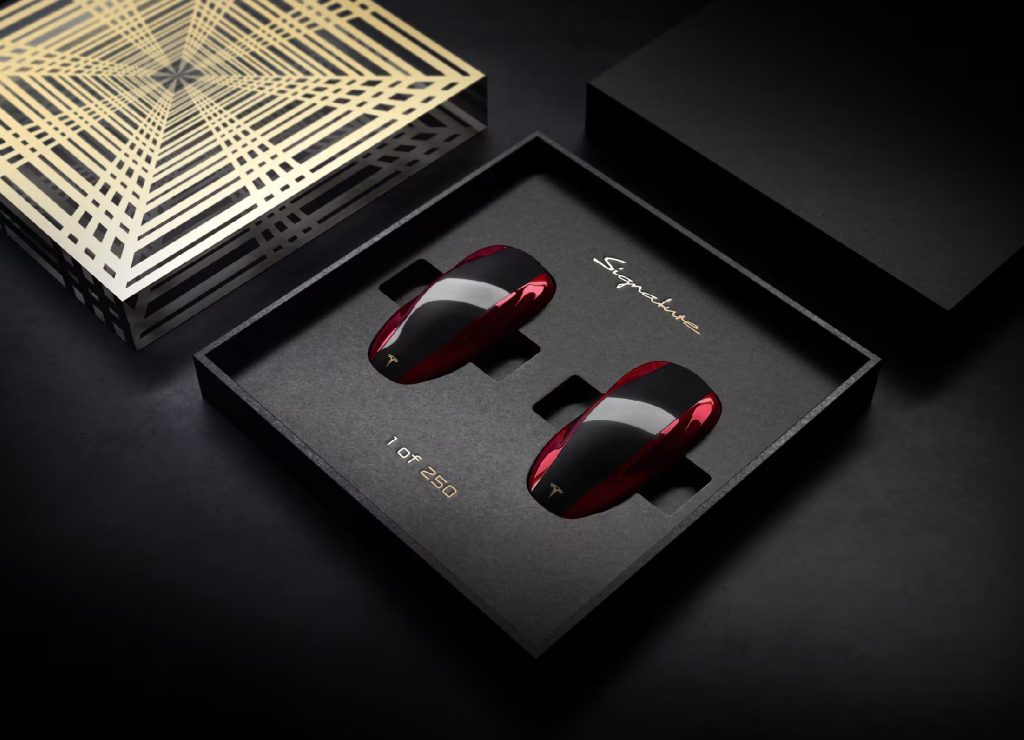
Tesla has announced a super limited Signature Edition run of 250 Model S Plaid and 100 Model X Plaid units as an invite only purchase in a bid to give its original flagship vehicles a proper send-off.
When the Model S first launched in 2012, the first 1,000 units sold were “Signature” editions that required a $40,000 deposit and cost nearly $100,000 each. Those early buyers were Tesla’s first real believers. This new Signature Edition deliberately echoes that moment, bookending a 14-year run with numbered collector hardware.
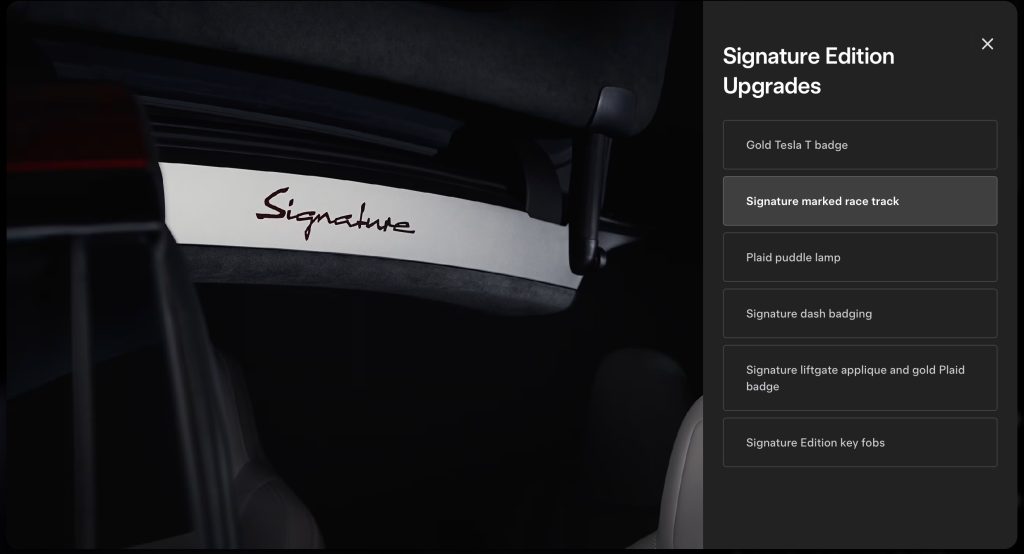
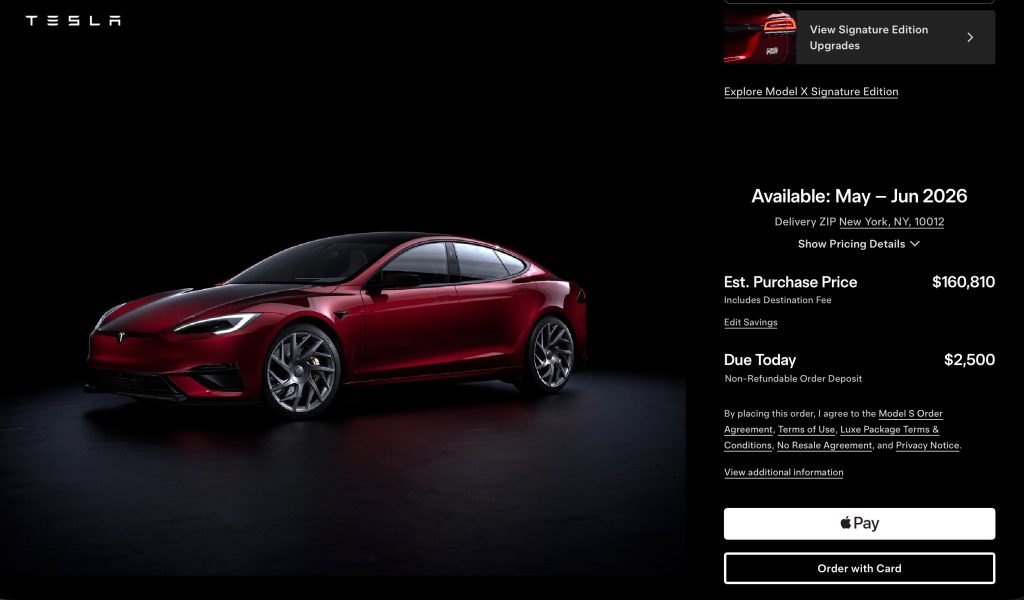
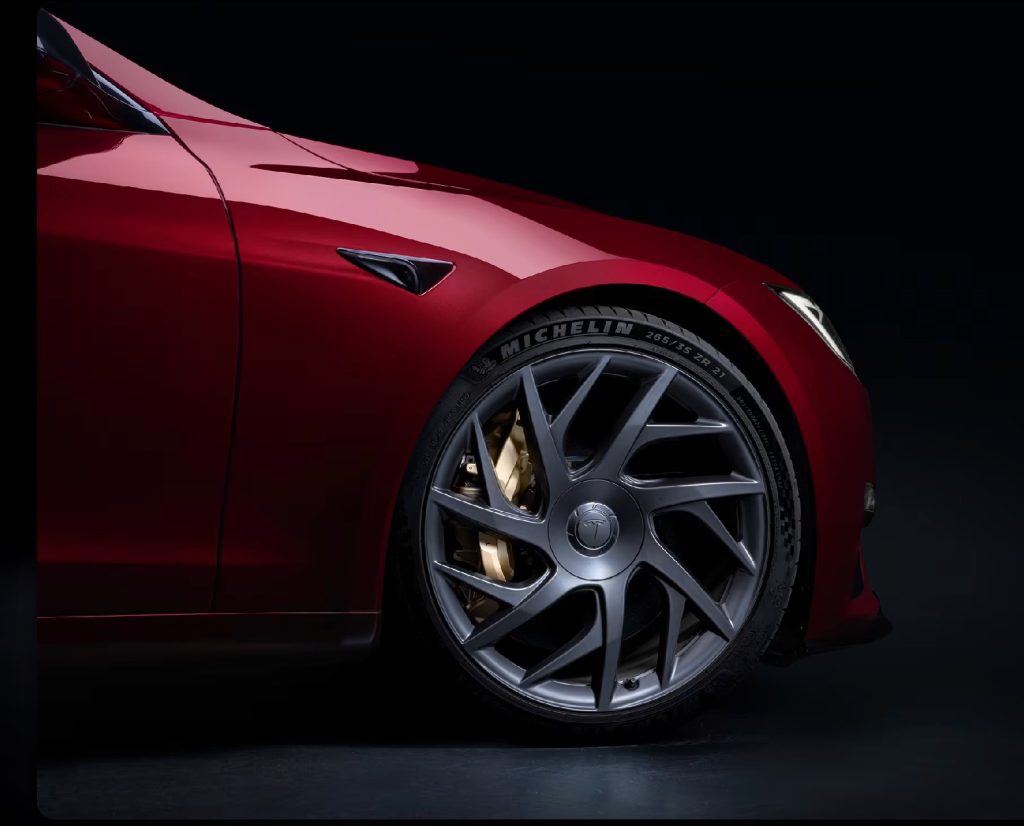
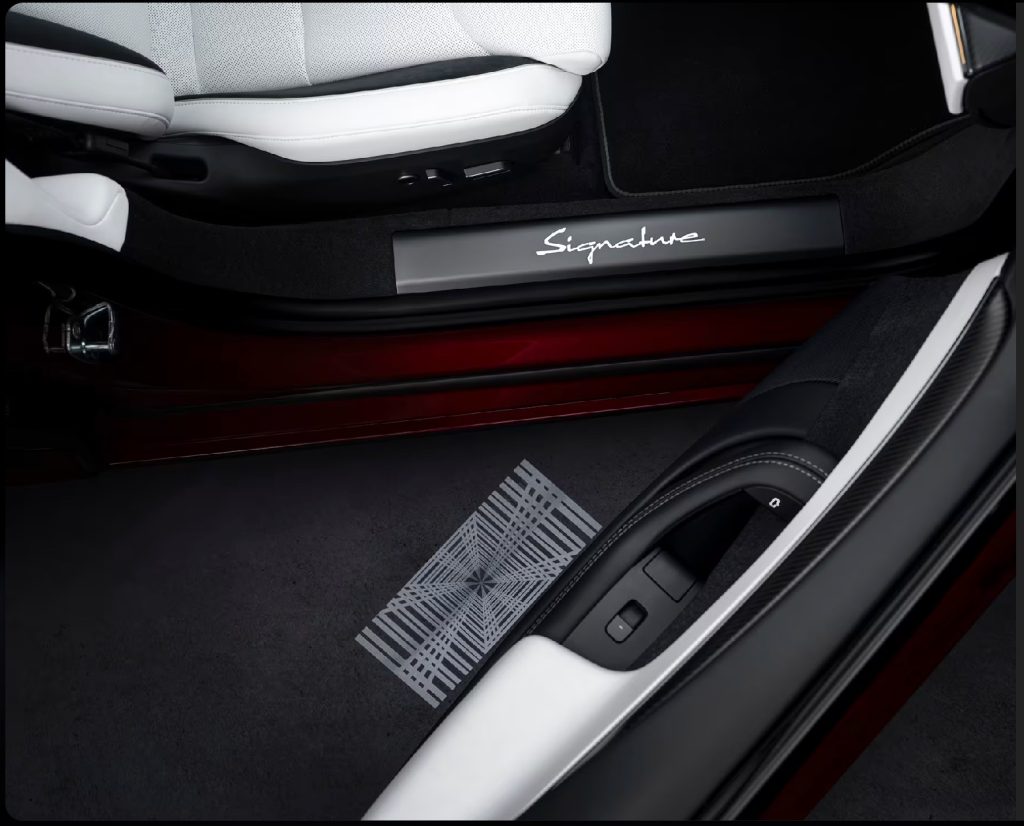
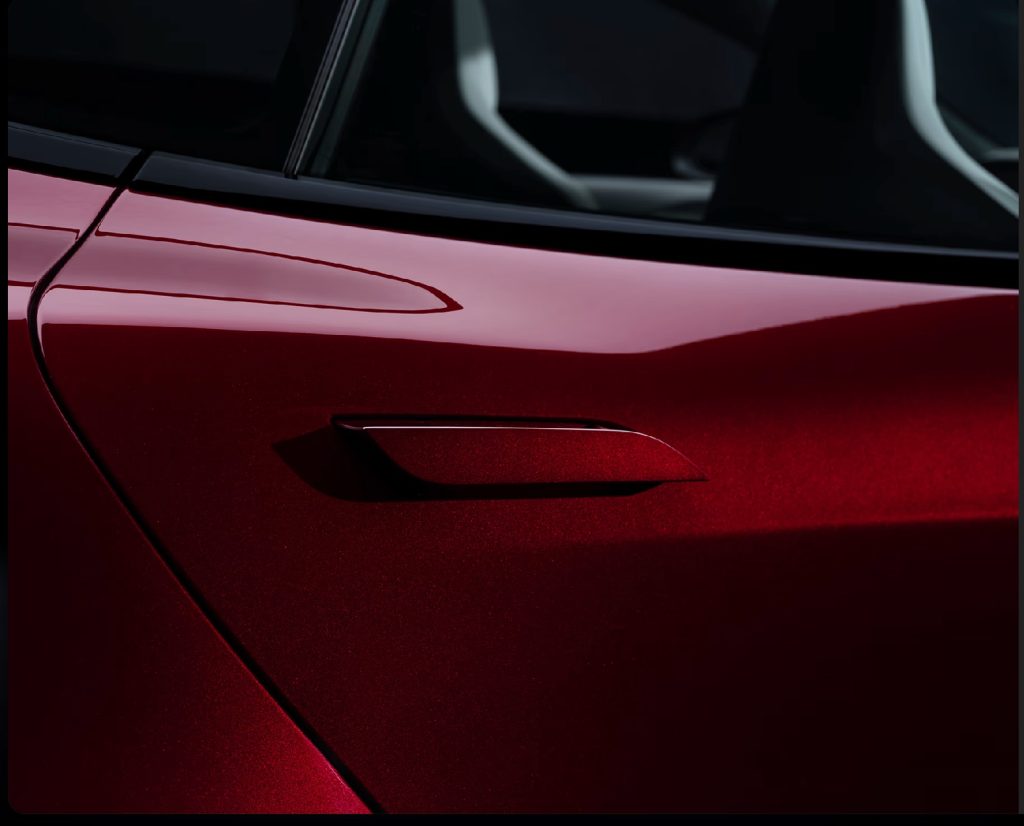
Both models are finished in an exclusive Garnet Red paint not available on any current Tesla production vehicle, with gold Tesla T badges up front, a gold Plaid badge and Signature badge at the rear, and a white Alcantara interior featuring gold Plaid seat badges, gold piping, Signature-marked door sills, and a numbered dash plate. The Model S adds carbon ceramic brakes with gold calipers. Every unit ships with Tesla’s Luxe Package, bundling Full Self-Driving (Supervised), four years of Premium Service, free lifetime Supercharging, and a Signature Edition key fob. Both are priced at $159,420, a roughly $35,000 premium over standard Plaid inventory.
The discontinuation is part of a broader strategic shift. At Tesla’s Q4 2025 earnings call, Musk described the decision as “slightly sad” but necessary, saying: “It’s time to basically bring the Model S and X programs to an end with an honorable discharge, because we’re really moving into a future that is based on autonomy.”
The Fremont factory floor that built these cars is being converted to manufacture Optimus humanoid robots, with a target of one million units annually.
Elon Musk
Tesla FSD in Europe vs. US: It’s not what you think
Tesla FSD is approved in the Netherlands, but the European version differs from what US drivers use.
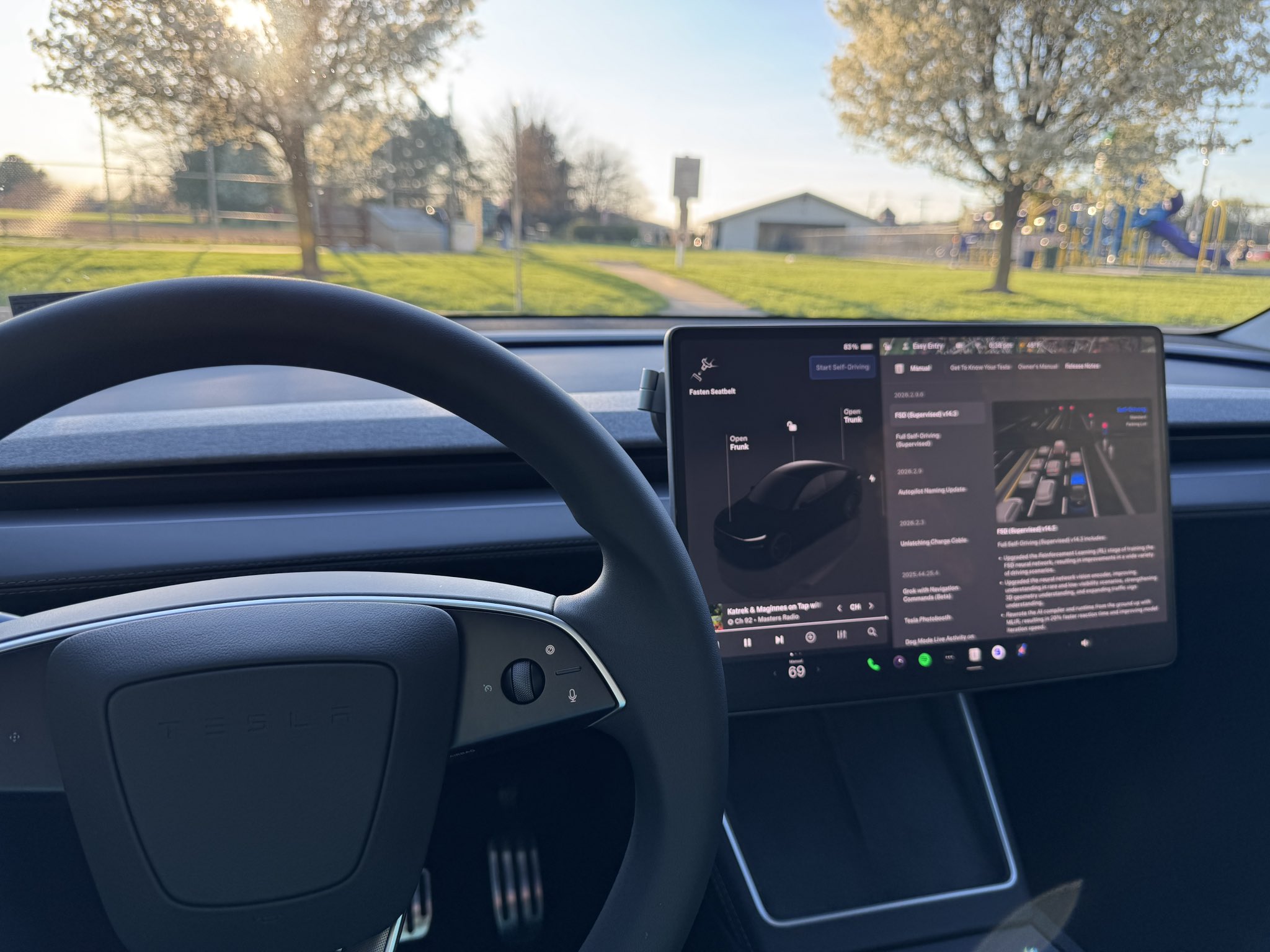
On April 10, 2026, the Dutch vehicle authority RDW granted Tesla the first European type approval for Full Self-Driving Supervised, making the Netherlands the first country on the continent to authorize Tesla’s semi-autonomous system for customer use on public roads.
As Teslarati reported, the RDW approval followed 18 months of testing, more than 1.6 million kilometers driven on EU roads, 13,000 customer ride-alongs, and documentation covering over 400 compliance requirements. Tesla Europe had been running public demo drives through cities like Amsterdam and Eindhoven since early 2026, giving passengers their first experience of the system on European streets.
The European version of FSD is not the same software US drivers use. The RDW’s own statement is direct, noting that the software versions and functionalities in the US and Europe “are therefore not comparable one-to-one.” We’ve compile a table below that captures the most significant differences between US-based Tesla FSD vs. European Tesla FSD that’s based on what regulators and Tesla have publicly confirmed.
| Feature | FSD US | FSD Europe (Netherlands) |
| Regulatory framework | Self-certification, post-market oversight | Pre-market type approval required (UN R-171 + Article 39) |
| Hands requirement | Hands-off permitted on highway | Hands must be available to take over immediately |
| Auto turning from stop lights | Available — navigates intersections, turns, and traffic signals autonomously | Available in EU build — confirmed in Amsterdam demo footage handling unprotected turns and signalized intersections |
| Driving modes | Multiple profiles including a more aggressive “Mad Max” mode | EU build is more conservative by default and errs on the side of restraint when it cannot confirm the limit |
| Summon | Available — Smart Summon navigates parking lots to driver | Status unclear — not confirmed as part of the RDW-approved feature set; urban FSD approval targeted separately for 2027 |
| Driver monitoring | Camera-based eye tracking | Stricter continuous monitoring with more frequent intervention alerts |
| Software version | FSD v14.3 | EU-specific builds that must be separately validated by RDW |
| Geographic restriction | US, Canada, China, Mexico, Australia, NZ, South Korea | Netherlands only; EU-wide vote pending summer 2026 |
| Subscription price | $99/month | €99/month |
| Full urban FSD scope | Available | Partial — separate urban application planned for 2027 |
The approval comes as Tesla is under real pressure to grow FSD subscriptions globally. Musk’s 2025 CEO compensation package, approved by shareholders, includes a milestone requiring 10 million active FSD subscriptions as one condition for his stock awards to vest. Tesla hit one million subscriptions during its Q4 2025 earnings call, which is a meaningful start, but still a long way from the target. Opening Europe as a market for subscriptions, rather than just hardware sales, directly accelerates that number.
Tesla has said it anticipates EU-wide recognition of the Dutch approval during summer 2026, which would extend FSD access to Germany, France, and other major markets through a mutual recognition process without each country repeating the full 18-month review. That timeline is Tesla’s projection, not a confirmed regulatory outcome. As Musk acknowledged at Davos in January 2026, “We hope to get Supervised Full Self-Driving approval in Europe, hopefully next month.”

Tesla launches new Model Y interior option

Tesla launches 200mph Model S “Gold” Signature in invite-only purchase


