Investor's Corner
Will Hong Kong be the Next Norway for Tesla Motors?

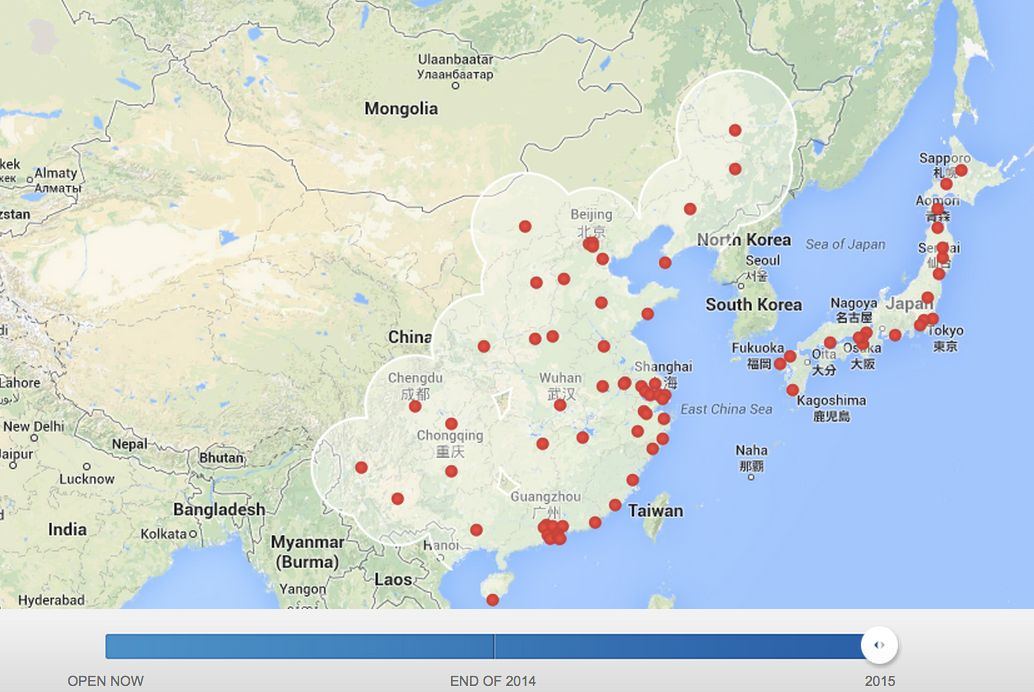
Hong Kong will have eight to ten superchargers by the end of 2015.
Tesla Motors has a conference call for its 3rd quarter 2014 results next Wednesday, Nov. 5th, and Elon Musk recently called out a half-baked Tesla Motors article in the WSJ last Monday, specifically, its North American sales numbers:
Article in @WSJ re Tesla sales is incorrect. September was a record high WW and up 65% year-over-year in North America.
— Elon Musk (@elonmusk) October 28, 2014
-->
Nearby Hong Kong has also lifted its sizable registration fee for the electric car maker and this tiny "city/state" is a "trend-setter for the region," according to Beth McKenna in a recent Motley Fool article.
Even though Hong Kong resembles New York City's population density, Tesla Motor plans on building another eight superchargers to give it a total of ten by the end of 2015—HK only has a land mass of 465 square miles.
According to a press release on the Hong Kong's government web site, Veronica Wu, VP of China Operations for Tesla says, "Tesla Motors has plans to more than double its workforce in Hong Kong to more than 100 people by the end of the year."
So is Tesla's sales strategy to considerably move away from Europe and concentrate sales efforts for the near term in China, Hong Kong and Japan? It seems possible with Tesla's new production line capability and the low-hanging sales fruit that Elon Musk likes.
Larger than expected Model S deliveries to Asia for the 3rd quarter would drive the stock through the roof next week. Food for thought as the hype builds.


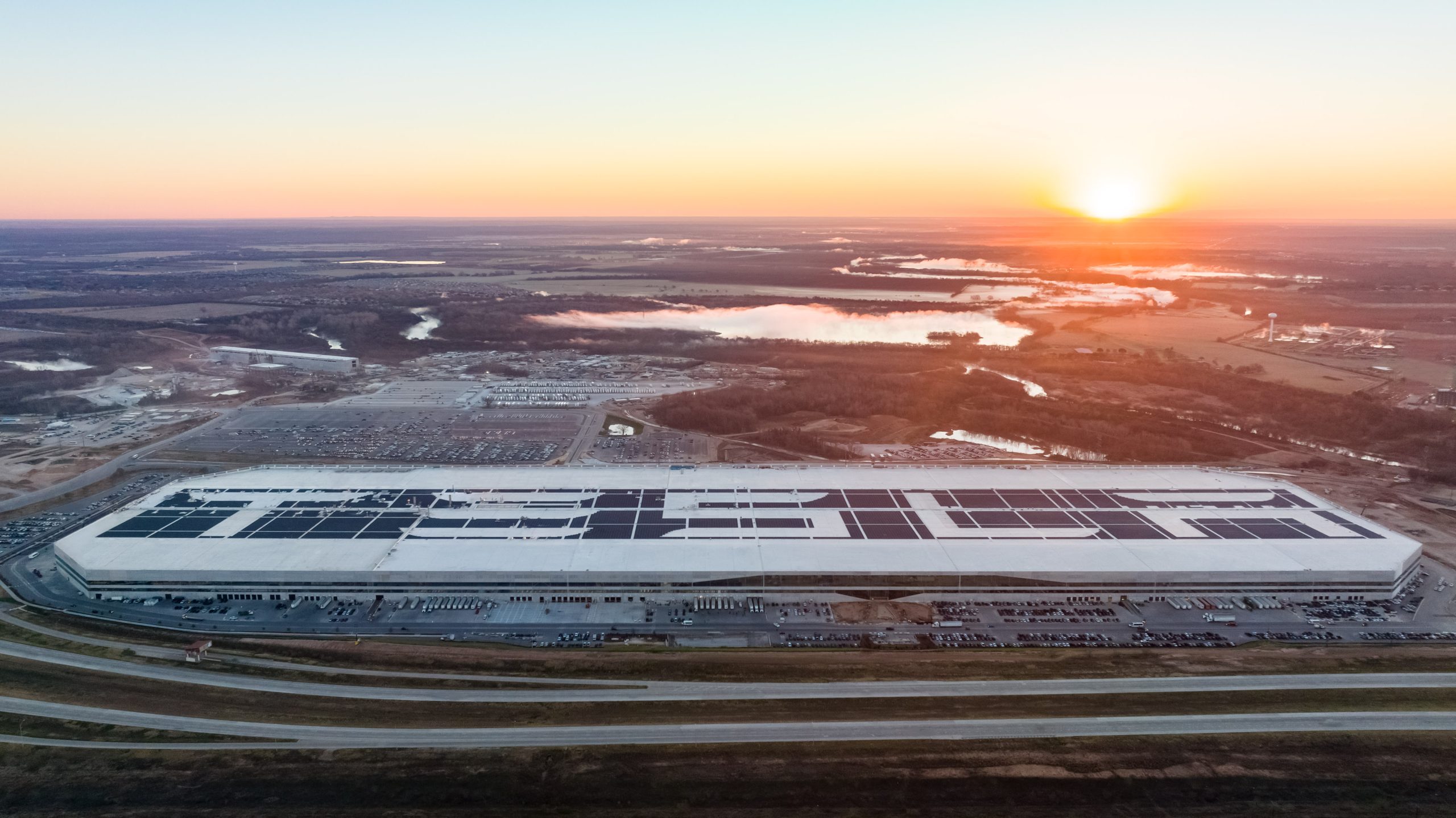
Tesla stock (NASDAQ: TSLA) closed at an all-time high on Tuesday, jumping over 3 percent during the day and finishing at $489.88.
The price beats the previous record close, which was $479.86.
Shares have had a crazy year, dipping more than 40 percent from the start of the year. The stock then started to recover once again around late April, when its price started to climb back up from the low $200 level.
This week, Tesla started to climb toward its highest levels ever, as it was revealed on Sunday that the company was testing driverless Robotaxis in Austin. The spike in value pushed the company’s valuation to $1.63 trillion.
Tesla Robotaxi goes driverless as Musk confirms Safety Monitor removal testing
It is the seventh-most valuable company on the market currently, trailing Nvidia, Apple, Alphabet (Google), Microsoft, Amazon, and Meta.
Shares closed up $14.57 today, up over 3 percent.
The stock has gone through a lot this year, as previously mentioned. Shares tumbled in Q1 due to CEO Elon Musk’s involvement with the Department of Government Efficiency (DOGE), which pulled his attention away from his companies and left a major overhang on their valuations.
However, things started to rebound halfway through the year, and as the government started to phase out the $7,500 tax credit, demand spiked as consumers tried to take advantage of it.
Q3 deliveries were the highest in company history, and Tesla responded to the loss of the tax credit with the launch of the Model 3 and Model Y Standard.
Additionally, analysts have announced high expectations this week for the company on Wall Street as Robotaxi continues to be the focus. With autonomy within Tesla’s sights, things are moving in the direction of Robotaxi being a major catalyst for growth on the Street in the coming year.
Elon Musk
Tesla needs to come through on this one Robotaxi metric, analyst says
“We think the key focus from here will be how fast Tesla can scale driverless operations (including if Tesla’s approach to software/hardware allows it to scale significantly faster than competitors, as the company has argued), and on profitability.”

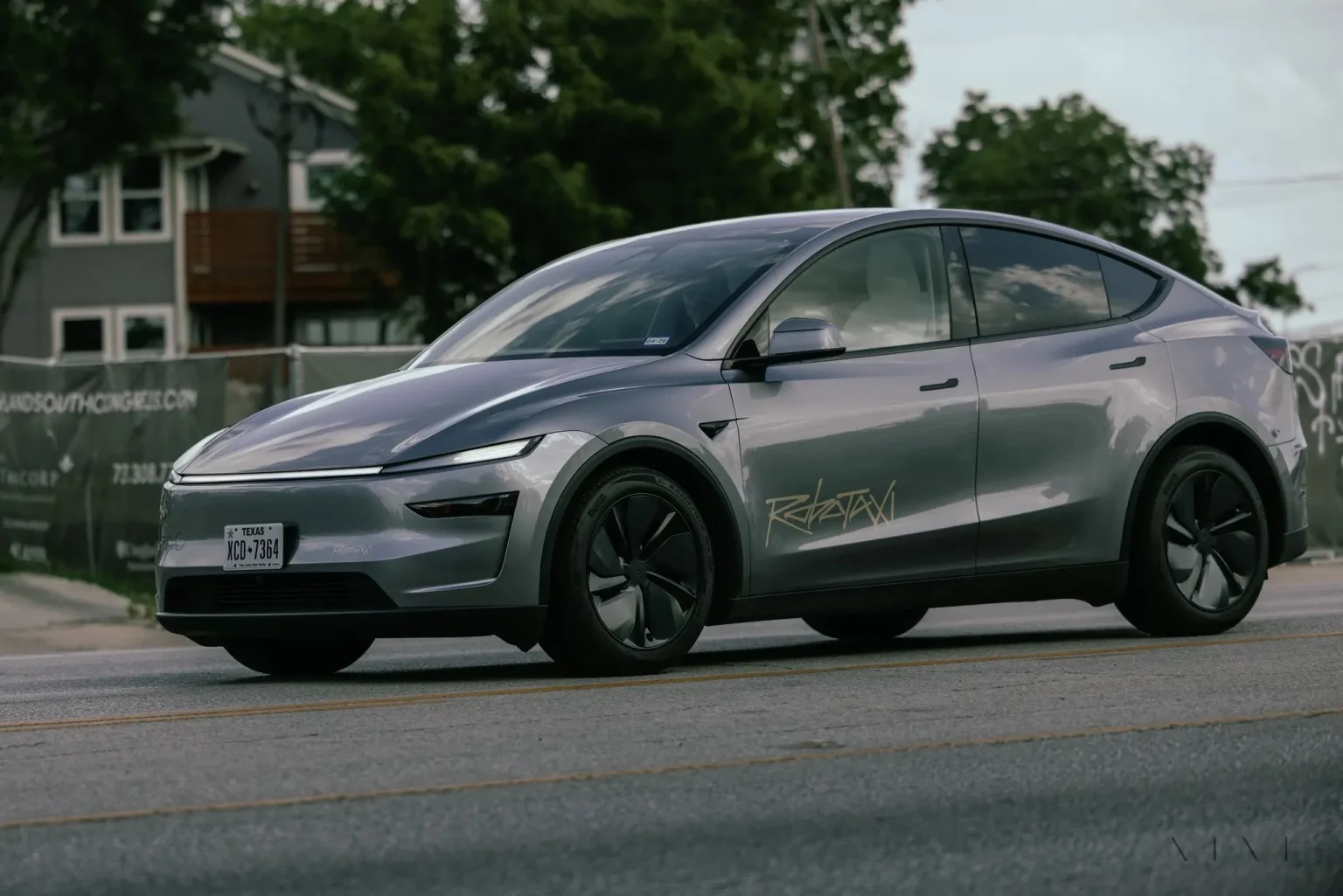
Tesla needs to come through on this one Robotaxi metric, Mark Delaney of Goldman Sachs says.
Tesla is in the process of rolling out its Robotaxi platform to areas outside of Austin and the California Bay Area. It has plans to launch in five additional cities, including Houston, Dallas, Miami, Las Vegas, and Phoenix.
However, the company’s expansion is not what the focus needs to be, according to Delaney. It’s the speed of deployment.
The analyst said:
“We think the key focus from here will be how fast Tesla can scale driverless operations (including if Tesla’s approach to software/hardware allows it to scale significantly faster than competitors, as the company has argued), and on profitability.”
Profitability will come as the Robotaxi fleet expands. Making that money will be dependent on when Tesla can initiate rides in more areas, giving more customers access to the program.
There are some additional things that the company needs to make happen ahead of the major Robotaxi expansion, one of those things is launching driverless rides in Austin, the first city in which it launched the program.
This week, Tesla started testing driverless Robotaxi rides in Austin, as two different Model Y units were spotted with no occupants, a huge step in the company’s plans for the ride-sharing platform.
Tesla Robotaxi goes driverless as Musk confirms Safety Monitor removal testing
CEO Elon Musk has been hoping to remove Safety Monitors from Robotaxis in Austin for several months, first mentioning the plan to have them out by the end of 2025 in September. He confirmed on Sunday that Tesla had officially removed vehicle occupants and started testing truly unsupervised rides.
Although Safety Monitors in Austin have been sitting in the passenger’s seat, they have still had the ability to override things in case of an emergency. After all, the ultimate goal was safety and avoiding any accidents or injuries.
Goldman Sachs reiterated its ‘Neutral’ rating and its $400 price target. Delaney said, “Tesla is making progress with its autonomous technology,” and recent developments make it evident that this is true.
Investor's Corner
Tesla gets bold Robotaxi prediction from Wall Street firm
Last week, Andrew Percoco took over Tesla analysis for Morgan Stanley from Adam Jonas, who covered the stock for years. Percoco seems to be less optimistic and bullish on Tesla shares, while still being fair and balanced in his analysis.
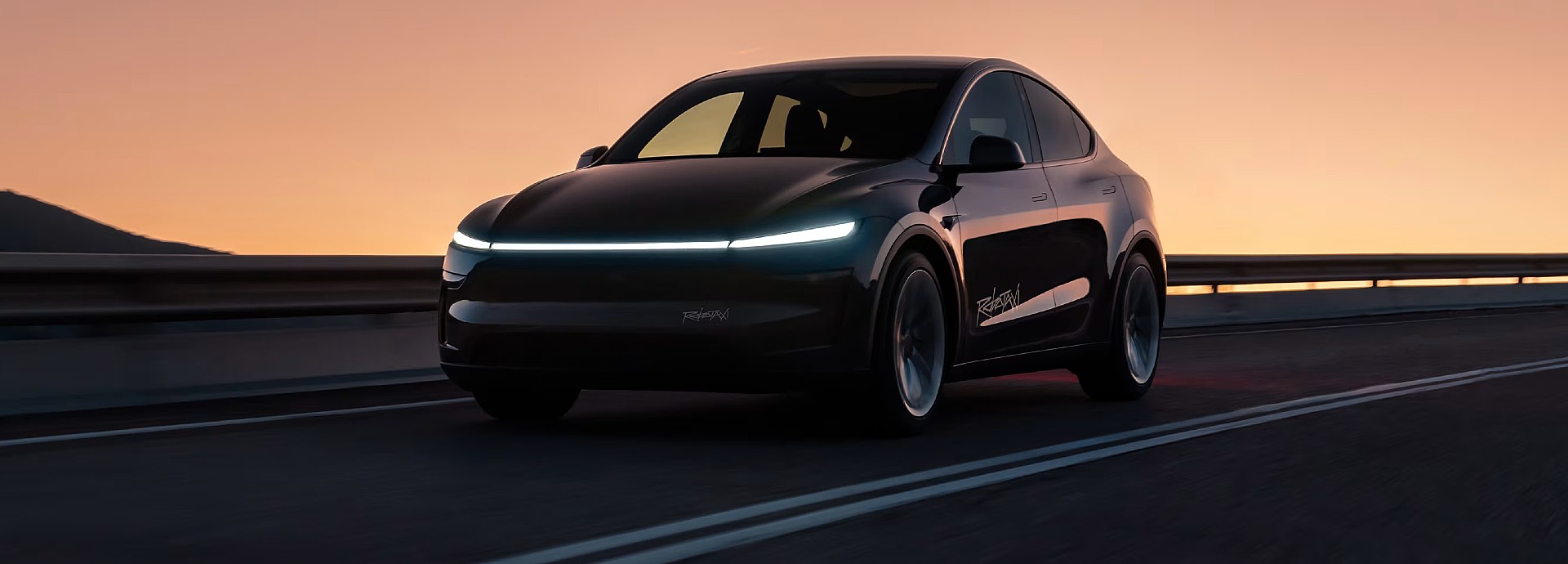
Tesla (NASDAQ: TSLA) received a bold Robotaxi prediction from Morgan Stanley, which anticipates a dramatic increase in the size of the company’s autonomous ride-hailing suite in the coming years.
Last week, Andrew Percoco took over Tesla analysis for Morgan Stanley from Adam Jonas, who covered the stock for years. Percoco seems to be less optimistic and bullish on Tesla shares, while still being fair and balanced in his analysis.
Percoco dug into the Robotaxi fleet and its expansion in the coming years in his latest note, released on Tuesday. The firm expects Tesla to increase the Robotaxi fleet size to 1,000 vehicles in 2026. However, that’s small-scale compared to what they expect from Tesla in a decade.
Tesla expands Robotaxi app access once again, this time on a global scale
By 2035, Morgan Stanley believes there will be one million Robotaxis on the road across multiple cities, a major jump and a considerable fleet size. We assume this means the fleet of vehicles Tesla will operate internally, and not including passenger-owned vehicles that could be added through software updates.
He also listed three specific catalysts that investors should pay attention to, as these will represent the company being on track to achieve its Robotaxi dreams:
- Opening Robotaxi to the public without a Safety Monitor. Timing is unclear, but it appears that Tesla is getting closer by the day.
- Improvement in safety metrics without the Safety Monitor. Tesla’s ability to improve its safety metrics as it scales miles driven without the Safety Monitor is imperative as it looks to scale in new states and cities in 2026.
- Cybercab start of production, targeted for April 2026. Tesla’s Cybercab is a purpose-built vehicle (no steering wheel or pedals, only two seats) that is expected to be produced through its state-of-the-art unboxed manufacturing process, offering further cost reductions and thus accelerating adoption over time.
Robotaxi stands to be one of Tesla’s most significant revenue contributors, especially as the company plans to continue expanding its ride-hailing service across the world in the coming years.
Its current deployment strategy is controlled and conservative to avoid any drastic and potentially program-ruining incidents.
So far, the program, which is active in Austin and the California Bay Area, has been widely successful.

Elon Musk: Tesla Model Y is world’s best-selling car for 3rd year in a row

Tesla shares epic 2025 recap video, confirms start of Cybercab production


