News
SpaceX’s Crew Dragon, Falcon 9 likely ready for astronaut launch debut in 10 weeks, says Musk

According to SpaceX CEO Elon Musk, the Crew Dragon spacecraft and Falcon 9 rocket meant to support the company’s first-ever astronaut launch should be ready for flight as early as December 2019.
His implication is clear: after Crew Dragon’s In-Flight Abort (IFA) test and flight preparations are complete and the hardware is integrated in Florida, ready for launch, the bulk of delays beyond that point will rest heavily on how expeditiously NASA is willing and able to complete the paperwork and reviews still in the way.
Perhaps the single biggest point of uncertainty for Crew Dragon’s astronaut launch debut (Demo-2) is the completion of the spacecraft’s crucial IFA test, a high-altitude, high-velocity abort meant to demonstrate safe crew escape capabilities even at the most stressful point of launch. Assuming Falcon 9 and Crew Dragon perform flawlessly during that challenging test and NASA concurs after reviewing the results, the only major obstacles remaining for Demo-2 will be the pace of NASA’s reviews and paperwork completion.
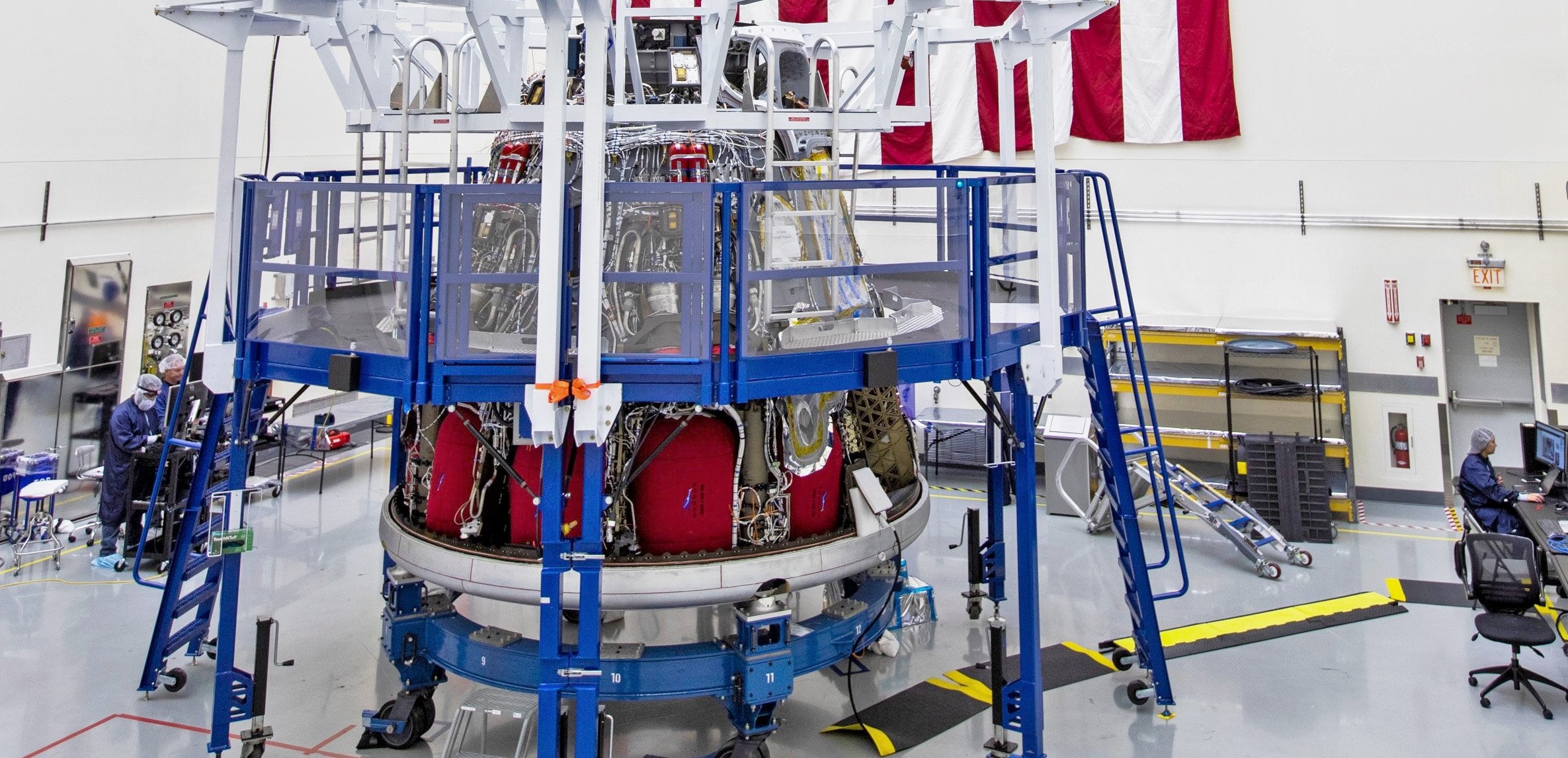
Confirmed by a recent NASA tweet with photos of the hardware, the Falcon 9 and Crew Dragon assigned to the IFA arrived in Florida in the first few days of October, right on schedule. As Musk notes, thrice-flown Falcon 9 booster B1046 must first complete a routine static fire test, while SpaceX also needs to prepare Pad 39A for flight after several months of downtime.
Additionally, SpaceX is deep into the process of constructing dedicated Starship launch facilities at Pad 39A, meaning that loose construction equipment and materials are scattered across a large section of the pad’s apron. Much of that may have to be relocated or secured before Falcon 9 can safely introduce its own form of storm-force winds to the area.
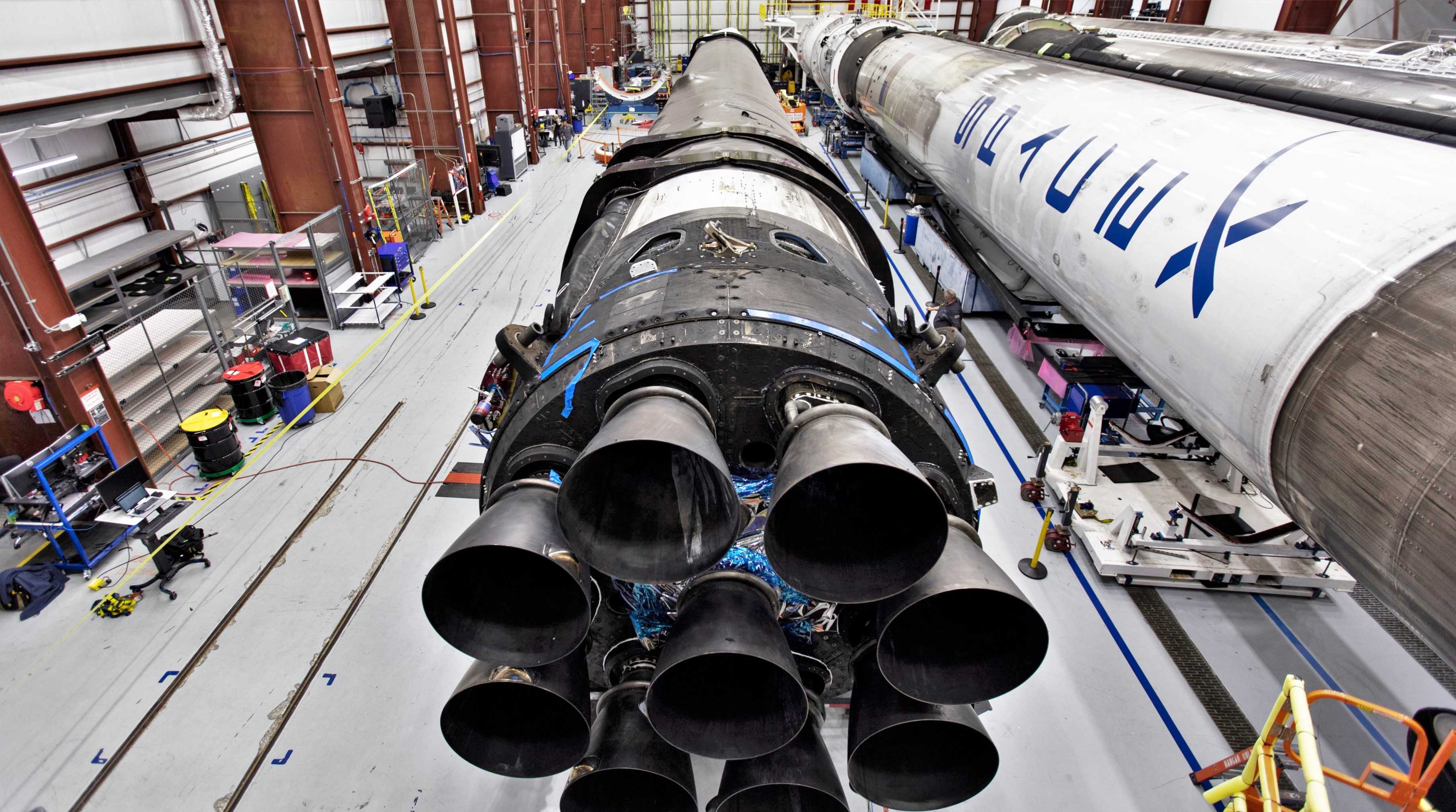
Meanwhile, SpaceX confirmed more than a month ago that the Falcon 9 booster assigned to support Crew Dragon’s inaugural astronaut launch has already completed a routine static fire acceptance test in McGregor, Texas. On September 28th, CEO Elon Musk also stated that the Demo-2 Crew Dragon spacecraft would likely arrive in Florida in November 2019, likely a strong estimate given that he also forecast the IFA Crew Dragon’s arrival in October. The latter capsule arrived in Florida approximately five days after Musk’s statement.
Traditionally, one might assume that NASA’s flight-readiness is closer to the truth than SpaceX’s, owing to the space agency’s decades of experience and (in)famously methodical approach to spaceflight safety. However, at this point in time, it’s impossible to accurately conclude that NASA or SpaceX’s due diligence is superior. Crew Dragon capsule C201 suffered a massive explosion in April 2019, ripping the spacecraft to pieces as a result of a valve’s fault design, a failure that would have almost certainly killed any astronauts onboard.
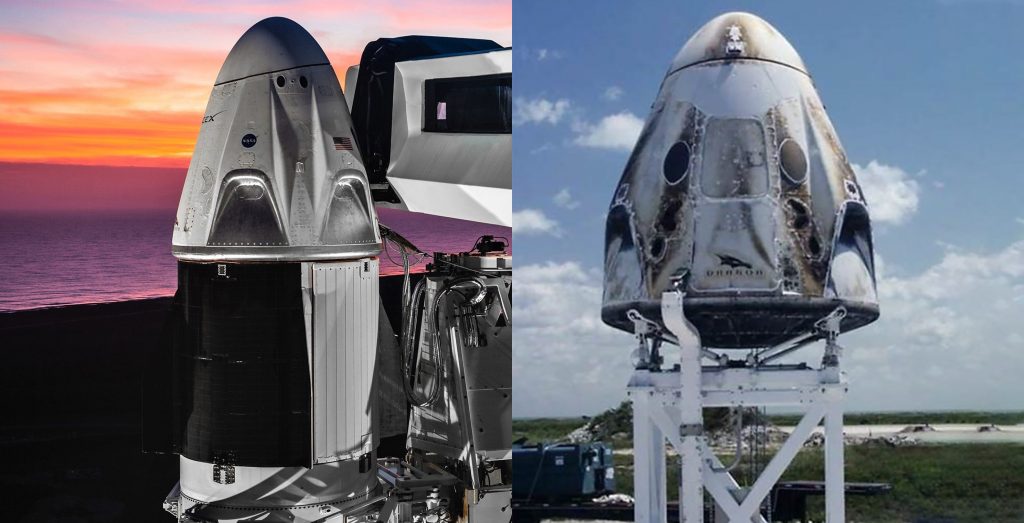
Neither NASA or SpaceX foresaw that failure mode, despite dozens of agonizingly detailed reviews over years of work, (supposedly) constant NASA oversight, and months upon months of delays to Crew Dragon’s Demo-1 launch debut as NASA and SpaceX worked to completed yet more reviews and paperwork. This is all to say that it remains as frustratingly unclear as ever whether NASA’s reviews and paperwork – likely to delay Crew Dragon’s astronaut launch debut well into Q1 or even Q2 2020 – are worth more than the trouble
Check out Teslarati’s Marketplace! We offer Tesla accessories, including for the Tesla Cybertruck and Tesla Model 3.



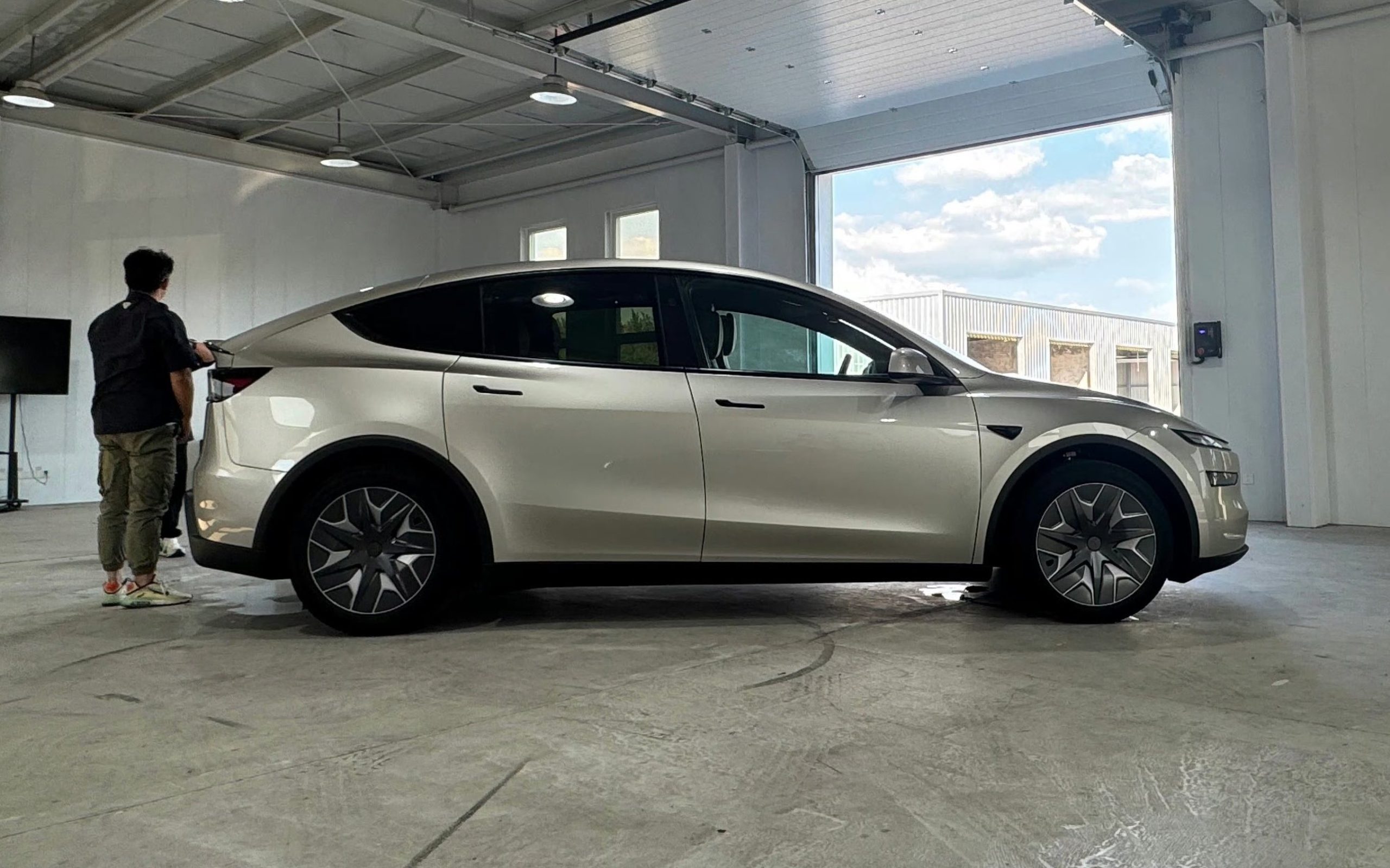
The Tesla Model Y L is arguably the most hyped trim of the all-electric crossover, other than the Performance configuration that comes with white-knuckle speed and sports car-level handling.
However, it is not all perfect. Tesla owners in China who took delivery of the Model Y L, denoted with an L to highlight its longer wheelbase, are experiencing what they are referring to as “collapsing” of the rear wheels, as suspension issues appear to be an issue with some of the builds.
🚨 Model Y L owners in China report rear suspension sag
• Six-seat long-wheelbase Y. Shanghai. On sale since August 2025
• Owners say the rear tire-to-arch gap shrinks after mileage or a full load. Some cases after about 9,000 km loaded. Others near 30,000 km
• Tesla service… pic.twitter.com/Lr6i5Tbi07— Joe Hansen (@joehansen) September 1, 2026
The gap between the wheel arch and tire has narrowed to the point that “not even a single finger” could fit, according to a report from Car News China. The failures are not tied to a specific mileage, as one owner said that after just 9,000 kilometers (5,600 miles), they noticed the suspension issue when their car was fully loaded.
Another one had the issue at 30,000 kilometers (18,640 miles) and noticed that the wheel gap shrank to two fingers, so not as drastic as the person who reported a similar issue at 9,000 km.
Tesla Model Y L is gaining momentum in China’s premium segment
Along with the visual recognition of the issue, others are saying the sagging is causing abnormal wear on the inside of the tires. Extra weight and instant torque already provide additional stress on the tires in electric vehicles during normal operation, so it is no surprise that this is another complaint.
There has been no recall issued by Tesla, and the company has not yet publicly acknowledged the issue.
Some are suggesting that owners use a “finger test” to self-diagnose whether there is an issue with the suspension. There should be four fingers between the tire and the wheel well; anything less than that starts to get dicey.
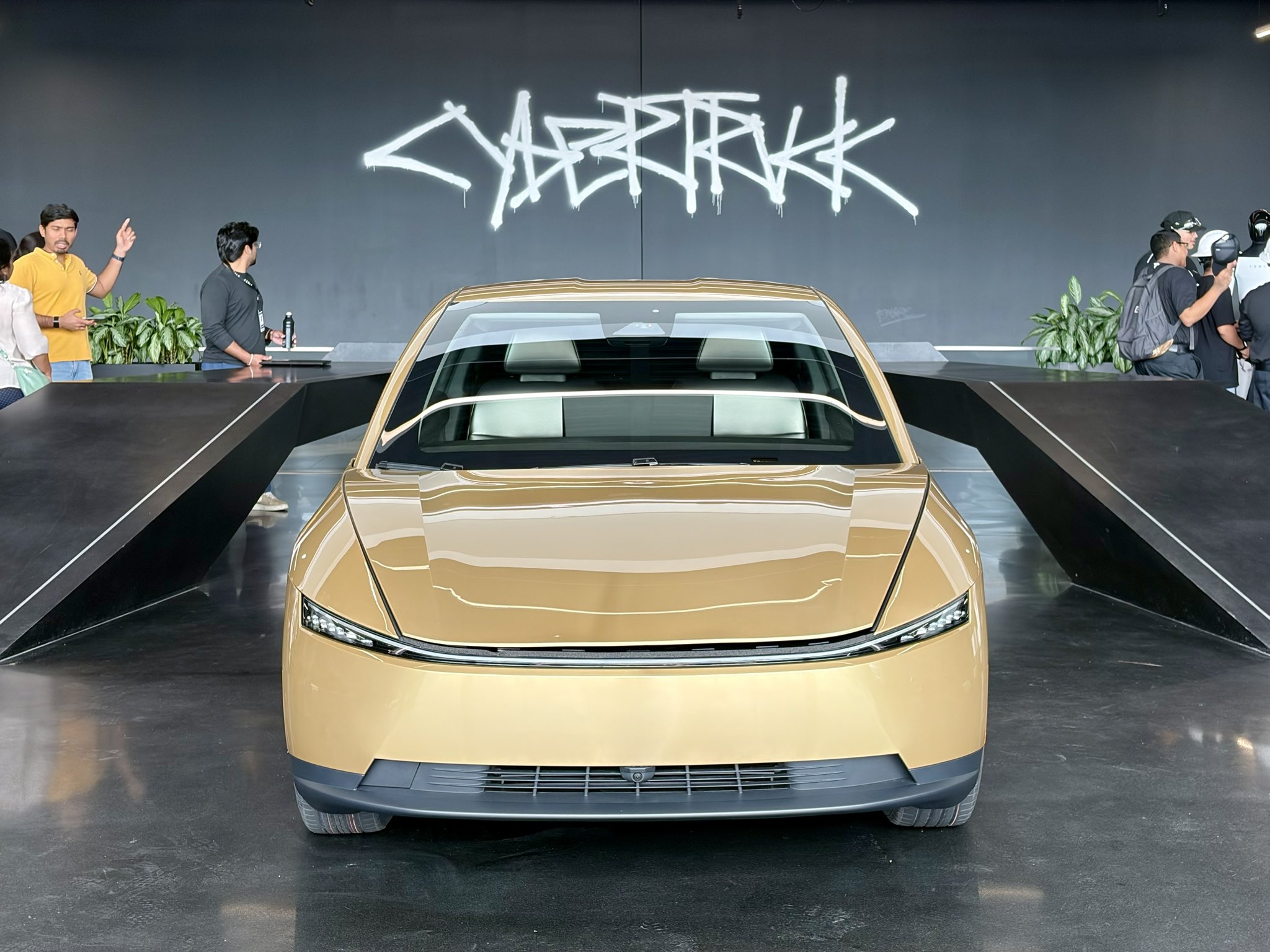
Tesla is starting to truly tease and hype its groundbreaking Cybercab event, which takes place tomorrow in Austin, Texas. It will be the first time members of the public will be able to ride in a Cybercab, a vehicle without any manual controls, on public roads.
Tesla has been dropping some hype on X over the past several days, but this morning, the excitement has truly started to build up for the event. Although Cybercab has been unveiled before, this is truly Tesla’s announcement that it is ready to start offering autonomous rides for public passengers in its new ride-hailing-geared vehicle for the first time.
The hype has started with a variety of different social media posts that are a true indication that Tesla is preparing for something big. Teasing so much of the potential of Cybercab, including its ability to truly revolutionize how people hail rides for local travel, is what the big idea for the event entails. The time that many Tesla owners, fans, and investors have been waiting for is potentially here:
— Tesla (@Tesla) September 2, 2026
The event has remained slim on details. Even invitees are still awaiting true details about what the event will entail, where they’ll go, and what is in store for the evening. This is pretty typical for an event run by Tesla; they keep things under wraps for the most part until the very last minute.
However, there is no secret about what the real intention of Tesla is for this event: it is going to be a huge reveal party for a vehicle that has no steering wheel and no pedals. It is a truly massive step for the company moving forward.
No steering wheel, no pedals
— Tesla Robotaxi (@robotaxi) September 2, 2026
Speculation persists as to whether this is going to be an event that simply announces that rides will begin with the Cybercab, or it will be something more substantial. Tesla has said in the past that they plan to sell the Cybercab to the general public in what could become a great way to earn passive income by adding it to a more global fleet of Robotaxi-geared vehicles.
Tomorrow, the show begins in Austin, and the Cybercab goes live at some capacity; we just don’t know exactly how quite yet.
News
SpaceX tells the FCC that Starship Flight 14 is going to orbit
SpaceX filed with the FCC for Starship Flight 14, its first true orbital launch attempt.

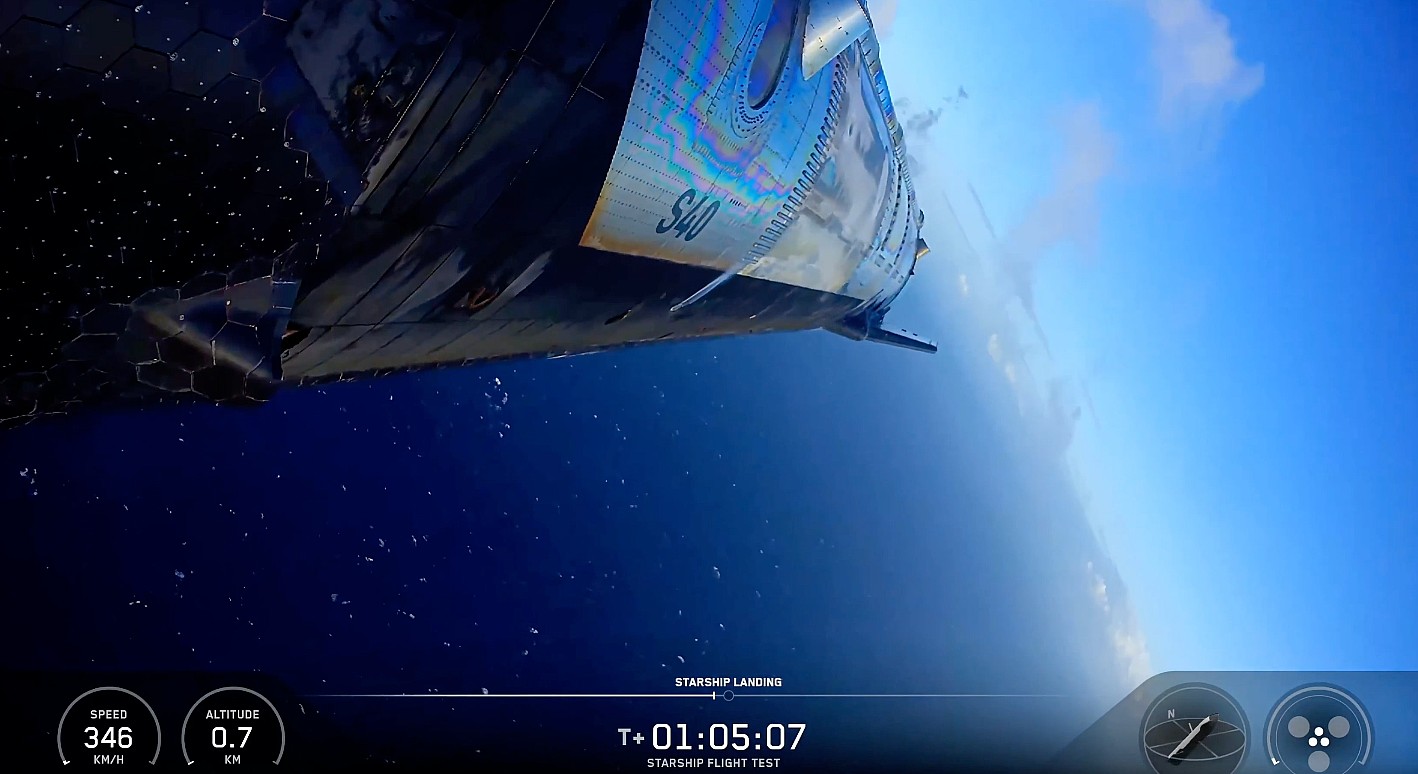
SpaceX has asked the Federal Communications Commission for permission to fly Starlink terminals during Starship’s fourteenth flight test, and the filing lays out a genuine trip to orbit, something the program has never attempted.
Every Starship flight so far, including Flight 13’s successful splashdown in the Indian Ocean on July 24, has flown a suborbital arc that ends with the ship reentering the atmosphere within the same hour it launches. The FCC paperwork describes a mission profile built around an actual orbital insertion instead.
The payload is the other half of the story. Flight 13 carried 20 production Starlink V3 satellites, but because that mission never reached orbit, the satellites reentered along with the ship rather than joining the constellation, something Teslarati covered in detail after SpaceX released footage shot from one of those satellites as it drifted away from Starship in space. Flight 14 is designed to close that gap. If the orbital insertion holds, the roughly 20 V3 satellites onboard would separate into an operational orbit and could eventually go into service, each one rated for about 1 terabit per second of downlink capacity by SpaceX’s own account.
SpaceX announces new Starbase for ‘thousands of Starship launches annually’
Elon Musk first flagged the orbital attempt during SpaceX’s August 4 earnings call, the company’s first as a public entity following its June IPO under the ticker SPCX. He also floated catching the ship with the Starbase tower on the same flight, an idea he walked back on August 20, saying the catch attempt would more likely come “in a few months,” as Teslarati reported at the time. Flight 14 will instead target a splashdown for the ship in the Indian Ocean, the same recovery method used since Flight 12.
Hardware has been catching up to the ambition. Booster 21 completed a full 33-engine static fire on August 28, and Ship 41 finished its own six-engine test the week before. An airspace briefing circulated to pilots on August 20 listed September 15 as the target date, later than the end of August window Musk mentioned on the earnings call, though SpaceX has not confirmed a launch date publicly and Starship schedules routinely slip while hardware and FAA paperwork line up.
The FCC filing itself does not guarantee a launch date. It covers communications authority, and not flight readiness, considering SpaceX still needs Ship 41 fully stacked and cleared by the FAA before Flight 14 can fly. But the filing is a real marker of intent and it puts a specific regulatory process behind what had so far only been Musk’s word on the earnings call.

Tesla Model Y L gets suspension complaints in over odd issue China

Tesla Cybercab event gains steam ahead of massive launch


