News
The ‘Tesla Effect’ hits Texas as Giga Austin starts transforming Travis County

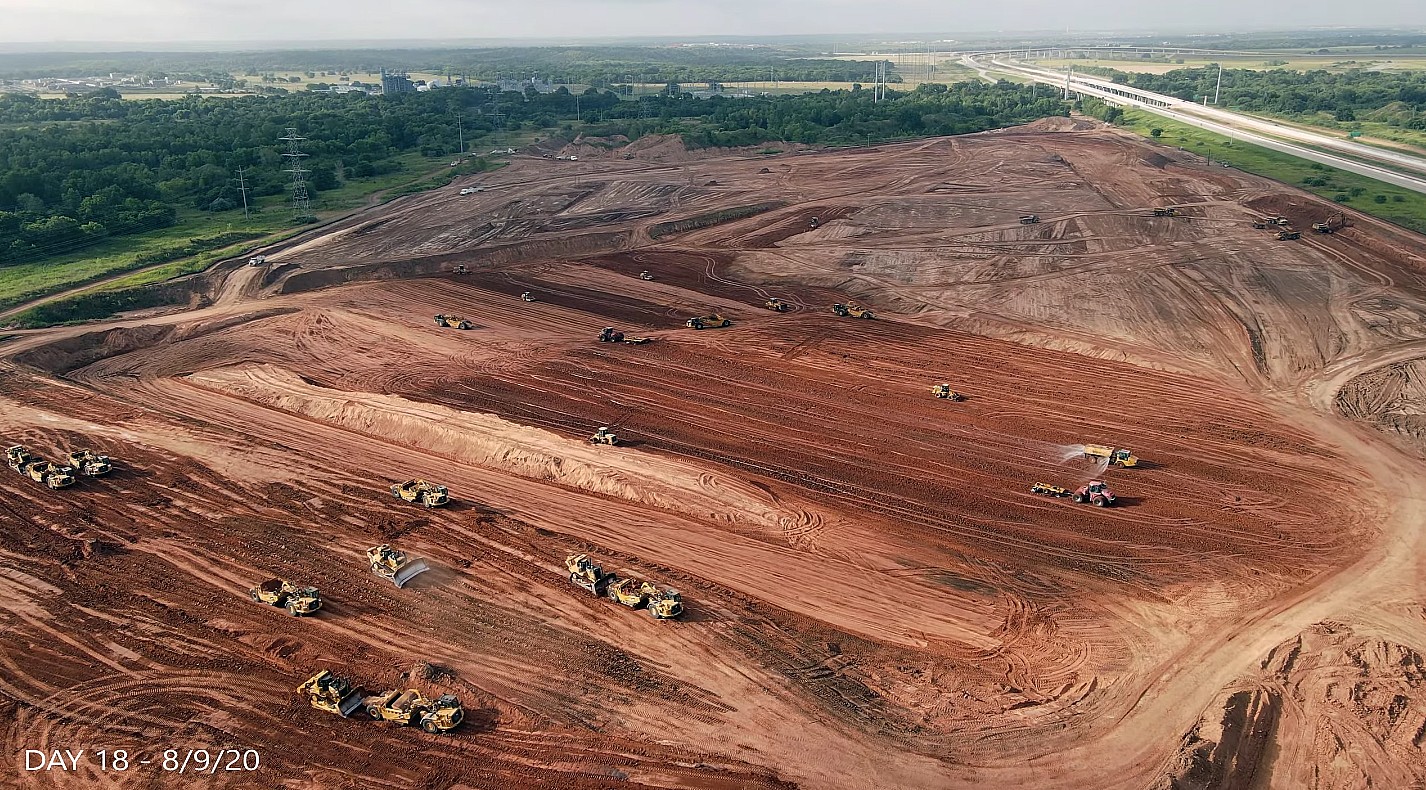
For decades, the Del Valle area, an underdeveloped section of southeastern Travis County, saw minimal commercial investment. The area was poised for growth, but the arrival of companies that would provide work for the area’s residents was very deliberate. That is, at least, until Tesla announced that it will be building its Gigafactory Texas facility in the area.
Tesla is investing at least $1 billion in its new factory, and it intends to employ 5,000 workers in manufacturing jobs. It did not take long before the expansive 2,000-acre lot — which Elon Musk has stated will be developed into an “ecological paradise” — turned into a sign of growth and progress for Del Valle. With work at the site now “moving at the speed of Elon” as per a developer, Giga Texas could very well become the trigger for change in the oft-neglected section of Travis County.
In a statement to the Austin American-Statesman, Travis County Commissioner Jeff Travillion noted that the Del Valle area has been ready for a transformation for some time now. Del Valle’s residents are nearly twice as likely to be African-American compared to Travis County as a whole, and its concentration of Latino families is also above average for the US. This unfortunately meant that household incomes in the area lag in comparison to other areas of the county.
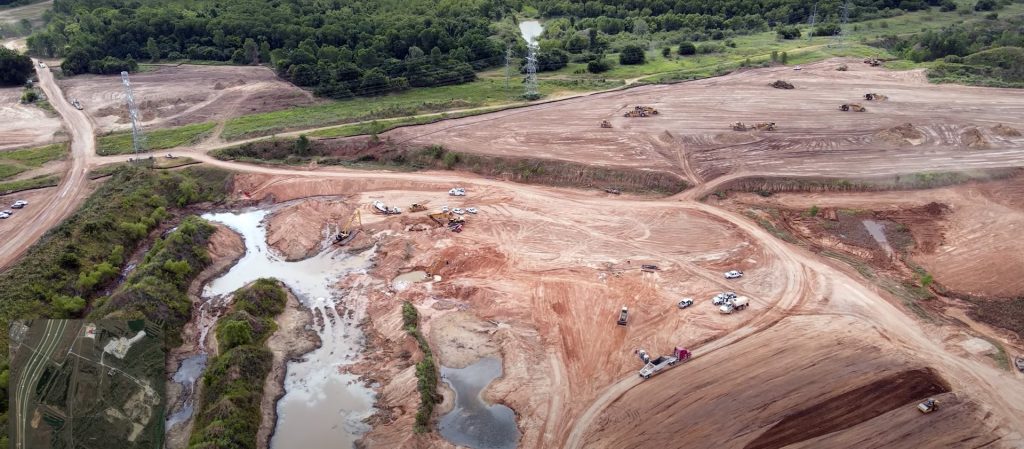
Within the Del Valle Independent School District’s boundaries alone, the average median income stands at just $20,000 per year, less than Travis County at large. This could change with Tesla’s arrival. “I hope we can build sustainability while we are building the economic infrastructure for that area. I’m optimistic. It can lead this community to a thriving future, but we cannot forget our most vulnerable populations,” he said.
Executives from the electric car maker have noted that about 65% of the estimated 5,000 jobs it will be offering will involve unskilled labor that does not require a college degree. The company has further noted that the average annual salary for workers at the plant will be $47,147, while the median salary would be $68,303. With this, Giga Texas would likely become an attractive place of work for many of the county’s residents.
The “Tesla Effect” that’s expanding into Del Valle will not only be felt by the area’s job market. With the company’s vertical integration, Gigafactory Texas could herald the arrival of other companies that are partnered with the electric car maker as well. Such a thing happened in 2003 in San Antonio, Texas, when Toyota decided to build its trucks in the city. Toyota opted to have tier-one suppliers onsite, which, in turn, resulted in suppliers establishing their own presence in San Antonio. About 4,000 more jobs were brought about by this strategy.
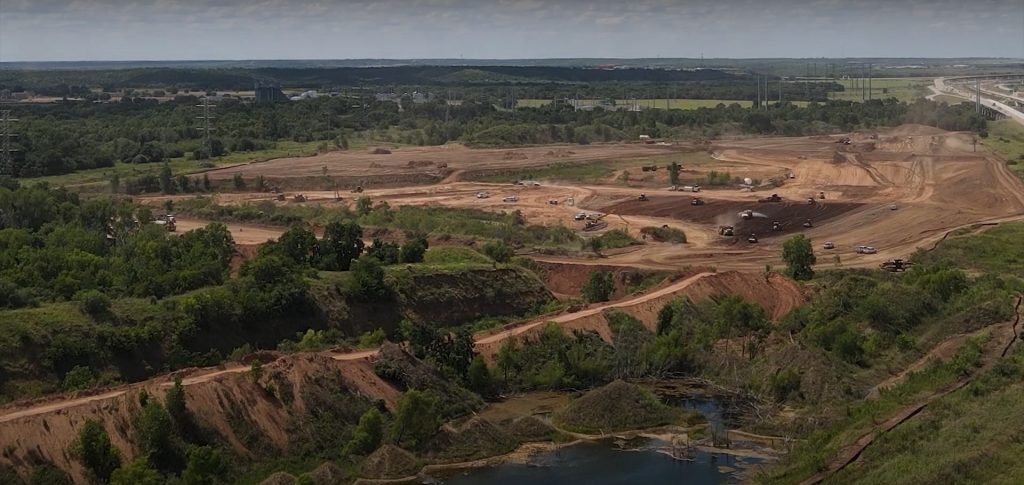
The Del Valle school system stands to benefit from Gigafactory Texas as well. In a statement, Del Valle school board president Rebecca Birch stated that having a major Tesla facility around could open up numerous opportunities for students. Giga Texas, for example, could create a large number of internships and mentorship programs that students could take advantage of.
“We’re excited about the opportunity and can’t wait to see what this means for our kids. We made sure that we put students first and we hope this means everything we dream it will,” she said.
Gigafactory Texas will likely be Tesla’s most impressive facility yet. With such an expansive area, the electric car maker could expand its operations significantly, perhaps even pursuing some of its own battery production efforts. It also stands to be the first of Tesla’s facilities that would actually be partially open to the public, with sections such as a boardwalk and a hiking/biking trail being accessible for everyone.



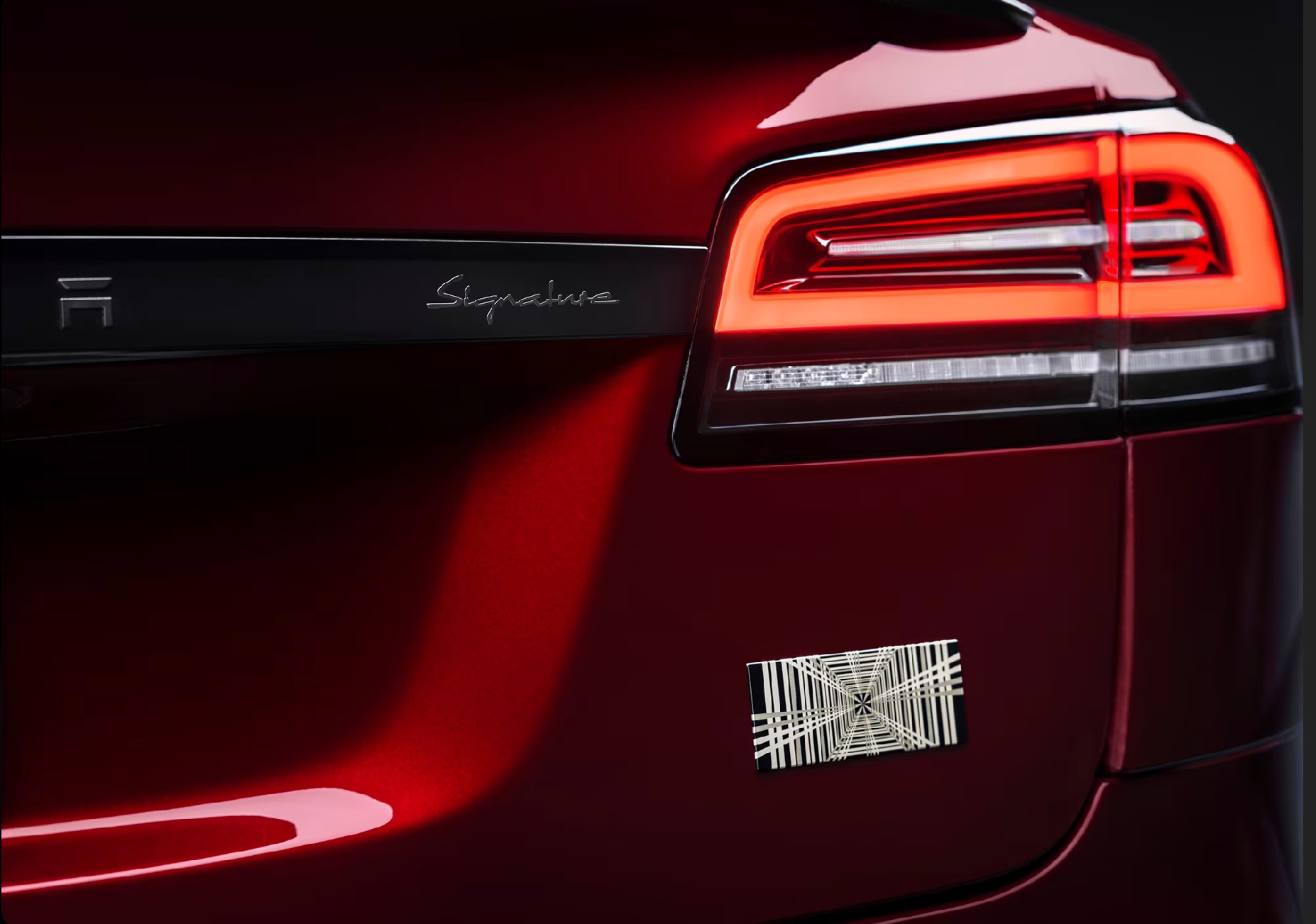
In a new interview on Wednesday, Tesla uber bull Ron Baron said that anyone looking to buy the company’s stock should do so as soon as they can.
Baron, founder and CEO of Baron Capital and one of Tesla’s most persistent institutional bulls, used a CNBC Squawk Box appearance on Wednesday to deliver a familiar message with fresh urgency: In his opinion, Tesla stock is a buy:
“The time to buy the stock is now. FSD is catching on, and it’s going to be bigger and bigger. 55% of new buyers are buying it (Teslas) with FSD. It’s going to be everywhere. It’s safer.”
The Baron Capital frontman’s case is built around Full Self-Driving. Tesla reported 1.48 million active FSD subscriptions in the second quarter, up 56 percent year over year, and company officials have said roughly 55 percent of new North American deliveries left with a subscription enabled.
Baron framed that attach rate as proof the product is moving from enthusiast extra to default expectation, and as a reason software, not just vehicle volume, should drive the next phase of value.
His conviction on Tesla shares is not theoretical, as Baron Capital made its first Tesla investment in 2014, after years of meetings that began around the 2010 IPO roadshow. The firm later built a large SpaceX position starting in 2017.
Ron Baron today in new interview on Tesla:
“The time to buy the stock is now. FSD is catching on, and it’s going to be bigger and bigger. 55% of new buyers are buying it (Teslas) with FSD. It’s going to be everywhere. It’s safer.” pic.twitter.com/Rv5PB0bVZ2
— Sawyer Merritt (@SawyerMerritt) September 16, 2026
Baron said those Musk-led bets have generated about $30 billion of the $71 billion in profits Baron Capital has produced for clients. He put the firm’s current exposure at roughly $25 billion in SpaceX and $5 billion in Tesla. Personally, he described SpaceX as his largest holding, at about $5 billion, with about $1.5 billion in Tesla and additional Tesla exposure through the firm’s funds.
That concentration is also a statement of loyalty. Asked about talk of a SpaceX-Tesla combination, Baron said he had already walked Elon Musk through arguments for and against a deal, then declined to repeat them on air. His public position was simpler: “Whatever you decide is better is what I’m going to support,” he said to Musk.
Baron also said that he picked up the farewell edition of the Model S after Tesla decided to sunset the vehicle earlier this year, calling it his favorite car he’s ever driven.
Elon Musk
SpaceX’s next Starship launch is about to attempt its biggest leap yet
SpaceX targets September 22 for Starship Flight 14, its first attempt to reach real orbit.

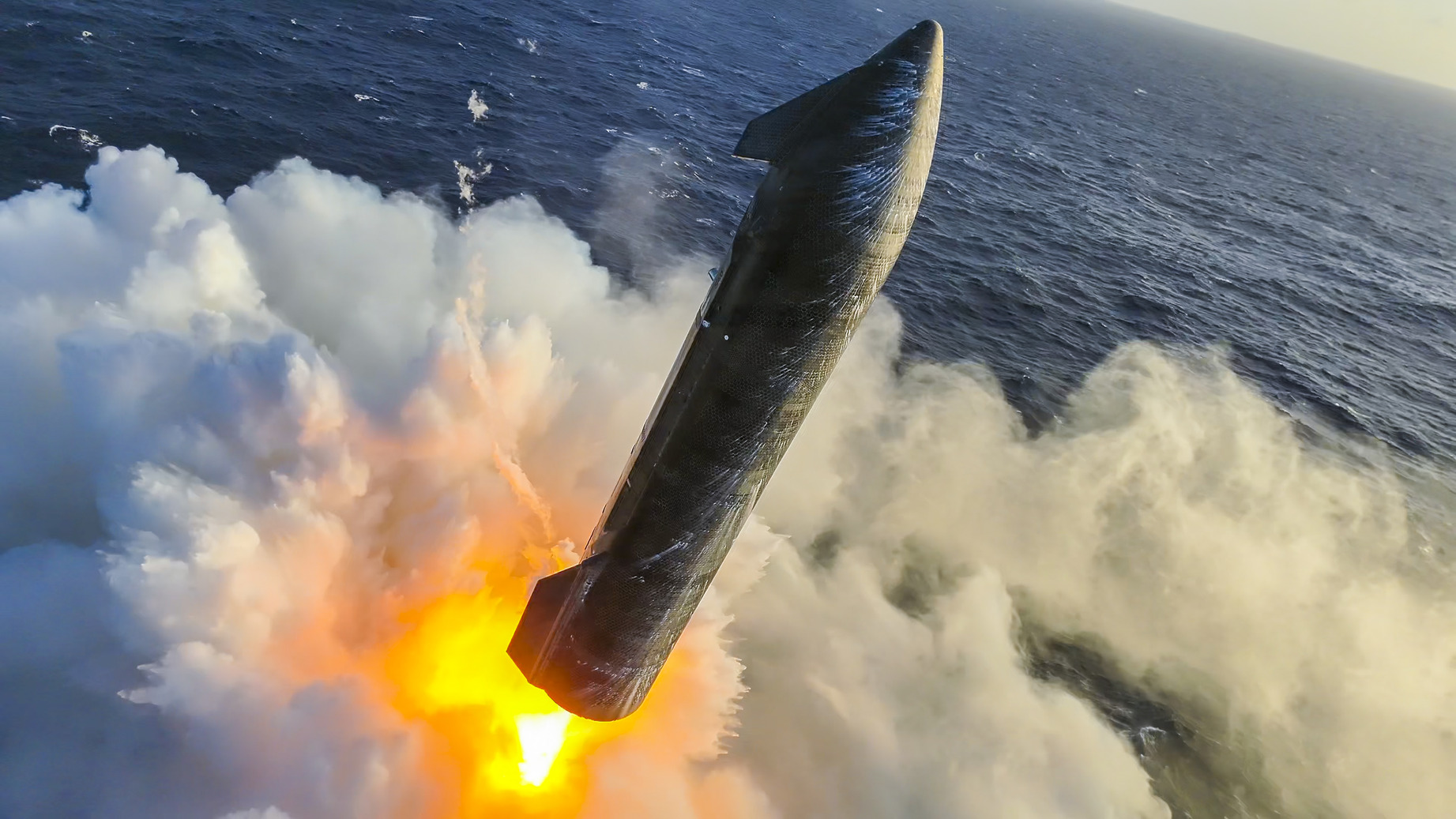
SpaceX has set September 22 as the target date for Starship’s 14th test flight, and this one carries a different goal than any of the 13 that came before it. Every previous Starship mission has intentionally flown a suborbital arc, reentering the atmosphere within the same hour it launched. Flight 14 is designed to send the craft into a genuine orbit around Earth for the first time.
The launch window opens at 7:15 a.m. Central time at Starbase in South Texas and runs for 75 minutes, pending regulatory approval, according to SpaceX’s mission description published Tuesday. If the flight goes as planned, Starship will circle the planet roughly six times at an altitude near 275 kilometers over about ten hours before a deorbit burn sends it toward a splashdown in the Pacific Ocean west of Chile, a departure from the Indian Ocean recoveries used on the last several flights.
The mission also marks the first attempt to put a working batch of Starlink V3 satellites into actual service. Flight 13 carried 20 of the new satellites in July, but because that mission never left a suborbital trajectory, the payload reentered along with the ship instead of separating into orbit.
SpaceX tells the FCC that Starship Flight 14 is going to orbit
Each V3 satellite is rated for roughly one terabit per second of downlink capacity, so a successful deployment on Flight 14 would be SpaceX’s largest single jump in network bandwidth since Starlink began flying on Falcon 9.
Flight 13 still did the heavier lifting on the technical side. That July mission flew a deliberately more stressful reentry profile to test Starship’s heat shield, and the ship survived its softest splashdown yet, intact enough for drone inspections shortly after landing. Elon Musk said the flight delivered “all the heat shield data we needed and then some,” a result Teslarati covered in detail when he later said SpaceX had solved the vehicle’s biggest reusability challenge. Flight 14 is where SpaceX starts spending that confidence on an actual orbital insertion rather than another controlled fall back to Earth.
One thing Flight 14 will not attempt is a tower catch of the ship. Musk floated the idea right after Flight 13, but walked the timeline back in August, saying a catch attempt was more likely “in a few months.” The Super Heavy booster will still aim for its own recovery, targeting an offshore landing point in the Gulf of America, the same approach used on recent flights.
September 22 is SpaceX’s own target, not a locked date. Starship’s schedule has slipped before over hardware readiness and FAA sign off, and the company has said as much in its own mission notes. But the plan itself represents the clearest marker yet that Starship is moving from a suborbital test program into something meant to carry paying payloads and, eventually, people.
Elon Musk
Elon Musk gives his most telling Tesla-SpaceX merger conversation yet
Elon Musk hinted a Tesla-SpaceX merger could be coming, and Wall Street is taking notice.
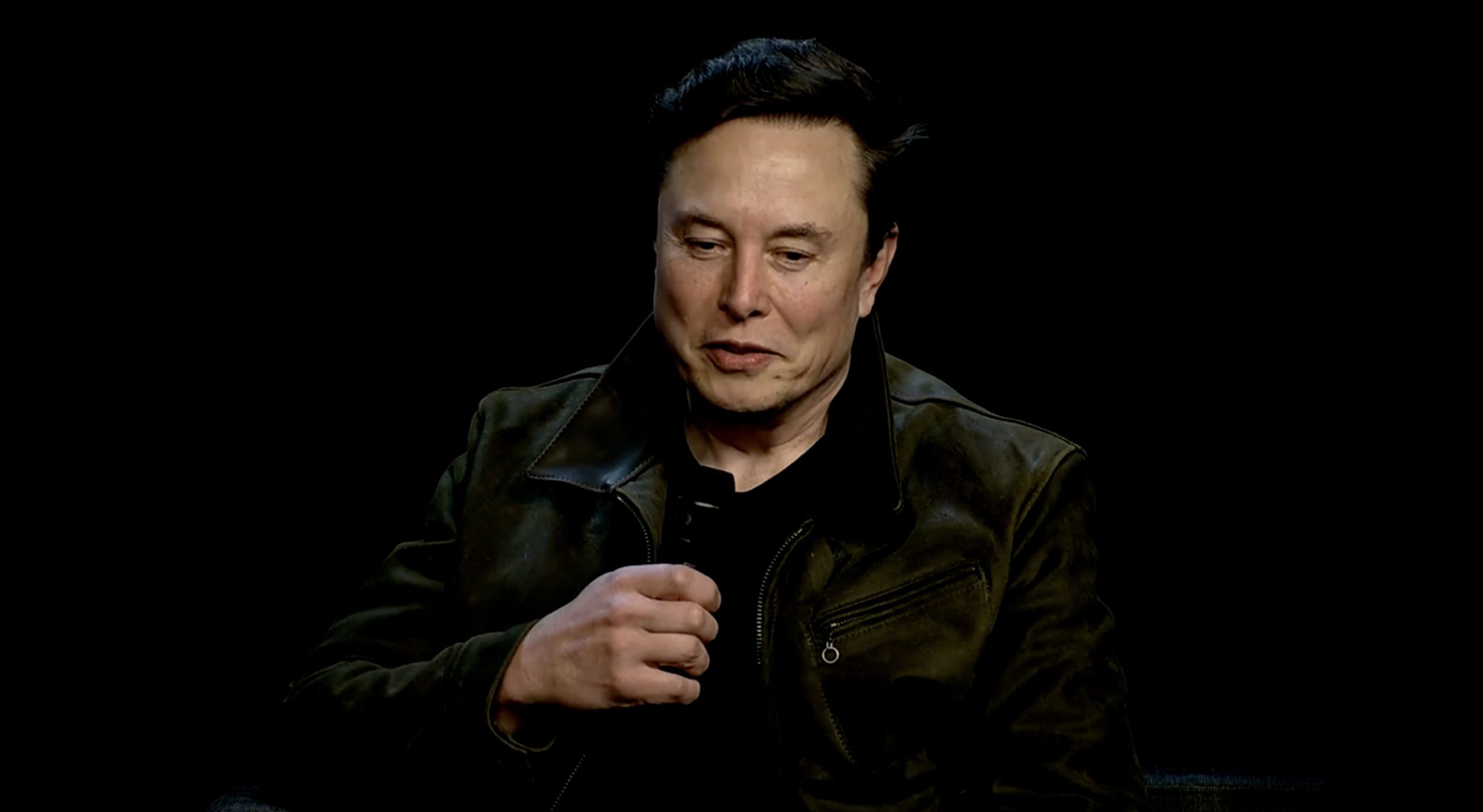
Elon Musk gave his clearest signal yet that Tesla and SpaceX could eventually combine, telling the All-In Summit in Los Angeles that the two companies’ deepening collaboration makes the question worth asking. Sawyer Merritt first surfaced the highlight on X Tuesday.
Asked directly why Tesla and SpaceX remain separate given how closely they already work together, Musk told hosts at the summit: “Great question there. With all this collaboration, on so many levels, who can imagine what action one might take when there’s so much close collaboration in so many areas.” SpaceX President Gwynne Shotwell, who joined Musk on stage, added that SpaceX personnel have already moved into xAI to fill leadership and engineering gaps, saying the businesses are integrating “faster than I thought,” though “not fully integrated yet,”
The comments landed on top of merger speculation that has been building on Wall Street for months. JPMorgan has called a tie-up “strategically coherent on paper,” pointing to overlapping ambitions in AI, robotics, energy, transportation and space. Jefferies went further, estimating Musk could retain roughly 55.3 percent voting control in a deal structured without a premium, a scenario that would still leave room for Tesla shareholders to come out ahead. On Kalshi, traders now put the odds of a merger before 2028 at 66 percent.
Tesla’s stake in SpaceX, still under one percent, traces back to its earlier investment in xAI, which converted to SpaceX equity after SpaceX absorbed the AI company. The two are also jointly building Terafab, a chip facility in Austin meant to serve both Tesla’s AI computing needs and SpaceX’s satellite ambitions. Wedbush analyst Dan Ives has stood by a 2027 merger timeline for months, and Cathie Wood’s ARK Invest recently floated a similar case, an idea Musk pushed back on directly at the time.
Another Tesla SpaceX merger prediction by ARK Invest has Elon Musk talking
The timing adds another layer. Tesla has scheduled an October 1 unveiling for its next generation Roadster at a venue near SpaceX’s McGregor, Texas test site, using the phrase “Go for launch” in its promotional material. Both stocks dipped roughly 2 percent Monday before recovering slightly in premarket trading Tuesday, with SpaceX shares up about 0.4 percent and Tesla essentially flat.
Musk stopped short of confirming anything is in motion. But unlike his past denials of a corporate restructuring, this response didn’t rule one out, and it came with Shotwell sitting next to him describing an integration that’s already underway.

Tesla uber bull Ron Baron says ‘the time to buy the stock is now’

SpaceX’s next Starship launch is about to attempt its biggest leap yet


