Investor's Corner
Tesla’s strong Q3 financials catalyze price target increases from analysts

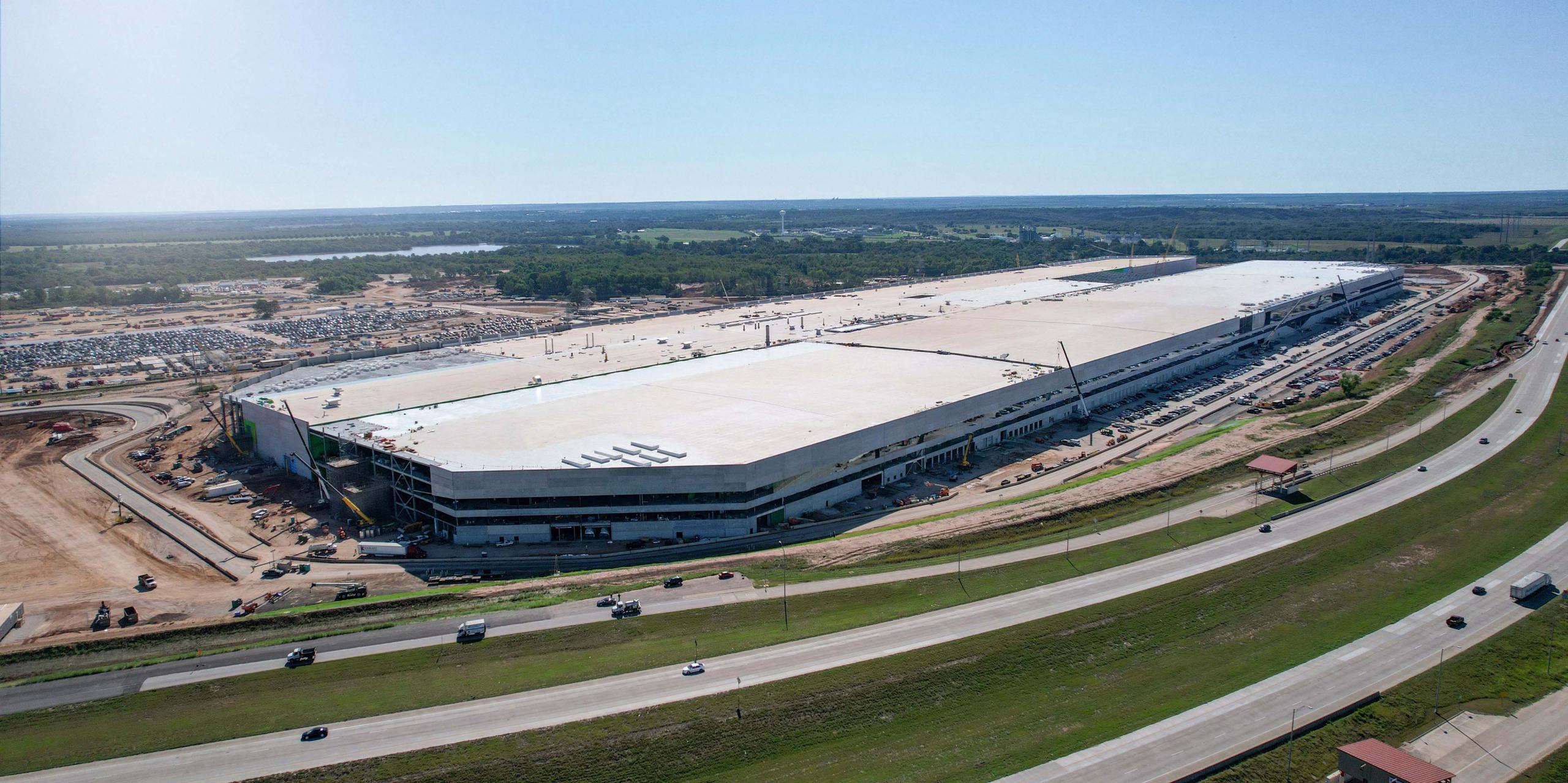
Tesla (NASDAQ: TSLA) posted an incredibly strong third quarter last evening during its Earnings Call, making remarkable strides on its financials to extend its profitable quarters streak to nine. Analysts at numerous Wall Street firms are upgrading their price targets on Tesla stock following the company’s strong numbers and positive outlook moving forward as it intends to ramp its Texas and Berlin Gigafactories in the coming months.
Wedbush – Dan Ives
Starting with some of Tesla’s most notable bulls, Wedbush’s Daniel Ives boosted his price target to $1,100 from $1,000 while maintaining an Outperform rating. “Last night, Tesla delivered solid top-line results which were in-line with expectations and speaks to a new Tesla margin story going forward,” Ives wrote to investors. “Auto GM was 30%+ and roughly 250 bps ahead of Street expectations which highlights the massive leverage in the Tesla story now starting to take hold with Giga China front and center as Tesla is on an EBITDA run-rate of roughly $13 billion, a staggering number given the company is still in the early stages of building out its global EV moat.”
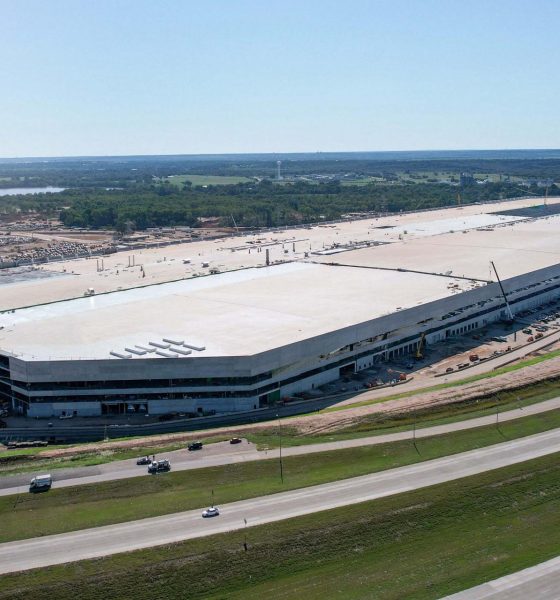
Tesla’s demand increases, which have resulted in delivery estimates extending well into 2022 are going to be handled by Giga Berlin and Giga Texas. “We believe EV demand is outstripping supply for Tesla by roughly 30k units and the chip shortage has clearly amplified this dynamic with wait times for Model Y and some Model 3’s extending into the spring for current orders,” Ives said. “However, big supply help is on the way for Musk & Co. as the long the awaited Gigafactory hubs in Austin and Berlin are set to have are set to have the ribbon cut over the coming months and should expand Tesla’s capacity to roughly 2 million units annually over the next 18 months.
Ives has a $1,500 price target for Tesla’s bull case, up from the $1,300 target he previously held. TipRanks has Ives ranked 18 out of 7,705 analysts, with an average return of 37.5% and a success rate of 79%.
Canaccord Genuity – Jed Dorsheimer
Dorsheimer raised his price target from $940 to $1,040 while maintaining a Buy rating. “Post Tesla’s 3Q21, we are maintaining our BUY rating and increasing out PT to $1,040, which is based on 45x our ’24 Adj. EBITDA estimate of $25.9B (previously $940 based on 55x of $19B). We are bullish on the auto gross margin expansion, and remain excited for battery constraints to abate and be reallocated to energy products later in 2022,” Dorsheimer wrote. “After reporting record delivery numbers a few weeks ago, a beat may have been priced in and shares could see a ‘buy the rumor, sell the news’ type pull back. We would be buyers at these levels and if any pullback occurs.”
TipRanks has Dorsheimer ranked 210 out of 7,705 analysts, with an average return of 32.9% and a success rate of 56%.
Deutsche Bank – Emmanuel Rosner
Rosner raised his price target on Tesla from $900 to $1,000, maintaining his Buy rating. The impressive measure of automotive gross margins was indicative of a strong operational performance, despite industry challenges like semiconductor and parts shortages.
“Tesla reported particularly strong 3Q21 operating performance, delivering its highest auto gross margins since Model 3 was introduced, despite minimal S+X volume and higher supply chain costs, and impressive GAAP operating margin of 14.6% (18.4% ex-SBC), surpassing even its long-term company targets,” Rosner wrote. Tesla also stated that, despite its low volume, the Model S has returned to profitability.
“While revenue came in somewhat below expectations, this was driven mainly by lower regulatory credit and services/other contributions, while auto revenue was more in-line. We leave our 2021E deliveries unchanged at 845k, but take up our auto GM (ex credit) to nearly 27% from <26%, and EPS to $6.45 (from $6.20 previously).”
Rosner holds a ranking of 1,339 out of 7,705 analysts with a 57% success rate and an average return of 14.3%, according to TipRanks.
Disclosure: Joey Klender is a TSLA Shareholder.


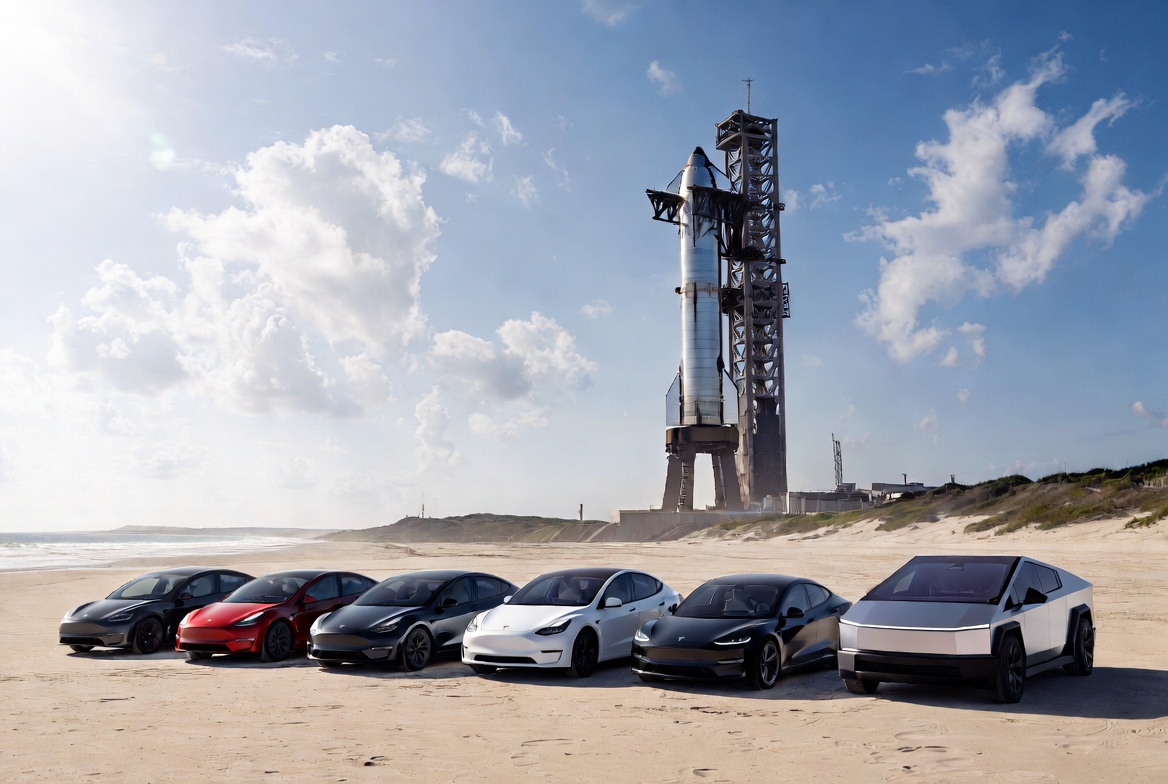
Tesla and SpaceX shares fell on Wednesday after Democrats swept both chambers of Congress. The decline stood out as broader market securities recovered and turned positive, while both of Musk’s publicly traded companies lagged.
CEO Elon Musk already joked about the unsuccessful campaigning for the Republicans, but now the new party will make pretty drastic changes to how it handles Tesla and SpaceX, and those companies will adjust their outlook.
Let’s take a deeper look.
Tesla ($TSLA)
Tesla shares traded lower during the regular session after Democrats secured both the House and Senate. The stock was down 2.32 percent at around 1:45 p.m. on the East Coast, trading at around $389.30.
The pressure is tied to more than the raw scale of Musk’s political spending, estimated at $450–474 million this cycle with roughly $224 million directed at Texas. In that state, Tesla now faces a Democratic governor and a Democratic senator after Gina Hinojosa unseated Greg Abbott and James Talarico defeated Ken Paxton.
The Austin Gigafactory, Robotaxi pilot programs in multiple Texas cities, and any related AI compute expansion sit under a new state executive who campaigned against certain corporate subsidies and floated a moratorium on new data-center construction.
Federally, Democratic control of key committees opens the door to deeper examination of Tesla’s autonomous-driving safety record, federal energy-storage and manufacturing incentives, and the national-security implications of any combination with SpaceX.
Investors are also weighing whether the company’s historically close alignment with the prior Republican leadership will invite slower permitting, additional hearings, or tighter rules on Full Self-Driving deployment.
For Tesla, the political shift adds near-term friction around state permitting and federal regulatory approvals for autonomy and energy storage. A potential merger with SpaceX may face slower review even if it proceeds.
Core growth drivers such as vehicle deliveries, energy deployments, and robotaxi rollout remain intact, yet the stock now carries a higher political-risk premium that could weigh on valuation until the company demonstrates workable relationships with the new Texas leadership and congressional majorities.
SpaceX ($SPCX)
SpaceX shares also declined in live trading on November 4 following the Democratic midterm sweep. The stock traded at $134.97, down 4.49 percent. The drop occurred even as broader indexes stabilized, highlighting a company-specific reaction to the election outcome.
Musk’s large contributions, concentrated in Texas races that both companies lost, place SpaceX’s Starbase launch facility and headquarters under a new Democratic governor.
At the federal level, Democratic control of Congress enables greater scrutiny of NASA, the Department of Defense, and other contracts that support a meaningful share of revenue, along with reviews of Starlink national-security uses and any Tesla merger. Analysts have noted that empowered committees can hold hearings and request documents on these relationships.
For SpaceX, the results raise the risk of delayed contract awards, higher compliance costs, and tighter constraints on AI and satellite infrastructure expansion, particularly in Texas where a data-center moratorium has been discussed.
A merger with Tesla could encounter political friction that slows integration of launch, connectivity, and autonomy capabilities.
While Starlink growth and launch cadence continue as primary drivers, the company faces a more contested path for federal funding and state-level operations, requiring management to rebuild ties with the new congressional majorities and Texas leadership to limit the overhang.
Elon Musk
Elon Musk calls Earth’s data centers “peanuts” next to what SpaceX is planning in orbit
Elon Musk says SpaceX capex efficiency is underestimated as orbital data centers loom by 2028.

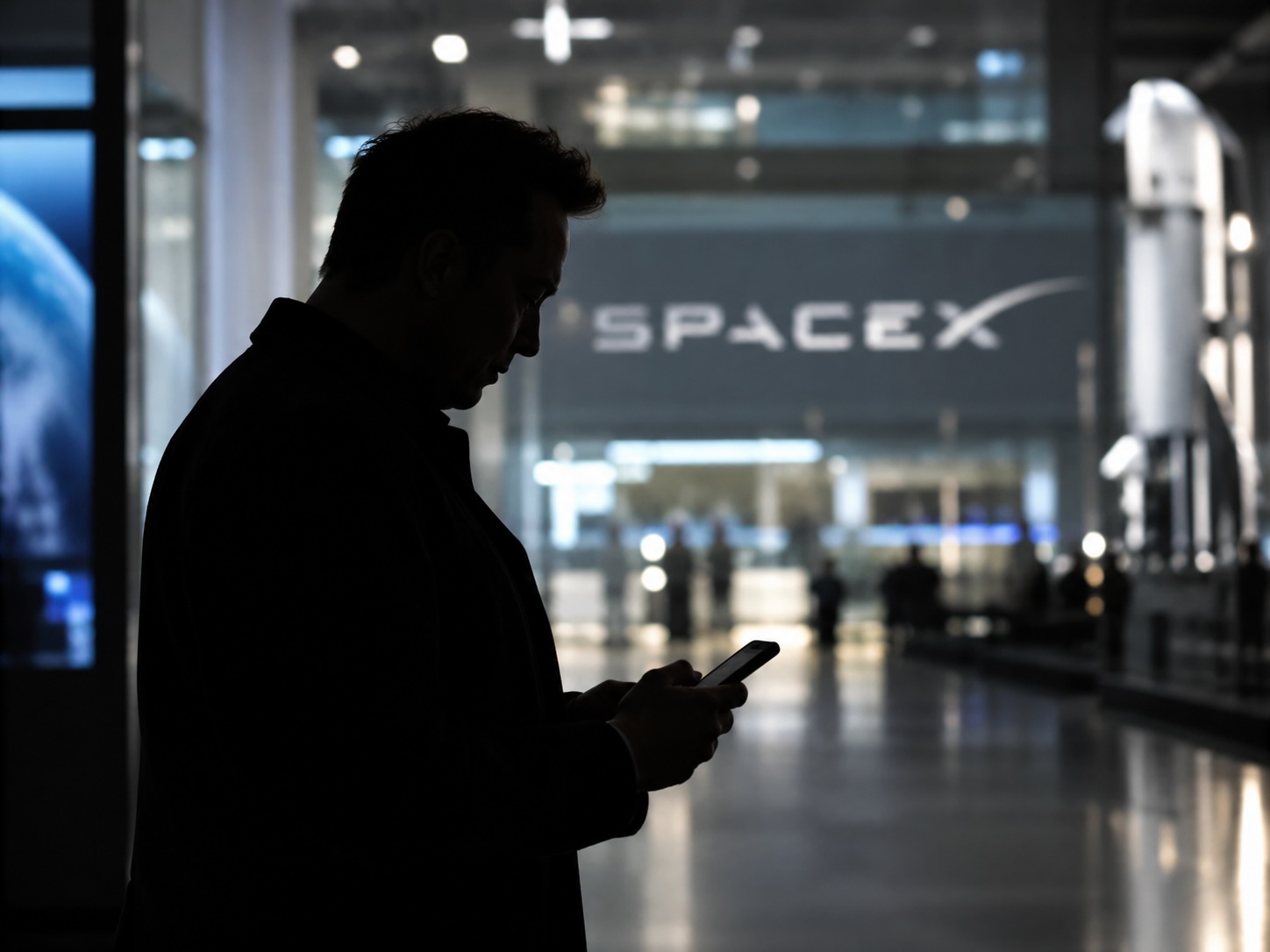
Elon Musk is pushing back on one of the biggest worries hanging over SpaceX stock. In a reply on X on Sunday, Musk said the company’s capital expenditure efficiency is severely underestimated. He was responding to a Milk Road Stocks post citing analyst Kyle Reidhead, who estimates SpaceX will need to spend roughly $470 billion over the next five quarters.
Reidhead built that figure around the target SpaceX set on its third quarter earnings call: 13 gigawatts or more of compute by the end of 2027. In his breakdown, Nvidia captures 83 to 89 percent of the spending. SpaceX ended the quarter with 1.7 GW of nameplate compute and guided to $35 billion to $40 billion in fourth quarter capex, as Teslarati reported.
Musk did not attach a number to his claim, but the earnings call shows the argument. CFO Bret Johnsen said new compute currently pays for itself in under a year at today’s pricing, and Musk said that window could shrink to six months next year. Using that pace, Reidhead argues about $230 billion of the $470 billion could come from operating cash flow and about $60 billion from SpaceX’s roughly $90 billion cash pile, leaving around $180 billion to borrow. Musk confirmed last week that SpaceX had already closed a new $40 billion debt raise to buy GPUs.
The ground buildout is not the end goal. It is what is meant to pay for the move to orbit. Replying on Friday to charts built from Sequoia partner Shaun Maguire’s SpaceX model, Musk wrote that “Terrestrial compute will be peanuts compared to orbital compute,” adding that orbital compute deployed per month “probably exceeds terrestrial around the end of 2028 and then far exceeds it in 2029.”
Maguire’s model shows how steep that path is. It has capex climbing from $88 billion this year to $290 billion in 2027 and $369 billion in 2028, with SpaceX burning $77.8 billion in cash this year and $122.6 billion next year before turning $114.9 billion cash positive in 2028. Musk’s response to the model was, “I think we can do better.”
The orbital half runs through Starmind. SpaceX plans to operate up to 1 million AI satellites flying in clusters of about 10, linked by roughly 10 terabits of bandwidth, with deployment of thousands of units starting as soon as late 2027 out of its Gigasat factory in Bastrop, Texas, according to SpaceX’s space safety page. Musk has said each Starmind spacecraft will carry more than 250 kW of solar power.
Getting there depends on launch volume. Maguire’s model assumes 250 Starship flights in 2028, up from two this year and 38 next year. The nearer test is financial: SpaceX guided to $33 billion to $37 billion in first quarter 2027 revenue, more than double the $14.58 billion it booked in Q3, and Musk reposted that guidance again on Sunday morning.
Elon Musk
SpaceX President to gift Trump Accounts her SpaceX stock
Gwynne Shotwell’s 2 million SpaceX shares are headed to children’s Trump Accounts starting this December.
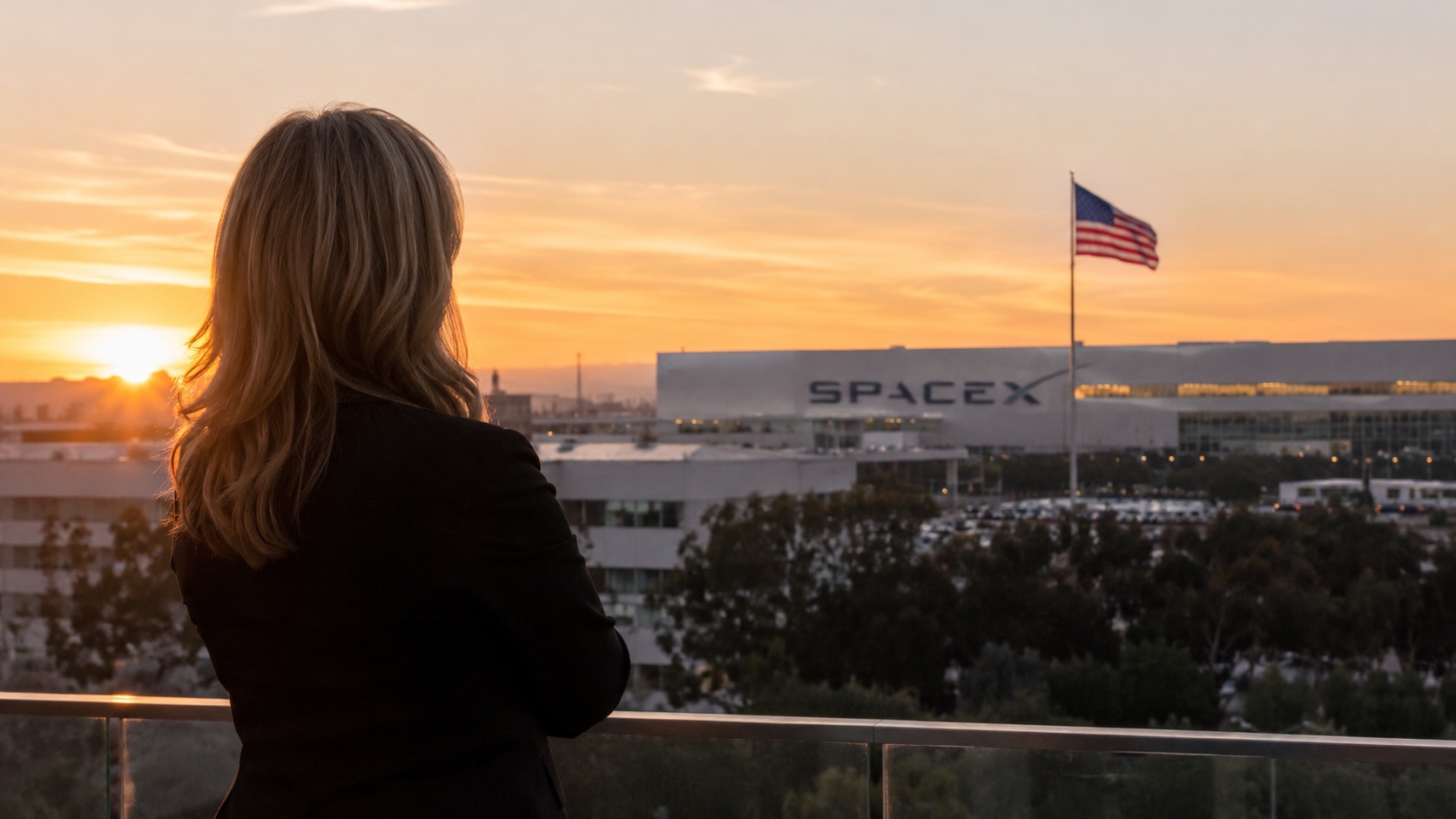
SpaceX President Gwynne Shotwell said Friday that more than 2 million SpaceX shares belonging to her and her husband, Robert, will be distributed to children’s Trump Accounts in December, turning a pledge she made over the summer into an actual transfer. “Robert and I are thrilled that our gift of over 2 million shares of SpaceX stock will be distributed to children’s Trump accounts in December!” Shotwell wrote on X, adding that the shares are “transferring to escrow as we speak.”
The first round goes to children aged 11 to 17 who live in ZIP codes where the median family income is $57,000 or less, along with kids in ZIP codes with too few residents for the Census to report that figure. Shotwell said those families should receive a notice by Monday, Reuters reported.
A second gift is expected to be finalized in the next few weeks. That round will cover eligible children in military families serving overseas, children in foster care, and more kids in Texas counties near the Shotwells’ home where median family income is $90,000 or less. Elon Musk replied to the announcement with “Cool” and a heart emoji.
Shotwell first announced the donation on July 6, less than a month after SpaceX priced its record IPO at $135 per share on the Nasdaq. IPO filings showed Shotwell owned about 12.6 million SpaceX shares, Quartz reported at the time, which makes the gift roughly one sixth of her stake. At the roughly $146 per share used to value Musk’s own pledge earlier this month, 2 million shares are worth about $290 million.
How the stock would actually reach the accounts had been an open question since July. Treasury guidance acknowledged that stock donations could flow into Trump Accounts, but it did not explain the mechanics for a program whose contributions default into an S&P 500 index fund. Shotwell thanked the Treasury, the IRS, the Dell Foundation, Greater Horizons, Invest America and the law firms Morgan Lewis and Gibson Dunn for “working over the past few months to make this happen.”
The transfer also works as a dry run for a far larger gift. On October 19, Musk said he would give one of his SpaceX shares to every kid in America next year and called it “the first of many.” With roughly 72 million children in the country, that pledge is worth about $10.5 billion. President Donald Trump thanked Musk the same day and said the shares would go through Trump Accounts, though neither SpaceX nor the Treasury has published how or when that distribution will happen.
Shotwell’s recipients also fill a gap in the program itself. Trump Accounts launched on July 4, and the $1,000 Treasury deposit only goes to babies born between 2025 and 2028. Teenagers aged 11 to 17 receive no government seed money, so for many of the families getting a notice on Monday, SpaceX stock will be the first asset in the account. The accounts convert into retirement accounts when the child turns 18.

Tesla opens new “Cybaer” Engineering Center in Berlin

Ferrari Luce sold out for 2027 after design controversy


