Lifestyle
2 Teslas, the Pan-American Highway, and an extreme adventure

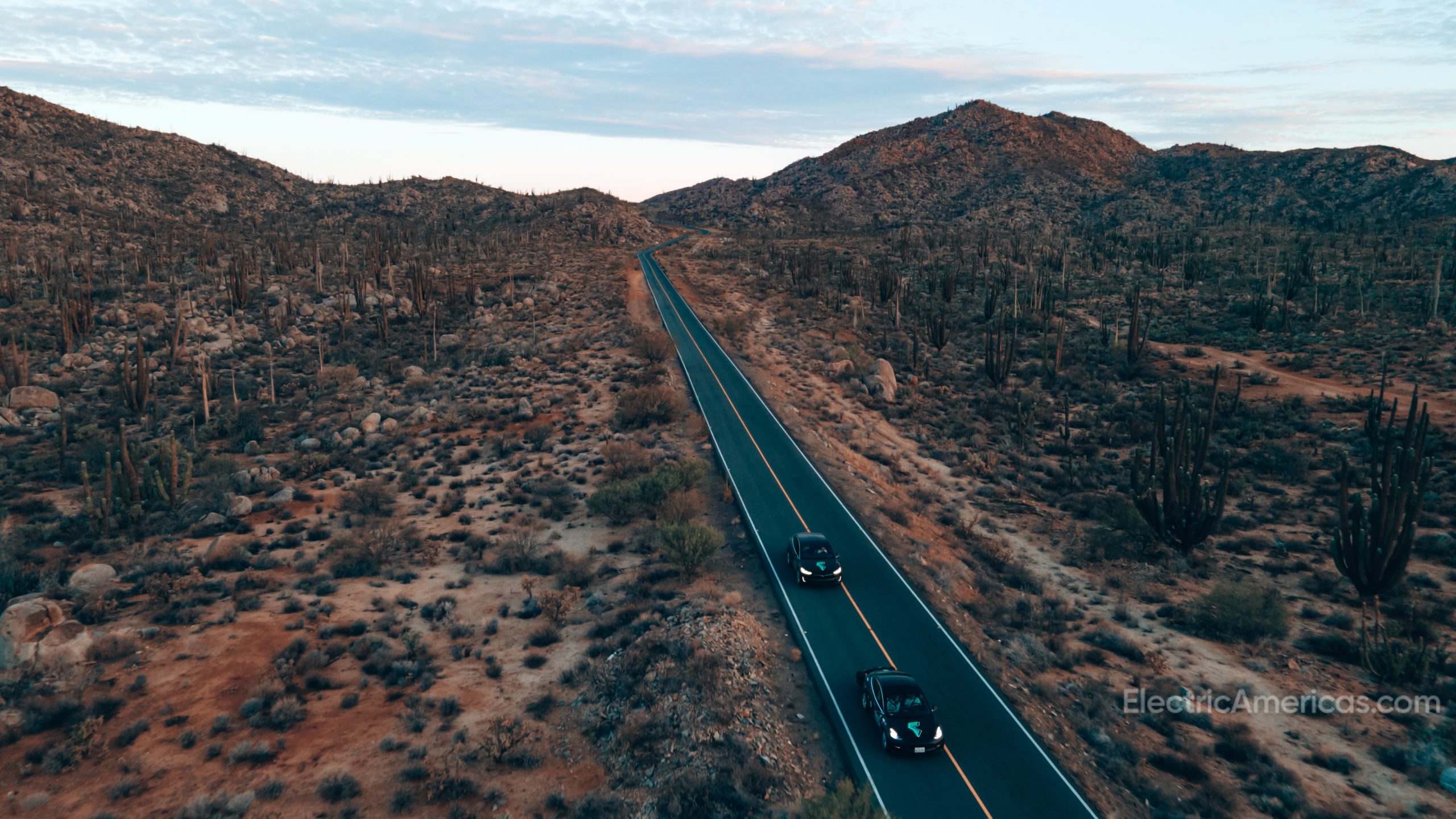
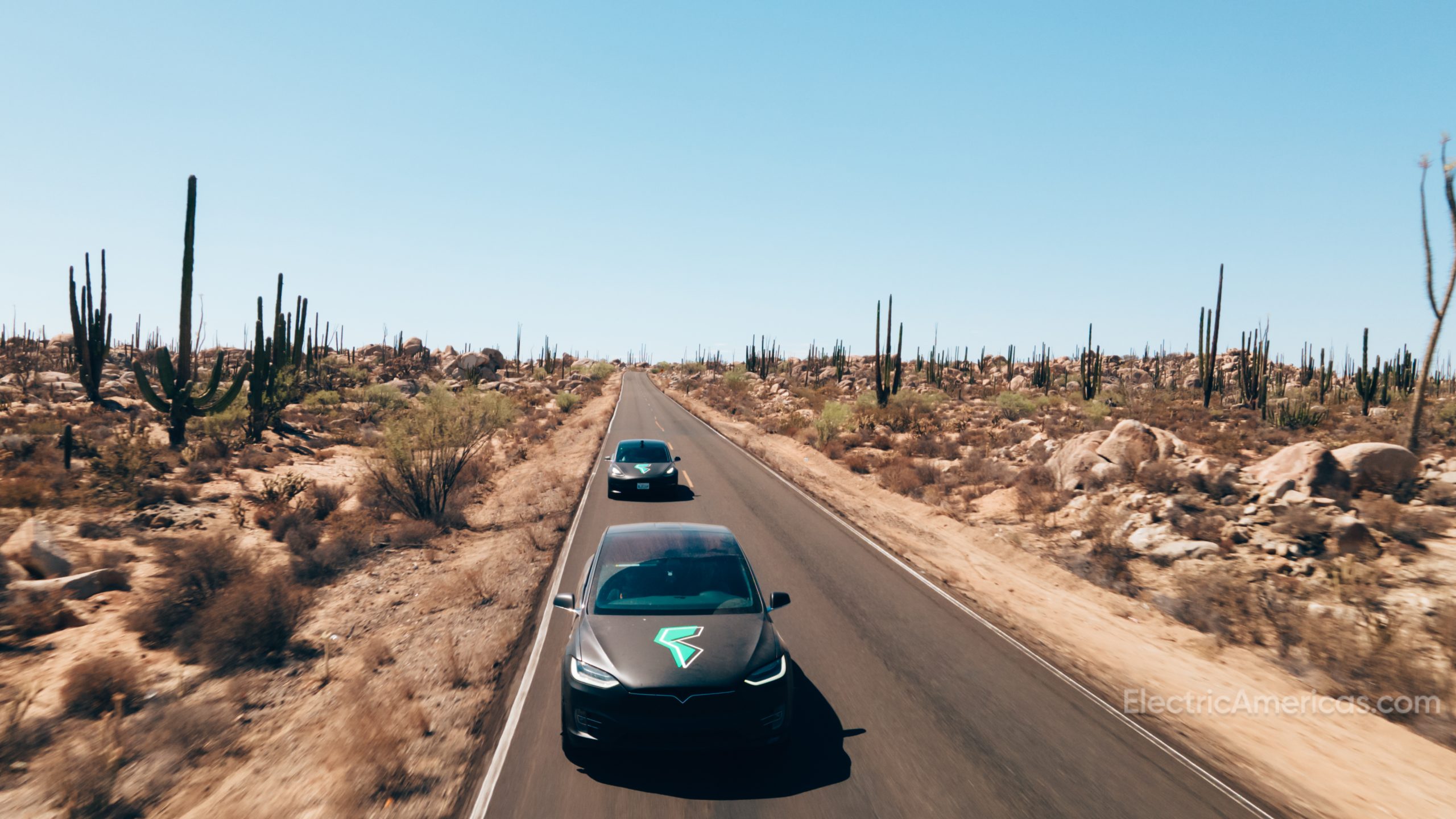
Driving an electric vehicle down the Pan-American Highway is no easy feat but a team in two Teslas is doing just that. Life is a journey and sometimes we find ourselves in the most interesting places. This is literally true for Electric Americas Foundation founder, Martin Canabal. Martin is driving the Pan American Highway and has a team filming a documentary on the adventurous road trip. I interviewed Martin for CleanTechnica earlier this summer just after he started his trip from Alaska. This is a follow-up to that interview.
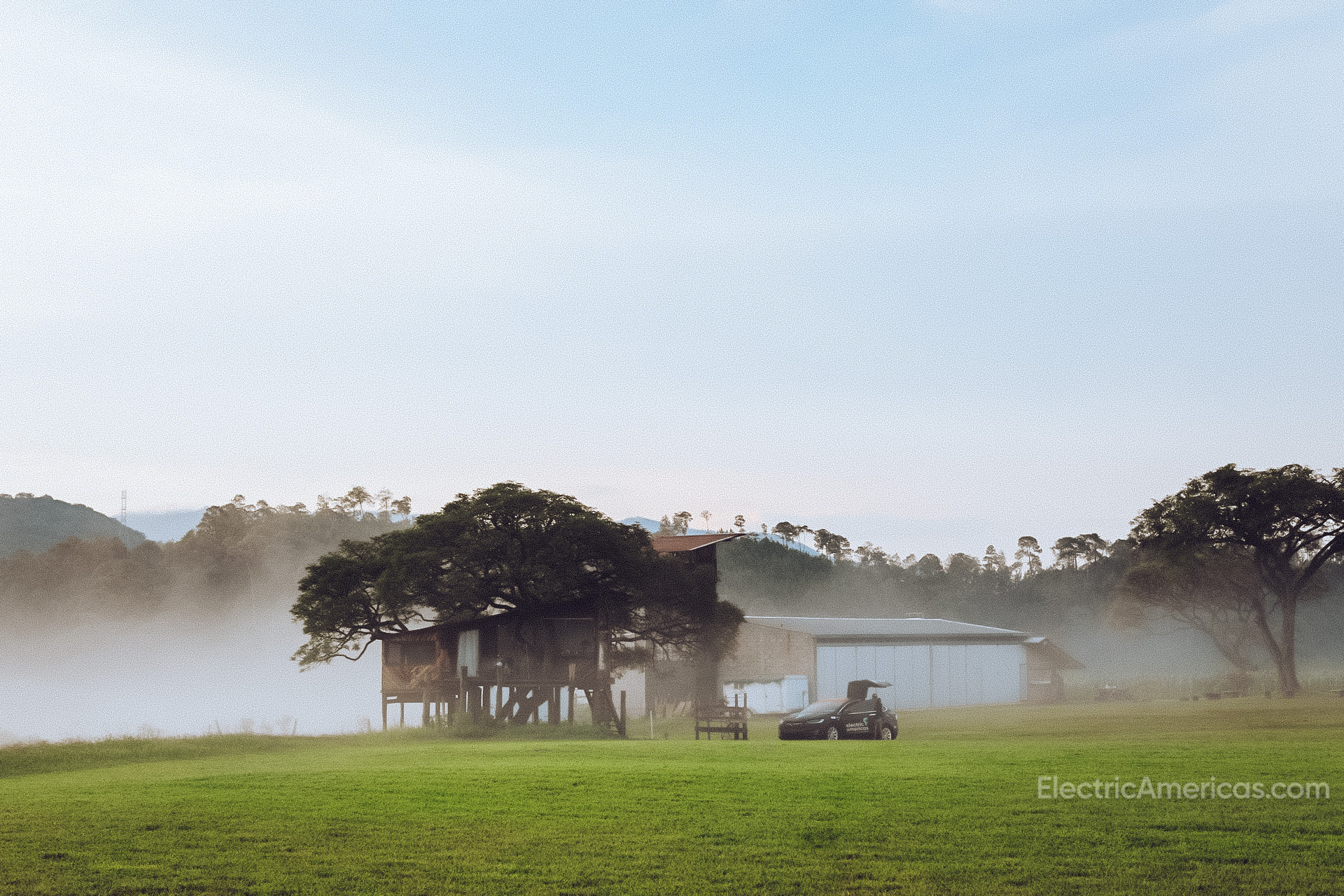
When we spoke, Martin was in Mexico and we talked about some of his adventures along the way from Alaska to Mexico. The team is taking two Teslas down the Pan-American Highway, the world’s longest motorable road. Although it starts in Alaska and ends in Patagonia, there will be a portion of the trip where they have to ship the cars across the Darién Gap, an area where the highway does not exist due to political and environmental reasons.
So far, Martin and his teams have endured flat tires, bad roads, heavy rain, and Mexican speed bumps. Martin explained that the speed bumps in Mexico are extremely huge and that he has to modify the tow hitch due to the speed bumps.
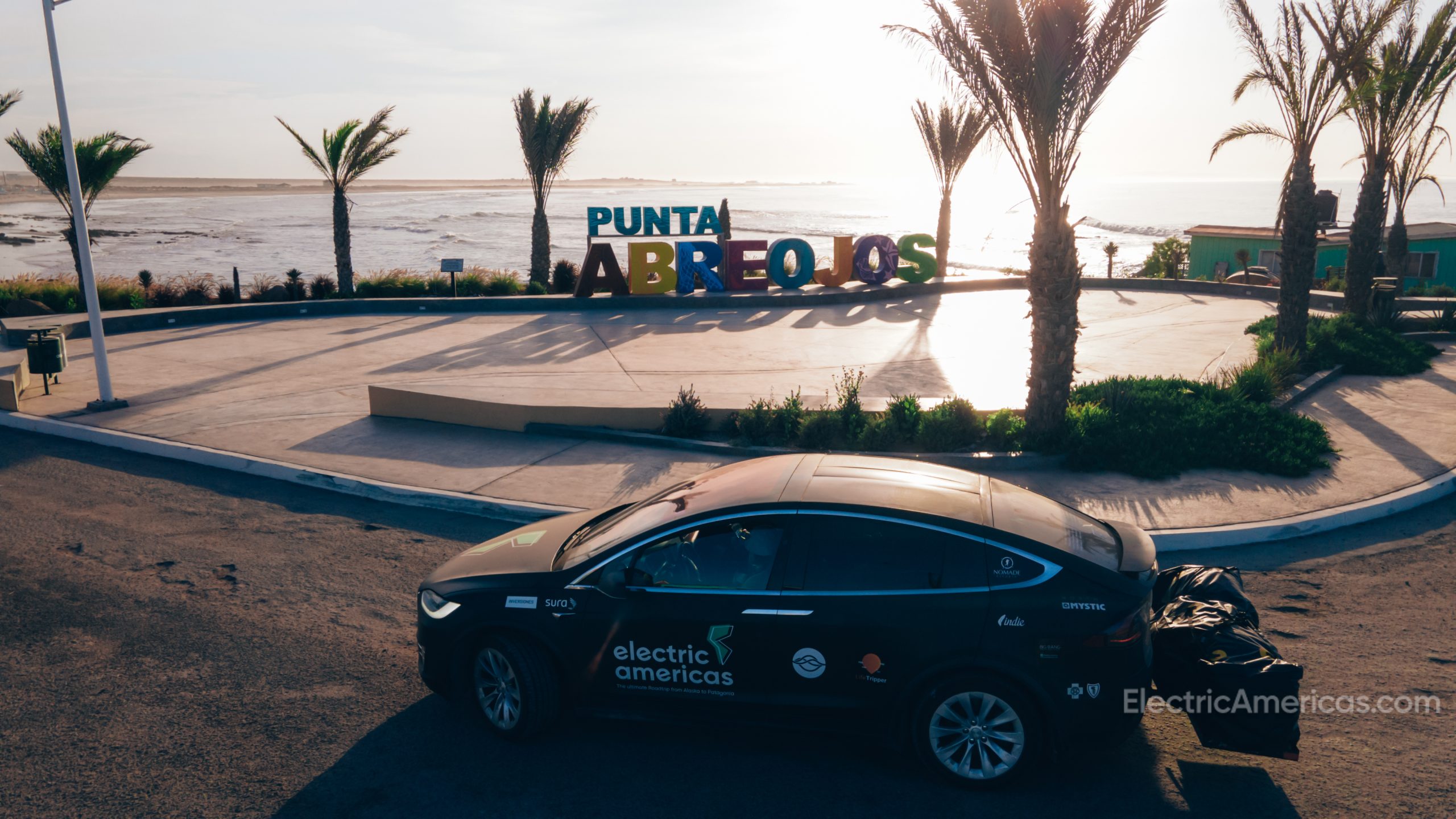
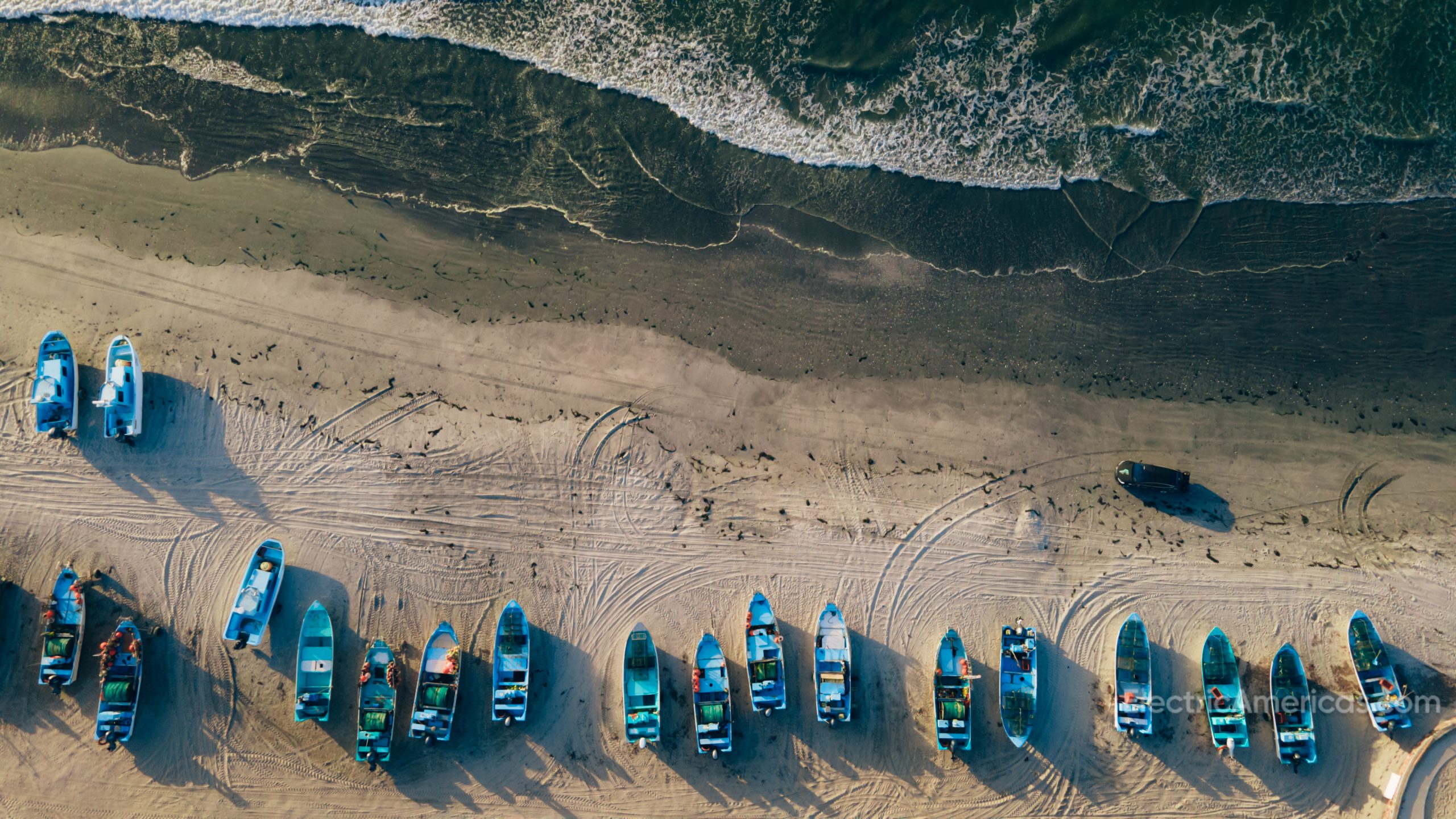
“We have taken the cars to places that I didn’t think we could be able to take them on this trip,” he said. One of those places is Punta Abreojos, Baja California. a remote fishing village in the Pacific.
“We slept in off-the-grid cabins with solar power (so no charging!), no charging stations in town. We could barely charge in some homes using the 110/12A mobile charger. We had to change tires, and we had to wait some days for them to arrive, so we could not reach our next charging station. The tire shop had a welding machine, but we did not have the correct plug, so we had to improvise.”
Bahia de Todos los Ángeles was another place Martin and his team visited in Baja, California. He told me they drove off the main roads to see shark whales and barely made it back in time to charge.
“We thought we could charge for some hours, but the voltage of the town was not enough, so no charging at all!”
In Cabo Pulmo, the roads were so bad that Martin had a flat tire and the two cars had become separated. And the bad roads ended up damaging their tires.
“We used a tire fix and had to put air on the wheel using a bicycle pump from someone who stop to help us. We had an electric air pump but it was on the other car, that had to leave the day before to replace the other tires. After that, we made a rule: we will not drive separately! After all of this, we were able to get replacement tires, replacement wheels, and everything we needed to repair and replace the tires, but we also added more weight and this affects our range.”
The team had to change their schedule and timings of the trip to replace all of the tires for the Model X, which had also gotten a flat tire.
“It was a challenge. In the end, we were able to buy old tires and continue our trip to Cabo San Lucas where we bought new tires. This story ended in Guadalajara where we were able to go to Tesla Service and were able to change the other two tires.”
Another extreme place that Martin and his team visited is El Peñon, a paragliding spot near Valle de Bravo.
“You get there driving countryside roads, and dirt roads. But the place is majestic, and it is one of the best paragliding/Hang Gliding in the world!”
Martin’s last Tesla Service appointment took place in Mexico City where they looked at the cars to make sure that any repairs were done. After Mexico City, there will be no more Tesla Service Centers for the team as they continue along the Pan-American Highway.
“We have road service in Mexico but in a week after we leave the country, we won’t have any support from Tesla. That will be a challenge if something happens. We also had our last Tesla Supercharger in Puebla, Mexico.”
While Martin was chatting with me, his car was at a local Nissan dealership that had charging stations. As for charging along the rest of the trip, Martin was prepared to be creative.
The initial plan didn’t include charging stations past certain points, however, Martin emphasized that the EV charging landscape has changed and he’s seeing this along his trip.
“I planned this trip in 2020 and we’re supposed to charge between several days. There were no charging stations. Now we are in Puerto Escondido and we’re going to be here for four days. We have to film for the documentary and we have to charge. Normally it was going to be slow with no chargers.”
“Now, we can find chargers so our situation is much better now. I think things have improved a lot in two years. When I did my research, there was not a lot of charging stations for our route from Mexico to Argentina. And now I see more. And that’s incredible.”
“On the other hand, we were supposed to charge using the normal outlet. But we found out that this isn’t possible all the time. In several places, we tried to charge it and the Tesla didn’t charge because it sensed that the grid was not okay.”
Martin and the team expect that this will be a common occurrence for the rest of the trip. One unexpected surprise was that they didn’t have to pay for Supercharging in Mexico.
“Since Tesla isn’t able to charge for Supercharging in Mexico, hotels were incentivized for installing destination chargers which were great for us.”
Martin noted that soon, Tesla would be charging for Supercharging in Mexico but for his trip, however, he didn’t have to pay for Supercharging. He and the team also had hotel adventures. Some were expensive, some were reasonable, and some, he said with a laugh, were difficult to explain.
As Martin continues his journey across the Pan-American Highway, he plans to keep me updated on his progress. And when he does, I’ll be sure to share his stories here.
Your feedback is important. If you have any comments, concerns, or see a typo, you can email me at johnna@teslarati.com. You can also reach me on Twitter @JohnnaCrider1


Lifestyle
Tesla’s newest feature lets you floor it out of a Supercharger while plugged in
Tesla’s new Emergency Drive Away feature lets owners flee a Supercharger while still plugged in.

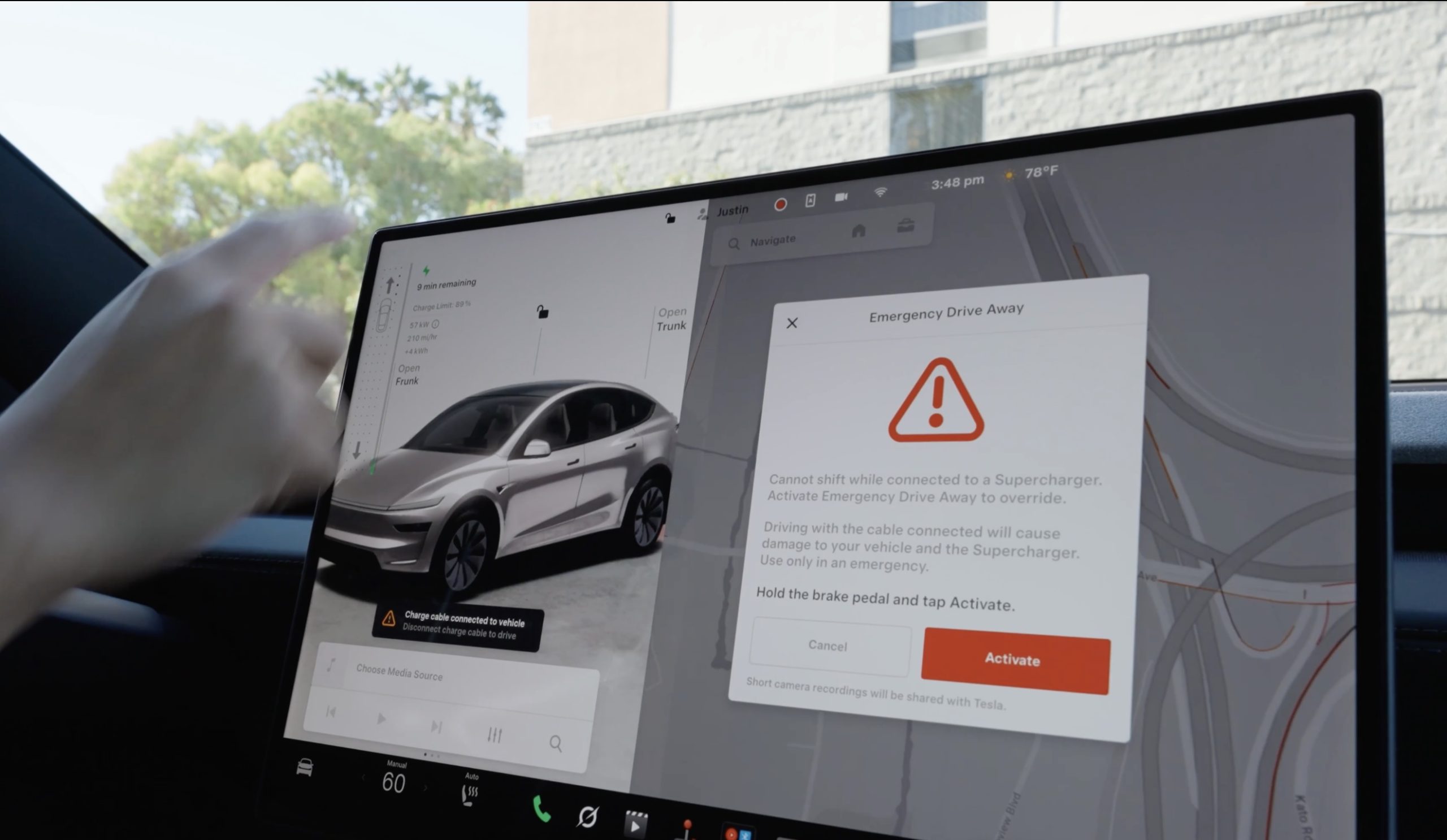
Tesla has given drivers a way to escape while a vehicle is plugged-in at a Supercharger, in the event of an emergency. The company’s charging team announced a new feature on X called Emergency Drive Away, which lets a driver shift into Drive and pull away while the charging cable is still connected to the car.
Until now, a Tesla would not leave Park with a charge cable plugged in. Drivers had to release the latch from the touchscreen, the Tesla app, or the button on the charge handle, then wait for the port to let go. Emergency Drive Away removes that lockout, but Tesla is clear that it comes at a cost. “Use of this feature will damage your vehicle and the Supercharger,” the company wrote, adding that the function is meant for emergencies only and that deliberate misuse will lead to “additional penalties.” Tesla did not say what those penalties are.
Emergency Drive Away lets you shift into Drive while still plugged into a Supercharger pic.twitter.com/40GSzyP4lG
— Tesla Charging (@TeslaCharging) October 1, 2026
The in-car prompt is just as direct, with the warning reading: “Driving with the cable connected will cause damage to your vehicle and the Supercharger. Short camera recordings will be shared with Tesla.” That footage gives Tesla a way to separate a real emergency from someone who simply did not want to wait for the latch.
The feature requires software update 2026.38.3, and Tesla said in replies to owners that it works at every Supercharger in the United States without new stall hardware. Model S and Model X vehicles built before 2021 are not supported, and the company says the feature applies to U.S. Superchargers “for now,” leaving Canada and other markets out at launch.
Tesla Supercharger argument leads to tragic shooting incident
Tesla did not tie the announcement to any specific event, but it arrives two months after a gunman opened fire at an In-N-Out in Twin Falls, Idaho, on August 1, targeting three people in two Teslas at the neighboring Supercharger. One of them, a 66 year old man from Salt Lake City, was killed. Superchargers have been the scene of violence before, including a fatal shooting at a station near Denver in 2023.
In the weeks after Twin Falls, owners pushed Tesla for a native way to escape a stall, and many pointed back to EVject, the aftermarket breakaway connector Tesla sued in 2024 over claims it lacked overtemperature protection. The two companies later reached an agreement that led EVject to recall its earlier connectors in favor of a version with thermal sensors.
Our mission has always been about providing peace of mind and eliminating sitting duck scenarios.
We patented the built-in breakaway charger tip on Feb 15, 2023. Awarded Jan 30, 2024. Then shared the designs with @TeslaCharging
Thank you @Tesla for rolling out a solution. This… https://t.co/djOzswLw9N
— EVject (@EVject) October 2, 2026
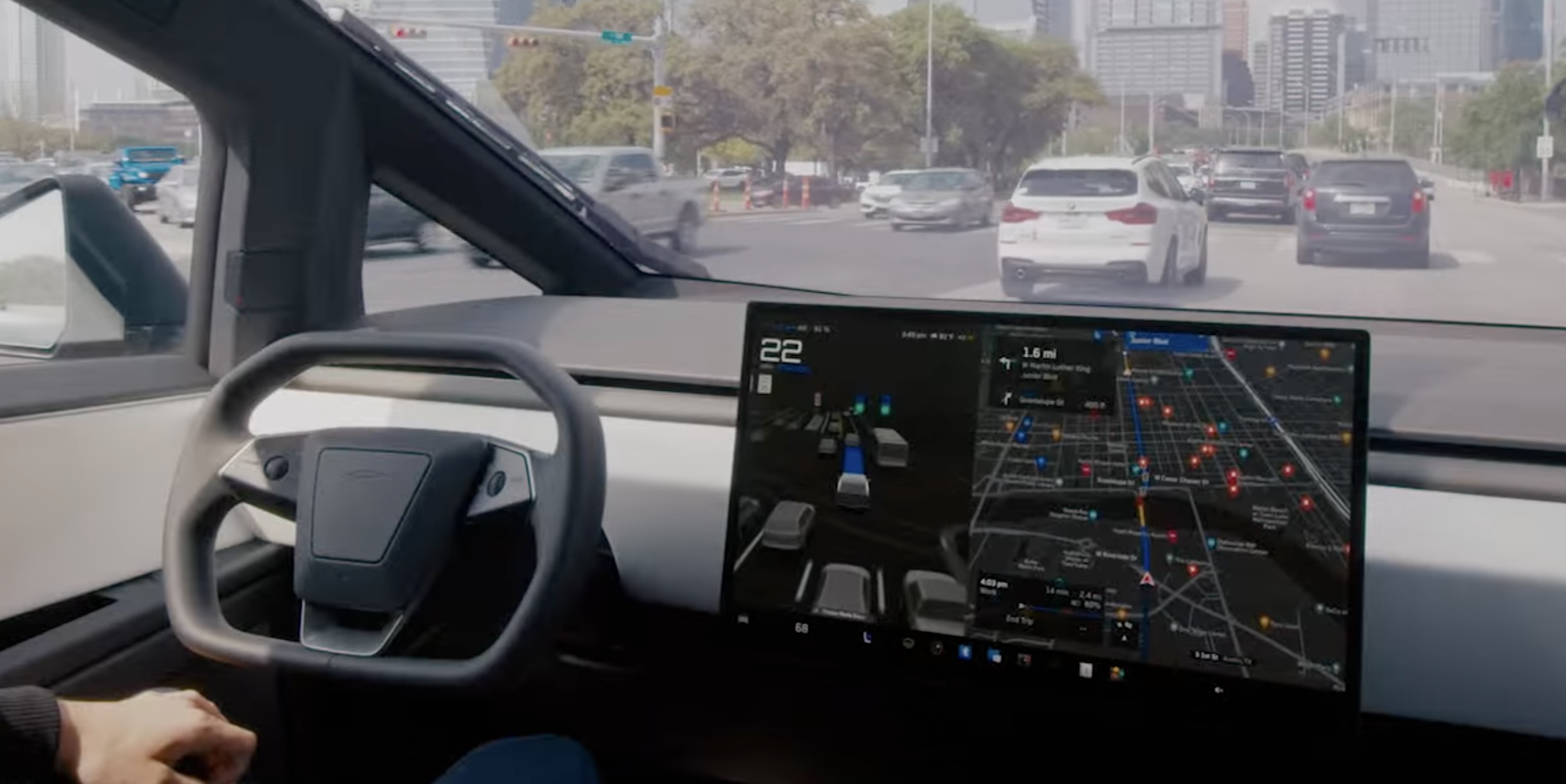
Tesla’s Automatic Collision Evasion feature can be seen in one of the first owner videos of it in action.
Tesla owner Spencer (@scotsrule08) posted on Monday that the feature “worked flawlessly,” saying FSD reengaged itself just as he was about to hit a curb. Ashok Elluswamy, who leads Tesla’s AI team, shared the clip and wrote, “A guardian angel always looking out for you.”
The video arrives in the middle of a staged rollout. Tesla first shipped Automatic Collision Evasion with FSD (Supervised) v14.3.9 in software update 2026.27.6 earlier this month, which Teslarati covered as it reached cars. Update 2026.27.10, which began going out on September 19, carried the feature improvements with FSD v14.3.10, according to release notes tracked by Not a Tesla App. The newer 2026.27.11 build is now reaching another wave of vehicles.
The new Automatic Collision Evasion feature worked flawlessly! FSD reengaged itself just as I was about to hit a curb.
Kudos @Tesla_AI team! 👏 pic.twitter.com/Fbp15HhpL2
— Spencer (@scotsrule08) September 28, 2026
The feature only runs on HW4 vehicles, and it requires an active FSD purchase or subscription with both FSD (Supervised) and Automatic Emergency Braking enabled. HW3 owners receive FSD v14.2 Lite in the same updates, but that build does not include collision evasion.
Tesla’s release notes describe two triggers. The first is an imminent frontal collision that braking alone may not prevent, in which case the car can activate FSD to steer, brake or accelerate around the hazard. That scenario is limited to highways below 85 mph, with no pedestrians or cyclists detected and no slippery road surface. The second covers a driver who appears inattentive, such as reaching into the back seat, or who seems to have switched off FSD by accident. Spencer’s curb clip appears to fall into that second category.
Tesla plans big safety improvements for Full Self-Driving v15
Once the system takes over, the accelerator is muted and light brake input will not cancel the maneuver. Drivers need to apply firm, deliberate steering force to take back control, and the car chimes to hand control back once the danger has passed.
Elluswamy recently noted that earlier hazard prediction, faster reaction time and better collision avoidance would arrive with FSD v15, the next major version.
Elon Musk
Elon Musk drops a surprise update on Boring Company’s next big dig
Musk says Boring Company could shrink the Austin to San Antonio drive to just minutes.
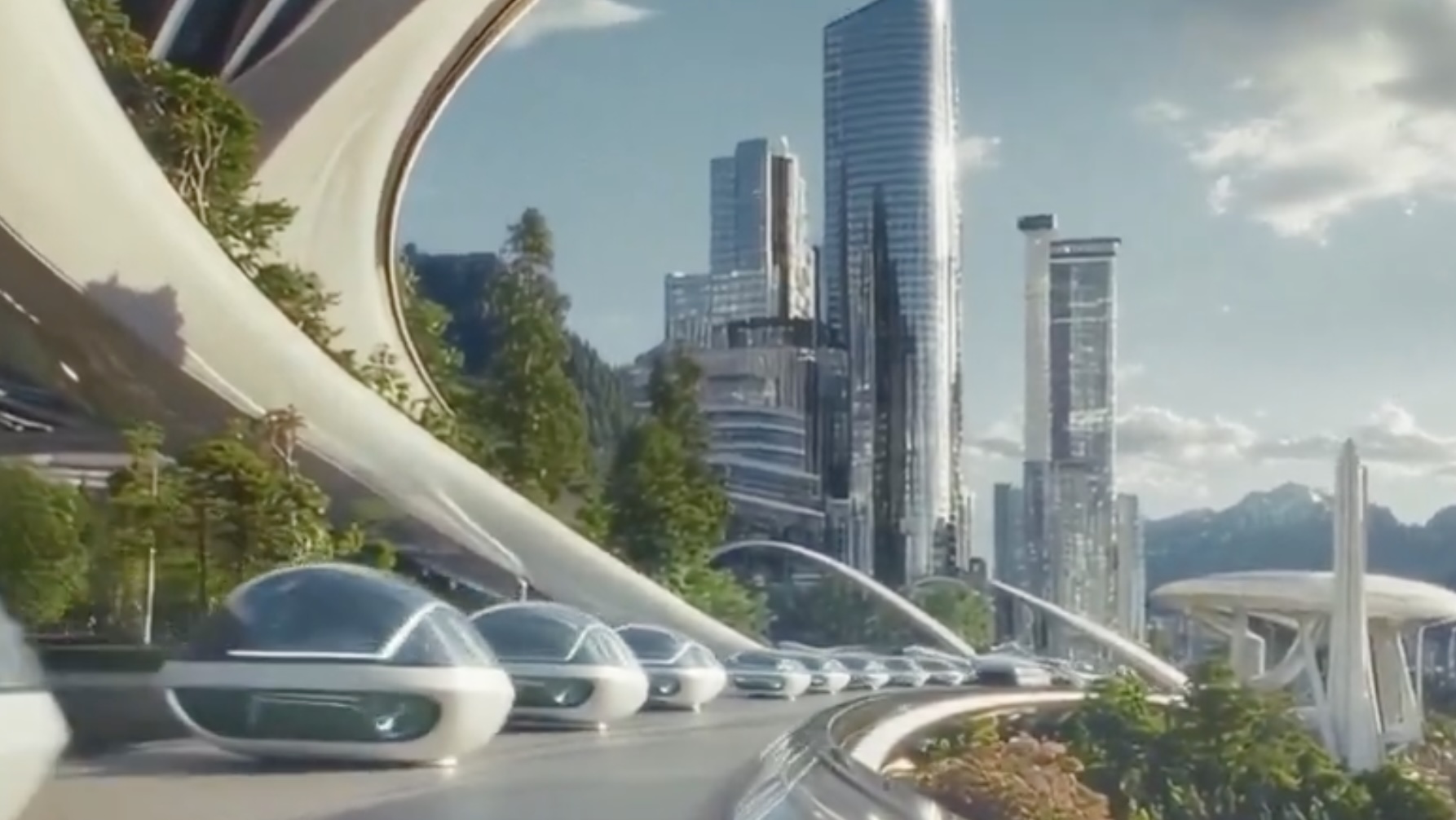
Elon Musk says The Boring Company is working on what he called “a simple, precursor Hyperloop” tunnel connecting Austin and San Antonio, targeting speeds above 200 mph and cutting a drive that can take up to two and a half hours down to a consistent under 30 minutes. Musk posted the idea on X Sunday, in a reply to a repost of an AI generated video imagining a science fiction future with human colonies on other worlds, which he shared with the line “This is the future we shall bring into being.”
This is the future we shall bring into being pic.twitter.com/8aD0w8MDVc
— Elon Musk (@elonmusk) September 20, 2026
The Boring Company’s own account picked up the idea in the same thread, adding a detail about how the trip would actually work: “Because Loop/Hyperloop is express (i.e. no intermediate stops), one could travel from an Austin parking lot to a favorite San Antonio restaurant in about 30 minutes. As long as they both have Loop stations.” That framing ties the proposed intercity link to the same station model the company already runs in Las Vegas, where riders enter the tunnel network through small, garage style stops rather than one central terminal.
This is not the company’s first run at the Austin to San Antonio corridor. Boring Company floated tunnels between the two cities as far back as 2021, and later competed for a separate San Antonio Loop project tied to the airport before that specific bid stalled. Pitches for tunnels in Chicago, Los Angeles, and a New York to Washington corridor have followed a similar pattern of big announcement without a shovel in the ground.
What is different this time is the balance sheet, especially since The Boring Company closed a 3 billion dollar funding round led by investors in the United Arab Emirates earlier this month at a valuation near 23 billion dollars, giving the tunneling company more capital to chase speculative projects than it had during its earlier Texas pitches. The company is also mid-build on two other intercity systems it has actually broken ground on, inc;luding a Nashville tunnel linking downtown to the airport, where a second boring machine finished commissioning in June, and its Las Vegas network, where the station count keeps climbing on paper faster than tunnels get dug.
That gap between announcement and execution is the reason to treat Sunday’s post as an opening bid rather than a project. A tunnel spanning roughly 80 miles between two metro areas, running at speeds Boring Company has not demonstrated over any real distance, would dwarf anything the company has built. For now, the Austin to San Antonio Hyperloop exists as a caption under an AI generated space video.

Tesla says fixes on Full Self-Driving’s two biggest issues are on the way

SpaceX’s midnight spy satellite launch quietly set a new record


