
Tesla’s (NASDAQ:TSLA) third-quarter 2022 earnings call comes on the heels of the company’s Q3 2022 Update Letter. Tesla’s Q3 numbers were quite impressive, with the company posting record revenue, operating profit, and free cash flow (FCF).
Tesla’s FCF also exceeded $8.9 billion in the last 12 months, and operating margins reached 17.2% in the third quarter. Similar to previous quarters, Tesla’s war chest grew by $2.2 billion in the third quarter, providing the company with cash and marketable securities of $21.1 billion.
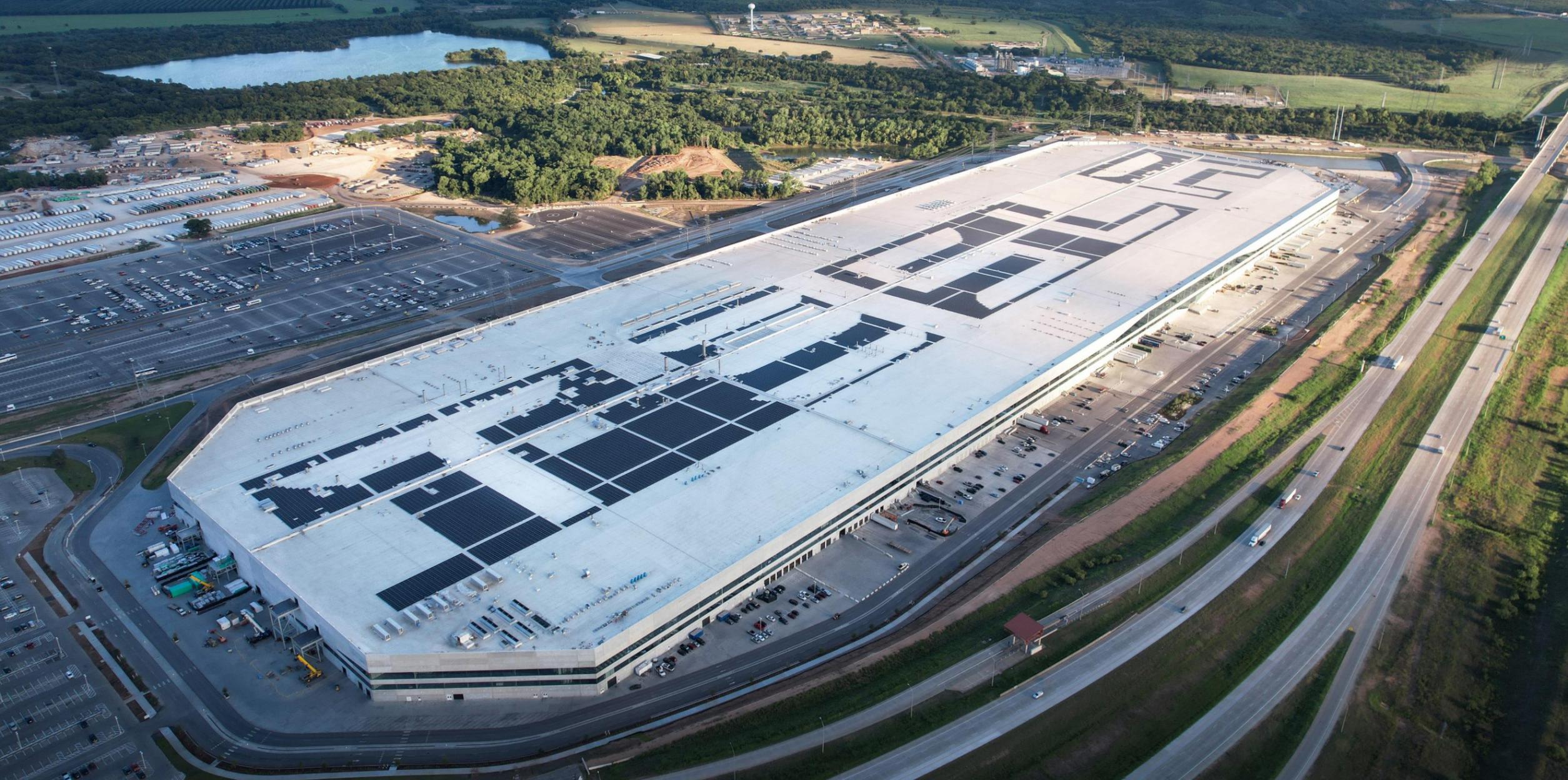
Impressively enough, Tesla posted some key updates on its vehicle projects in the Q3 2022 Update Letter. The Tesla Cybertruck, for example, is already listed as a vehicle under “Tooling” in Gigafactory Texas, while the Tesla Semi has been listed as a vehicle under “Early Production” in Nevada. Tesla’s Optimus is not yet listed in the Q3 2022 Update Letter, though it won’t be surprising if the humanoid robot gets included in the document in the near future.
The following are live updates from Tesla’s Q3 2022 Earnings Call. I will be updating this article in real time, so please keep refreshing the page to view the latest updates on this story. The first entry starts at the bottom of the page.
17:33 CDT – And that wraps up Tesla’s Q3 2022 earnings call. Elon was grounded the entire time, and he did not go off tangent at all. Looks like the fourth quarter will be an exciting time for Tesla, though, so it would be pretty cool to see everything unfold.
We’ll see you in the next Live Blog, everyone! Cheers!
17:30 CDT – William Stein from Truist asked a question about FSD and Optimus. Elon reiterated his belief that Tesla can achieve full self-driving 100%. Elon noted that FSD is almost there, so Tesla just has to show regulators what the system can really do.
As for Dojo, Tesla would need to show that it’s better than today’s top tech companies like NVIDIA. “The jury’s still out on Dojo,” Musk said, though he also stated that Tesla believes the architecture of Dojo is the right architecture to win.
The CEO also noted that Optimus’ probability of success is “extremely high.”
17:28 CDT – Toni Sacchogani of Bernstein asked where Tesla’s 4680 cells being deployed today. Are they in the Semi, Model Y, and will it restrain Cybertruck? Elon noted that the Semi does not use 4680 cells right now. Tesla is making Model Ys from Giga Texas with 4680 cells, however.
That being said, Elon noted that Tesla does not expect the 4680 cells to be a gating factor in the Cybertruck’s ramp.
17:25 CDT – Pierre Ferragu from News Street Research asked about Tesla’s products and its efforts to scale. Executives noted that Tesla is viewing its growth target in years. It takes time, but Tesla is working hard on specifics like costs. Tesla’s 4680 cells are a good example of this as its timeline is all the way to 2026. Tesla is considering all the steps from costs to productions, from mine to cell.
On the 4680 ramp, “No ramp is ever easy. It’s still very challenging to get to the end,” Tesla executives said.
17:21 CDT – Kirkhorn noted that while commodity increases peaked the most in Q3, Tesla sees a small amount of reduction in commodity prices for production. Elon also noted that he expects to see reductions in 2023.
When asked about Twitter and a potential umbrella company, Musk noted that he is more of a technologist or engineer than he is an investor. “I’m excited about the Twitter situation,” Musk said, adding that the social media company’s value could be an order of magnitude than its current valuation today.
17:18 CDT – Canaccord Genuity analyst George Gianarikas asked about Tesla’s prices. Elon notes that things like battery components like lithium are increasing even as some costs such as shipping are decreasing. Musk highlighted that there are varying commodities with different price trends to consider.
17:14 CDT – Colin Rusch from Oppenheimer asks about Tesla’s operating expenses and where Tesla can invest. Kirkhorn noted that Tesla’s operating leverage suggests that the company can optimize its operations even more. It’s hard to keep it flat since Tesla is growing so fast, but it should normalize. “Operating leverage has improved quite a bit. It’s the lowest this quarter,” Kirkhorn said.
“We’re investing in everything we can think of to possibly invest in, and we’re still generating cash,” Musk said. Tesla executives also noted that Optimus would definitely change things.
17:11 CDT – Colin Langan from Wells Fargo asked about any updates on FSD. Musk noted that Tesla intends to bring FSD Beta to FSD customers by the end of the year. The CEO reiterated that FSD should be able to provide customers with a generally hands-free solution for driving. Musk also noted that customers would probably have to intervene or stop FSD very little.
17:07 CDT – Analyst questions begin. Adam Jonas of Morgan Stanley asks if Tesla will be going into mining. Elon explains that Tesla can, but if the company could find a reliable supplier, the company will make a deal instead. “We’ll do whatever we have to… but if we have to mine, we will mine,” Musk said.
The CEO also spoke on government permits or requirements for mining. He highlighted that some materials
17:05 CDT – A question about Tesla’s third platform is asked. Musk responded that while Tesla does not talk exact dates, the primary focus of the company’s vehicle development team is this next generation of cars. Musk estimates that it will be half the cost of the Model 3 and Model X, and its production will probably be higher than all of the company’s current products combined.
Think Tesla producing two cars for the same amount of effort and time to produce one Model 3. That will be a game-changer.
Musk also noted that when he earlier said that he believes Tesla could be bigger than Apple and Saudi Aramco combined, he was not talking about Optimus at all.
17:02 CDT – A question about how Tesla can adjust to a potential prolonged recession was asked. “To be frank, we’re very pedal to the metal, rain or shine,” Musk said, explaining that Tesla is not reducing production recession or no recession. After all, electric cars are now inevitable.
“I wouldn’t say it’s recession-proof but it’s certainly recession-resilient,” Musk said. He also stated that Tesla sees its Energy business growing faster than the company’s electric vehicle business.
“We can withstand a lot of down trends,” Kirkhorn said.
16:57 CDT – A question about the progress of the 4680 battery cell production ramp was asked. Tesla executives noted that the battery ramp is actually going well. The focus now is cost and further expanding production in North America. “It’s looking good,” Musk said.
“Our goal is to reach 1000 GW a year in North America,” the CEO added.
16:56 CDT – A question about Germany’s energy crisis and potential delays to Giga Berlin was asked. Kirkhorn answered that Tesla does not believe that such a crisis will be affecting Giga Berlin. “We’ll see how this plays out,” Kirkhorn said.
A question on the Cybertruck’s pricing and final design was also asked. Elon jokingly also asked when he could get his Cybertruck Beta unit, though Tesla executives noted that the preparations are ongoing at Giga Texas. “There are preparations here at Giga Texas for Cybertruck,” Tesla execs noted.
Tesla Semi deliveries could also happen around December 1st, Elon noted. Also, to the naysayers, the Semi will not sacrifice any cargo-carrying capacity. It will have 500 miles of range with cargo. Tesla is aiming for 50,000 units of the Semi to be built in North America.
And of course, Elon made a hydrogen joke. “You obviously don’t need hydrogen for heavy trucking,” the CEO joked.
16:52 CDT – A question was asked about Tesla’s 50% annualized growth was asked. Musk answered that ”To the best of our knowledge that Tesla will continue to grow,” Musk said. When asked about future products, Musk flatly joked that nope, he won’t talk about them. He technically can, but he won’t.
“At Tesla, we’re always committed to continuous improvement,” Musk said.
16:49 CDT – A question about China’s backlog and recent order intake trends is asked. Elon notes that Tesla is confident of a strong Q4, with the company growing in production every year by 50%, but not delivery because there aren not enough transportation vehicles to move the cars. There’s quite a bit of logistics to think about, after all.
16:47 CDT – Shareholder questions begin with a question about the Inflation Reduction Act. Elon notes that Tesla believes that it can meet the requirements of the IRA, both on its vehicles and energy products. “We do expect to meet IRS requirements,” Musk said.
16:45 CDT – Zach Kirkhorn takes the floor, noting that Tesla’s margins were weighed down a bit due to the costs of Giga Berlin and Texas. He also highlighted that every car built in Giga Berlin and Texas contributes greatly to Tesla’s numbers.
Tesla Energy also achieved its best gross profit yet, driven largely by the Megapack. With this in mind, and despite supply chain risks, Tesla is still looking to achieve 50% growth this year.
16:41 CDT – Elon noted that it is possible for Tesla to do a buyback in the range of about $5-$10 billion. “It is certainly possible to do a buyback in the order of $5-$10 million. It’s likely that we’ll do some meaningful buyback,” Musk said.
Musk, however, highlighted that it’s important to look at Tesla’s long-term trend. This makes sense. Even if the company encounters short-term headwinds, the company’s long-term prospects are extremely bright. Elon noted that he believes Tesla can far exceed Apple’s current market cap.
Musk even hinted that he sees a path where Tesla can become larger than Apple. “Now throughout the opinion we can far exceed Apple’s current market cap. I can see a path that Tesla can be worth more than Apple and Saudi Aramco combined.”
“It’s an incredibly exciting future, an unprecedented future,” Musk said, adding that credit for Tesla’s success is due to the company’s team. “You guys rock. You’re the one making everything possible.”
16:38 CDT – Elon reiterates Tesla’s target of achieving a wide release of FSD Beta by the end of the year. “At this quarter, we expect to go to a wide-release of FSD in North America,” Musk noted, stating that FSD’s wide release is scheduled about a month from now. He also highlighted that safety with FSD is a lot better compared to when it is not on, according to Tesla’s data.
Musk also reiterates that Tesla has huge demand, debunking concerns that the company is seeing a demand problem of sorts. According to Musk, Tesla is delivering every vehicle its makes and keeping operation margins strong.
16:36 CDT – Elon notes that the Fremont team achieved record production in Q3, and it will continue to improve. This is pretty cool since the Fremont Factory is already one of the most productive car plants in the United States.
Looks like AI Day 2022 was successful. AI day was a recruiting event, and it did its job. “We’ve seen a massive influx of world-class resumes,” Elon said.
16:35 CDT – Elon takes the floor. Q3 was another record quarter for Tesla. He reviews the company’s numbers in Q3. Elon also noted that Tesla is looking forward to a record-breaking Q4. “Knock on wood, it looks like we’ll have an epic end of year,” he said.
Tesla is finally growing some traction in its 4680 battery production as well. Structural packs, here we go.
16:32 CDT – Martin Viecha formally starts the Q3 2022 earnings call. Elon, Zach Kirkhorn, and other execs are present.
16:30 CDT – Any minute now. For the last few earnings calls, Tesla has actually started on time. Let’s see if this is the case today as well.
16:25 CDT – Last five minutes, everyone. Unless Elon time of course.
16:15 CDT – Hi everyone, and welcome to another Tesla earnings call live blog! Tesla’s third-quarter results were quite impressive. This was despite Tesla missing analyst expectations on some metrics, such as revenue. This has caused Tesla stock to feel some pressure on Wednesday’s after hours. Longtime Tesla bull Gene Munster, managing partner of Loup Ventures, noted that the market’s reaction might be due to the fact that Tesla typically beats expectations.
“Tesla is a company that typically has been beating numbers. The reaction you’re seeing is that people are a bit taken aback by the fact that they missed,” Munster said.
Not gonna lie. Gene Munster has a point.
Don’t hesitate to contact us with news tips. Just send a message to simon@teslarati.com to give us a heads up.


Investor's Corner
Tesla Optimus Gen 3 shows off a cleaner, factory-ready design in new app discovery
Renders hidden inside Tesla’s Android app show Optimus Gen 3’s design before any official reveal.

![Tesla Optimus Gen 3 [Credit: Tesla]](https://www.teslarati.com/wp-content/uploads/2026/03/tesla-optimus-gen3-diner.jpg)
Tesla may have accidentally given a first look at its newest Optimus Gen 3 humanoid robot when photos were found in the Tesla smartphone app.
Design files tucked inside a recent Android version of the Tesla app appear to show the third generation humanoid robot next to the older Gen 2.5 prototype. The assets were extracted from the app package by Tesla community member @wholemars, who posted the renders on X late Tuesday night before deleting them. The Tesla Newswire reshared the side by side comparison on Wednesday, and the images have circulated widely since.
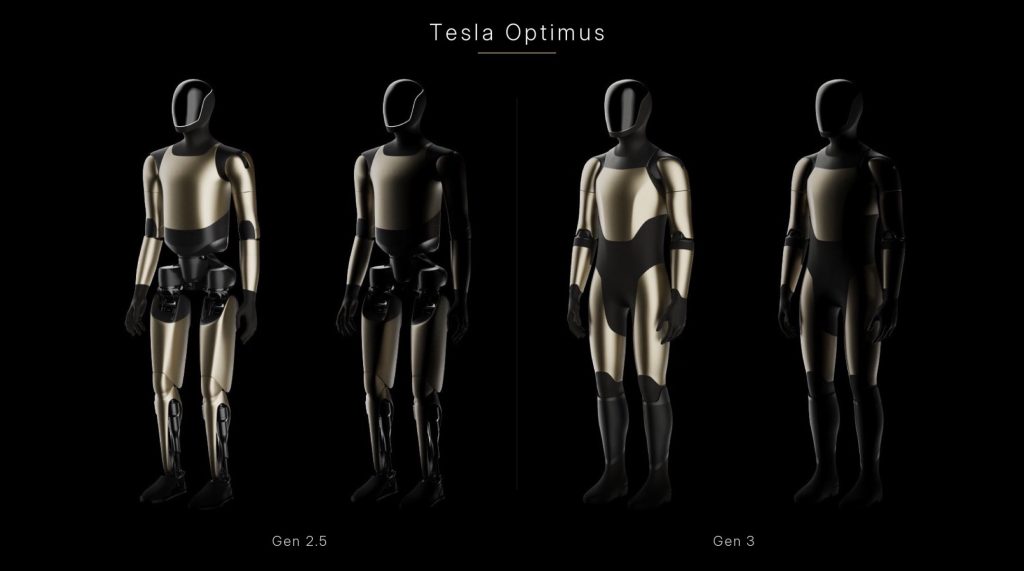
Tesla Optimus Gen 2.5 vs Gen 3 comparison via @WholeMars on X
The files are labeled “gen3” and were built as models for Tesla app’s own interface, as validated directly by Grok to be official.
The comparison shows a robot that looks built for a factory line rather than a lab bench. Gen 2.5’s exposed mechanical linkages and gold plating on the knees and shins are gone. In their place, Gen 3 uses matte black fairings on the lower legs, paired with a more contoured champagne gold body. Flexible covers now seal the joint where the torso meets the upper thighs, keeping bearings and moving parts sealed from debris and unnecessary contact.
The body panels fit more tightly, and the hands, which Tesla has said carry 22 degrees of freedom, look far more refined than those on earlier units.
This most recent leak fills a gap Tesla has left open for most of the year. Elon Musk said on March 31 that Optimus 3 was walking around but needed “some finishing touches” before it could be shown, a delay Teslarati covered when Tesla missed its first quarter reveal target. Musk later said Tesla would hold the design back until closer to production, partly to keep competitors from copying it. No reveal date has been announced.
The app itself has been preparing for Optimus for months. In July, code in the Tesla app pointed to a dedicated robot phone key, a consent screen for collecting video and spatial data while Optimus works inside a home, and an alert system for low battery and mechanical faults. Finished 3D models of Gen 3 suggest the interface owners will eventually use is moving past placeholder code toward something Tesla intends to ship.
Manufacturing is moving in parallel. Tesla tore out the original Model S and Model X lines at Fremont this summer to make room for Optimus production, with a planned capacity of one million robots a year. At Giga Texas, the steel frame of a dedicated Optimus factory is nearing completion ahead of a targeted 2027 start, with Musk pointing to an eventual output of 10 million units annually.
Elon Musk
X changed how everyone gets paid, and this lawsuit shows why
X sued a Bitcoin account network over fake payouts as its creator pay model shifts
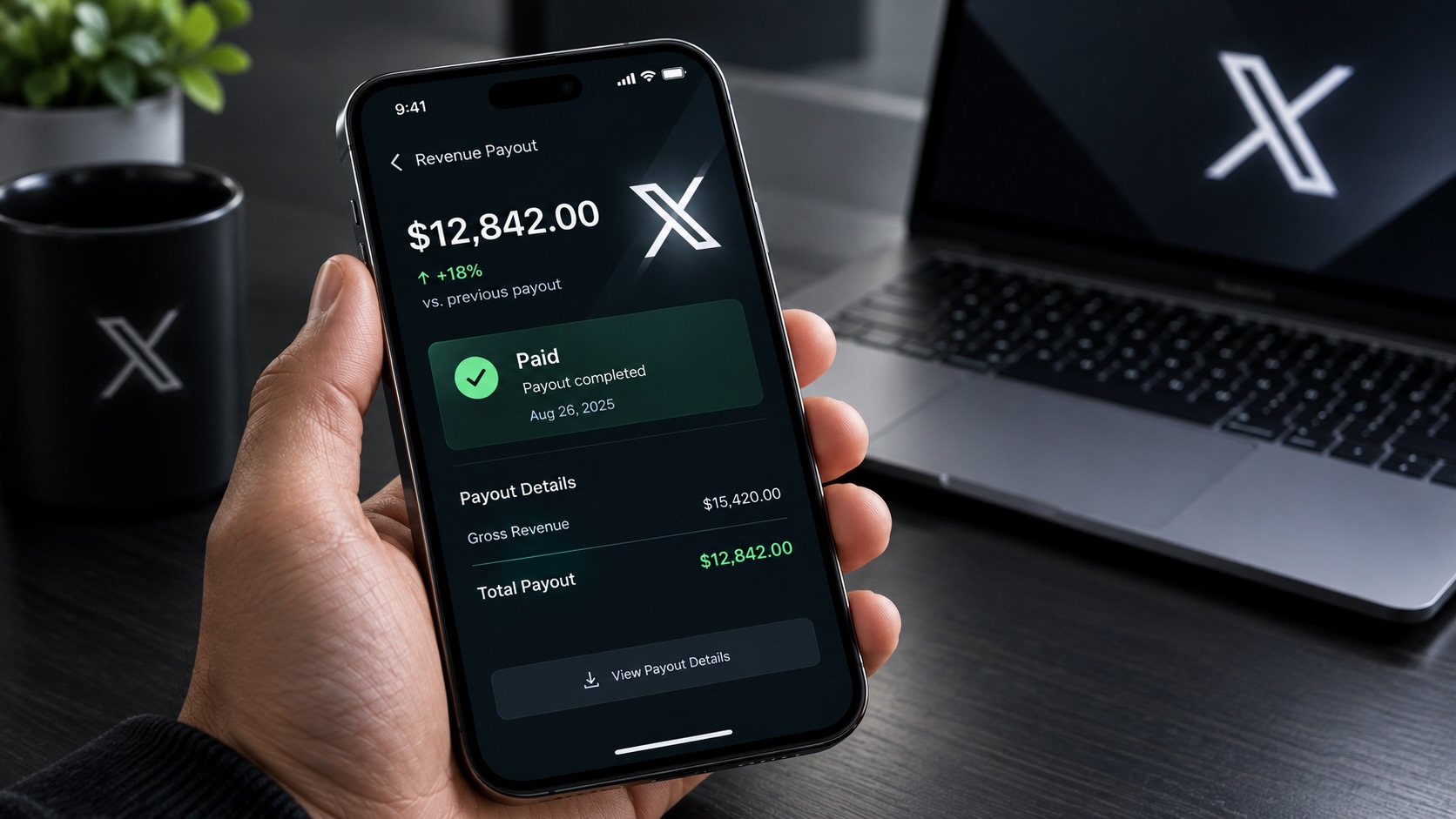
Elon Musk’s X has taken a Bitcoin-focused engagement ring to court, and the case doubles as a receipt for how differently the platform pays creators today. The company filed suit in the High Court of England and Wales against Vivek Kumar Sen and Zamyang Sherpa, alleging the pair ran six accounts, including @Vivek4real_, @Bitcoin_Teddy and @TrendingBitcoin, as one coordinated operation to fake the kind of engagement that used to translate directly into money.
According to the filing, first reported by Gizmodo, the accounts posted near identical “BREAKING” crypto headlines seconds apart, in one case 11 seconds, then had three more handles like, reply to and repost the material to manufacture what X called “a false appearance of genuine, human communication and interaction.” X says the scheme pulled in at least £207,384, about $278,000, and pegs its own investigation and remediation costs at another £75,000. The accounts were suspended August 18. X general counsel James Burnham announced the case on X last weekend, writing that the company “will act forcefully to protect our platform and the earnings of genuine creators.” Musk’s own reaction, posted shortly after, was three words: “Don’t mess with 𝕏.”
Don’t mess with 𝕏 https://t.co/HSmd5hL6aQ
— Elon Musk (@elonmusk) September 21, 2026
The timing lines up with a a recent update to how X pays its creators. The program these accounts allegedly gamed, Creator Revenue Sharing, launched in mid 2023 and paid out based on how much a post got engaged with. Originality was never part of the formula, which is exactly how the platform ended up flooded with recycled clips, copy pasted “BREAKING” posts and replies engineered purely to farm reactions from paying subscribers.
X tried patching the model more than once, including an April cut to aggregator payouts and a March regional weighting change that Musk personally paused hours after it was announced. X retired Creator Revenue Sharing for good on September 7 and opened its replacement, Original Content Rewards, the next day.
Today, we’re launching Original Content Rewards.
The reality is that Revenue Sharing had reached a point where its incentives were misaligned. Creators should be focused on bringing net new content to the platform instead of maximizing payouts. We could have kept adding more… pic.twitter.com/VJIxqlPrjm
— Allegra Jacchia (@allegrajacchia) August 7, 2026
The new math is stricter. Payouts now come only from qualified impressions, meaning unique Home Timeline views from Premium subscribers where at least half the post is visible, and replies no longer count toward eligibility at all. Copied posts, reuploaded media and reposts without meaningful changes are explicitly excluded. Allegra Jacchia, senior product manager for Creators at SpaceXAI, which now runs X’s product and AI work following xAI’s acquisition of the platform, put it bluntly, saying the goal is to reward creators who bring original ideas and perspective, “not those who have become best at gaming the system.”
Read that way, the lawsuit isn’t really about six crypto accounts. It’s X putting a dollar figure on what the old incentive structure cost, then suing to collect it right as the new one goes live. For live updates on how the case and the new rewards program shake out, follow @Teslarati on X.
Elon Musk
Why automakers keep turning down Elon Musk’s Tesla Full Self-Driving offer
Elon Musk confirms no automaker has ever accepted Tesla’s offer to license Full Self-Driving software.
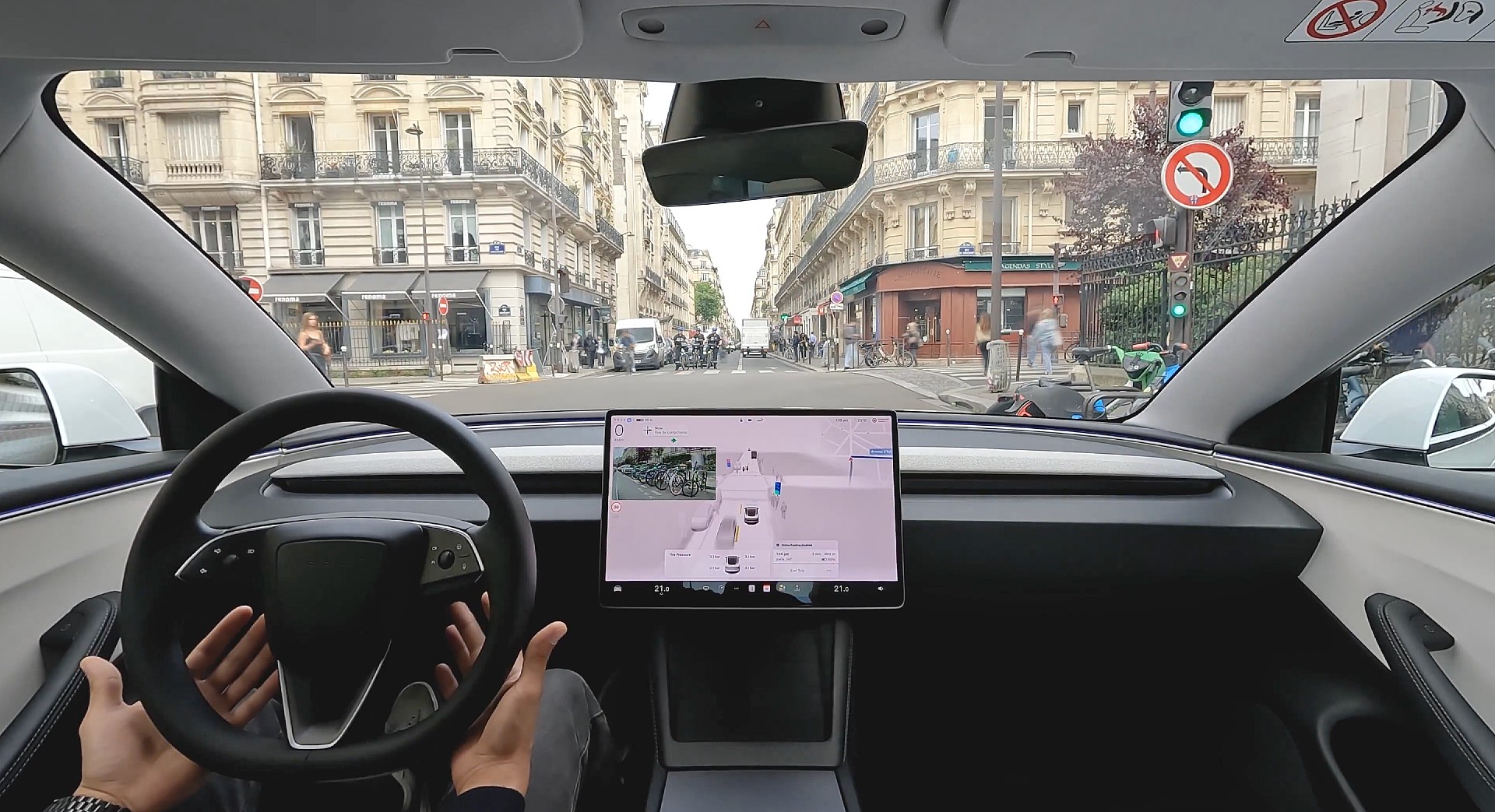
Elon Musk gave a brief answer on X Monday that confirmed that Tesla’s standing offer to license Full Self-Driving to other automakers still has zero takers. Sawyer Merritt wrote that “Tesla has for years openly invited other automakers to license FSD. None of them have accepted,” responding to a prediction from Boom Supersonic founder Blake Scholl that Tesla would eventually open FSD the way it opened its Supercharger network to rival brands. Musk’s reply to Merritt was one word: “Exactly.”
It is not the first time Musk has made this point. He said something similar in November, when he called legacy automakers reluctance to adopt FSD “crazy,” and Tesla has floated the offer publicly since at least 2021. Scholl’s prediction touches on something real. Once NACS became the de facto charging standard, adoption from Ford, GM, Rivian and others followed within about a year. FSD licensing was supposed to work the same way once Tesla built enough of a lead that switching made sense for everyone.
Tesla has for years openly invited other automakers to license FSD. None of them have accepted. https://t.co/kgz4idpoUM
— Sawyer Merritt (@SawyerMerritt) September 22, 2026
The case for licensing now is stronger than it was two years ago. Waymo and Zoox are logging hundreds of thousands of unsupervised autonomous miles, along with Tesla’s own Robotaxi fleet. Every automaker still selling driver assist systems that lag FSD has given the robotaxi conversation to Tesla, Waymo and Zoox by default. Licensing FSD would let a GM or a Ford compete on the same field without spending a decade and billions of dollars building a stack from scratch, the same argument Tesla made when it opened the Supercharger network to bring more EVs onto its chargers.
But FSD is not a connector standard. As one reply to Musk’s post pointed out, licensing FSD is not a software license the way NACS was a plug spec. It requires adopting Tesla’s eight camera layout and its onboard compute architecture, meaning a licensee’s cars would effectively become Tesla hardware wearing someone else’s badge. That is the visible obstacle. The less visible one is data. A licensed FSD stack would report back the same telemetry Tesla collects from its own fleet, giving Tesla a continuous read on how a competitor’s cars are actually driven, where they struggle, and how often drivers intervene. For an automaker trying to build its own autonomy program, or simply trying to keep its build quality and safety record private, handing Tesla that visibility could be a bigger cost than the hardware bill. It is the reason the Supercharger comparison only goes so far. Opening a charging plug cost Tesla very little. Opening FSD would cost a rival something it cannot get back.

SpaceX completes another secret Pentagon launch, adding to suspected Starshield buildout

Tesla hints at new Roadster design in surprise clip


