
Tesla CEO Elon Musk recently provided some insights behind the move of a Tesla engineer to xAI, his artificial intelligence startup. As per Musk, the move was a way to retain the employee since he was being poached by OpenAI, which has reportedly been attempting to recruit Tesla engineers with attractive compensation plans.
Musk’s comments came amidst news that Tesla Staff Machine Learning Scientist Ethan Knight, who was a member of the Autopilot Vision Team, had joined xAI. A report about the matter, published by The Information, adopted the angle of Musk snaring promising engineers from Tesla and moving them to his artificial intelligence startup.
Ethan was going to join OpenAI, so it was either xAI or them.
— Elon Musk (@elonmusk) April 3, 2024
They have been aggressively recruiting Tesla engineers with massive compensation offers and have unfortunately been successful in a few cases.

As per Musk in a post on X, however, this was not necessarily the case. The Tesla CEO noted that Knight was about to join OpenAI, so it was a matter of the Tesla engineer either working for the GPT-4 maker or xAI. Musk then mentioned that OpenAI has actually been recruiting Tesla engineers, and they have been quite successful.
“Ethan was going to join OpenAI, so it was either xAI or them. They have been aggressively recruiting Tesla engineers with massive compensation offers and have unfortunately been successful in a few cases,” Musk wrote. Musk also stated in a later post that the war for talented individuals in the artificial intelligence sphere has been extremely fierce. “The talent war for AI is the craziest talent war I’ve ever seen!” Musk noted.
Tesla is increasing comp (contingent on progress milestones) of our AI engineering team
— Elon Musk (@elonmusk) April 3, 2024
When asked if Tesla was matching the compensation offers from companies like OpenAI, the CEO noted that the electric vehicle maker is indeed increasing its compensation for its AI engineering team. This, if any, should help Tesla retain its existing talent in its AI team. The company, after all, is attempting to reach extremely ambitious goals in its AI program, such as the rollout of autonomous driving solutions and the development of systems that will be used for humanoid robots.
Don’t hesitate to contact us with news tips. Just send a message to simon@teslarati.com to give us a heads up.



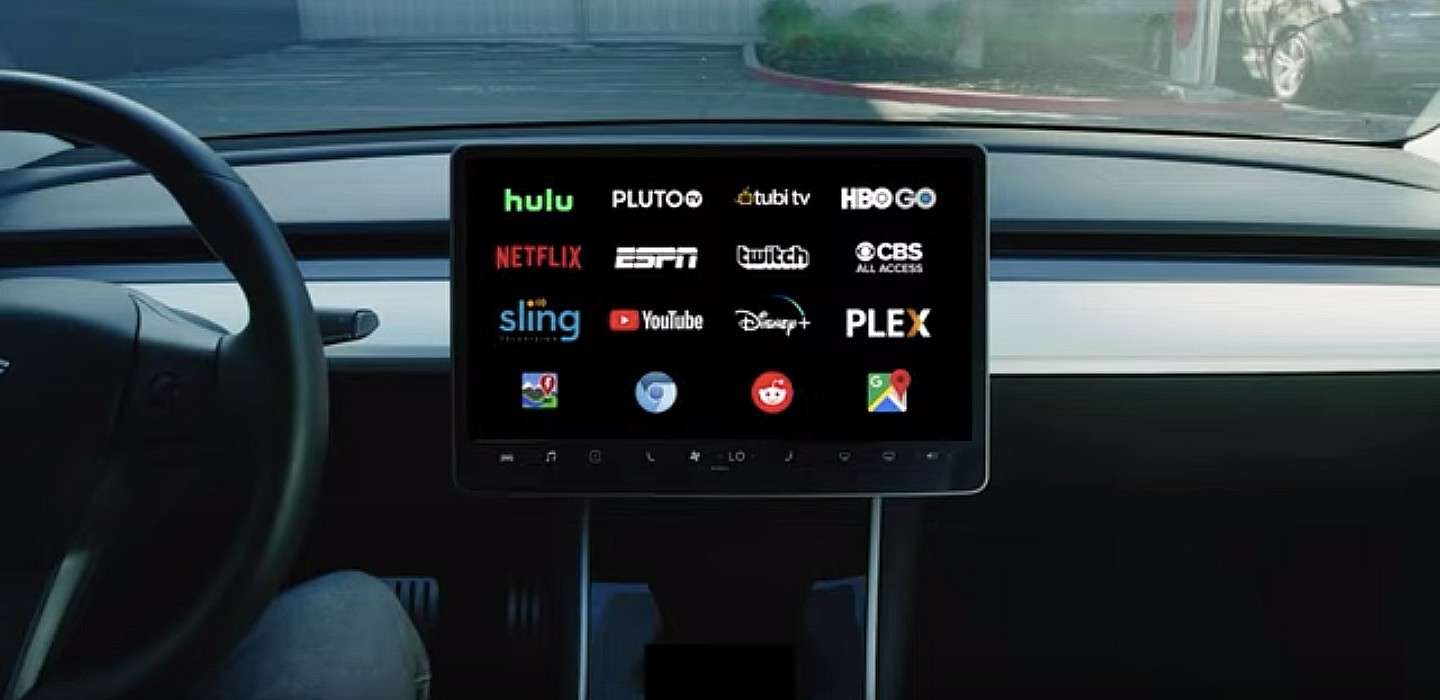
The in-car Tesla Theater is among the most unique features available within the cars. When charging, parked, camping, or just hanging out, vehicle occupants can access a variety of streaming platforms on the large center screen, helping keep them entertained during downtime.
However, the Theater might be getting plenty more streaming platforms, something that owners have requested for some time.
Tesla owners recently discovered that visiting Apple TV in the vehicle browser can launch a fullscreen interface that looks and behaves like a dedicated application rather than an ordinary webpage:

Today I learned that if you go to Apple TV in the Tesla browser, it will open up an actual Apple TV app, fully functional. Not just the site.
Apparently there are more apps than just the few that show on the apps page. pic.twitter.com/os1Ypfm4JR
— Jason W (@jmwilt21) August 20, 2026
The experience drops the usual address bar and browser chrome, presenting catalogs, continue watching rows, and playback controls in the same window Tesla Theater already uses for its listed services. Independent testers soon found similar treatment for HBO Max, Paramount+, Peacock, Disney+, and Prime Video when those sites are opened from the car browser.
This shift is a plausible early signal that Tesla is widening Theater support without a formal software note. Theater has long been a set of web views rather than native applications, so recognizing extra domains and stripping the browser frame is a small server-side change that can expand the catalog quickly.
Owners still lack permanent Theater icons for the newly recognized services, and video remains limited to Park, yet the smoother launch is a meaningful step toward a broader lounge while charging.
Tesla Theater arrived with software version 10 in September 2019. The first video services were Netflix, YouTube, and Hulu, available only while parked and originally tied to WiFi. Spotify arrived in the same era as music rather than Theater video. Disney+ joined officially in July 2021 with the 2021.24 update, giving owners another major catalog on the center screen. Twitch and TikTok later appeared among the default Theater tiles, and Tesla Tutorials remained a persistent educational tile.
Not every addition stayed put. In December 2023, a Holiday software build removed the Disney+ tile for many United States owners after a public dispute involving advertising on X. Hulu stayed visible even though Disney owned it. Visiting disneyplus.com in the browser often restored the tile, which suggested the removal was a recognition list change rather than a complete block. Owners have also reported occasional blank Theater grids after updates, usually fixed by language toggles, resets, or later firmware.
Tesla axes Disney+ from vehicles with Musk-Iger rivalry, but there’s a workaround
Code archives from 2024 listed many unused source names, including Apple TV and Prime Video, that never became official icons, which now looks like groundwork for the current fullscreen browser behavior.
Now that this hint toward an expanded Theater experience has been recognized, Tesla could follow through with these additional shortcuts as a sign that more streaming platforms are available in Teslas than ever before.
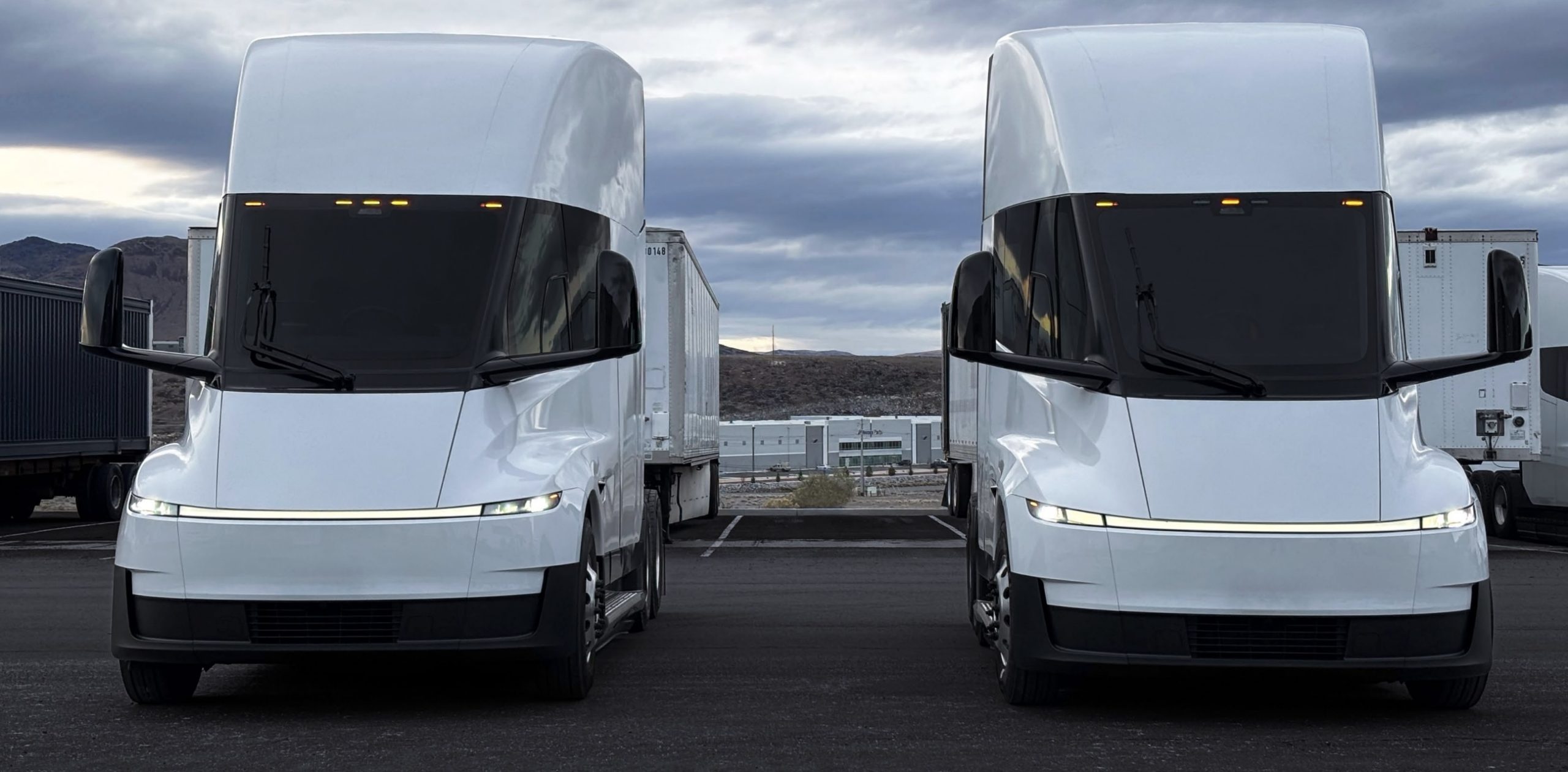
Tesla recently received its largest order for the all-electric Semi from Einride, a Swedish transport service, for 500 units, a groundbreaking invoice to receive before the first deliveries begin.
Even more remarkable, Einride CEO Roozbeh Charli said in a recent interview that he expects his company to take delivery of all 500 — the entire order — before the end of 2027. He even expects to have 75 Tesla Semi units in the Einride fleet before the end of this year.
🚨 Einride CEO Roozbeh Charli on the Tesla Semi partnership:
“If we start with the Amazon announcement that we did earlier this year, that was on the back of having gone through a proving period together with them and proving out our technology. Then we took that next step in… pic.twitter.com/oazkXjwoig
— TESLARATI (@Teslarati) August 28, 2026

Charli said the Tesla partnership was part of a broader push, along with its earlier partnership with Amazon. Einride is assisting Amazon with the use of its Saga AI platform, which helps eliminate questions about budgeting and forecasting for logistics companies.
The Semi, as well as Tesla’s production and subsequent delivery of the units to Einride, will help the company “to have a good supply of vehicles that we can deploy on the [Saga AI] platform,” Charli said. “Tesla is also a relationship we’ve had for a while, and as the Tesla Semi deliveries are firming up, we decided to do a larger commitment to that and deploy that on our platform.”
In its initial announcement, Einride said it anticipated taking delivery of the trucks over the next two years, but now it appears the company is expecting all 500 units within the next 16 months.
Built at a dedicated factory in Sparks, Nevada, the Tesla Semi has been perhaps the biggest and most intensive testing process the company has ever had for a single vehicle model. For the past several years, Tesla has been working with many companies, most notably Frito-Lay and PepsiCo, to gain knowledge on the performance on regional routes.
Tesla plans to launch the Semi officially on September 24, five months after production started ramping.
Additionally, drivers have said they are happy about the Semi’s performance and that its numerous safety and productivity features have made their jobs and routes much easier.
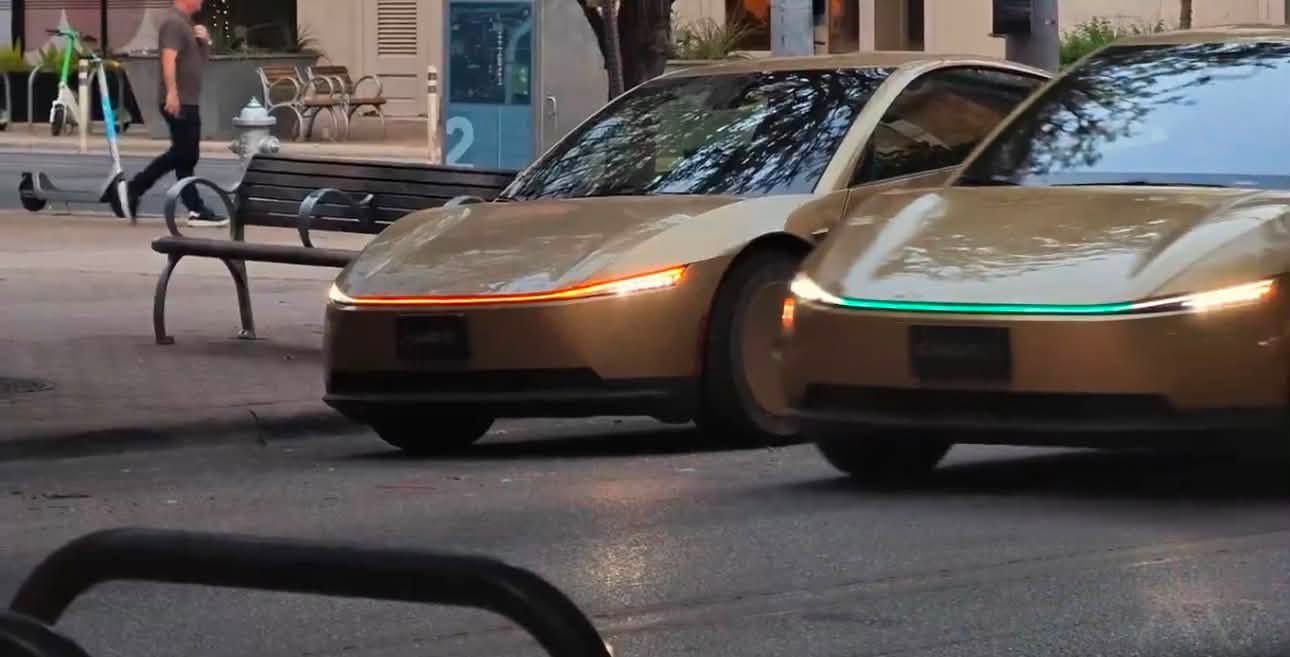
Tesla Cybercab is using a unique strategy for picking up the correct rider, which is a crucial part of ride-hailing to ensure people end up in the right place and are charged the correct price.
Cybercab will utilize an RGB strip in its front light bar that will illuminate in a variety of different colors to mark itself.
This identifying mark will also appear in the Robotaxi app, giving riders in the same location a notable distinction in an effort to avoid any confusion regarding who should get in each vehicle.

🚨 Tesla is using different light bar colors to help riders understand which vehicle is theirs
Pretty cool strategy pic.twitter.com/eGMpEMeRpc
— TESLARATI (@Teslarati) August 27, 2026
Other ride-hailing services use similar strategies: Lyft and Uber rides are recognizable through driver identity, vehicle type and color, as well as license plate. Waymo will display the rider’s initials on top of the vehicle, letting them know that the specific vehicle for them has arrived.
Tesla’s strategy is unique and interesting, but there are some flaws. Cybercab’s main purpose is aimed toward being an autonomous ride for all, including those who have disabilities like being blind or even color blind.
Tesla will likely have something in the pipeline for those who cannot see colors or have limited vision. There will definitely be multiple ways to identify which vehicle is the one that “you” specifically ordered.
Cybercab is set to start giving public rides next Thursday, September 3, in Austin, as it announced a dedicated event last week and invited many members of the Tesla community.
Additionally, members of the public will be invited as well. Tesla has been offering employee rides in Cybercab for nearly two months.

Tesla Theater might be getting plenty more streaming platforms

Tesla Semi’s biggest adoptee gives an update on production timeline


