Elon Musk
Elon Musk confirms awesome new features at Tesla Diner Supercharger
More details continue to be revealed about the Tesla Supercharger Diner as its opening seems to be imminent.

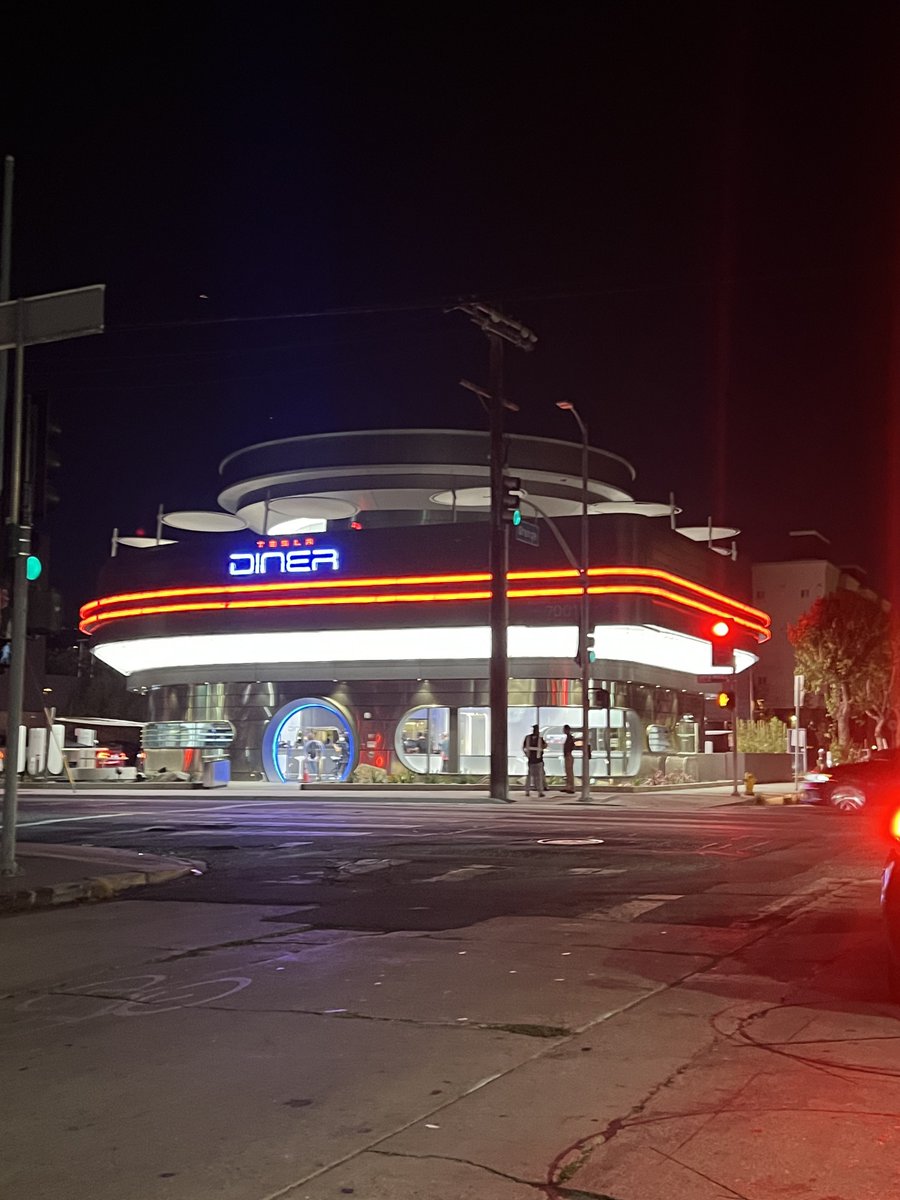
Elon Musk has confirmed a few new features that will be present at the Tesla Diner Supercharger in Los Angeles.
Musk confirmed these two new details as he revealed he recently ate at the Supercharger Diner. We also recently confirmed a few menu items as a soft launch has already occurred, and a public launch date appears to be within reach.
The new features were revealed by Tesla Joy on X. We shared the details, and Musk confirmed that these are, in fact, features of the Diner that Tesla owners will be able to enjoy.
Tesla reveals key detail of Supercharger Diner, but it’s bigger than you think
The Diner is not exclusive to Tesla owners, but these two features do require a Tesla for compatibility purposes.
Order Food from Your Car
As you pull into the Supercharger Diner, you can order any food item you want, including burgers, wings, fries, shakes, cookies, and more, directly from your vehicle.
A prompt will likely appear that will open a menu to the Supercharger Diner, allowing you to order food. An employee will bring the food out, that is, if Tesla decides to continue with a true and traditional 50s diner theme.
We get it, it’s not a groundbreaking feature. It’s still cool, convenient, and another advantage to visit the diner as a Tesla owner.
Movie Screen Audio Will Sync to Your Tesla
There are two massive movie screens that will play various entertainment options during your visit to the Supercharger Diner. There have been movie clips and even SpaceX launch highlights playing during recent drone flyovers at the location on Santa Monica Boulevard.
Instead of having to open your windows to hear the content on the screen, it will instead sync the audio and play directly in your vehicle through your car stereo speakers.
True
— Elon Musk (@elonmusk) July 18, 2025
The Supercharger Diner has also appeared on the Tesla app for the first time, and is currently showing 80 stalls at the location:
🚨 The Tesla Diner is now showing up on the phone app.
80 Superchargers!!! pic.twitter.com/fdN2MzyZCg
— TESLARATI (@Teslarati) July 18, 2025
Although the stalls are not yet active, the culmination of all the details we’ve learned over the past week about the Diner only points to one thing: an imminent grand opening.
Tesla has not yet confirmed a date for the Supercharger Diner’s opening, and Los Angeles building and construction permits also do not state a specific target date for opening.
It seems as if Tesla will reveal the date itself, potentially in the coming week, as it will report earnings on Wednesday, July 23.


Elon Musk
SpaceX turned a heralding moment for Starship into its greatest
Starship reached orbit despite losing an engine, deployed 26 Starlink V3 satellites on Flight 14.

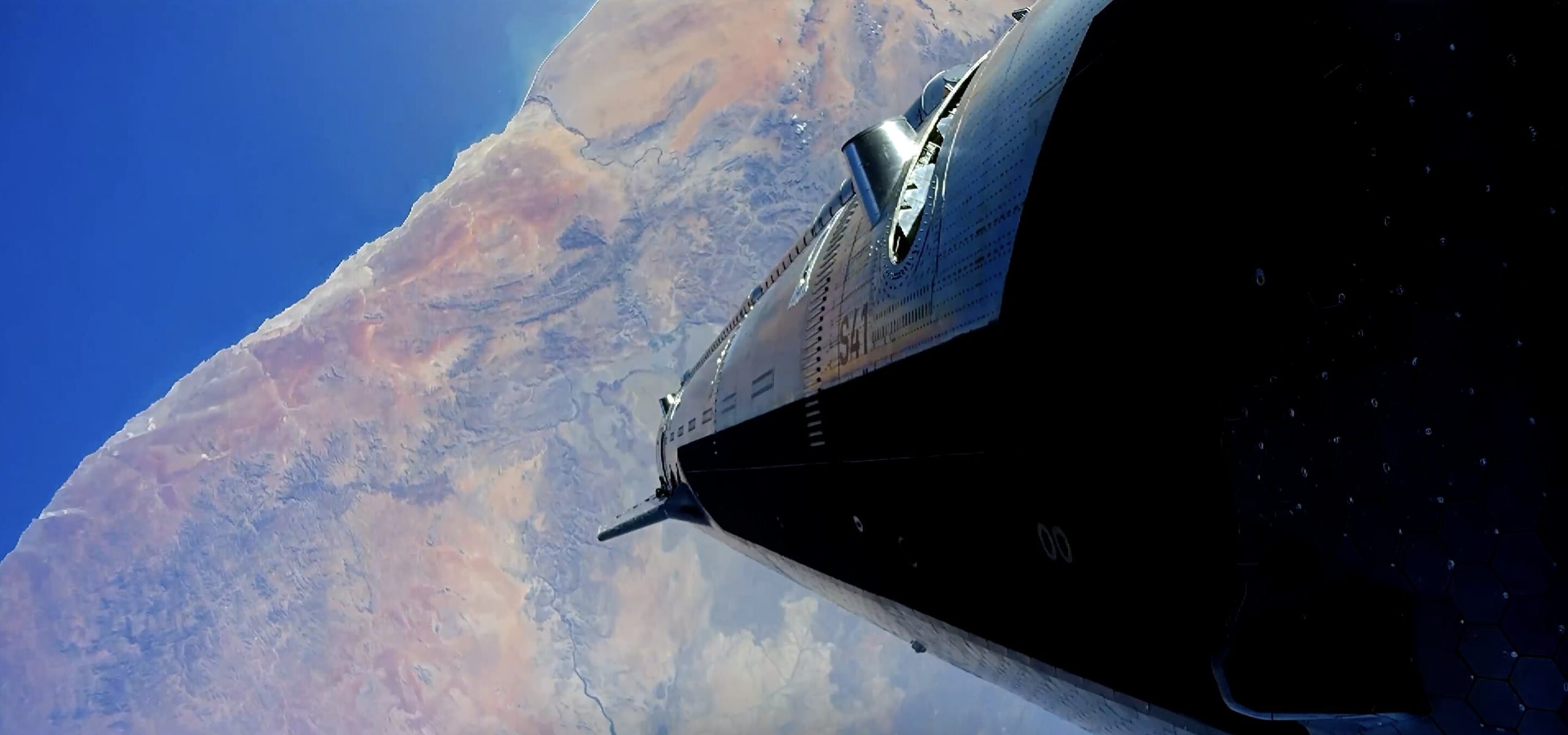
SpaceX’s Starship reached orbit for the first time on Monday, and for a few nail-biting minutes it looked like it wouldn’t. During ascent on Flight 14, one of Ship 41’s six Raptor engines shut down early, and SpaceX’s livestream host Dan Huot told viewers the team had decided not to commit to orbit. Minutes later, after what Huot described as a lot of conversation in the control room, the final poll came back in favor, and a roughly 19 second burn of a single Raptor pushed the ship into orbit about 170 miles up.
The reversal matters because SpaceX had written the exit ramp into the mission plan. The company said it would only fire the orbital insertion burn if flight controllers confirmed enough backup hardware remained for the deorbit burn, a condition Teslarati laid out ahead of the flight. Losing an engine was exactly the scenario that rule was built for.
Pressing forward fits Elon Musk’s history. Falcon 1 failed three straight times before its fourth launch reached orbit in 2008, with SpaceX nearly out of money, and Starship was developed by flying prototypes until they broke. What changed this year SpaceX going public, and with $SPCX sliding below its IPO price in July when Flight 13 slipped, the short interest climbed significantly, as Teslarati reported at the time. A Starship potentially lost today with revenue generating next-gen Starlink satellites aboard would have landed directly on shareholders.
Splashdown confirmed. Congratulations to the entire SpaceX team on the first orbital flight of Starship! pic.twitter.com/urjmiwnvNl
— SpaceX (@SpaceX) September 28, 2026
That pressure showed up after orbit. SpaceX cut a flight planned to last nearly 10 hours to about three, moving splashdown from west of Chile to the North Pacific near Hawaii. SpaceX gave no reason, though Musk said this month the company was being extremely cautious about debris risk. The single Raptor for deorbit worked, and Ship 41 completed its flip and landing burn before breaking apart in the water, an outcome SpaceX expected. Musk has structured SpaceX’s governance to shield long term bets from market pressure.
The payload is the bigger business story. Musk posted that all 26 Starlink V3 satellites deployed and are “operating nominally.” Each V3 is rated for about 1 Tbps of downlink and 160 Gbps of uplink, so this single launch adds roughly 26 Tbps, about 10 times what a Falcon 9 load of V2 Mini satellites adds. The V3 is too large for Falcon 9, making Starship the only vehicle that can build out the planned 100,000 satellite constellation, at up to 60 per flight once it reaches routine service. Unlike the 20 V3 units on Flight 13, which reentered on a suborbital path, these will raise their orbits and could begin serving customers within weeks and bring in hundreds of millions of additional dollars in projected Starlink revenue.
SpaceX has already begun winding down Falcon 9 Starlink launches from Florida in favor of Starship. Reported targets put Flight 15 as early as October 19, leaving about three weeks to diagnose Monday’s engine shutdown before the next orbital attempt.
Starship’s 14th flight is set to launch on Monday, Sept 28. The 75-minute launch window opens at 7:15 a.m. CT. Live coverage of the mission starts ~35 minutes before launch → https://t.co/uQKQvgaTmJ
— SpaceX (@SpaceX) September 27, 2026
Elon Musk
Elon Musk’s AI Grok Bot can now handle banking while your Tesla FSD handles the road
Elon Musk says Grok Bot can manage your finances through linked bank and investment accounts.
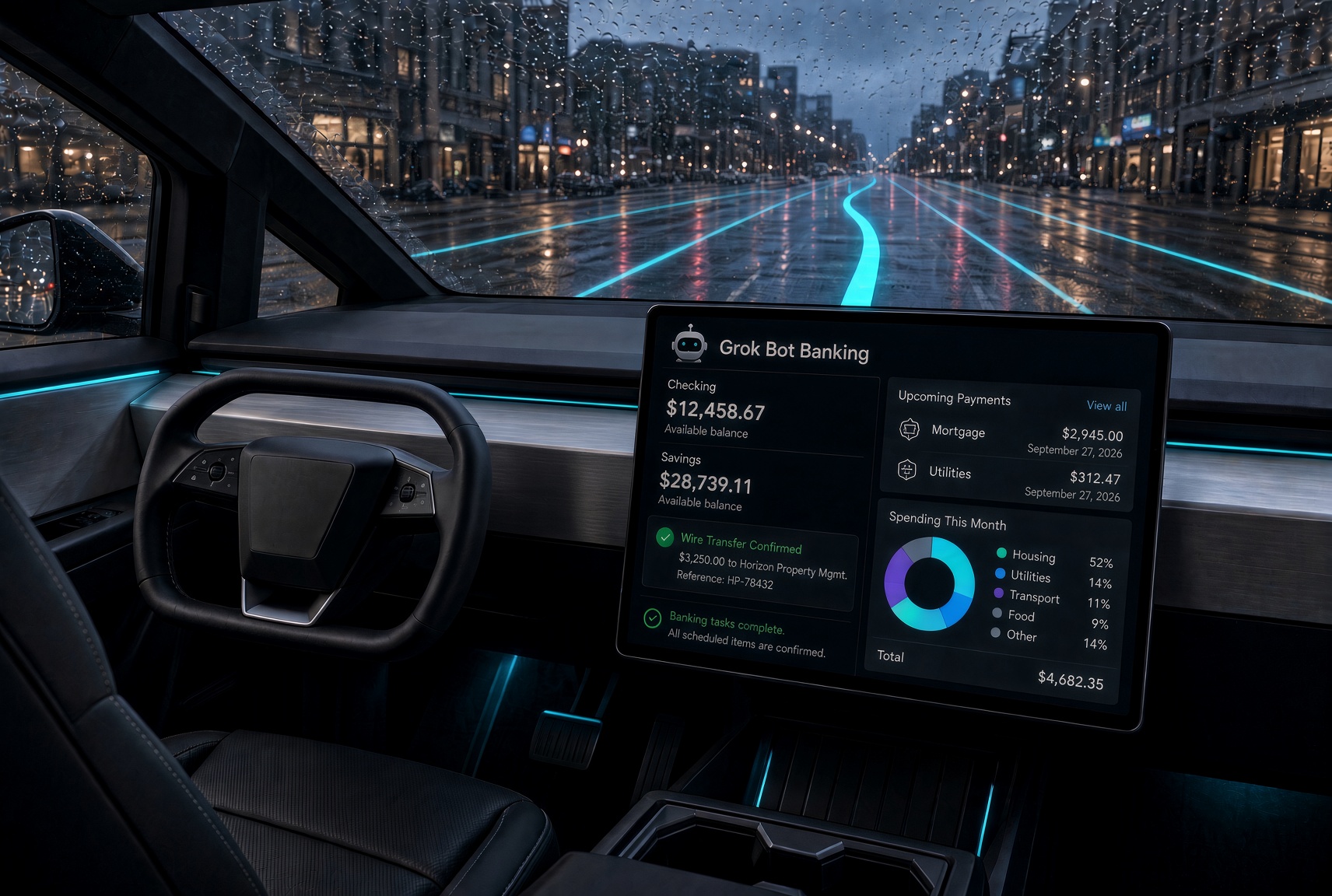
Grok Bot now wants access to your wallet, with SpaceXAI rolling out a new Finance integration for its agent platform that lets users link bank, credit card and investment accounts thereby letting their Bots help manage spending, investments and more. Elon Musk amplified the announcement on X with a short endorsement, “Grok Bot can manage your finances.”
The feature builds on two earlier steps. In early September, Grok gained the ability to answer questions about spending, savings, investments and cash flow using accounts connected through Plaid, starting with users in the U.S. Before that, on August 28, SpaceXAI let Grok Bot buy things online through Link, with users approving every spend request and the Bot receiving a single use card for each payment.
Musk has already shown how far he wants users to push it. In late August, when Tesla investor account Teslaconomics said he was weighing whether to give Grok Bot access to his bank accounts, Musk replied, “Try it out. If Grok Bot messes up, we will make you whole.” That promise goes beyond SpaceXAI’s consumer terms, which make users responsible for what their agents do and generally cap the company’s liability at the greater of fees paid or $100. SpaceXAI’s own documentation recommends requiring approval for purchases and financial transfers.
For Tesla owners, the update lands five days after Tesla brought Grok Bot into its vehicles, letting drivers hand off errands by voice while FSD (Supervised) handles the road. Bot access inside the car is currently limited to SuperGrok Heavy subscribers, though Connectors are open to anyone signed into Grok. With Finance linked, a driver could ask for a spending summary or a check on upcoming bills during the commute.
Grok’s role in the car has grown quickly since Tesla’s Summer Update let it control cabin features by voice. We have been using Grok Bot in our own Tesla for several weeks, and here’s how our latest test went.
Elon Musk
SpaceX just got the green light Starship has waited years for
The FAA has cleared Starship Flight 14, setting up SpaceX’s first orbital attempt on Monday.
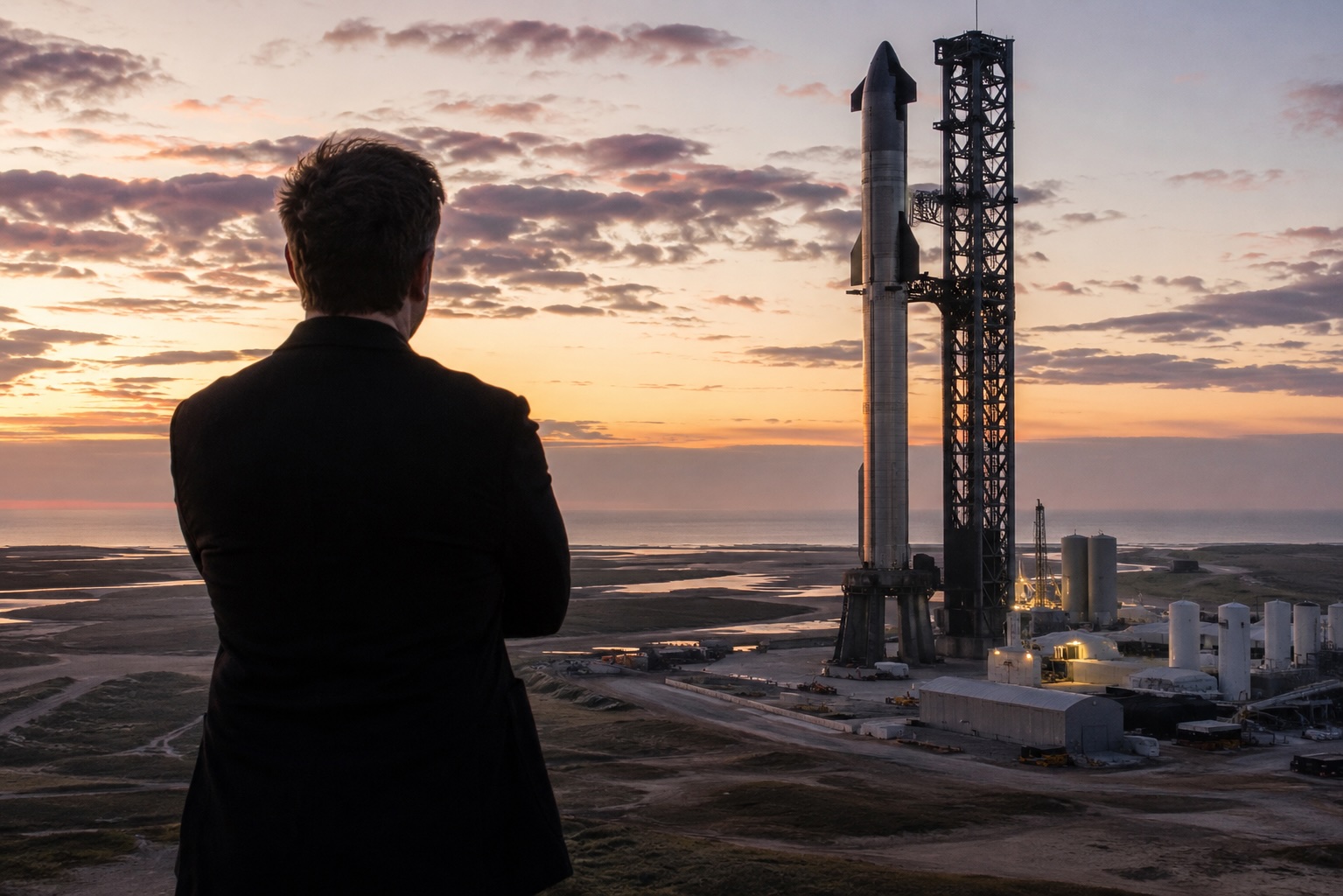
SpaceX has cleared the last regulatory hurdle standing between Starship and its first trip to orbit. The Federal Aviation Administration issued the launch license for Starship Flight 14 late Saturday, keeping the mission on track for liftoff Monday, September 28, from Pad 2 at Starbase, Texas.
The 75 minute launch window opens at 7:15 a.m. Central, and Boca Chica Beach closures are also scheduled for September 29 and 30 as backup dates. This will be Starship’s first revenue generating mission.
The license was the missing piece after SpaceX completed a full wet dress rehearsal with Booster 21 and Ship 41 on September 24. At the time, the company said the flight remained on track pending regulatory approval. Because Flight 14 flies an orbital profile, the FAA had to sign off on a modified license that met its safety, payload and financial responsibility requirements.
Observers combing through the new FAA paperwork also noticed that lightning no longer appears among Starship’s listed launch hazards. If that holds, it matters more for where Starship is headed than for Monday’s attempt. Florida and Louisiana, home to LC-39A and the planned Starbase Louisiana site, see some of the most frequent lightning in the United States.
SpaceX tells the FCC that Starship Flight 14 is going to orbit
Flight 14 is the mission SpaceX has been building toward for months. Ship 41 will carry 26 Starlink V3 satellites, the first operational V3 units to be deployed, and attempt roughly six orbits at about 275 kilometers over a flight lasting just under 10 hours. SpaceX says the ship will only perform its orbital insertion burn after flight controllers confirm enough hardware redundancy remains for the deorbit burn at the end of the mission. Ship 41 is targeting a splashdown in the Pacific west of Chile, while Super Heavy will return to the Gulf of Mexico.
The date carries some symbolism as well. A Monday launch would come 10 years and one day after Elon Musk first presented the Interplanetary Transport System, the design that became Starship, at the International Astronautical Congress in Guadalajara, Mexico.
SpaceX has not announced what comes next, but air traffic planning slides reported this week, list Flight 15 no earlier than October 19 and a first Starship launch from LC-39A in Florida no earlier than October 30. Both dates depend on how Monday goes.

Tesla showrooms picked clean ahead of Q3 end as demand looks strong

Watch Tesla’s “guardian angel” FSD feature take over for collision evasion


