Cybertruck
FIRST LOOK: Tesla Cybertruck police cruiser interior
The LVMPD released a new video of the police cruisers that were donated by billionaires Ben and Felicia Horowitz.

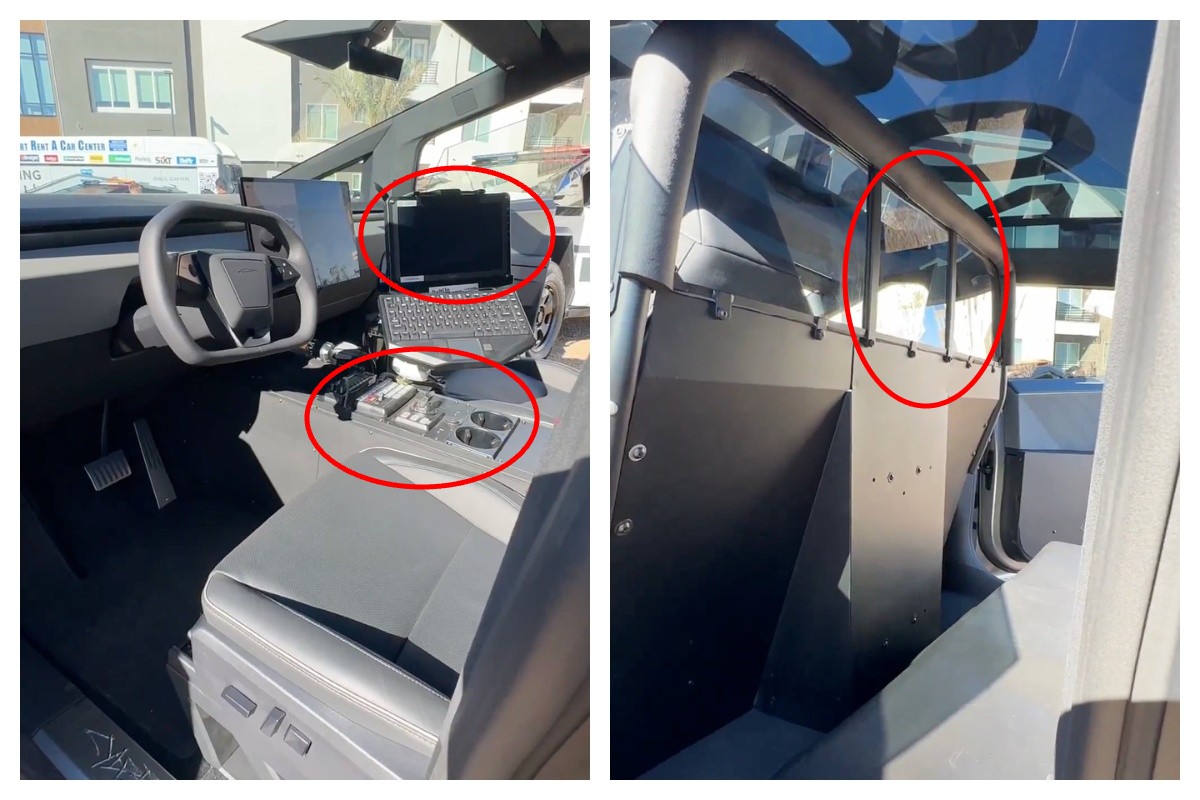
The first look at the Tesla Cybertruck police cruisers for the Las Vegas Metro Police Department has been going around as the city begins to add them to its active fleet.
The LVMPD released a new video of the police cruisers that were donated by billionaires Ben and Felicia Horowitz, showing their design, as well as the first look at the front of the vehicle where police will sit, as well as the back where the criminals will think about their actions.
Tesla Cybertruck police fleet in Las Vegas pic.twitter.com/Z8t2wLMVR3
— TESLARATI (@Teslarati) October 30, 2025
Sheriff Kevin McMahill commented on the addition of the Cybertrucks to the fleet, which includes recognition of their symbolism regarding the mission of the Department itself:
“These represent something bigger than a police vehicle. They represent innovation and our continued commitment to serve this community with the best tools available — safely, efficiently, and responsibly. They can handle everything from Fremont Street to Red Rock Canyon.”
The LVMPD had the Cybertrucks primed for law enforcement use by Upfit Tesla, a division of Unplugged Performance, the unequivocal leader in performance upgrades for Teslas.
The first look at the interior of the police cruisers is awesome to see, especially as it shows the Cybertruck’s ability to cater to every and any application for personal or professional use.
The front of the Cybertruck police vehicle shows an interior fully outfitted for a shift in Las Vegas. A laptop is mounted next to the center touchscreen, and siren and light controls are located in the center for easy access for officers:
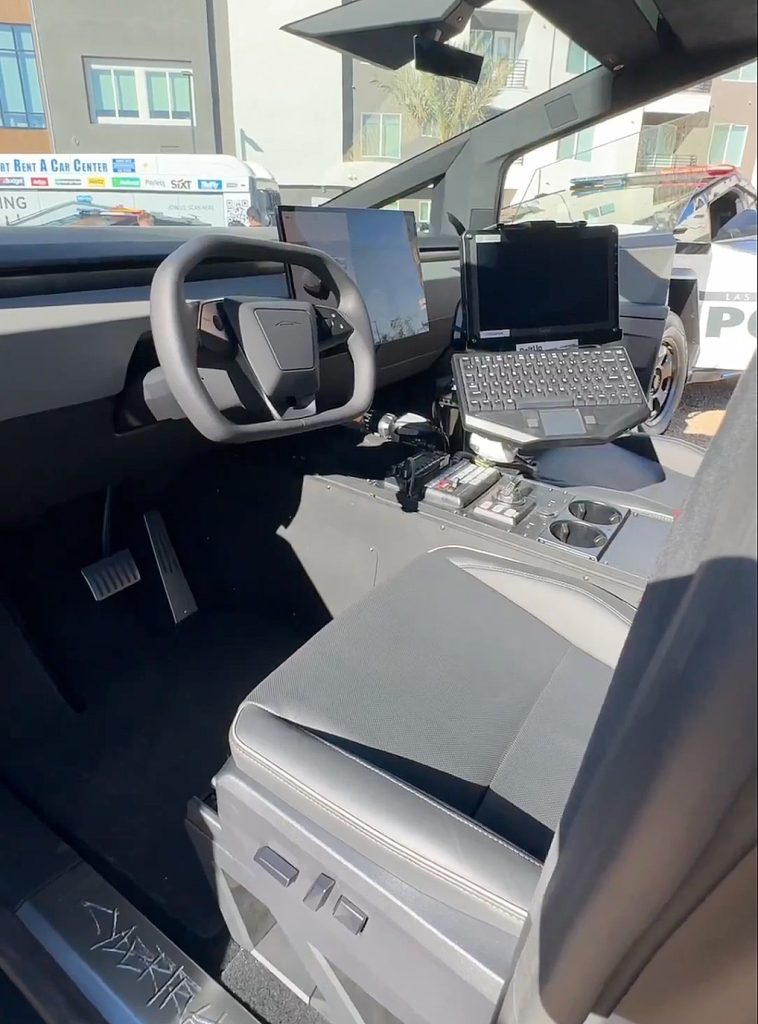
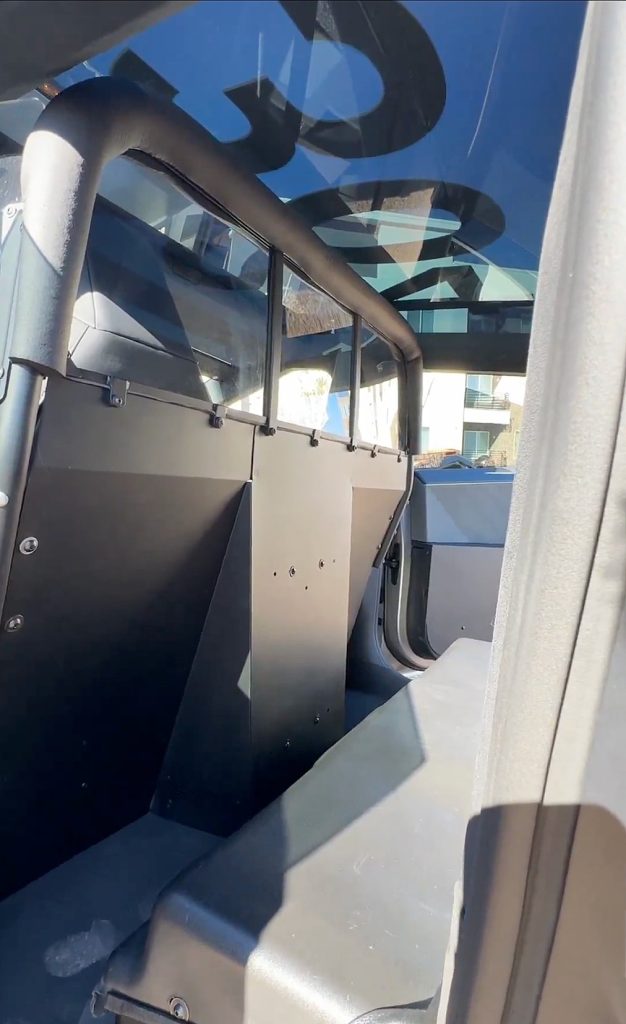
The rear of the cruiser is plain and fitted with plastic seats, typical for the transportation of criminals and suspects, as well as a partition that appears to be made of ballistic glass, helping to protect officers from those they have arrested. It is also reinforced with steel and foam lines the top of the partition:
The fleet was donated shortly after a Cybertruck exploded at the front entrance of Trump Tower in Las Vegas in January. While the person inside lost their life, the Cybertruck’s ability to muffle most of the blast and keep damage relatively limited to the building impressed many.


Yesterday, we reported on Tesla Cybertruck getting some major adjustments from a manufacturing standpoint in an effort to make the all-electric pickup more cost-effective, more reliable, more serviceable, and more easily produced.
Tesla Cybertruck engineer reveals new changes in ‘constantly evolving’ pickup
One of those changes was the addition of a self-reinforcing polypropylene aero shield that sits underneath the truck. Previously, Tesla utilized aluminum for this, but the self-reinforcing polypropylene was more durable while also being cheaper and lighter.
Tesla has revealed another small change it made to the Cybertruck, and it has to do with the side repeater cameras.
Tesla does not wait for a new model year to improve its vehicles. On September 8, Cybertruck lead engineer Wes Morrill posted side-by-side photos of an updated side repeater camera housing now rolling off the line at Gigafactory Texas.
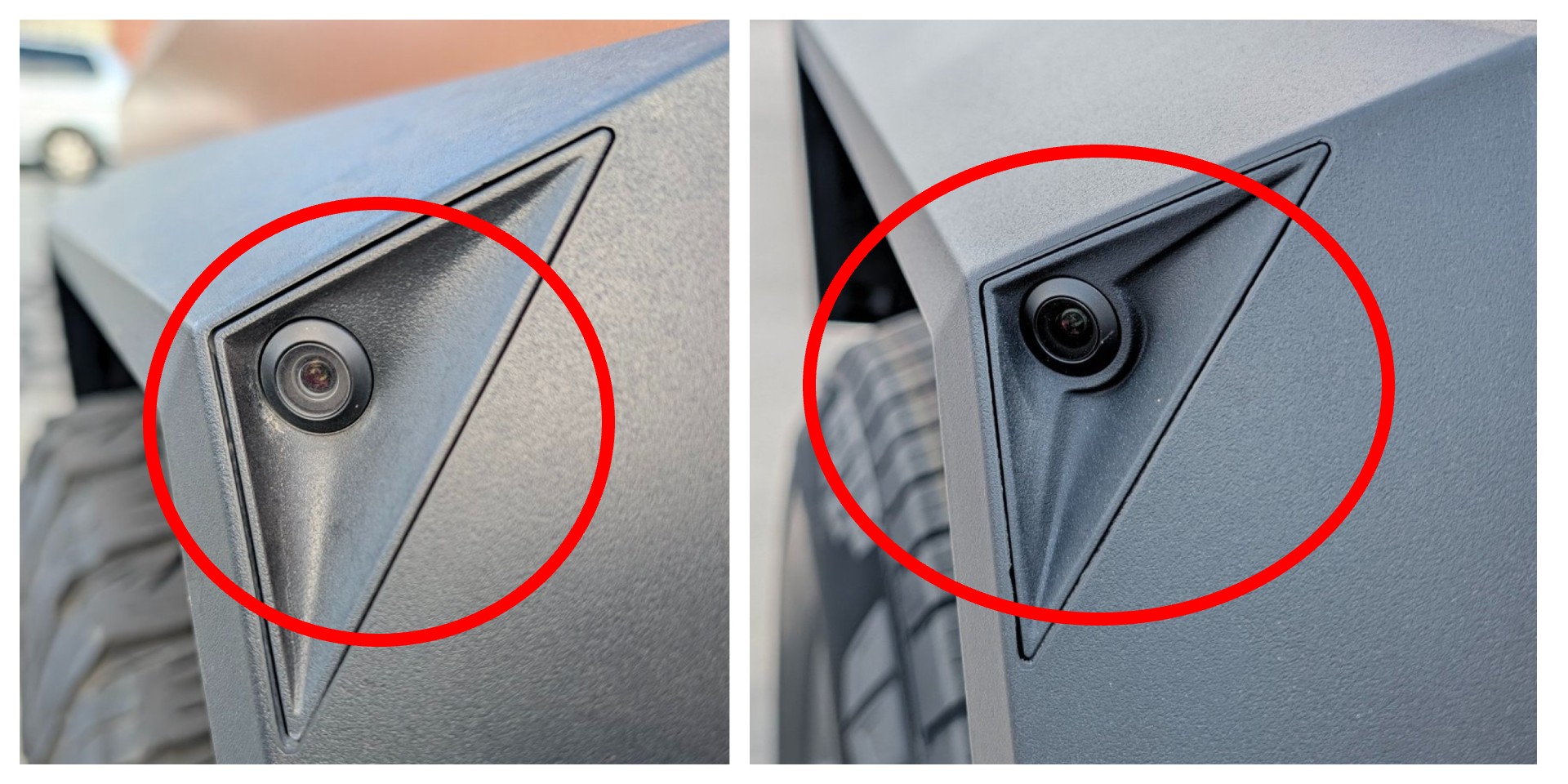
The triangular camera pod mounted on the front fender looks almost identical at first glance. A closer look reveals a revised contour that uses the air already flowing around the truck to keep the lens clearer in rain and road spray.
The side repeater camera was updated – the version on the left is the newer part which uses passive geometry to create airflow disturbance that better keep water off the lens while driving. No cost penalty, just pure vision improvement. pic.twitter.com/wAbXtcL1Jf
— Wes (@wmorrill3) September 8, 2026
The side repeater cameras sit in an exposed position on the Cybertruck’s angular stainless-steel body.
In wet weather, they readily collect water droplets that can degrade the image Autopilot and Full Self-Driving use for lane changes and blind-spot monitoring. Early production trucks sometimes left owners wiping lenses by hand or accepting temporary restrictions on driver-assistance features.
Tesla has added washers to cameras on certain other models and on Cybercab prototypes, but those active systems add cost, complexity, and extra potential leak points.
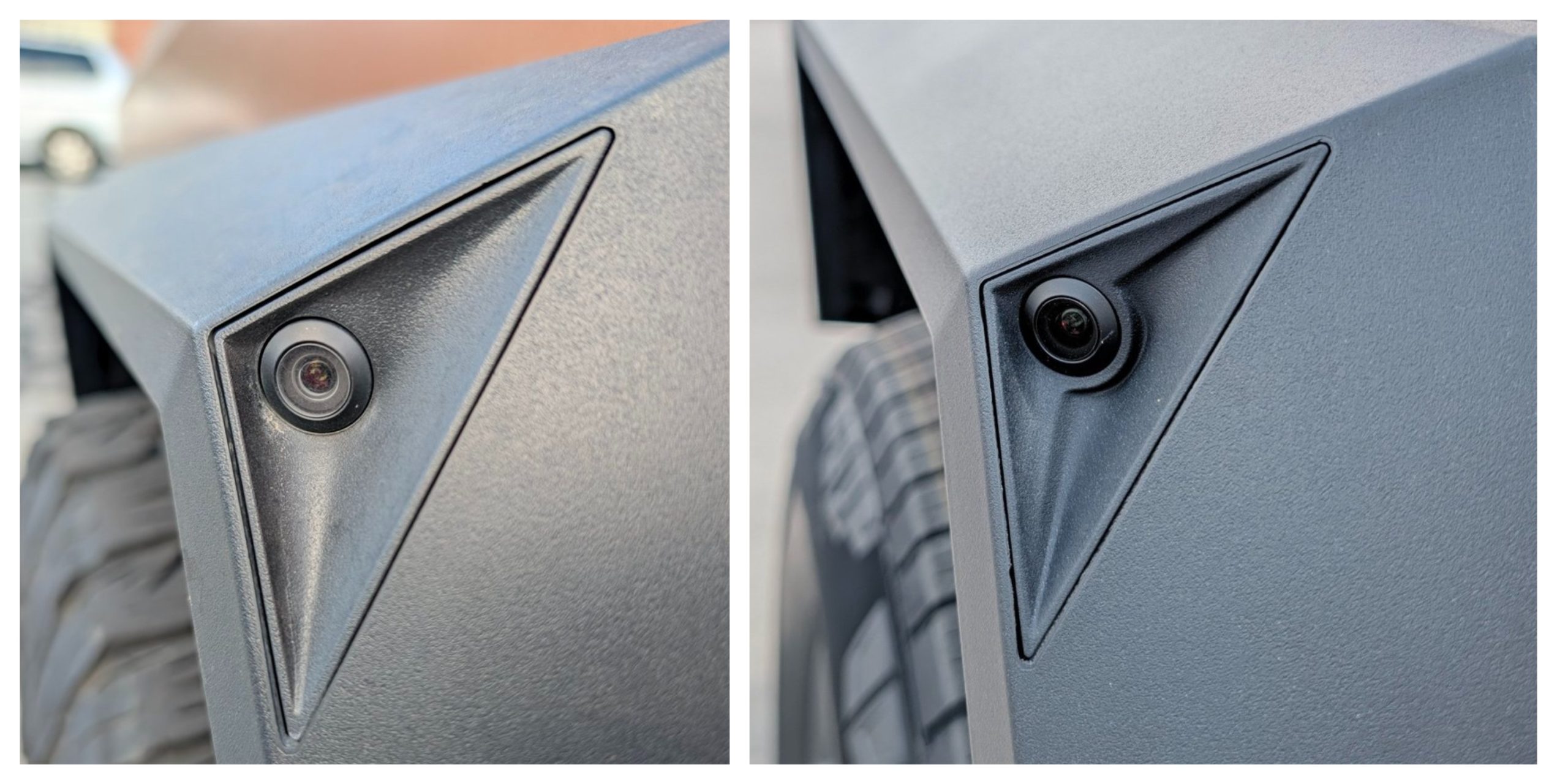
The new housing solves the problem with passive geometry. Subtle changes in the surround create localized airflow disturbances as the vehicle moves. Those eddies physically push water droplets away from the optical surface. Morrill called the result “pure vision improvement” achieved at “no cost penalty.” Once the production mold is updated, every subsequent part costs the same as the original.
The advantages compound quickly. Clearer cameras in rain improve the reliability of driver-assistance features precisely when they are needed most. The design consumes no extra energy and introduces no new failure modes.
New Cybertrucks built after the tooling changeover receive the updated part automatically. Some owners of trucks delivered as late as June 2026 have already confirmed they received the revised housing. Retrofit questions have appeared in replies, and the cameras appear electrically compatible, though Tesla has not announced an official service program.
A few millimeters of reshaped housing will not make headlines the way a new battery pack does, but these changes are incremental and increase the Cybertruck’s effectiveness as a vehicle over time.
This improvement illustrates how Tesla continues to refine the Cybertruck after volume production began. Better wet-weather vision, zero added cost, and no extra hardware add up to a meaningful gain in everyday usability and safety.
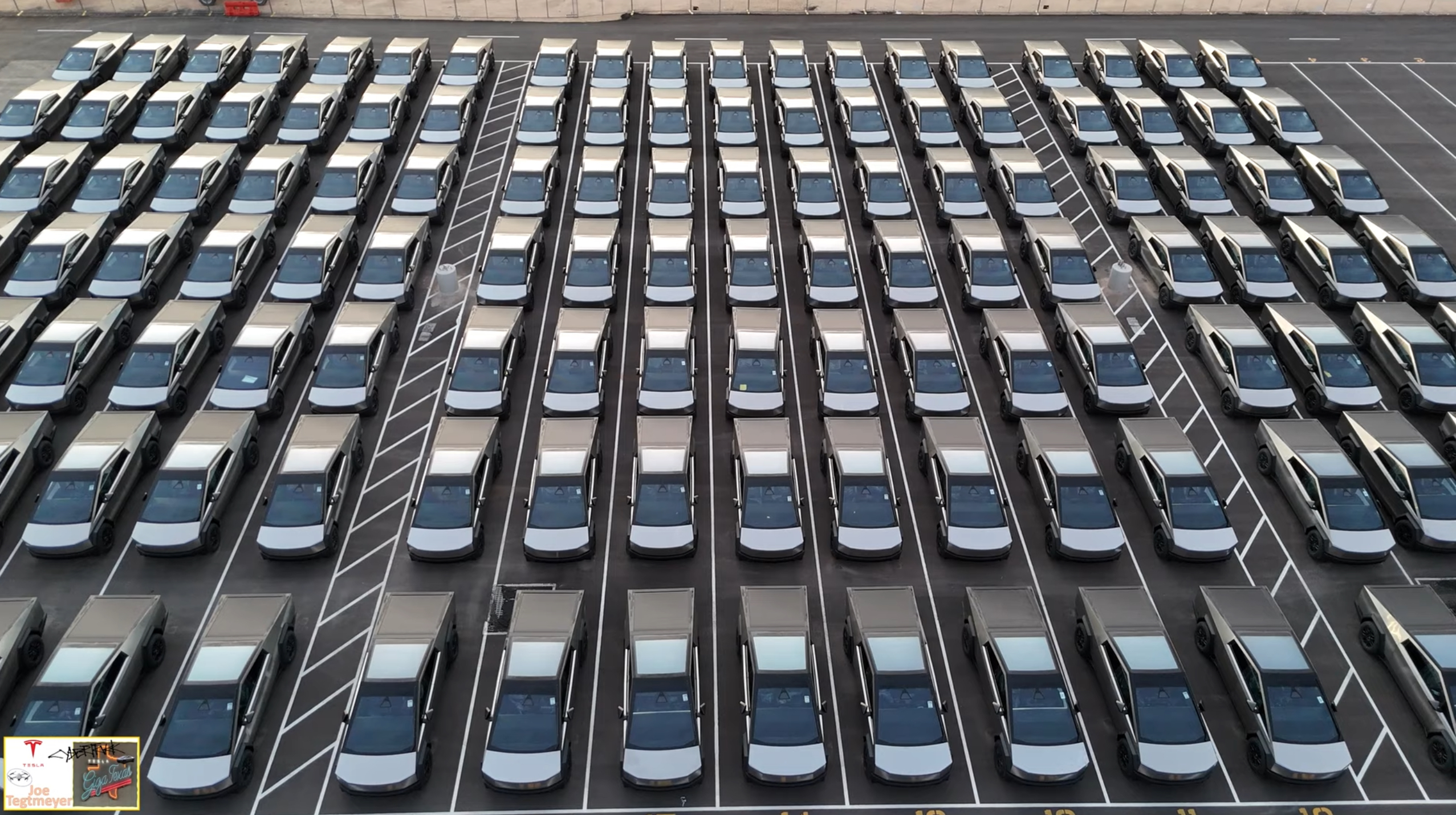
Tesla Cybertruck Lead Engineer Wes Morrill revealed the company has made several changes to the all-electric pickup, which he calls a “living thing, constantly evolving and improving.”
Cybertruck is manufactured at Tesla’s Gigafactory Texas just outside of Austin, and over the past few years, Tesla has continued to make small changes to the pickup to improve everything from cost, reliability, serviceablility, and manufacturability.
“The finish line isn’t getting to production. A product is a living thing, constantly evolving and improving,” Morrill added.
RELATED:
Tesla Cybertruck AWD is a steal at $60k, is it still at $75k? Full Review
Some of those changes are yet to be revealed, but perhaps the most notable one was the change Tesla made to the aero shield that sits underneath the truck. In the past, it was aluminum, but now the Cybertruck is using a self-reinforcing polypropylene.
Morrill said that the polypropylene is “stretched into fibers and then laminated into the form,” and is much more durable, much lighter, and significantly cheaper than aluminum when it is manufactured this way.
It also enabled some improvements in the geometry of the Cybertruck, improving the manufacturing around the bolts and edges, in addition to minor form changes. These all benefitted the Cybertruck in more ways than one: specifically with durability and improved drag.
I was surprised by how interested people were to find out we made a relatively benign change to the Cybertruck aero shield, a part of the car most people never even see. So I’ll share some more details.
Here are two photos, the left is one of the latest trucks off the… pic.twitter.com/F5cZo2CZKf
— Wes (@wmorrill3) September 7, 2026
Typically, Teslas are not necessarily identified by model year because these changes are fluid and occur when the company sees fit to implement them. It is not like other automotive companies, which usually make sweeping manufacturing changes when building a new model year.
Instead, Teslas are recognized by their “generation” or “era.” For example, those with a newer Model Y might refer to their car as a “Juniper.” This is the same with Model 3, as many refer to the new body style as the “Highland.”
Tesla’s manufacturing changes are proof of the company’s constant need to improve its products and move things forward with its vehicles. There is no need to drag one’s feet and wait until next year if the product can be made better right now, and that’s precisely what Tesla did with the Cybertruck.
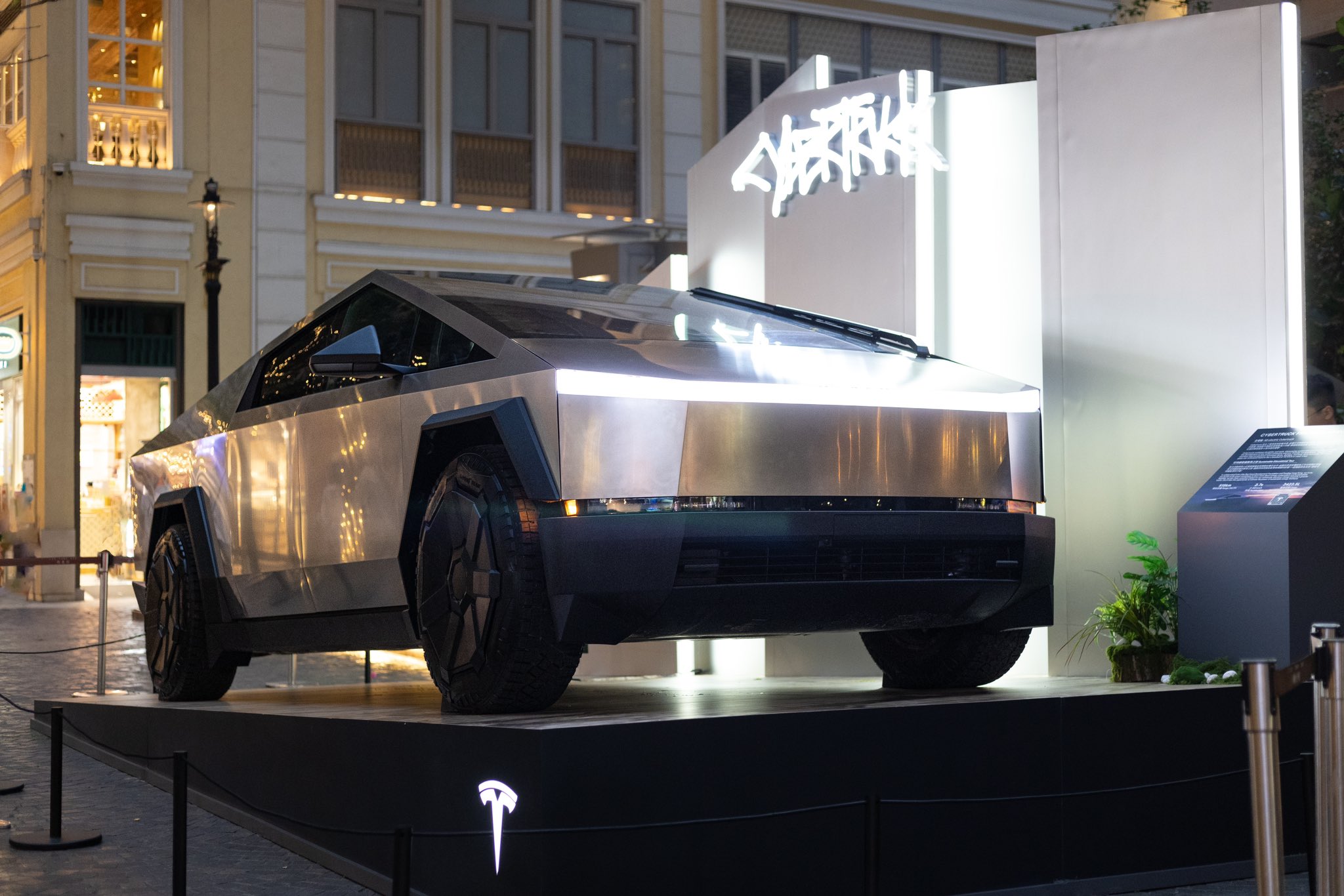
Tesla is lowering the monthly price of its Cybertruck Windshield Protection Plan from $35 to $25. The new rate will apply to the first payment on or after October 1, 2026. Tesla has told subscribers that all other benefits stay the same.
The plan covers unlimited repairs for chips and minor cracks on the front windshield. It also includes one full replacement every 12 months at no extra charge. Additional replacements in the same year carry a $100 deductible. Service is performed with Tesla glass and camera calibration, which matters because Autopilot and Full Self-Driving rely on those lenses behind the windshield.
Looks like Tesla is decreasing the Cybertruck windshield protection plan price from $35 to $25
Awesome https://t.co/MRlTU1XTbf pic.twitter.com/PWkMZt1H7G
— TESLARATI (@Teslarati) August 28, 2026
There is no long-term contract. Coverage applies only to the front glass and does not include collision, vandalism, or weather damage.
The Cybertruck’s large, complex windshield has been more expensive to replace than glass on Tesla’s cars, which is why the pickup started at a higher subscription price. The $10 monthly cut reduces the annual cost from $420 to $300. Tesla has not publicly explained the change. The timing coincides with a year of claims data after the plan was extended to the Cybertruck.
Tesla sells several related protection products as monthly subscriptions through the Tesla app. The Windshield Protection Plan is also offered on other models. Model 3 and Model Y currently cost $16 a month. Those passenger-car rates are unchanged in the latest Cybertruck notice.
The Wheel and Tire Protection Plan covers road-hazard damage such as potholes, nails, and debris. Repairs are unlimited. Each wheel or tire replacement appointment has a $25 deductible. Pricing varies by model and whether the vehicle is a Performance version. Tesla is raising some of those rates on the same October 1 date.
Reported examples include Model 3 Performance moving from $16 to $24 and Model Y Performance from $20 to $24. Cybertruck wheel-and-tire coverage has been listed at $20 a month for the standard configuration.
A separate Luxe Package bundles four years of windshield coverage, wheel-and-tire coverage, and recommended maintenance on certain new Model S, Model X, and Cyberbeast orders, although the Model S and X are now defunct.
Tesla also offers an Extended Service Agreement after the basic vehicle warranty ends. That product covers many Tesla-manufactured parts rather than glass or tires. Together, the plans give owners a menu of targeted, cancel-anytime coverage instead of relying only on auto insurance.

Tesla’s two defunct flagship models are getting a big upgrade

This tiny Tesla Cybertruck adjustment has big advantages


