Elon Musk
Elon Musk predicts AI and robotics could make work “optional” within 20 years
Speaking on entrepreneur Nikhil Kamath’s podcast, Musk predicted that machines will soon handle most forms of labor, leaving humans to work only if they choose to.

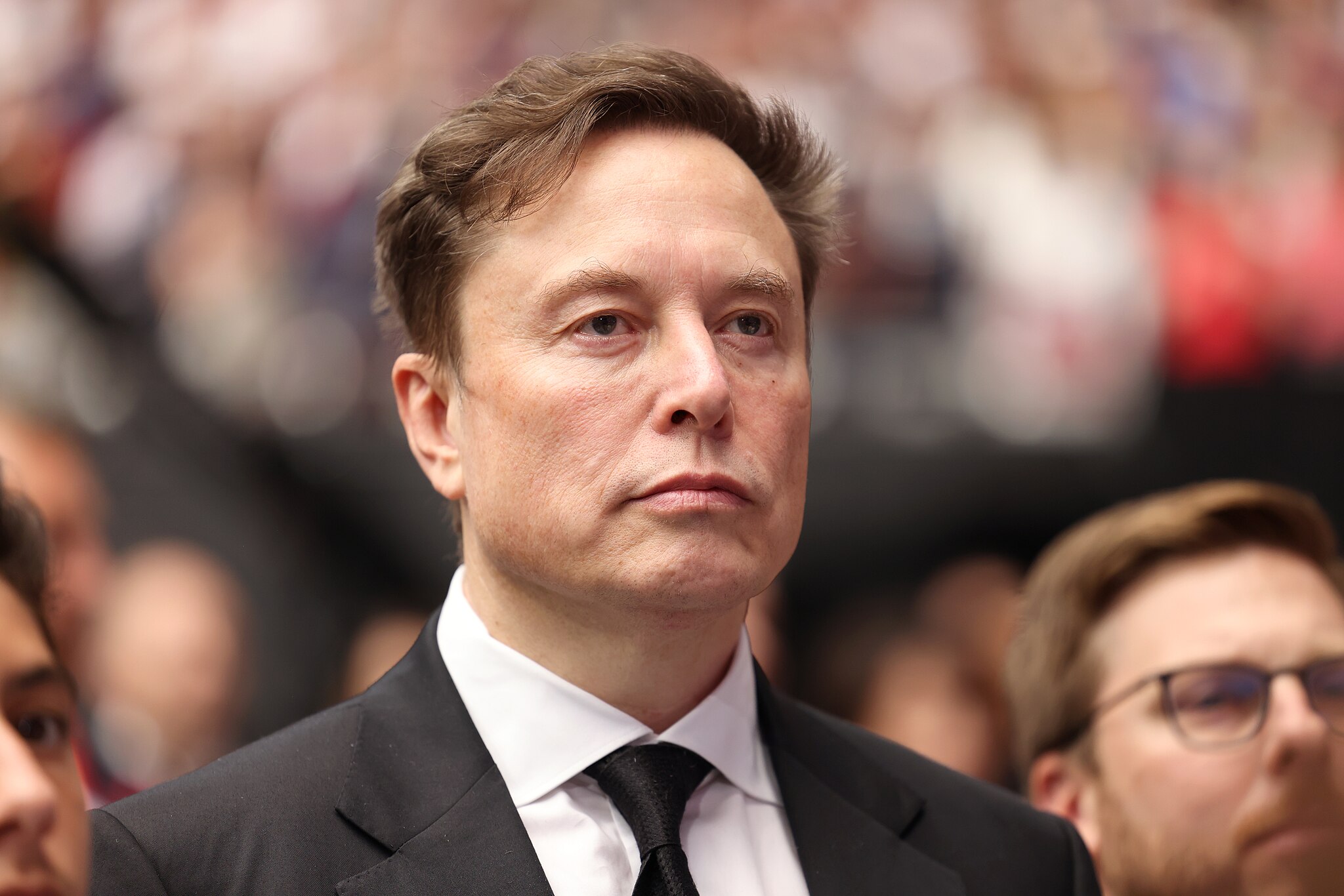
Elon Musk stated that rapid advances in artificial intelligence and robotics could make traditional work unnecessary within two decades.
Speaking on entrepreneur Nikhil Kamath’s podcast, Musk predicted that machines will soon handle most forms of labor, leaving humans to work only if they choose to.
Work as a “hobby”
During the discussion, Musk said the accelerating capability of AI systems and general-purpose robots will eventually cover all essential tasks, making human labor a choice rather than an economic requirement. “In less than 20 years, working will be optional. Working at all will be optional. Like a hobby,” Musk said.
When Kamath asked whether this future is driven by massive productivity growth, Musk agreed, noting that people will still be free to work if they enjoy the routine or the challenge. He compared future employment to home gardening, as it is something people can still do for personal satisfaction even if buying food from a store is far easier.
“Optional” work in the future
Elon Musk acknowledged the boldness of his claim and joked that people might look back in 20 years and say he was wrong. That being said, the CEO noted that such a scenario could even happen sooner than his prediction, at least if one were to consider the pace of the advancements in AI and robotics.
“Obviously people can play this back in 20 years and say, ‘Look, Elon made this ridiculous prediction and it’s not true,’ but I think it will turn out to be true, that in less than 20 years, maybe even as little as ten or 15 years, the advancements in AI and robotics will bring us to the point where working is optional,” Musk said.
Elon Musk’s comments echo his previous sentiments at Tesla’s 2025 Annual Shareholder Meeting, where he noted that Optimus could ultimately eliminate poverty. He also noted that robots like Optimus could eventually provide people worldwide with the best medical care.




Elon Musk has acknowledged that early discussions with Taiwan Semiconductor Manufacturing Company (TSMC) could bring the company into his ambitious Terafab semiconductor project, signaling a possible partnership with the world’s leading contract chipmaker.
Musk confirmed that early talks are underway, but as of right now, they are “just discussions.” There is no confirmation of a deal nor dismissal of the possibility of one, leaving open the prospect of one of the largest advanced-chip collaborations under discussion in the U.S.
@wholemars Just discussions, but something may come of it
— Elon Musk (@elonmusk) October 3, 2026
The report that speculated on potential discussions between Terafab and TSMC comes from Tim Culpan, who outlined a few ways the collaboration could operate. One is TSMC using the project as an “anchor customer” for future facilities in Texas, potentially contributing process expertise, operational know-how, or capacity while Terafab provides capital, long-term purchase commitments, or both.
Tesla and SpaceX jointly developed the Terafab project, with Intel already participating on the tech side. Elon Musk announced the project in March, and it intends to produce more than one terawatt of AI compute capacity annually once fully built.
Company statements place the first phase at approximately $16.8 billion in cost, with later filings pointing to a total that could reach well into the tens of billions across multiple stages.
Intel joined the effort in April 2026 and is expected to supply its 14A manufacturing process for the full-scale plant.
Musk has said existing suppliers, including Samsung and TSMC, remain important for near-term needs; Tesla already has production arrangements with Samsung for AI5 and AI6 chips, but that future demand from Optimus robots, Cybercab vehicles, and planned space-based data centers will eventually exceed what the global industry can currently deliver.
Terafab is positioned as the long-term answer to that projected shortfall, and Tesla did something similar during COVID to avoid a chip shortage. This is just a much larger-scale solution.
If the partnership were to materialize, it would add TSMC’s industry-leading strategies to a project that already combines Tesla’s and SpaceX’s capital and offtake with Intel’s process technology. For now, the only public confirmation is Musk’s brief acknowledgement that conversations are occurring.
Elon Musk
Elon Musk follows Trump’s lead, says a SpaceX name change is coming
Elon Musk says SpaceXAI will become SpaceXSI, marking its second rebrand in under three months.

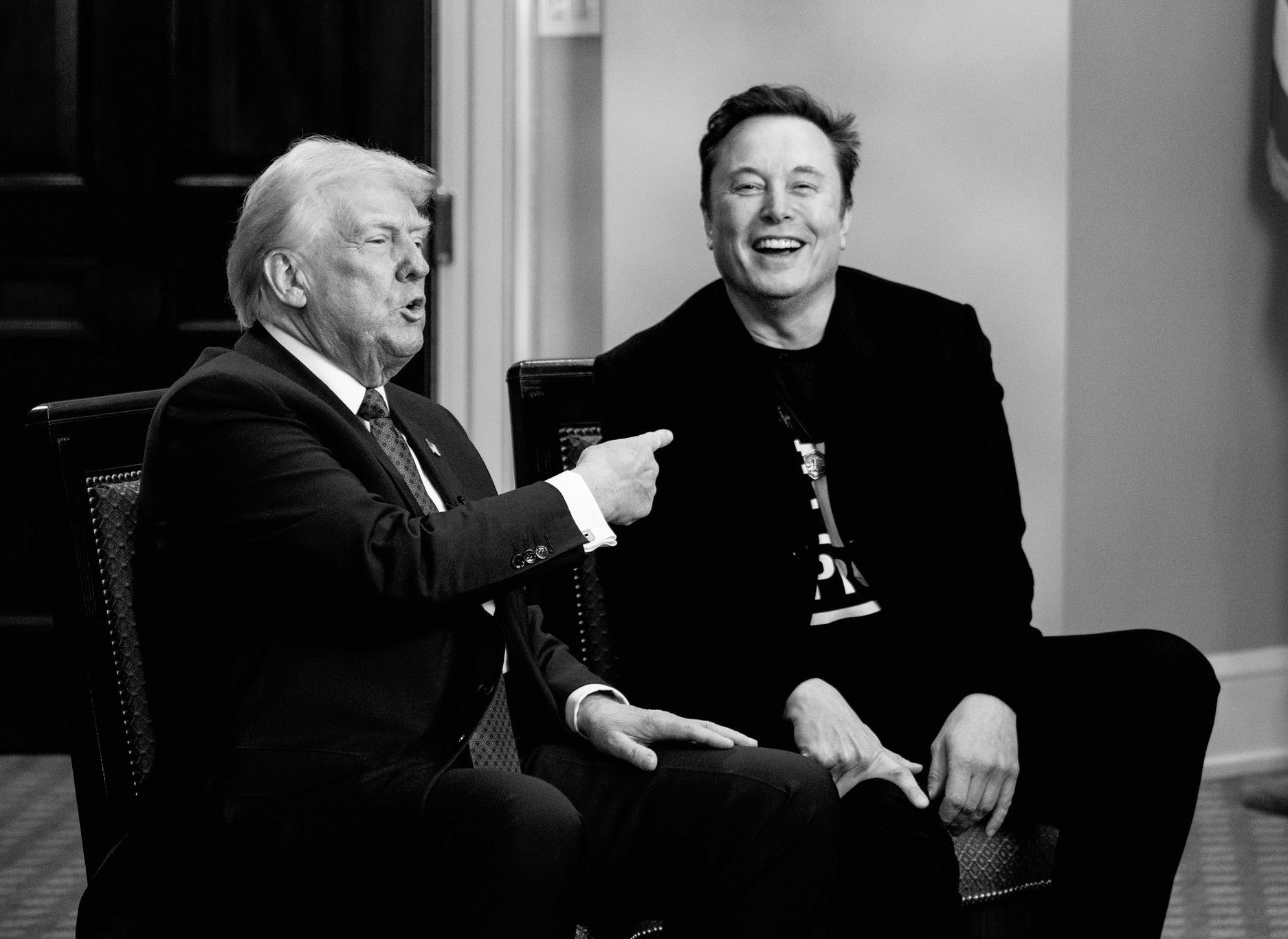
Elon Musk wants to rename his artificial intelligence company again, less than three months after its last rebrand.
In a string of posts on X early Sunday morning, Musk wrote “No more AI,” followed by “SI” and “It’s better.” He then added, “SpaceX is a super intelligence company.” When a user asked whether SpaceXAI could become SpaceXSI, Musk replied, “Yes, we will make that change.”
The posts extend a terminology push that began at the White House last week. On September 29, President Donald Trump signed an executive order directing federal agencies to replace “artificial intelligence” and “AI” with “Super Intelligence” and “SI” on government websites, policy documents and press releases. The same day, Musk sat beside Trump as the heads of the largest AI companies signed a voluntary safety accord, as Teslarati reported. Speaking to reporters afterward, Musk caught himself mid sentence: “I think it is worth highlighting the positive benefits of A.I. … S.I., pardon me.”
Elon Musk and Trump are closer than ever, and Tesla could be the big winner
SpaceXSI would be the third name for the business since February. SpaceX acquired xAI on February 2 in a deal that valued the combined company at $1.25 trillion. In May, Musk said xAI would be dissolved as a separate company, and on July 6 the division adopted the SpaceXAI name and a new logo that placed the xAI letters inside the SpaceX identity.
Musk gave no timeline. He did not say whether SpaceXSI would be a legal name change or a branding update, whether the @SpaceXAI handle on X would change, or how the shift would apply to products like Grok. The company had not issued a formal announcement as of Sunday morning.
The change would reach well beyond a chatbot. SpaceXAI now houses Grok, the X platform, the Colossus training clusters in Memphis and the coding tool Cursor, which SpaceX acquired in August. It also runs the orbital compute effort SpaceX is building around Nvidia hardware, which Musk said during the company’s first earnings call would be exclusive to Nvidia.
It’s unclear if rivals like Anthropic, OpenAI, Google, Meta and Nvidia have plans to also rename their companies or products. OpenAI CEO Sam Altman has continued to say “AI” in public, while Nvidia CEO Jensen Huang has gone partway, describing data centers as “super intelligence factories.”
The rename would also line up SpaceX’s AI branding with the federal government’s language as Musk takes on a new advisory role at the Pentagon, where he is helping lead the Project Meridian study on the future of warfare.
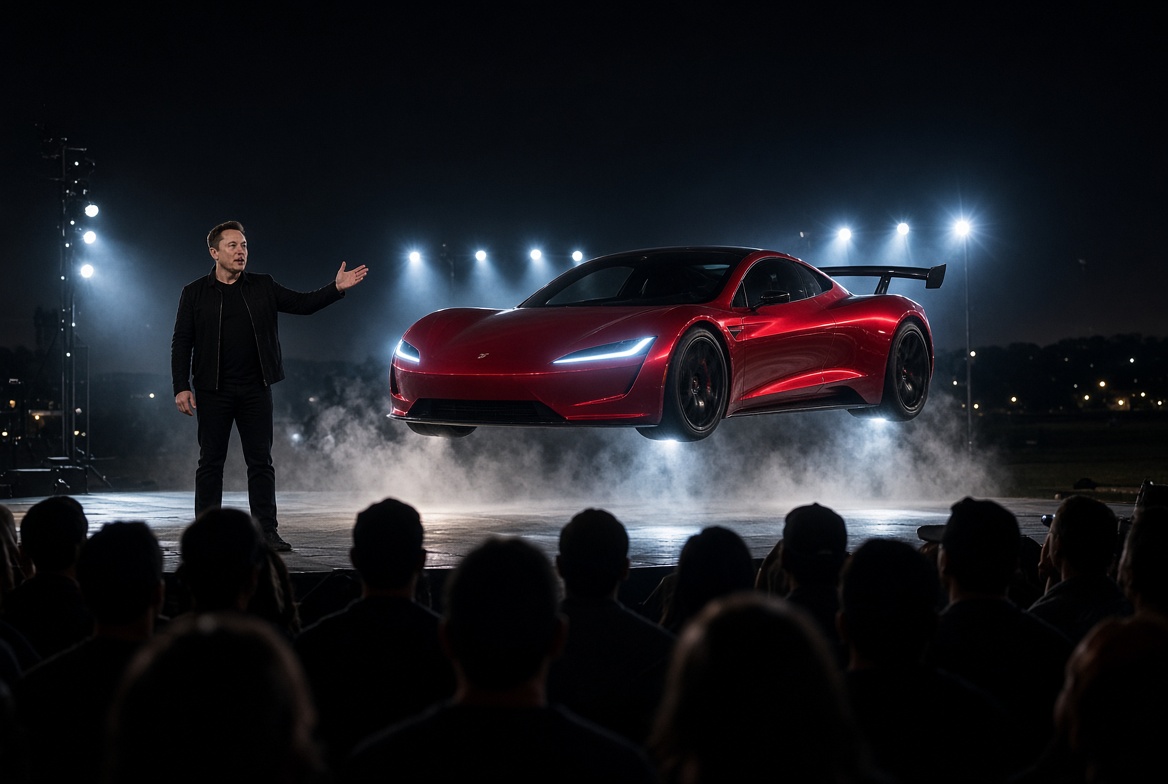
Tesla announced on Monday that the Roadster event scheduled for today would be postponed due to the need for it to be held outside.
Less than 24 hours later, CEO Elon Musk broadened that by stating it was due to high winds, immediately sending everyone into a frenzy over the Roadster’s potential ability to fly.
And realistically, it could definitely have to do with it flying, hovering, or hopping; whatever Tesla has in mind for this demonstration could not be impacted by wind. However, it might have nothing to do with the vehicle flying whatsoever, and instead could be a simple precaution, as the Roadster is a very unique vehicle with some already official specs that are just mind-blowing.
Tesla will very, very likely be showcasing both the acceleration rate and potentially even a top speed demo at the event in Waco. Both of these demonstrations, performed with a vehicle that has such incredibly fast metrics, could easily be impacted by wind as well.
Tesla Roadster event requires restricted airspace, and the FAA obliges
Top Speed Demo
At high speeds, aerodynamic forces are already overwhelmingly present. A crosswind or sudden gust adds a layer of sideways force that the tires must counter with slip angle. On a short demo course, that force can shove the car off the intended line, especially in a light car with a low frontal area and little mass to resist the push.
Electric cars, due to their battery packs, have an advantage of an extremely low center of gravity, giving them extra stability. However, the speeds at which the Roadster could travel at the demo could spell some issues if crosswinds are present.
Gusts are worse than a steady wind because the load changes faster than a driver can smoothly correct. That shows up as weaving or a late correction. Headwinds and tailwinds can also spell disaster. Headwinds cut a measured top speed but raise the power needed to get there or maintain it. Meanwhile, a tailwind can inflate the top speed, and downforce issues could become more noticeable.
Wind also loads the body unevenly. A low car can feel light on the upwind side or see a sudden change in downforce if the gust hits a wing or diffuser at an angle. Tire temperature and pressure might stay near a normal level, but lateral grip can be lost as the vehicle is spent fighting the wind.
Acceleration Demo
Launch and 0-60 MPH runs are shorter, so the car spends less time exposed to forces that could cause things to go awry. However, the first second is very sensitive, as a crosswind at launch could yaw the car before speed builds and prior to aerodynamic impact being too great. The driver will be required to correct traction control or manage how much the wheels are spinning, which will likely be corrected automatically by some sort of traction control system within the Roadster (we are fairly certain Tesla will implement something brilliant with it).
These things could cause an unstable run.
A headwind would increase drag as speed rises, while a tailwind would do the opposite. Meanwhile, surface effects, like wind-driven dust, light debris, or even rain, could reduce grip at the exact moment the tires are asked for peak longitudinal force. Standing water plus a crosswind is a common reason an acceleration attempt might be scrapped.
Flying or Not
No matter what Tesla has in store for the Roadster, waiting for ideal conditions is a great idea. People who follow and support the company, along with the engineers involved in the Roadster program, have been waiting nine years since the last unveiling for this moment. Everything should be ideal.
Some speculate that it’s just not ready, and that’s ridiculous. Why would Tesla even schedule the event — albeit prematurely — after nine years if it was not ready? Why would they jump the gun now?
We were all excited for today, but it truly is the most ideal thing in the world to wait two more weeks so everything, including the weather, can be perfect. The delay is simply worth it. But Tesla, seriously, make this the last one.

SpaceX just locked up a NASA record no other U.S. spacecraft can touch

Elon Musk teases TSMC as potential Terafab partner


