Elon Musk
Tesla Korea hiring AI Chip Engineers amid push for high-volume AI chips
Tesla Korea stated that it is seeking “talented individuals to join in developing the world’s highest-level mass-produced AI chips.”

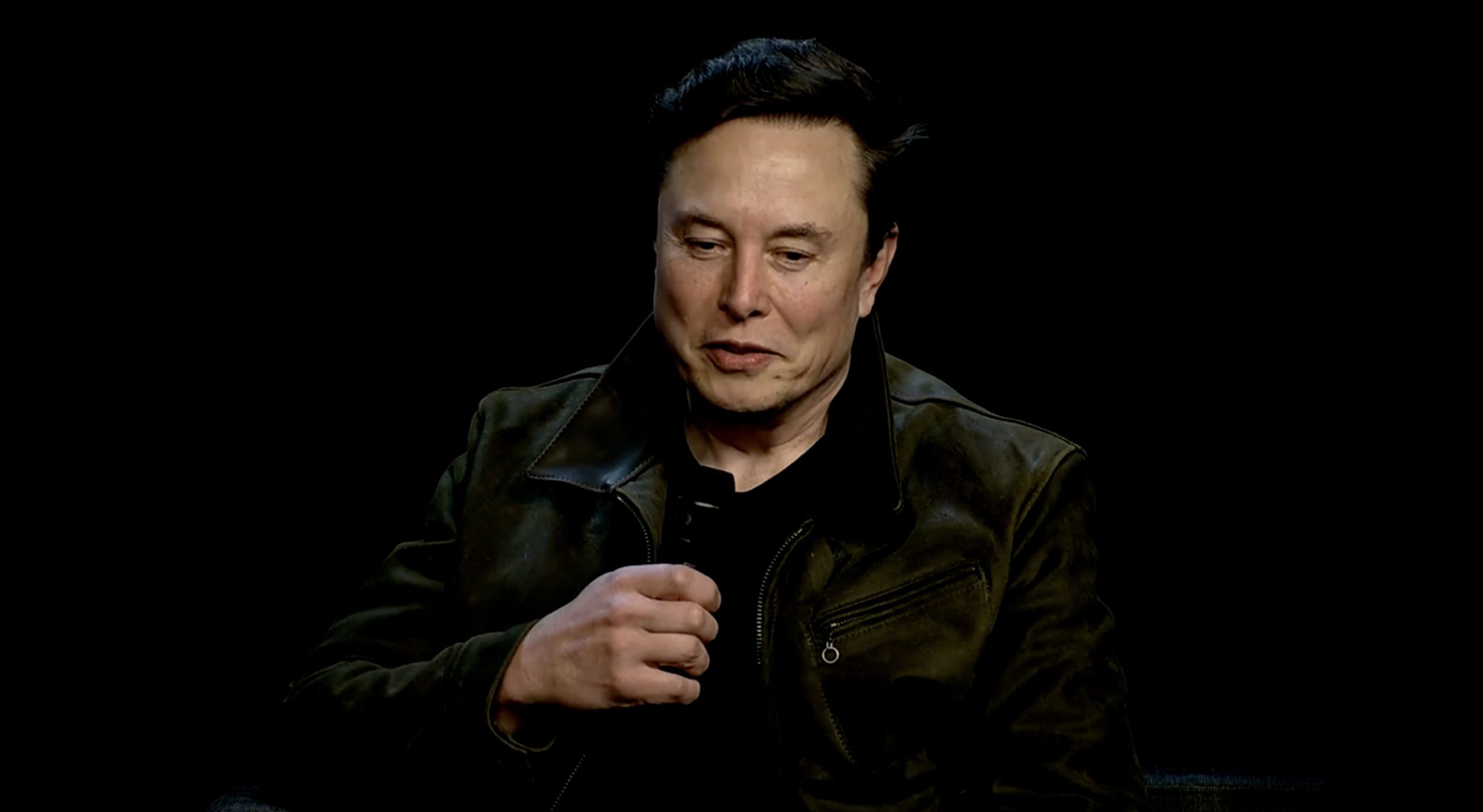
In a recent post on X, Tesla Korea announced that it is hiring AI Chip Design Engineers as part of a project aimed at developing what the company describes as the world’s highest-volume AI chips. CEO Elon Musk later amplified the initiative.
Tesla Korea stated that it is seeking “talented individuals to join in developing the world’s highest-level mass-produced AI chips.”
“This project aims to develop AI chip architecture that will achieve the highest production volume in the world in the future,” Tesla Korea wrote in its post on X.
As per Tesla Korea, those who wish to apply for the AI Chip Design Engineer post should email Ai_Chips@Tesla.com and include “the three most challenging technical problems you have solved.”
Elon Musk echoed the hiring push in a separate post. “If you’re in Korea and want to work on chip design, fabrication or AI software, join Tesla!” he wrote.
The recruitment effort in South Korea comes as Tesla accelerates development of its in-house AI chips, which power its Full Self-Driving (FSD) system, Optimus humanoid robot, and data center training infrastructure.
Tesla has been steadily expanding its silicon development teams globally. In recent months, the company has posted roles in Austin and Palo Alto for silicon module process engineers across lithography, etching, and other chip fabrication disciplines, as noted in a Benzinga report.
Tesla Korea’s hiring efforts align with the company’s long-term goal of designing and producing AI chips at massive scale. Musk has previously stated that Tesla’s future AI chips could become the highest-volume AI processors in the world.
The move also comes amid Tesla’s broader expansion into AI initiatives. The company recently committed about $2 billion into xAI as part of a Series E funding round, reinforcing its focus on artificial intelligence across vehicles, robotics, and compute infrastructure.



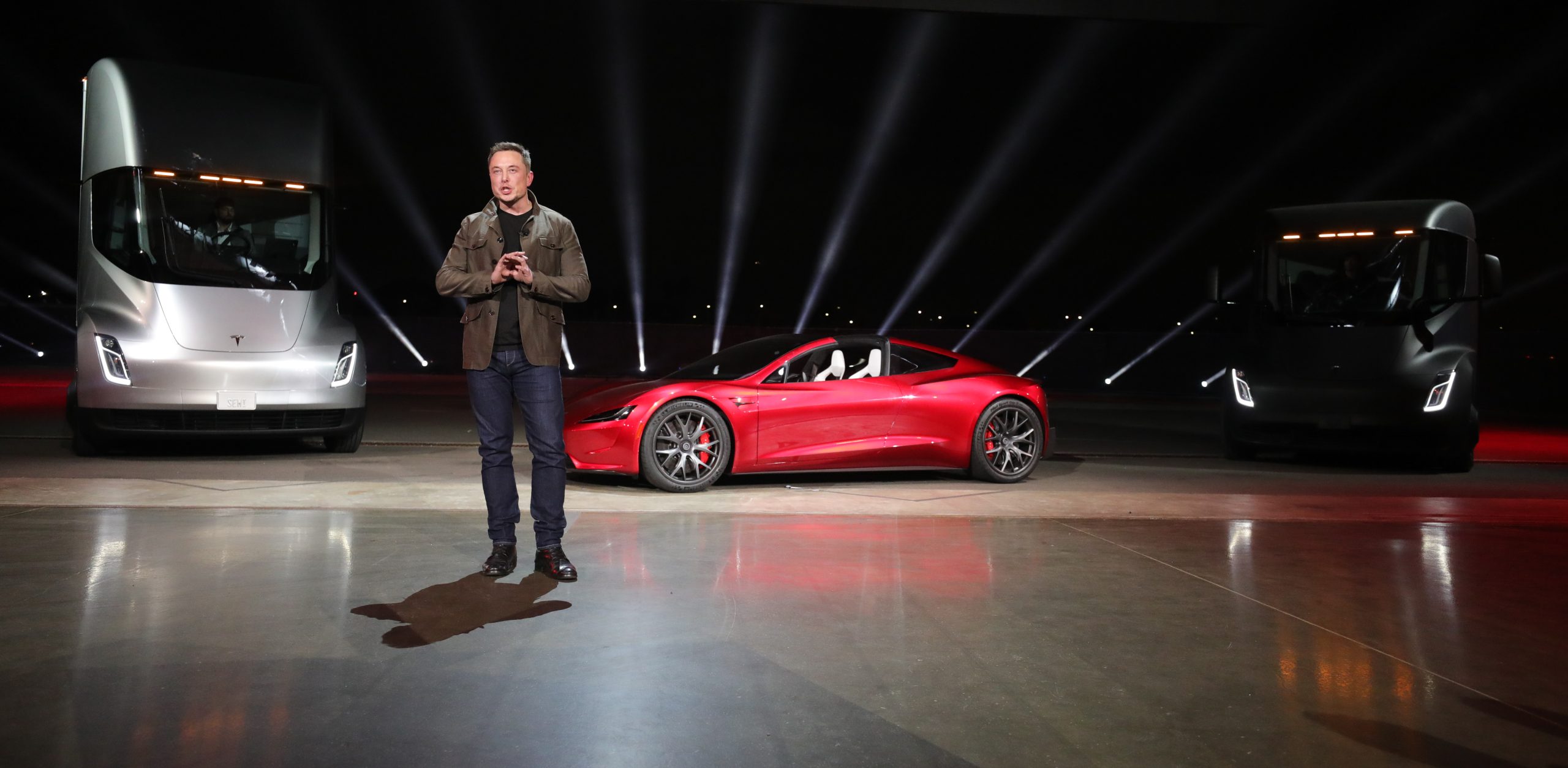
Tesla CEO Elon Musk certainly tipped off some details of the Tesla Roadster event with a broadening of information regarding the company’s decision to delay the unveiling for two weeks.
For years, people have speculated about what the Roadster will be capable of. While there have been plenty of things said about what it *could* do, we have not seen or been told by Tesla what it will actually be capable of.
However, over the past few days, Tesla’s weather updates have truly pushed the speculation into Plaid Mode, basically all but confirming the car will have some sort of aerial capability — whether that would be hovering or fully flying remains to be seen — but it definitely seems that it will be able to leave the ground intentionally.
“Because this event can only be held outdoors…”
Tesla posted on Monday that it would delay the Roadster event until October 15, and it indicated that it had to do this because the event “can only be held outdoors.”
With the potential SpaceX collaboration to develop cold-gas thrusters that will help the vehicle go airborne, doing this indoors is probably not a safe, or even plausible, possibility.
Roadster event update
We’ve been tracking the weather closely with local meteorologists, but given the severe conditions predicted & because this event can only be held outdoors, we’ve made the difficult decision to reschedule.
New date is October 15. Additional details to…
— Tesla (@Tesla) September 28, 2026
FAA Airspace Restriction
The FAA gave Tesla a Temporary Flight Restriction (TFR) for 10,000 feet above ground level, much higher than the typical 2,000-foot restrictions that are usually placed at SpaceX’s McGregor, Texas site.
Tesla Roadster event requires restricted airspace, and the FAA obliges
Some have said that this massive increase is due to Tesla’s need to restrict unauthorized drone use for spying on the event.
Elon Admits High Winds
“Due to high winds, the new Roadster demo is postponed by 2 weeks,” Musk said in a post on X yesterday.
Due to high winds, the new Roadster demo is postponed by 2 weeks https://t.co/dV3ojDh1iT
— Elon Musk (@elonmusk) September 30, 2026
A reply reading, “What’s strong wind got to do with a car demo with four grounded wheels?” was directly below Musk’s post, satirically and sarcastically probing for more details.
All signs are pointing toward an aerial demonstration for the Roadster.
Elon Musk
Elon Musk and Trump are closer than ever, and Tesla could be the big winner
Elon Musk sat beside Trump as AI leaders signed a voluntary White House safety accord.

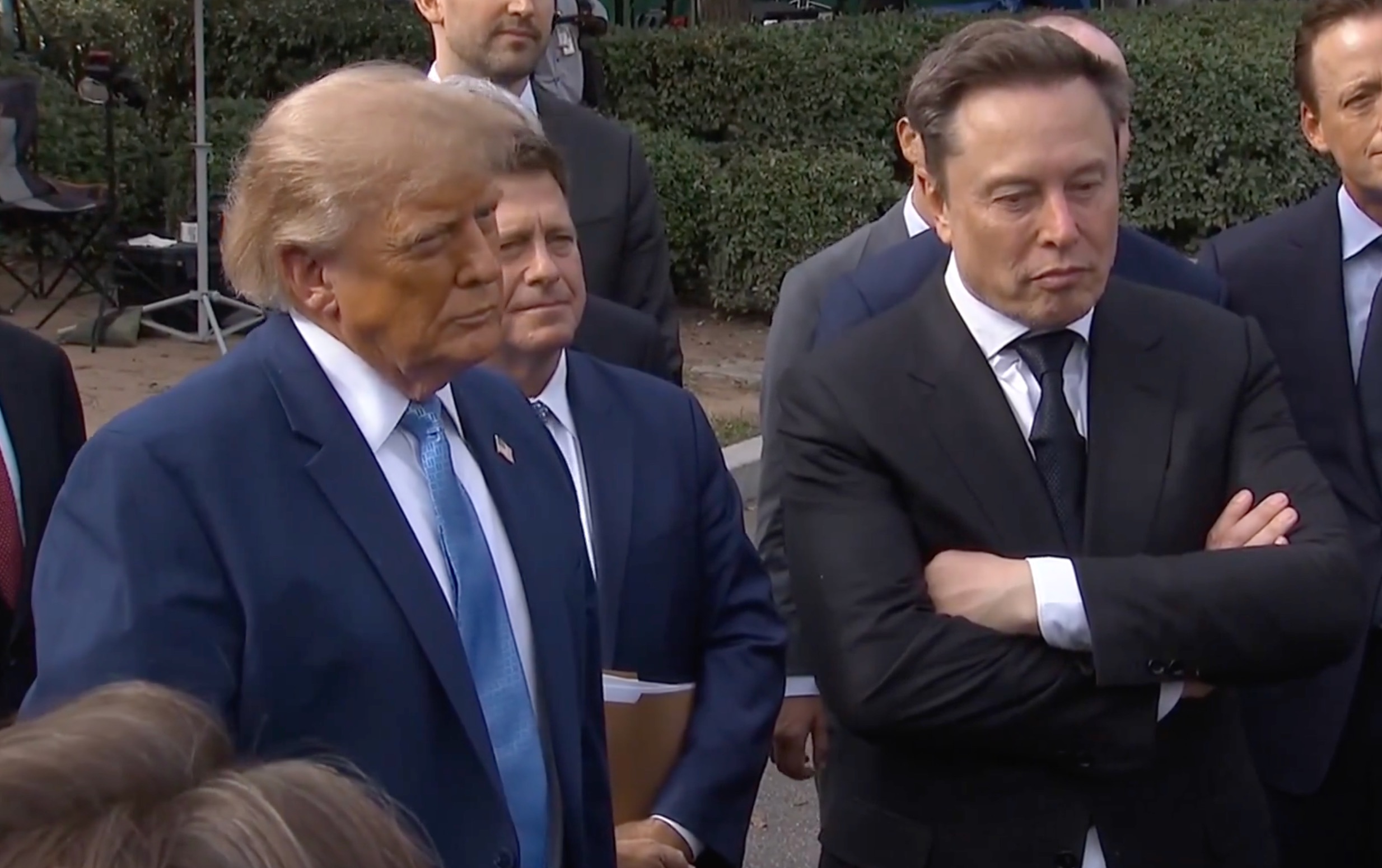
Elon Musk had the seat right next to President Donald Trump on Tuesday as the White House hosted the leaders of America’s biggest artificial intelligence companies for a lunch that ended with a voluntary industry accord on AI safety.
A seating chart Trump posted on Truth Social placed Musk at the president’s left in the East Room, with Nvidia CEO Jensen Huang on his right, according to an Associated Press reporter. Anthropic CEO Dario Amodei, OpenAI President Greg Brockman, Meta’s Mark Zuckerberg, Google’s Sundar Pichai, Microsoft’s Satya Nadella and Amazon founder Jeff Bezos also attended, along with Vice President JD Vance and House Speaker Mike Johnson.
🚨 Elon Musk is currently speaking to the media alongside President Trump after a meeting with AI Leaders in Washington today
Trump says AI is now being called “Super Intelligence” or SI pic.twitter.com/woJJqUVP9B
— TESLARATI (@Teslarati) September 29, 2026
After the lunch, Trump told reporters outside the West Wing that the executives had signed “The White House Accord on Superintelligence: A Joint Commitment on Frontier SI Responsibilities.” Johnson described it as a voluntary statement of principles built on “robust internal controls and layers of internal and external review,” while Zuckerberg said company boards would independently review reports from outside auditors. Trump called the document “morally binding,” said he would name a new AI czar within days, and signed an executive order formally renaming artificial intelligence “super intelligence,” CNBC reported.
Musk was not in the room for Tesla alone. Since SpaceX absorbed xAI, he runs the company behind Grok and one of the largest AI training operations anywhere. On September 25, he said another 220,000 Nvidia GB300 chips would come online at Colossus 2 within a week, with more expected in November and December.
“I think it is worth highlighting the positive benefits of A.I. … S.I., pardon me.”
“Thank you.”@elonmusk catches his own slip after calling the technology “A.I.” while speaking alongside President Trump and other tech leaders, quickly correcting himself to “super… pic.twitter.com/fH7CFileNb
— Fox News (@FoxNews) September 29, 2026
SpaceX confirms third massive compute deal at Colossus data center
Musk also used the trip to restate his energy ambitions. “SpaceX is aiming together with Tesla to do 200 gigawatts of solar production per year,” he said at an event in Washington. It is the same combined target he laid out that feeds directly into Terafab, the Tesla and SpaceX chip venture that will need enormous amounts of power.
The showing between Musk and Trump has come a long way, since the two had the very public split in mid 2025 after Musk opposed the “Big Beautiful Bill” and left DOGE. They reconciled at Charlie Kirk’s memorial that September, and Trump later called their relationship “good”. Since then, Musk has joined Trump’s China delegation in May and attended last week’s White House state dinner for Chinese President Xi Jinping.
For Tesla, that access to government official could pay dividends. As Teslarati noted in January, federal autonomy rules, NHTSA oversight and a single national standard for driverless vehicles all run through an administration Musk can more easily reach directly as Tesla works to scale Robotaxi and Cybercab beyond Texas.
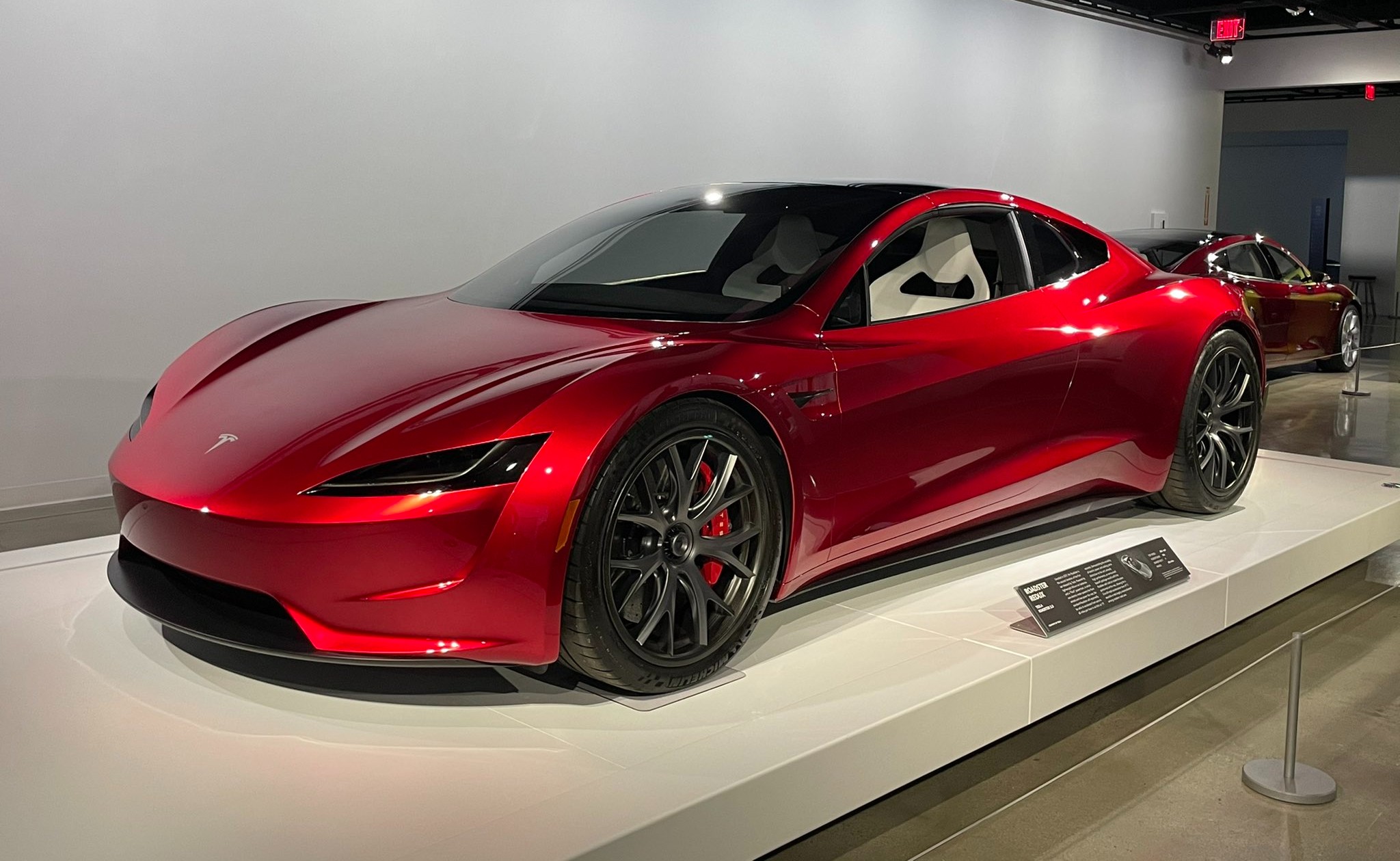
Ahead of its highly anticipated unveiling, Tesla’s upcoming Roadster received a new patent that aims to keep it grounded while enabling white-knuckle speeds.
The patent, which was granted on September 29, is titled “Electric Car Fan,” bluntly stating its design but not its purpose, which is further detailed in the text of the application. Interestingly, it comes two weeks before the Roadster event, which was delayed due to unfavorable weather on Thursday, which could cause issues, as Tesla revealed the event must be held outdoors.
🚨 The design uses electrically driven ducted fans, typically shown as a row of four at the rear, powered by the vehicle’s high-voltage battery.
The fans pull air from an underbody inlet, route it through ducts, and expel it from a larger rear outlet that functions as a… https://t.co/CHQB9u9UA3 pic.twitter.com/QVXmWTdggh
— TESLARATI (@Teslarati) September 29, 2026
The purpose is to solve a problem that is relatively unique to high-performance electric cars. Instant motor torque is useless if the tires cannot plant that force, and conventional wings and underbody tunnels generate downforce only when air is already rushing past the car. At launch, in slow corners, and under hard braking from modest speed, passive aerodynamic additions contribute essentially very little to downforce.
Tesla’s filing says that its fans can produce the downforce needed, independent of vehicle velocity, then ease off so the same hardware does not pile on drag at highway speeds, an issue that can come from excessive body modifications.
The hardware outlined in the patent is a ducted-fan package that is placed into the rear of the vehicle. An underbody inlet between the rear wheels feeds a duct that rises to a wide outlet in the diffuser. In that outlet are four axial fans, which are divided by vertical strakes. They will pull air from under the floor and press the chassis onto the pavement.
The language in the patent claims it can cut drag rather than add to it while simultaneously increasing downforce.
Tesla Roadster event requires restricted airspace, and the FAA obliges
The fans run from the high-voltage battery and a vehicle control system, so output can be modulated rather than left on as a fixed penalty.
There are additional strengths that can come from this design, like extra tire load at low speed, which can contribute to even more face-melting acceleration rates, decrease stopping distance, and sharper turn-in before a wing has air to work with. Adjustable fan speed lets the car add grip only when needed, so it can be catered to the force of a turn or acceleration.
These designs were previously used, and banned, in some competitive settings. The Brabham BT46B was banned in F1 competition for using a similar fan design and being labeled as too effective.
Tesla still lists the Roadster as having a sub-two-second 0-60 MPH time and a 250-plus-MPH top speed, and there are expectations for a SpaceX cold-gas thruster package that could not only increase acceleration but potentially cause the vehicle to hover.
It is important to note that a patent is not a production part, and packaging four fans in a rear diffuser, managing noise, and potential debris are all things Tesla must consider. With that being said, the patent being granted shows Tesla is designing the Roadster to go fast, but it is also attempting to use unique strategies to combat any issues it might have at those speeds.

SpaceX set to launch astronauts and a classified Falcon Heavy mission on the same day

Tesla Cybercab and Semi have more in common than you might think


