Elon Musk
SpaceX unveils sweeping Starship V3 upgrades ahead of May 19 launch
SpaceX has released a detailed list of changes for Starship Version 3, the next iteration of its fully reusable super-heavy-lift vehicle. Scheduled for its maiden flight as early as May 19 from Starbase in Texas, Starship V3 incorporates dozens of redesigns across the Super Heavy booster, Starship upper stage, Raptor 3 engines, and Launch Pad 2.

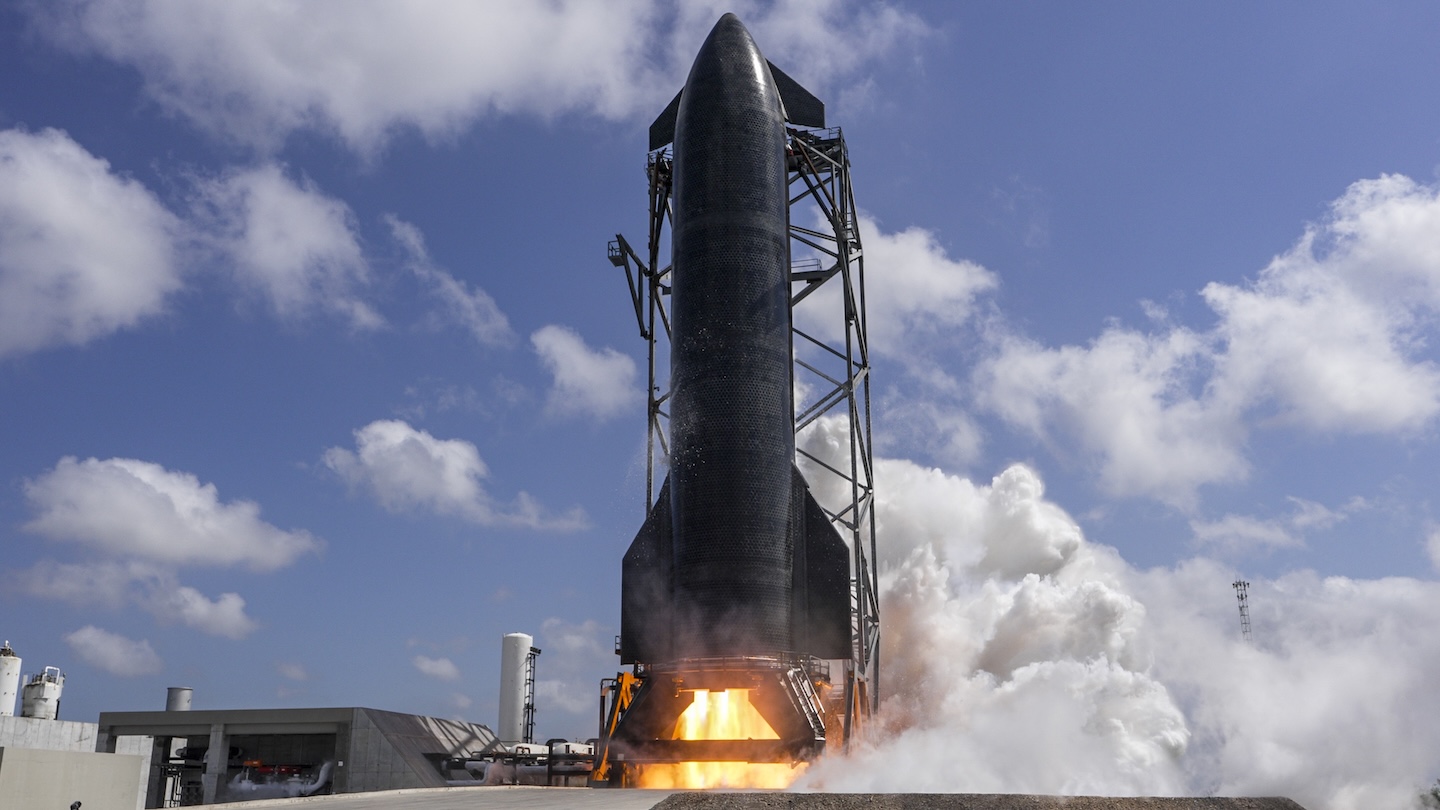
SpaceX has unveiled sweeping upgrades to its Starship v3 rocket ahead of the upcoming May 19 launch.
SpaceX has released a detailed list of changes for Starship Version 3, the next iteration of its fully reusable super-heavy-lift vehicle. Scheduled for its maiden flight as early as May 19 from Starbase in Texas, Starship V3 incorporates dozens of redesigns across the Super Heavy booster, Starship upper stage, Raptor 3 engines, and Launch Pad 2.
Elon Musk reveals date of SpaceX Starship v3’s maiden voyage
The updates focus on simplification, mass reduction, reliability, and enabling core capabilities like rapid reusability, in-orbit refueling, Starlink deployment, and crewed missions to the Moon and Mars.
Collectively, these modifications mark a major step-change. By reducing dry mass, improving thermal protection, and integrating systems for orbital operations, Starship V3 aims to transition from test vehicle to operational infrastructure.
Here is an explicit, broken-down list of the key changes, first starting with the changes to Super Heavy V3:
- Grid Fin Redesign: Reduced from four fins to three. Each fin is now 50% larger and stronger, repositioned for better catching and lifting performance. Fins are lowered on the booster to reduce heat exposure during hot staging, with hardware moved inside the fuel tank for protection.
- Integrated Hot Staging: Eliminates the old disposable interstage shield. The booster dome is now directly exposed to upper-stage engine ignition, protected by tank pressure and steel shielding. Interstage actuators retract after separation.
- New Fuel Transfer System: Massive redesign of the fuel transfer tube—roughly the size of a Falcon 9 first stage—enables simultaneous startup of all 33 Raptors for faster, more reliable flip maneuvers.
- Engine Bay / Thermal Protection: Engine shrouds removed entirely; new shielding added between engines. Propulsion and avionics are more tightly integrated. CO₂ fire suppression system deleted for a simpler, lighter aft section.
- Propellant Loading Improvements: Switched from one quick disconnect to two separate systems for added redundancy and reduced pad complexity.
Next, we have the changes to Starship V3:
- Completely Redesigned Propulsion System: Clean-sheet redesign supports new Raptor startup, larger propellant volume, and an improved reaction control system while reducing trapped or leaked propellant risk.
- Aft Section Simplification: Fluid and electrical systems rerouted; engine shrouds and large aft cavity deleted.
- Flap Actuation Upgrade: Changed from two actuators per flap to one actuator with three motors for better redundancy, mass efficiency, and lower cost.
- Faster Starlink Deployment: Upgraded PEZ dispenser enables quicker satellite release.
- Long-Duration Spaceflight Capability: New systems for long orbital coasts, orbital refueling, cryogenic fluid management, vacuum-insulated header tanks, and high-voltage cryogenic recirculation.
- Ship-to-Ship Docking + Refueling: Four docking drogues and dedicated propellant transfer connections added to support in-space refueling architecture.
- Avionics Upgrades: 60 custom avionics units with integrated batteries, inverters, and high-voltage systems (9 MW peak power). New multi-sensor navigation for precision autonomous flight. RF sensors measure propellant in microgravity. ~50 onboard camera views and 480 Mbps Starlink connectivity for low-latency communications.
Next are the changes to the Raptor 3 Engine:
- Higher Thrust: Sea-level Raptors increased from 230 tf (507k lbf) to 250 tf (551k lbf); vacuum Raptors from 258 tf (568k lbf) to 275 tf (606k lbf).
- Lower Mass: Sea-level engine mass reduced from 1630 kg to 1525 kg.
- Simpler Design: Sensors and controllers integrated into the engine body; shrouds eliminated; new ignition system for all variants. Results in ~1 ton of vehicle-level weight savings per engine.
Finally, the upgrades to Launch Pad 2 are as follows:
- Faster propellant loading via larger farm and more pumps.
- Chopstick improvements: shorter arms, electromechanical actuators (replacing hydraulic) for reliability.
- Stronger quick-disconnect arm that swings farther away.
- Redesigned launch mount for better load handling and protection.
- New bidirectional flame diverter eliminates post-launch ablation and refurbishment.
- Hardened propellant systems with separated methane/oxygen lines and protected valves/filters.
SpaceX states these elements “are designed to enable a step-change in Starship capabilities and aim to unlock the vehicle’s core functions, including full and rapid reuse, in-space propellant transfer, deployment of Starlink satellites and orbital data centers, and the ability to send people and cargo to the Moon and Mars.”
With these upgrades, Starship V3 is poised for an epic test flight that could accelerate humanity’s multiplanetary future. The rapid pace of iteration underscores SpaceX’s relentless drive toward making life multiplanetary. Launch watchers are in for a spectacular show.


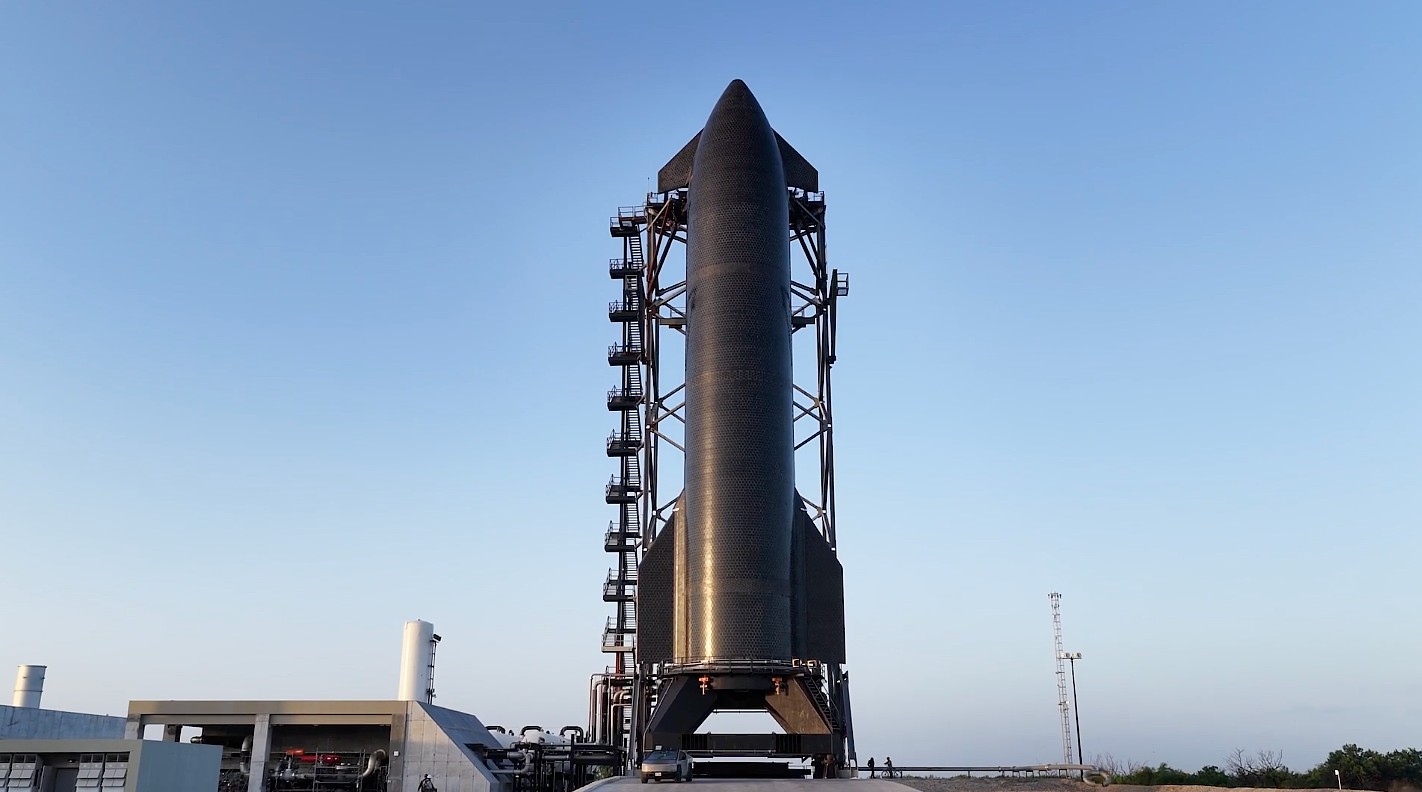
SpaceX is gearing up for the 13th Starship integrated flight test, which is currently scheduled for Thursday, July 16, with the launch window opening up at 6:30 PM E.T. from Starbase in South Texas.
This mission, the second with the V3 Starship and Super Heavy vehicles, builds directly on the foundation of Flight 12 while introducing ambitious new objectives, including the debut deployment of next-generation Starlink V3 satellites.
The rapid iteration between flights underscores SpaceX’s “fail fast, learn faster” philosophy, with engineers addressing specific anomalies from the previous test to push reusability and payload capabilities further.
Starship’s thirteenth flight test is preparing to launch as early as Thursday, July 16 → https://t.co/Rp7VwBzpWx pic.twitter.com/jdpFlQUEpF
— SpaceX (@SpaceX) July 11, 2026
Flight 12 occurred earlier in 2026 and encountered notable challenges that became catalysts for Flight 13’s improvements. Issues included booster course deviations during the flip maneuver after stage separation, reusability problems with Super Heavy’s Raptor engine relights for the boostback burn, and an engine-out event on the Starship upper stage during its propulsion phase.
These hiccups, while they did not prevent overall mission success, highlighted areas needing refinement for more consistent performance and higher safety margins in future operational flights.
Elon Musk called it Epic: The full story of SpaceX’s Starship Flight 12
In response, SpaceX implemented a comprehensive suite of both hardware and software upgrades.
For the booster, engineers developed a more robust stage separation flip sequence to maintain stable orientation and prevent off-course rotation. Hardware modifications have enhanced Raptor re-light reliability during the boostback burn, complemented by updated engine alarms and abort logic tailored for multi-engine operations. On the Starship side, propulsion system changes directly tackle the Flight 12 engine-out scenario, improving redundancy and operational resilience.
Another major focus of SpaceX for Flight 13 was the advancements in the heat shield. New tile designs and attachment mechanisms, including tests of aft flaps and skirts, aim to boost durability.
Load-sensing tiles will measure real-time stresses during atmospheric entry, while white-painted tiles simulate missing ones as imaging targets. Six of the 20 Starlink V3 satellites carried aboard will feature specialized cameras to scan and transmit heat shield imagery back to ground teams, providing critical data for future return-to-launch-site attempts.
The mission profile also includes a higher dynamic pressure ascent to stress-test the thermal protection system and increase payload potential, alongside a planned in-space Raptor engine relight demonstration.
The V3 Starlink satellites themselves mark a leap forward, equipped with laser links, deployable solar arrays, and improved antennas to expand network capacity and speeds.
The company wrote:
“For the first time, Starship will carry V3 Starlink satellites to space, which aim to greatly expand the network’s capacity and user speeds. As part of this initial test, Starship is planned to deploy 20 satellites which will extend solar arrays and antennas and will attempt to connect with ground stations in South Africa and the larger Starlink constellation via high-capacity lasers. Six of the satellites have been modified with a suite of cameras to scan Starship’s heat shield and transmit imagery down to operators to continue testing methods of analyzing Starship’s heat shield readiness for return to launch site on future missions. Several tiles on Starship have been painted white to simulate missing tiles and serve as imaging targets in the test.”
This dual-purpose flight tests both vehicle reliability and satellite tech in one integrated operation.
These iterative changes, catalyzed by Flight 12’s data, position Starship closer to rapid reusability goals essential for ambitious programs like Artemis lunar missions and global Starlink coverage.
As SpaceX continues its aggressive test cadence, Flight 13 exemplifies how targeted engineering responses to real-flight anomalies accelerate progress toward fully operational, high-cadence launches. Success here could mark another milestone in the Starship program for SpaceX.
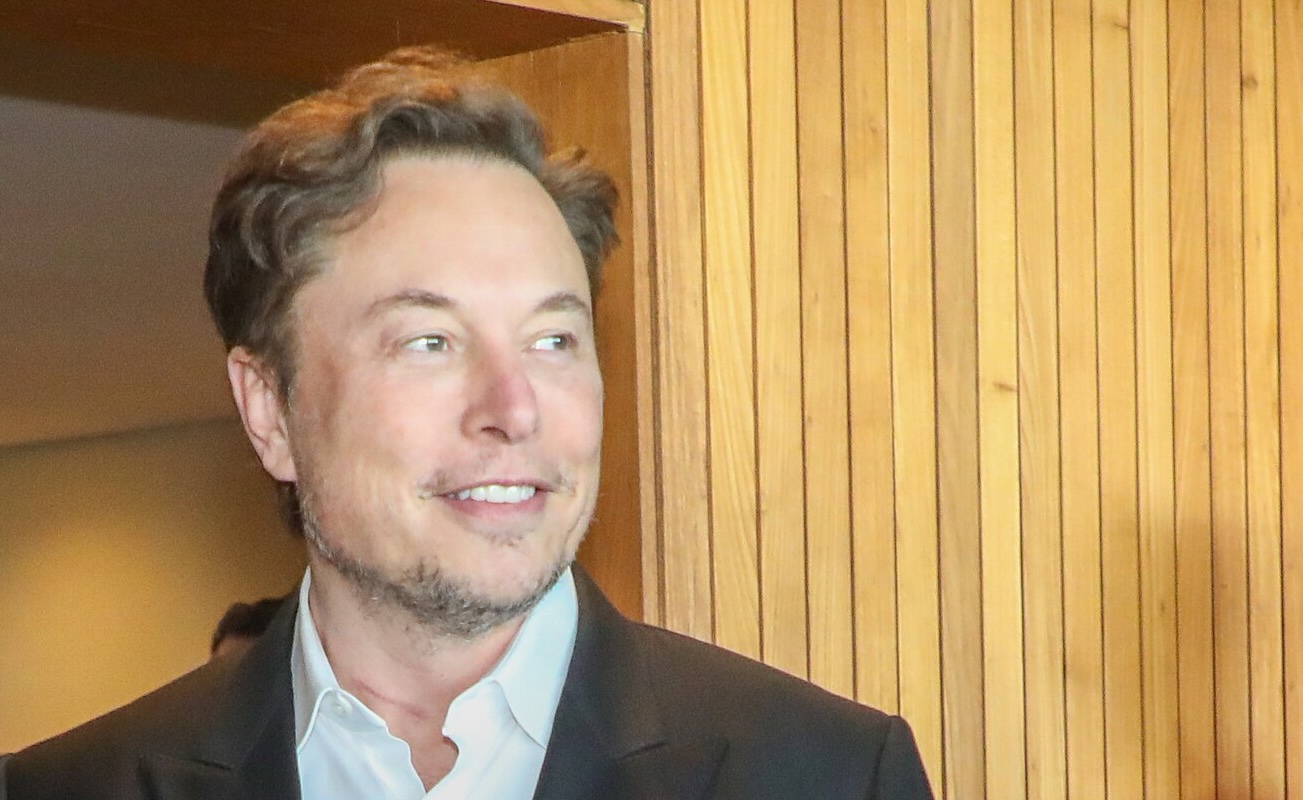
Elon Musk posted a candid admission on his social media platform X on June 9, declaring that he had been “clearly wrong” about Anthropic. The statement marked a notable reversal from his earlier skepticism toward the AI company.
In September, Musk had written, “Winning was never in the set of possible outcomes for Anthropic,” reflecting his view at the time that the startup had lacked the foundation or even the trajectory to succeed in what is an incredibly intense race for advanced artificial intelligence.
Musk’s latest post came amid discussion of Anthropic’s reliance on external compute resources. He praised the company’s progress, stating that Anthropic is “obviously currently the leader in AI” and that “no company has released a model as good as Mythos/Fable,” with expectations of a strong follow-up in Mythos 2.
The tone shifted dramatically from dismissal to acknowledgement of superior performance.
I was clearly wrong about Anthropic. They are obviously currently the leader in AI. No company has released a model as good as Mythos/Fable and they will undoubtedly have Mythos 2 ready soon.
And I would never cut them off in a way that hurt them badly, even as a competitor.…
— Elon Musk (@elonmusk) July 9, 2026
The context of Musk’s comments added significance. Anthropic has been operating under a recent compute deal with SpaceXAI, Musk’s AI infrastructure-focused venture. The pair entered a short-term GPU lease agreement initiated in May, providing Anthropic access to critical computing power for training and deploying its frontier models.
SpaceXAI signs agreement with Anthropic for massive AI supercomputer access
Some observers had speculated that Musk could leverage this dependency to disadvantage a rival. Musk directly addressed the possibility, writing, “I would never cut them off in a way that hurt them badly, even as a competitor. That’s not my style.”
To support his commitment to ethical competition, Musk referenced concrete examples from his other companies. Tesla famously open-sourced its entire portfolio of electric vehicle patents in 2014. The move was designed to accelerate the global adoption of sustainable transportation technology rather than protect proprietary advantages.
Tesla also made its Supercharger network available to competing electric vehicle manufacturers, transforming what could have remained an exclusive charging ecosystem into a shared infrastructure that benefits the broader industry and reduces barriers for EV adoption.
Musk further pointed to SpaceX’s practices, noting that the company launches satellites for competing commercial systems “with no increase in price or use of unfair terms.” He extended the principle to his social platform, observing that “even my worst enemies attack me on this platform,” underscoring preference for open discourse over retaliation.
These examples have illustrated Musk’s long-standing philosophy that long-term technological progress is best served by open competition and infrastructure sharing rather than leveraging market power to stifle rivals. In the fast-evolving AI sector, where compute resources and model capabilities determine leadership, Musk’s stance suggests a willingness to compete on innovation and performance alone.
Musk’s admission arrives as SpaceXAI itself advances its own frontier models while maintaining business relationships across the ecosystem. By publicly correcting his earlier assessment and reaffirming principles of fair play, Musk highlights a model of competition that prioritizes advancement of the field over short-term tactical advantages.
Elon Musk
Tesla FSD is about to know your specific house and neighborhood better than any map
Tesla confirmed it is building a feature that lets you teach your car where to go.

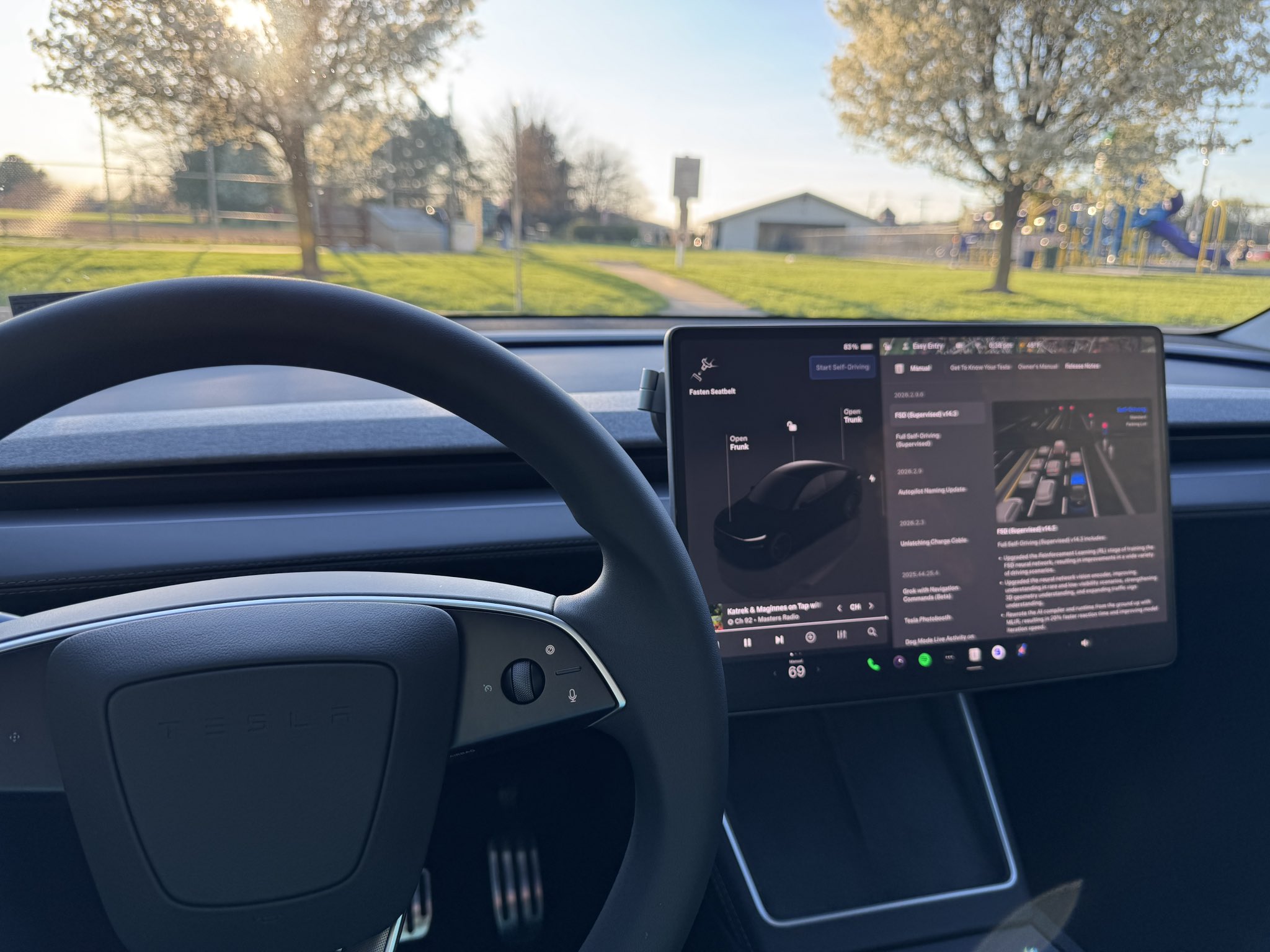
Tesla is building a feature that will let drivers talk to their car in plain language and teach it exactly what to do, with the vehicle remembering those instructions for every future trip. Tesla VP of AI Software Ashok Elluswamy confirmed it this week on X after a user pointed out one of FSD’s most persistent real-world limitations is that the system has no way to receive contextual instructions the way a human driver would.
“FSD would be twice as useful in neighborhoods if I could actually talk to the car and tell it which driveway to pull into, the same way I would with a person driving me home. Right now, there isn’t really an input for telling Tesla what color the house is or giving it specific context like that. Google Maps is also notorious for putting pins on houses that aren’t actually yours.” Tesla owner Chris further noted, “It would be so cool if I could talk to the car while going down my street and say something like, ‘It’s the white house on the left, just past that SUV,’ and then have FSD remember that for next time.”
FSD would be twice as useful in neighborhoods if I could actually talk to the car and tell it which driveway to pull into, the same way I would with a person driving me home.
Right now, there isn’t really an input for telling Tesla what color the house is or giving it specific…
— Chris (@ChrissGPT) July 8, 2026
This feature would carry more weight than it might seem. Grok has been available inside Tesla vehicles since July 2025, expanded to European vehicles in February 2026, and gained a hands-free “Hey Grok” wake word with location-based reminders and natural-language navigation in the Spring 2026 update. But up to this point, Grok has had no authority over how FSD actually drives. Lane changes, braking, speed, and parking maneuvers remain entirely within FSD’s autonomous decision-making loop. What Elluswamy confirmed is that the next step pushes Grok into a supervisor role, one that translates spoken intent directly into driving decisions.
Tesla teases greater Grok FSD integration and ‘Banish’ feature ‘in about 3 months’
Elluswamy acknowledged at a January 2026 conference that while fully integrated voice control is on Tesla’s roadmap, “it opens up an entire area of testing that we have to do. For example, you shouldn’t be able to tell the car to crash, and it shouldn’t crash.” Elon Musk subsequently confirmed on June 23 that Grok voice commands will pass to FSD’s planning layer by September 2026, a three month timeline from confirmation to deployment.
The deeper significance is what this does for Tesla’s AI training flywheel. Every time an owner corrects FSD with a spoken instruction and the car learns and remembers it, that interaction becomes a data point covering an edge case that no simulation or scripted test could have generated. A fleet of millions of Tesla vehicles crowdsourcing hyper-local contextual knowledge, which driveway, which gate entrance, which side of the street, builds a layer of geographic and behavioral intelligence that competitors without a comparable fleet simply cannot replicate at the same speed or scale.
As Teslarati has reported, Tesla’s Cybercab and robotaxi operations have expanded to Miami following the Austin launch, with rider profiles already collecting preference data. Voice-taught contextual instructions linked to individual rider profiles means a Cybercab could eventually know before it arrives exactly which entrance to use, where to wait, and how to navigate the final hundred feet of any trip it has made before.

Tesla Semi enters new Pilot Program with interesting challenge

Tesla is building a wheelchair-accessible Robotaxi


