News
Cruise in hot seat amid Fire Department’s claims that robotaxis delayed responders in fatal incident

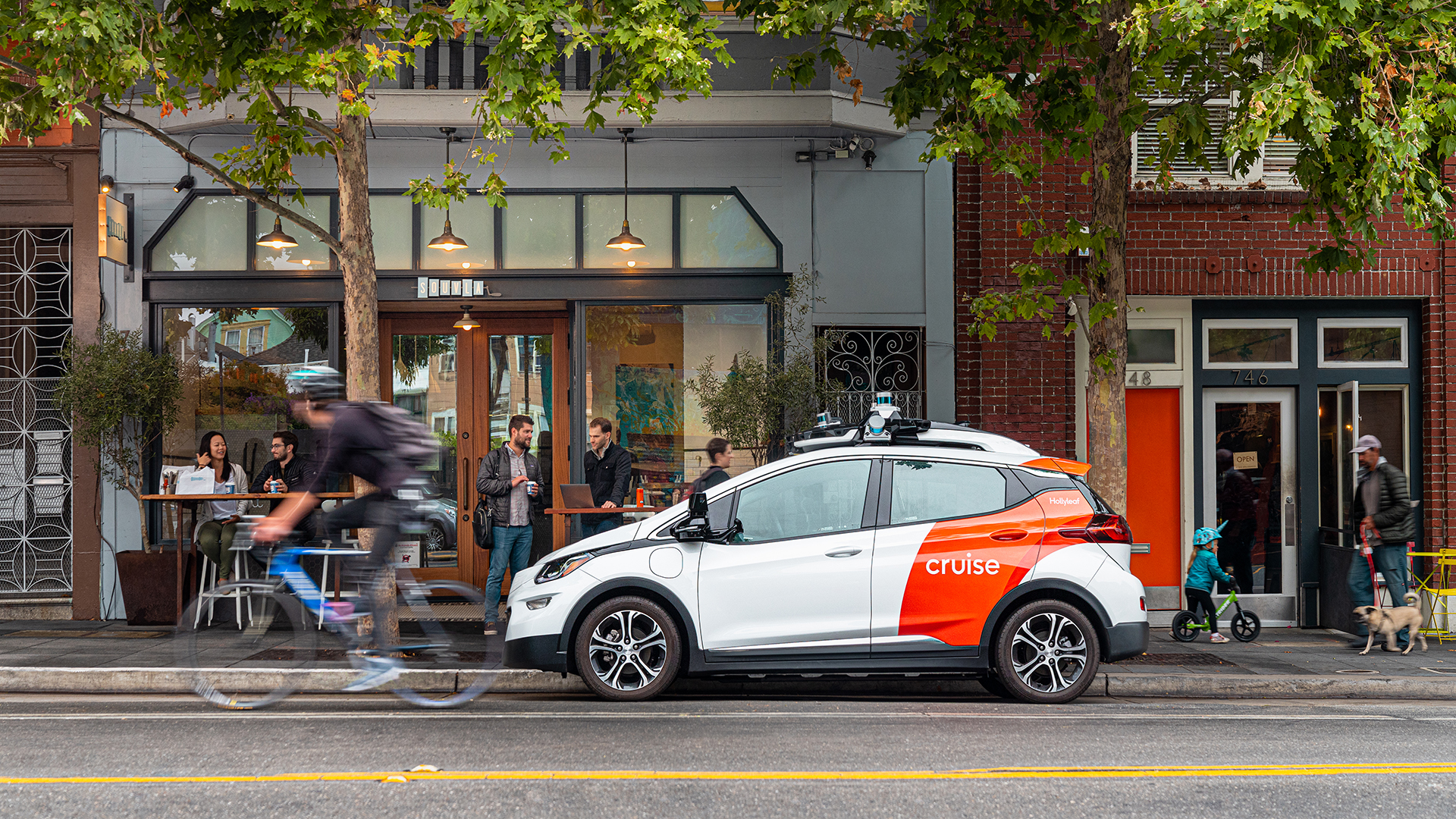
General Motors’ self-driving unit, Cruise, saw protests outside its San Francisco headquarters earlier this week. The protests come amidst the San Francisco Fire Department’s claims that some of the company’s autonomous robotaxis contributed to the tragic death of a pedestrian.
The incident, which happened on August 14, involved a pedestrian who was hit by a car in the South of Market neighborhood of San Francisco. The pedestrian’s injuries were so severe that there was heavy bleeding, and the person was no longer responding to verbal commands. It was evident that the injured pedestrian needed urgent medical care, so it was pertinent to have the person transported to a hospital as early as possible.
Public reports from the San Francisco Fire Department that were obtained by Forbes claimed that the behavior of Cruise robotaxis ended up impeding the workflow of emergency responders, so much so that critical medical care was delayed. One of the Fire Department’s reports about the incident reads as follows.
“On 8/14/2023, I was assigned to Medic 87 and responded to Incident FD23108420, at 7th Street and Harrison, for an auto vs. pedestrian. Harrison Street is 4 lanes of one-way traffic heading westbound. Upon arrival on scene, the victim was found in the (2) left lanes of Harrison Street, suffering from life-threatening injuries. SFPD and E01 had arrived prior to M87’s arrival. SFPD had a vehicle parked in the #1 lane of Harrison, and E01 had positioned its apparatus across the left 2 lanes of Harrison to shield the patient from oncoming traffic. The right 2 lanes of Harrison were blocked by (2) autonomous Cruise vehicles that had stopped and were not moving, blocking ingress and egress to the incident scene.
“The patient was suffering from life-threatening injuries, with a GCS 3, agonal respirations, and absent peripheral pulses. SFPD had applied a tourniquet to the left lower extremity to stop life-threatening bleeding from injuries sustained after being struck by a vehicle. Ventilations were assisted with a BVM, and the patient was packaged for rapid transport to a trauma center.
“While loading the patient to the ambulance, the (2) Cruise vehicles were still stopped in the right 2 lanes of Harrison, prohibiting rapid egress from the scene. SFPD had attempted manual takeover of the autonomous vehicles, but were unsuccessful. This contributed to a delay in transport with a critical trauma patient.
“SFFD members had to locate an SFPD officer and request him to move his vehicle to allow successful egress from the scene, but doing so further delayed patient care. These delays caused by (2) autonomous vehicles blocking a normal egress route from the scene contributed to a poor patient outcome, delaying the definitive care required in severe trauma cases. The patient was pronounced deceased at SFGH approximately 20-30 minutes after arrival due to severe blunt-force trauma.”
Cruise has spoken out against the Fire Department’s account of the event. In a comment to The San Francisco Standard, a Cruise spokesperson noted that “we did not impede the vehicle from getting to the hospital” and “what the fire department said is not accurate.”
“The first vehicle promptly clears the area once the light turns green and the other stops in the lane to yield to first responders who are directing traffic. Throughout the entire duration the AV is stopped, traffic remains unblocked and flowing to the right of the AV. The ambulance behind the AV had a clear path to pass the AV as other vehicles, including the ambulance, proceeded to do so. As soon as the victim was loaded into the ambulance, the ambulance left the scene immediately and was never impeded from doing so by the AV,” Cruise noted in a statement.
Cruise has reportedly provided a video to back up its claims. The video reportedly showed that while one Cruise robotaxi was indeed stopped at an intersection, there was a free lane to its right where traffic was moving. The video, which was reviewed by Forbes, did show numerous vehicles, including a small ambulance, moving through the free lane. However, the publication noted that it was not clear from the footage if the larger SFFD ambulance, which was likely transporting the severely injured pedestrian, could have navigated the area as easily.
Below are incident reports from the San Francisco Fire Department. The case in question is described in Page 68 and 69 of the document.
Cruise San Francisco Reports by Simon Alvarez on Scribd
Don’t hesitate to contact us with news tips. Just send a message to simon@teslarati.com to give us a heads-up.



In the world of autonomous ride-hailing, there are only a handful of names. Among those few companies lies a strategy play by each to keep the opposition on their toes. Tesla, on the other hand, already tipped its hand at where it is headed next.
Tesla has signaled its next major push in the autonomous ride-hailing market by filing for an Autonomous Vehicle Network Company permit in Nevada (Docket 26-05015). Through Tesla Robotaxi, LLC, the company seeks approval to operate up to 5,000 robotaxis in Clark County, including high-traffic areas like Las Vegas and Henderson airports, within the first 12 months of launch.
This filing builds on Tesla’s earlier testing approvals from the Nevada DMV in September 2025 and preparations such as maintenance hubs in the Las Vegas area. Nevada represents a strategic expansion into a major tourist destination, where high visitor volumes could drive strong utilization and showcase the reliability of unsupervised autonomy to a broad audience.
We’d have to assume this means Tesla is targeting Las Vegas, and it’s a great move from a business perspective.
Vegas is such a melting pot of people from all around the country and the world. It will expose people from all corners of the globe to Tesla’s autonomy capabilities https://t.co/Qz3fQmhULF pic.twitter.com/Du5pj2RyWC
— TESLARATI (@Teslarati) June 6, 2026
Approval would mark a significant step toward commercial operations in a new state, following progress in Texas.
Tesla’s shareholder decks and earnings calls have clearly outlined these ambitions. In the Q4 2025 shareholder deck, the company listed planned Robotaxi coverage for the first half of 2026, explicitly naming Las Vegas alongside Phoenix, Miami, Orlando, and Tampa, with Dallas and Houston already advancing. Austin was noted as “ramping unsupervised,” while the Bay Area remained in safety-driver mode.
By Q1 2026, the deck updated statuses to reflect launches in Dallas and Houston, with “preparations underway” for the remaining cities, including Las Vegas. Paid Robotaxi miles nearly doubled sequentially in Q1, underscoring momentum even as broader timelines adjusted slightly for regulatory and operational readiness.
On earnings calls, CEO Elon Musk and executives have emphasized a phased rollout prioritizing safety. Unsupervised operations in Texas have shown strong results with no reported accidents or injuries in the program. Tesla continues groundwork in additional major U.S. metros through testing and permitting, positioning it to scale quickly once approvals clear.
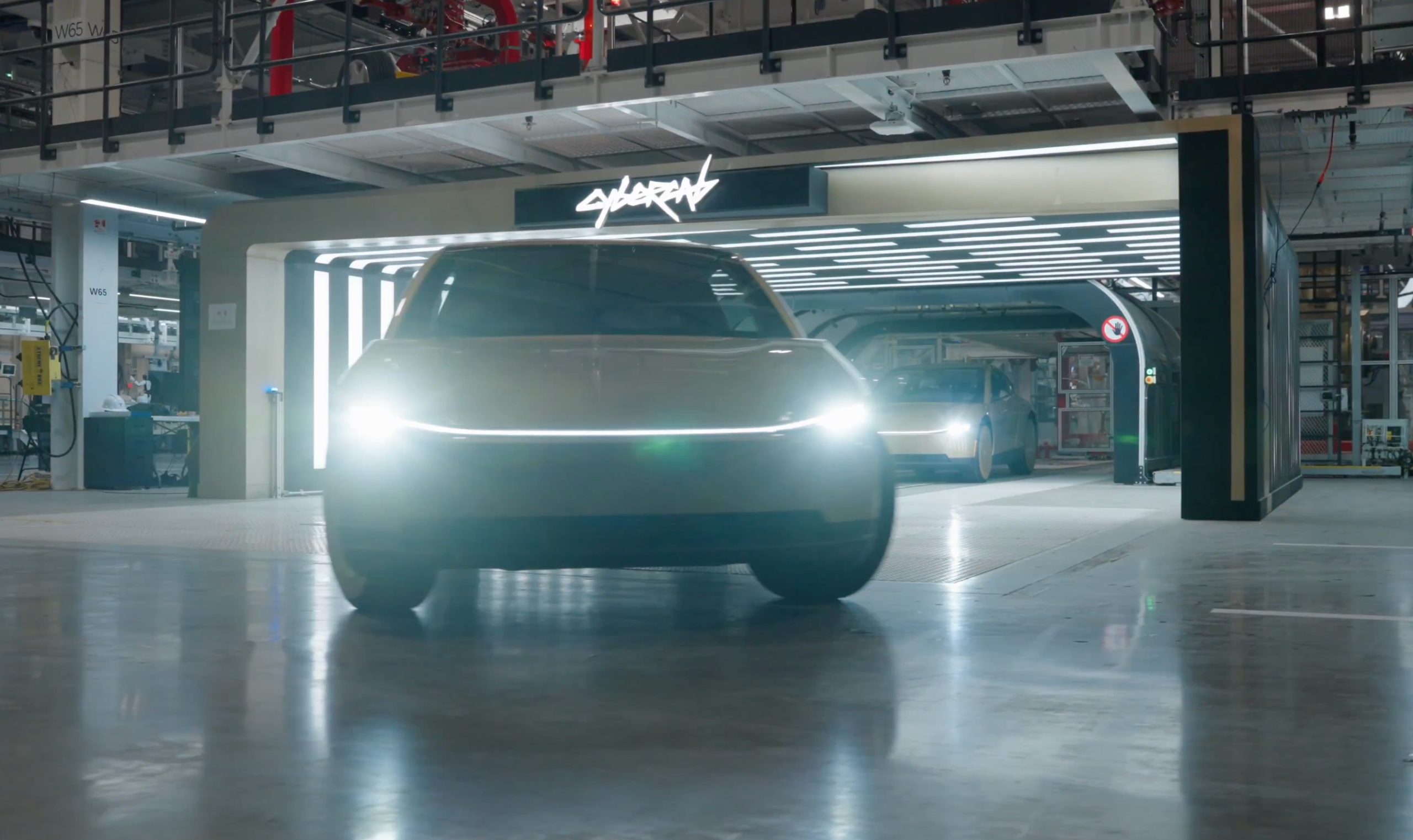
This Nevada move aligns with Tesla’s vision of transforming from an EV maker into an AI and robotics leader. The forthcoming Cybercab, which started production at Giga Texas in April, is expected to eventually dominate the fleet, replacing many Model Y vehicles and driving down costs to enable affordable rides.
For investors and the industry, this signals Tesla’s intent to dominate key Sun Belt and tourist markets where weather, regulations, and demand favor rapid scaling. Success in Las Vegas could validate the model for denser urban and high-tourism environments, accelerating the shift toward a future where robotaxis generate meaningful revenue.
Las Vegas will also expand knowledge among the general public at Tesla’s capabilities, helping people experience driverless ride-hailing from several companies during their time on The Strip.
Investor's Corner
Tesla just did something in South Korea that no foreign carmaker has ever done
Tesla’s Model Y just became South Korea’s best-selling car, beating every domestic model in May.

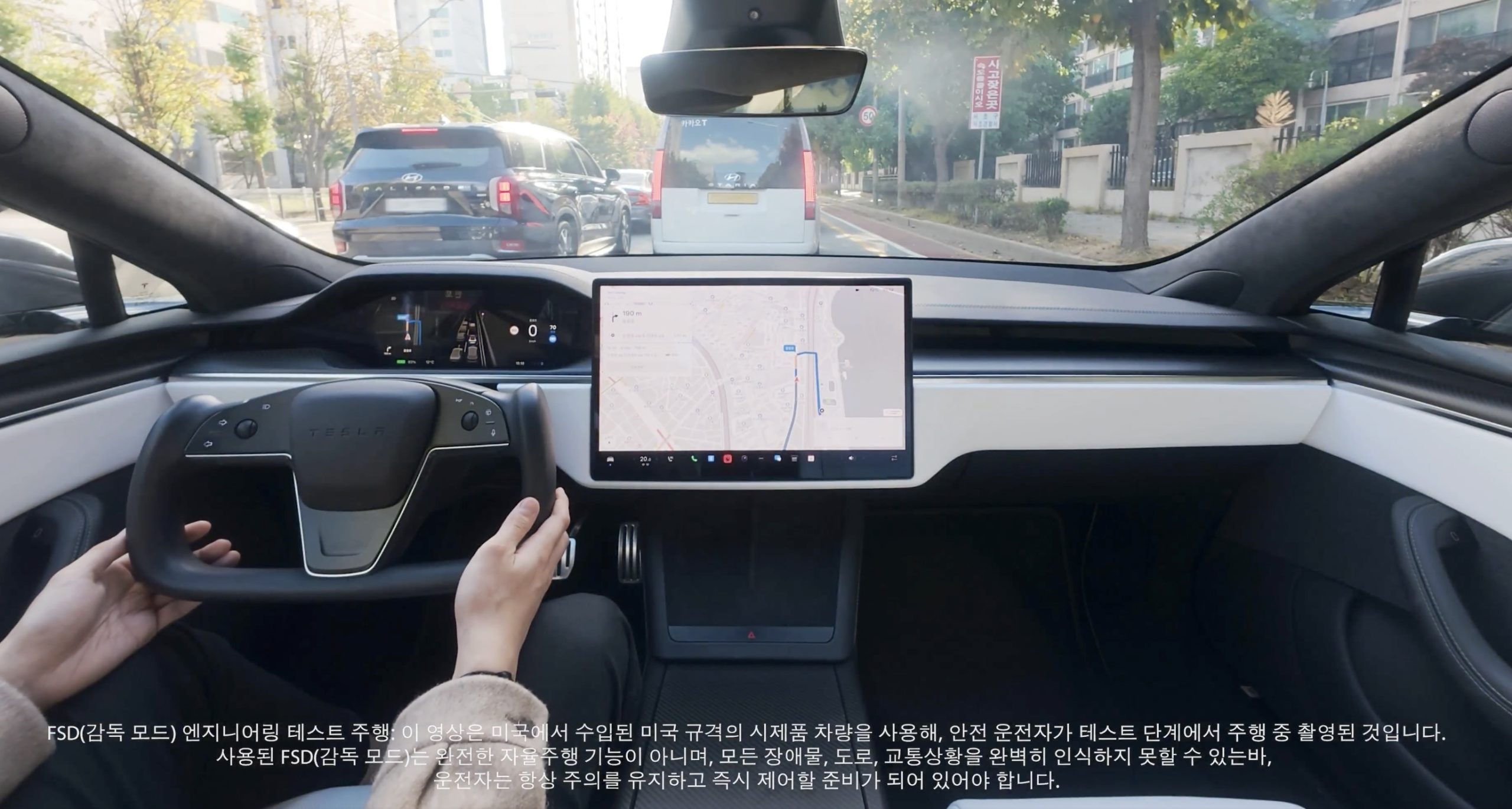
Tesla did something last month that no foreign car has ever done in South Korea by outselling every vehicle in the country, domestic or imported, finishing the month with Model Y as the single best-selling car across the entire Korean market. According to data from the Korea Automobile Importers and Distributors Association released on June 4, the Model Y recorded 8,762 units sold in May, pushing the Kia Sorento into second place at 7,836 units and the Hyundai Grandeur into third at 5,183 units. It is the first time an imported vehicle has outsold every domestic model on a single-month basis.
Tesla imported 10,866 cars into South Korea in May, making it the top import brand for the fourth consecutive month. BMW followed at 6,555 units, less than two-thirds of Tesla’s total, while BYD registered just 1,032 units. The combined domestic sales of GM Korea, Renault Korea, and KG Mobility last month totaled just 7,019 units, meaning a single Tesla model outsold three Korean automakers combined.
Tesla FSD earns high praise in South Korea’s real-world autonomous driving test
South Korea has historically been one of the hardest markets for foreign automakers to crack. Hyundai and Kia together control close to 70% of the overall market and carry deep consumer loyalty built over decades. Tesla’s path into this market was an uphill battle due to high import duties, limited service infrastructure, and early skepticism about charging networks. In 2024, the Model Y was the best-selling imported car in South Korea with 18,717 units for the full year. By 2025, after the Juniper refresh, it cleared 50,000 units and took the top spot among all EVs.
Year to date, Tesla has a 250.8% increase in the country over the same period last year, and now holds a 30.8% share of the entire imported car segment for 2026. EVs as a category represented 48.6% of all imported passenger car registrations in May. As Teslarati has reported, the Juniper refresh brought meaningful improvements to range, interior quality, and ride refinement that addressed the most common criticisms of earlier Model Y versions. Those upgrades appear to be resonating in markets like South Korea where buyers compare Tesla directly against high end domestic competitors.
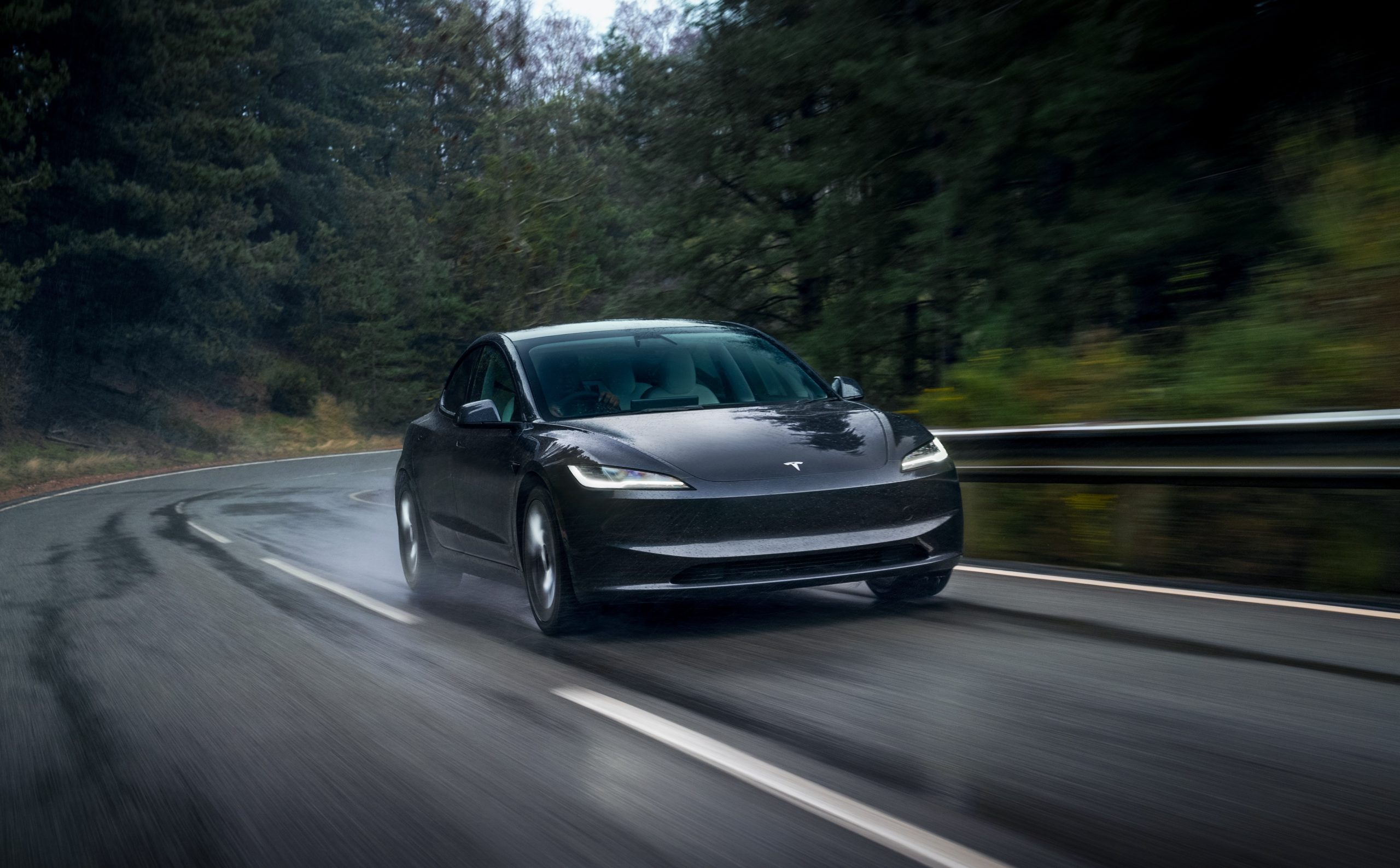
The Tesla Model 3’s cheapest trim level just got a major accolade, as Edmunds just revealed the Rear-Wheel-Drive trim of the all-electric sedan is the most efficient EV that is currently in production.
The 2026 Tesla Model 3 Rear-Wheel-Drive not only beat its EPA-estimated range by 30 miles, but it also bested its efficiency mark by 13.2 percent. The Model 3 tested by Edmunds traveled 393 miles, beating its EPA rating by 8.3 percent, while it returned 21.7 kWh per 100 miles, or 4.61 mi/kWh.
Beating those two metrics is especially pertinent when it comes to EV ownership and driving down the cost of ownership from ICE counterparts across the board. The real money savings come from driving down the cost of driving per mile, especially when it comes to high-mileage driving.
Edmunds stated in its report and review that the process it uses to test EV efficiency is aimed at giving “the most accurate representation of a car’s real-world range.” The assessment uses a strict route that features 60 percent city and 40 percent highway driving, and an average speed of 40 MPH across the trip.
It also drives each car within 5 MPH of all posted speed limits, and the climate control is set on Auto at 72 degrees to ensure even testing. In other words, Edmunds does not use methods to maximize efficiency, and instead tries to make it reasonable to achieve the same ratings yourself.
In comparison to other EVs, it beat the 2026 Mercedes-Benz CLA 350, which went 385 miles, as well as the 2026 Audi A6 Sportback E-tron Prestige AWD, which traveled 392 miles. Only the Mercedes-Benz CLA 250+ traveled farther, making it an impressive 434 miles on a charge.
However, the Tesla Model 3 RWD’s efficiency is “unmatched” because of its incredibly low energy usage per mile.
🚨 Tesla Model 3 RWD:
-At $36,990, it is $9,000 cheaper than the average transaction price for a new car ($46,023 via KBB)
-Was 13.2% more efficient than its EPA estimate
-Traveled 393 miles on a charge despite its 363-mile EPA range https://t.co/Grov2hXqpa pic.twitter.com/Zl8rnZZLIB
— TESLARATI (@Teslarati) June 8, 2026
The Model 3 Rear-Wheel-Drive might be the best bang-for-your-buck EV if you’re looking to buy new and want access to features like Full Self-Driving, while also being aware of efficiency. This trim of the Model 3 is also priced over $9,000 cheaper than what Kelley Blue Book says the average transactional price for a new car was in May 2026, which sits at $46,023.
If you’re looking for something with more speed, an All-Wheel-Drive drivetrain, or more premium features, the Premium trims of the Model 3 currently come with one year of Free Supercharging.

Tesla tipped its hand at where Robotaxi is heading next

Tesla just did something in South Korea that no foreign carmaker has ever done


