Elon Musk
Elon Musk: Self-sustaining city on Mars is plausible in 25-30 years
Musk noted that true self-sufficiency requires Mars to develop “all the ingredients of civilization.”

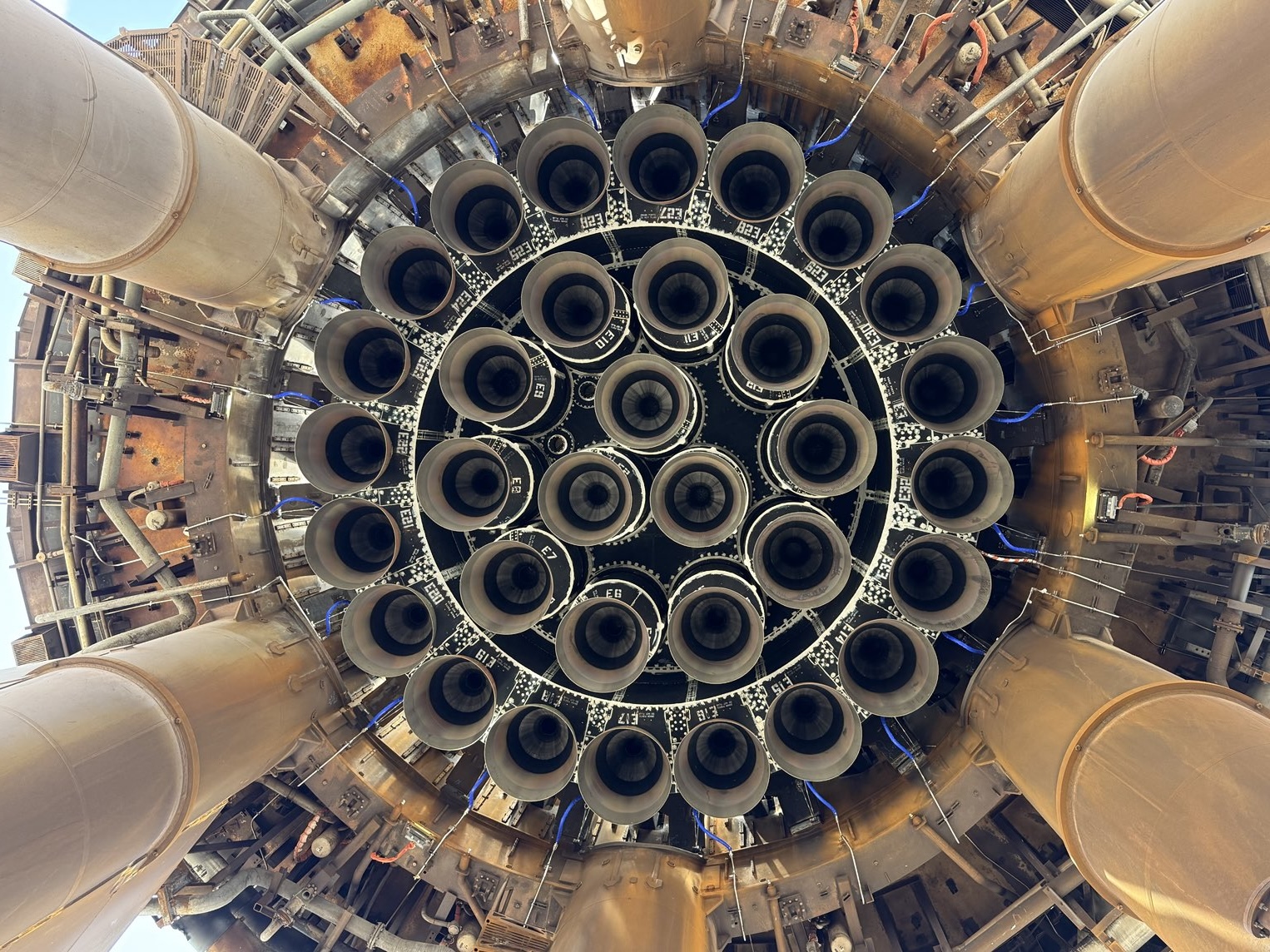
Elon Musk has stated that a self-sustaining human settlement on Mars could be established in 25-30 years, provided launch capacity increases dramatically in the coming decades.
Speaking at the All-In Summit, the SpaceX CEO said building a self-sufficient colony depends on exponential growth in “tonnage to Mars” with each launch window, highlighting Starship’s role as the company’s pathway to interplanetary initiatives.
Mars settlement goals
Musk noted that true self-sufficiency requires Mars to develop “all the ingredients of civilization,” from food production to microchip manufacturing. Starship Version 3 is expected to support the first uncrewed Mars test flights, while future iterations could reach 466 feet in height and deliver larger payloads critical for settlement. Ultimately, Musk stated that an aggressive timeline for a city on Mars could be as short as 30 years, as noted in a Space.com report.
“I think it can be done in 30 years, provided there’s an exponential increase in the tonnage to Mars with each successive Mars transfer window, which is every two years. Every two years, the planets align and you can transfer to Mars.
“I think in roughly 15, but maybe as few as 10, but 10-15-ish Mars transfer windows. If you’re seeing exponential increases in the tonnage to Mars with each Mars transfer window, then it should be possible to make Mars self-sustaining in about call it roughly 25 years,” Musk said.
Starship’s role
Starship has flown in a fully stacked configuration ten times, most recently in August when it completed its first payload deployment in orbit. The next flight will close out the Version 2 program before transitioning to Starship Version 3, featuring Raptor 3 engines and a redesigned structure capable of lifting over 100 tons to orbit.
While SpaceX has demonstrated Super Heavy booster reuse, Ship reusability remains in development. Musk noted that the heat shield is still the biggest technical hurdle, as no orbital vehicle has yet achieved rapid, full reuse.
“For full reusability of the Ship, there’s still a lot of work that remains on the heat shield. No one’s ever made a fully reusable orbital heat shield. The shuttle heat shield had to go through nine months of repair after every flight,” he said.


Elon Musk
Tesla Roadster owners to get “Flying Stunt Mode” and looping track access
Musk says Roadster owners can command the unveiling stunts autonomously, with a Texas looping track.

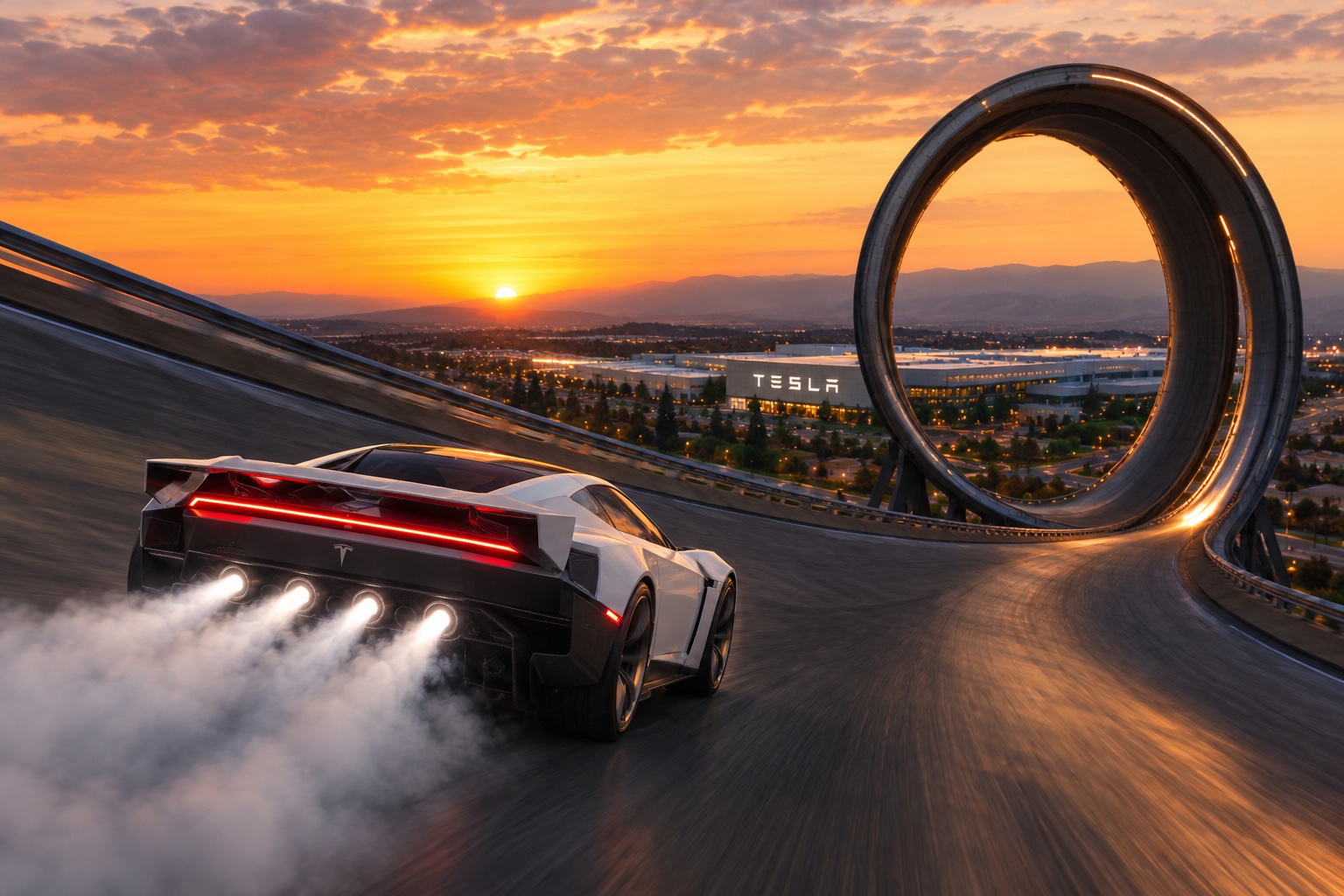
Elon Musk says owners of the new Tesla Roadster will be able to ask the car to perform the stunts Tesla showed at its unveiling, with the car doing the driving itself. Musk made the comment Saturday in a reply on X to tech blogger Robert Scoble, and he added a promise of a looping track at Tesla’s Texas headquarters.
Scoble had argued that the person in the Roadster is not really driving it. In his description, the driver operates a computer that tells another computer what to do, with steering, braking and acceleration all handled by wire. Musk answered, “True. You will be able to ask the Roadster to perform any of the tricks shown autonomously, as it will be sentient. Also, we will have a wild looping track (crazier even than Hot Wheels) at our Texas HQ where you can test out your Roadster.”
@Scobleizer True.
You will be able to ask the Roadster to perform any of the tricks shown autonomously, as it will be sentient.
Also, we will have a wild looping track (crazier even than Hot Wheels) at our Texas HQ where you can test out your Roadster.
— Elon Musk (@elonmusk) October 17, 2026
At the October 15 event outside Waco, the car drove up a curved ramp until it was upside down, flew off on cold gas thrusters, flipped and landed. It also hovered over a Cybercab, Cybertruck, Semi, Model Y and Model 3 while moving. As we noted in our breakdown of the three Roadster configurations, Musk said at the event that the car “literally is just going to puff itself up” to perform the maneuvers whenever an owner wants. Saturday’s reply adds that the car would run them on its own.
Tesla has described some of the hardware that would make that possible. The Roadster uses steer by wire with a yoke, and its cold gas thrusters rely on electric actuators for small adjustments in flight. A fan system under the car creates suction, which Tesla says is strong enough to hold it upside down, a setup we covered in our look at the Roadster’s fan system and thrusters.
Musk did not say when an autonomous stunt feature might arrive, how it would work, or what he means by sentient. He also gave no size, location or opening date for the Texas track. Production is planned for Giga Texas in 2027 or 2028, and Tesla says the car is not approved for public road use. The Rocket version, the one built to fly, is invite only.
The comment follows a week of Musk teasing the event, including his claim that the demo would be a banger, which we covered before the stream. Tesla reports third quarter earnings on October 21, and shareholders can submit and vote on questions through the Say portal until 4 p.m. EDT on October 20, according to our earnings Q&A preview. A question about autonomous Roadster stunts and the Texas track would be a quick way to get specifics from management.
Elon Musk
How to use Grok Bot to block spam calls and texts
Musk told users to ask Grok Bot to scrub their phone numbers from spam lists.
Elon Musk has a new use case for Grok Bot, and it is the spam call. On Thursday he replied to an X user named Arash with a short instruction: “Ask your @Grok @Bot to remove your phone number from spam call & text lists!” Arash had said he got tired of the calls, had an AI bot find his number on listing sites and file removal requests, and packaged the process as a free skill for others.
The skill is called Spam-Call Scrubber, which is described to find a phone number on people search sites and data brokers, submits the opt outs, completes the confirmation emails those sites send back, and rechecks on a schedule the user picks. Using it requires the Grok Bot app. The pitch is time saved, since most broker opt outs sit behind separate forms on separate sites.
Ask your @Grok @Bot to remove your phone number from spam call & text lists!
— Elon Musk (@elonmusk) October 15, 2026
Musk said Grok Bot now gives each bot its own email address, and that it can detect scam emails. On Thursday he also said SpaceX would make users whole if the bot botches a purchase or leaks a card, then told users to shop away from Amazon after the retailer blocked the agent, as Teslarati reported. The terms of service we reviewed at the time put responsibility for what an agent does on the user.
For Tesla owners, Grok Bot is not just a phone app. Tesla brought Grok Bot into its vehicles on September 22, and we argued earlier this week that the Cybercab’s real advantage may be the errands it runs during a ride. Every Cybercab and the rest of the Model Y Robotaxi fleet has it enabled. The more routine tasks like this one become, the more a rider has reason to hand over something personal in the back seat.
The new Spam-Call Scrubber skill can be downloaded for free and works on sites that honor removal requests, while noting that listings can reappear, and illegal robocallers do not check any registry. Whether Spam-Call Scrubber cuts anyone’s call volume is something the first wave of users will find out, and Musk’s endorsement guarantees that wave is coming.
Elon Musk
Amazon shuts out Elon Musk’s Grok Bot so he may just build his own rival store
Musk promises SpaceX will cover Grok Bot purchase errors, tells users to shop beyond Amazon.
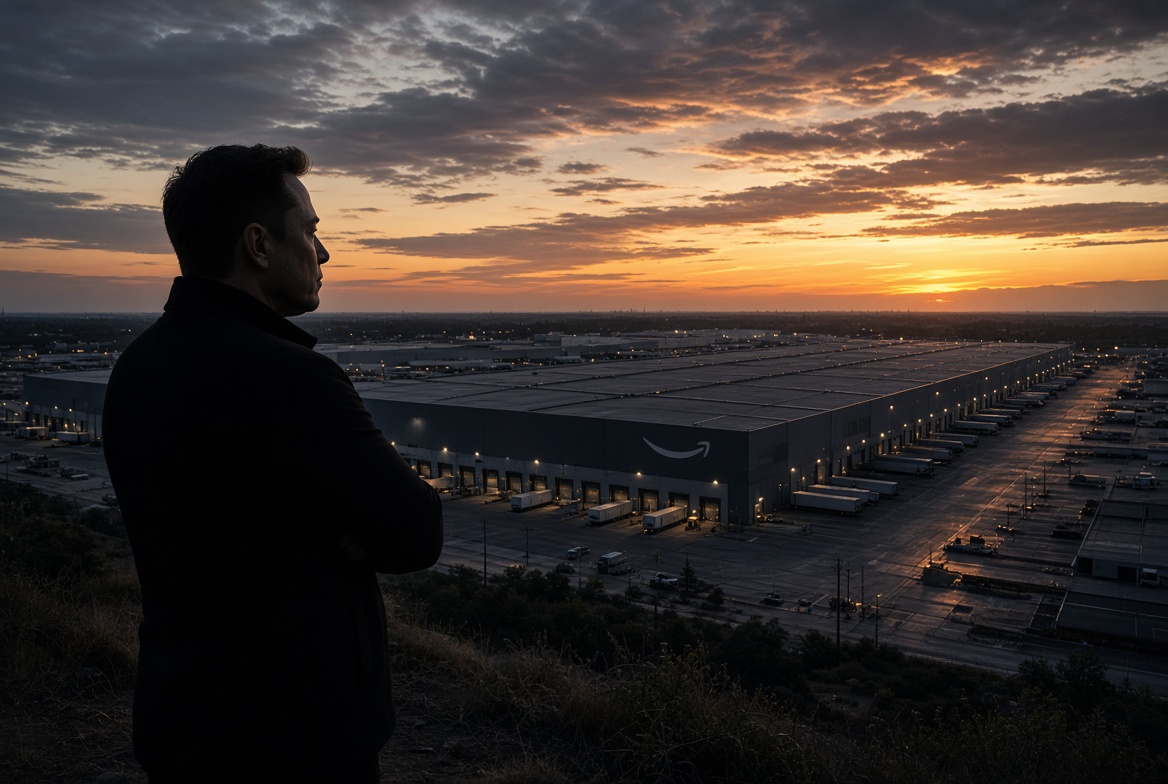
Elon Musk said SpaceX will reimburse users if Grok Bot botches a purchase or leaks their card details. A few hours later he was telling users to take their shopping elsewhere after Amazon shut the agent out.
The first post was a reply to an X user who said Grok Bot booked him a flight after he sent a photo of his credit card. “This works well,” Musk wrote. “If Grok @Bot makes a mistake with a purchase or leaks your card (never happened yet), SpaceX will make you whole,” said Musk.
The second came after another user posted the error his Grok Bot hit on Amazon: “Continued access by an unauthorized AI agent violates Amazon’s Conditions of Use, to which our customers have agreed.” The user said his bots can no longer order from the site. Musk answered, “Just ask Grok @Bot to buy what you want someplace else and get a better deal. There are far more purchasing websites than just Amazon!” He later added, “Maybe we should start a competitor to Amazon,” a possible hint at an X shopping service.
Just ask Grok @Bot to buy what you want someplace else and get a better deal.
There are far more purchasing websites than just Amazon!
— Elon Musk (@elonmusk) October 15, 2026
The Amazon block did not start Thursday. A reply to Musk on October 10 said Amazon was blocking the bot, and Musk responded that Grok would find another way, then showed an order it placed on Lego’s website.
The latest reimbursement promise builds on late August when Musk told a Tesla investor weighing whether to give Grok Bot access to his bank accounts, “If Grok Bot messes up, we will make you whole,” as Teslarati covered when SpaceXAI added its Finance integration. That promise goes further than the company’s consumer terms, which make users responsible for what their agents do and generally cap liability at the greater of fees paid or $100. Neither Thursday post says those terms have changed, so for now it remains a statement on X rather than a published policy.
The two posts matter to Tesla owners because Grok Bot is no longer limited to a phone. Tesla brought it into its vehicles on September 22, and it is now enabled across every Cybercab and the rest of the Model Y Robotaxi fleet, as noted when Teslarati looked at why Grok Bot may be the Cybercab’s real advantage. A rider who asks for groceries or a coffee order is relying on retailers that let the agent in. Amazon has now said it will not, and Musk’s answer is to route around it.
Amazon has not commented publicly on the block in the posts Teslarati reviewed, and it is unclear whether Musk will follow through on a rival store.
So, how many of you do the vast majority of shopping on Amazon and hate that you do? Comment and let us know your thoughts!

Tesla Roadster owners to get “Flying Stunt Mode” and looping track access

How to use Grok Bot to block spam calls and texts

Tesla’s flying Roadster just revealed something bigger than the car

SpaceX reveals how its 1 Million AI satellite network will work and prevent space collisions

Elon Musk’s Boring Company lands a new Middle East deal, and Nashville is about to get faster


