News
SpaceX CEO Elon Musk arrives in Texas for milestone Starship engine test

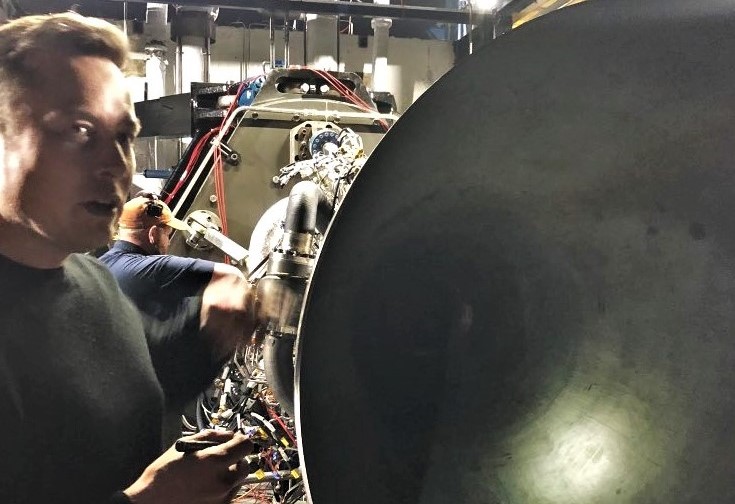
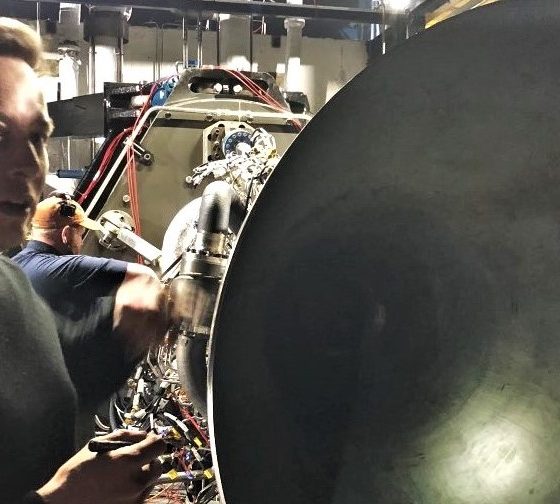
On Saturday evening, SpaceX CEO Elon Musk landed in Waco, Texas – perhaps along with additional SpaceX propulsion engineers – for the critical static fire debut of the first “radically redesigned” Raptor engine, built to power BFR’s Starship upper stage and Super Heavy booster.
If the first operationalized Raptor’s static fire tests go well, there are several possible routes the test program could take, all of which will end up with this engine and several others being tested and ultimately installed on the Starship hopper (Starhopper) prototype under construction roughly 500 miles (800 km) south of SpaceX’s Raptor test cell.
At @SpaceX Texas with engineering team getting ready to fire new Raptor rocket engine pic.twitter.com/ACFM8AtY8w
— Elon Musk (@elonmusk) February 3, 2019
Shortly after Musk revealed official photos of the first operationalized Raptor preparing for an inaugural static fire test at SpaceX’s McGregor, Texas facilities, the SpaceX and Tesla CEO’s private jet was seen landing at Waco, Texas around sunset. Although all SpaceX technical expertise needed for Raptor’s first ignition was probably already on site several days prior, Musk has been known to offer seats on his private planes to SpaceX and Tesla employees when a critical group is needed away from their normal base of operations. The best examples come from Tesla engineering expertise sometimes traveling between Fremont and Gigafactory 1 when needed, often to solve production holdups.
Regardless of whether he was traveling with members of the SpaceX propulsion team, Musk’s arrival at McGregor yesterday signified that Raptor Block 1’s first integrated hot-fire was imminent. Assuming no attempt was made on Saturday night or Sunday morning, SpaceX technicians and engineers are presumably still working on installing what is effectively a new rocket engine and ensuring that Raptor’s test cells – extensively overhauled and upgraded for the occasion – are working as intended. While the development Raptors SpaceX built hovered around 1000 kN (~100t) of thrust, also roughly the same as Merlin 1D, the Raptor now on stand in Texas is reportedly a 200 ton-class engine or more than double the thrust of any single engine SpaceX engineers and technicians have built or test-fired in 15 years of engine development.
-
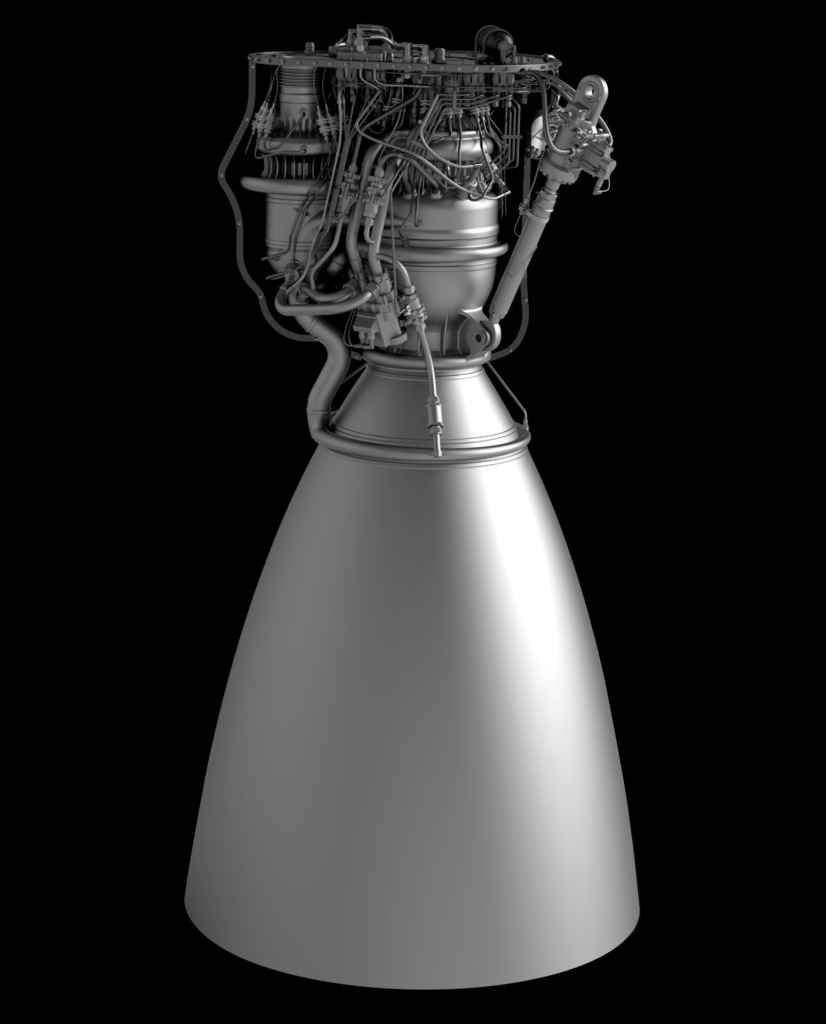
- The only official render of Raptor, published by SpaceX in September 2016. The Raptor departing Hawthorne in Jan ’19 looked reasonably similar. (SpaceX)
-
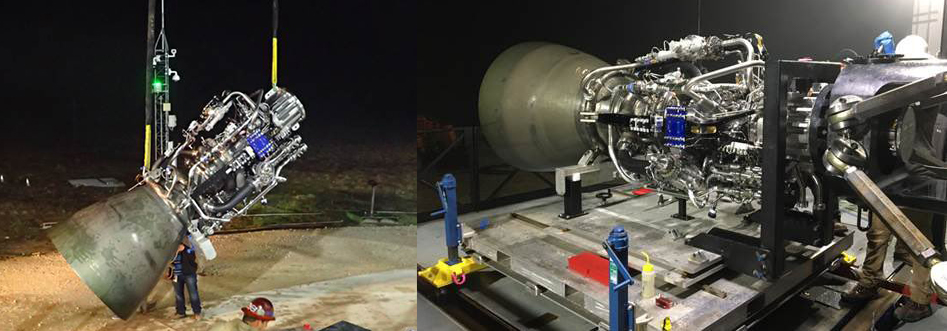
- Technically speaking, this Raptor is the smaller (sea-level) version of the engine. (SpaceX)
-
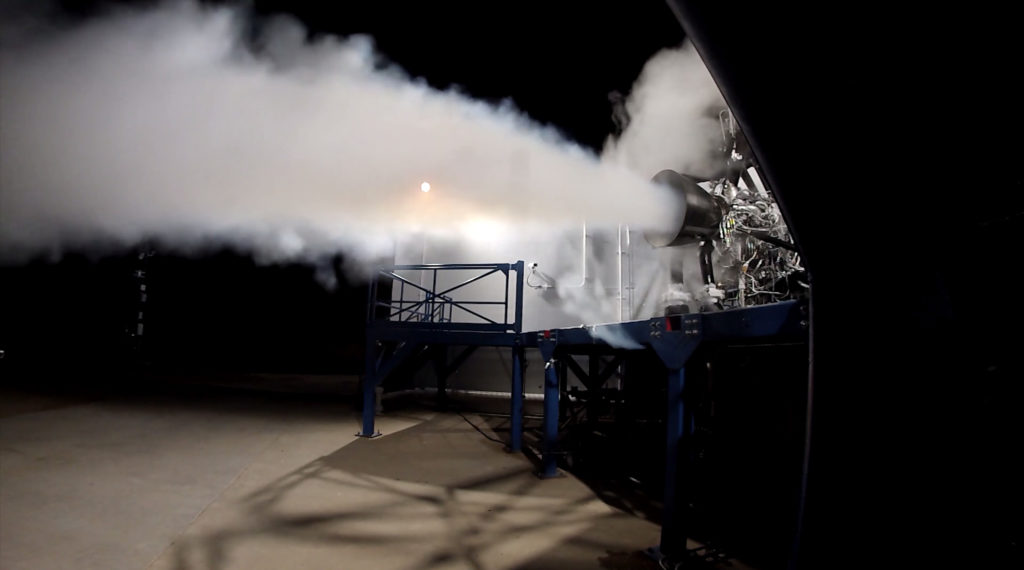
- SpaceX’s current Texas facilities feature a test stand for Raptor, the engine intended to power BFR and BFS to Mars. (SpaceX)
-
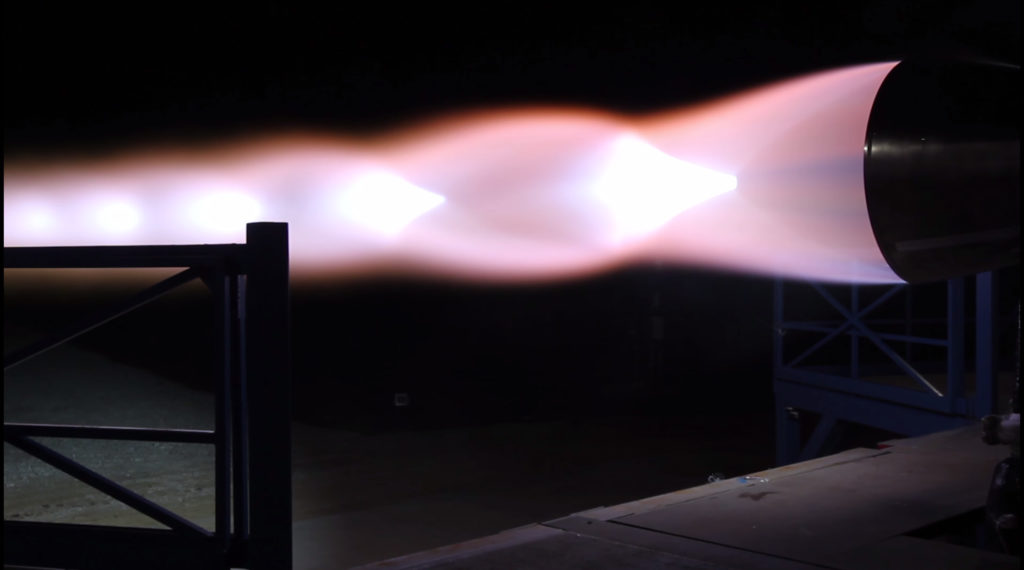
- A Raptor prototype is seen here during its first-ever ignition test. (SpaceX)
-
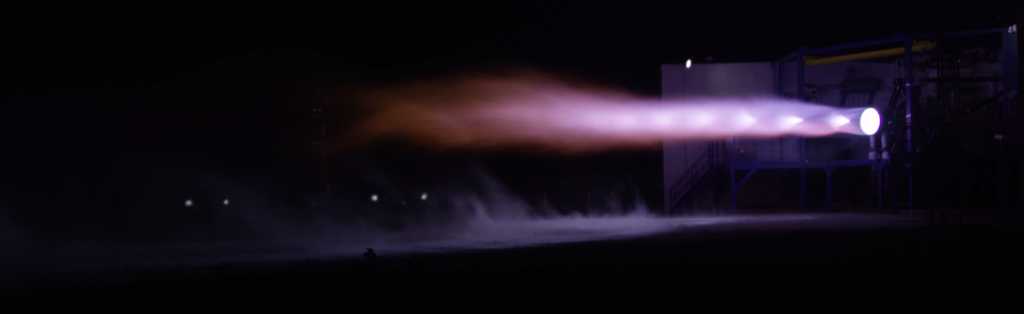
- A 2017 test-firing of the mature development Raptor, roughly 50% less powerful than the full-scale system. (SpaceX)
A fork in the R&D road
Prior to completing Raptor Block 1 (unofficial designation), SpaceX cumulatively test-fired dev Raptors for far more than 1200 seconds over the course of more than 24 months. It’s unclear how extensively the company’s engineers will be able to test the pathfinder hardware built on the back of that extensive test program. Nominally, one would expect hundreds or thousands of seconds of additional testing to properly characterize the design and production of a brand-new, optimized engine like Raptor while primarily ensuring that it performs within engineering specifications.
Knowing CEO Elon Musk’s self-admitted tendency to push for impractical deadlines and schedules that often appeared rushed for the sake of rushing, it’s not impossible that the first Raptors could find themselves installed on the Boca Chica-based Starhopper test article after Merlin-esque acceptance testing and nothing more. For M1D and MVac, acceptance testing usually takes the shape of a full-duration burn with throttle and gimbal activity to closely simulate a true Falcon 9 or Heavy launch. For the 200-ton Raptor now in Texas, comparable acceptance testing could take a variety of forms, ranging from short Starhopper-relevant burns (10-60 seconds for small hops) to simulating conditions during a Super Heavy launch and landing or even a 6 or 7-minute orbital insertion burn indicative of the performance needed for Starship.

Depending on the interplay between the route SpaceX engineers would likely prefer and the Starhopper test schedule executives and managers might want, this first Raptor engine (and two more soon to follow) could be installed on Starhopper anywhere from a few weeks to several months from now. Elon Musk indicated in early January that he expected hop tests would occur 4-8 weeks later, shortly followed by unplanned damage to the craft’s nose cone that pushed the debut back “a few weeks”.
Aiming for 4 weeks, which probably means 8 weeks, due to unforeseen issues
— Elon Musk (@elonmusk) January 5, 2019
I just heard. 50 mph winds broke the mooring blocks late last night & fairing was blown over. Will take a few weeks to repair.
— Elon Musk (@elonmusk) January 23, 2019
Realistically, hop tests should thus be expected to begin no earlier than (NET) 8-12 weeks from the first week of January, translating to NET March or April. This would give SpaceX propulsion engineers a decent amount of time to gain at least a few hundred (or maybe 1000+) seconds of experience operating the newest and most advanced iteration of Raptor.
Check out Teslarati’s newsletters for prompt updates, on-the-ground perspectives, and unique glimpses of SpaceX’s rocket launch and recovery processes!



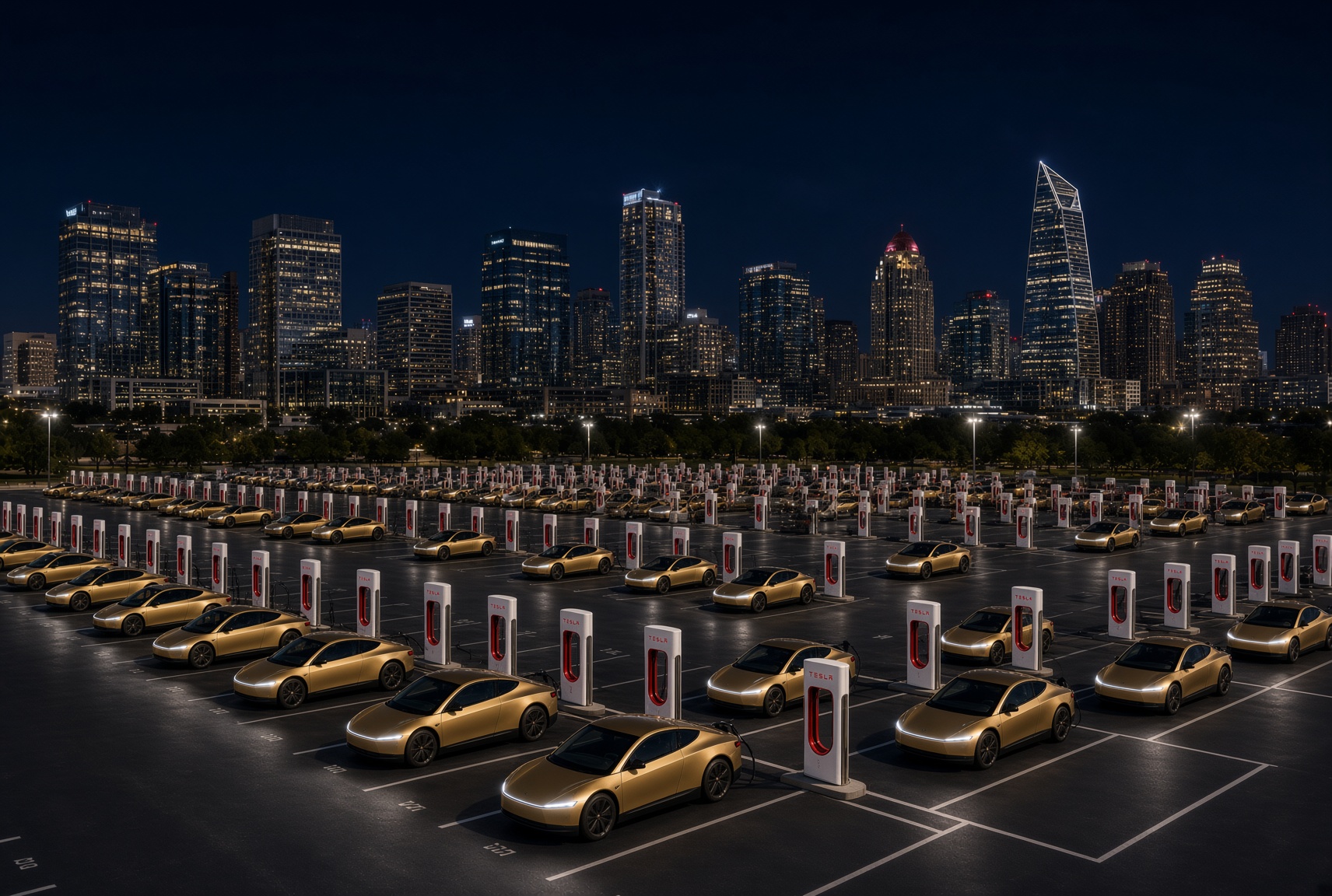
Tesla has revealed plans through permit submissions for a massive Robotaxi charging hub in Austin, Texas.
Tesla plans to build the Supercharger hub in multiple phases, with the second phase potentially introducing wireless induction charging, something the company has been developing for the Robotaxi fleet.
Initially, 48 Tesla Robotaxi-geared Superchargers will be built on a lot just across from the St. Elmo, Texas, Service Center. There are about 80 additional spots that will not be impacted by phase 1 of the construction process.
Filings show that the second phase of the project will turn those 80 additional spots into wireless charging for Robotaxi, but it might be an error. The Key Notes state that item 3 is listed as “V4 Charging Cabinet to Support 80 Wireless Chargers in Phase 2. However, the drawings point to V3 Cabinets that are already tied to Superchargers:
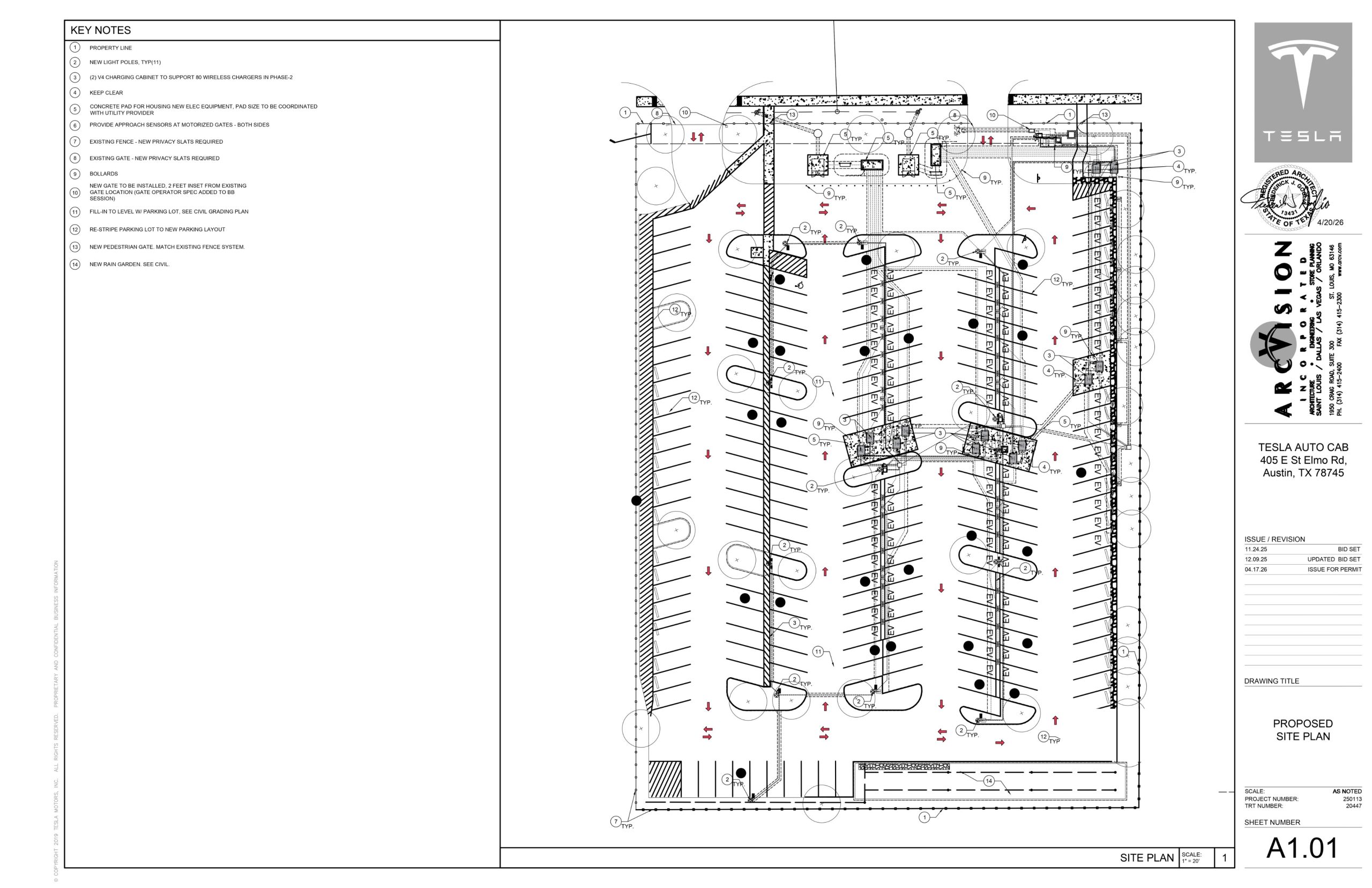
There are roughly 128 total spots in the lot, but it is unclear if they will all be used for charging based on what appears to be some sort of typo in the blueprint.
A new Robotaxi fleet charging hub is coming soon to Austin, Texas!!
Permits have been filed for the installation of 48 (V3) stalls in a vehicle storage lot across the road from Tesla’s St Elmo service center. pic.twitter.com/xwRgSWDqht
— MarcoRP (@MarcoRPi1) August 18, 2026
This is among the first Robotaxi charging hubs Tesla has started to develop, as it currently has four others planned throughout various areas: one in Phoenix, one in San Antonio, another in Irving, which will serve the Dallas-Fort Worth area, and another in Las Vegas.
These projects are necessary as Tesla expands its Robotaxi program. Now that preparations have started for the public launch of Cybercab, Robotaxi will likely be expanding aggressively, especially over the next two to three years.
Last night, The Information reported that Tesla was planning to launch Cybercab as soon as the end of August. Hours later, Tesla then announced it was launching a competition for fans to potentially ride in Cybercab during its first public rides.
Tesla’s plan to expand its charging infrastructure in the regions where Robotaxi will initially operate is great preparation for the expanding service. There is still a lot to do, including launching the Cybercab on time.
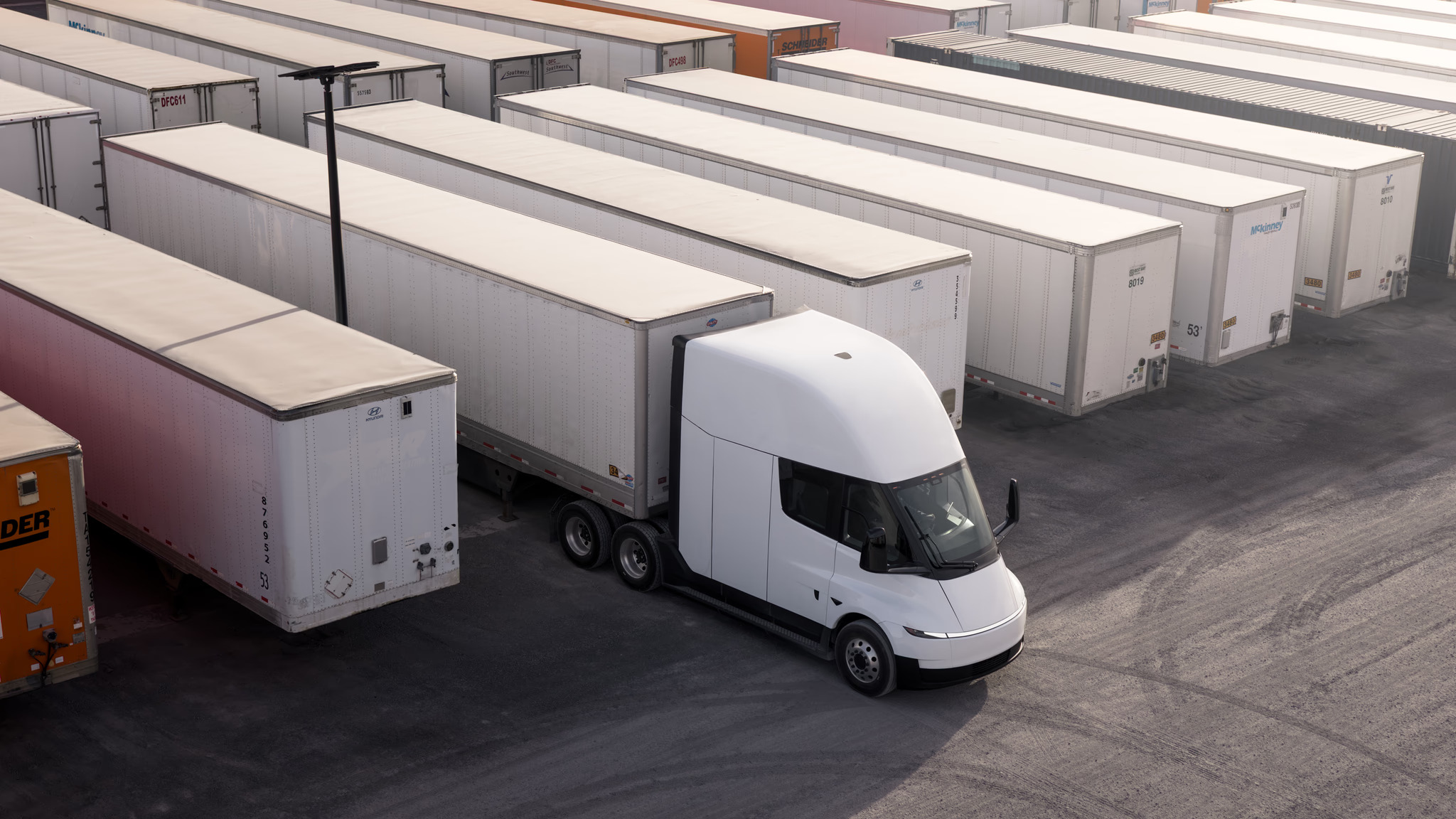
Tesla got its largest order for the all-electric Class 8 Semi yet, a 500-unit order from Einride AB, a Swedish trucking company.
Einride made the announcement this morning following its second-quarter earnings call. The company said it plans to use 500 Tesla Semi units on its fleet intelligence platform, called Saga AI. The deployments will serve large companies like Amazon and will extend Einride’s electric freight network across logistics routes in California, New Jersey, Texas, Illinois, and Georgia.
🚨 Tesla has received a MASSIVE order from Swedish freight company Einride AB, which placed an order for 500 Tesla Semi trucks
Tesla’s biggest order for the Semi yet! pic.twitter.com/PrtLp5yzvh
— TESLARATI (@Teslarati) August 18, 2026
The deployment is being carried out in several phases over the next two years as Tesla ramps production of the Semi at its dedicated production facility in Sparks, Nevada. Einride will receive its first Semi units in September.
Saga AI
Saga AI is Einride’s dedicated fleet intelligence platform. It enables scaled adoption of electric trucks for freight use and allows shippers to integrate electric capacity without the operational burden or capital risks of managing a fleet. This helps integrate cost-efficient logistics and makes budgeting and forecasting much more accurate.
Tesla Semi’s Adoption
The Tesla Semi is now gathering large-scale clients past those who have helped the company operate a Pilot Program to gain initial information and feedback from real-world drivers.
Perhaps the biggest and most notable is that of Frito-Lay and PepsiCo., who have worked with Tesla for the past several years to dial in the finer details of the truck, including its efficiency and operation-related components.
Tesla Semi gets strange-but-understandable comparison from Jay Leno
There has been tremendous progress in that time, and it even catalyzed Tesla to make some design changes, which were unveiled earlier this year.
But Einride CEO Roozbeh Charli says his company’s partnership with Tesla will continue to push those things forward:
“This deployment is yet another proof point that we can execute at the scale our customers demand. Working closely with Tesla to bring next-generation Semis into active operations quickly and at scale is a testament to the strength of that partnership, and how quickly this technology is maturing from promise to daily operations.”
Additionally, Dan Priestley, the Director of the Semi Program at Tesla, said the partnership is ideal due to Einride’s focus on sustainable transport:
“Einride is at the forefront of sustainable freight, and we are thrilled to deepen our relationship with them through this order of 500 Semis. EV heavy trucks provide lower costs per mile from fuel savings, reduced maintenance, and better uptime over diesel trucks. These savings increase further through operational efficiency when deploying EV trucks at scale, and we are excited that Einride recognizes this and look forward to supporting their deployments.”
Elon Musk
India tells Elon Musk’s X to “Follow the Law” in latest censorship update
Elon Musk says X now exposes government censorship, but India’s secrecy laws complicate that promise.

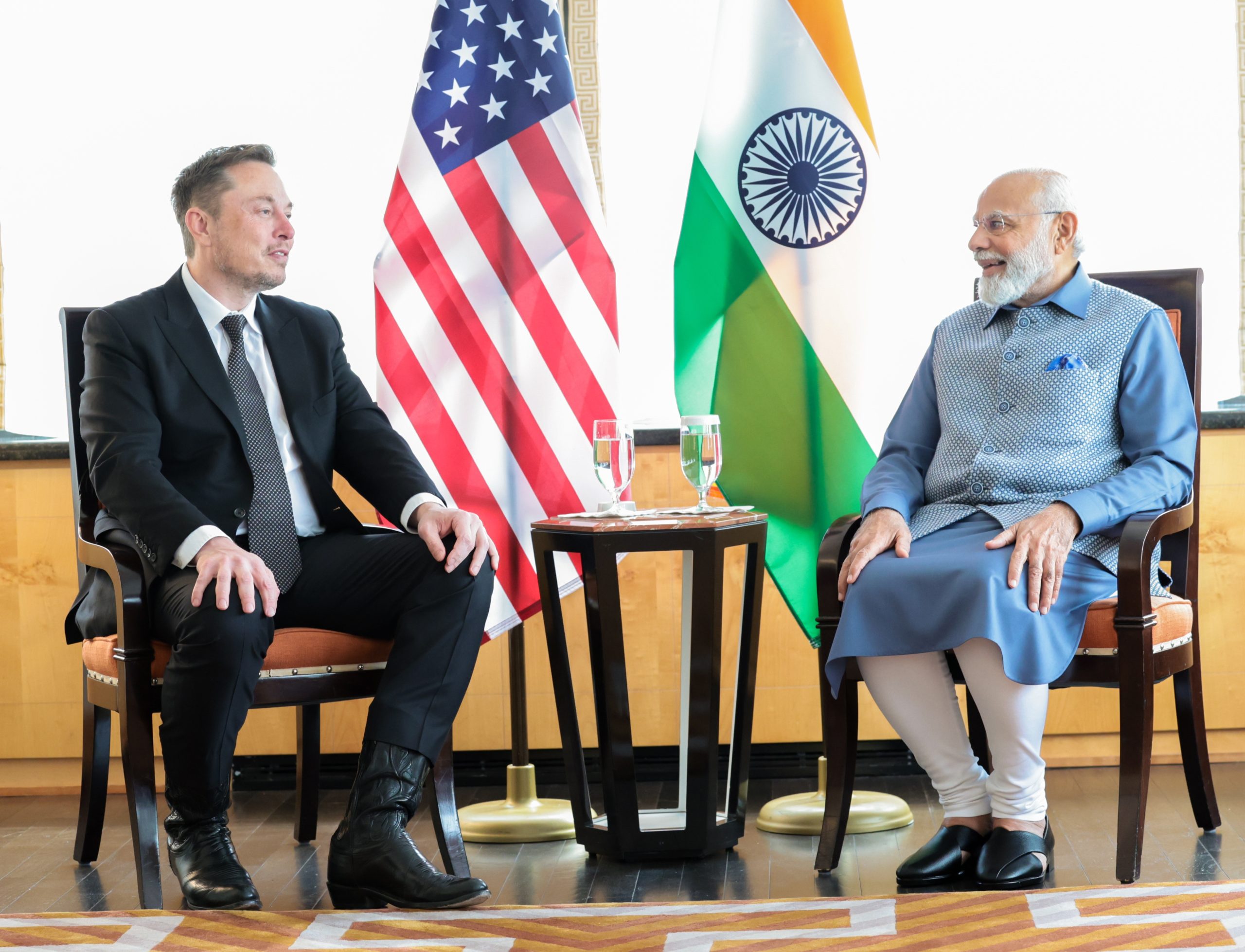
Elon Musk’s promise to make government censorship requests on X “clearly visible” is running into a wall in India, where the law forbids the very disclosure Musk is promising.
On August 15, Musk responded to an update from X’s open-source algorithm team by writing “Any censorship required by governments is now clearly visible.” The claim referred to a change X pushed two days earlier to its public xai-org/x-algorithm repository, which now includes a controversial filter written directly into the code. The filter suppresses posts from 665 accounts flagged by Brazil’s Superior Electoral Court from appearing in the For You feed of any viewer located in Brazil, unless the viewer already follows the account. The election tied to the filter is scheduled for October 4.
India’s government wasn’t as impressed, and responded on Monday that “X will have to follow the law of the land,” in response to Musk’s transparency push covered by the Times of India. The problem is structural rather than political. India issues content blocking orders under Section 69A of its IT Act, and Rule 16 of the accompanying 2009 Blocking Rules requires those orders to stay confidential. Publishing an India equivalent of the Brazil filter, naming specific accounts and citing specific government orders, would itself violate Indian law. Government use of Section 69A has grown from roughly 6,000 orders a year between 2018 and 2023 to about 24,300 in 2025, according to a Tech Times report.
The contrast puts Musk’s transparency pledge in an odd spot. It works largely as advertised in Brazil, where electoral law requires disclosure and X can point to specific account IDs and a specific court order in public code. It cannot work the same way in India, where the law requires the opposite. X users in India will keep seeing content disappear from search and their feeds without any public accounting of why, even as X tells the rest of the world that its censorship compliance is now inspectable.
This isn’t the first time X’s fights with a national government have shaped how the platform operates. Brazil’s Supreme Court ordered X to suspend the accounts of sitting lawmakers and journalists in 2024, a standoff that cost X its Brazilian revenue for months and froze Starlink’s local accounts before the investigation into Musk and X was closed in March with no evidence of wrongdoing found. X also sued California over a state law requiring moderation disclosures, arguing the mandate itself violated the First Amendment.
Whether India’s government pursues anything beyond a public statement remains to be seen. For now, the mismatch between what X can legally publish and what different governments legally allow it to publish is the real story behind Musk’s seven word claim.

Tesla reveals plans for Robotaxi charging hub in Austin

Tesla Semi gets its largest order yet


