Elon Musk
SpaceX announces new Starbase for ‘thousands of Starship launches annually’

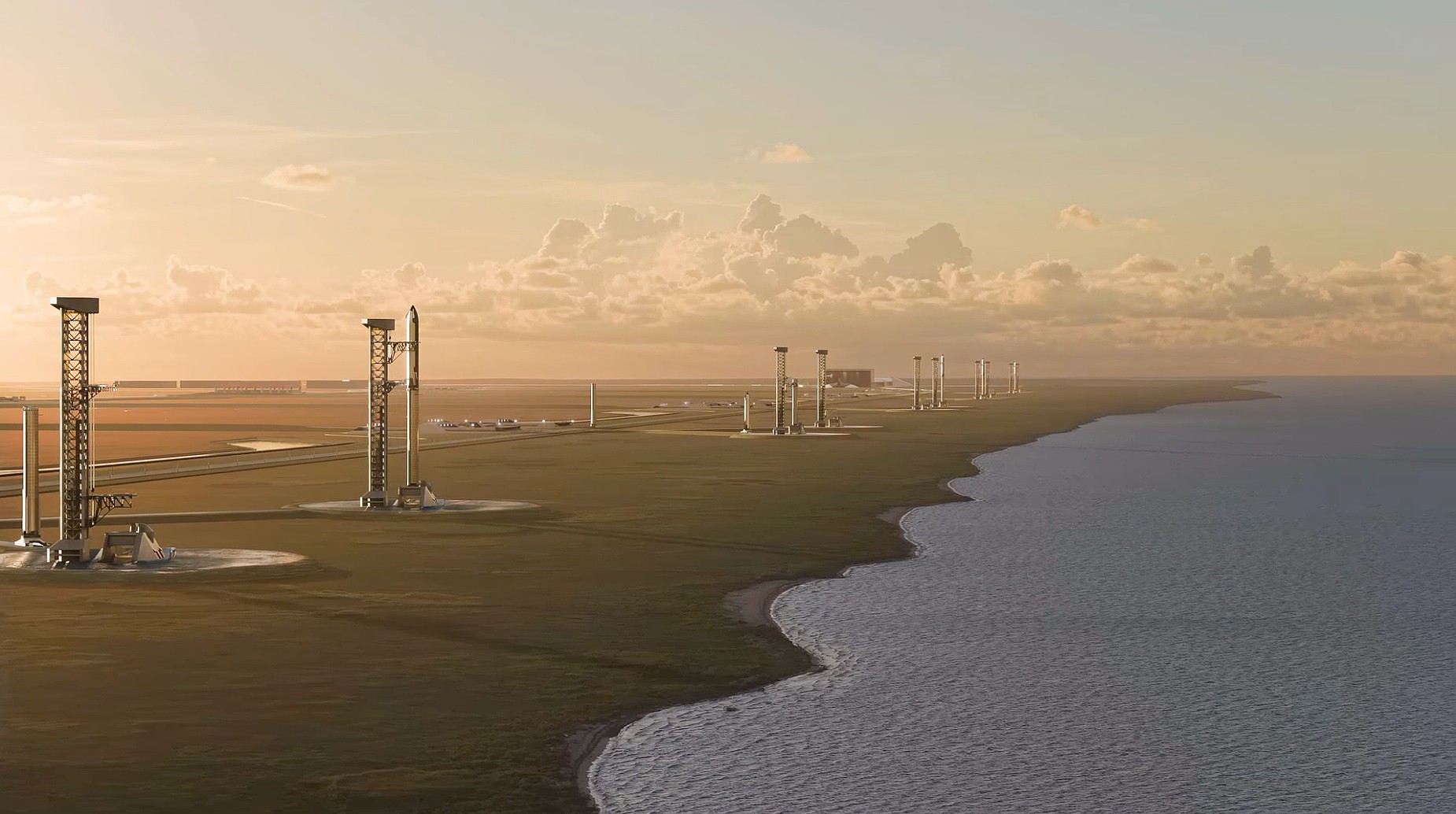
SpaceX announced today that it would expand its launch capabilities into a new U.S. state: Louisiana.
Today, SpaceX, in conjunction with the Louisiana Economic Development Office, said that it will establish a new launch facility, which it will call Starbase, Louisiana. It will be located near Vermilion Parish, supporting thousands of launches each year, at least eventually.
CEO Elon Musk commented by stating, “Starbase Louisiana will ultimately have over a dozen launch towers, enabling more than 30 Starship flights per day and making it the biggest launch site on Earth!”
Starbase Louisiana will ultimately have over a dozen launch towers, enabling more than 30 Starship flights per day and making it the biggest launch site on Earth!
SpaceX makes sci-fi real. https://t.co/C7Ht0U12ba
— Elon Musk (@elonmusk) August 25, 2026
The expansion is SpaceX’s latest move to push its launch cadence to be more frequent than ever. SpaceX said that Starbase, Louisiana, will be built to “support thousands of Starship flights a year,” with the first coming in 2029.
SpaceX announced the new facility in partnership with the Louisiana Economic Development Office as it will bring a major influx of jobs and investments into the area. Currently, it will produce more than 3,000 new jobs in Louisiana, and SpaceX plans to invest at least $100 billion into the entire facility, ensuring that many jobs are created as a result.
Environmental Responsibility
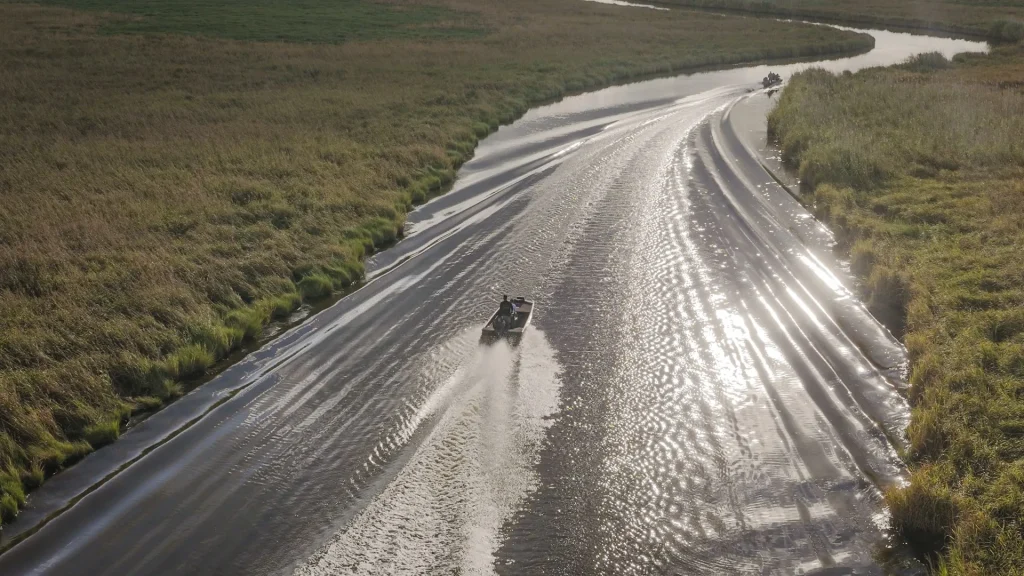
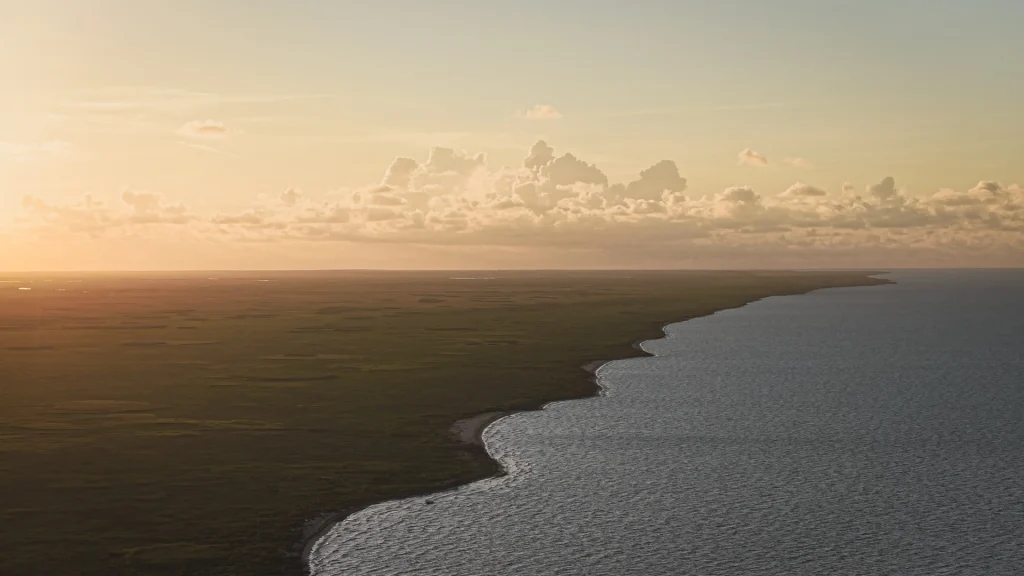
SpaceX acknowledges the impact launches could have on marshlands, local wildlife, and water sources. Here’s how the company plans to help with the issues in Vermilion Parish:
- Restoring the Shoreline: “In Vermilion Parish, the shoreline is eroding between 3.3 and 23 feet per year. We’re partnering with state and federal agencies to expand Louisiana’s Coastal Master Plan and Coastal Wetlands Planning, Protection and Restoration Act projects, including Gulf shoreline protection breakwaters designed to reduce wave energy and slow loss along the Gulf edge.”
- Rebuilding the Marshlands: “In working with the state, we’re planning thousands of acres of marsh creation using beneficial-use placement of dredged material and offshore sediment sources. Restoration will also include interior marsh bank stabilization and rebuilding marsh in remnant canals. These projects can reconnect fragmented wetlands, restore natural buffers against storms, and return habitat that has been lost to erosion and historic canalization.”
- Preserving Coastal Wildlife: “Pecan Island and nearby wetlands are high-value habitat for migratory waterfowl, shorebirds, wading birds, and other coastal wildlife. SpaceX is not developing the full footprint of the land and will preserve wetlands and wildlife habitat. At existing launch sites, waterfowl and other birds continue to use nearby habitat during operations. Working with wildlife agencies, landowners, and conservation groups, SpaceX will support monitoring and management so this habitat stays productive and hunting, fishing, birding, and other recreational activities that are part of this coast’s culture can continue.”
SpaceX shares rose about 2.5 percent on the news.


Elon Musk
SpaceX just combined Grok, Cursor, and X into one mega plan
SpaceXSI merges Grok, Cursor, and X Premium into one plan, raising questions for Tesla owners.

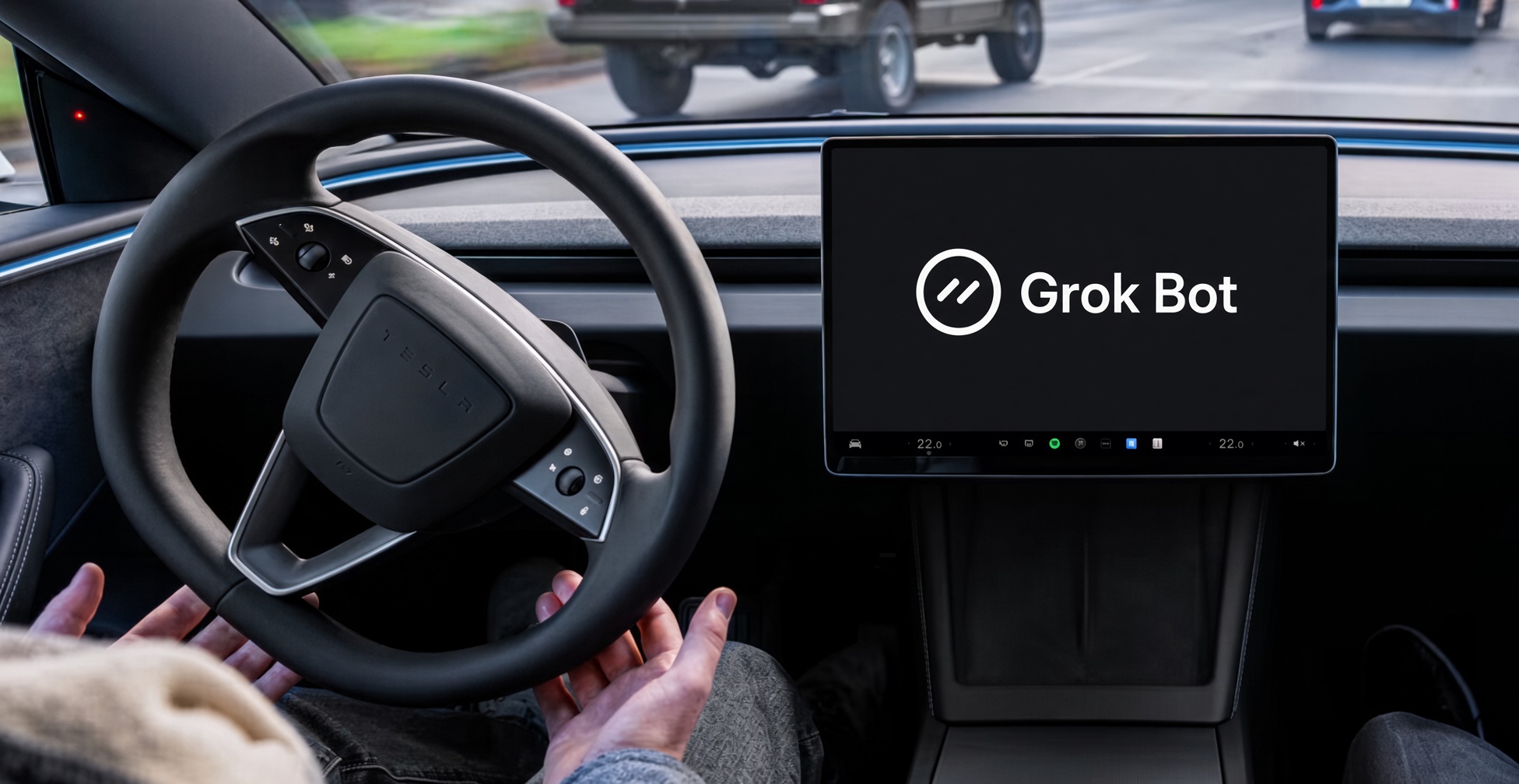
SpaceX Super Intelligence has rolled out The X Subscription, a single plan that combines Grok, Grok Bot, Cursor, and X Premium.
There are five levels, including a free plan that includes daily Grok access and a starter allowance for Cursor’s coding agents. Plus is $8 per month, Premium is $30, Super is $100, and Ultra is $200. Usage scales as you move up, with Premium offering four times the Plus allowance, Super 15 times, and Ultra 50 times. Annual billing brings the prices down a bit further, with Premium at $300 per year.
We’ve unified plans across Grok, Cursor, and X Premium.
Introducing The X Subscription. https://t.co/SvkrVvBa0p
— SpaceX Super Intelligence (@SpaceXSI) October 12, 2026
The $30 Premium tier is where SpaceXSI says it packs the benefits of SuperGrok, Cursor Pro, and X Premium+, which previously added up to $90 per month. Grok Bot, the agent that handles tasks like ordering food or managing a calendar, is included from Premium upward but not on Plus. Paid plans share one weekly usage pool across Grok and Cursor, and each plan includes at least twice the coding usage of the comparable Cursor plan. Third party models in Cursor remain available on Premium and above, but they are billed separately at API list prices.
That last detail matters because of what has happened around Cursor this year. SpaceX exercised its option to buy the company for $60 billion in June, and the deal closed in August. Weeks later, OpenAI said it will cut Cursor’s access to its models on November 12. Bundling Cursor with Grok usage gives SpaceXSI a reason to steer developers toward its own models.
Tesla integrates Grok Bot into its vehicles for the ultimate personal assistant
For Tesla owners, the connection is Grok Bot. Tesla brought it into its vehicles last month, and at that point access inside the car was limited to SuperGrok Heavy subscribers. Grok Bot is now enabled across every Cybercab and the rest of the Model Y Robotaxi fleet. Neither SpaceXSI nor Tesla has said how the new plans change inside the car access for owners, or whether a $30 Premium subscription now covers Grok Bot in a personal Tesla. That is the question owners will want answered first.
The company is also changing its name along the way. The rollout follows the rebrand Musk announced on October 4, when he said SpaceXAI would become SpaceXSI, and the plan page now carries that branding.
The X Subscription is available to new customers starting now, and SpaceXSI says it will reach everyone globally over the next few days. Existing SuperGrok, Cursor, and X Premium subscribers do not have to switch. The option to move will appear gradually in billing settings, with a prorated refund for the unused time on the old plan. Switching is permanent once the accounts are unified, and old plans are closed to new sign ups.
Elon Musk
Elon Musk roasts India’s billionaire Mukesh Ambani as Starlink fight heats up
Elon Musk sarcastically calls Mukesh Ambani ‘Prime Minister’ as the Starlink India standoff escalates again.
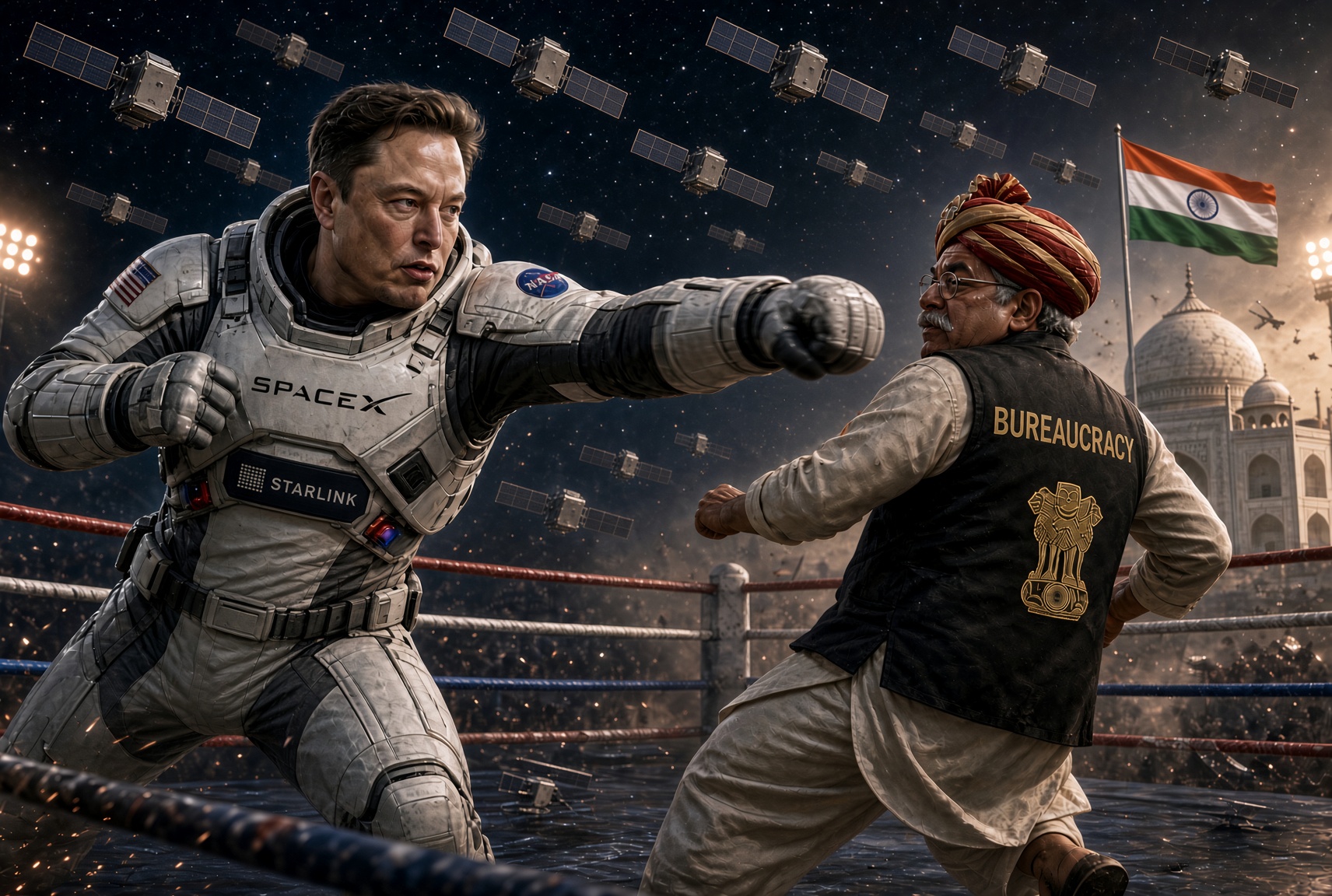
Elon Musk escalated his public fight over Starlink’s launch in India on Friday, addressing Reliance chairman Mukesh Ambani as “Prime Minister Ambani” in a sarcastic post on X. “Please accept my humble apologies for not realizing that you are the real boss of India,” Musk wrote, before accusing Ambani of “monopolistic exploitation” and asking whether he would “consider allowing Starlink to compete.” In follow up posts, he said Starlink has proven essential during natural disasters and would help parts of India with no internet access.
The post came two days into a fight that Musk sparked up on Wednesday, when he said Starlink was “being blocked by certain oligarchs in order to maintain their monopolistic chokehold on the Indian people.” He called it “a crime against the people of India” and left the names out, adding only, “You can guess who they are.” Jio and Airtel together hold more than 80% of India’s telecom market. On Thursday, Musk asked whether Ambani is “the real boss of India” and said Starlink has spent five years complying with “every single law and requirement” of the Indian government.
Dear Prime Minister Ambani,
Please accept my humble apologies for not realizing that you are the real boss of India.
Naturally, you would prefer to maintain your monopolistic exploitation of the great people of India, but would you nonetheless consider allowing Starlink to compete?
There are many areas of India, as there are in all countries, with no Internet access, which denies children the opportunity for education and for small businesses the opportunity to sell their goods to a global market. Starlink would change their lives for the better.
Thank you 🙏
— Elon Musk (@elonmusk) October 9, 2026
India’s government has pushed back each time. The Ministry of Communications called the suggestion that its framework is unfair or discriminatory “baseless and misconceived.” Communications Minister Jyotiraditya Scindia said Friday that three companies hold satcom licenses: Starlink, Jio Satellite Communications, and Bharti backed Eutelsat OneWeb. Amazon’s Kuiper, now Amazon Leo, is still going through the process. None can launch until regulators finalize satellite spectrum pricing and the Home Ministry signs off on each company’s security compliance. Scindia said the telecom regulator and the Department of Telecommunications are close to a decision on pricing, The Hindu reported. Bharti chairman Sunil Mittal also said OneWeb is still waiting on approvals.
Starlink received its operator license in 2025 after a three year wait, and the space regulator IN-SPACe granted what industry executives called the last approval needed in July. The holdup since then centers on security, particularly concern that foreign operators could bypass Indian gateways.
Musk and Ambani have been on opposite sides of this before. In late 2024, Ambani argued for auctioning satellite spectrum, which Musk criticized as out of step with the rest of the world, and India chose administrative allocation instead. By March 2025, the two sides had signed a deal to sell Starlink devices in Reliance stores, and Starlink secured its telecom license that June. That partner is now also a competitor. Jio is reportedly weighing a constellation of 1,600 to 1,650 satellites costing an estimated $10 billion to $15 billion, while Akash Ambani has told shareholders Jio plans to lease capacity from global providers to move quickly.
Elon Musk
Elon Musk’s surprise addition to the X Takeover lineup has fans talking
Elon Musk will join Saturday’s X Takeover at Giga Texas for a live virtual interview.
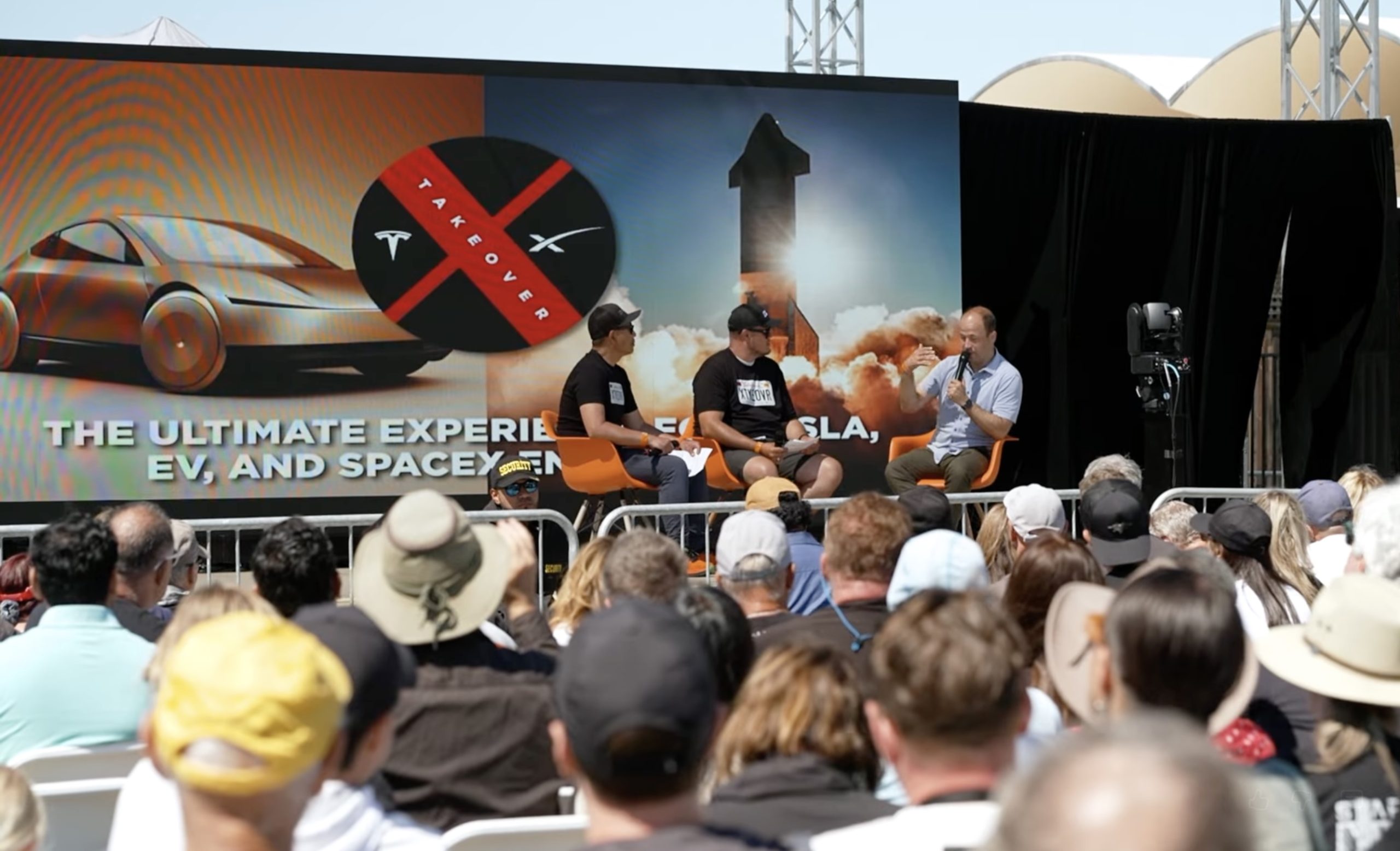
Elon Musk will join X Takeover at Giga Texas on Saturday for a live virtual interview, according to Sawyer Merritt, who shared the news late Thursday. Musk will not be on stage in Austin. The conversation is set to stream for free on the @teslaownersSV account on X.
Organizers had kept expectations in check. In a September update, Tesla Owners Silicon Valley said Musk had appeared at the event twice before but was not promising a third appearance, even as fans hoped he would walk the Giga Texas grounds in person. A virtual spot matches 2024, when Musk gave a surprise interview of about an hour to the crowd in San Luis Obispo, as Teslarati reported at the time.
Wasn’t expecting this 🫡
— Tesla Owners Silicon Valley (@teslaownersSV) October 9, 2026
This year’s edition is a first in several ways. It is the first X Takeover held outside California and the first at a Tesla facility, with tickets selling out in eight days. Tesla provides the venue, but the event is produced independently by Tesla Owners Silicon Valley. The main event runs from 10 a.m. to 6 p.m. CT, followed by a drone and light show at 9 p.m. Maye Musk is the keynote speaker, Franz von Holzhausen is set for a virtual keynote, and Nicki Minaj is the special guest. Joe Tegtmeyer, whose drone footage Teslarati used to track the Optimus factory steel frame at Giga Texas, is also on the speaker list.
Musk’s interview topics have not been revealed, but the backdrop is busy. Tesla doubled its Cybercab fleet in Austin in late September, and last week Musk explained why Robotaxi hours only moved from 10 p.m. to 11 p.m.. Merritt also reported Thursday that Texas DMV records now show 319 registered Cybercabs, up from 169. NHTSA’s deadline for Tesla’s sworn answers on Cybercab certification is October 30, and Tesla reports third quarter earnings on October 21.
Fans who cannot make it to Austin can watch the livestream on X. Musk tends to say more in unscripted settings than he does in prepared remarks, which is the reason this one is worth having open on Saturday.

SpaceX just combined Grok, Cursor, and X into one mega plan

Taiwan power firm bets big on Tesla Megapacks as AI data center thirst grows

Tesla Cybercab and Robotaxi’s real advantage won’t be the ride service

The Pentagon taps Elon Musk to design the battlefield of the future

Tesla Roadster’s new patent preps white-knuckle speeds, keeping it grounded


