News
SpaceX readies Starship Flight 14 for a historic journey into uncharted territory
SpaceX finished Starship’s Flight 14 rehearsal, clearing the way for its first orbital flight Monday.

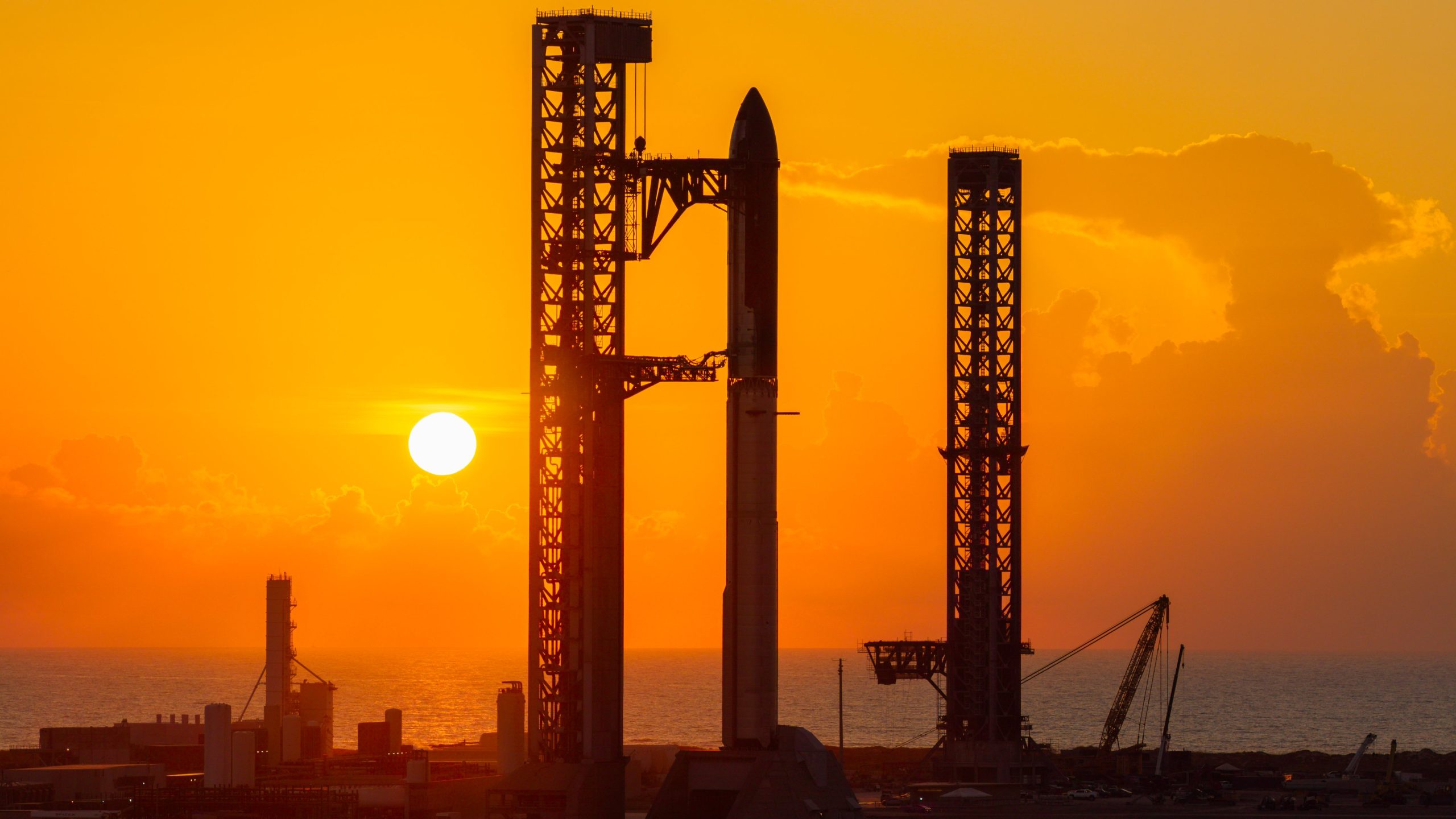
SpaceX has cleared one of the last hurdles before Starship’s first trip to orbit. The company posted on X Thursday afternoon that its launch rehearsal for Flight 14 was complete, keeping the mission on track for Monday, September 28. The launch window opens at 7:15 a.m. CT at Starbase, Texas, and runs for 75 minutes.
A wet dress rehearsal is essentially launch day without the launch. Crews fill Booster 21 and Ship 41 with thousands of tons of extremely cold propellant, run the countdown nearly to ignition, then drain everything back out. It lets engineers catch leaks or equipment problems before anything leaves the pad. SpaceX still needs a launch license from the FAA before the stack, which stands 407 feet tall, can fly.
Flight 14 matters because of where it is going. All 13 previous Starship flights followed a suborbital path, which works like throwing a ball extremely high and far: the vehicle reaches space, but it is always on a course that brings it back down within about an hour. This time, Ship 41 will perform a short engine firing called an orbital insertion burn roughly 25 minutes after liftoff, giving it enough speed to keep falling around Earth instead of back into it. SpaceX plans about six laps at an altitude near 275 kilometers (171 miles) over nearly 10 hours, as Teslarati detailed when the mission was first announced.
Launch rehearsal complete ahead of Starship Flight 14 pic.twitter.com/h5LBYyBqi4
— SpaceX (@SpaceX) September 24, 2026
Getting into orbit also means Starship has to prove it can get back out. The ship must relight a single Raptor engine in space to slow down for reentry. SpaceX says it will only attempt the orbital insertion burn after flight controllers confirm the hardware needed for that return burn has enough backup, and its flight plan includes health checks that could shorten the mission to two or five orbits.
Flight 14 is also the first to put working satellites into service. Flight 13 carried 20 Starlink V3 satellites in July, but they came back down with the ship because that mission never reached orbit. This time, 26 V3 satellites are meant to stay up and join the constellation within a few weeks. Together they add about 26 terabits per second of network capacity, which SpaceX says is roughly 10 times what a single Falcon 9 launch of older V2 Mini satellites adds. Three of them carry cameras that will photograph Starship’s heat shield in orbit to check for tile damage before reentry.
The hardware has changed too. Ship 41 flies with extra fasteners on tiles in the most vulnerable areas, fixes for gaps where superheated plasma slipped behind tiles, and curved tiles designed to reduce heating between them. Two tiles recovered from Ship 40 will fly again, the first reuse of any part of a Starship heat shield. Booster 21 carries better engine filtering and new relight software after ice clogged three center engines on the previous booster, leaving only eight of 13 engines to restart for its landing burn.
Ship 41 is targeting a splashdown in the Pacific Ocean west of Chile, a new recovery zone after several Indian Ocean landings, while Booster 21 aims for the Gulf. Neither will be caught by the tower on this flight. Elon Musk said in August that a ship catch was likely “in a few months.”



Ferrari’s first electric vehicle, the Luce, is fully sold out for 2027, according to CEO Benedetto Vigna.
Presenting third-quarter results, he stated: “Everything we plan to sell next year is already fully allocated. Client test drives, scheduled for next year, will help further boost demand. We have no critical issues, neither on manufacturing nor on the demand side. Obviously, the car is more complex because it has many new parts and many new technologies.”
First customer deliveries are expected before the end of 2026, with the model already commanding waitlists despite a turbulent debut.
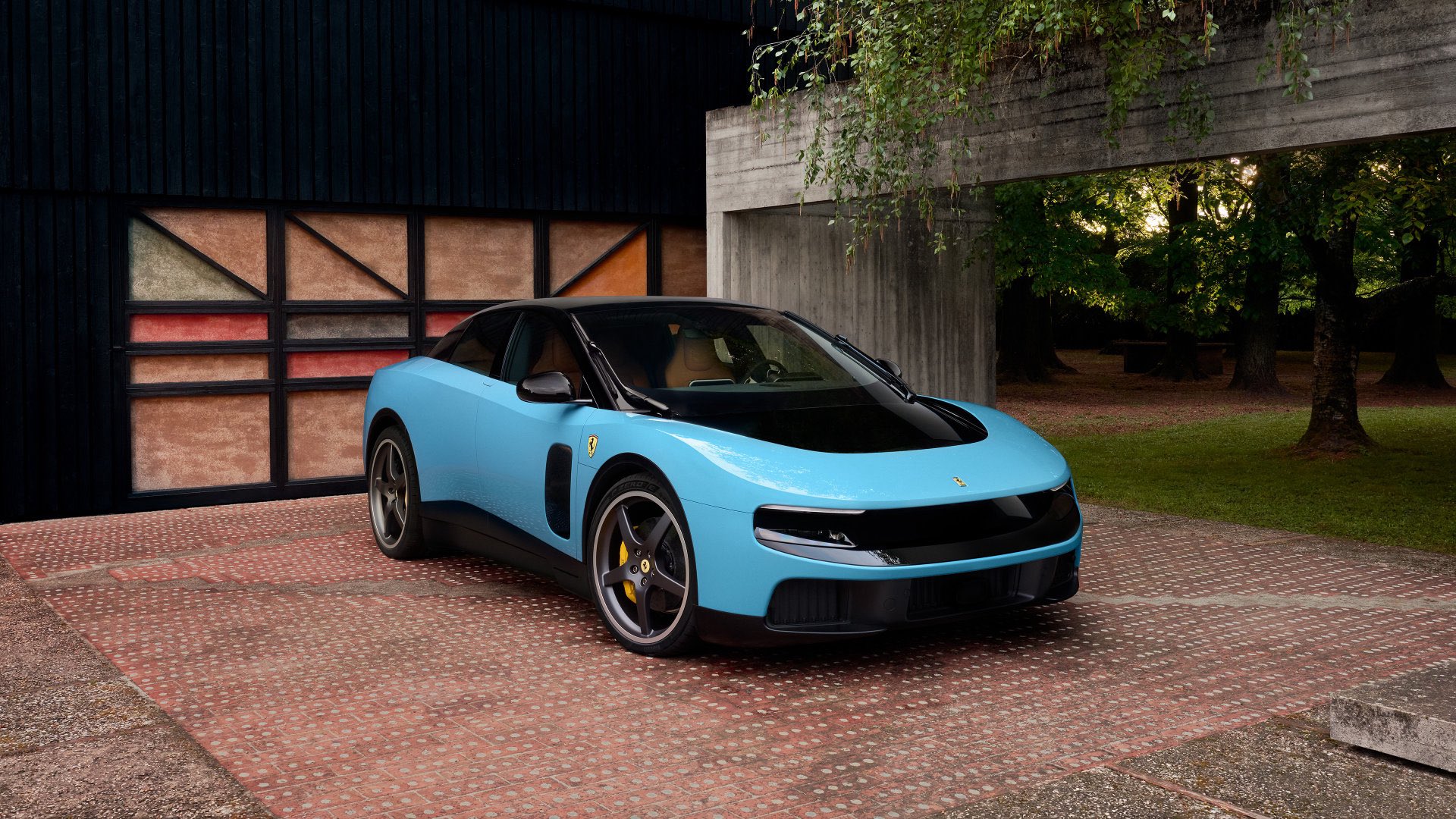
The Luce is a five-seat, four-door liftback saloon—the longest Ferrari ever produced—powered by four electric motors producing approximately 1,035 horsepower.
It features an 800-volt architecture, a 122-kWh battery, a claimed WLTP range of around 329 miles, 0-62 mph acceleration in 2.5 seconds, and a starting price near €550,000 in Europe (roughly $560,800–$615,000 in the U.S. depending on configuration).
Developed in collaboration with Jony Ive and Marc Newson’s LoveFrom studio alongside Ferrari’s own Centro Stile, it represents a deliberate departure from the brand’s traditional mid-engine sports cars toward a more spacious, grand-touring format.
Its exterior has proven deeply polarizing. Unveiled in Rome in May 2026, the design features smooth, sweeping surfaces, a large glass roof, and restrained detailing that critics described as bland, generic, or more reminiscent of an Apple product or mass-market EV than a Ferrari.
Ferrari unveils its Luce EV, and its reception has been a disaster
Online reactions included memes comparing it to a Nissan Leaf or Polestar, while former Ferrari chairman Luca di Montezemolo publicly warned of “the destruction of a myth” and suggested the prancing horse logo be removed. Italian politicians and longtime owners joined the chorus of disappointment, and Ferrari’s shares dropped roughly 8% in a single day, erasing billions in market value.
Design experts noted the absence of the brand’s signature tension, aggression, and emotional drama.
Yet the controversy has not translated into weak demand among the ultra-wealthy clientele who actually buy Ferraris. Production volumes remain tightly limited, as reports suggest fewer than 500 units in the current year and a longer-term pace of roughly 600 annually through 2030, preserving exclusivity.
One early chassis sold for $40 million at auction. Vigna has indicated that seeing the car in person, along with upcoming client test drives, is expected to strengthen rather than weaken interest. Ferrari aims for fully electric models to comprise 20 percent of its lineup by 2030, with a second EV now delayed to 2028.
For a brand defined by scarcity and desirability, the Luce’s sell-out status suggests that among those who can afford it, the polarizing design has not proven to be a commercial liability.
Tesla and SpaceX shares fell on Wednesday after Democrats swept both chambers of Congress. The decline stood out as broader market securities recovered and turned positive, while both of Musk’s publicly traded companies lagged.
CEO Elon Musk already joked about the unsuccessful campaigning for the Republicans, but now the new party will make pretty drastic changes to how it handles Tesla and SpaceX, and those companies will adjust their outlook.
Let’s take a deeper look.
Tesla ($TSLA)
Tesla shares traded lower during the regular session after Democrats secured both the House and Senate. The stock was down 2.32 percent at around 1:45 p.m. on the East Coast, trading at around $389.30.
The pressure is tied to more than the raw scale of Musk’s political spending, estimated at $450–474 million this cycle with roughly $224 million directed at Texas. In that state, Tesla now faces a Democratic governor and a Democratic senator after Gina Hinojosa unseated Greg Abbott and James Talarico defeated Ken Paxton.
The Austin Gigafactory, Robotaxi pilot programs in multiple Texas cities, and any related AI compute expansion sit under a new state executive who campaigned against certain corporate subsidies and floated a moratorium on new data-center construction.
Federally, Democratic control of key committees opens the door to deeper examination of Tesla’s autonomous-driving safety record, federal energy-storage and manufacturing incentives, and the national-security implications of any combination with SpaceX.
Investors are also weighing whether the company’s historically close alignment with the prior Republican leadership will invite slower permitting, additional hearings, or tighter rules on Full Self-Driving deployment.
For Tesla, the political shift adds near-term friction around state permitting and federal regulatory approvals for autonomy and energy storage. A potential merger with SpaceX may face slower review even if it proceeds.
Core growth drivers such as vehicle deliveries, energy deployments, and robotaxi rollout remain intact, yet the stock now carries a higher political-risk premium that could weigh on valuation until the company demonstrates workable relationships with the new Texas leadership and congressional majorities.
SpaceX ($SPCX)
SpaceX shares also declined in live trading on November 4 following the Democratic midterm sweep. The stock traded at $134.97, down 4.49 percent. The drop occurred even as broader indexes stabilized, highlighting a company-specific reaction to the election outcome.
Musk’s large contributions, concentrated in Texas races that both companies lost, place SpaceX’s Starbase launch facility and headquarters under a new Democratic governor.
At the federal level, Democratic control of Congress enables greater scrutiny of NASA, the Department of Defense, and other contracts that support a meaningful share of revenue, along with reviews of Starlink national-security uses and any Tesla merger. Analysts have noted that empowered committees can hold hearings and request documents on these relationships.
For SpaceX, the results raise the risk of delayed contract awards, higher compliance costs, and tighter constraints on AI and satellite infrastructure expansion, particularly in Texas where a data-center moratorium has been discussed.
A merger with Tesla could encounter political friction that slows integration of launch, connectivity, and autonomy capabilities.
While Starlink growth and launch cadence continue as primary drivers, the company faces a more contested path for federal funding and state-level operations, requiring management to rebuild ties with the new congressional majorities and Texas leadership to limit the overhang.
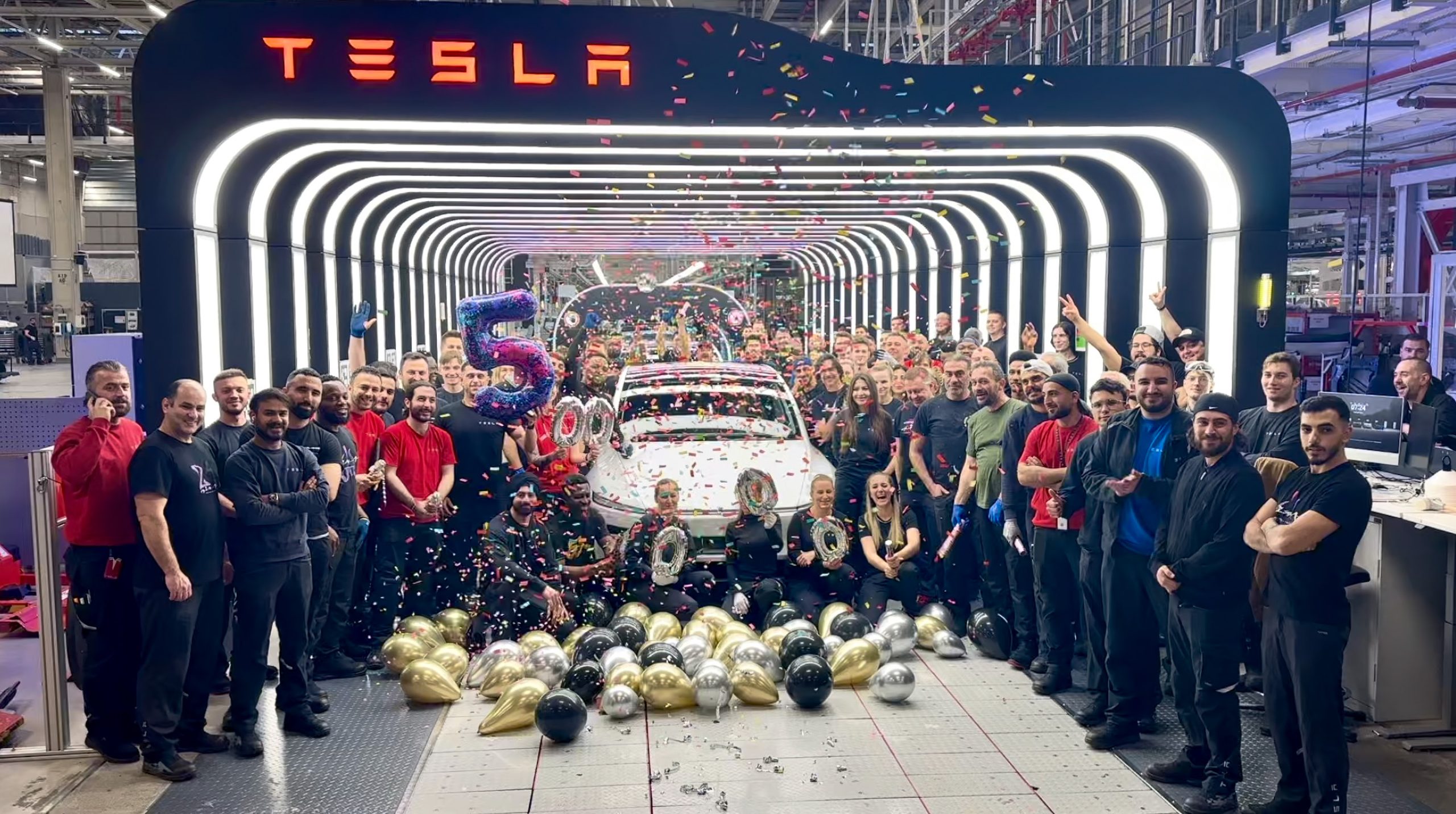
Tesla’s new vehicle registrations in Germany rose sharply in October, nearly quadrupling from the same month a year earlier. That’s according to data from the KBA, Germany’s federal motor transport authority.
The KBA reported 2,932 Tesla vehicles registered in October, a 290.9 percent year-over-year- increase. For the first ten months of the year, Tesla’s cumulative registrations reached 47,742 units. This number is up 206.1 percent compared with the January-October period of 2025. These gains occurred against a backdrop of strong overall growth in the BEV sector as a whole.
Germany registered 94,086 new BEVs in October, a 79.5 percent rise that brought the BEV share of the passenger car market to 37 percent of the 254,492 total cars registered that month.
🇩🇪 Tesla’s new registrations in Germany nearly quadrupled in October, according to KBA data.
October: 2,932 units, +290.9% YoY Jan–Oct: 47,742 units, +206.1%
Germany’s overall BEV market grew 79.5% to 94,086 units last month. https://t.co/GMwNqsFAOC
— TESLARATI (@Teslarati) November 4, 2026
Despite the percentage surge, Tesla’s absolute numbers left it with a 1.2 percent share of all new car registrations for October. Chinese competitors did record higher volumes, as BYD registered 5,173 vehicles, a 2 percent share, Leapmotor with 3,661 cars, which equates to 1.4 percent, and Xpeng had a 0.5 percent share.
Year-to-date through October, BYD edged ahead of Tesla with 47,961 registrations versus Tesla’s 47,742.
The October results follow a notably strong September for Tesla in Germany, when it registered 12,552 vehicles, an increase of roughly 269 percent year-over-year and one of its strongest monthly totals on record in the country. That month, the Model Y led all EVs and ranked among the top-selling vehicles of any powertrain.
The figures form part of a broader recovery in Tesla’s European registrations after an extended period of softer demand. While monthly volumes remain subject to typical quarter-end patterns and competitive pressure from both established European brands and rapidly expanding Chinese manufacturers, the year-to-date growth indicates improved traction in Europe’s largest car market.
Tesla’s Gigafactory Berlin-Brandenburg continues to supply the region, positioning the company to capture a share of the expanding German BEV market as overall EV adoptions looks to be accelerating.

Ferrari Luce sold out for 2027 after design controversy

Musk’s Tesla and SpaceX decline after Democratic Midterm sweep


