Energy
Tesla’s solar roof cost calculator validated by Consumer Reports

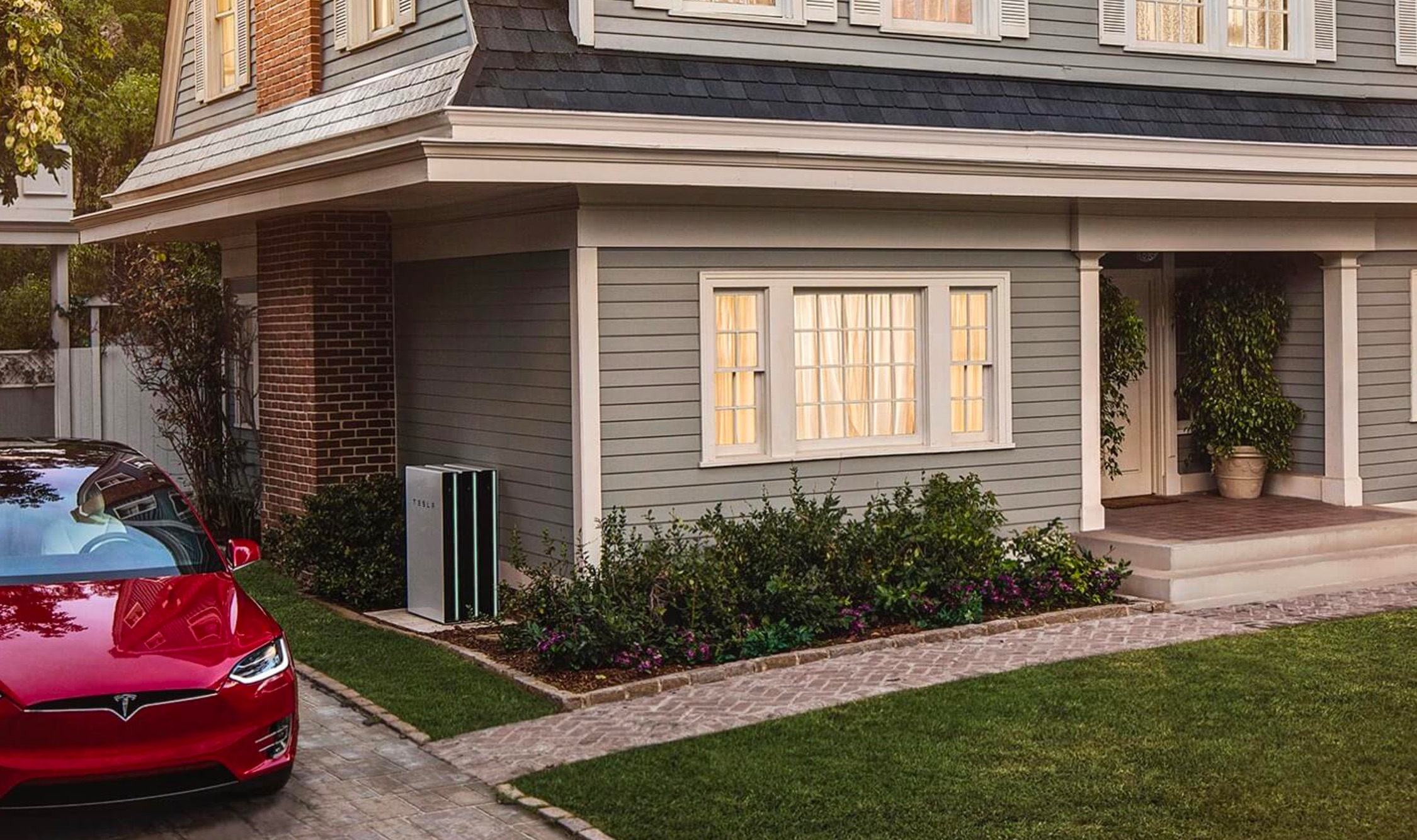
Consumer Reports has double-checked Tesla’s math behind its solar roof tile calculator and confirmed that estimates provided by the company are accurate. The consumer ratings agency notes that pricing varies depending on where the individual lives, as geography dictates available sunshine and utility rates which ultimately determines if the innovative solar roof tiles makes sense as a purchase.
Tesla’s new solar roof tiles are warrantied for 30 years against weather and ensures that the new roof doesn’t leak after installation. The roof tiles themselves are physically warrantied forever or as long as the home lasts, “whichever comes first” per Tesla.
It’s important to note that conventional solar panels will almost always come in at a lower total installed cost, a faster “breakeven point” and ultimately generate more value for the homeowner over their useful life than a home with a Tesla Solar Roof. On the other hand, the new roof tiles do come with a very impressive warranty that adds value beyond just their solar energy production value.
Consumer Reports starts off with a huge admission that it did not factor in any solar incentives or rebates in their calculations. In the US, this is a 30% rebate at the federal level alone and represents an inexcusable omission in their calculations. With Tesla’s numbers coming in below the target price of $24.50 per square foot without the rebates, it is clear that the new solar roof tiles met the financial requirements of Consumer Reports.
To see what the payouts look like in a few areas in the U.S., Consumer Reports pulled the numbers from Tesla’s website to see if the new solar roof tiles would be a good investment in three very different area: New York, Texas and California.
The value of Tesla’s Solar Roof ultimately hinges on the amount of energy the solar roof tiles will generate. Sunny California tops the list as the state that will provide the most return for a solar roof investment, while Texas rounds out a close second. New Yorkers looking to purchase a solar roof will see the least value purely because of its northern location which receives less face time with the sun. This dictates the volume of energy the tiles can create, and thus how much money it can save a homeowner.
The other contributing factor to the equation is the price of electricity in the area. If the price of electricity is high, the value of the energy produced by the tiles is effectively worth more. In New York state, the average price of electricity is above the national average of 12 cents per kilowatt hour, coming in at 17.5 cents per kilowatt hour. Texas is at the opposite end of the spectrum at 11.41 cents per kilowatt hour and represents a less lucrative home for a solar system while California takes first place with the highest price at 18.68 cents per kilowatt hour (per EIA data from Feb 2017).
After running the numbers through Tesla’s Solar Roof calculator which you can do for yourself, Consumer Reports found that the installation in New York would payout and save the homeowner money over 30 years, largely due to the high price of electricity in the area. Consumer Reports also noted an additional state incentive to install solar in New York that would potentially slash another $5,000 off of the total purchase price.
Installing the solar roof tiles on a home in Texas would not payout due to the lower cost of electricity in the area. Finally, the home in California was a shoe in with high electricity cost and abundant sunshine.
The Consumer Reports analysis highlights that Tesla’s Solar Roof already makes sense in many areas of the nation. Even if the tiles don’t make sense on your home, it is worth checking to see if a traditional solar panel system could save you money as they are much easier to install and generally have better payouts. You can easily check to see if solar makes sense in your area by getting a solar cost estimate.


Energy
Tesla Energy gains UK license to sell electricity to homes and businesses
The license was granted to Tesla Energy Ventures Ltd. by UK energy regulator Ofgem after a seven-month review process.

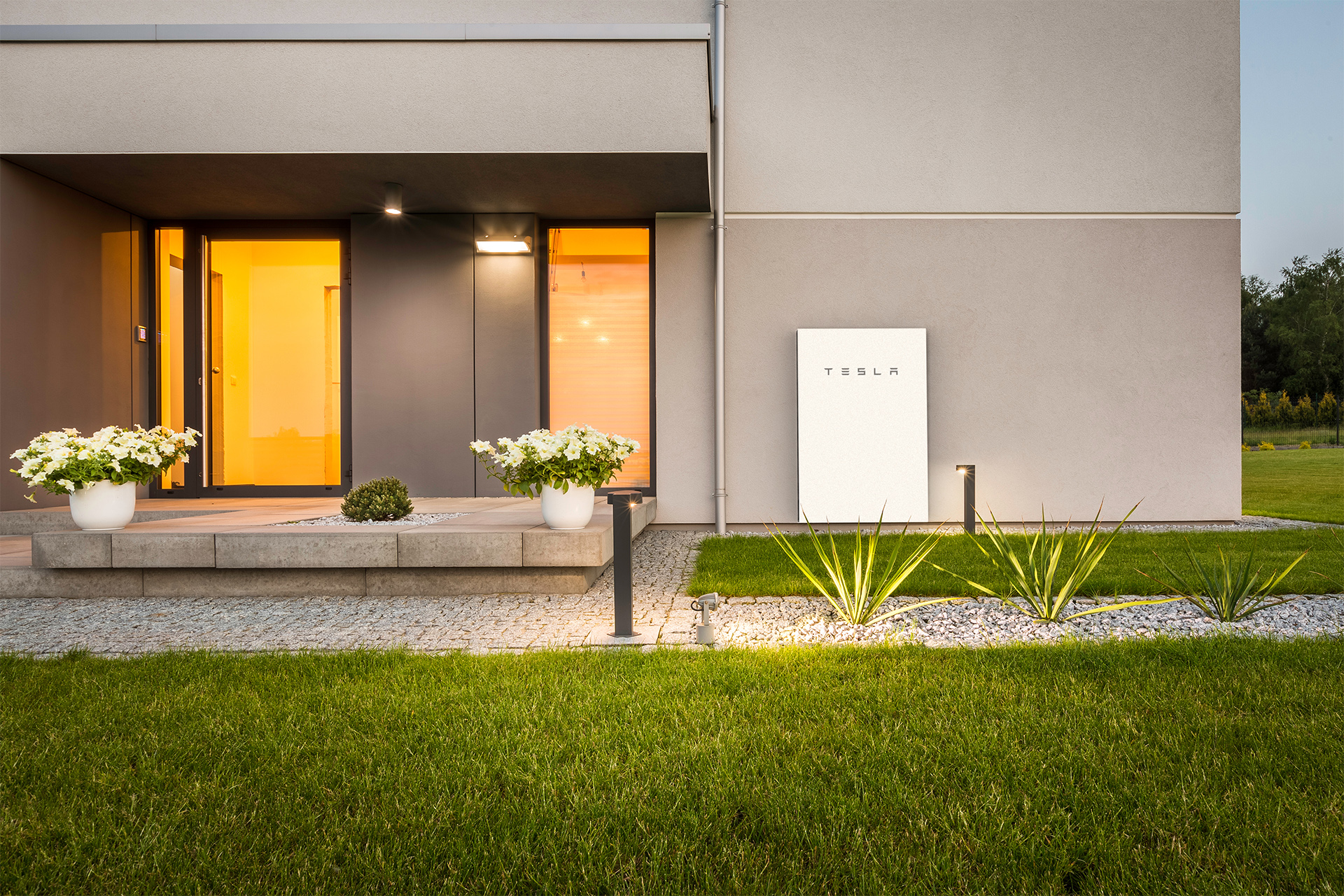
Tesla Energy has received a license to supply electricity in the United Kingdom, opening the door for the company to serve homes and businesses in the country.
The license was granted to Tesla Energy Ventures Ltd. by UK energy regulator Ofgem after a seven-month review process.
According to Ofgem, the license took effect at 6 p.m. local time on Wednesday and applies to Great Britain.
The approval allows Tesla’s energy business to sell electricity directly to customers in the region, as noted in a Bloomberg News report.
Tesla has already expanded similar services in the United States. In Texas, the company offers electricity plans that allow Tesla owners to charge their vehicles at a lower cost while also feeding excess electricity back into the grid.
Tesla already has a sizable presence in the UK market. According to price comparison website U-switch, there are more than 250,000 Tesla electric vehicles in the country and thousands of Tesla home energy storage systems.
Ofgem also noted that Tesla Motors Ltd., a separate entity incorporated in England and Wales, received an electricity generation license in June 2020.
The new UK license arrives as Tesla continues expanding its global energy business.
Last year, Tesla Energy retained the top position in the global battery energy storage system (BESS) integrator market for the second consecutive year. According to Wood Mackenzie’s latest rankings, Tesla held about 15% of global market share in 2024.
The company also maintained a dominant position in North America, where it captured roughly 39% market share in the region.
At the same time, competition in the energy storage sector is increasing. Chinese companies such as Sungrow have been expanding their presence globally, particularly in Europe.
Energy
Tesla Powerwall distribution expands in Australia
Inventory is expected to arrive in late February and official sales are expected to start mid-March 2026.
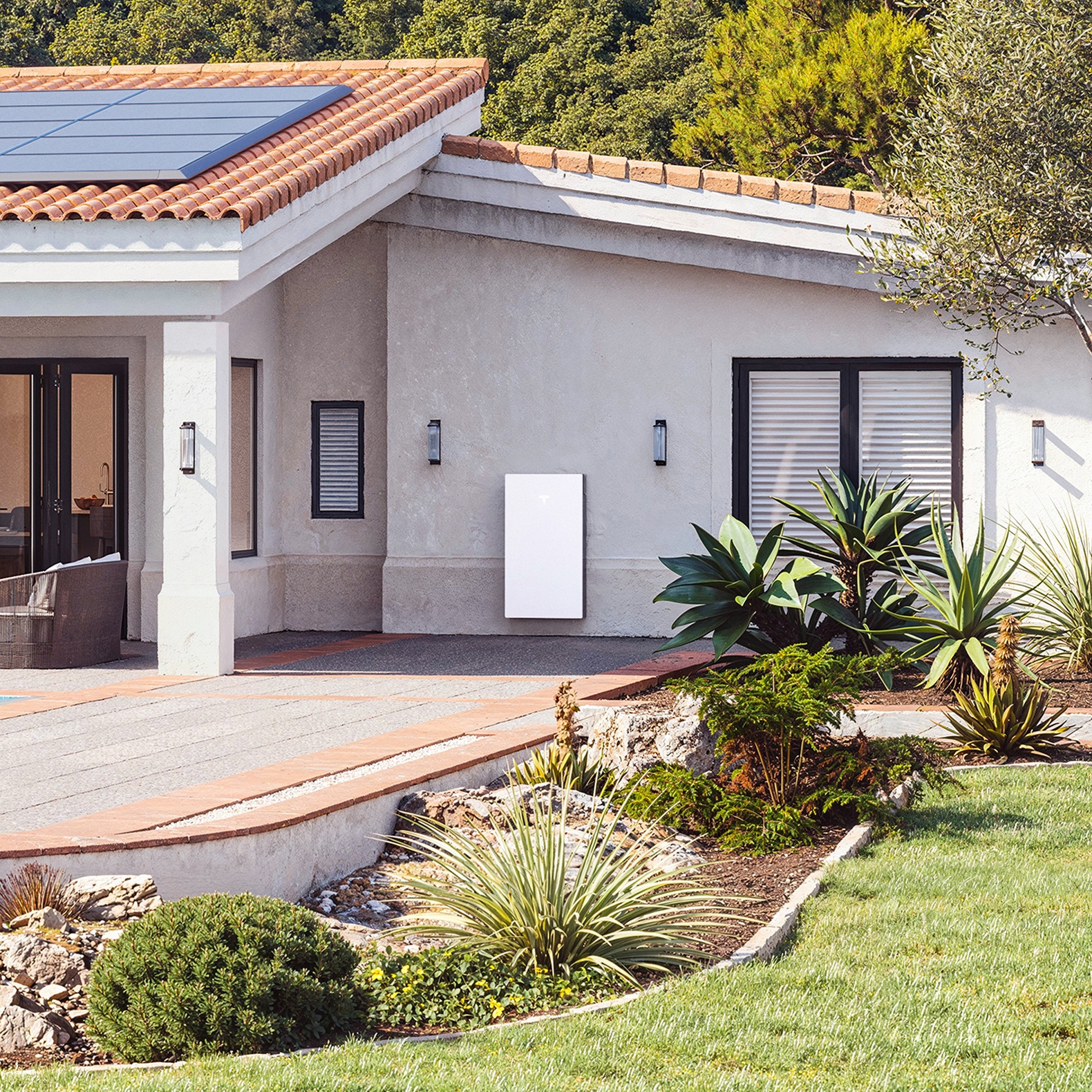
Supply Partners Group has secured a distribution agreement for the Tesla Powerwall in Australia, with inventory expected to arrive in late February and official sales beginning in mid-March 2026.
Under the new agreement, Supply Partners will distribute Tesla Powerwall units and related accessories across its national footprint, as noted in an ecogeneration report. The company said the addition strengthens its position as a distributor focused on premium, established brands.
“We are proud to officially welcome Tesla Powerwall into the Supply Partners portfolio,” Lliam Ricketts, Co-Founder and Director of Innovation at Supply Partners Group, stated.
“Tesla sets a high bar, and we’ve worked hard to earn the opportunity to represent a brand that customers actively ask for. This partnership reflects the strength of our logistics, technical services and customer experience, and it’s a win for installers who want premium options they can trust.”
Supply Partners noted that initial Tesla Powerwall stock will be warehoused locally before full commercial rollout in March. The distributor stated that the timing aligns with renewed growth momentum for the Powerwall, supported by competitive installer pricing, consumer rebates, and continued product and software updates.
“Powerwall is already a category-defining product, and what’s ahead makes it even more compelling,” Ricketts stated. “As pricing sharpens and capability expands, we see a clear runway for installers to confidently spec Powerwall for premium residential installs, backed by Supply Partners’ national distribution footprint and service model.”
Supply Partners noted that a joint go-to-market launch is planned, including Tesla-led training for its sales and technical teams to support installers during the home battery system’s domestic rollout.
Energy
Tesla Megapack Megafactory in Texas advances with major property sale
Stream Realty Partners announced the sale of Buildings 9 and 10 at the Empire West industrial park, which total 1,655,523 square feet.
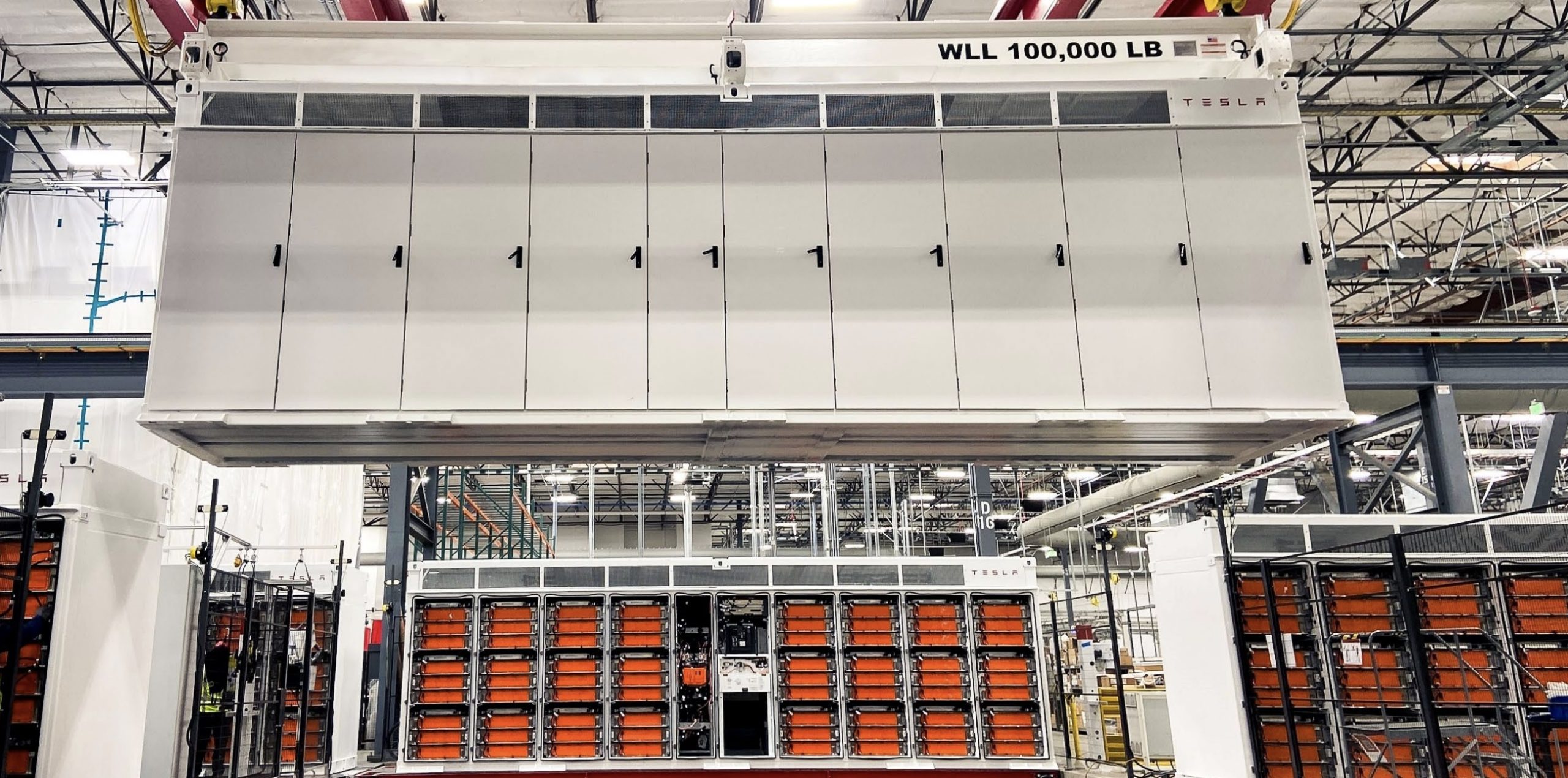
Tesla’s planned Megapack factory in Brookshire, Texas has taken a significant step forward, as two massive industrial buildings fully leased to the company were sold to an institutional investor.
In a press release, Stream Realty Partners announced the sale of Buildings 9 and 10 at the Empire West industrial park, which total 1,655,523 square feet. The properties are 100% leased to Tesla under a long-term agreement and were acquired by BGO on behalf of an institutional investor.
The two facilities, located at 100 Empire Boulevard in Brookshire, Texas, will serve as Tesla’s new Megafactory dedicated to manufacturing Megapack battery systems.
According to local filings previously reported, Tesla plans to invest nearly $200 million into the site. The investment includes approximately $44 million in facility upgrades such as electrical, utility, and HVAC improvements, along with roughly $150 million in manufacturing equipment.
Building 9, spanning roughly 1 million square feet, will function as the primary manufacturing floor where Megapacks are assembled. Building 10, covering approximately 600,000 square feet, will be dedicated to warehousing and logistics operations, supporting storage and distribution of completed battery systems.
Waller County Commissioners have approved a 10-year tax abatement agreement with Tesla, offering up to a 60% property-tax reduction if the company meets hiring and investment targets. Tesla has committed to employing at least 375 people by the end of 2026, increasing to 1,500 by the end of 2028, as noted in an Austin County News Online report.
The Brookshire Megafactory will complement Tesla’s Lathrop Megafactory in California and expand U.S. production capacity for the utility-scale energy storage unit. Megapacks are designed to support grid stabilization and renewable-energy integration, a segment that has become one of Tesla’s fastest-growing businesses.

What is Digital Optimus? The new Tesla and xAI project explained

Tesla adds awesome new driving feature to Model Y


