News
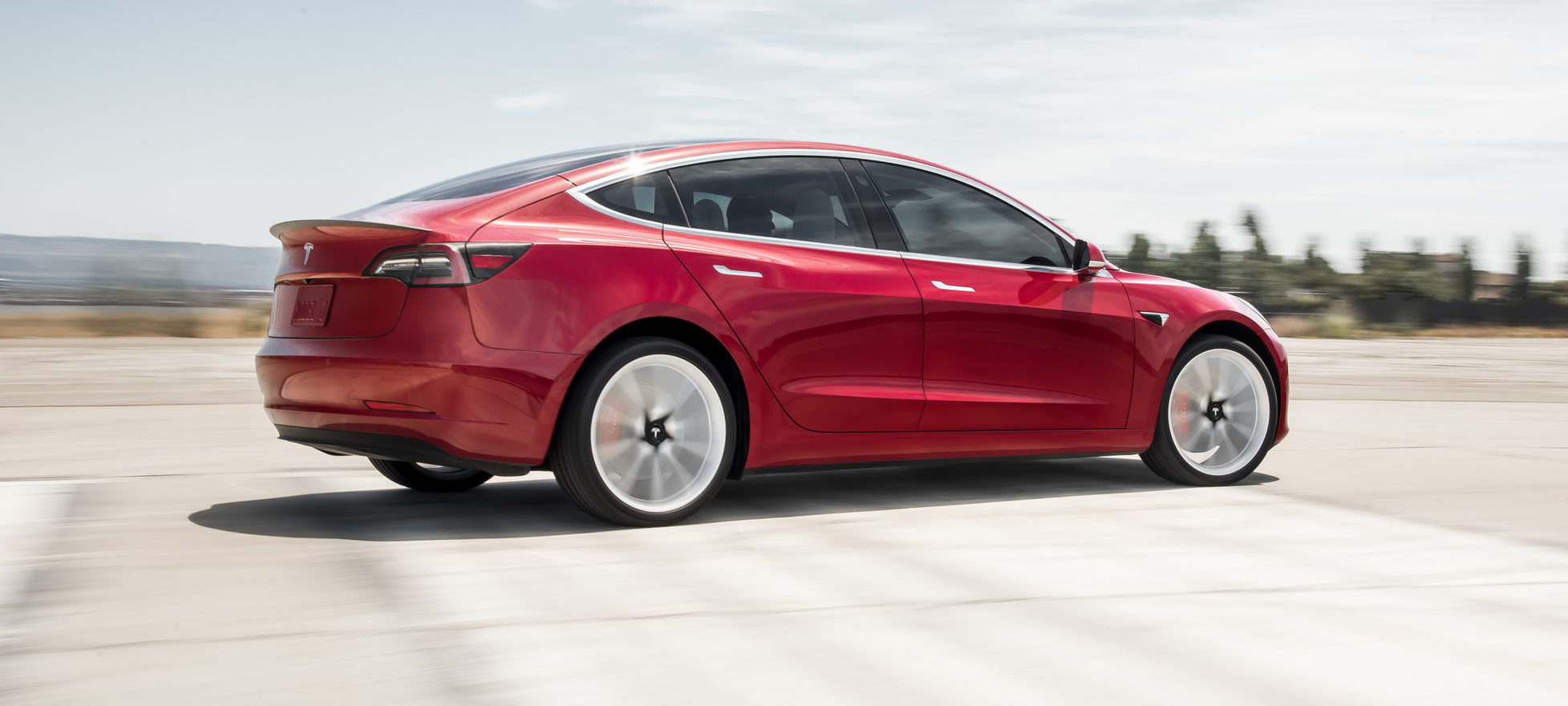
Tesla hailed as brand that ‘defines American luxury’ by noted auto magazine

Veteran auto publication Motor Trend has boldly hailed Tesla as the brand that defines American luxury today, overtaking brands like Cadillac and Lincoln in the process. The California-based electric car maker was able to accomplish this simply because among the automakers in the US today, it is the one that is looking forward, not simply looking at what rivals are doing.
During its heyday, Cadillac was esteemed as an American company that stood true to its slogan: “Standard of the World,” as shown in its iconic tailfin designs that ran parallel with the advent of the jet age in the late 1940s. Lincoln, on the other hand, pretty much epitomized the American way of building cars, with big engines, big bodies, and imaginative designs. During these times, Cadillac and Lincoln blazed the trail for American luxury automobiles, and their vehicles were amazing.
That is, until the two brands started emulating European luxury automakers. Over the past three decades, Cadillac’s vehicles pretty much turned into cars that were heavily inspired by companies like BMW. Lincoln ended up building rebadged versions of vehicles from Ford and Mercury. According to the 69-year-old publication, it was at this point that the “soul of American luxury escaped Detroit.” That soul has now settled in California, where electric car maker Tesla produces its vehicles.
Motor Trend notes that similar to Cadillac and Lincoln in their prime, Tesla is an American automaker that foreign rivals are trying to emulate. The publication cited several examples of this, including the Porsche Taycan, the Polestar 2, the Audi e-tron, and the Mercedes EQC. With technology being “the new luxury,” it is difficult to argue against Tesla, which leads the auto industry with tech as shown in its over-the-air software updates.
One thing that truly separates Tesla from the pack is its boldness in turning its back from convention. This is evident in the company’s designs for its vehicles, which were created from a clean sheet of paper, as well as from CEO Elon Musk’s vision of a hyper-automated car factory. Granted, some of these plans have resulted in trouble for the company (the Model 3’s “production hell” comes to mind), but Tesla has nonetheless managed to grow as a carmaker that makes some of the best, no-compromise electric vehicles in the market.
Daring, bold, and unapologetically different, Tesla presents the American auto industry with a company that has every characteristic of a trailblazer. It has earned its own set of scars over the years, and there are bound to be more in the future. But with every vehicle it launches, with every Gigafactory that is built, the company becomes just a bit more experienced, just a bit more refined. It has already forced larger automakers to take electric cars seriously, and if it continues at its current pace, it will likely disrupt other markets like the trucking and ride-sharing industry as well.
Motor Trend has acknowledged Tesla’s electric cars in the past. Back in December 2012, the publication awarded its prestigious Car of the Year Award to the Tesla Model S, noting that the all-electric car (which did not even have features like Autopilot then) was “proof positive that America can still make (great) things. Motor Trend racecar driver Randy Pobst was also instrumental in fine-tuning the capabilities of the “release version” of the Model 3 Performance’s Track Mode. After being tuned by Pobst, the Model 3 Performance was able to beat the track time of the 2011 Ferrari 458 Italia around the “Streets” of Willow Springs International Raceway in CA.


Investor's Corner
Tesla opens the Q&A for its biggest earnings call yet
Tesla opens its Q3 earnings Q&A, and Cybercab, Robotaxi, Optimus and regulators loom over October 21.

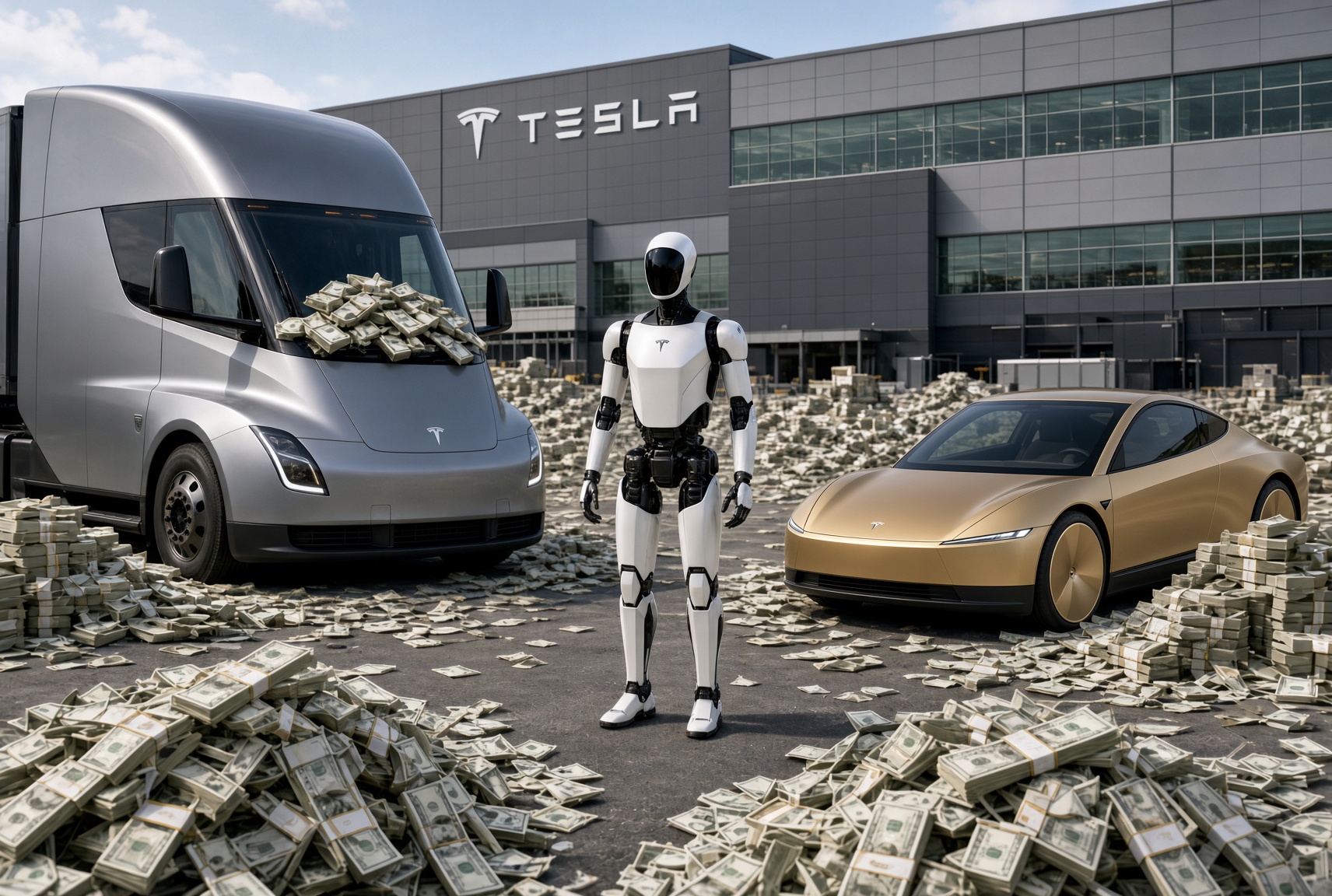
Tesla has opened its shareholder question portal for the Q3 2026 earnings call, with the Say Q&A page already listing questions. Investors have until 4:00 p.m. EDT on October 20 to submit and vote on what management should answer.
The call is set for Wednesday, October 21. Tesla will post results after the market closes, with a live webcast at 4:30 p.m. CT, or 5:30 p.m. ET, through its investor relations site.
Say ranks questions by the number of shares behind the votes, which gives institutional holders extra weight over the retail crowd.
Ahead of Q2, retail investors asked why Robotaxi growth had stalled, when Cybercab would start customer rides, and where the Optimus Gen 3 ramp stood, while an institutional holder asked how Tesla and SpaceX would split Terafab duties. Cybercab has since answered one of those. Tesla said last week it has 300 plus Cybercabs serving Austin, up eightfold in 30 days, with Dallas named as the next city. The questions now are likely to move from when to how fast.
There is also a regulatory question hanging over the call. NHTSA has demanded sworn answers on how the pedal free Cybercab was certified against federal safety standards, with responses due October 30, nine days after the call. Whether an analyst raises it live is unknown, but it is the kind of exposure that tends to find its way into a Q&A.
The numbers will not be the main draw. Tesla already reported 486,532 deliveries and 13.7 GWh of storage for the quarter. Consensus sits around 43 to 45 cents per share on roughly $27.8 billion in revenue, according to Zacks, after a Q2 report that missed on EPS. Goldman Sachs, which holds a Neutral rating and a $360 target, argues the outlook for Robotaxi, FSD and Optimus will matter more to the stock than the quarter itself.
The call also lands six days after the rescheduled Roadster event, which Tesla will stream on X on Thursday, October 15, at 7:55 p.m. CT. If the Roadster shows up with a production date or a SpaceX thruster package, expect it to climb the voting list before the deadline.
Elon Musk
Ukraine says Starlink is cutting out its military drones as Poland calls out Elon Musk
Ukrainian officials allege SpaceX limited military Starlink speeds, disrupting drone missions; SpaceX has not commented.
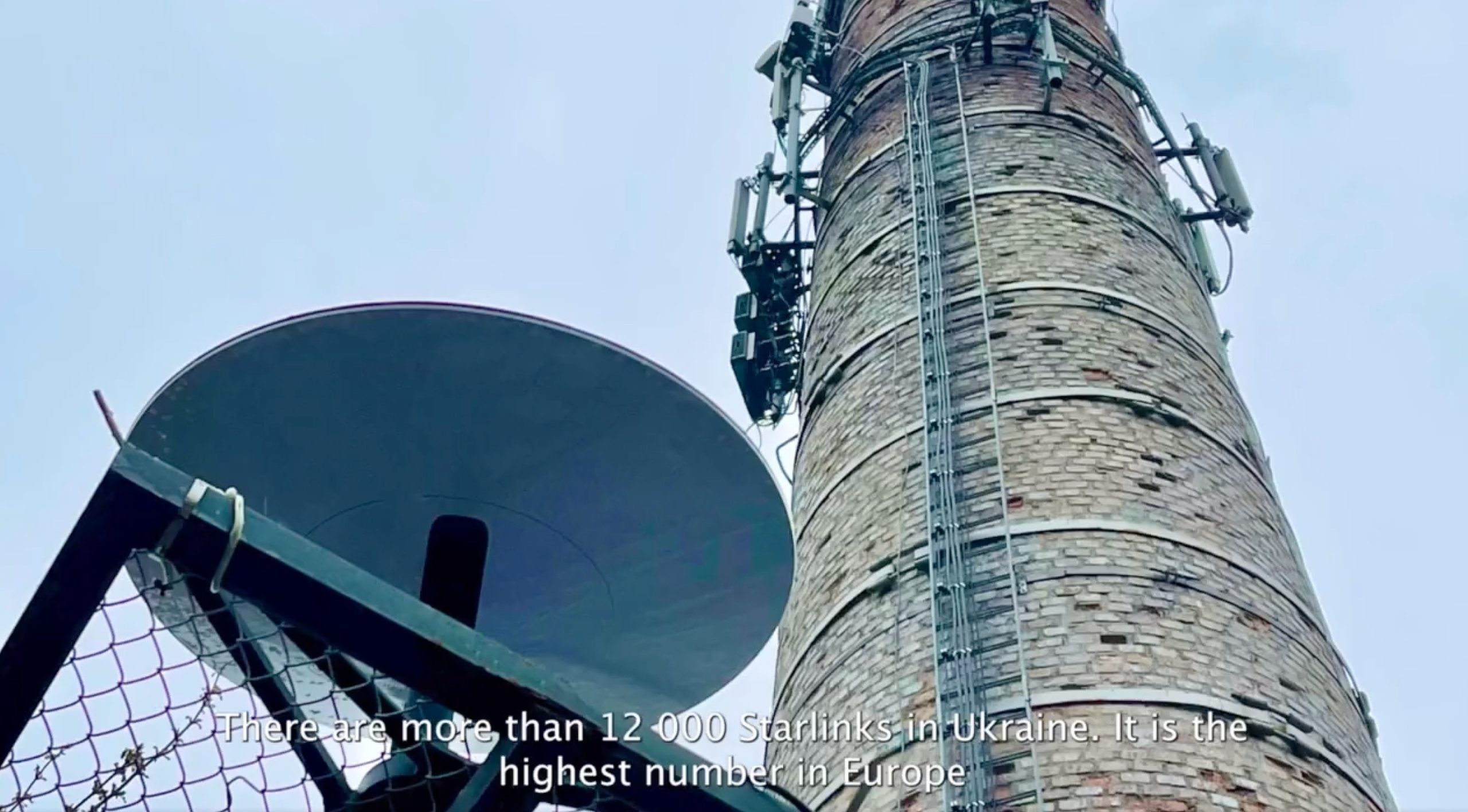
Ukrainian officials are accusing SpaceX of placing a speed limit on the military version of Starlink that their forces use to fly drones, but SpaceX has not confirmed that any change was made. Presidential adviser Serhiy Beskrestnov said in a Telegram post on Wednesday that Starshield terminals have begun losing service when they move faster than about 100 miles per hour, according to a Reuters report. “Our defense forces did not receive a warning about this limitation, and this led to the disruption of several missions,” he wrote.
Ukraine’s 7th Rapid Reaction Corps told Reuters that connections dropped for 10 to 20 seconds at just 68 to 75 mph, which made the drones harder to control. Volunteer Serhiy Sternenko, citing military reports, said the dropouts are now starting at 37 to 43 mph. These accounts come from Ukrainian officials and military sources and have not been independently verified. Regular civilian terminals were reportedly not affected, according to EUalive.
.@POTUS: We told Zelensky, ‘You can do whatever you want to Russia, but don’t hit the refineries because that’s a world problem.’ And what does he do? He goes and hits the diesel fuel. He better damn well stop. https://t.co/CdRlMcPlKr
— Rapid Response 47 (@RapidResponse47) October 10, 2026
SpaceX has not publicly commented or explained what, if anything, changed. Beskrestnov and other Ukrainian officials believe the issue is intentional and point to the timing. Washington has been pressing Kyiv to stop long range strikes on Russian oil refineries after President Trump called for an “energy ceasefire,” and Musk posted on Saturday that “Zelensky has gone too far.” EUalive noted that neither Ukrainian nor Polish officials have presented evidence that the limit was ordered by Washington or by SpaceX, so the link to politics remains an allegation. Other explanations, such as a technical or policy change affecting fast moving terminals, have not been ruled out.
Poland’s foreign minister, Radosław Sikorski, responded on X by quote tweeting a Kyiv Independent report and writing: “Hey, @elonmusk, big man, are you playing politics with your products again? As your European customers, we are watching you.” Poland is the largest funder of Ukraine’s Starlink service, having supplied more than 29,000 terminals and covering operating costs Sikorski has put at roughly $50 million a year. The wording echoes their 2025 clash, when Musk told Sikorski to “be quiet, small man.” At the time of writing, neither Musk nor SpaceX had responded to the claims.
Hey, @elonmusk, big man, are you playing politics with your products again?
As your European customers, we are watching you.— Radosław Sikorski 🇵🇱🇪🇺 (@sikorskiradek) October 14, 2026
The dispute sits on top of a long history. Musk confirmed in February 2022 that Starlink was active in Ukraine after a request from a Ukrainian minister. That October, SpaceX asked the Pentagon to share the bill and Musk said the cost was approaching $20 million a month, before he reversed course and said SpaceX would keep paying. In December 2024 the Pentagon moved some of those terminals onto the Starshield service, the government version now at the center of the complaints.
SpaceX has also changed how its network treats certain terminals in Ukraine before, and that time it was with Kyiv’s cooperation. In February, Ukrainian officials confirmed that terminals believed to be used by Russian troops were disabled after coordination with SpaceX, a step that Ukrainian commanders later said hurt Russian assaults. Whether anything similar is behind the latest reports is unclear, which is why Kyiv is asking for answers.
Ukraine is already looking at backups. Defense tech company Stetman is developing its own satellite system, UASAT-NANO, and officials in Europe have discussed alternatives to Starlink since early 2025, though none match its scale yet.
Elon Musk
FAA kicks off review of SpaceX’s bid to fly Starship nearly every day
FAA is reviewing SpaceX’s plan for 456 Starship launches a year, up from 25 today.
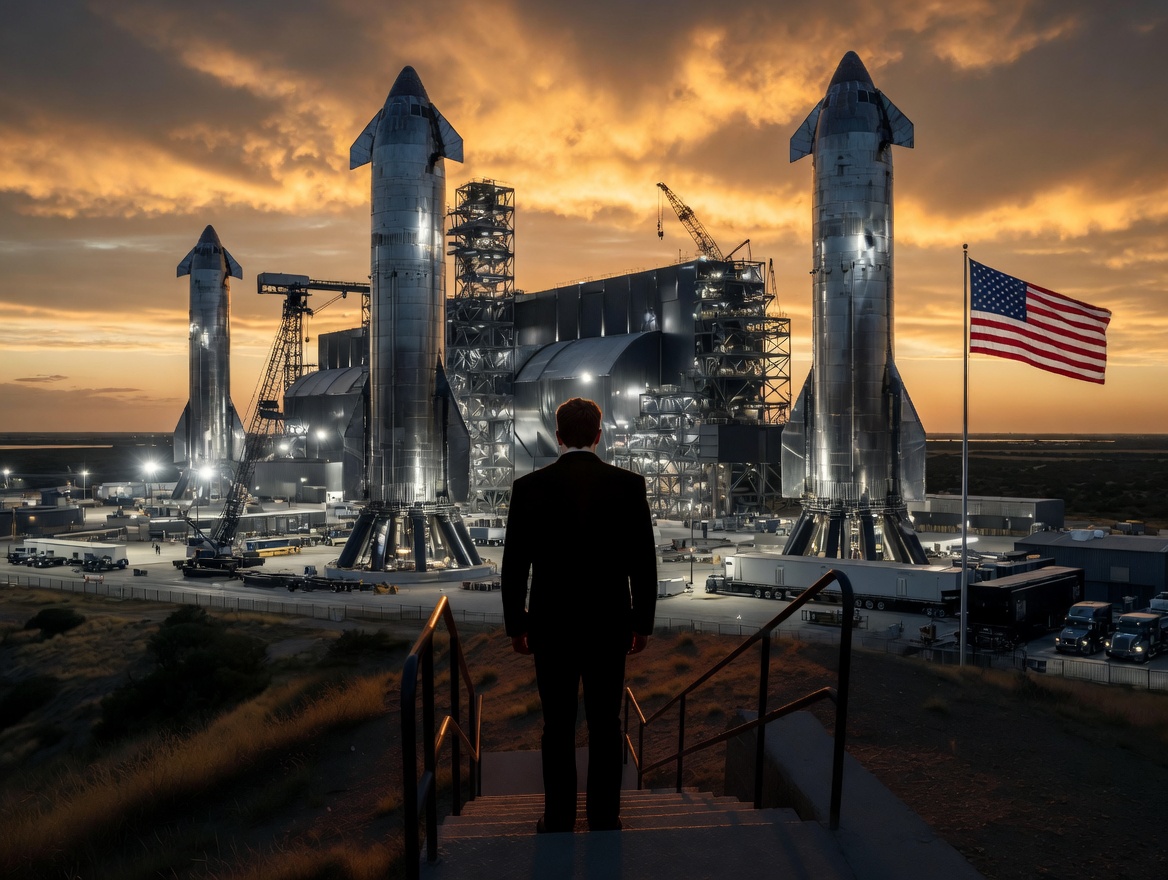
The FAA said Tuesday that it will prepare an environmental impact statement on SpaceX’s proposal to run as many as 456 Starship launches and 912 landings a year from Starbase, Texas. SpaceX is currently authorized for 25 launches and 50 landings annually, which makes the request roughly 18 times the existing ceiling. The notice of intent is set to publish in the Federal Register on Wednesday.
The plan comes in two phases. Phase 1 would allow up to 100 launches and 200 landings a year, on any day and at any hour. Phase 2, which the FAA says could arrive within several years, would raise the limit to the full 456 launches, still at any hour but only on weekdays. The agency noted that 912 landings is the upper limit for the Texas facility no matter where a given mission begins, and that Starship and Super Heavy could come down at the launch site or in the Gulf and open ocean.
A draft statement will be released for public comment at a later date, and the FAA has not said when. According to the Federal Registar, written comments are due November 30 on regulations.gov under docket FAA-2026-12808, with in person scoping meetings on November 17 in Brownsville and November 19 in Port Isabel, plus a virtual session on November 18. The review will weigh air quality, wildlife, coastal resources, water, noise, and aviation, and the FAA said any increase beyond this proposal would need its own separate review.
The numbers look large next to what Starbase has actually done. Starship has flown three times from Texas this year, including Flight 14 on September 28, the first orbital flight, which deployed 26 Starlink V3 satellites. Bloomberg reported that Starbase has never launched more than five times in a calendar year. The current cap of 25 comes from an FAA approval in May 2025. In February, the agency also approved up to 44 Starship launches a year from Launch Complex 39A in Florida, so Phase 1 in Texas alone would more than double that allowance.
Musk has said Starship could eventually fly more than once per hour within less than a decade, per Bloomberg. The nearer term target is Flight 15. Musk said on October 10 that it is hopefully four to six weeks away and will try to catch the ship with the tower, as Teslarati covered. That flight still runs under the existing 25 launch limit, and so would every Starbase launch for as long as the new review takes.
As of mid morning Pacific time on Tuesday, SpaceX had not posted about the filing on its own account.

Tesla opens the Q&A for its biggest earnings call yet

Ukraine says Starlink is cutting out its military drones as Poland calls out Elon Musk

FAA kicks off review of SpaceX’s bid to fly Starship nearly every day

The Pentagon taps Elon Musk to design the battlefield of the future

SpaceX reveals how its 1 Million AI satellite network will work and prevent space collisions


