Investor's Corner
Tesla (TSLA) shows strength amid analyst's 1k Model Y weekly production update

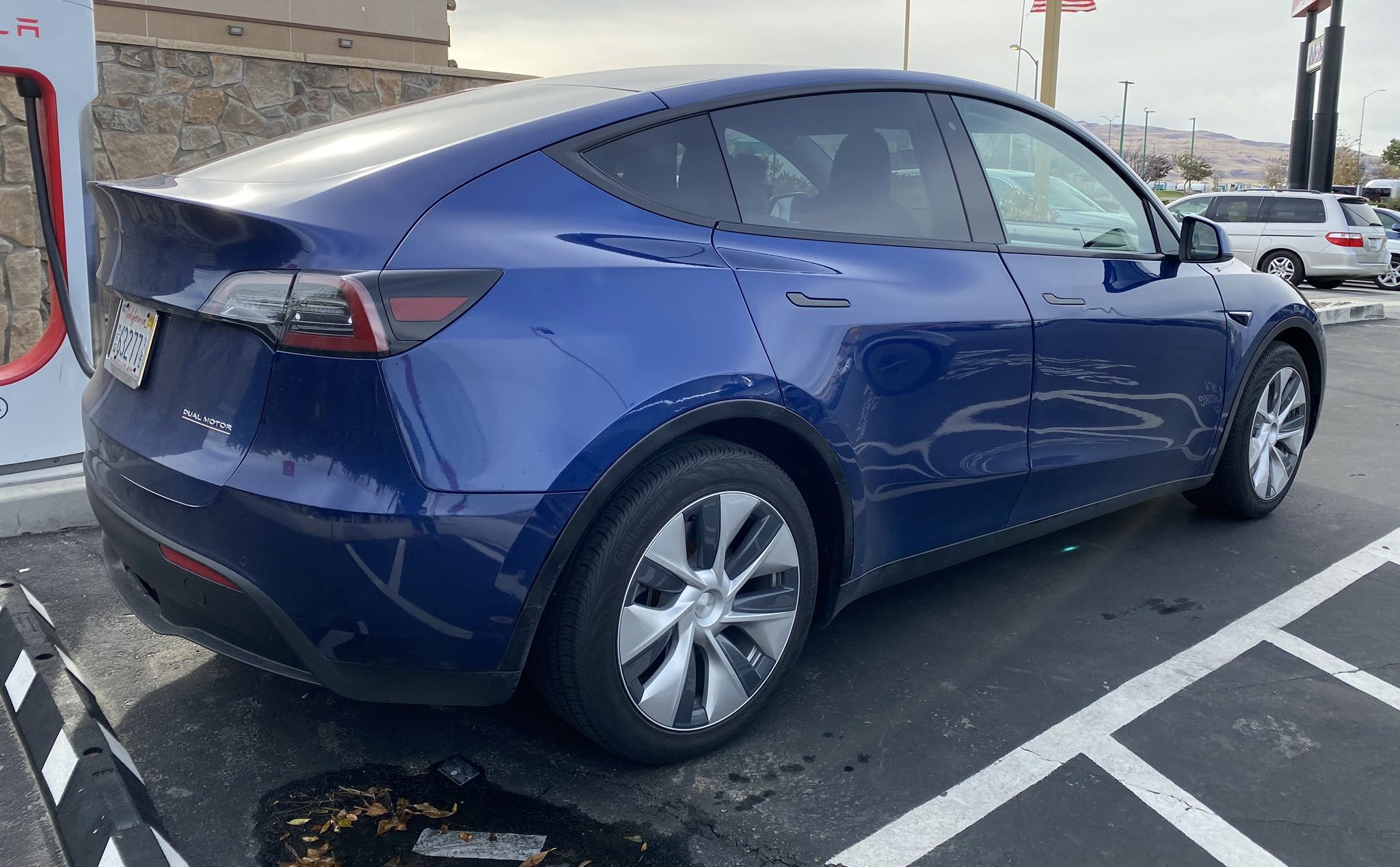
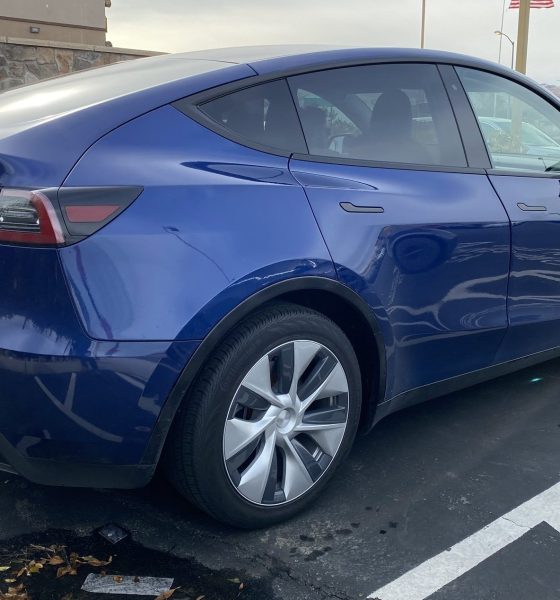
Tesla shares (NASDAQ:TSLA) are up as a longtime bull provided a quick update on the upcoming Model Y crossover, stating that the electric car maker plans to produce 1,000 units of the vehicle per week to start. This is a bit conservative considering the current weekly output of the Model 3, but it hints at Tesla’s more deliberate approach with its production and delivery forecasts.
Baird analyst Ben Kallo recently toured Tesla’s Fremont factory together with several other investors. The tour was supervised by the electric car maker, but the analyst did provide a number of new details about the company’s preparations for the production of the Model Y.
The analyst mentioned that investors in the tour were able to get a glimpse of giant presses “stamping aluminum body panels and robots picking batteries and placing them into battery packs that power the electric vehicles.” Interestingly, it was also mentioned that different Tesla vehicles currently run on the same assembly line, providing the company with flexibility in its vehicle production process. The Model Y will reportedly be included in this line when it enters production.
Kallo also stated that Tesla will aim to produce 1,000 Model Y per week once the vehicle enters production. This is quite conservative for Tesla, especially since the company is already producing the Model 3 at scale in both the Fremont factory and Gigafactory 3 in Shanghai, China. The Model Y and Model 3 share about 75% of their components, after all, and thus, expectations for the Y’s ramp have been quite optimistic.
Tesla made a mistake by setting hyper-aggressive targets for the Model 3 ramp in the past. After the vehicle’s initial deliveries in mid-2017, Elon Musk announced that Tesla will attempt to hit a production rate of 2,500 Model 3 per week by the end of the year. This target was reached at the end of Q2 2018, translating to a six-month delay. With this in mind, it appears that Tesla is taking a more cautious approach with its Model Y targets.
This ultimately bodes well for the electric car maker. Over-promising and under-delivering in deliveries and production have been an Achilles Heel for Tesla for far too long, and little by little, the company appears to be learning how to do the opposite. This was shown in Tesla’s forecasts with the Model Y, with Musk initially announcing a Fall 2020 delivery date for the vehicle. Tesla has since moved this estimate up to Summer 2020, but if recent reports are any indication, the all-electric crossover may start deliveries even earlier.
With the Model Y, Tesla seems to be intent on under-promising and over-delivering. And considering that the vehicle has the potential to outsell the Model S, Model X, and Model 3 combined, this cautious approach may very well prove to be a masterstroke for the electric car maker.
As of writing, Tesla stock is trading +1.87% at $359.30 per share.
Disclosure: I have no ownership in shares of TSLA and have no plans to initiate any positions within 72 hours.



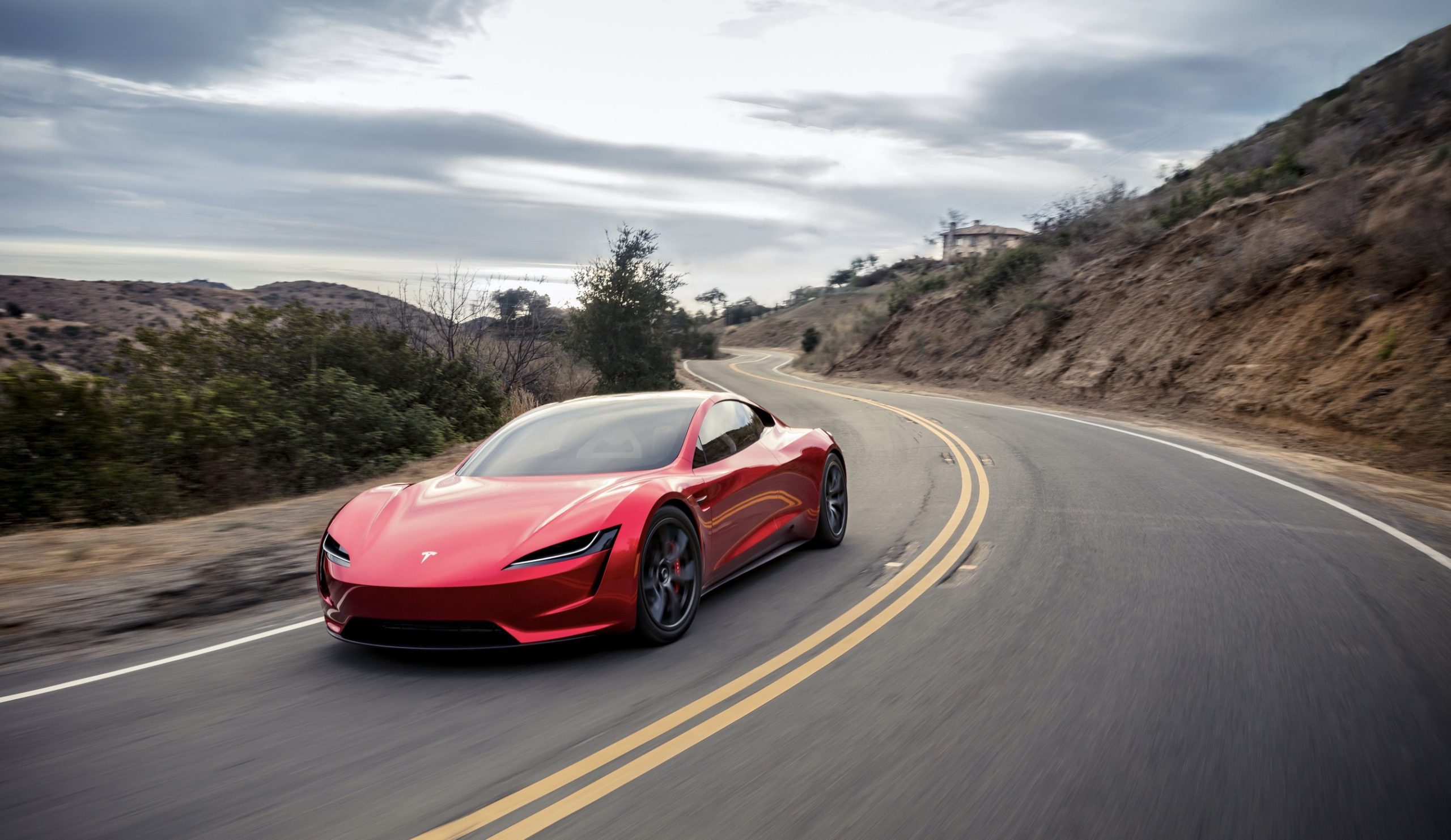
Tesla short sellers won big following the company’s massive fall on Wall Street after it reported subpar Earnings on Wednesday.
Tesla short sellers collected about $4.12 billion in single-day profits on Thursday, according to Bloomberg. Shares fell as much as 15 percent during Thursday’s session. It closed as one of the worst days for Tesla on Wall Street in the past three years.
Investors sold off the stock after Tesla said it would aggressively direct its spending toward AI and its Optimus robot project. The company had record revenues, which were driven by one of the strongest quarters in terms of vehicle deliveries in company history.
However, it missed EPS estimates by reporting just $0.33, a far cry from the $0.53 analysts expected.
S3 Partners reported that about 3 percent of Tesla’s outstanding stock is sold short. Managing Director at S3, Ihor Dusaniwsky, provided the short seller’s potential profit, as well as another figure: shorts have likely had paper gains of $8.92 billion this year, as Tesla shares are down 30 percent in 2026.
Tesla (TSLA) Q2 2026 earnings results: miss on EPS, beat on revenue
Tesla has burned short sellers many times in the past, but the company’s latest Earnings Call was a chance for those skeptics to taste some payback. Although the company gave some very transparent information regarding future projects, the rollout of Robotaxi, Optimus, and Semi, many investors took their profits on Thursday.
Notable short sellers like Michael Burry have been transparent about their skepticism around Tesla shares. Burry just revealed three weeks ago that he had opened up a new short on the stock, stating he shorted Tesla shares at $416.22. “Happy it jumped back to this level,” he said in a blog post.
At the time of publication, Tesla shares were down about 3 percent and the stock was trading at $309.92.

Tesla stock (NASDAQ: TSLA) endured one of its sharpest single-day declines in years on July 23, tumbling approximately 14.5 percent and closing near $320 after opening the session around $374. The drop erased more than $140 billion in market value amid heavy trading volume and left the shares at multi-week lows.
The sell-off followed the company’s second-quarter 2026 results, released the previous evening. Tesla reported record revenue of $28.2 billion, up 26 percent year over year, driven by a Q2-record 480,126 vehicle deliveries. Energy storage deployments also rose strongly.
Tesla (TSLA) Q2 2026 earnings results: miss on EPS, beat on revenue
Yet profitability disappointed sharply. Operating income fell 57 percent to $398 million, compressing the operating margin to just 1.4 percent. Non-GAAP earnings per share came in at $0.33, well below the roughly $0.53 analysts had expected. Free cash flow turned negative by $1.1 billion as capital expenditures surged 142 percent to $5.8 billion, largely tied to accelerated spending on artificial intelligence, robotics, and autonomous systems.
The losses on capex were expected, as Tesla said it would be spending heavily in 2026.
Investors also reacted to lingering uncertainty surrounding key product timelines. During the Earnings Call, management reiterated ambitions for Robotaxi deployment and the Optimus humanoid robot, but offered limited new concrete milestones, renewing questions about execution pace that have long accompanied Tesla’s ambitious roadmap.
The magnitude of the decline places it among Tesla’s more severe one-day percentage losses since its 2010 initial public offering. Historically, the two largest single-day drops (split-adjusted) remain September 8, 2020, when shares fell 21.1 percent amid broader market volatility and valuation concerns, and January 13, 2012, with a 19.3 percent plunge during the company’s early growth struggles.
Other notable declines include an 18.6 percent drop on March 16, 2020, at the onset of pandemic-related market turmoil. Thursday’s move ranks roughly ninth on the all-time list but stands out as the steepest in more than a year.
Despite the short-term pain, Tesla’s long-term trajectory has repeatedly recovered from such volatility. The latest results underscore both the strength of its core automotive and energy businesses and the near-term costs of heavy investment in next-generation technologies.
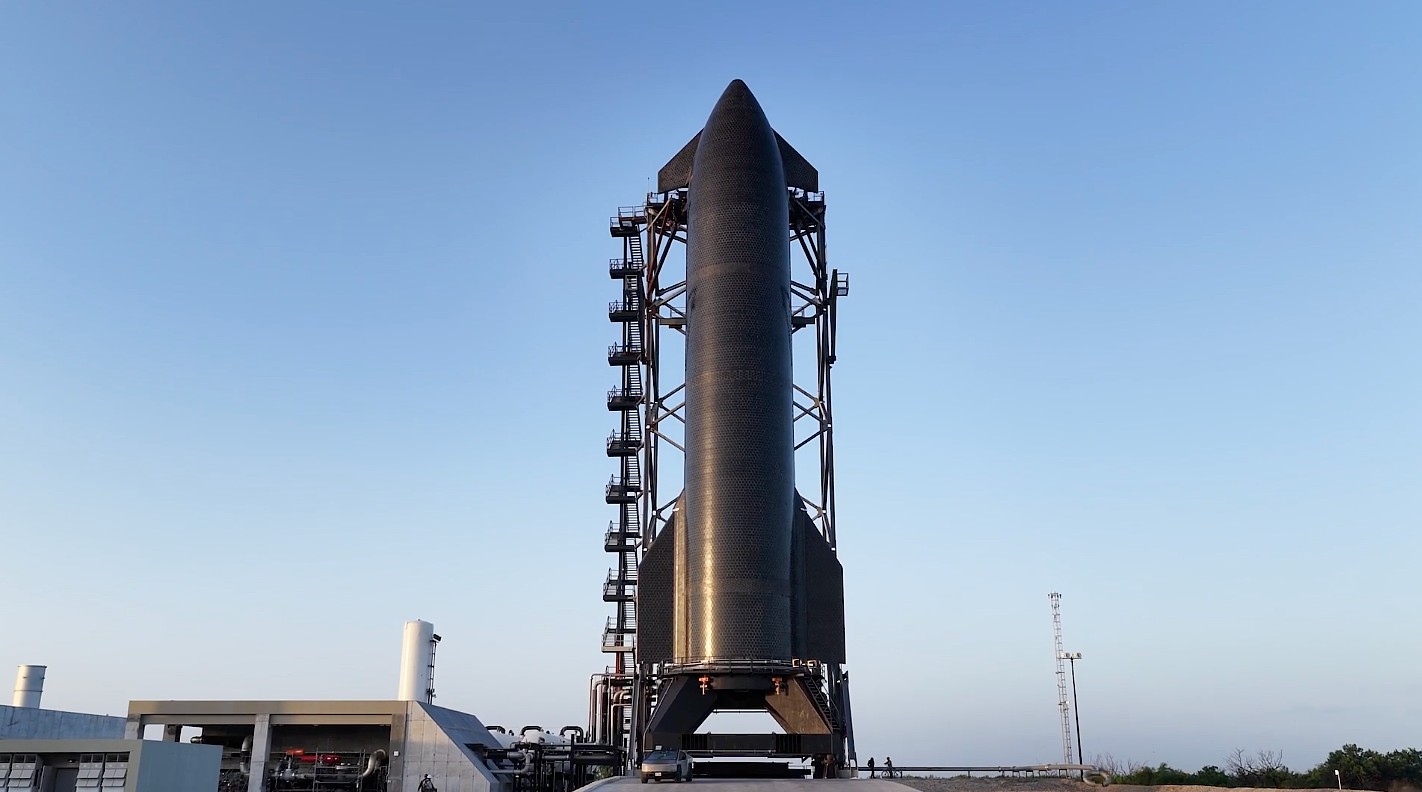
In a striking revelation that underscores the lucrative crossover between Big Tech and space exploration, Alphabet Inc., Google’s parent company, disclosed a massive $94.1 billion equity stake in SpaceX following the rocket company’s blockbuster initial public offering earlier this year.
The disclosure came in Alphabet’s quarterly filing, marking the first time the long-held private investment has been publicly valued at market prices. Google was an early backer, investing alongside Fidelity in 2015 with roughly $500-900 million at a time when SpaceX was valued around $12 billion.
That bet has delivered extraordinary returns, roughly a hundredfold, transforming a strategic play on satellite internet and launch capabilities into one of Alphabet’s largest assets.
Google, $GOOGL, has said they hold $94 billion in SpaceX, $SPCX, shares after IPO.
— unusual_whales (@unusual_whales) July 23, 2026
Of the total holding, approximately $80 billion remains subject to short-term post-IPO lockup restrictions, preventing near-term sales. An additional $14.1 billion faces longer-term restrictions, extending into the third quarter of 2027. This structure limits immediate liquidity but protects against market volatility as SpaceX transitions into public trading.
The SpaceX position contributed significantly to gains in Alphabet’s broader investment portfolio, which also includes a major stake in AI leader Anthropic. Combined, these holdings helped drive nearly $100 billion in investment gains during the second quarter, providing a substantial boost to net income amid ongoing AI spending pressures.
Analysts view the disclosure as validation of Alphabet’s venture strategy beyond its core search and cloud businesses. The investment aligns with deeper ties, including reported multi-billion-dollar deals for AI computing capacity on SpaceX infrastructure. As SpaceX advances Starship flights, Starlink expansion, and ambitious Mars goals under Elon Musk, Google’s stake positions it to benefit from the commercialization of space.
For Alphabet, the windfall highlights how patient, forward-looking bets in transformative sectors can yield outsized rewards. While lockups temper short-term impact, the holding cements SpaceX as a cornerstone of Alphabet’s diversified portfolio in an era where aerospace, AI, and connectivity increasingly intersect. Investors will watch closely as restrictions lift and SpaceX’s public performance unfolds.

Tesla’s Supercharger Diner probably just secured more locations

Tesla short sellers win big after shares fall after earnings


