Elon Musk
Tesla’s Roadster appearance at SpaceX has merger watchers talking
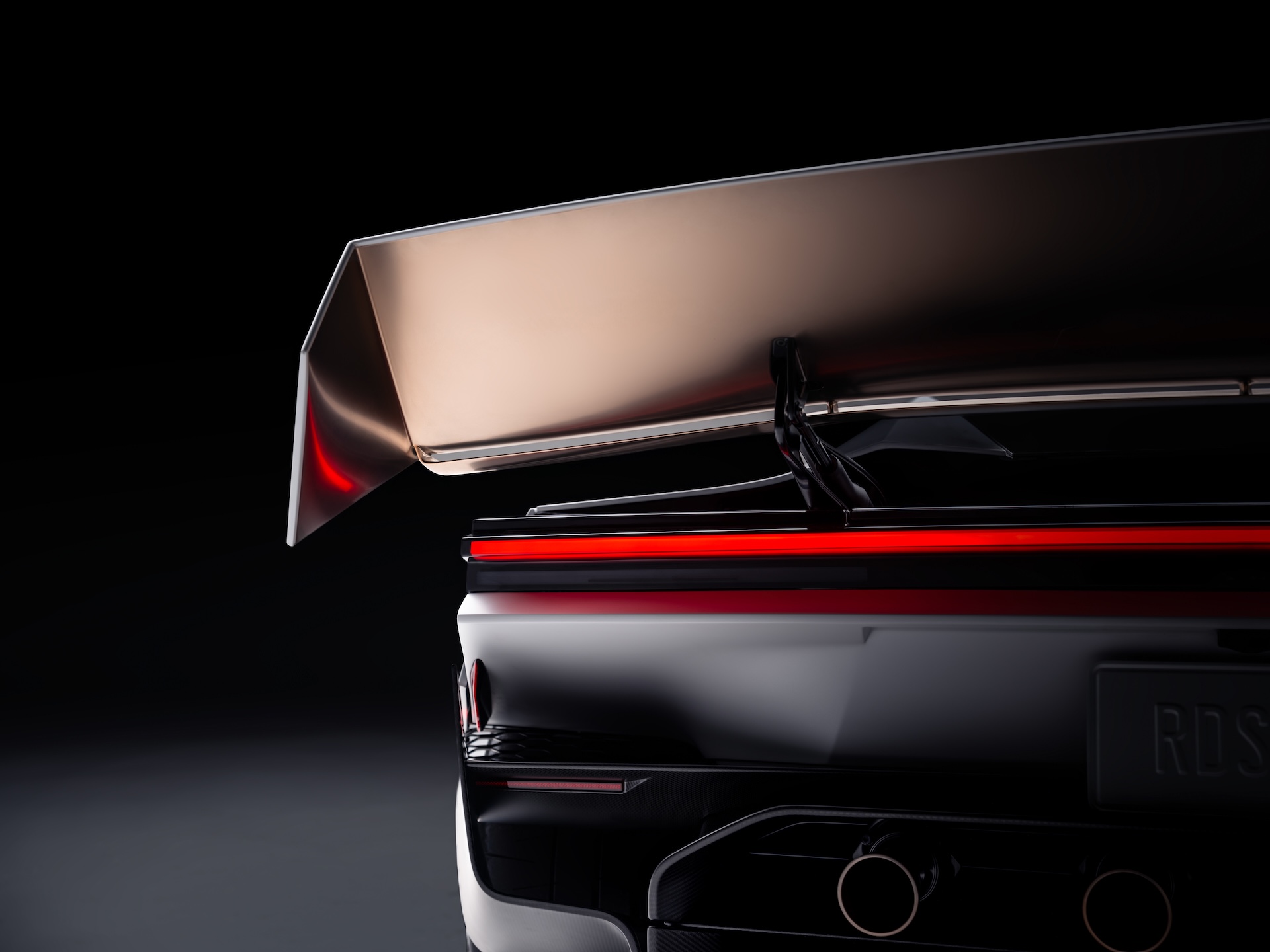
Tesla’s next generation Roadster was spotted at SpaceX’s Hawthorne headquarters, two weeks after its unveiling.

Tesla’s next generation Roadster turned up at SpaceX’s headquarters in Hawthorne, California on Wednesday, less than two weeks after the car flew off a ramp at its unveiling in Texas.
Photos shared on X by SpaceX Engineer (@DeannaRiceSPCX) show the new Roadster parked outdoors beside the famed Falcon 9 that stands outside company headquarters at the corner of Crenshaw Boulevard and Jack Northrop Avenue. Rocket B1019 was the first orbital-class booster ever to land after a launch on December 21, 2015 after it sent 11 Orbcomm satellites to orbit and then flew back to Landing Zone 1 at Cape Canaveral, which would be the first landing in what became SpaceX’s reusable rocket program. SpaceX chose not to fly it again. After a test fire in Florida, the booster was shipped to Hawthorne and raised upright as a permanent monument in August 2016, as Teslarati reported at the time. Putting the Roadster, which flies on SpaceX cold gas thrusters, next to the rocket that started SpaceX’s landings is symbolic in itself.
Small car, big rocket ambitions 🚀🚗 #roadster #falcon9 #spacex #tesla https://t.co/H32xUSXoCl
— Deanna Rice (@DeannaRiceSPCX) October 29, 2026
The Thrust and Rocket versions of the Roadster use cold gas thrusters fed by composite overwrapped pressure vessels, the same type of tank SpaceX flies on Falcon 9, and Elon Musk described the car as the work of Tesla and SpaceX engineers working together. Tesla lists 0 to 60 mph in under 0.9 seconds for Thrust and under 0.59 seconds for Rocket, while the base Performance model relies on a fan and ground sealing system for grip, as Teslarati detailed in its breakdown of the three Roadster configurations.
Tesla has kept the car in the spotlight since the October 15 event near Waco. Last week, the company posted a video of the Roadster’s fighter jet inspired cockpit, including a Track Mode screen with a “Thruster · 5,500 PSI” readout, which we covered in our look at the Roadster’s center display. Musk also said owners will be able to ask the car to perform the stunts autonomously, and promised a looping track at Tesla’s Texas headquarters.
The visit comes as special committees at Tesla and SpaceX weigh a possible merger, a step Musk confirmed on SpaceX’s third quarter earnings call. The Roadster, built on SpaceX hardware, has become one of the clearest examples of the two companies already building products together.
Musk said at the unveiling that Roadster production will begin in 2028. Reservations are open with a $50,000 payment, Thrust is listed as a limited release and Rocket is invite only. Tesla says the car is not approved for public road use.


Elon Musk
Tesla’s Powercore could change how data centers get power
Tesla unveiled Powercore, a solid-state transformer that could ease one of the grid’s worst bottlenecks.
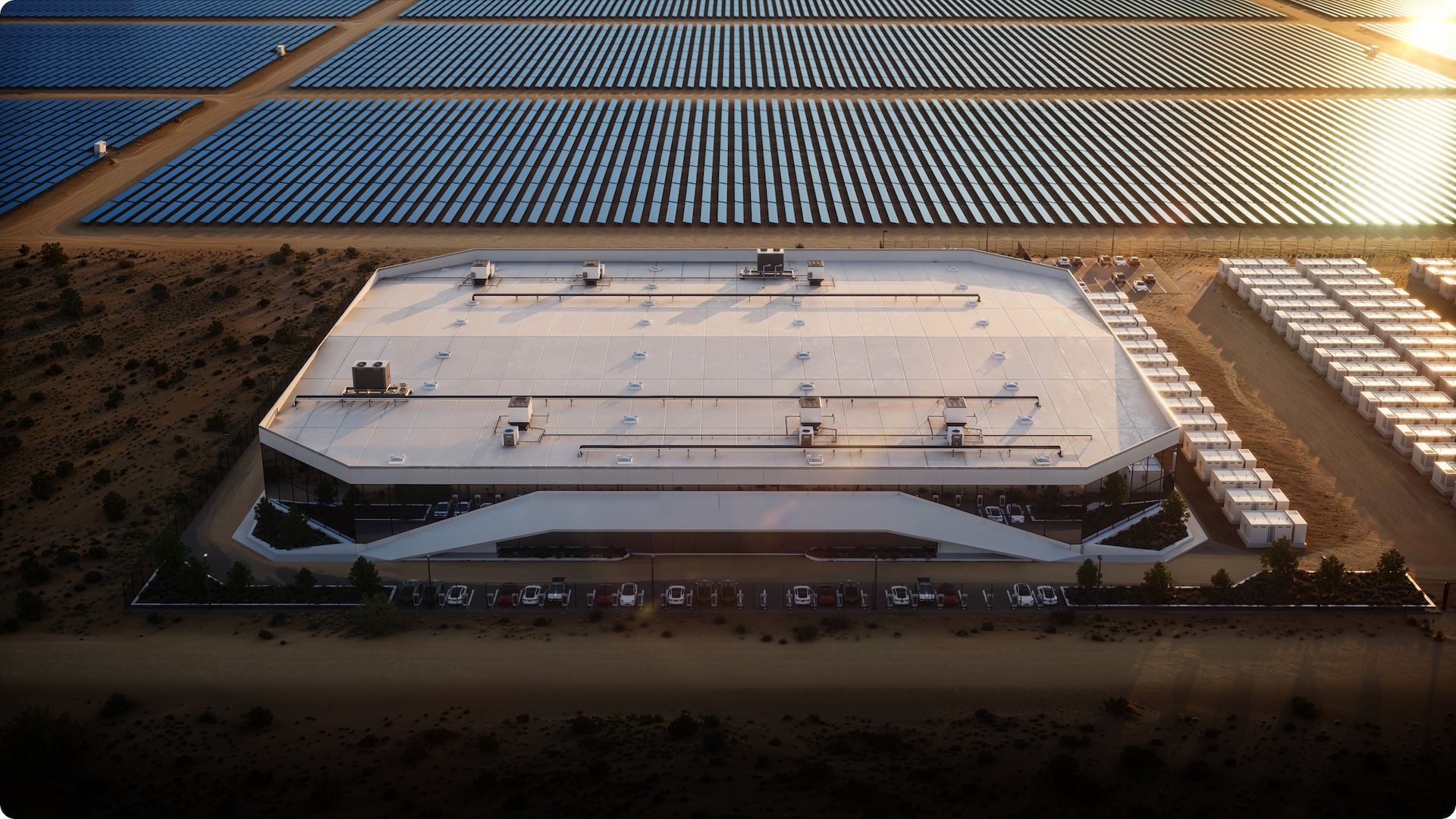
Tesla has unveiled Powercore, a solid-state medium voltage transformer that also handles the jobs of an inverter and a circuit breaker in a single unit. “Solid state medium voltage transformer, inverter and breaker – reliable, safe and secure,” the company’s Tesla Megapack account posted on X Tuesday, adding that the product is “Made in America” and will be “Operating 2027.” Elon Musk followed with his own post: “Advanced solid state transformers at scale from Tesla.”
Tesla rates Powercore at 7.4 MW, or 9 MVA, of continuous output at 34.5 kV AC, with grid-forming support for 10 MVA of peak power. Specs shared by Sawyer Merritt list a peak efficiency of 98.86 percent, a DC range of 800 to 2,000 volts and a built-in solid-state breaker that clears faults in about 100 microseconds. Tesla has not announced pricing, a factory location or a first customer.
The product fills a gap Tesla left open last year. When it introduced Megapack 3 and Megablock in September 2025, Tesla said it would build its own transformers, but shared almost nothing about them. Megablock groups four Megapack 3 units with a transformer and switchgear into a single medium voltage block, as Teslarati reported. Powercore appears to be that missing piece.
A typical battery or solar project today uses low voltage inverters to turn DC into AC, then a large oil-filled transformer to step that power up to grid voltage. A solid-state unit handles both steps with power electronics, which means less equipment, a smaller footprint and no flammable oil. Grid-forming capability lets it actively help hold voltage and frequency steady rather than simply following the grid.
Introducing Powercore Solid state medium voltage transformer, inverter and breaker – reliable, safe and secure 7.4 MW/9 MVA continuously at 34.5 kVac w/ grid-forming support for 10MVA of peak power Made in America. Operating 2027 https://t.co/sHxqnpWJrf — Tesla Megapack (@Tesla_Megapack) November 17, 2026
Timing is a big part of the pitch. Lead times for conventional transformers have stretched into years as AI data centers and renewable projects crowd utility interconnection queues. Tesla energy executive Max de Zegher pointed to the problem in a post Musk shared, noting that “transformers have barely changed since the 1890s: copper coils in a tank of oil,” while batteries, solar and compute all run on DC. Powercore, he wrote, delivers “one conversion and about half the losses.” Tesla has also said its Megapack supply for 2027 is nearly sold out.
Tesla deployed 13.7 GWh of energy storage in the third quarter, its second best quarter on record. On Tuesday, the company also said customer solar systems deployed by Tesla Energy now generate more than twice the electricity its global operations consume each year.

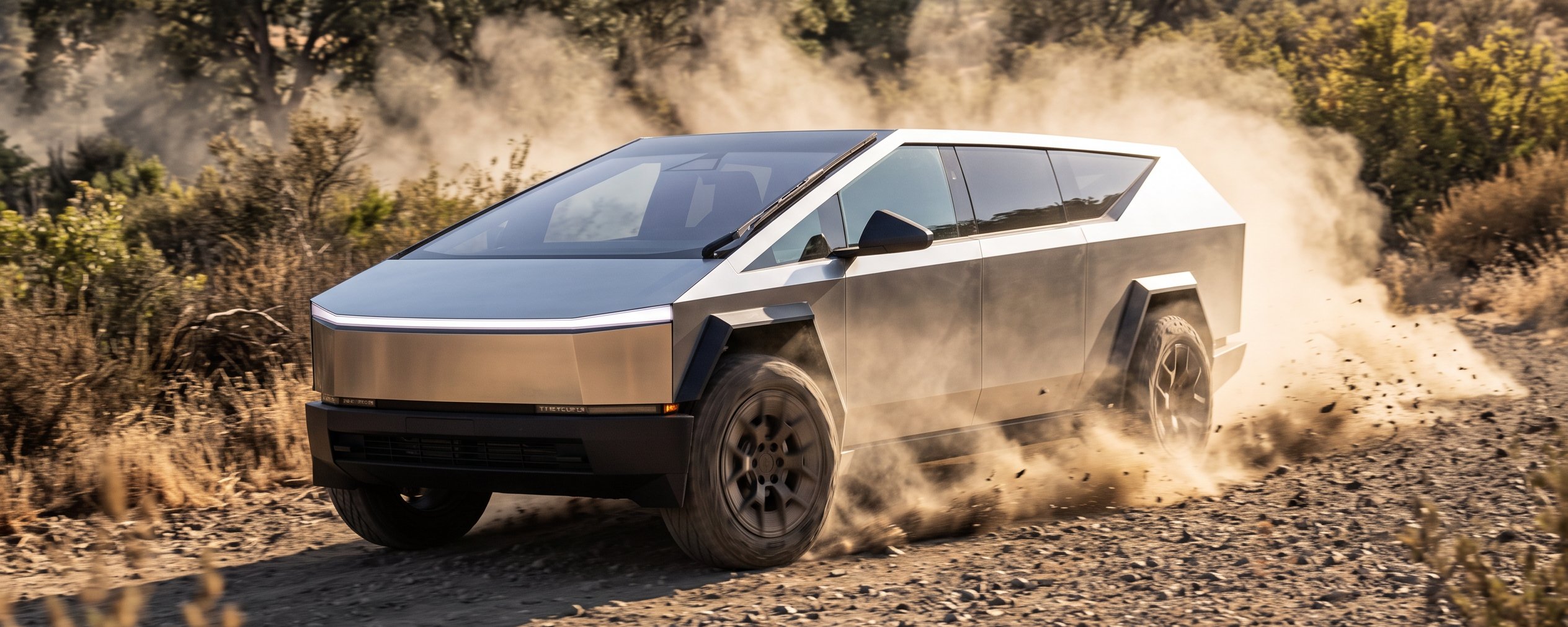
Tesla tuner Unplugged Performance, the company pleading to save the Cybertruck, detailed in a new phase of its plan to rescue manufacturing lines from Gigafactory Texas that it would also build a three-row CyberSUV.
UP has already navigated a lot of the difficult thought work, including how it will woo Tesla to turn over the all-electric pickup’s production lines at no cost or risk to them. Tesla has signaled it will wind down Cybertruck output at Gigafactory Texas sometime around the middle of next year.
Unplugged, the Hawthorne-based aftermarket specialist that has tuned Teslas since 2013, first floated an open offer on November 10 and followed with a more specific “Phase 3” outline on November 15. Under the structure, outside investors would fund the new company.
82% of respondents want a three-row CyberSUV. The line to build it is about to be dismantled. Our proposal keeps it alive at no added cost to Tesla. Tesla keeps the IP, signs its first FSD license, and earns on every vehicle.
👇 https://t.co/y9y33EuLPr— UP (@UnpluggedTesla) November 15, 2026
The line would leave Giga Texas on Tesla’s schedule, supplier contracts would transfer, and Unplugged would hire its own staff, drawing from interested Tesla alumni, without pulling current Tesla employees or engineering resources.
Tesla would retain intellectual-property ownership, final say on specifications and brand, a quality veto, and an option to reclaim the line. In return, Tesla would collect a license fee on every vehicle plus margin on parts it continues to supply, Full Self-Driving and Robotaxi revenue, and a no-cost equity stake in the new entity.
If Unplugged cannot meet demand or capital targets Tesla sets, it would withdraw.
UP looked at the overwhelming demand for a full-size SUV, something that Tesla has had a lot of demand for but has not developed internally. A poll put out by the tuner that surveyed 892 responses showed 82 percent of voters favored a CyberSUV. There is a substantially deeper market for three-row SUVs priced above $80,000 compared to pickups.
Not to mention, the new body tooling plus limiting other changes from the Cybertruck line would enable the company to use the existing platform to produce an all-terrain family vehicle while continuing to produce Cybertruck builds at a modest incremental cost.
Tesla has already shown interest in a CyberSUV, as it hid Cybertruck-inspired clay models of what appeared to be a full-size SUV in a video last year:
The proposal from UP also contemplates multiple configurations that would enable owners to utilize a full-fledged Robotaxi in the form of a CyberSUV, aiming to build one with conventional controls for private buyers while a no-wheel/pedal version would be available for the Robotaxi fleet.
Tesla has made it clear that its manufacturing space and cell capacity is set aside for Cybercab, but UP already has soft commitments from a conglomeration of investors, but it all hinges on Tesla’s willingness to engage.
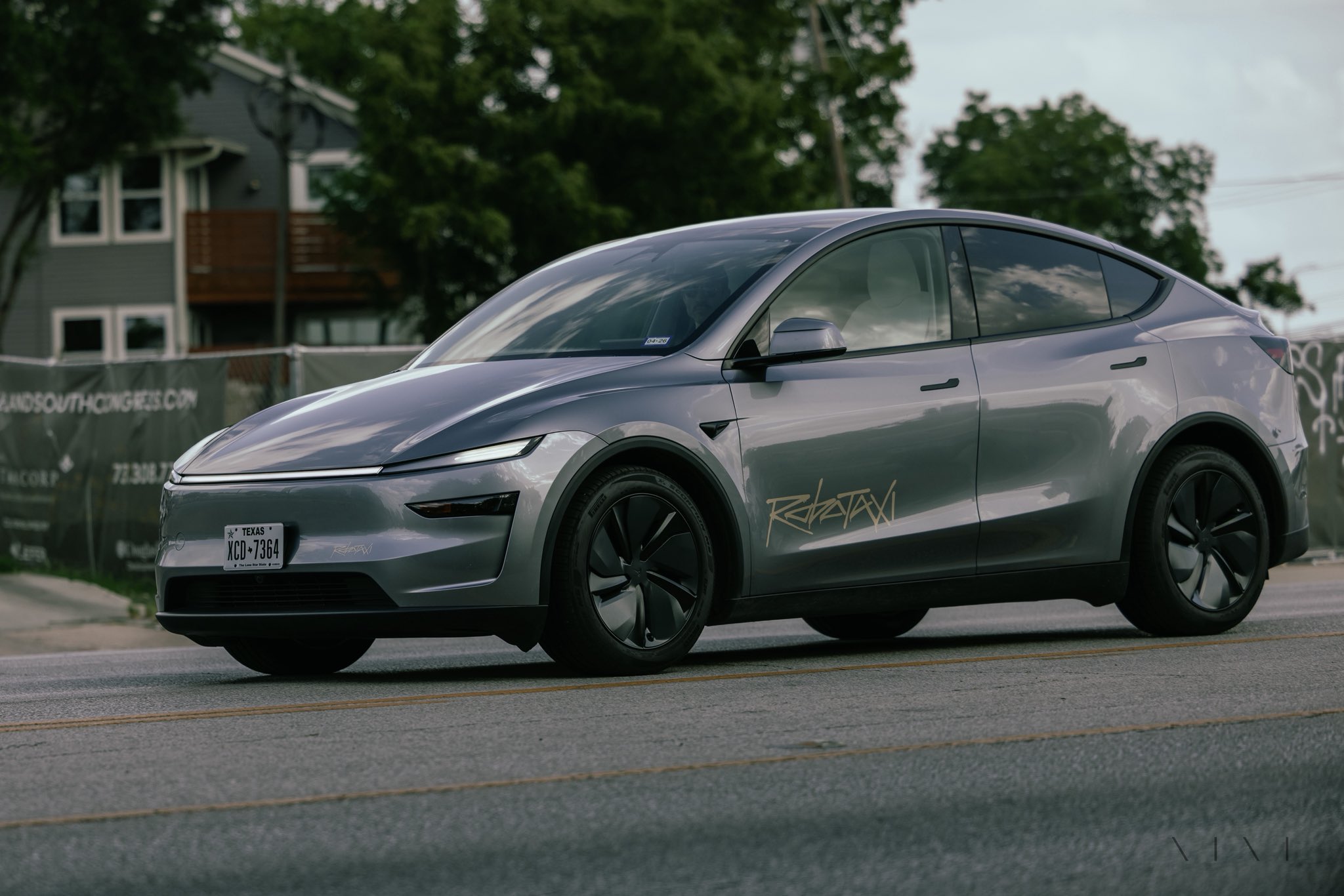
Elon Musk says that Tesla could test adding customer-owned vehicles to the Robotaxi platform as soon as December.
In a reply on X to an Austin-based Uber driver who uses a Model Y with Full Self-Driving and keeps only 49-63% of fares after the platform’s cut, Musk wrote:
“Coming soon. If things well, may start trials next month. Much better to manage a fleet of cars than have to drive just one car by yourself!”
@apostlejohn @WorldlyReviewer Coming soon. If things well, may start trials next month.
Much better to manage a fleet of cars than have to drive just one car by yourself!
— Elon Musk (@elonmusk) November 16, 2026
The exchange highlights the appeal of passive income from an autonomous vehicle versus actively driving for rideshare platforms.
This potential December start is technically earlier than prior company guidance, but it also aligns with the currently-projected first delivery of the Tesla Cybercab, a vehicle that has no manual controls.
Nevertheless, Tesla planned to bring customer vehicles into the fleet later on. During Tesla’s Q3 earnings call, AI leadership had pointed to roughly the second quarter of 2027 for customer vehicles joining the network. Musk’s comment suggests an accelerated pilot, most likely beginning in Austin, where Tesla’s Robotaxi service has operated longest and where new features typically roll out first.
December is also the target month for the first customer deliveries of the Cybercab. In mid-November, Tesla began inviting select buyers to purchase the purpose-built, two-seat vehicle for personal use at $29,990 plus a required $299 monthly Autonomy Subscription, with estimated deliveries in Austin.
Tesla Cybercab goes on sale for $29,990, slated for December deliveries
Those initial private Cybercabs are restricted to personal use within existing Robotaxi zones and do not automatically include commercial network participation; the large majority of Cybercabs are expected to remain Tesla-owned fleet vehicles.
The coincidence of the two December milestones underscores Tesla’s parallel paths. Customer Model Ys already on the road with FSD hardware could rapidly enlarge the vehicle pool for unsupervised trials, while the Cybercab, which is void of a steering wheel or pedals and equipped with only dedicated Robotaxi hardware, arrives as a purpose-built platform.
Hardware differences, such as additional cameras or cleaning systems on company Robotaxis, may constrain which Model Ys are eligible at the outset. Regulatory approvals, insurance arrangements, and software readiness will also determine whether the “if things go well” condition is met.
For owners, successful trials would fulfill a vision Musk first sketched in Tesla’s 2016 Master Plan: vehicles that earn money while their owners sleep or work.
Combined with the arrival of privately owned Cybercabs in the same month, December could mark the transition from Tesla-controlled Robotaxi operations to a broader ecosystem in which both company fleets and customer vehicles contribute to the company’s autonomous ride-hailing platform, which continues expanding.

Tesla’s Powercore could change how data centers get power

Tesla changes vehicle computers from ‘AI’ to ‘SI,’ reflecting President Trump change


