Space
NASA’s newest Mars rover gets christened with a ‘strong’ official name

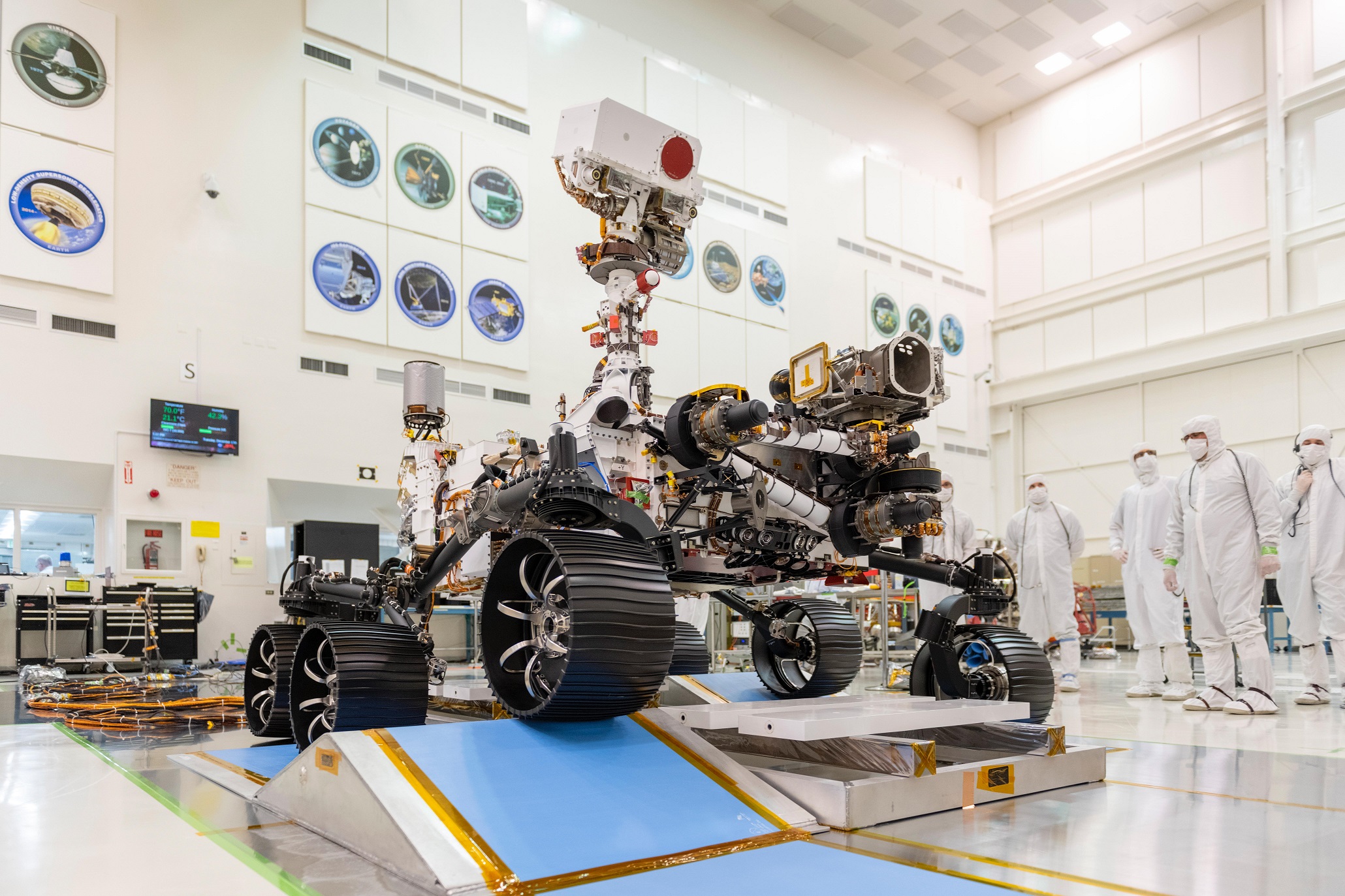
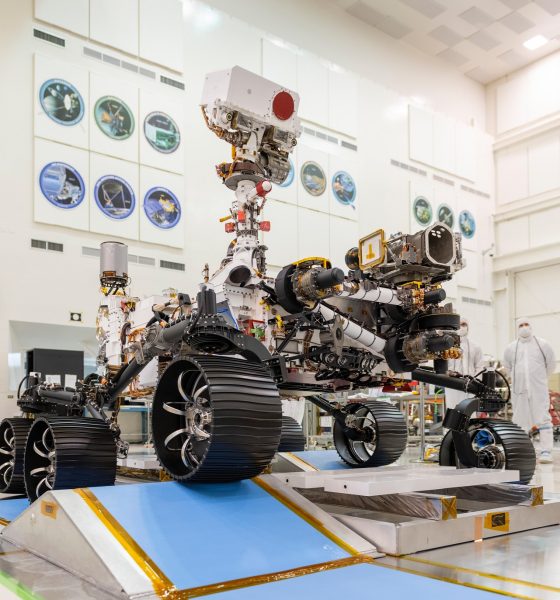
NASA’s next Mars rover will depart Earth in July, bound for the red planet. After landing in Feb. of next year, the six-wheeled rover will explore its surroundings. Initially dubbed as Mars 2020 as a nod to its launch date, the rover has just received an official name: Perseverance.
As part of a nationwide contest, NASA challenged children in grades K-12 to come up with a name for the robotic explorer. This follows tradition as rovers of the past, and even planets (hello Pluto), have been named by children. Viking, Pathfinder, Sojourner, Spirit, Opportunity, Curiosity, InSight, and now Perseverance.
The newest rover will build on the success of those robotic explorers who came before it by collecting the first samples of Mars for a future return to Earth. It will also lay the groundwork for future human exploration by testing new technologies.
“Yes, it’s curiosity that pulls us out there, but it’s perseverance that does not let us give up,” Thomas Zurbuchen, NASA’s associate administrator for the science mission directorate said during a news conference on Thursday.
Although Curiosity and Perseverance look like twins, the two rovers are quite different. But, it takes the pair to help us better understand Mars and its habitability.
“Perseverance is a strong word,” he said. “It’s about making progress despite obstacles.”
“There has never been exploration without perseverance,” Zurbuchen added.
A total of 28,000 entries were received, and over the course of several months, NASA narrowed the field down to just 9 finalists. The public was asked to vote for its favorite, but ultimately the final decision was up to Zurbuchen. Each student was tasked with writing a brief essay supporting their choice in name. The finalists are listed below, and you can read more about the contest here.
- Endurance, K-4, Oliver Jacobs of Virgina.
- Tenacity, K-4, Eamon Reilly of Pennsylvania.
- Promise, K-4, Amira Shanshiry of Massachusetts.
- Perseverance, 5-8, Alexander Mather of Virginia.
- Vision, 5-8, Hadley Green of Mississippi.
- Clarity, 5-8, Nora Benitez of California.
- Ingenuity, 9-12, Vaneeza Rupani of Alabama.
- Fortitude, 9-12, Anthony Yoon of Oklahoma.
- Courage, 9-12, Tori Gray of Louisiana.
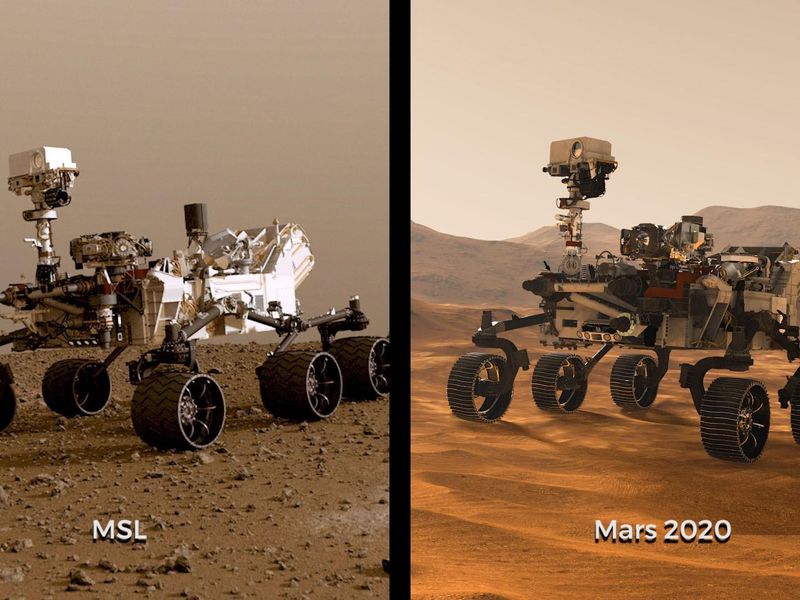
The Perseverance Mars rover, which looks nearly identical to the Curiosity rover that landed in 2012, will begin its mission exploring Jezero Crater. Equipped with a suite of specially-designed instruments it will look for signs of life called biosignatures.
NASA’s research indicates that Mars was habitable sometime in its past. But so far, we haven’t been able to detect any real signs of ancient life yet. The rover’s team thinks that its specialized suite of instruments will change that.
To that end, Perseverance will drill into the Martian surface, extracting samples that will eventually be returned to Earth for further study. Returning the samples is a challenge that NASA is already starting to tackle, along with the European Space Agency. The agency estimates that the earliest it can send a mission to fetch the rover’s samples would be some time around 2026 or 2027.
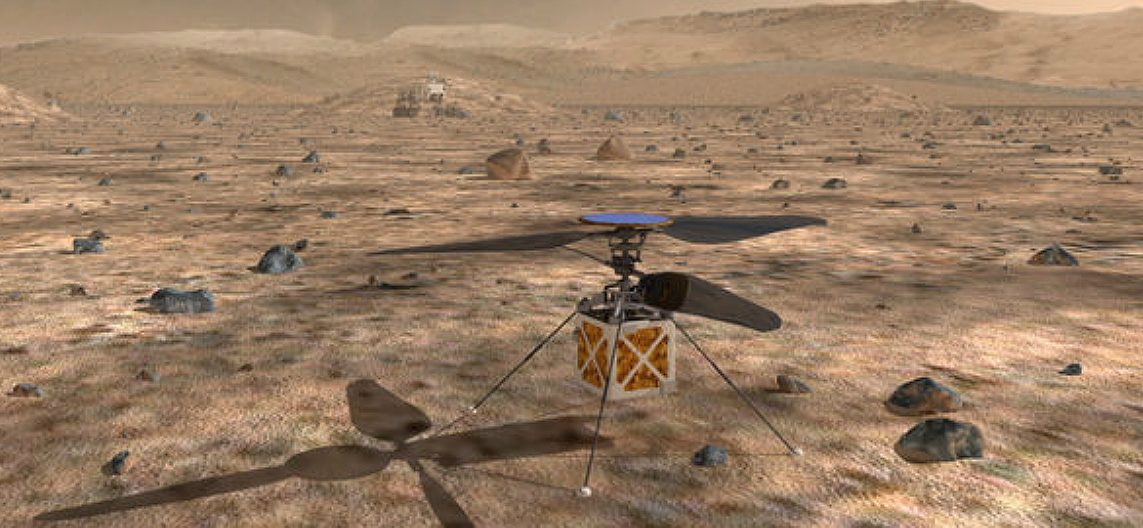
In the meantime, Perseverance will be busy scouring the surface for evidence of microbial life as well as testing out technologies that future human missions could rely on. It will also carry the first helicopter to explore another planet.
The small, autonomous rotorcraft, will launch attached to the rover’s belly. Shortly after arriving on Mars, the softball-sized craft will use its dual blades to slice through the Martian atmosphere. According to engineers, its blades will generate nearly 3,000 rpm — 10 times the rate of helicopters here on Earth.
The Mars helicopter will conduct as many as five flights, each time flying a bit further away than the last. For its first flight, the helicopter will climb to 10 feet (3 meters), hovering for about 30 seconds. If this technology proves to be successful, this type of craft could be used to explore Mars ahead of human exploration.


News
NASA taps SpaceX for more astronaut missions as Boeing Starliner remains grounded
NASA just gave SpaceX a $946 million contract for three more astronaut missions through 2030.

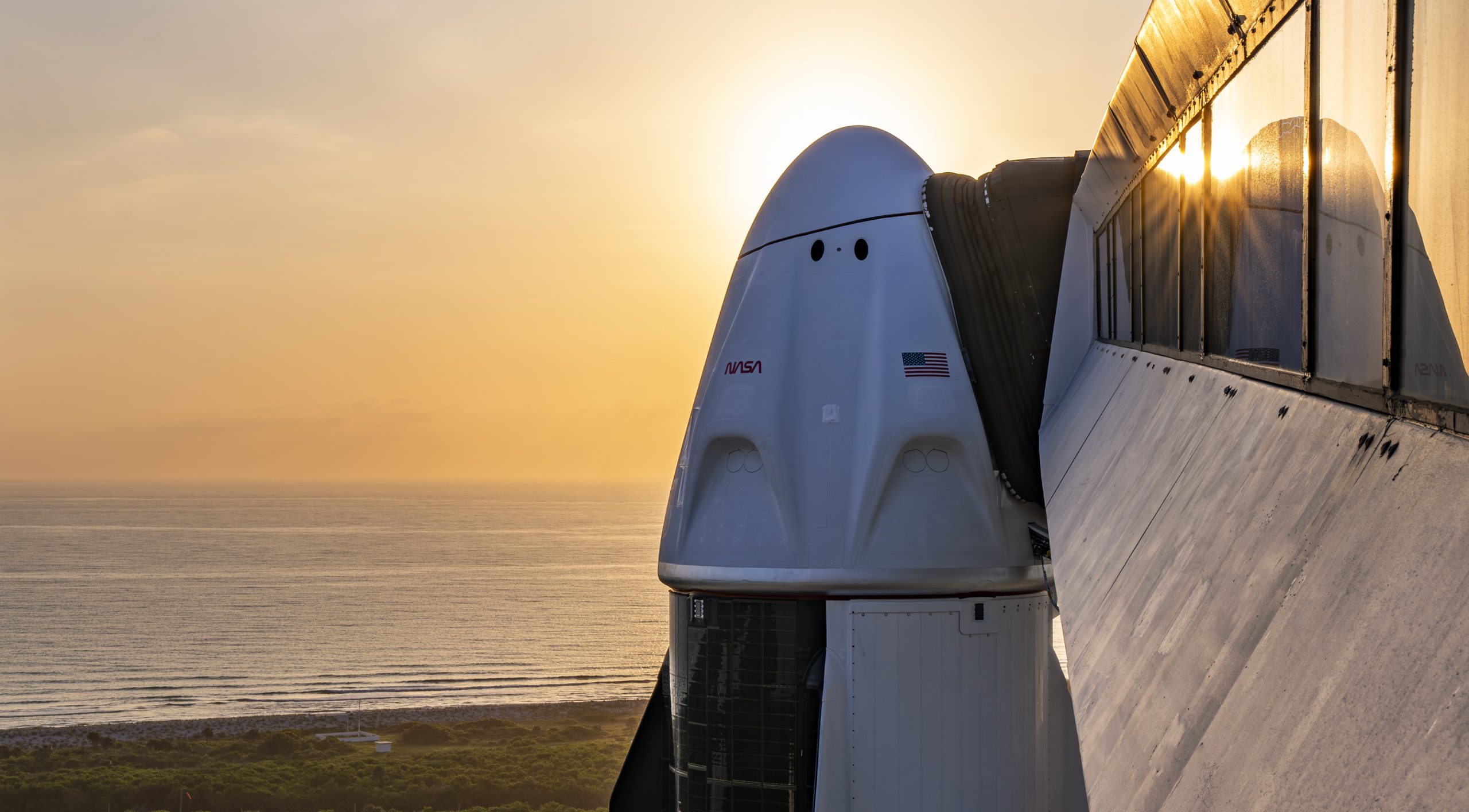
NASA has awarded SpaceX a $946 million contract modification covering three more astronaut missions to the International Space Station, according to an announcement the agency published Friday. The award adds Crew-15, Crew-16, and Crew-17 to SpaceX’s existing Commercial Crew Transportation Capability contract, bringing the agreement’s total value to $5.92 billion across 17 flights.
SpaceX confirmed the award on X, writing that it was excited for Falcon 9 and Dragon to launch NASA’s Crew-15, 16, and 17 missions to the Space Station from Florida. The new missions cover ground, launch, in orbit, and return operations, along with cargo transport and a lifeboat capability while docked at the station, and the period of performance runs through 2030.
We’re excited for Falcon 9 and Dragon to launch @NASA’s Crew-15, 16, and 17 missions to the @Space_Station from Florida https://t.co/Qm16vVK9F3 pic.twitter.com/drg3s7GtuM
— SpaceX (@SpaceX) September 18, 2026
The award follows a notice of intent NASA issued in May, when the agency first signaled it would purchase up to six additional post certification missions from SpaceX. Teslarati covered that filing at the time, noting NASA cited technical issues and schedule delays encountered by Boeing as a driving factor. Friday’s contract modification locks in three of those six missions, with the remaining three left open for NASA to award later, potentially to Boeing if Starliner clears certification.
Boeing’s CST-100 Starliner has still not flown an operational crew rotation mission for NASA. The spacecraft’s most recent crewed test flight in 2024 ended without the astronauts returning aboard Starliner, and the company has spent the time since working through thruster problems. SpaceX President Gwynne Shotwell said this week that SpaceX is not retiring Crew Dragon today, for sure, while stopping short of committing to fly it past 2030.
Crew-12 is currently docked at the space station, and NASA has said Crew-13 is targeting a launch in the coming weeks. The newly awarded Crew-15 through Crew-17 missions extend SpaceX’s role as NASA’s primary way of getting astronauts to and from orbit well into the back half of the decade, regardless of what happens with Starliner or Starship in the meantime.
Elon Musk
SpaceX’s next Starship launch is about to attempt its biggest leap yet
SpaceX targets September 22 for Starship Flight 14, its first attempt to reach real orbit.
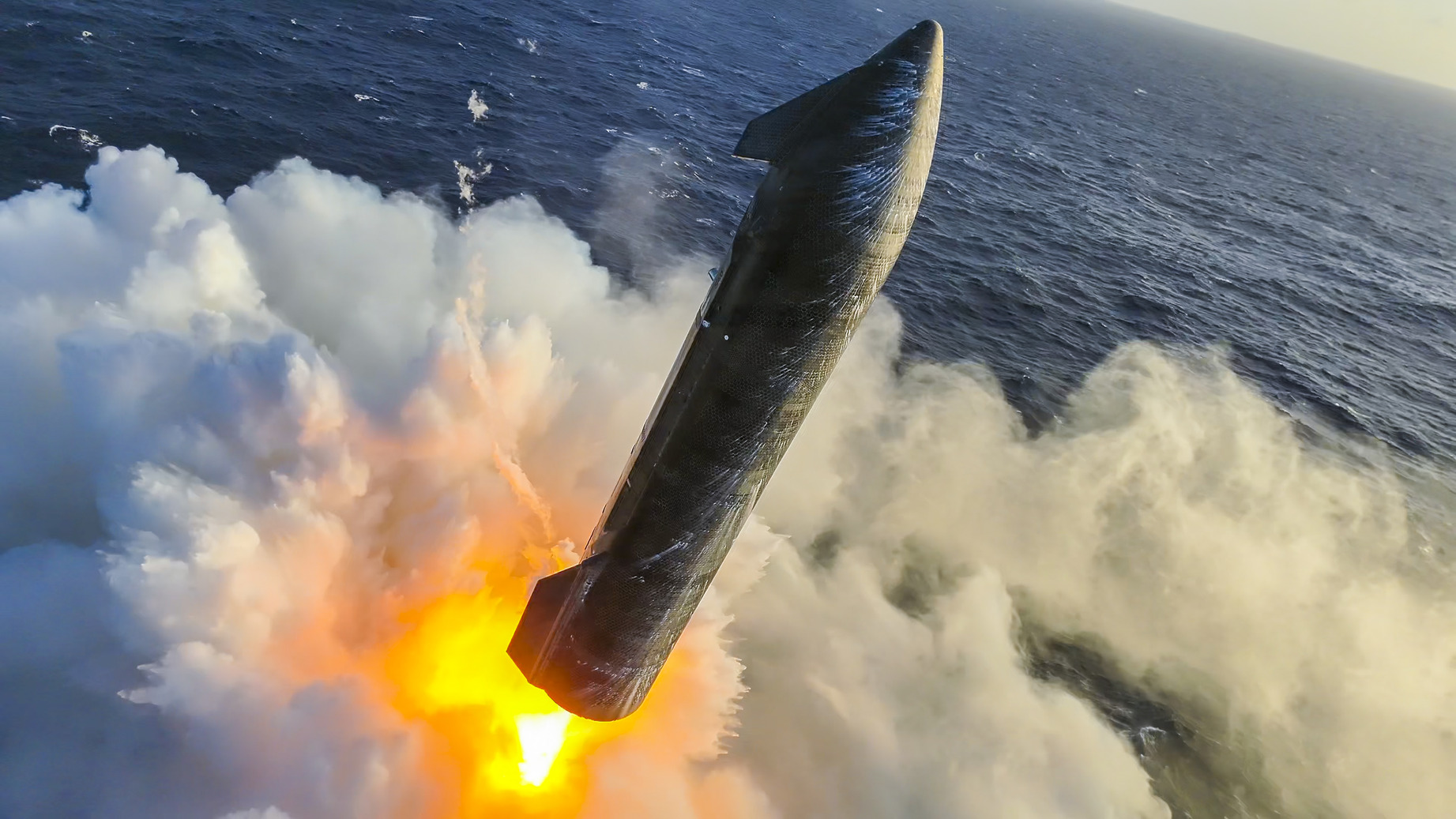
SpaceX has set September 22 as the target date for Starship’s 14th test flight, and this one carries a different goal than any of the 13 that came before it. Every previous Starship mission has intentionally flown a suborbital arc, reentering the atmosphere within the same hour it launched. Flight 14 is designed to send the craft into a genuine orbit around Earth for the first time.
The launch window opens at 7:15 a.m. Central time at Starbase in South Texas and runs for 75 minutes, pending regulatory approval, according to SpaceX’s mission description published Tuesday. If the flight goes as planned, Starship will circle the planet roughly six times at an altitude near 275 kilometers over about ten hours before a deorbit burn sends it toward a splashdown in the Pacific Ocean west of Chile, a departure from the Indian Ocean recoveries used on the last several flights.
The mission also marks the first attempt to put a working batch of Starlink V3 satellites into actual service. Flight 13 carried 20 of the new satellites in July, but because that mission never left a suborbital trajectory, the payload reentered along with the ship instead of separating into orbit.
SpaceX tells the FCC that Starship Flight 14 is going to orbit
Each V3 satellite is rated for roughly one terabit per second of downlink capacity, so a successful deployment on Flight 14 would be SpaceX’s largest single jump in network bandwidth since Starlink began flying on Falcon 9.
Flight 13 still did the heavier lifting on the technical side. That July mission flew a deliberately more stressful reentry profile to test Starship’s heat shield, and the ship survived its softest splashdown yet, intact enough for drone inspections shortly after landing. Elon Musk said the flight delivered “all the heat shield data we needed and then some,” a result Teslarati covered in detail when he later said SpaceX had solved the vehicle’s biggest reusability challenge. Flight 14 is where SpaceX starts spending that confidence on an actual orbital insertion rather than another controlled fall back to Earth.
One thing Flight 14 will not attempt is a tower catch of the ship. Musk floated the idea right after Flight 13, but walked the timeline back in August, saying a catch attempt was more likely “in a few months.” The Super Heavy booster will still aim for its own recovery, targeting an offshore landing point in the Gulf of America, the same approach used on recent flights.
September 22 is SpaceX’s own target, not a locked date. Starship’s schedule has slipped before over hardware readiness and FAA sign off, and the company has said as much in its own mission notes. But the plan itself represents the clearest marker yet that Starship is moving from a suborbital test program into something meant to carry paying payloads and, eventually, people.
News
SpaceX tells the FCC that Starship Flight 14 is going to orbit
SpaceX filed with the FCC for Starship Flight 14, its first true orbital launch attempt.
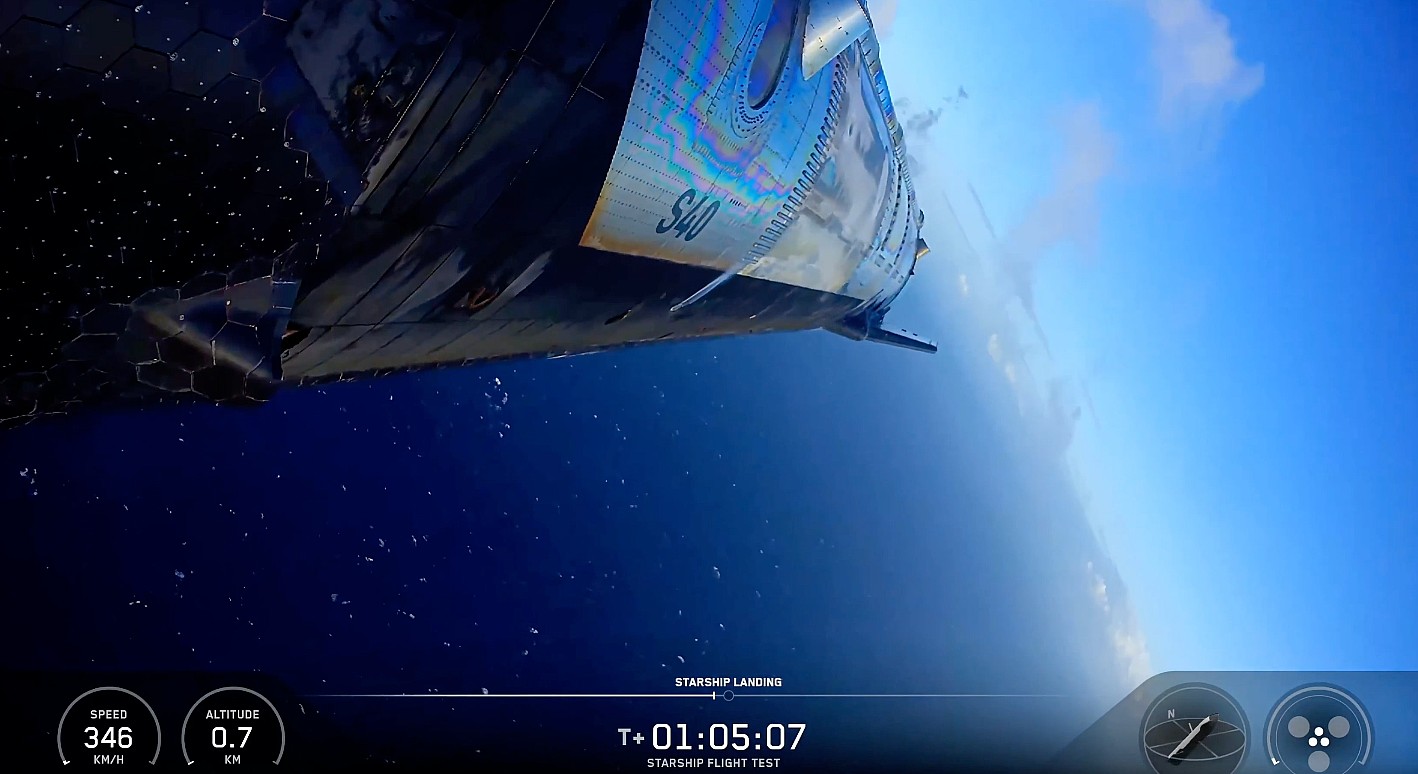
SpaceX has asked the Federal Communications Commission for permission to fly Starlink terminals during Starship’s fourteenth flight test, and the filing lays out a genuine trip to orbit, something the program has never attempted.
Every Starship flight so far, including Flight 13’s successful splashdown in the Indian Ocean on July 24, has flown a suborbital arc that ends with the ship reentering the atmosphere within the same hour it launches. The FCC paperwork describes a mission profile built around an actual orbital insertion instead.
The payload is the other half of the story. Flight 13 carried 20 production Starlink V3 satellites, but because that mission never reached orbit, the satellites reentered along with the ship rather than joining the constellation, something Teslarati covered in detail after SpaceX released footage shot from one of those satellites as it drifted away from Starship in space. Flight 14 is designed to close that gap. If the orbital insertion holds, the roughly 20 V3 satellites onboard would separate into an operational orbit and could eventually go into service, each one rated for about 1 terabit per second of downlink capacity by SpaceX’s own account.
SpaceX announces new Starbase for ‘thousands of Starship launches annually’
Elon Musk first flagged the orbital attempt during SpaceX’s August 4 earnings call, the company’s first as a public entity following its June IPO under the ticker SPCX. He also floated catching the ship with the Starbase tower on the same flight, an idea he walked back on August 20, saying the catch attempt would more likely come “in a few months,” as Teslarati reported at the time. Flight 14 will instead target a splashdown for the ship in the Indian Ocean, the same recovery method used since Flight 12.
Hardware has been catching up to the ambition. Booster 21 completed a full 33-engine static fire on August 28, and Ship 41 finished its own six-engine test the week before. An airspace briefing circulated to pilots on August 20 listed September 15 as the target date, later than the end of August window Musk mentioned on the earnings call, though SpaceX has not confirmed a launch date publicly and Starship schedules routinely slip while hardware and FAA paperwork line up.
The FCC filing itself does not guarantee a launch date. It covers communications authority, and not flight readiness, considering SpaceX still needs Ship 41 fully stacked and cleared by the FAA before Flight 14 can fly. But the filing is a real marker of intent and it puts a specific regulatory process behind what had so far only been Musk’s word on the earnings call.

Elon Musk drops a surprise update on Boring Company’s next big dig

Tesla eyes supply partners for Optimus mass production


