News
SpaceX hit by back to back Falcon 9 and Starship rocket delays

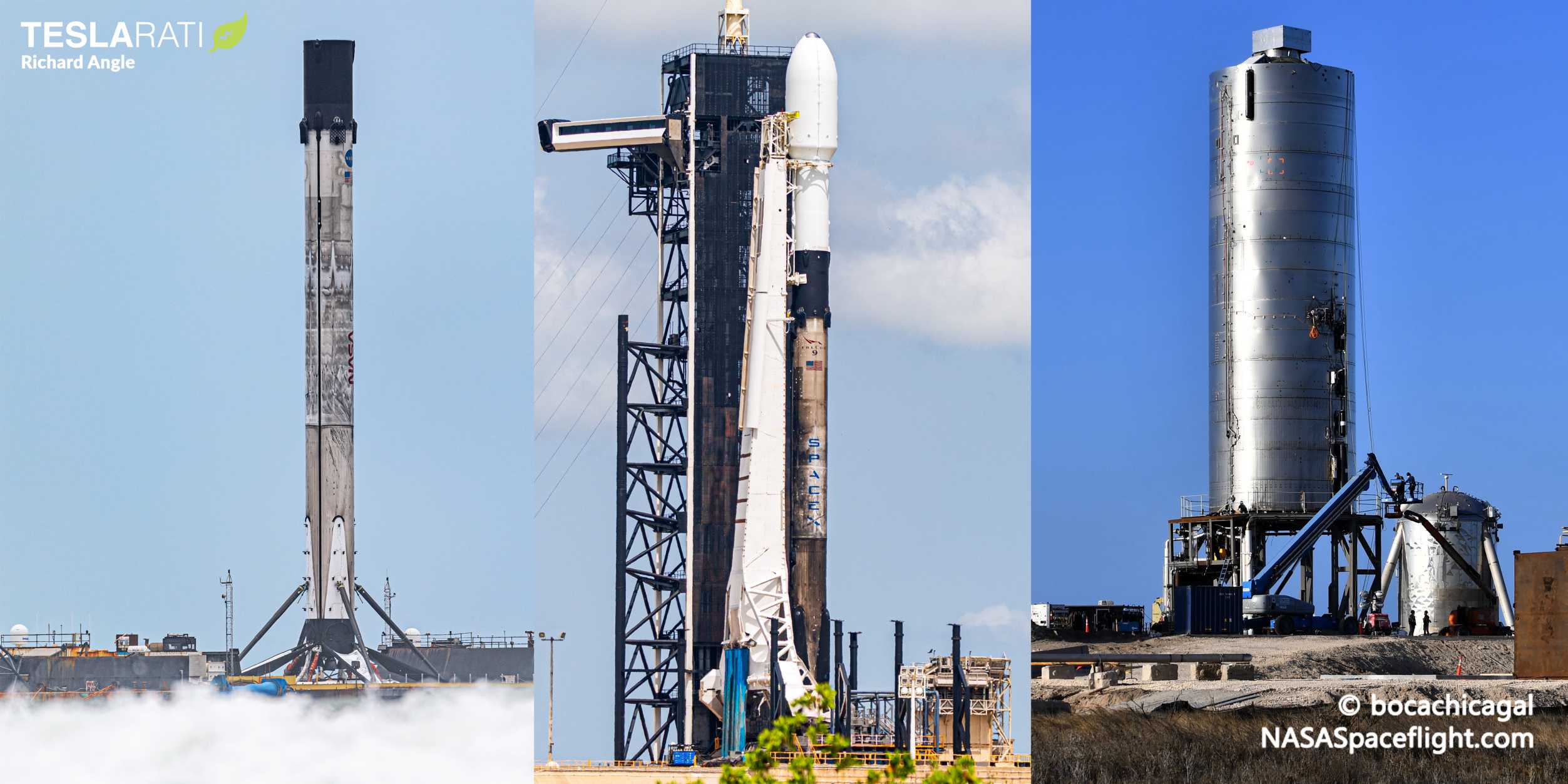
SpaceX has been hit by multiple back-to-back Falcon 9 launch and Starship test delays in a period of a few days, ending the company’s second attempt at a potentially record-breaking month.
Originally scheduled to launch no earlier than (NET) June 22nd, give or take, SpaceX’s own Starlink-9 satellite mission kicked off the misfortune and has suffered the most. After SpaceX announced an indefinite delay on July 11th to allow for “more time for checkouts”, Starlink-9 is not expected to launch for several more days at best. On July 13th, SpaceX announced that another summer mission targeting a NET July 14th launch had also been delayed indefinitely to allow teams to inspect the Falcon 9 rocket’s upper stage and potentially replace hardware.
Those two delays have had follow-on effects on subsequent launches planned in late July and early August but the actual end-results will be hard to determine until SpaceX has settled on alternate launch dates for Starlink-9 and ANASIS II. Meanwhile, all throughout those orbital-class launch delays, the first Raptor engine test with SpaceX’s fifth full-scale Starship has been consistently delayed and is now expected no earlier than this week (roughly July 15-19). The swath of delays have been so pronounced and oddly simultaneous that CEO Elon Musk even weighed in on Twitter yesterday, shedding a bit of light on the situation.
On July 13th, in response to a Spaceflight Now article detailing a few of those setbacks, Musk revealed that SpaceX is “being extra paranoid” – presumably the cause of most of the recent delays. Per Musk, “maximizing [the] probability of [a] successful launch is paramount” to SpaceX – not exactly a shocking revelation but still good to hear. Over the last six or so weeks, SpaceX has attempted to substantially ramp its launch cadence, targeting an unprecedented four launches in June 2020.
Delays reared their head, however, beginning with Starlink-9 around the last week of the month. SpaceX simply carried its four-launch-month ambitions into July, although that goal has already been pushed out of reach before the first launch of the month. As of July 1st, SpaceX has completed 11 launches in 2020 and has at least another 16 within tentative launch targets in the second half of the year. To complete all 16, the company would have to average almost three launches per month for the rest of 2020, a cadence it’s only managed to sustain for two or so months at a time.
Before ANASIS II’s indefinite delay was announced, Falcon 9 booster B1058 was on track to smash the world record for the fastest turnaround of an orbital class rocket, beating NASA’s Space Shuttle by ~20% (9 days). Somewhat ironically, some concerns surrounding the unflown upper stage have triggered said delay, while the record-breaking B1058 booster was apparently ready for launch. Like Starlink-9, ANASIS II’s delay is indefinite, meaning that it could last just a few days or stretch weeks into the future. If SpaceX manages to turn around for a second launch attempt before July 26th, though, B1058 still has a shot at becoming the world’s most rapidly reusable orbital-class rocket.
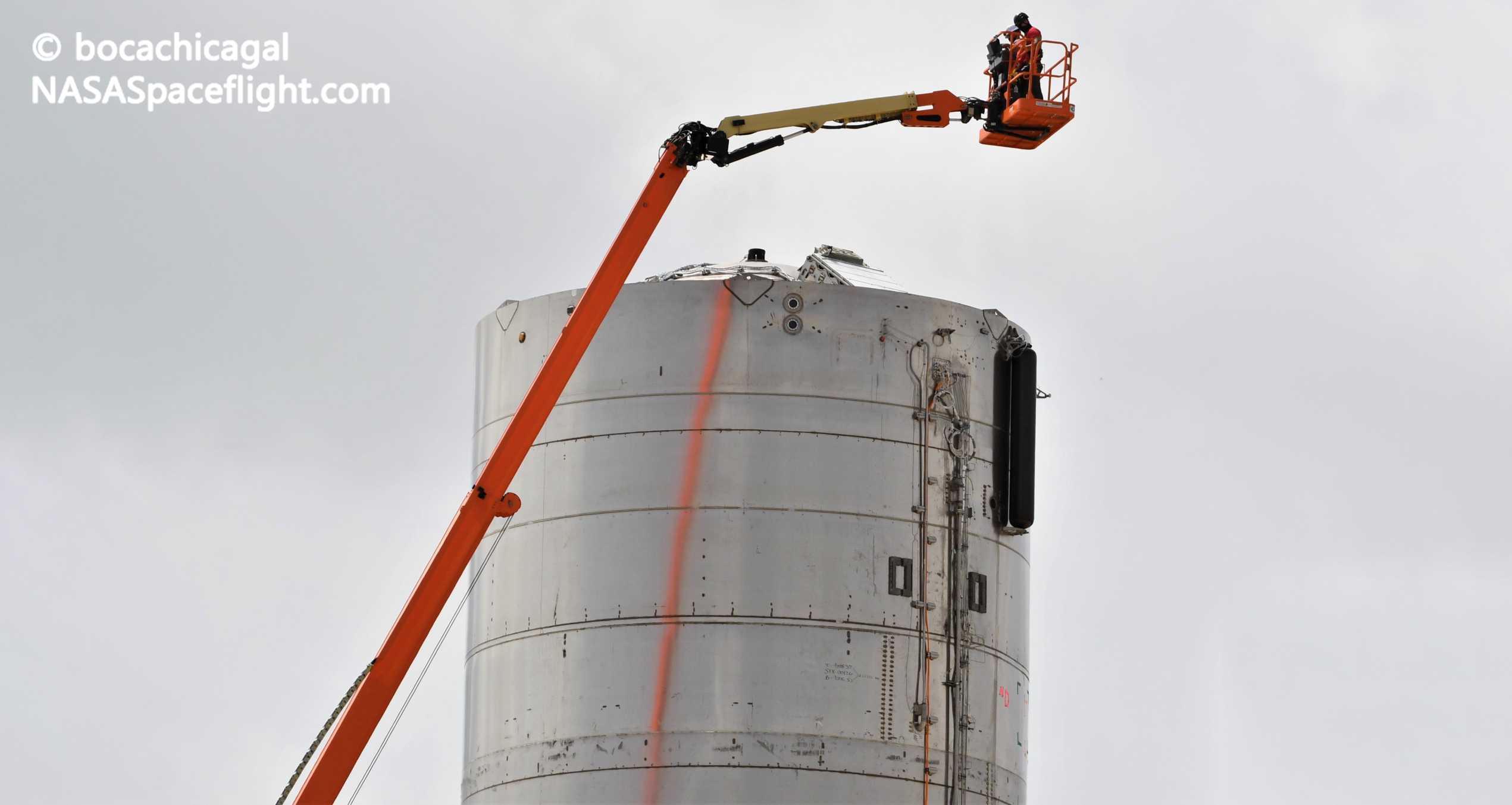
Meanwhile, Starship SN5 has been slowly wading through delay after delay as SpaceX’s South Texas team prepares the rocket for its first wet dress rehearsals (WDRs) with live propellant and its first Raptor engine ignition tests (i.e. static fires). As few as a few days after that test is complete, SpaceX wants to launch the massive steel rocket on the first full-scale hop test, potentially reaching 150m (500 ft) or higher before attempting to land nearby.
Prior to numerous delays, Starship SN5’s first static fire was expected to occur as early as late June or early July. As of now, SpaceX appears to be targeting the first wet dress rehearsal (WDR) with live methane and oxygen propellant (a precursor to any flight test) no earlier than (NET) July 15th to test SN5’s “fuel pump.” If successful, SpaceX would presumably move into static fire operations within a few days, followed another few days later by the first hop test attempt if the static fire was also successful.
Check out Teslarati’s Marketplace! We offer Tesla accessories, including for the Tesla Cybertruck and Tesla Model 3.


Elon Musk
SpaceX nails “Lucky 13” astronaut launch, leaning into Tesla tradition and superstition
SpaceX launched Crew-13 astronauts to the ISS Thursday, setting up a record fast Dragon docking.

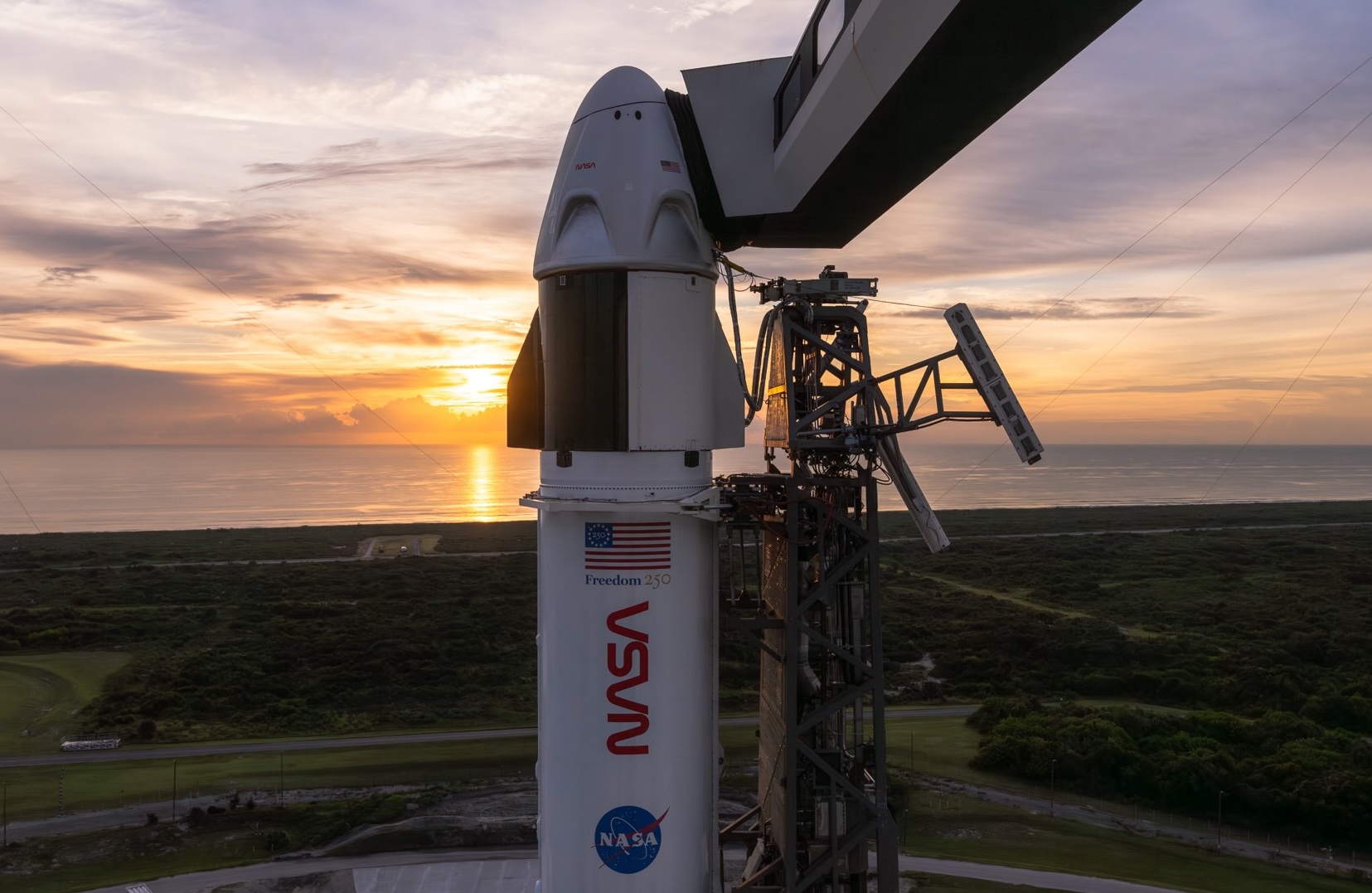
SpaceX launched NASA’s Crew-13 mission to the International Space Station on Thursday morning, getting four astronauts to orbit despite a forecast of thunderstorms and gusty winds that had threatened to push the flight to Friday.
Falcon 9 lifted off from Space Launch Complex 40 at Cape Canaveral Space Force Station at 11:10 a.m. ET carrying Dragon Grace, NASA confirmed. On board are NASA commander Jessica Watkins, NASA pilot Luke Delaney, Canadian Space Agency astronaut Joshua Kutryk and Roscosmos cosmonaut Sergey Teteryatnikov. The first stage booster, B1101, landed at Landing Zone 40 beside the pad on its third flight after previously supporting Crew-12 and a Starlink mission.
Liftoff of Crew-13! pic.twitter.com/vteT0DXMTh
— SpaceX (@SpaceX) October 1, 2026
It was the first spaceflight for Delaney, Kutryk and Teteryatnikov. Watkins, who flew on Crew-4 in 2022, became the first NASA astronaut to launch aboard a Crew Dragon twice.
Before launch, the crew rode to the pad in Teslas, a tradition on NASA’s SpaceX crew flights since 2020. This time the cars carried specialty plates reading “Lucky 13.” Watkins said the mission patch leans into the number on purpose, as a nod to Apollo 13 and the resilience of that crew.
Grace is now on a short trip to the station. Docking at the forward port of the Harmony module is scheduled for about 7 p.m. ET, roughly 7 hours and 50 minutes after liftoff, which Space.com notes would be the fastest Crew Dragon transit to the ISS yet. Most Dragon flights take around 15 to 24 hours to catch the station. Hatch opening is planned for 8:25 p.m. ET.
The launch came more than two weeks later than originally planned. An oxidizer leak was found in Grace’s propulsion system in August, and NASA and SpaceX added time for tests. That pushed back the return of Crew-12, which has been aboard the station since February and is now set to splash down off Southern California next week. Crew-13 is expected to stay about six months.
SpaceX rescue mission for stranded ISS astronauts nears end — Here’s when they’ll return home
SpaceX already holds NASA orders for crew rotations through Crew-17, while Boeing is preparing an uncrewed Starliner flight to the station as early as December.
Crew-13 was only the first of three SpaceX launches planned for Thursday, as Teslarati previewed on Wednesday. A Falcon 9 launched its Transporter-18 mission from California today, where Google will be launching its first orbital artificial intelligence (AI) test satellite. Meanwhile, Falcon Heavy is set to launch the classified NROL-97 mission for the National Reconnaissance Office from Launch Complex 39A at 11:53 p.m. ET. Its two side boosters will return to Landing Zones 1 and 2, which means Central Florida could hear up to three sonic booms in a single day. The busy stretch follows Starship’s Flight 14 on Monday, which reached orbit for the first time.

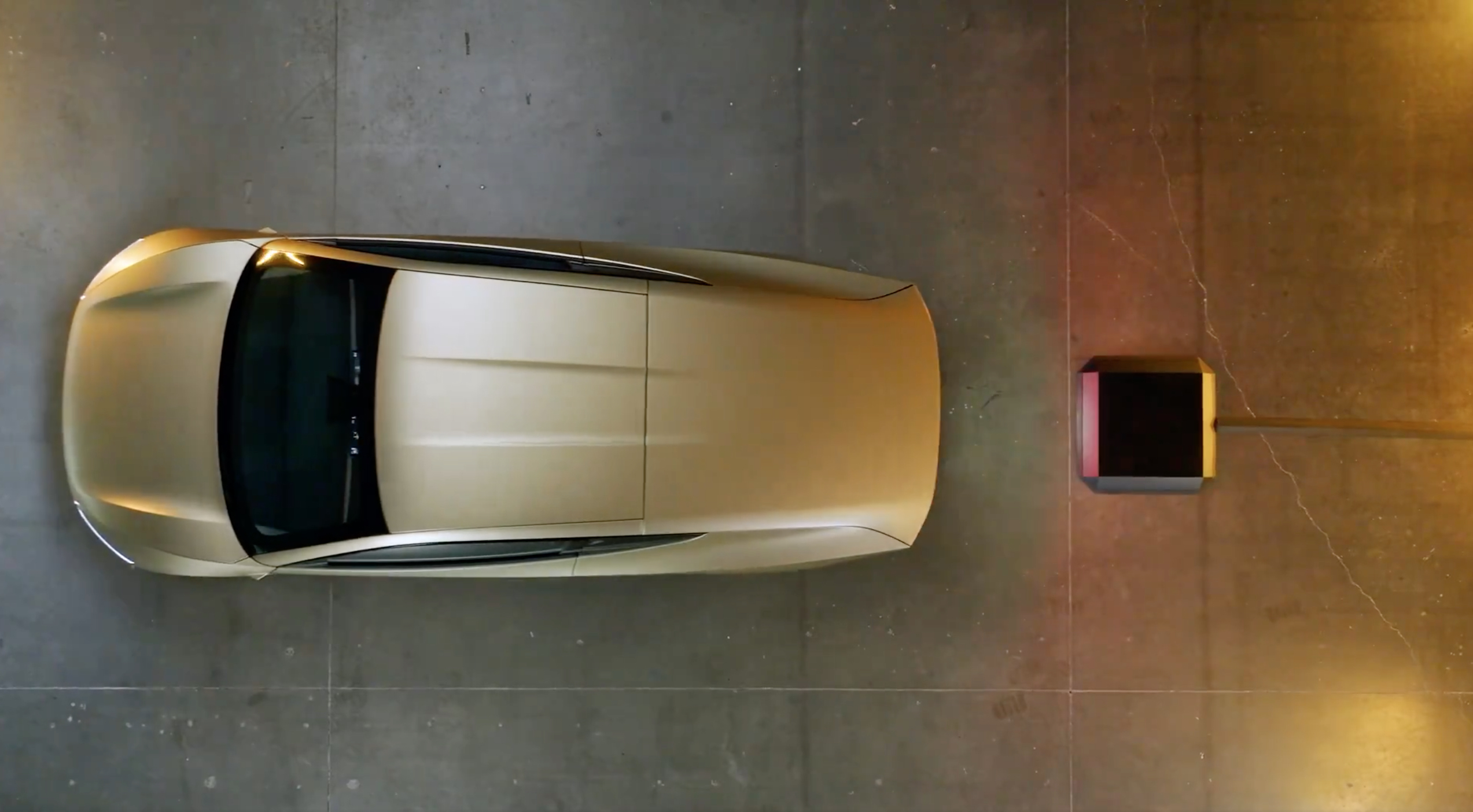
Tesla has moved its Wireless Charging efforts for its electric vehicles forward, as it had a new patent published today, one that it submitted back in March.
The patent describes a system for detecting foreign objects on the wireless charging pad under varying temperatures, aiming to mitigate any undesired results that could come from something being on top of the charging pad.
🚨 Tesla has a new patent application published today, which was submitted back in March, for a Wireless Charging Pad:
“The present disclosure relates to methods and systems that can reliably detect foreign objects on a wireless charging pad under varying temperatures. In some… pic.twitter.com/LIeLfZAuDJ
— TESLARATI (@Teslarati) October 1, 2026
The abstract of the patent states:
“The present disclosure relates to methods and systems that can reliably detect foreign objects on a wireless charging pad under varying temperatures. In some examples, an object detector can utilize a set of inductive coils included in resonant tanks, and excite the resonant tanks using signals in a range of frequencies including or near a nominal resonant frequency of the resonant tanks. The object detector can detect a metal object based on resistance of a coil increasing and inductance of the coil decreasing. By analyzing the shifts and/or distributions in resonant frequencies and output magnitudes (e.g., output voltage peaks), the object detector can distinguish between changes of frequencies and magnitudes caused by temperature and those caused by foreign objects to accurately detect the foreign objects.”
The object detection system will utilize a set of inductive coils included in resonant tanks, and “excite the resonant tank using signals in a range of frequencies including or near a nominal resonant frequency of the tanks.” Metal can be detected by an increase in the coil’s resistance and a decrease in the coil’s inductance.
By analyzing shifts or disruptions in resonant frequencies and output magnitudes, the system can detect foreign objects. These types of safeguards need to be implemented through the normal operation of the charging pads.
Tesla says its Cybercab wireless charging efficiency is ‘well above 90%’
Tesla plans to utilize wireless charging with Cybercab and Robotaxi-enabled units to help streamline the fully autonomous experience from A to Z. The last thing the company wants to do is have any sort of small obstruction preventing the rider from experiencing Robotaxi as intended.
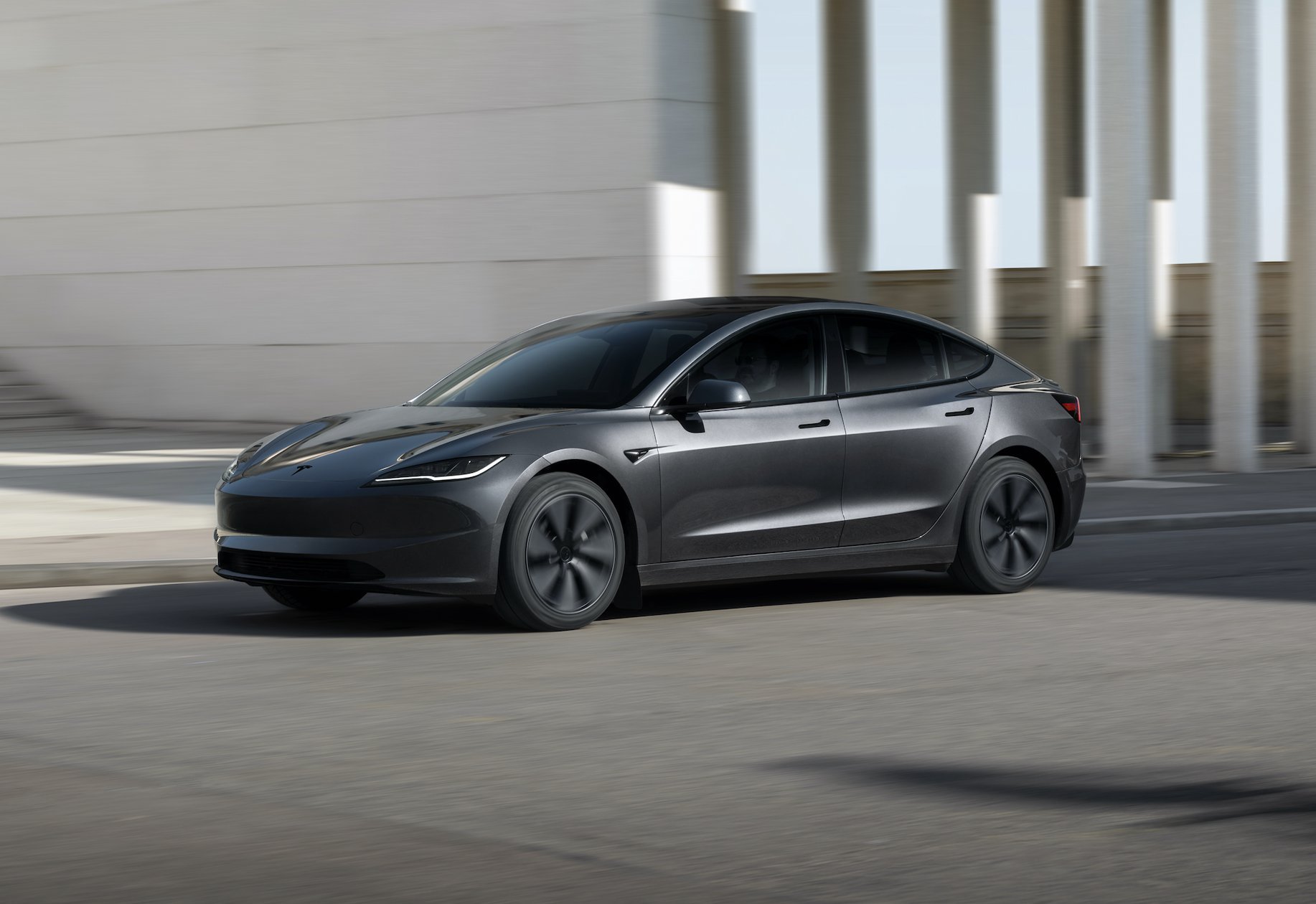
Tesla has launched its newest iteration of the Model 3 in China with a slew of new features, including the highly requested V2L (vehicle-to-load) feature and a new interior option.
The Model 3 now has a 16″ front touchscreen with improved resolution, a black headliner, V2L capabilities, Zen Grey interior in the Premium and Performance trims, as the White option has officially been discontinued, and 19″ Dark Nova Wheels, which are standard on the Model 3 Premium only.
🚨 Tesla has launched the Model 3 in China with a variety of new features and specs:
✅ 16” front touchscreen
✅ Black Headliner
✅ V2L Capability
✅ Zen Grey interior (Premium & Performance only)
✅ 19” Dark Nova wheels (Model 3 Premium only)
✅ Zen Grey Interior option… pic.twitter.com/ltTAEIYi2Z— TESLARATI (@Teslarati) October 1, 2026
The touchscreen in the U.S. version of the Model 3 is just 15.4″, so the newly upgraded screen is .6″ larger. Additionally, the Black Headliner, now standard on Model Y vehicles in the U.S., is coming to China.
Additionally, Tesla’s decision to end the white interior option has also made its way to the Asian market, as Zen Grey is the lighter color consumers can now go with. It is slightly different from the previously offered White option:
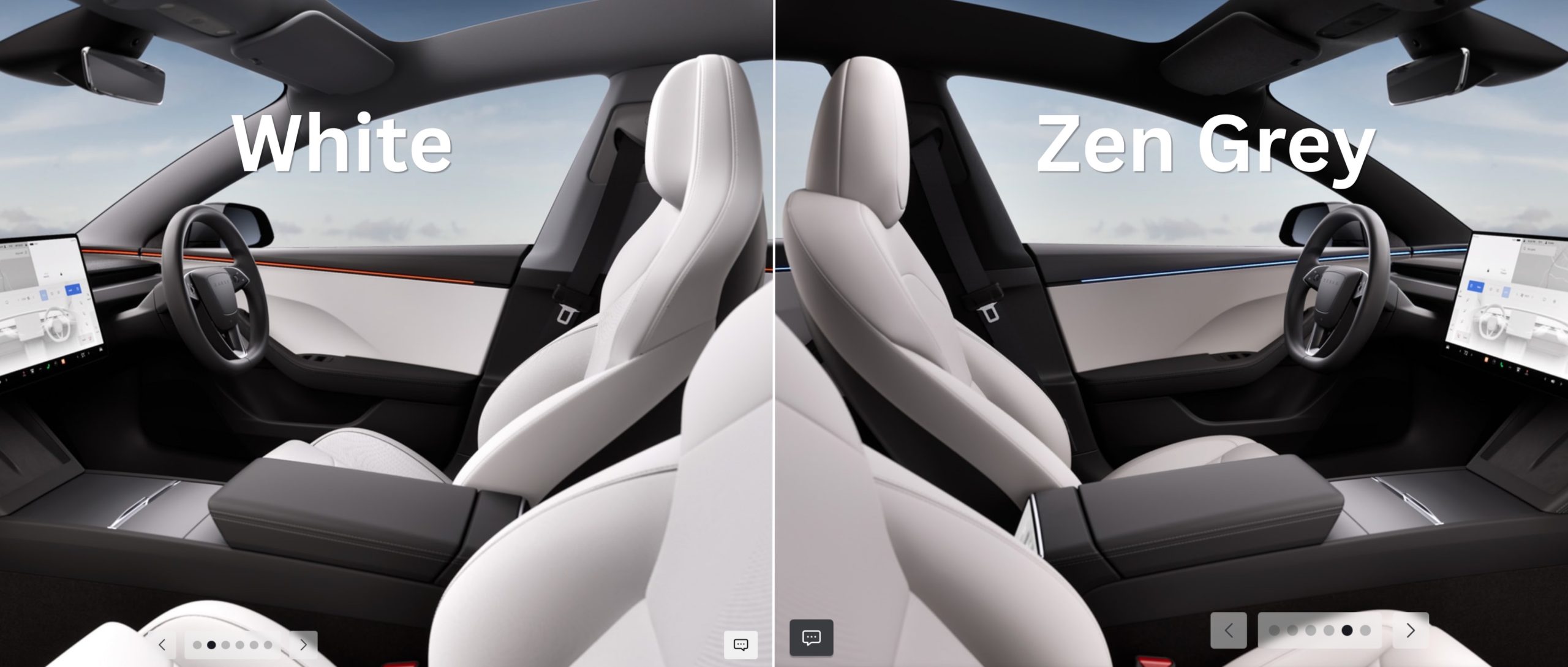
These options are available in China, Australia, and New Zealand as well, as Giga Shanghai serves those markets, bringing its mass-market vehicles to those countries in the South Pacific.
The Model 3 trims are now priced at:
- Rear-Wheel-Drive – 235,500 yuan (~$35,000)
- Long Range Rear-Wheel-Drive – 259,500 yuan ($38,700)
- Long Range All-Wheel-Drive – 285,500 yuan (~$42,600)
- Performance – 339,500 yuan (~$50,600)
These features have yet to make their way to the U.S., which might upset some buyers, but it is probably a good sign that Tesla will bring these changes to U.S. trims sometime next year. Potentially, these could come even sooner, as they could be used to stimulate demand for the year-end sales push.
Nevertheless, when things start at Giga Shanghai, they usually end up in the U.S. market. Tesla has also already started to install things like the Black Headliner and larger touchscreen in certain U.S.-built vehicles, so these things will be easy to implement across other vehicles in the lineup.

SpaceX nails “Lucky 13” astronaut launch, leaning into Tesla tradition and superstition

Tesla moves forward on Wireless Charging for vehicles


