Investor's Corner
LIVE BLOG: Tesla (TSLA) Q2 2021 earnings call summary

With its second-quarter results that include $11.958 billion in revenue and $1.1 billion of GAAP net income, Tesla (NASDAQ:TSLA) has all but proven that it could be a sustainable business. With Q2 2021 in the bag, after all, Tesla has now posted eight profitable quarters in a row, and that’s despite an ongoing chip shortage and supply chain issues.
As discussed in the company’s Q2 2021 Update Letter, Tesla achieved some milestones in the second quarter. Commissioning has started in some areas of Gigafactory Texas, and Giga Berlin is also moving forward. What’s more, Gigafactory Shanghai has also completed its transition as the company’s primary vehicle export hub. The development of 4680 cells has also moved forward. Even Tesla Energy hit some stride in Q2 2021, with battery storage deployments tripling year-over-year in the second quarter. The same was true for Solar Roof deployments.
The following are live updates from Tesla’s Q2 2021 earnings call. I will be updating this article in real-time, so please keep refreshing the page to view the latest updates on this story. The first entry starts at the bottom of the page.
15:40 PT: And that’s a wrap, everyone! I gotta admit, it’s kind of sad that this may one of Elon Musk’s last regular earnings call appearances. It does make sense, though, as Tesla is in a much better place now compared to before. We can never forget Elon’s most memorable earnings call moments, though. Those will live in Tesla history.
Anyway, thanks for staying with us for our Live Blog once more. Until the next time!
15:38 PT: Elon mentions a number of key tidbits about Tesla Energy. With enough cells, Tesla could hi an annualized production of 1 million Powerwall’s next year. Long-term, Musk also noted that Tesla and its suppliers would have to produce 1,000-2,000 GWh worth of batteries per year.
When asked about the company’s FSD subscription program, Musk highlighted that Tesla has to make the system work very well first. Until then, it would be difficult to forecast just how well FSD would do. “Once we have FSD fully deployed, then the value question will be clear,” Musk said.
15:30 PT: Pierre Ferragu News Street Research inquires about sourcing the company’s 4680 cells. Elon confirms that Tesla is working with its existing suppliers to produce 4680 cells for its vehicles. He also noted that Tesla’s iron-based vehicles will not use 4680 cylindrical cells, as predicted by some of the company’s more ardent bulls. Elon believes it would be ideal to do 1-3 cell formats, especially considering the massive backlog in demand for the company’s product lineup.
15:25 PT: Rod Lache of Wolfe Research asks about Tesla’s estimates for innovations such as rear castings and 4680 cells. Musk notes that making predictions is difficult. “You need a lot of crystal balls to predict exactly what it would be,” the CEO said. A follow-up question on the company’s advances in cell manufacturing technology was asked. Tesla notes that the company is making progress, but there are still challenges. Tesla notes that more than 90% of the processes have been proven, but things are still limited by the ones that have not been proven. The company, however, is happy with its dry electrode process.
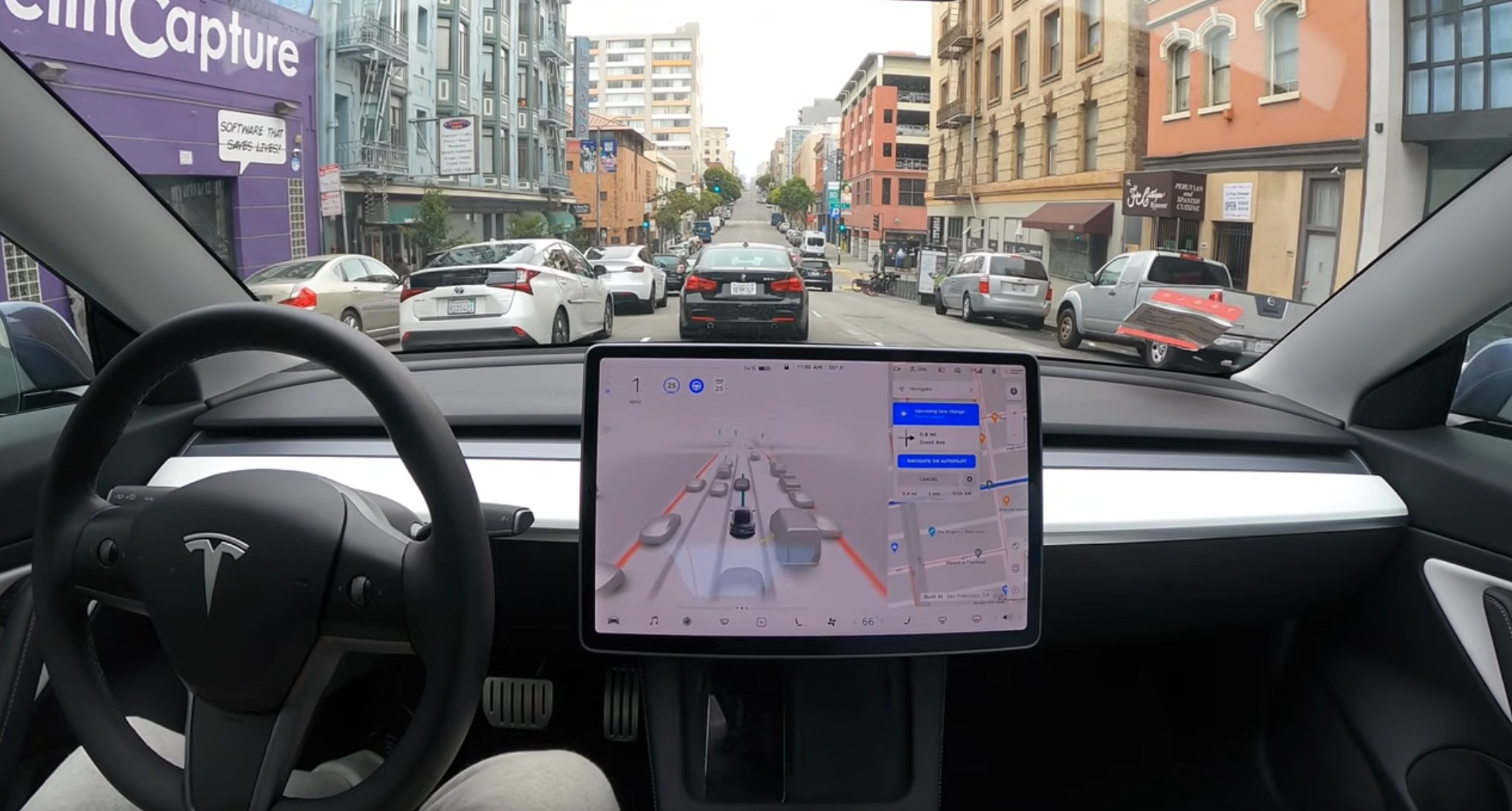
15:20 PT: When asked about other services that Tesla could offer, Elon Musk noted that FSD would be the main service that the company would offer. The CEO did note that Tesla is the leader in electrification and autonomy. This is an accurate statement, regardless of the controversy that surrounds the company.
Investor questions begin. First up is Colin Rusch from Oppenheimer. He asks about the take rates for FSD. Musk notes that it’s not worth promising on this right now, as it’s not meaningful. Tesla is focused on making FSD widely available. The analyst asks about any developments with regulators and their understanding of FSD technology. Musk responds that Tesla does not see a fundamental inhibitor in this light.
Musk reiterates his previous point, noting that once autonomous driving systems are proven to be safer than human drivers, regulators would likely be more welcome. He also reiterates his previous example of elevators, which used to be manual but are now fully automated. The same thing will likely happen with autonomous driving.
15:15 PT: Last retail question for retail investors asked if Elon Musk would be open to interviews every so often on prolific TSLA bulls’ YouTube channels. “I would do it annually,” Musk said, seemingly after pondering the point. He also noted that over time, he would not be speaking in Tesla earnings calls anymore unless there’s something really important that he has to address. Elon would likely only speak during the Annual Shareholders’ Meeting.
15:12 PT: Elon notes that Tesla has a massive amount of equipment that will be coming for the mass production of 4680 cells. “Most likely, we’ll hit an annualized rate of 100 GWh per year by the end of next year,” Musk said.
15:10 PT: A question about the progress of the 4680 cells was asked. Musk noted that in limited volumes, the 4680 cells are reliable enough for vehicles already. It’s just a matter of overcoming challenges that are present when mass manufacturing the 4680 cells. “We will definitely make 4680 reliable enough for vehicles. There are a number of challenges when transitioning from small-scale production to large-scale production,” Musk said. The 4680 cells’ reliability has been validated, though, with cells having been tested for the *equivalent* of 1 million miles.
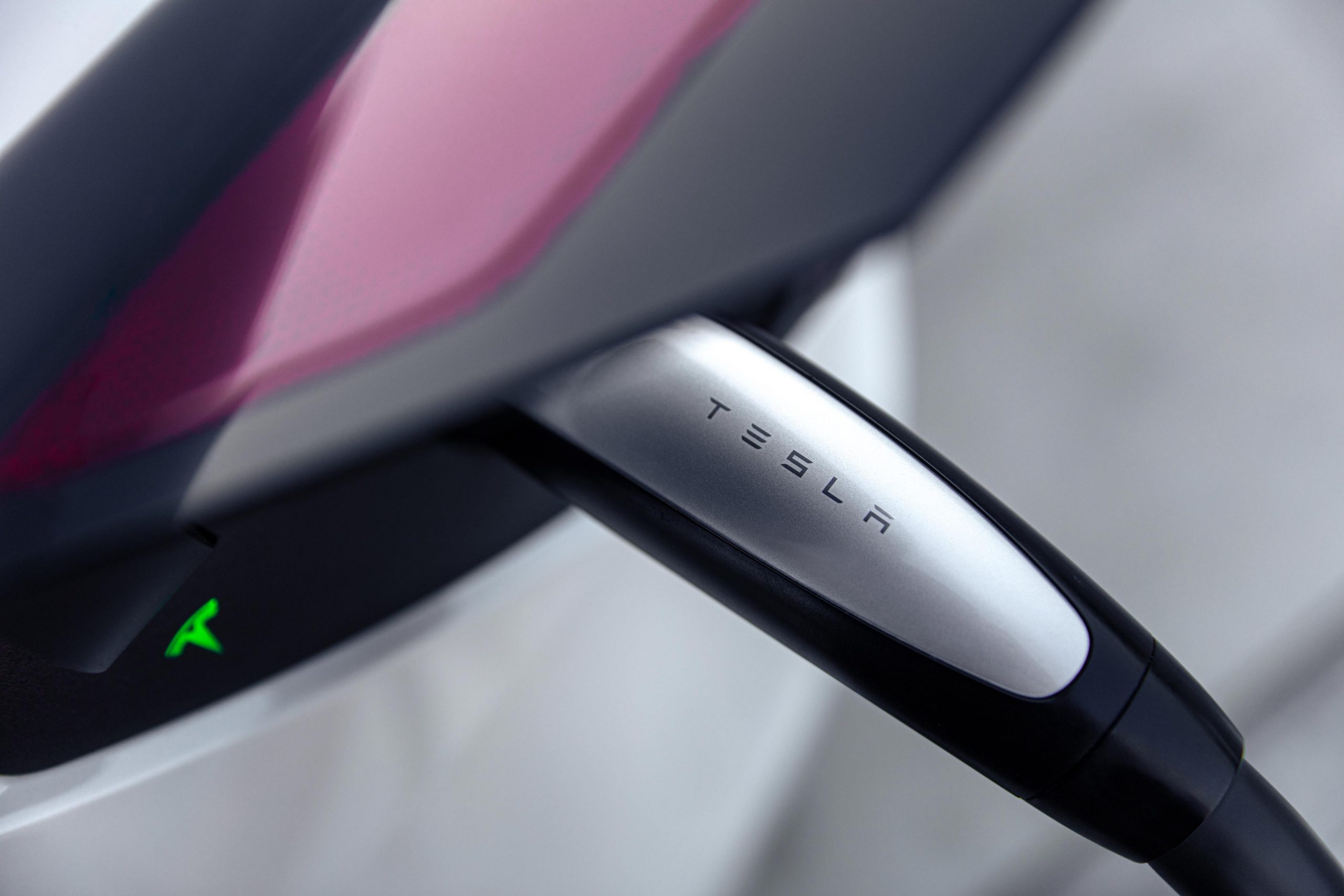
15:07 PT: A question about Tesla’s plan to open the Supercharger Network to other EVs was brought up. Elon Musk notes that the process would be simple and app-based for non-Tesla owners. He did state that there will be a time constraint. “The biggest constraint to Superchargers is time,” Musk said, adding that there are times when charging stations are packed and other times when they are empty. “Tesla will also be smarter in terms of how it charges for electricity,” Musk added, noting that Tesla will use time-based pricing for non-Tesla EVs.
Non-Tesla EVs would have to use a Supercharger adapter, which Musk jokes would be available on Supercharger Stations. “Our goal is to support the advent of sustainable energy. Our intention is not to create a walled garden that we can use to bludgeon our competitors,” Musk jested. It was also highlighted that opening the Supercharger Network to other EVs would result in the system to grow even faster than ever before.
15:02 PT: Musk noted that Tesla is looking to strengthen its raw material supply chain. He states that Tesla no longer uses cobalt in its LFP packs, and the company may even shift to iron-based cells in the future as opposed to nickel-based cells. “We expect to have zero cobalt in the future,” Musk said. The CEO added that all stationary energy storage like Powerwalls and Megapacks will use iron-based battery cells.
15:00 PT: The Tesla executive noted that the company plans to overshoot on cell for vehicles and routing cell output to Megapack and Powerwall if there is excess. And just like its present strategy, shortages in cells would likely result in a reduction in the production of the Powerwall and the Megapack.
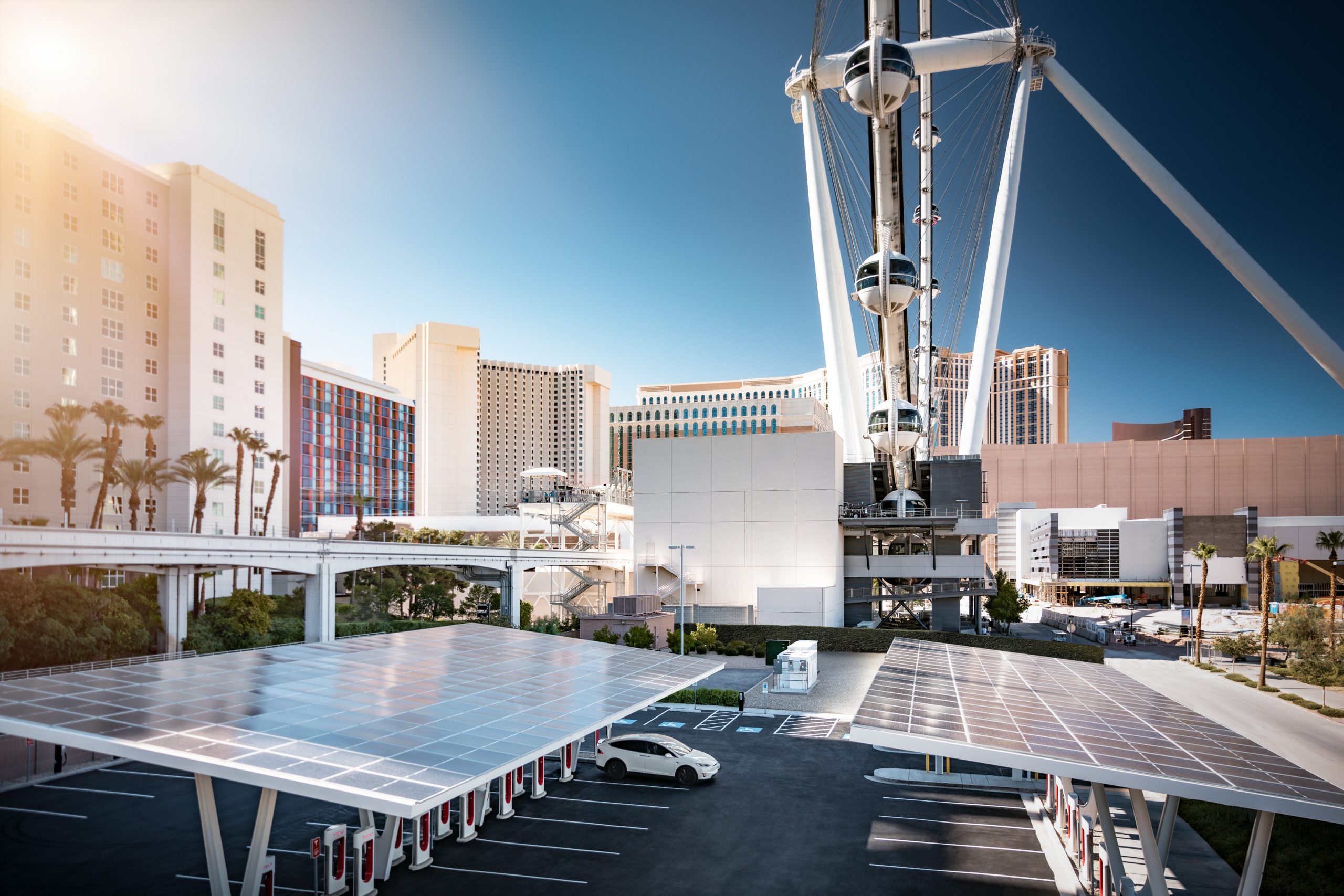
14:58 PT: Say questions from retail investors begin. First question is about the Cybertruck production. The company noted that it would be looking to ramp Cybertruck production in Gigafactory Texas after the Model Y production starts in the TX-based facility.
Elon Musk highlights the complexity of producing vehicles, and how each EV is comprised of thousands of parts. He notes that Tesla is fastest in history for scaling large manufactured objects, comparable to the Model T. He also noted that the Cybertruck and the Semi’s volume production would be greatly affected by cell availability.
However, Tesla is expecting to see a big boost in cell availability next year. “Maybe not in January,” Musk said, but sometime in the coming year. Musk hints at Tesla having twice as many cells next year compared to 2021. This is impressive considering that this year is already record-breaking.
Seemingly avoiding his typical over-optimistic estimates, Musk emphasizes that these are just current predictions and his estimates could change depending on challenges or obstacles that might come up.
14:53 PT: Musk concludes with a statement about Full Self-Driving, and how he is confident that Tesla could achieve autonomous driving.
Tesla Chief Finance Officer Zachary Kirkhorn takes the floor, noting that the company’s financials even without credits improved substantially. He highlights Tesla’s decreasing ASP while maintaining margins for its vehicles, which was made possible by optimizing the company’s operations to a significant degree.
The CFO confirms that Tesla’s numbers for the year would be more notable in the third and fourth quarter. “Our 2021 volumes will skew for the second half of the year,” Kirkhorn said.
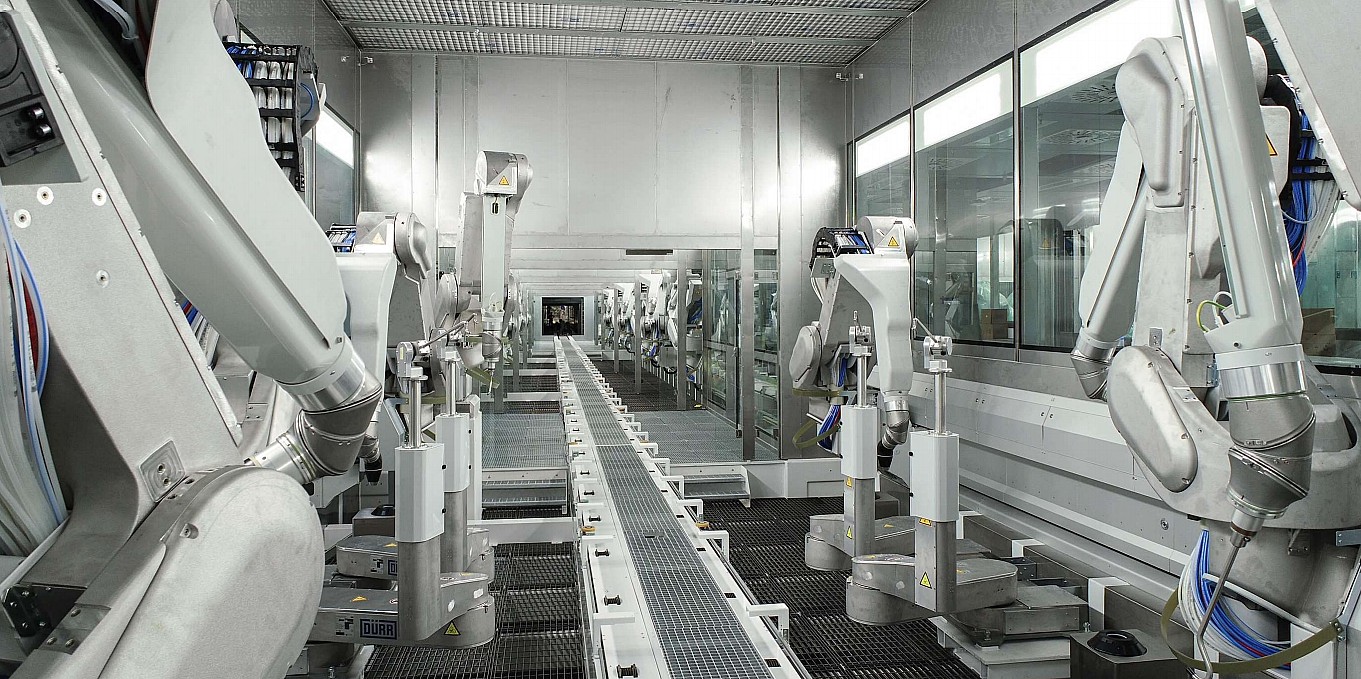
14:48 PT: Elon discusses the Model Y line in Giga Berlin, which would be different from the Model Ys produced thus far. He still maintains that Giga Berlin and Giga Texas could go live with Model Y production later this year.
“The Model Y line in Texas and Berlin will look mostly like the Model Ys we make, but there will be substantial differences. The Model Y in Berlin will have a cast rear body and cast front body. We’re going to structural packs,” Musk said. The CEO did state that Tesla has a backup plan with a non-structural pack and 2170 cells, but 4680 cells will definitely be used for scale production.
14:45 PT: Musk discusses how Tesla rolled out contingencies to handle the challenges brought about by the chip shortage. He credits Tesla’s team and the company’s suppliers for helping the company resolve the material shortages. The CEO also discusses the release of FSD subscriptions, which would likely have high take rates as the advanced driver-assist system becomes more mature.
Musk notes that he is in Giga Texas, and he congratulates the team building its factories. “There’s nothing a year ago, and there’s a mostly complete large factory a year later,” Musk said, lauding Giga Texas’ team.
14:40 PT: Martin Viecha takes the stage and opens with the basics. Elon and other executives are present for the earnings call. Elon starts his opening remarks. He highlights that Q2 2021 was a record quarter, in deliveries, production, and income. He also noted that electric vehicles are now at an inflection point, and that the market is now being more aware that EVs are the way forward.
14:38 PT: And we’re starting!
14:35 PT: A 5-minute delay is nothing to a Tesla veteran.
14:30 PT: And here we go. We’re at standby. 🙂 This is very on-character for Tesla.
14:25 PT: Every Tesla bull remembers, after all, those days when TSLA stock was the very picture of volatility. As someone who has watched Tesla over the years, I’m not really sure which one I prefer. The understated consistency of a mature EV maker or the drama and excitement of a disruptor trying to find its wings?
14:20 PT: Strangely enough, Tesla stock has only risen 2.28% despite the company beating Wall Street’s expectations. I wonder if TSLA shares would see a boost in the coming months once more, just like in previous years? Still, it almost feels strange seeing Tesla only move this much after an impressive earnings report.
14:15 PT: Good day, everyone, and welcome to another live blog of Tesla’s earnings call! It’s pretty amazing that just a couple of years ago, there were still big questions whether Tesla could be a sustainable business. Back then, thinking that Tesla would be profitable for a year straight already seemed like a longshot. And now we have eight consecutive profitable quarters. Anyway, we’re 15 minutes away from the Q2 2021 earnings call. Perhaps this will be a memorable one as well.
Don’t hesitate to contact us for news tips. Just send a message to tips@teslarati.com to give us a heads up.


Investor's Corner
Elon Musk drops a Thanksgiving hint about Starship’s biggest test yet
Elon Musk says Starship Flight 15 will try to catch the ship itself, a first.

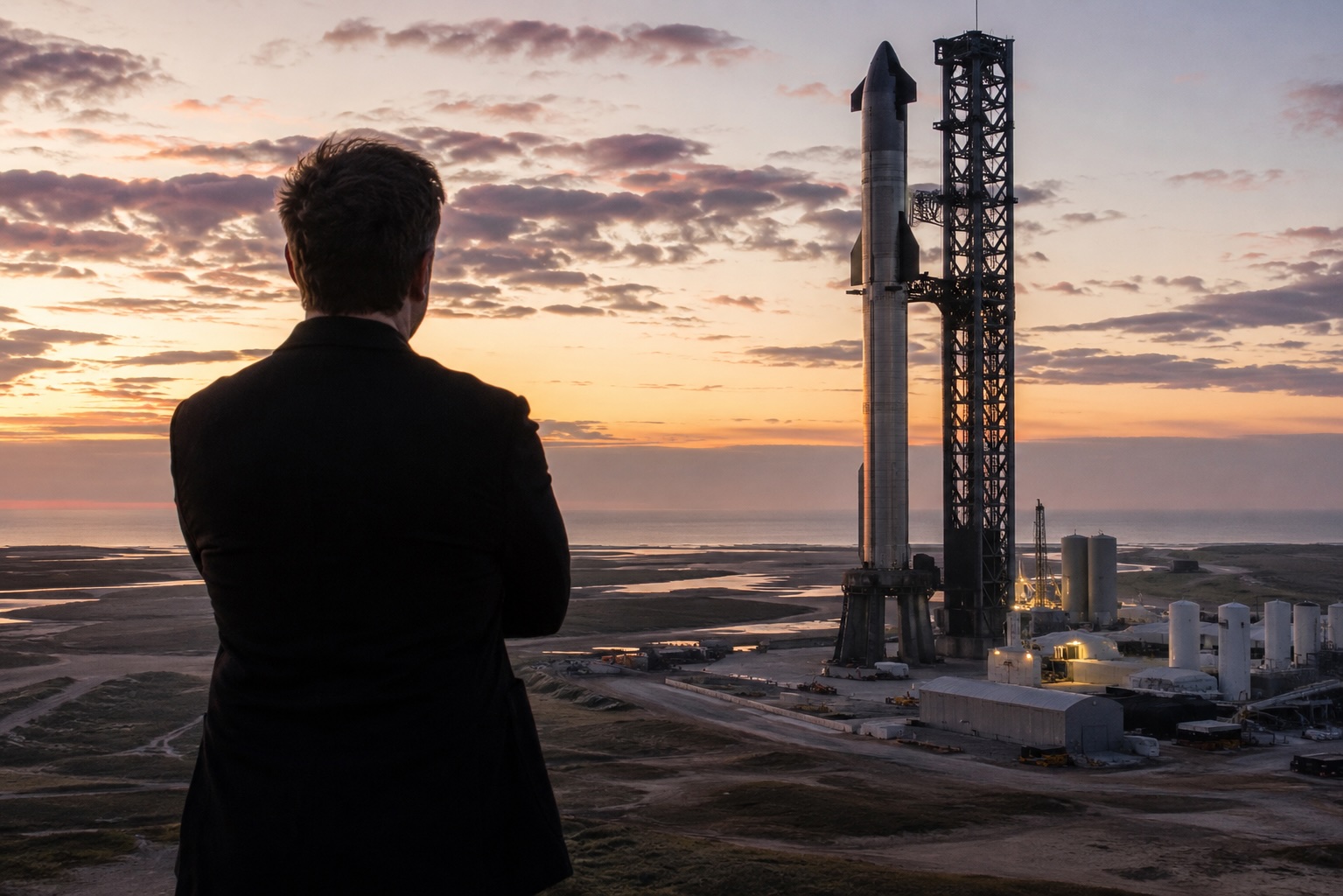
Elon Musk says SpaceX’s next Starship flight will try something nobody has done before, by catching the ship itself. Speaking to roughly 2,000 people at the X Takeover event at Giga Texas on Saturday, Musk said Flight 15 is about four to six weeks away and “probably launches a little bit before Thanksgiving, is my guess.”
That is a slip from earlier reporting, which had pointed to a launch as early as October 19. Musk explained why the date keeps moving. “We’re making a bunch of improvements to the rocket between every flight,” he said, adding that there are often hundreds, sometimes thousands, of small changes. This time the list is short, “but some of them take a fair bit of work and we’ve got to go inside the tank to make some of these changes.”
“We’re going to try to catch the ship, which is a super big deal,” Musk said. “If we do so, that’ll be the first time that there’s been full recovery of an orbital class rocket.” SpaceX has already caught the Super Heavy booster with the tower’s mechanical arms, and has talked about catching the ship since late 2025, but the upper stage has never been caught.
Musk also laid out what comes after. “The next big milestone would be to refly both the booster and the ship,” he said, describing a Flight 16 where “all parts of an orbital rocket are reflown.”
The reason SpaceX wants this comes down to cost and cadence. Every Starship ship so far has ended its flight in the ocean, and SpaceX expects most of those water landings to end in fireballs. A ship that returns to Starbase intact can be inspected and flown again. SpaceX’s IPO filing, says Starship V3 is designed to deliver 100 metric tons to orbit in a fully reusable configuration, that SpaceX aims to cut the cost to reach orbit by 99% or more versus the historical average, and that tower catches should allow “multiple launches per day.”
The payoff goes beyond cheaper launches. The next generation Starlink V3 satellites are too large for Falcon 9 and can only fly on Starship, which can carry up to 60 per flight. Flight 14 on September 28 deployed the first 26 of them after Starship reached orbit despite an early engine shutdown, as Teslarati reported. Musk blamed engine computer software, and said the heat shield “was extremely robust,” which he claimed in August had solved Starship’s biggest challenge.
NASA’s Moon plans depend on the same capability. NASA’s inspector general has described a lander mission that needs a propellant depot in low Earth orbit and more than 10 tanker flights, with SpaceX targeting one tanker launch every six days. That schedule only works if ships and boosters come back fast and fly again. Also, ship to ship propellant transfer has not been attempted yet.
One interesting hurdle yet to be explored is bringing the ship back to the launch site, with reentry over land, which will undoubtedly come with a lot of aviation safety reviews.
Investor's Corner
SpaceX reveals how its 1 Million AI satellite network will work and prevent space collisions
SpaceX reveals plans for one million Starmind AI satellites and calls out operators hiding maneuvers.
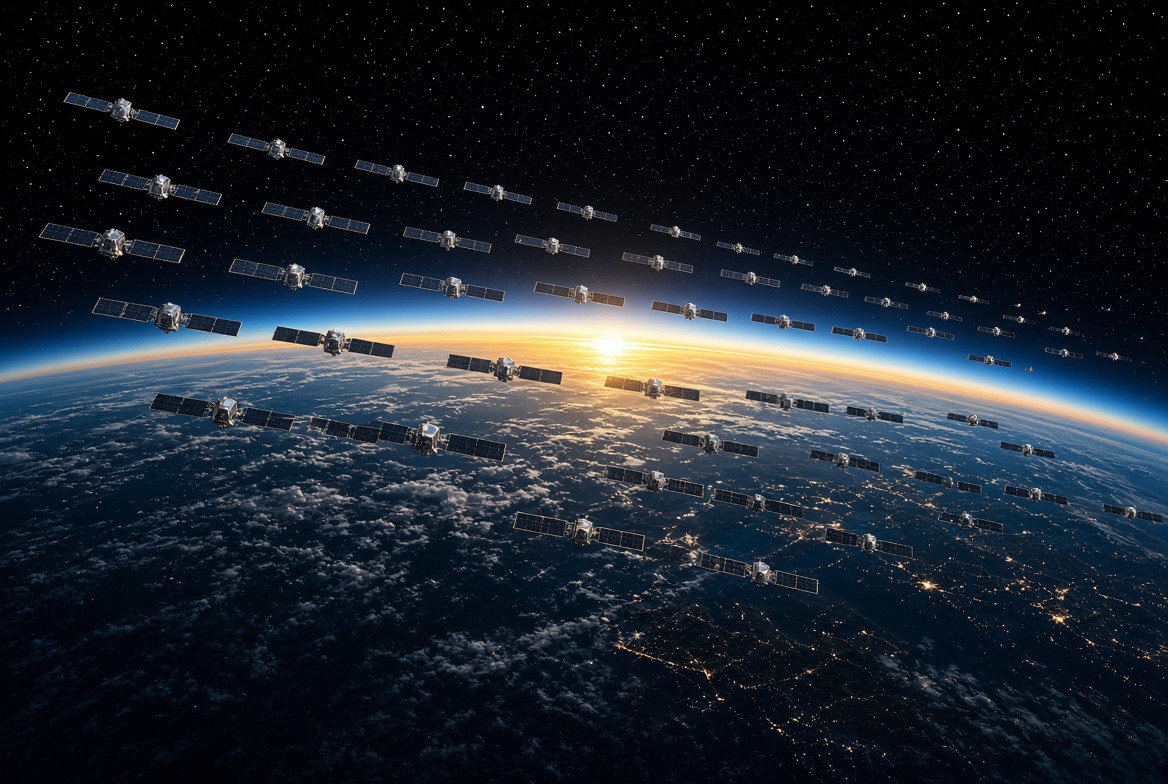
SpaceX has put the largest satellite count it has ever published into writing, and it says that plan only works if every other operator in orbit starts sharing what it knows.
In a new Space Safety page highlighted Tuesday morning by Sawyer Merritt on X, SpaceX said it “plans to operate up to 100,000 Starlink satellites and up to 1 million Starmind AI satellites to meet the growing demand for broadband and supercompute.” Starlink has a little over 11,000 satellites in orbit today, so the target alone implies roughly a ninefold expansion of the broadband network.
Starmind is SpaceX’s orbital AI compute constellation. Elon Musk confirmed the Starmind name in June after an xAI trademark filing surfaced, and in August SpaceX said it was working with Nvidia on the compute payload. The FCC accepted the filing for up to one million satellites back in February.
FCC accepts SpaceX filing for 1 million orbital data center plan
SpaceX also released a new render of what a full Starmind constellation could look like. Alongside it, SpaceX VP Michael Nicolls explained why the satellites will not operate on their own. “We need to operate clusters of satellites in tight formation to get enough coherent compute to run AI models efficiently,” Nicolls said. “A cluster will be 10-ish satellites connected with 10 terabits or so of bandwidth between them, and interconnected to the broader constellation.”
That is the most specific detail SpaceX has given on how Starmind will be built. Instead of a million independent servers, the network would work as tightly packed groups of about 10 satellites acting as one compute unit, with Starlink’s laser links carrying results back to Earth.
There is a bright and exciting future for humanity ahead – and space is fundamental to that future.
To achieve this, space safety must be done right. We encourage every operator to not only share ephemeris data proactively the same way Starlink already does, but to also adopt the high standards of space safety that SpaceX and Starlink use every day → https://t.co/QizAkQZvEm
— Starlink (@Starlink) October 6, 2026
Packing satellites that close together, at that scale, makes collision avoidance the central problem, and most of the Space Safety page is aimed at other operators. SpaceX said Starlink encountered collision risks with about 650 unique maneuvering third party satellites in 2026, and only about half of them shared data. Over six months, Starlink recorded roughly 164,000 more collision risks where the closest approach came within four hours of an unannounced maneuver.
Some operators keep maneuver plans private over proprietary concerns, while others cannot get government permission to share them. SpaceX called those policies “counterproductive,” saying they “largely only serve to create preventable collision risk between satellites.” Starlink is also offering a free ephemeris sharing and screening platform that returns risk results within a minute, backed by its Stargaze network of 30,000 optical sensors.
The push comes as the Starmind application draws opposition from astronomers and environmental groups. In a September filing with the FCC, SpaceX said each Starmind satellite could weigh up to 4,000 kg, nearly seven times the mass of a Starlink V2 Mini. Musk has brushed off crowding concerns before, telling viewers in June that “space is enormous” and that SpaceX already knows how to run very large constellations safely.
SpaceX’s Starmind page says its Gigasat factory in Bastrop, Texas, is designed to produce AI satellites at scale, with deployment of thousands of units starting as soon as late 2027.

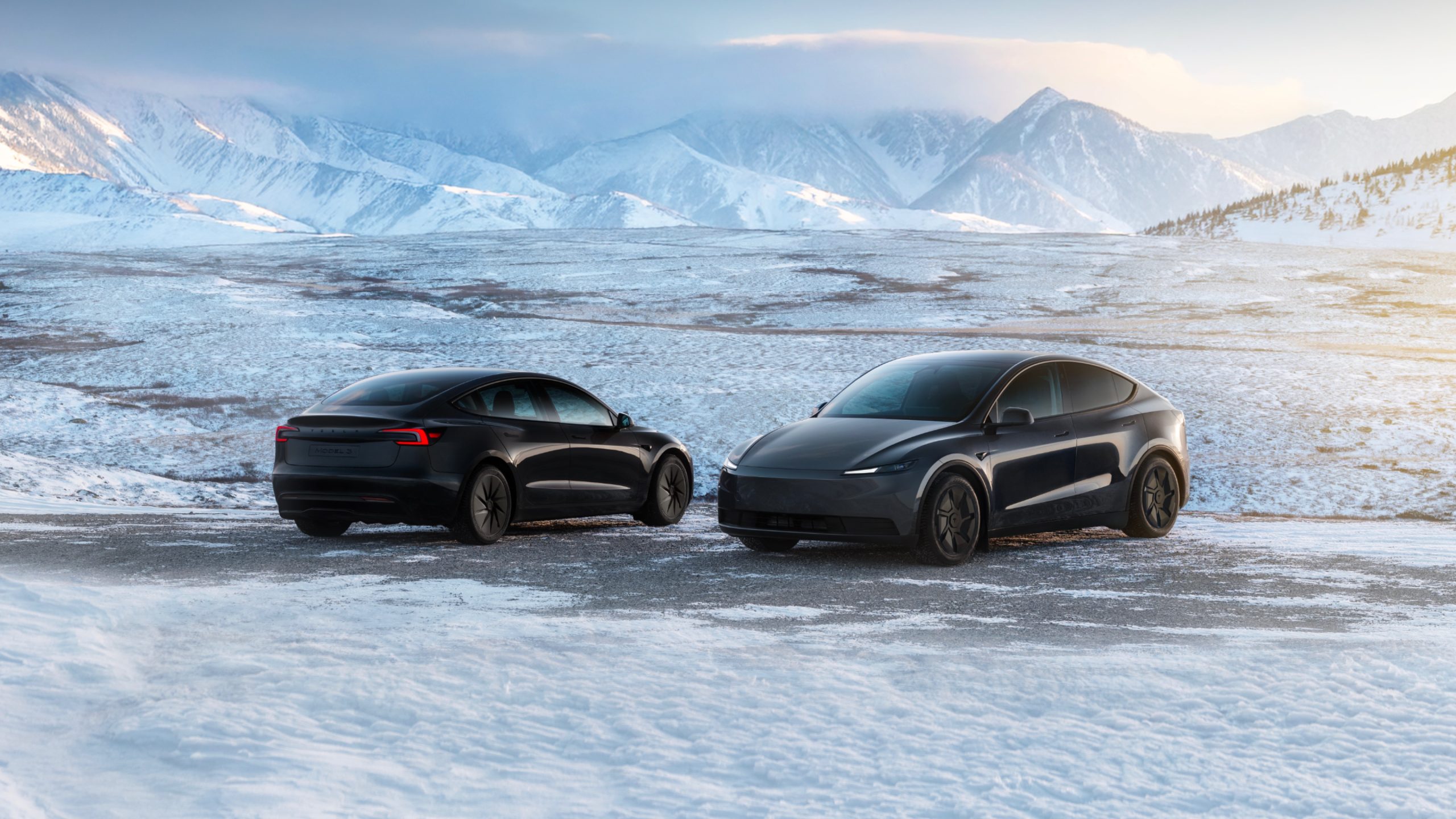
Tesla (NASDAQ: TSLA) reported strong delivery figures that beat Wall Street guesses, and they were revealed alongside the company’s second-best quarter in terms of energy deployments ever.
Tesla announced this morning that it delivered 486,532 cars in Q3, while producing 464,391, exceeding analyst consensus, which sat around 462,000 units.
Meanwhile, Tesla reported 13.7 GWh of energy storage deployed for the quarter. That’s the second-best quarter Tesla has ever reported on that side of things.
🚨 Tesla delivered 486,532 vehicles in Q3, beating expectations at 464,391.
Big Q from the Tesla team, also 13.7 GWh of energy was deployed. pic.twitter.com/olioLWgG7a
— TESLARATI (@Teslarati) October 2, 2026
Vehicle Deliveries
Deliveries were strong, and it was another quarter when Tesla had the opportunity to outshine the Wall Street pundits who are quick to criticize and slow to give credit. Tesla saw a slight decrease in deliveries compared to Q3 2025, but Tesla still had the $7,500 EV Tax Credit to use to help incentivize consumers to pick an EV.
A small decrease of 2.1 percent is pretty telling because it shows Tesla does not need massive federal credits to convince consumers to purchase its vehicles.
It was also the company’s third-best performance all-time in terms of deliveries, trailing that of Q3 2025 with 497,099 deliveries and Q4 2024, when the company handed over 495,570 cars.
We reported several days ago that Tesla Showrooms across the United States were completely bare of inventory or unclaimed units. Many locations also removed Demo Drive units, which had been bought by customers looking to take delivery sooner.
Tesla showrooms picked clean ahead of Q3 end as demand looks strong
Energy Generation
Tesla’s Energy Generation performance in Q3 was also very strong, as the company deployed 13.7 GWh of energy storage over the past three months. The only quarter when Tesla reported stronger energy deployment figures was Q4 2025, when 14.2 GWh of energy storage was deployed.
Tesla’s Q3 performance in energy generation has continued to grow each quarter, with the company increasing its deployments by ten-fold since Q3 2021, when just 1.3 GWh was deployed.
It is also nearly double what it was in Q3 2024, when the company reported 6.9 GWh. This is one of Tesla’s quickest-growing divisions, and it flies under the radar with fans and analysts, as many are focused on self-driving or the vehicles themselves.
Tesla Stock
Shares rose 5.07 percent to $372.06 at just after 10 a.m. on the East Coast. This is a rarity for Tesla after a strong delivery report, as positive news usually brings the stock down. Many quarters with extremely robust delivery reports have not been as kind to the Teslanaires of the world.

Tesla Cybercab and Robotaxi’s real advantage won’t be the ride service

Why Elon Musk’s target date for buying an Optimus robot is harder than it sounds

Elon Musk drops a Thanksgiving hint about Starship’s biggest test yet

The Pentagon taps Elon Musk to design the battlefield of the future

Tesla Roadster’s new patent preps white-knuckle speeds, keeping it grounded


