News
Tesla Robotaxi geofence expansion enters Plaid Mode and includes a surprise
Now, on August 26, the Robotaxi geofence has expanded once again, and is estimated to be about 130 square miles.

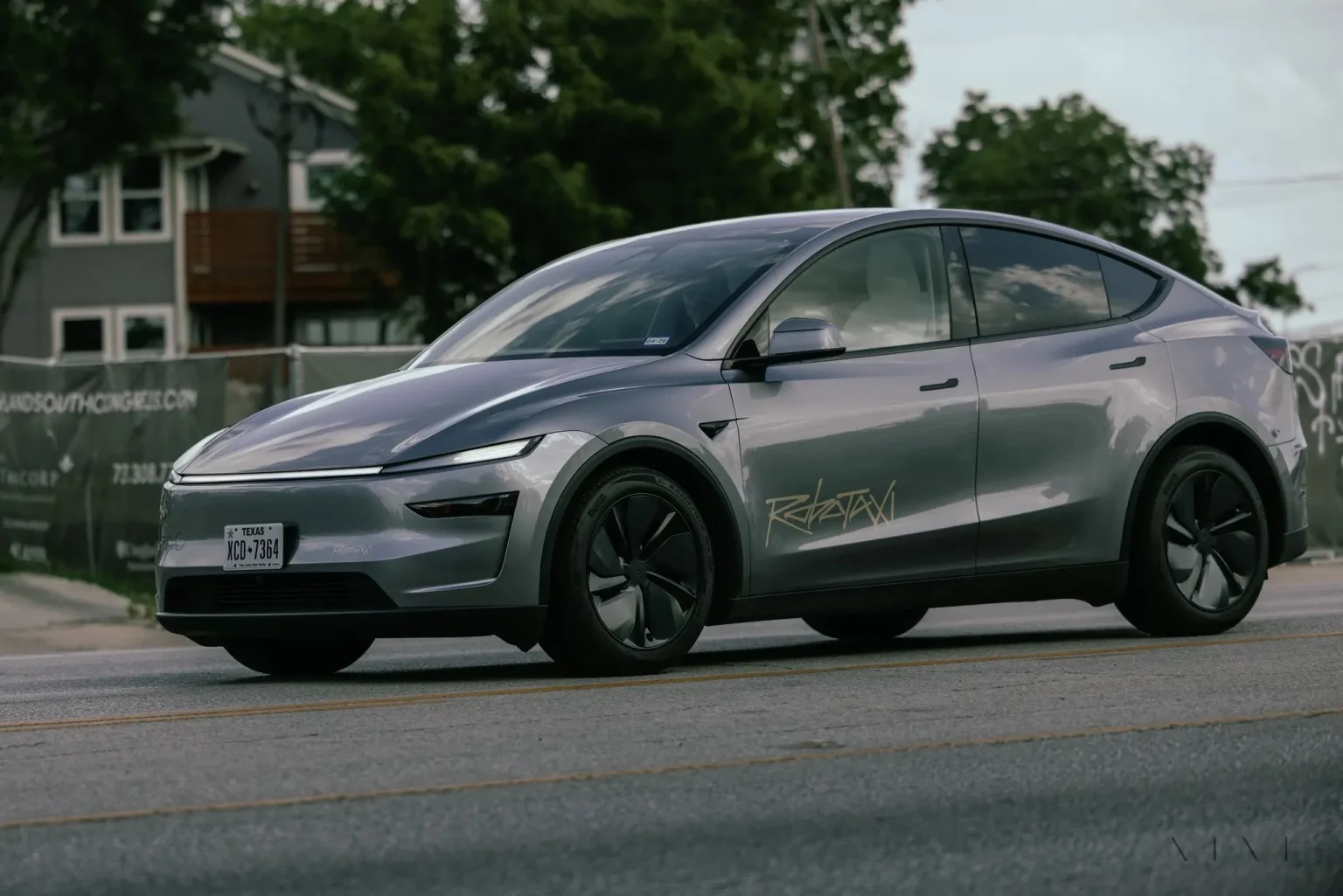
Tesla has expanded its Robotaxi geofence in Austin for the third time since its launch in late June, and the company added a big surprise with this new service area.
After launching on June 22, Tesla’s driverless Robotaxi service has been expanded three times. Its initial launch was about 20 square miles in size. The first expansion occurred on July 14 and was roughly 42 miles large, more than double the initial geofence size.
The second expansion occurred on August 3 and brought the total service area to roughly 80 square miles.
Now, on August 26, the Robotaxi geofence has expanded once again, and is estimated to be about 170 square miles.
🚨 Tesla has expanded its Robotaxi geofence in Austin once again!
This is the third time the service area has expanded! pic.twitter.com/ZzIWWLIgsQ
— TESLARATI (@Teslarati) August 26, 2025
The expansion of the Robotaxi geofence seemed to show the company’s focus on getting the service to the areas East and West of downtown was an utmost priority.
We reported on the Bee Cave region of the Austin suburbs being a place where Robotaxi validation vehicles were spotted testing in recent days.
Bee Cave is included in the new geofence.
However, that is not the biggest addition to the geofence, and it’s not even close. Tesla added a major area to the new geofence, one that fans of the company will absolutely love: Tesla Gigafactory Texas.
🚨 Tesla Gigafactory Texas is now available in the new Robotaxi geofence: https://t.co/Ctcm0HNZk4 pic.twitter.com/7nyhQNYLww
— TESLARATI (@Teslarati) August 26, 2025
The big question that remains is whether Tesla is expanding the size of its fleet of Robotaxi vehicles in Austin. There have been many questions about the expansions of the fleet and not necessarily the geofence, and while the latter is certainly considered progress, Tesla will need to enable more Robotaxi into the vehicle population to handle the additional rides.
Tesla has been planning to do so, but is still prioritizing safety and does not want to rush any part of the Robotaxi process.
Tesla is also looking to expand to new cities altogether. It is currently moving toward a Robotaxi launch in Florida, Arizona, and Nevada, and has also opened up job postings for Robotaxi operators in New York.



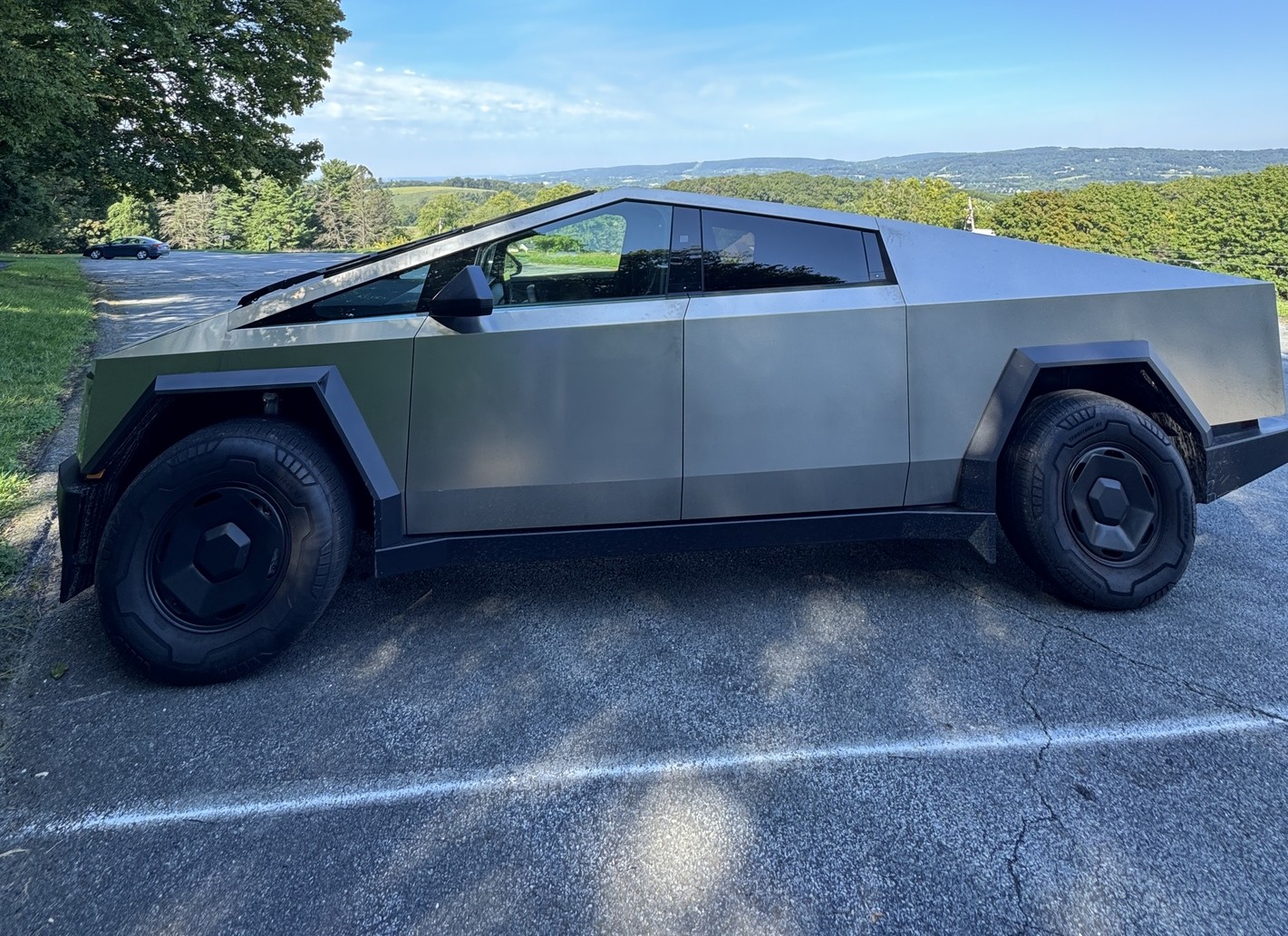
Tesla Cybertruck’s three configurations are all the same on the outside from an appearance perspective, but they differ slightly in price, range, performance, and other features. After yesterday’s price adjustment, Tesla’s Base All-Wheel-Drive Cybertruck is now priced at $74,990, a far cry from the $59,990 it started at several months ago.
At $60,000, the Cybertruck All-Wheel-Drive is a steal: no pickup, electric or gas-powered, comes close in terms of overall driving capability thanks to Steer-by-Wire; no truck is more fun to drive at that price, and add in Full Self-Driving for $99 per month, and you truly have the best possible pickup on the market, at least if you’re planning to use it for driving.
I unfortunately didn’t have the equipment to test towing and payload and how it impacts the truck.
But at $75,000, is it still worth it? Obviously, the question gets to be more difficult because of the $15,000 difference. But there’s still an argument.
I spent the last week with this awesome truck, and when I took it back, I was sad because it truly is the best Tesla in the lineup. I formerly said the Model S was my favorite Tesla, but after a week with Cybertruck, I can easily say it would be my choice over the now-defunct all-electric sedan.
What makes it so great? Well, a lot of things, and there are some things that I’d like to see change. However, this is a truck that truly has a serious argument for those who are thinking of trying something completely different.
Exterior and Interior
This build comes with 18″ Molten Wheels as the standard offering, but 20″ Core Wheels with 35″ tires are also available. The standard wheel option on this affordable model is not my favorite, but it can be easily swapped for something more attractive.
Overall, this particular build did have some panel gap issues that were especially noticeable between the hood and both front quarter panels. This is obviously not an “across the board” issue, as the Cyberbeast I took home for comparative reasons was significantly better overall.
It’s 📐 week. Cybertruck AWD!!! pic.twitter.com/0hkmTQDQYk
— TESLARATI (@Teslarati) August 19, 2026
The interior is different, with its textile material instead of the vegan leather. Personally, I missed the leather due to the ventilated seats, but I prefer the textile as I personally felt like they were more comfortable. This is something I’d definitely consider if I were between the three trim levels and money was not really an issue.
After 610 miles on Monday in this thing, I did not feel any different than I did when I left my house that morning. It feels like a living room on wheels; after a long drive, you truly do not feel as if you’ve been in a car all day long.
My biggest interior complaints were that I’d like at least two USB-C ports in the front; you are confined to just one, and it’s hidden in the center console. The rear row has two ports. Additionally, the windshield is super difficult to clean, so if you end up buying one of these, save your back and get something that extends.
Driving Performance and Comfort
One of the most surprising things about Cybertruck is the fact that it is perhaps the smoothest ride of any Tesla available. Most believe it might be rough, stiff, and rugged like most trucks, maybe not as forgiving on the back and bottom as you sit in it for an extended period of time.
I’m here to tell you, you won’t regret sitting in a Cybertruck for a long drive.
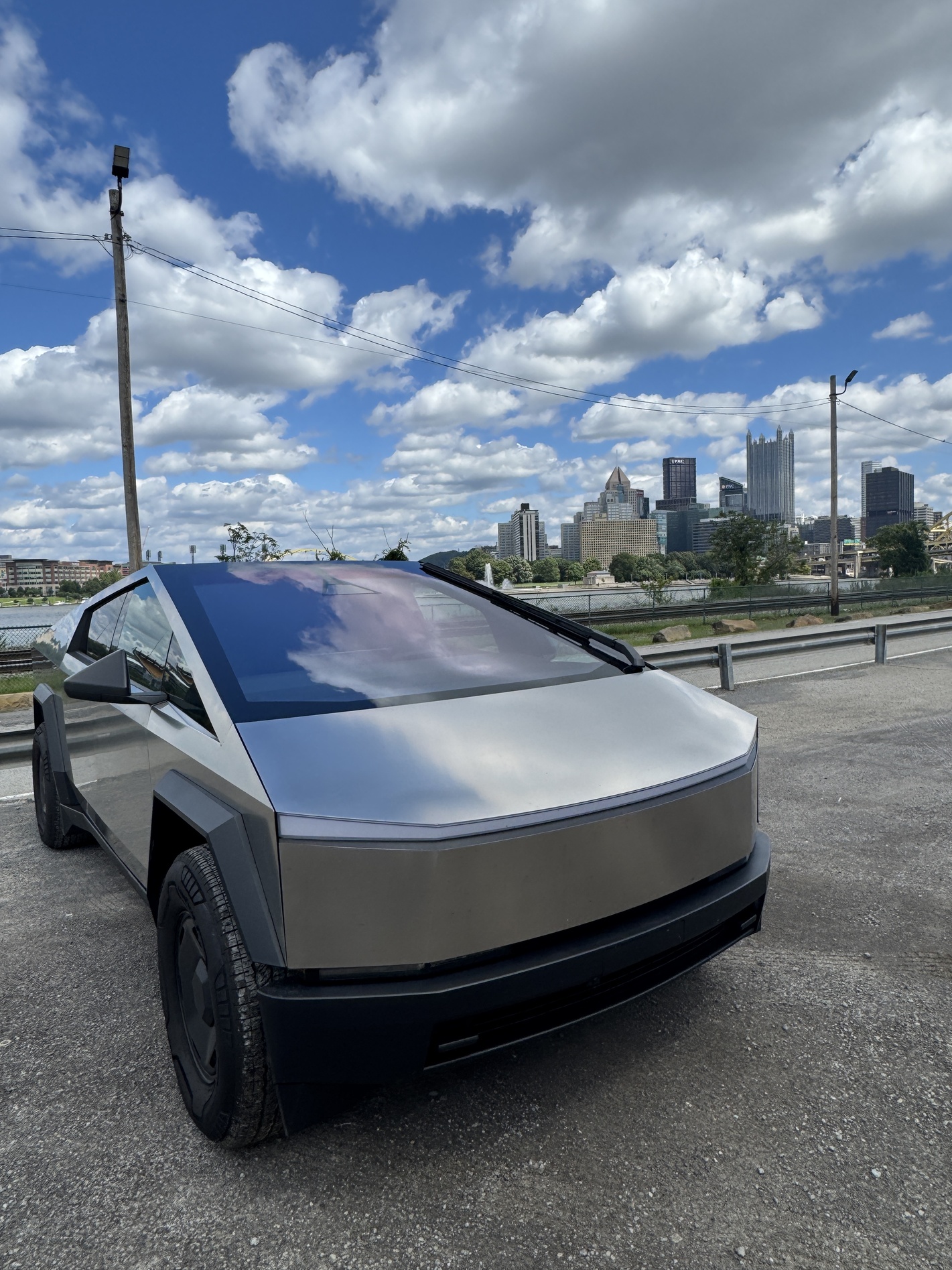
I put as many people who dislike EVs, don’t like Cybertrucks, or use trucks for work, and judge the Cybertruck in this thing in the past week. Every single person who got in this truck loved it: they loved the speed, the handling, FSD, the space, the capability, and the feel.
As previously noted, even after hundreds of miles and 14 hours spent driving around Pennsylvania, I didn’t feel tired, exhausted, or in any hurry to come home. I would have driven another 300 miles without question.
Final Thoughts
If I had my choice of the three Cybertruck trims, I think I’d take the All-Wheel-Drive for a few reasons. Initially, the price is more attractive, it is not that stripped of features, and it has everything I need.
Is it worth it at $75,000? I believe it is. I’ve driven trucks that are at a higher price point and consider this to be a better product from a driving and experience perspective. However, other pickups on the market have more towing capacity, payload capacity, and range. They do not have FSD or steer-by-wire, the two things that truly make the Cybertruck in a league of its own.
I can’t think of a time in recent memory that I’ve been this excited to drive a vehicle each day, and I literally look for excuses to drive my Model Y on a daily basis. This Cybertruck just blows the Model Y out of the water in every possible way, at least in my opinion. With the size, performance, and driving experience, there is no better Tesla out there.
You can check out the full video review below. If you have any questions about the Cybertruck AWD, be sure to reach out and let me know:
🚨FULL REVIEW of the unbelievable Tesla Cybertruck AWD 📐 pic.twitter.com/S0wHALl87K
— TESLARATI (@Teslarati) August 26, 2026
Elon Musk
County vote hands Elon Musk’s Vegas tunnel network a huge new target
Clark County approved 19 more Vegas Loop stations, pushing Boring Company’s entitled total to 123.

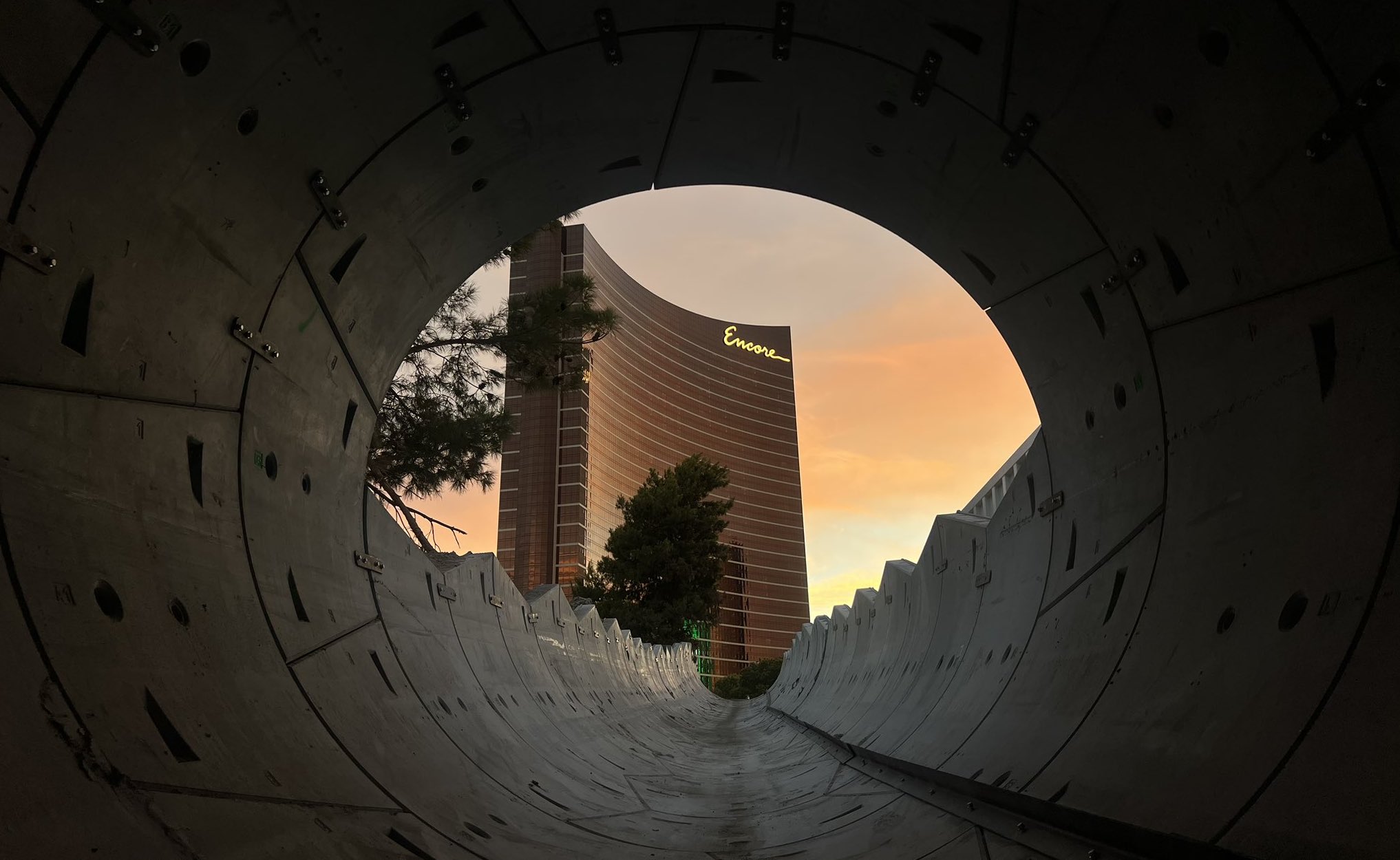
The Boring Company just got permission to nearly double how far Vegas Loop can reach. Clark County commissioners approved 19 additional stations for the underground transit system, bringing the total entitled to 123, the company said in a post on X thanking the county for the vote. Elon Musk’s tunneling company also flagged the direction it sees the project heading long term. “Because Loop is point-to-point with no intermediate stops, in the limit, one could have a Loop station in every driveway,” the company wrote.
That framing captures how far the ambitions have moved. The Vegas Loop opened its first stretch of tunnel in 2021 and has grown its footprint through a string of county approvals since. In 2023, commissioners signed off on 18 additional stations, part of a plan that later doubled the system’s target to 69 stations across 65 miles. By the end of that year the company was describing a build out closer to 93 planned stations. Last year the long term design called for 104 stations across 68 miles of tunnel. The new approval pushes that number to 123, another jump in a project that keeps outgrowing its own blueprints.
The Boring Company gets approval for more stations in Las Vegas
Station count on paper is still well ahead of what riders can actually use. As Teslarati reported earlier this month, the network has about 11 open stations and has carried more than 4 million passengers since it began running, with newer stops at Fontainebleau and Sahara among the latest additions to the Strip corridor. A tunnel connection to Harry Reid International Airport remains under construction and has already slipped past its original first quarter target. The company is also racing to finish a Westgate to Paradise Road segment that Las Vegas Convention and Visitors Authority CEO Steve Hill has said it hopes to have running in time for November’s Formula 1 race.
The gap between entitled stations and operating ones is where the real story sits. Regulatory approval gives Boring Company the legal runway to keep tunneling toward new resorts, residential pockets and eventually the airport, but building each connection still comes down to boring machines, fire safety sign offs and construction timelines that have slipped before. The company’s Prufrock series machines set an internal record in March with a 2.28 mile tunnel near Westgate, evidence that construction has been picking up even as the list of approved destinations grows faster than the tunnels themselves.
Musk’s driveway comment reads as aspirational rather than a near term plan, but it fits how Boring Company has talked about Vegas Loop from the start: treat every approval as a floor, not a ceiling, and keep pushing county officials for room to dig.
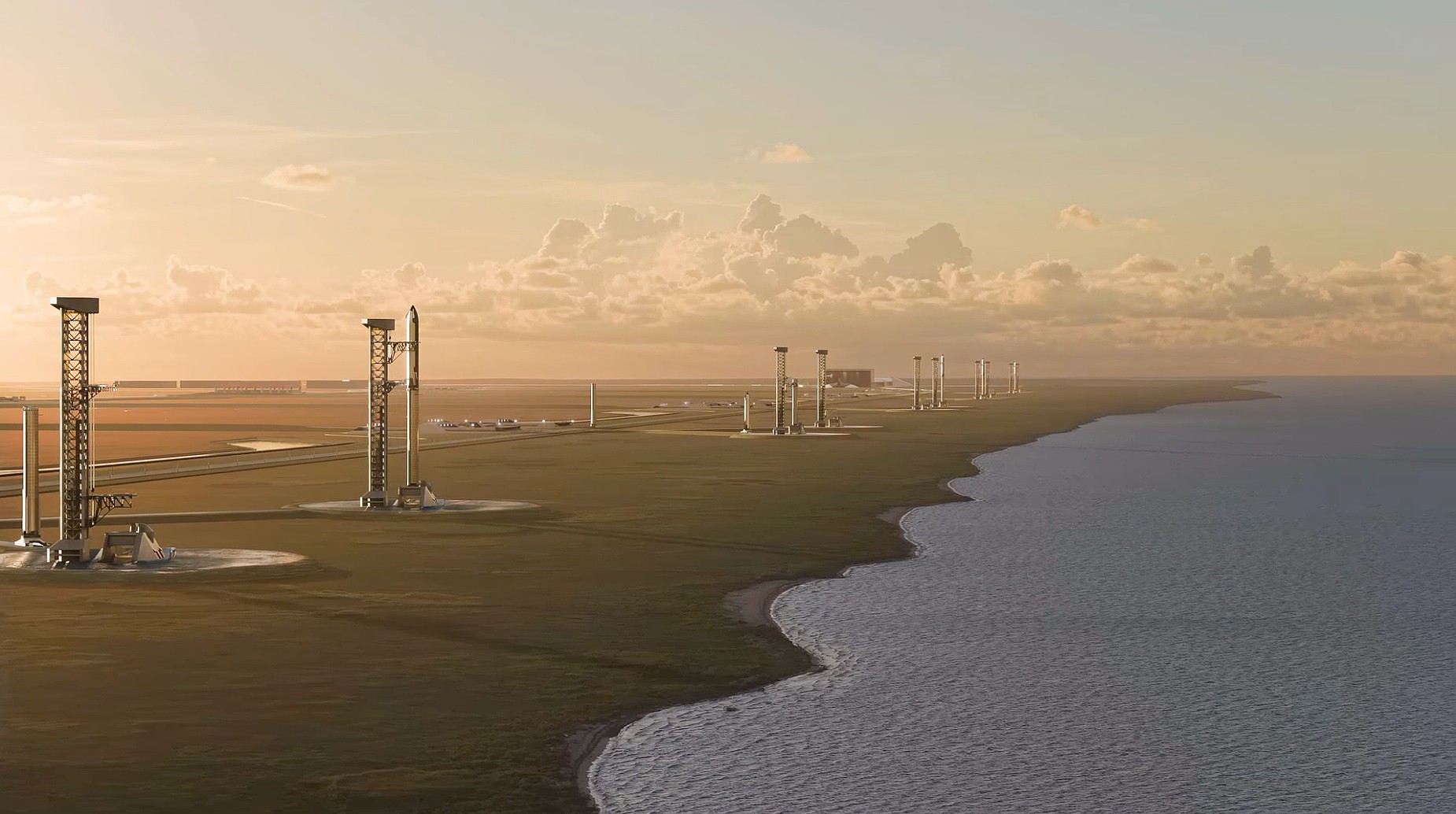
SpaceX announced today that it would expand its launch capabilities into a new U.S. state: Louisiana.
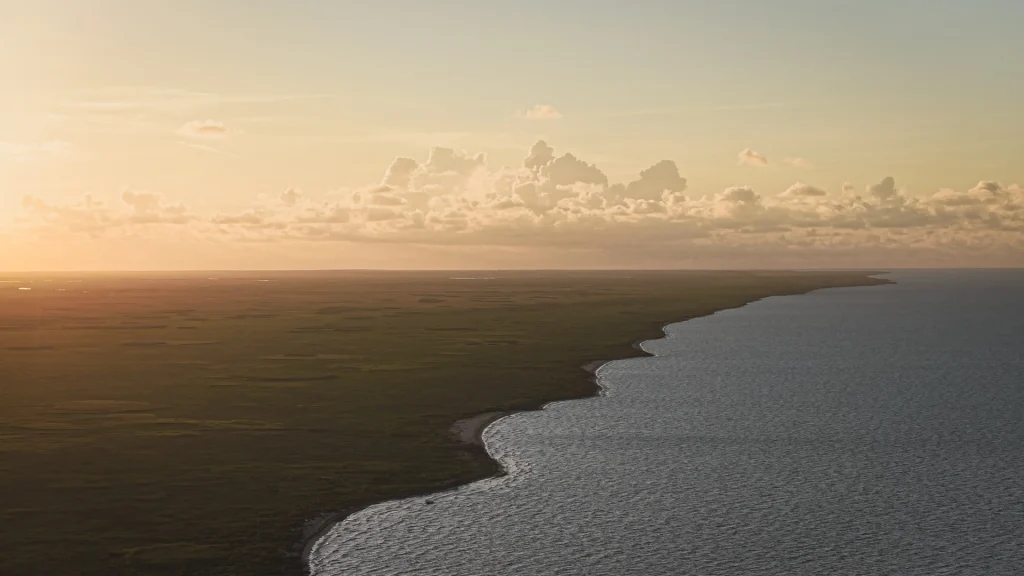
Today, SpaceX, in conjunction with the Louisiana Economic Development Office, said that it will establish a new launch facility, which it will call Starbase, Louisiana. It will be located near Vermilion Parish, supporting thousands of launches each year, at least eventually.
CEO Elon Musk commented by stating, “Starbase Louisiana will ultimately have over a dozen launch towers, enabling more than 30 Starship flights per day and making it the biggest launch site on Earth!”
Starbase Louisiana will ultimately have over a dozen launch towers, enabling more than 30 Starship flights per day and making it the biggest launch site on Earth!
SpaceX makes sci-fi real. https://t.co/C7Ht0U12ba
— Elon Musk (@elonmusk) August 25, 2026
The expansion is SpaceX’s latest move to push its launch cadence to be more frequent than ever. SpaceX said that Starbase, Louisiana, will be built to “support thousands of Starship flights a year,” with the first coming in 2029.
SpaceX announced the new facility in partnership with the Louisiana Economic Development Office as it will bring a major influx of jobs and investments into the area. Currently, it will produce more than 3,000 new jobs in Louisiana, and SpaceX plans to invest at least $100 billion into the entire facility, ensuring that many jobs are created as a result.
Environmental Responsibility
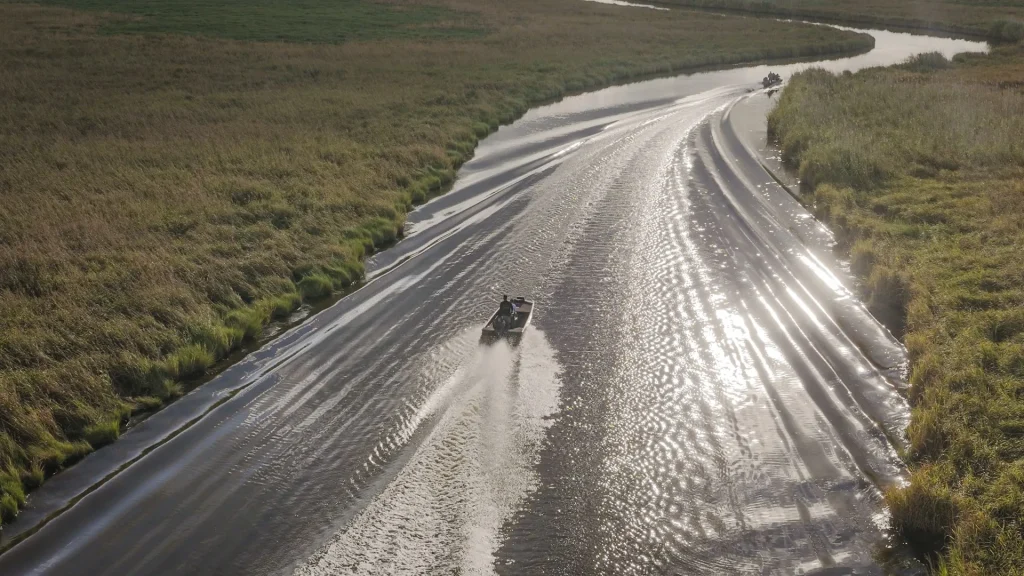
SpaceX acknowledges the impact launches could have on marshlands, local wildlife, and water sources. Here’s how the company plans to help with the issues in Vermilion Parish:
- Restoring the Shoreline: “In Vermilion Parish, the shoreline is eroding between 3.3 and 23 feet per year. We’re partnering with state and federal agencies to expand Louisiana’s Coastal Master Plan and Coastal Wetlands Planning, Protection and Restoration Act projects, including Gulf shoreline protection breakwaters designed to reduce wave energy and slow loss along the Gulf edge.”
- Rebuilding the Marshlands: “In working with the state, we’re planning thousands of acres of marsh creation using beneficial-use placement of dredged material and offshore sediment sources. Restoration will also include interior marsh bank stabilization and rebuilding marsh in remnant canals. These projects can reconnect fragmented wetlands, restore natural buffers against storms, and return habitat that has been lost to erosion and historic canalization.”
- Preserving Coastal Wildlife: “Pecan Island and nearby wetlands are high-value habitat for migratory waterfowl, shorebirds, wading birds, and other coastal wildlife. SpaceX is not developing the full footprint of the land and will preserve wetlands and wildlife habitat. At existing launch sites, waterfowl and other birds continue to use nearby habitat during operations. Working with wildlife agencies, landowners, and conservation groups, SpaceX will support monitoring and management so this habitat stays productive and hunting, fishing, birding, and other recreational activities that are part of this coast’s culture can continue.”
SpaceX shares rose about 2.5 percent on the news.

TESLARATI Premium Membership
$19.99 USD
Tesla Cybertruck AWD is a steal at $60k, is it still at $75k? Full Review

County vote hands Elon Musk’s Vegas tunnel network a huge new target


