Elon Musk
Elon Musk’s xAI brings 1GW Colossus 2 AI training cluster online
Elon Musk shared his update in a recent post on social media platform X.

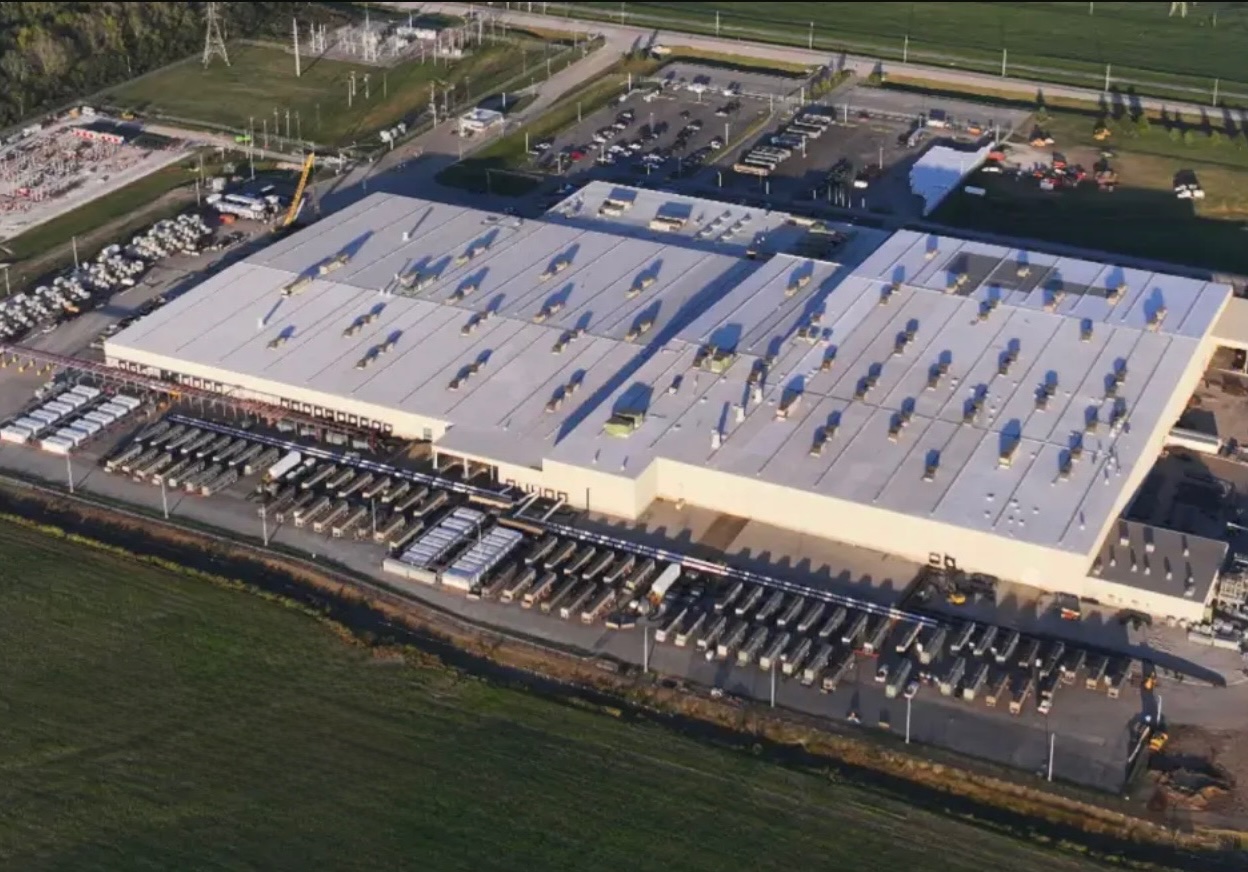
xAI has brought its Colossus 2 supercomputer online, making it the first gigawatt-scale AI training cluster in the world, and it’s about to get even bigger in a few months.
Elon Musk shared his update in a recent post on social media platform X.
Colossus 2 goes live
The Colossus 2 supercomputer, together with its predecessor, Colossus 1, are used by xAI to primarily train and refine the company’s Grok large language model. In a post on X, Musk stated that Colossus 2 is already operational, making it the first gigawatt training cluster in the world.
But what’s even more remarkable is that it would be upgraded to 1.5 GW of power in April. Even in its current iteration, however, the Colossus 2 supercomputer already exceeds the peak demand of San Francisco.
Commentary from users of the social media platform highlighted the speed of execution behind the project. Colossus 1 went from site preparation to full operation in 122 days, while Colossus 2 went live by crossing the 1-GW barrier and is targeting a total capacity of roughly 2 GW. This far exceeds the speed of xAI’s primary rivals.
Funding fuels rapid expansion
xAI’s Colossus 2 launch follows xAI’s recently closed, upsized $20 billion Series E funding round, which exceeded its initial $15 billion target. The company said the capital will be used to accelerate infrastructure scaling and AI product development.
The round attracted a broad group of investors, including Valor Equity Partners, Stepstone Group, Fidelity Management & Research Company, Qatar Investment Authority, MGX, and Baron Capital Group. Strategic partners NVIDIA and Cisco also continued their support, helping xAI build what it describes as the world’s largest GPU clusters.
xAI said the funding will accelerate its infrastructure buildout, enable rapid deployment of AI products to billions of users, and support research tied to its mission of understanding the universe. The company noted that its Colossus 1 and 2 systems now represent more than one million H100 GPU equivalents, alongside recent releases including the Grok 4 series, Grok Voice, and Grok Imagine. Training is also already underway for its next flagship model, Grok 5.



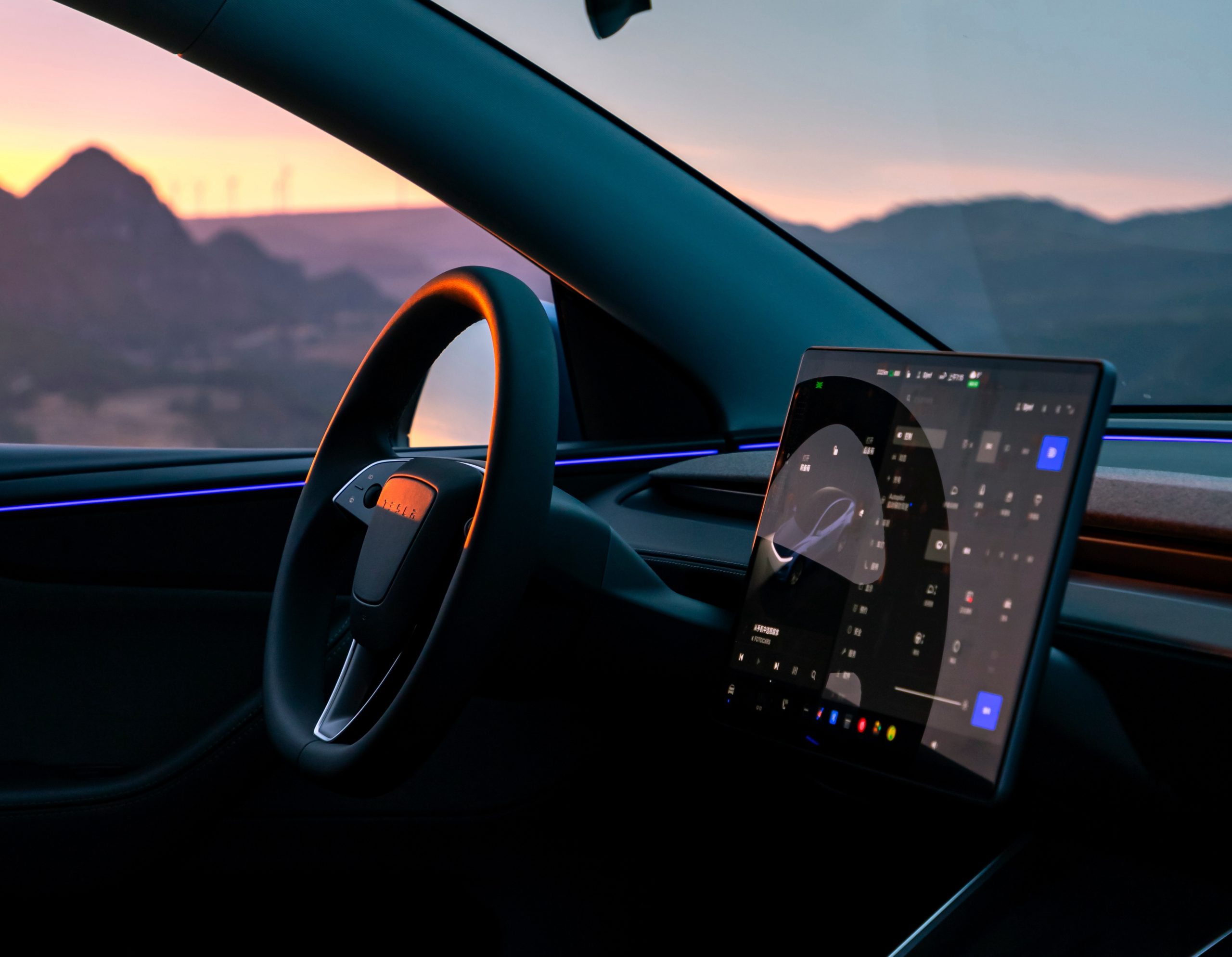
Tesla’s 2026 Summer Update turns Grok from a talking companion into a true in-car controller, with considerably expanded capabilities. Where the assistant once answered questions and handled navigation, it can now operate hardware and software through ordinary speech, including several requests at the same time.
Grok has become incredibly robust over the past few quarters, and this new ability that Tesla has included with its Summer Update is perhaps the clearest sign of just how capable it has become.
You can issue many commands to Grok at once, and each will be taken care of: anything from headlight control to climate adjustments to mirror folding can now all be taken care of with a simple sentence spoken toward Grok:
This is cool, you can now give Grok a ton of commands at once in your Tesla and it’ll do them all together.
The commands I gave:
• Fold mirrors
• Turn on wipers to fastest setting
• Change temp to 65°
• Open self-driving app
• Open gloveboxComes with Tesla’s 2026 Summer… pic.twitter.com/drZxoHrknv
— Sawyer Merritt (@SawyerMerritt) August 26, 2026
Here’s another example I used in my Model Y:
🚨 Using Grok to control the cabin temperature and turn on headlights in 2026 Model Y on FSD v14.3.8 and 2026.26.6.5 pic.twitter.com/7clgQkGABk
— TESLARATI (@Teslarati) August 27, 2026
Tesla’s official Release Notes list the core powers of Grok’s new capabilities: Grok can place phone calls from a paired phone, search a streaming service and queue music, adjust climate, and search the Controls panel. Drivers can also ask it questions about the vehicle or the latest features included in a recent software update.
It can also take care of driving settings, dynamics, and other relevant preferences that deal with how the car operates and handles.
Tesla Summer Update begins rolling out: a look at the new features
It’s also more of a use case than a novelty feature. Grok was great for learning about something that was being pondered while Full Self-Driving was taking care of the major automotive responsibilities, but it did have some useful functionality when it came to navigation.
Another less-noted improvement is the swift transition that Grok has from thinking of its answer to giving you one. In the past, it would take a few seconds for Grok to truly come up with a valuable response. It now seems that it is improving, at least slightly.
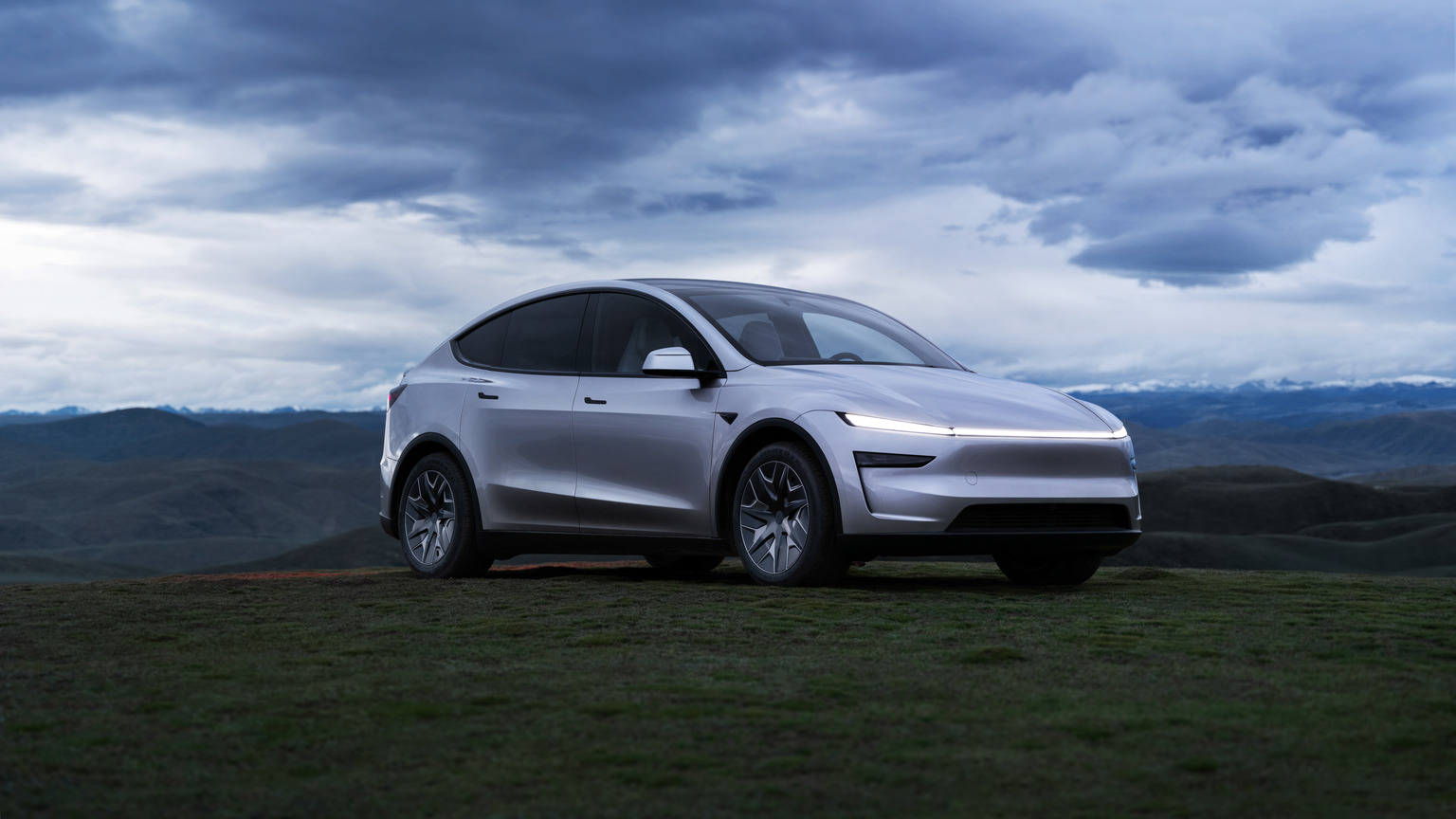
Tesla Full Self-Driving is set to get a major fix with pothole avoidance, a feature that CEO Elon Musk said recently was “coming soon.” The feature has been included within the FSD v14 release notes for some time as an upcoming improvement.
Potholes come in all shapes and sizes, but one thing is universal about them, and that is the fact that every driver wants to avoid them. Driving into or over a pothole can cause tire and wheel damage, alignment issues, and even, in some more severe instances, injury to occupants or major damage to a vehicle in despair.
Tesla Cybercab uses a unique strategy for picking up the right rider
Musk said late last night in a post that pothole avoidance while utilizing the Full Self-Driving suite is “coming soon.”
Coming soon
— Elon Musk (@elonmusk) August 31, 2026
Full Self-Driving, even in its most recent and robust forms, still has its shortcomings. While the suite has performed exceptionally well with avoiding on-road obstacles like cardboard boxes, horse droppings, car parts, and other debris, it still seems to struggle with recognizing certain things.
Potholes and other abrupt changes in a road’s layout are things that FSD still tends to struggle with. Perhaps the suite’s 3D modeling is still in need of some additional data or some sort of script that will help it to avoid a potentially destructive pothole or bump in the road that would be easily recognizable by the human eye.
Musk has mentioned pothole avoidance for some time, with the initial idea coming in April 2019 when an owner first requested the feature. Musk said that Tesla would “definitely” develop pothole avoidance.
In August 2020, Musk said Tesla was in the process of labeling bumps and potholes so cars can either slow down or steer around them altogether.
Tesla to utilize micro maps for pothole-detection in future update
Avoiding major disturbances in the road is a necessary feature for Full Self-Driving to have, especially as Tesla is working toward a fully autonomous program that will eventually allow every occupant in the vehicle to sleep, work, or enjoy leisure time while traveling.
That truly begins this week with the launch of Cybercab on Thursday.
Elon Musk
Elon Musk says he knows how to save Earth for a billion years
Elon Musk says sentient AI satellites launched from the Moon could keep Earth livable forever.

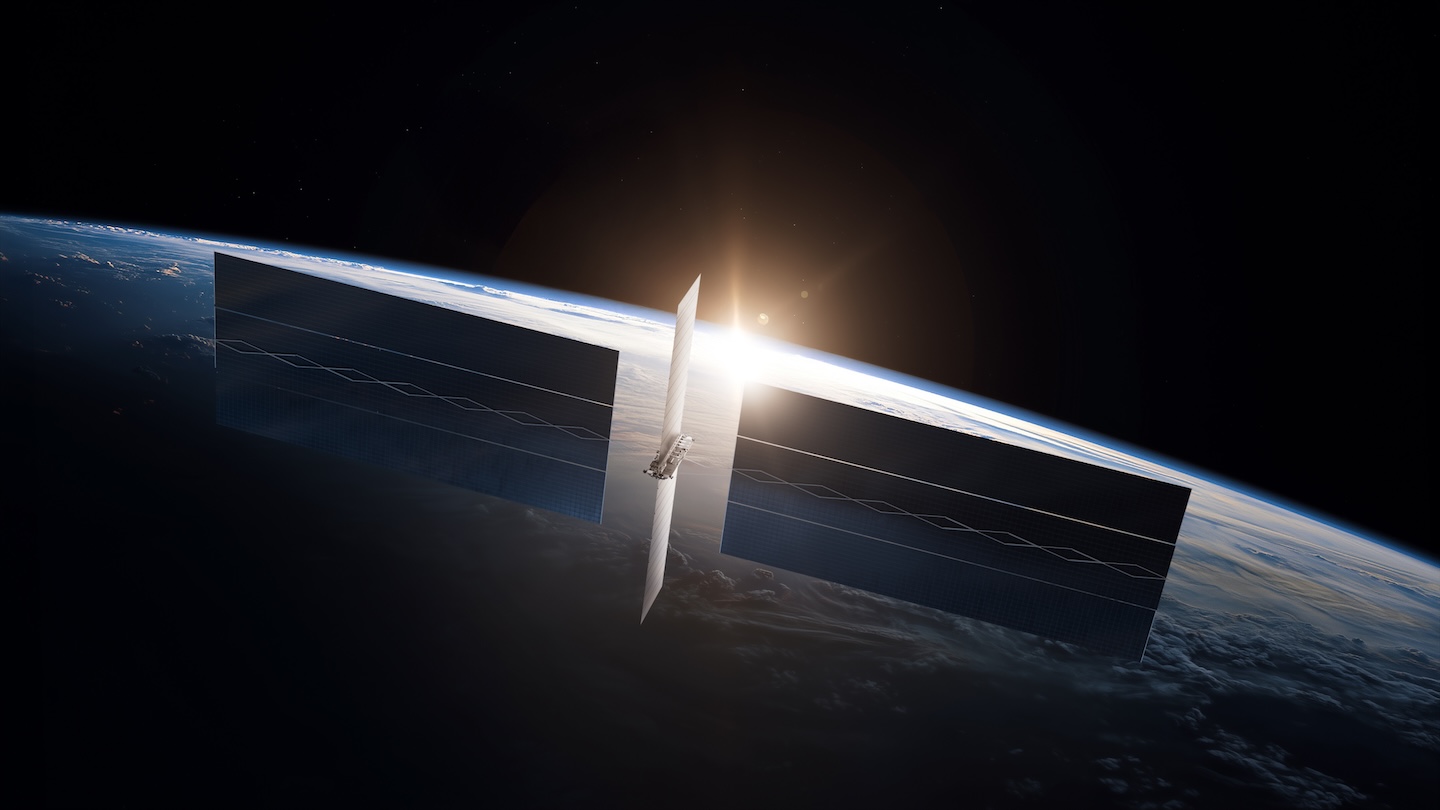
Elon Musk spent part of his weekend describing a plan to keep the planet livable for roughly a billion years, and it starts with satellites that can think for themselves.
In a post on X, Musk argued that swapping fossil fuels for solar and wind power will not be enough to protect humanity from what he called extremely severe extinction events, the kind that occur roughly every 100 million years. His fix is what he called sentient satellites, or solar-powered satellites, controlled by AI, that would sit in a fixed spot between Earth and the Sun after being launched off the Moon using a giant electromagnetic catapult instead of rockets.
The satellites’ onboard AI would make continuous, small adjustments rather than waiting on human instructions. The mass driver is Musk’s proposed way of getting the raw material there cheaply by using an electromagnetic launch track built on the Moon, where lower gravity and no atmosphere make it far easier to fling cargo into space than it is from Earth.
But we do need to act much faster than that if people still want to live where the beach is today. We have about 50 years or so to take action, which should be more than enough time for the space satellites to solve any heating problems. https://t.co/xhrVQALwQw
— Elon Musk (@elonmusk) August 30, 2026
Musk shared a Grok generated estimate suggesting roughly 5 percent of Florida’s land, or about 1.68 million acres, could face regular flooding by 2070 under a high sea level rise scenario, and said humanity has about 50 years to act before coastal living looks very different than it does today.
This is not the first time Musk has floated the idea. He raised a similar concept in November, describing a solar powered AI satellite constellation that could make tiny adjustments to incoming sunlight to fine tune Earth’s temperature. Musk has also tied planetary risk to his broader vision at SpaceX, where his compensation package is explicitly linked to establishing a self-sustaining Mars colony, one he has described as an insurance policy against the kind of extinction event he referenced this weekend, and where he has said humans could set foot within five to seven years.

Tesla expands driverless Robotaxi geofence in Austin

Elon Musk’s Grok can basically control anything in your Tesla now


