Elon Musk
Elon Musk hints at “official ceremony” with throwback photo to close Tesla Model S, Model X chapter
Elon Musk promises an official ceremony to mark the end of Tesla Model S and Model X production.

Tesla has officially begun winding down production of the Model S and Model X, sending farewell emails to U.S. customers on March 27 and updating the website to reflect the end of the line. Shoppers visiting Tesla.com now find only a limited set of Model S and Model X inventory units available for purchase, with no option to configure a new factory build. The move formalizes what CEO Elon Musk announced on the company’s Q4 2025 earnings call in January, when he said it was “time to basically bring the Model S and X programs to an end with an honorable discharge.”
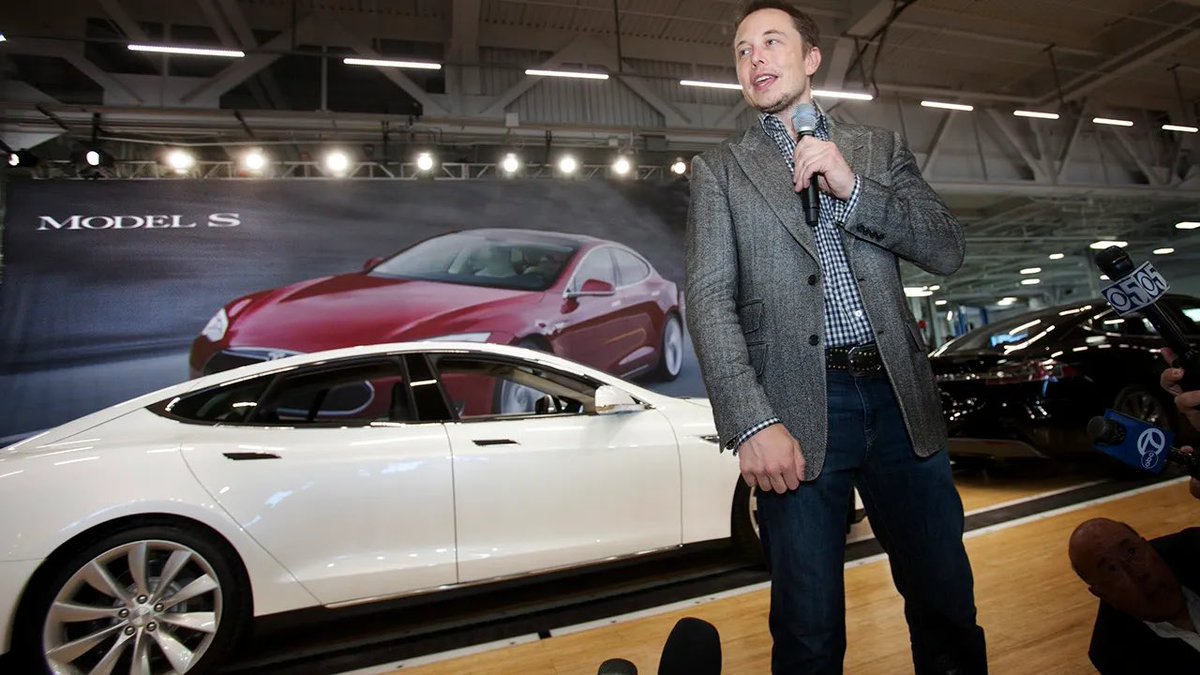
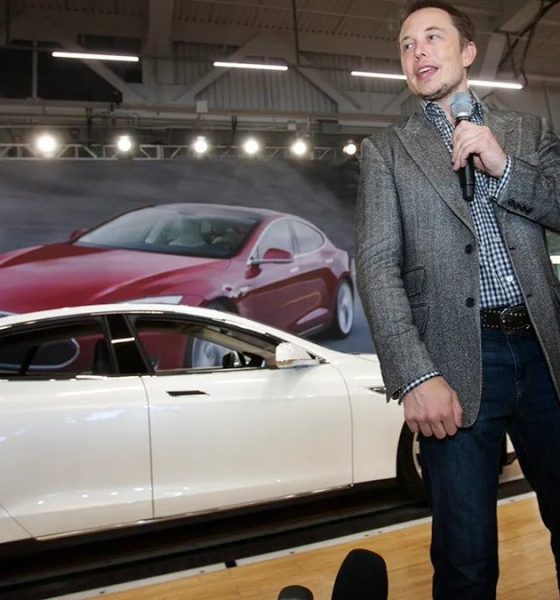
Musk posted on X a throwback photo of himself speaking at the Model S production launch in 2012, and noting “We will have an official ceremony to mark the ending of an era. I love those cars.”
The mention of an official ceremony is notable. Tesla has not held a formal farewell event for a vehicle before, and Musk’s wording suggests this will be something deliberate rather than a quiet line shutdown. Given that Musk’s X post shows a photo of him on stage with a microphone in front of an audience at the Fremont factory, it wouldn’t be too far-fetched to expect a closing ceremony to take place at the same location. Perhaps? Whether it becomes a public event, a private gathering for employees, or a livestreamed moment on X remains to be seen.
Custom orders of the Tesla Model S & X have come to an end. All that’s left are some in inventory.
We will have an official ceremony to mark the ending of an era. I love those cars.
This was me at production launch 14 years ago: pic.twitter.com/6kvCf9HTHc
— Elon Musk (@elonmusk) April 1, 2026
The Model S first went on sale nearly fifteen years ago and was Tesla’s first fully in-house designed vehicle, proving that an electric car could be fast, desirable, and capable of long distance on a single charge. The Model X followed in 2015, turning heads with its unmistakable and distinctive falcon-wing doors, while becoming one of the first all-electric SUVs on the market. Tesla’s two flagship vehicles would ultimately push legacy automakers to take all-electric transportation seriously and help fund development of the more affordable Model 3 and Model Y.
By 2025, however, both models had been reduced to a rounding error in Tesla’s sales figures. Musk was direct about what comes next, stating “We are going to convert that production space to an Optimus factory. It’s part of our overall shift to an autonomous future.”
Elon Musk’s $10 Trillion robot: Inside Tesla’s push to mass produce Optimus
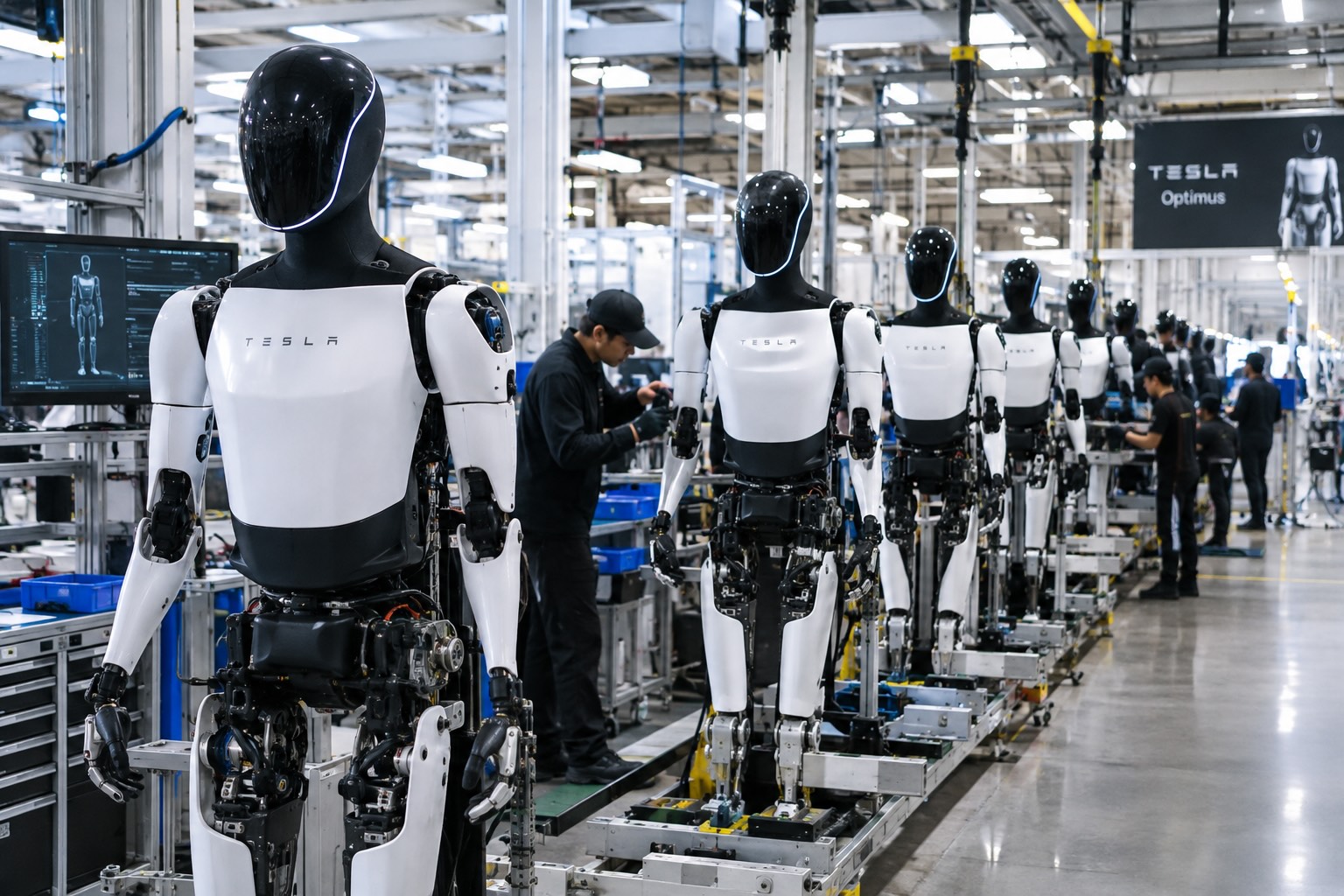
That shift is already underway. Tesla officially started Optimus Gen 3 production at its Fremont factory in January 2026, with the line targeting a run rate of one million units per year. The Gen 3 robot features 22 degrees of freedom per hand, runs on Tesla’s AI5 chip, and shares the same neural network architecture as Full Self-Driving. A dedicated Optimus factory at Gigafactory Texas is also under construction, with a planned annual capacity of 10 million units. The production lines that once built the Model S and Model X are being converted to support that ramp.
Tesla confirmed it will continue to support existing owners with service, software updates, and parts for as long as people own the vehicles. For buyers still interested in a new example, remaining U.S. inventory is discounted and the window is closing fast.


Elon Musk
Tesla eyes supply partners for Optimus mass production
Tesla certified three Chinese suppliers for Optimus mass production, signaling its robot timeline is accelerating.
Tesla’s robotics team traveled to Ningbo, in China’s Zhejiang province, on September 16 and spent the following day auditing component suppliers for Optimus, according to a Bloomberg report cited by RobotAIGeek. The visit moved three manufacturers from provisional status to certified mass production partners: Tuopu Group, which handles actuators and chassis components, Ningbo Joyson Electronic, a sensor supplier, and Zhejiang Sanhua Intelligent Controls, which builds thermal management systems. All three already supply parts to Tesla’s electric vehicles, and the audit reportedly came with fresh orders that supply chain reports put at an initial batch of roughly 5,000 units.
Tuopu, Joyson, and Sanhua built their manufacturing base serving the automotive industry, where tolerances and volume requirements are already close to what a mass produced humanoid robot demands. Sanhua in particular has history here. Teslarati reported last October that the company had received a roughly $685 million order for linear actuators tied to Optimus, a volume industry watchers estimated could cover around 180,000 robots once production ramped.
Supply chain reports tied to this week’s audit put Tesla’s near term production goal at about 1,000 Optimus units a week by late September, rising to 2,000 to 2,500 units a week by the end of the year. That pace would put real weight behind the timeline Tesla has been building toward since May, when it wound down Model S and Model X production at Fremont to convert that floor space into a dedicated Optimus line targeting one million units annually. JPMorgan analysts who toured the factory in August confirmed the conversion took roughly four months, a pace Musk has called unprecedented for a facility that size.
New drone video shows Tesla’s Optimus Factory reaching a turning point
Fremont is only the first phase. A second, larger Optimus plant is rising at Gigafactory Texas, where drone footage shared by Joe Tegtmeyer last week showed the structural steel nearing completion on the north end of the building. Tesla has said that facility is meant to eventually support production of up to 10 million units a year, though volume output there is not expected before 2027.
Commercial sales of Optimus are still targeted for the second half of 2027, but production is expected to start well before then. JPMorgan analyst Rajat Gupta has said Tesla’s “Optimus Academy” program, which uses early units to collect real world training data inside Tesla’s own facilities, is expected to be running later this year. Bloomberg Intelligence analyst Ian Ma described the Ningbo audits as “a positive commercialization signal for China’s humanoid supply chain,” noting that sentiment could improve further if the visit leads to confirmed supplier nominations and larger orders. The Solactive China Humanoid Robotics Index rose about 1.4% on the news, though it remains down roughly 30% for the year.
Elon Musk
Elon Musk’s next Uranium in Uranus merch is Boring Company’s weirdest tease yet
Elon Musk teased a glowing new Boring Company merch idea, complete with a Geiger counter.
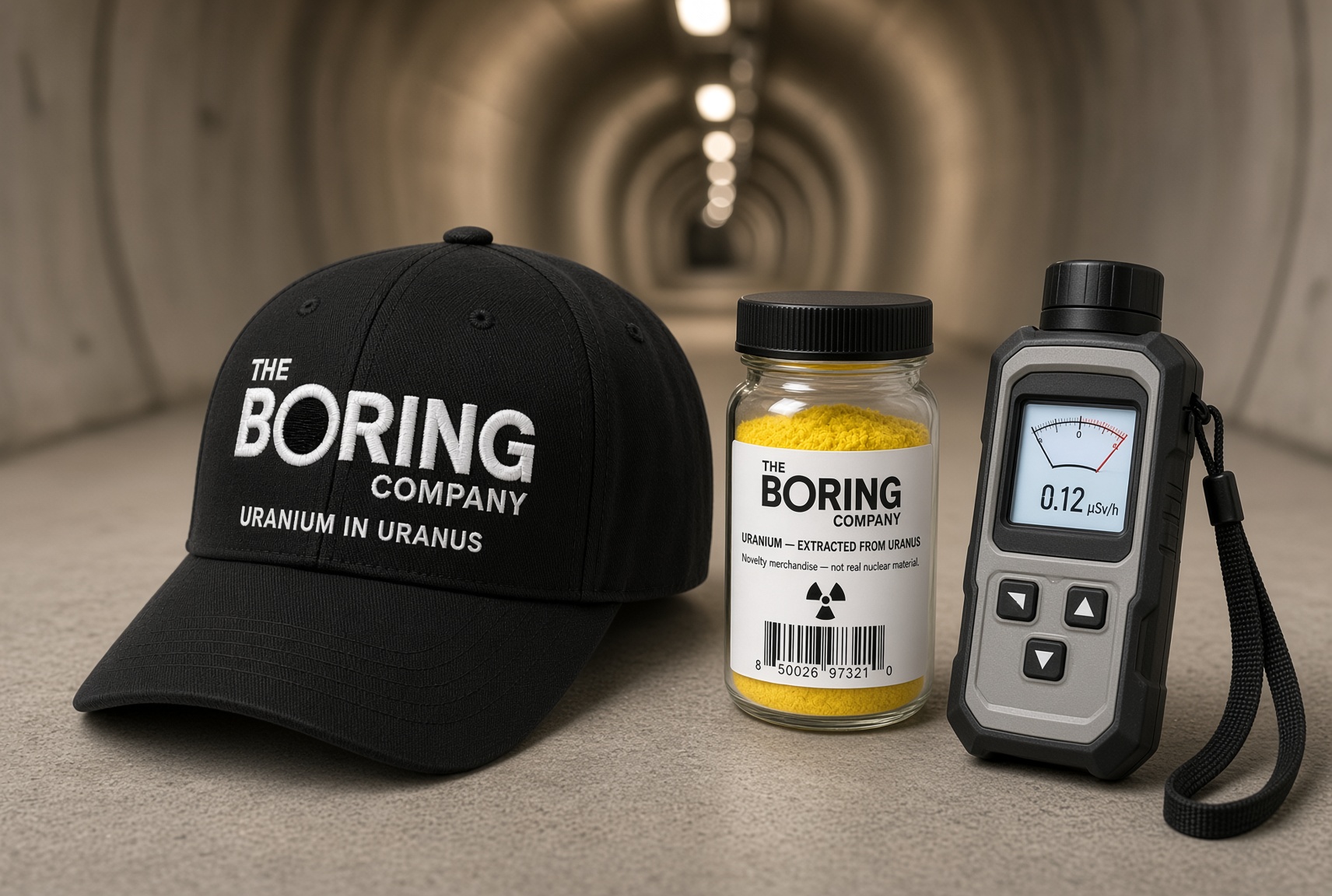
Elon Musk teased the next piece of Boring Company merchandise on X Saturday, and it is exactly as unserious as fans of the company’s product history have come to expect. “The next @boringcompany merch will put Uranium in Uranus,” Musk wrote in a thread posted early Saturday morning. He followed up by explaining that the item would glow in the dark, “because otherwise how could you find it,” and that a Geiger counter would be sold separately as “an optional strap-on.”
Musk closed the thread with a line that doubles as a mission statement for the tunneling company’s merchandise arm: “It’s not easy coming up with something that is both outrageously unsellable and yet extremely popular.”
The Boring Company has built a small but consistent side business out of novelty items that start as jokes and end up selling out. The company’s Not-a-Flamethrower raised roughly $10 million in a few days back in 2018, moving all 20,000 units it produced. Its Burnt Hair perfume, priced around $100 a bottle, sold out fast enough that scalpers were flipping units on eBay for ten times the retail price. Boring Bricks, made from tunneling spoil, followed the same playbook of teasing a product on X months before it became real.
Musk has not said what the actual item will be, only that it involves uranium and glows in the dark. Given the pattern, that vagueness is probably intentional. Past merch announcements have started as one-line jokes and taken weeks or months to turn into an actual product listing on the company’s site, and there is no guarantee this one follows through at all.
The timing lines up with a period of real momentum for the Boring Company outside of the joke merchandise. The company said last week it plans to double the number of operational stations on its Vegas Loop by the end of the year, a target tied to a hiring push for drivers and operations managers. Prufrock-5, one of the company’s tunnel boring machines, also just wrapped a test tunnel in Bastrop, Texas, and is expected to relaunch on its next assignment in November.
Whether the uranium joke turns into an actual product remains to be seen. Musk’s post did not include a price, a shipping date, or even a name for the item, which has historically meant a Boring Company website page goes up quietly, password protected, sometime before an announcement.
Elon Musk
SpaceX’s next Starship launch is about to attempt its biggest leap yet
SpaceX targets September 22 for Starship Flight 14, its first attempt to reach real orbit.
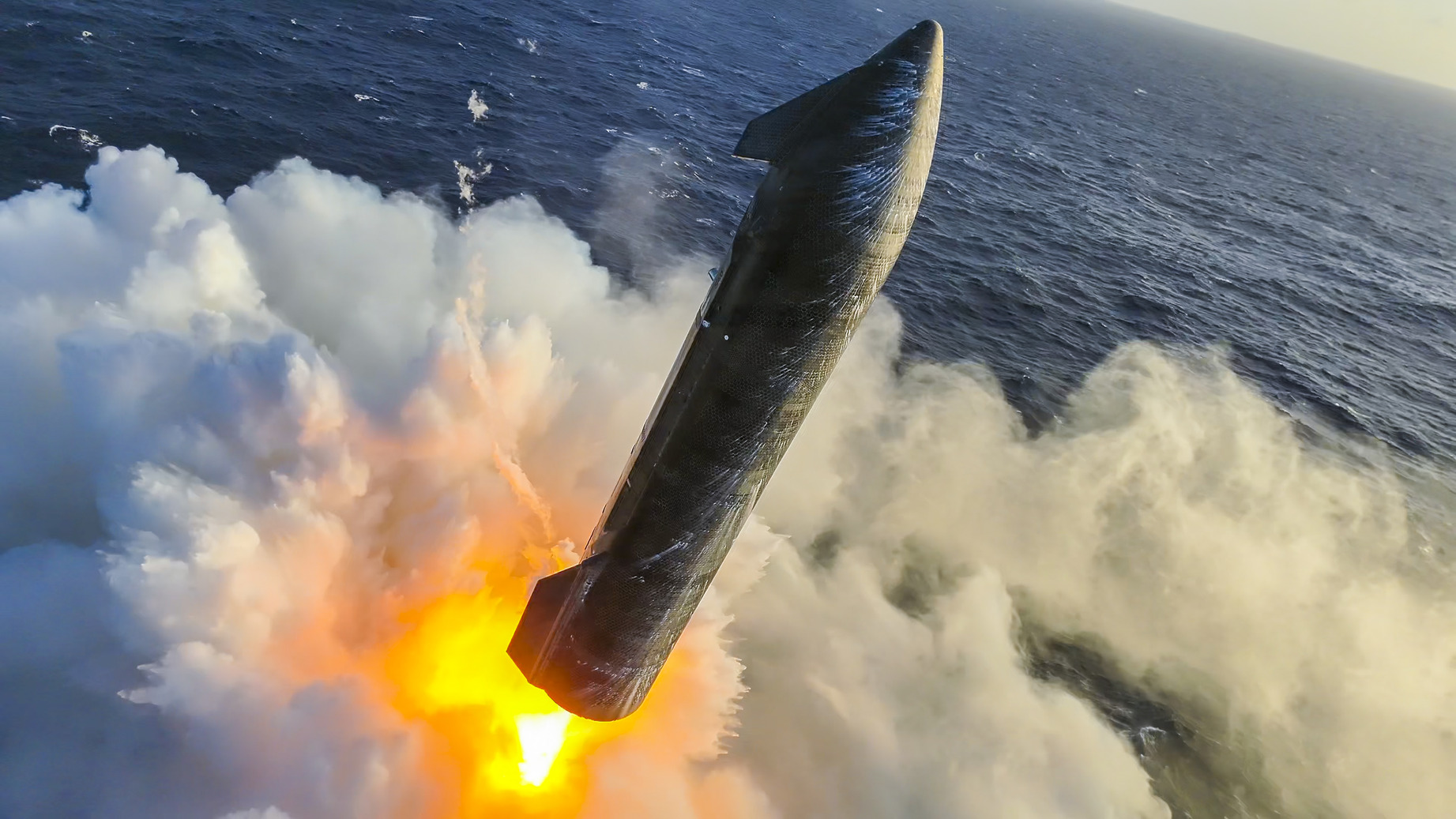
SpaceX has set September 22 as the target date for Starship’s 14th test flight, and this one carries a different goal than any of the 13 that came before it. Every previous Starship mission has intentionally flown a suborbital arc, reentering the atmosphere within the same hour it launched. Flight 14 is designed to send the craft into a genuine orbit around Earth for the first time.
The launch window opens at 7:15 a.m. Central time at Starbase in South Texas and runs for 75 minutes, pending regulatory approval, according to SpaceX’s mission description published Tuesday. If the flight goes as planned, Starship will circle the planet roughly six times at an altitude near 275 kilometers over about ten hours before a deorbit burn sends it toward a splashdown in the Pacific Ocean west of Chile, a departure from the Indian Ocean recoveries used on the last several flights.
The mission also marks the first attempt to put a working batch of Starlink V3 satellites into actual service. Flight 13 carried 20 of the new satellites in July, but because that mission never left a suborbital trajectory, the payload reentered along with the ship instead of separating into orbit.
SpaceX tells the FCC that Starship Flight 14 is going to orbit
Each V3 satellite is rated for roughly one terabit per second of downlink capacity, so a successful deployment on Flight 14 would be SpaceX’s largest single jump in network bandwidth since Starlink began flying on Falcon 9.
Flight 13 still did the heavier lifting on the technical side. That July mission flew a deliberately more stressful reentry profile to test Starship’s heat shield, and the ship survived its softest splashdown yet, intact enough for drone inspections shortly after landing. Elon Musk said the flight delivered “all the heat shield data we needed and then some,” a result Teslarati covered in detail when he later said SpaceX had solved the vehicle’s biggest reusability challenge. Flight 14 is where SpaceX starts spending that confidence on an actual orbital insertion rather than another controlled fall back to Earth.
One thing Flight 14 will not attempt is a tower catch of the ship. Musk floated the idea right after Flight 13, but walked the timeline back in August, saying a catch attempt was more likely “in a few months.” The Super Heavy booster will still aim for its own recovery, targeting an offshore landing point in the Gulf of America, the same approach used on recent flights.
September 22 is SpaceX’s own target, not a locked date. Starship’s schedule has slipped before over hardware readiness and FAA sign off, and the company has said as much in its own mission notes. But the plan itself represents the clearest marker yet that Starship is moving from a suborbital test program into something meant to carry paying payloads and, eventually, people.

Tesla eyes supply partners for Optimus mass production

Elon Musk’s next Uranium in Uranus merch is Boring Company’s weirdest tease yet


