News
Tesla Removes 85 kWh Battery Option in Canada, Is it a Sign?
Tesla will no longer offer the 85 kWh battery to Model S customers in Canada. It also has deleted the single motor rear wheel drive version of the car for people who live north of the border. The company has given no explanation for the changes.

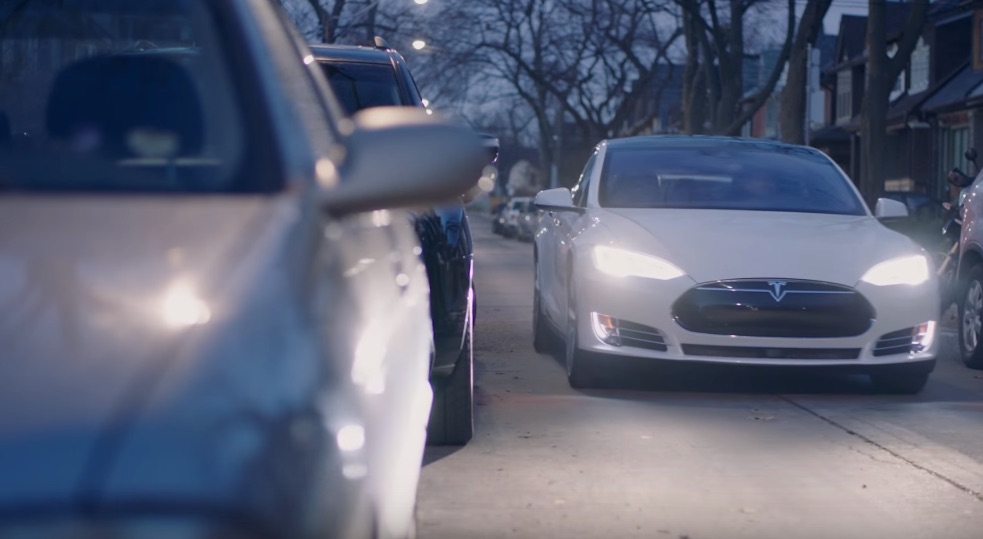
The Model S can no longer be ordered with the 85 kWh battery according to the recent spot in the CanadianTesla Design Studio.
Updated Feb. 8, 2016: Tesla officially discontinues Model S 85 kWh battery option worldwide
The move has left many across the Tesla social groups wondering why the change only applies in Canada? Is this a signal that similar changes are about to happen in other countries as well? Elon has always maintained that an increase in battery capacity by 5% a year should be expected. Perhaps a 95kWh or even a 100 kWh battery may be in the offing for later this year.
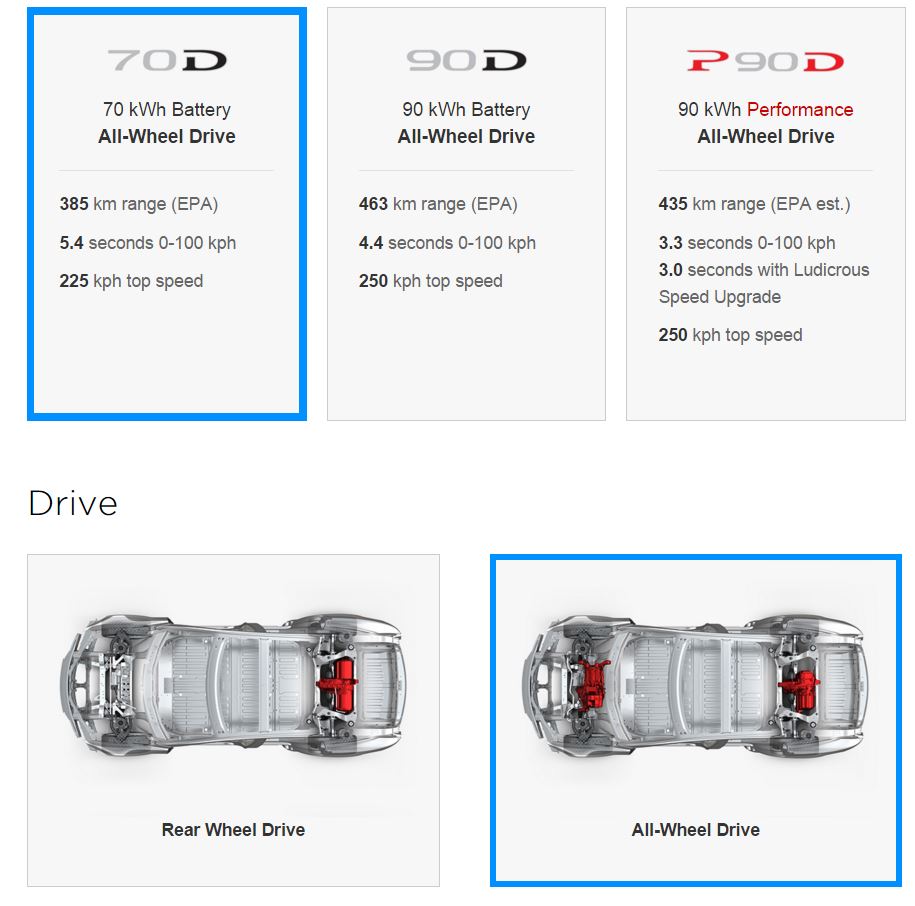
The 85 kWh battery has been the largest size battery offering since Tesla first opened up Model S for orders in 2012. In 2013, Tesla discontinued a 40 kWh version of the battery due to lack of demand, leaving both a 60 kWh version and the 85 kWh pack as available options.
More recently, Tesla has discontinued the 60 kWh battery and replaced it with a 70 kWh version capable of 230 miles (385 km) of range, as well as introduced the 90 kWh battery capable of over 270+ miles, during the time when the company announced its Ludicrous mode option.
Tesla made the 70D variant of the Model S the entry level model, but then backtracked and reinstated a rear wheel drive version for $5,000 less. The company seems to be experimenting with different equipment combinations, trying to find the perfect alignment of affordability, performance, supply, and profits. By having the 70 kWh and 90 kWh as the only available battery options, Tesla is leaving a significant step in price between the battery configurations perhaps as a strategic move to cater to two different types of audiences – those that want a lower cost barrier of entry while having 200+ miles of range, and those that seek longer range with higher performance in mind.
It’s also possible that having a larger battery at the top of the range will allow Tesla to increase the size of the entry level battery as well. Perhaps a Model S 75D is lurking around the corner? A slightly larger battery would benefit the current entry level 70D Model X by giving it some extra range, something the super heavyweight electric crossover could leverage especially when put to use.
The configuration change in Canada may also presage a move to make dual motors standard across the range. Doing so would help streamline production and improve the number of cars Tesla can build each week.
Elon has said the company makes up to 20 running changes to its cars every month. Most of them are not publicized. Perhaps Tesla wants to avoid a situation like Chevrolet and Nissan found themselves in last year when they each announced significantly improved versions of the Volt and LEAF were coming soon. Sales of existing cars plummeted as a result. By simply implementing changes it deems necessary without fanfare, Tesla avoids falling into the same trap.


News
Tesla Roadster livestream: everything Tesla has revealed before Thursday night
Tesla will stream the Roadster event Thursday at 7:55 p.m. Central. Here is what’s known.

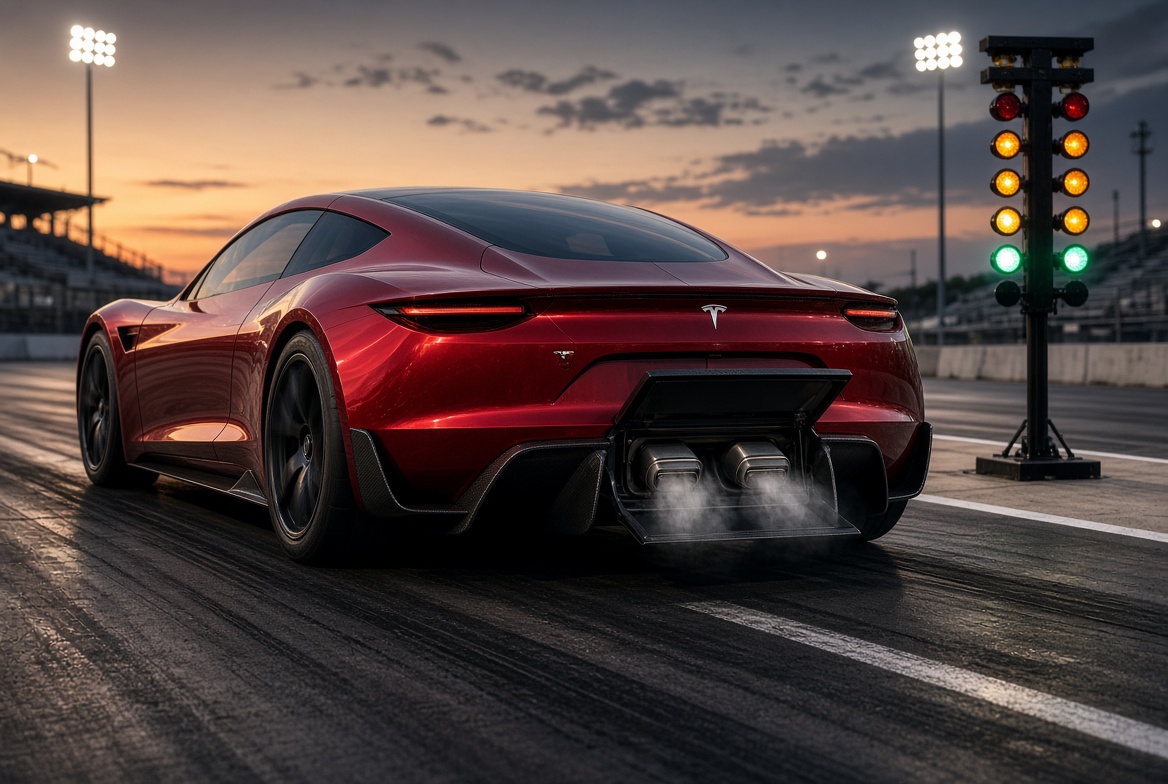
Tesla will stream its next generation Roadster event live this Thursday, October 15, at 7:55 p.m. Central, according to a post from the official Tesla account shared late Monday. Texas is on daylight time, and outlets have read the post as local Central time, which puts the Tesla Roadster livestream at 8:55 p.m. Eastern and 5:55 p.m. Pacific. The stream is expected on Tesla’s X account, where the announcement went up.
This is the second date for the event. Tesla posted a “Go for launch” image on September 12 that set the unveil for October 1, and invitations sent to reservation holders placed it in Waco, Texas, at 8:30 p.m. Eastern, for guests 21 and older with tickets that could not be transferred. Until this week, Tesla had not said the event would be broadcast at all.
Roadster event streaming live this Thursday at 7:55pm CST https://t.co/AbsmpVucui
— Tesla (@Tesla) October 14, 2026
On September 28, Tesla moved the event to October 15, citing severe weather and the fact that the demo can only be held outdoors. Elon Musk then said the cause was high winds, a comment that pushed speculation that the car will leave the ground on stage.
The event will be held in Waco, which sits close to SpaceX’s McGregor rocket test site, where the FAA closed airspace up to 10,000 feet from September 18 through October 2 for the original date. Another restriction covering Wednesday, October 14, has been reported near the site, which could mean a rehearsal, though that is unconfirmed.
What Tesla will actually show comes from speculative reports that the vehicle will be unmanned, and spectators will be kept several hundred yards back for safety. A SpaceX package is reportedly code named A71, and linked to what Musk has hinted at in the past – thrusters that could bring 0 to 60 mph down to about one second, compared with the 1.9 seconds quoted for the base car in 2017. Tesla also closed its Semi event with a Roadster teaser suggesting a design that looks different from the original prototype, and has said the event will include pricing, specifications, and production targets.
The 2017 figures remain the only official ones: 620 miles of range, a top speed above 250 mph, and prices of $200,000 for the base car and $250,000 for the Founders Series. Tesla reopened reservations last month with a $5,000 card payment followed by a $45,000 wire within ten days, and the deposit is refundable. Production is expected at Giga Texas in 2027 or 2028.
Tesla reports third quarter earnings on October 21, six days after the stream, so whatever price or timeline appears Thursday night will land just ahead of that call.
Elon Musk
SpaceX just combined Grok, Cursor, and X into one mega plan
SpaceXSI merges Grok, Cursor, and X Premium into one plan, raising questions for Tesla owners.
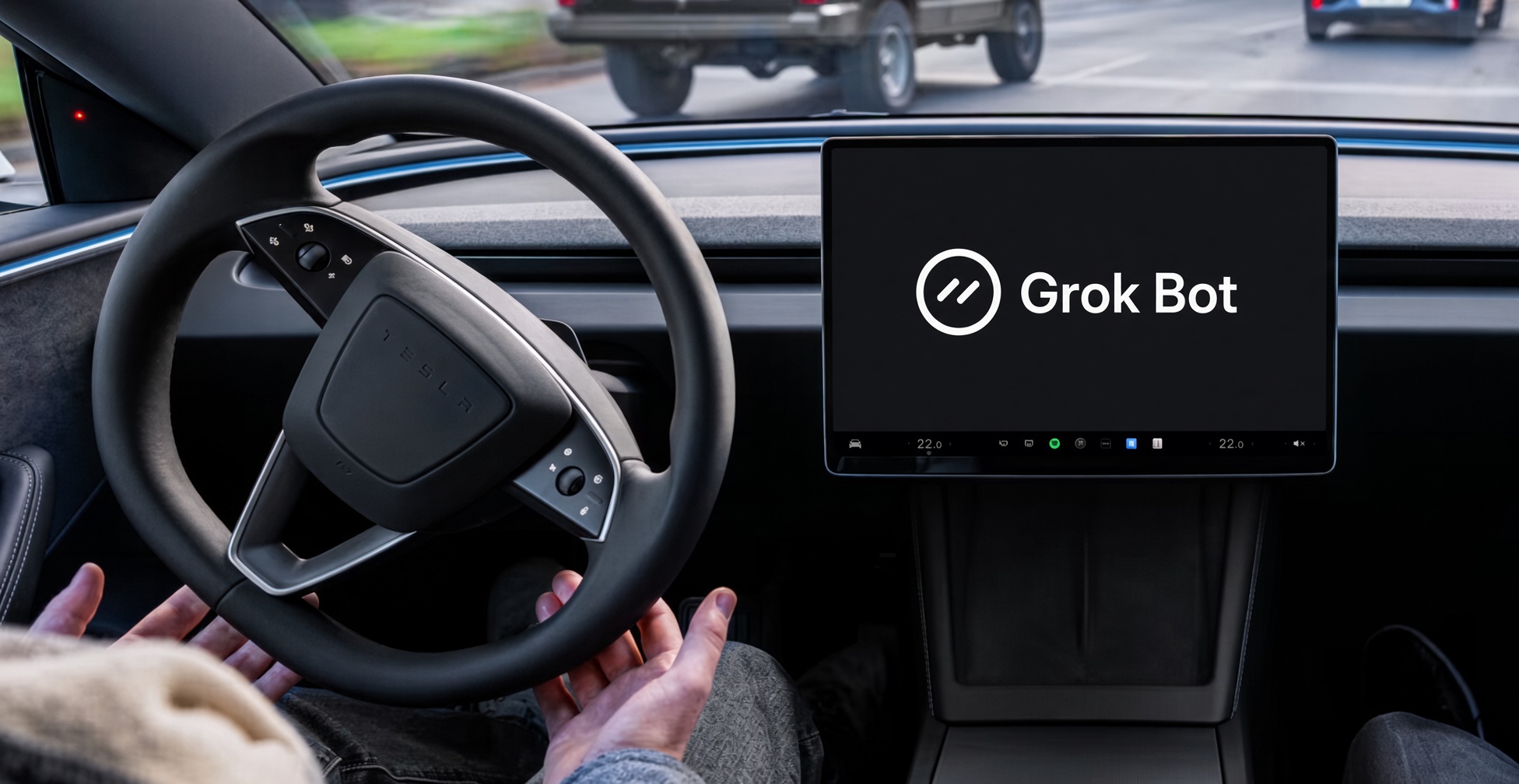
SpaceX Super Intelligence has rolled out The X Subscription, a single plan that combines Grok, Grok Bot, Cursor, and X Premium.
There are five levels, including a free plan that includes daily Grok access and a starter allowance for Cursor’s coding agents. Plus is $8 per month, Premium is $30, Super is $100, and Ultra is $200. Usage scales as you move up, with Premium offering four times the Plus allowance, Super 15 times, and Ultra 50 times. Annual billing brings the prices down a bit further, with Premium at $300 per year.
We’ve unified plans across Grok, Cursor, and X Premium.
Introducing The X Subscription. https://t.co/SvkrVvBa0p
— SpaceX Super Intelligence (@SpaceXSI) October 12, 2026
The $30 Premium tier is where SpaceXSI says it packs the benefits of SuperGrok, Cursor Pro, and X Premium+, which previously added up to $90 per month. Grok Bot, the agent that handles tasks like ordering food or managing a calendar, is included from Premium upward but not on Plus. Paid plans share one weekly usage pool across Grok and Cursor, and each plan includes at least twice the coding usage of the comparable Cursor plan. Third party models in Cursor remain available on Premium and above, but they are billed separately at API list prices.
That last detail matters because of what has happened around Cursor this year. SpaceX exercised its option to buy the company for $60 billion in June, and the deal closed in August. Weeks later, OpenAI said it will cut Cursor’s access to its models on November 12. Bundling Cursor with Grok usage gives SpaceXSI a reason to steer developers toward its own models.
Tesla integrates Grok Bot into its vehicles for the ultimate personal assistant
For Tesla owners, the connection is Grok Bot. Tesla brought it into its vehicles last month, and at that point access inside the car was limited to SuperGrok Heavy subscribers. Grok Bot is now enabled across every Cybercab and the rest of the Model Y Robotaxi fleet. Neither SpaceXSI nor Tesla has said how the new plans change inside the car access for owners, or whether a $30 Premium subscription now covers Grok Bot in a personal Tesla. That is the question owners will want answered first.
The company is also changing its name along the way. The rollout follows the rebrand Musk announced on October 4, when he said SpaceXAI would become SpaceXSI, and the plan page now carries that branding.
The X Subscription is available to new customers starting now, and SpaceXSI says it will reach everyone globally over the next few days. Existing SuperGrok, Cursor, and X Premium subscribers do not have to switch. The option to move will appear gradually in billing settings, with a prorated refund for the unused time on the old plan. Switching is permanent once the accounts are unified, and old plans are closed to new sign ups.
Energy
Taiwan power firm bets big on Tesla Megapacks as AI data center thirst grows
Taiwan’s Apollo Power orders 260 Tesla Megapacks, betting AI data centers will need more electricity.
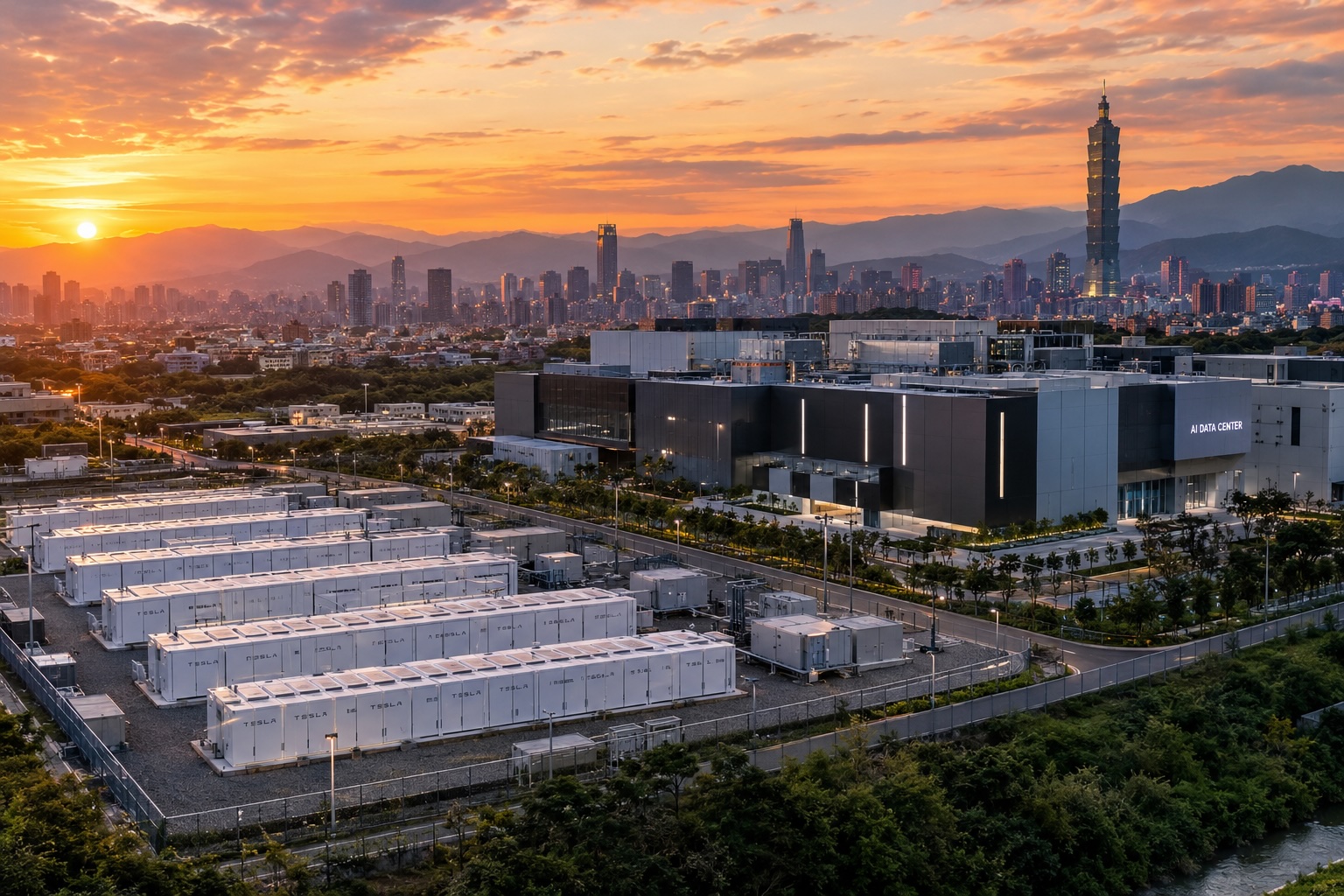
A Taiwanese power company has ordered 260 Tesla Megapack 2XL units, roughly 1GWh of storage, betting that electricity rather than chips will decide how fast AI data centers come online. Apollo Power signed the contract with Tesla’s Taiwan energy arm on October 8, according to the company’s filing with the Taiwan stock exchange.
The filing says the units are meant for behind the meter storage and resilient grid projects, with delivery in batches from the end of 2027 and sites operating in 2028. Apollo and Tesla did not disclose a price, citing a confidentiality agreement. Apollo plans to pay for the equipment through a cash capital increase and bank financing, and it noted the purchase is not revenue and does not mean it holds firm orders from its partners.
Biggo reported that only about 33 units are under signed customer contracts, with roughly 150 more in negotiation. The same report put total project investment near NT$130 billion, but that figure includes installation work, with the equipment itself making up about 40 to 50 percent. In other words, a large share of this order is Apollo reserving supply ahead of demand. Apollo’s chairman told local media global large storage supply is tight, which is why the company locked in the units early, according to Yahoo Taiwan Finance.
Apollo also launched an AI data center and grid resilience alliance with Phison, Gigabyte and Shihlin Electric. The pitch rests on a pilot at Phison’s Zhunan plant, where Apollo and Tesla Energy Taiwan installed grid forming Megapack 2XLs in June. Tesla Energy Taiwan general manager Sun Hsiao-Han said the project went from demo to 1GWh in four months, and that Tesla Energy has deployed more than 50GWh worldwide.
Taiwan’s cabinet has approved amendments that would require large energy users to install their own generation and storage, which gives enterprise storage a regulatory tailwind.
The deal fits a pattern Teslarati has tracked. Tesla’s Megablock targets 1GWh commissioned in 20 business days, a pitch aimed squarely at fast moving data center builds. Megapacks already back xAI’s Colossus in Memphis and a 400MW AI campus in Brazil. Sun Media adds that Megapack 2XL was named among the first products in Nvidia’s DSX Ready qualification for battery storage in AI factories.
Deliveries are more than a year away, so the real test is how much of that 260 unit order turns into signed customer contracts.

Tesla Roadster livestream: everything Tesla has revealed before Thursday night

SpaceX just combined Grok, Cursor, and X into one mega plan

Taiwan power firm bets big on Tesla Megapacks as AI data center thirst grows

The Pentagon taps Elon Musk to design the battlefield of the future

Tesla Roadster’s new patent preps white-knuckle speeds, keeping it grounded


