

News
Drone shot of the new Tesla San Antonio Service Center reveal solar roof panels [Updated]

A new drone picture of the Tesla’s upcoming San Antonio Service Center reveal a beautiful array of solar panels covering the rooftop. The service center which the company has listed as “Coming soon” on its website will join four other locations in Texas that have vehicle servicing capabilities.
Updated: A new 4K drone video embedded at the end of the article gets a close up look at the front and interior section of the San Antonio Tesla Gallery and Service Center.
The battle for Tesla in Texas continues to be long and drawn out. Tesla has been battling the local dealer franchise association over its right to sell vehicles direct to consumers. The Silicon Valley-based electric carmaker first attempted a brute force initiative by increasing its lobbying team in 2015 but saw little success after the Texas State Legislature failed to vote on two separate bills that would have allowed the electric car company to sell its cars directly to customers. Tesla eventually changed tactics and pushed for a bill that would allow any auto manufacturer and not just Tesla to sell directly to consumers, which began to find some traction.
After a third attempt at securing a permit for the San Antonio location late last year, Tesla was finally able to get things moving and the new location is now a beautiful example of what a solar powered Tesla Service Center should look like.
Tesla has shared goals of powering its Supercharger network and massive Gigafactory facility with renewables, but has been slow on the actual procurement and installation of these resources which has drawn some criticism from the public. The obvious pushback is that renewables largely require massive up-front capital investments that come with long payout times. Investing heavily in renewables today would increase financial burden at a time when Tesla is laser-focused on investing into Gigafactory expansion, Model 3 production ramp and future development of Model Y, the “seriously next level” Tesla Semi, and Tesla’s upcoming pickup.
However, since Tesla’s acquisition of SolarCity last year, the company has secured access to resources and operational processes that will allow the company to embark on large scale solar projects. Seeing solar panels on the roof of the San Antonio Service Center makes a lot of sense. It is not only a smart move financially but it also serves as advertising for one of Tesla’s products. The company recently announced a new line of sleek and low-profile solar panels.
The new 12,000 square-foot Tesla Service Center is located at 23011 W Interstate 10, just north of the 1604 interchange and across from The Dominion Community. The drone shot does not reveal Supercharger stations on site though the Tesla map of 2017 Superchargers shows one in the greater San Antonio area.
https://www.youtube.com/watch?v=dgSpQmtZH4U
Photo credit: Reddit



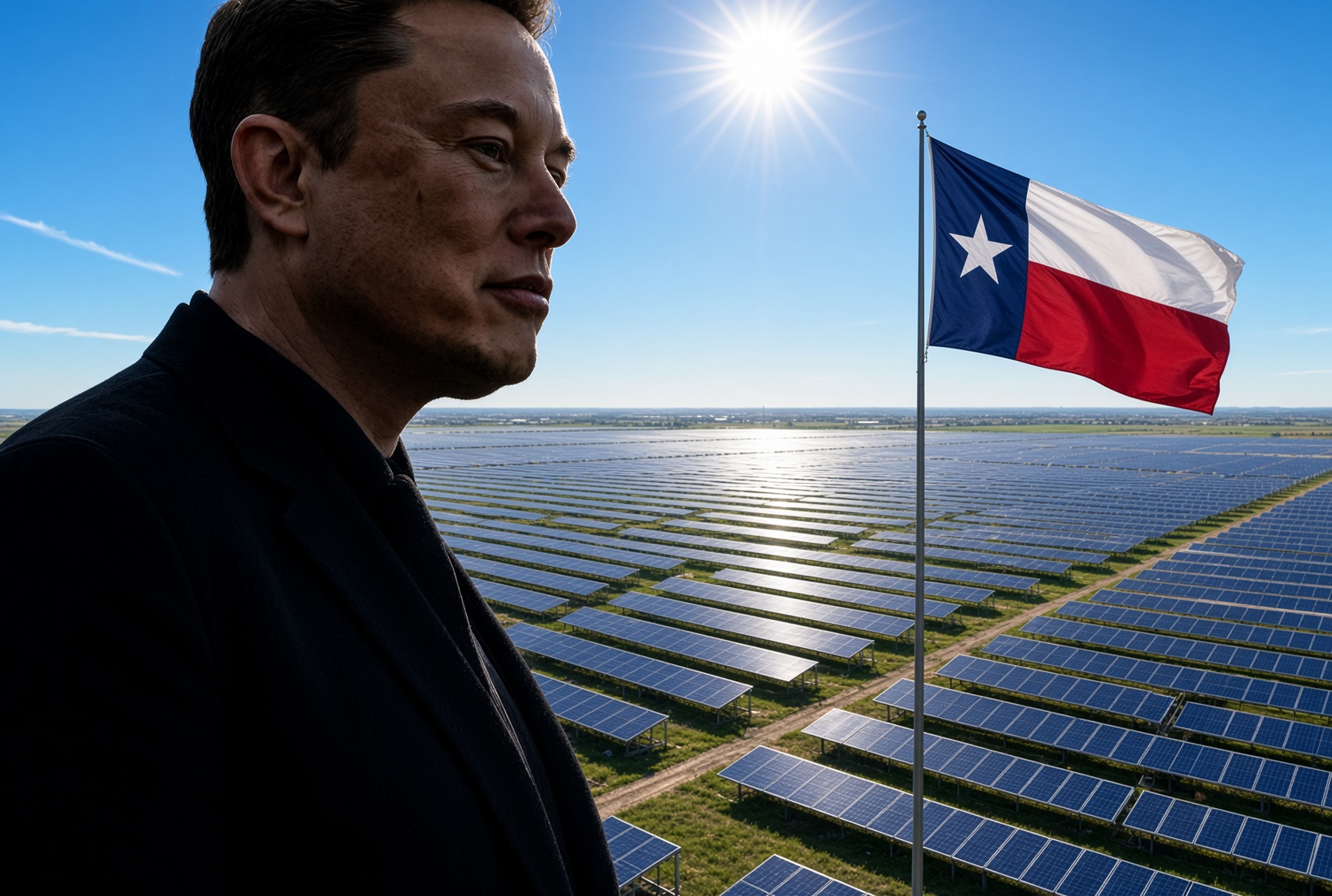
Tesla has started to perform earthworks engineering on the roughly 3,000-acre site in Fort Bend County, Texas, advancing the massive $10 billion Project Crystal Sun plan to build a vertically integrated solar manufacturing complex.
Flyover drone footage from S.E. Robinson, Jr. released this morning shows the location under development. Tesla has crews on site performing large clearings, but you can also see equipment staging areas, the use of an existing homestead, and active leveling across a substantial portion of the property.
Tesla has started construction on Project Crystal Sun, its $10B vertically integrated solar factory near Houston, Texas.
The plant will make everything from silicon ingots and wafers to finished cells and panels, with operations targeted for Q1 2029.
@SERobinsonJr with a great flyover of the facility:
— TESLARATI (@Teslarati) November 9, 2026
Public filings first submitted in July under Texas’s Jobs, Energy, Technology and Innovation Act describe a plant that would manufacture the full solar chain: everything from silicon ingots, wafers, coated cells, and finished modules.
Tesla projects 9,712 permanent jobs by 2033, ramping from roughly 1,900 positions in the first year of operations, plus a peak of about 1,147 construction jobs. Construction is targeted for 2026–2028, with commercial production beginning in the first quarter of 2029. An accompanying economic analysis estimates the project could add roughly $107 billion to Texas GDP over several decades.
Local incentives have cleared major hurdles. Lamar Consolidated Independent School District unanimously approved school-tax limitations in September, and Fort Bend County commissioners approved a package of abatements and related agreements in late October that could extend equipment tax breaks for as long as 35 years.
Tesla had previously indicated it was evaluating a competing out-of-state location.
The effort fits broader statements by Musk that Tesla and SpaceX are each working toward 100 gigawatts of annual U.S. solar manufacturing capacity. If built as described, Project Crystal Sun would stand as one of the largest domestic attempts to create a fully integrated solar supply chain on American soil.
While Tesla has not issued a formal groundbreaking announcement, the visible site preparation and high-profile social media activity represent a concrete step forward for a project that has moved from confidential filings to active earthworks in a matter of months.
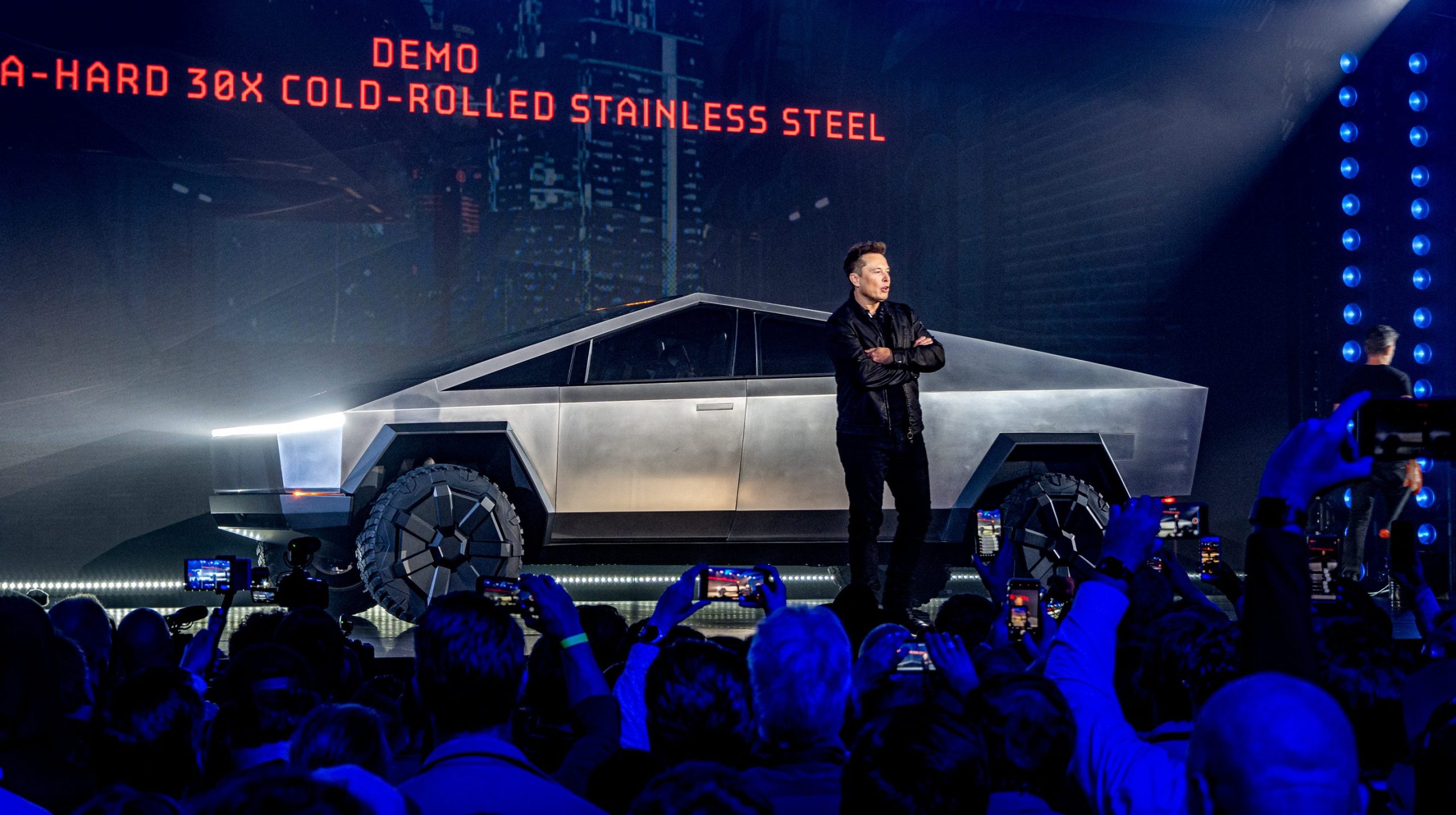
Elon Musk continues to shed more reasons that justify the cancelation of the Tesla Cybertruck, but some of the reasons for the sunset, as well as the process the company is choosing, do not make a lot of sense.
Musk announced last week on X that Tesla would wind down Cybertruck production in mid-2027, a decision that aims to prioritize Cybercab and its importance to the company’s future and passenger transportation as a whole.
But some of what Tesla and Musk are saying does not seem to make much sense. From the process the company is taking with orders to some of the reasoning for the cancelation, the whole situation seems strange.
With that being said: I totally see the merit in prioritizing Cybercab, but I also believe there is room for Cybertruck, a vehicle that has traditionally had low volumes, especially now at its current price point. If it were not for the cancelation, Cybertruck would sell very few units with the recent price adjustments.
Musk Talks Order Rate vs. Production Rate
The first thing that does not make a lot of sense here is the fact that this morning, Musk said that “The Cybertruck order rate far exceeds our production rate. We will try to make as any as possible before shutting down the line in about 8 months, but will have to return deposits for a lot of people.”
The Cybertruck order rate far exceeds our production rate. We will try to make as many as possible before shutting down the line in about 8 months, but will have to return deposits for a lot of people.
This is not a case of Cybertruck being unprofitable, as has been misreported by legacy media, but rather that the opportunity cost of the complexity of Cybertruck is vastly outweighed by the value of incremental Cybercab production.
— Elon Musk (@elonmusk) November 9, 2026
Then why is Tesla STILL accepting orders for the Cybertruck if it already cannot fulfill its order log by mid-2027?
There are so many people ordering Cybertruck that will not receive it. If Tesla already is having trouble seeing how it will build its current orders, why would it allow additional ones?
There are going to be a lot of people who are very upset next June or July, all because they placed an order for a truck that Tesla knew it would not have the time to build. At this point, it seems like a better idea from a customer service standpoint to simply stop accepting orders on a certain date, build those trucks, fulfill those orders, and then close production.
Continuing to accept orders at this point seems wildly strange. If anything, it feels like the $59k Cybertruck orderers will be the ones who get the short end of the stick here, but that’s speculation and just a hunch on my end.
If not Cybertruck, then what?
With only the Model 3 and Model Y available for consumers, meaning the general public, to buy, there is now no utility vehicle in the Tesla lineup, and that is definitely a disappointment.
Ford already washed its hands of the Lightning, which means the Rivian R1T will likely be the best-selling EV pickup on the market, dueling with the GMC Hummer Pickup, Chevy Silverado EV, and the GMC Sierra EV. There are several pickups that are set to hit the market soon, like the Slate EV Truck, and Ford’s new EV pickup, the Fathom.
Tesla could provide some some transparency on what it is planning to do with a future pickup or utility design. Musk said in the past that something much cooler than a minivan will be built. Cries for a full-size SUV have been heard by Tesla, but the company seems to adamant on prioritizing ridesharing vehicles instead of vehicles people want for work, climate, or hobbies.
Some clarity here, past the point of “Tesla is still going to build cars” would be nice. Even a simple, “Yes” response from all the people asking if Tesla will build something larger would be more than enough. We don’t need all the details now, but something would be nice.
Closing Thoughts
More than anything, it is important to note that I do believe Tesla is making a tough decision and one that, from a business standpoint, does make sense. However, I also believe that there is room for the Cybertruck in Tesla’s lineup.
One thing I think it’s worth mentioning is Tesla is not that much different from many companies. They do things that are better for the business that will surely upset consumers. The difference is very few companies have a following like Tesla, so when these things happen, they feel very personal.
Add in the fact that Cybertruck has truly become a symbol of Tesla, and people are even more upset about it.
It will all get figured out, but it’s still very confusing when we step back and take a look at the bigger picture.
Elon Musk
SpaceX’s Anthropic deal has a catch, and Elon Musk just addressed it
Elon Musk says SpaceX’s Anthropic compute deal cuts both ways after Chamath floats higher prices.

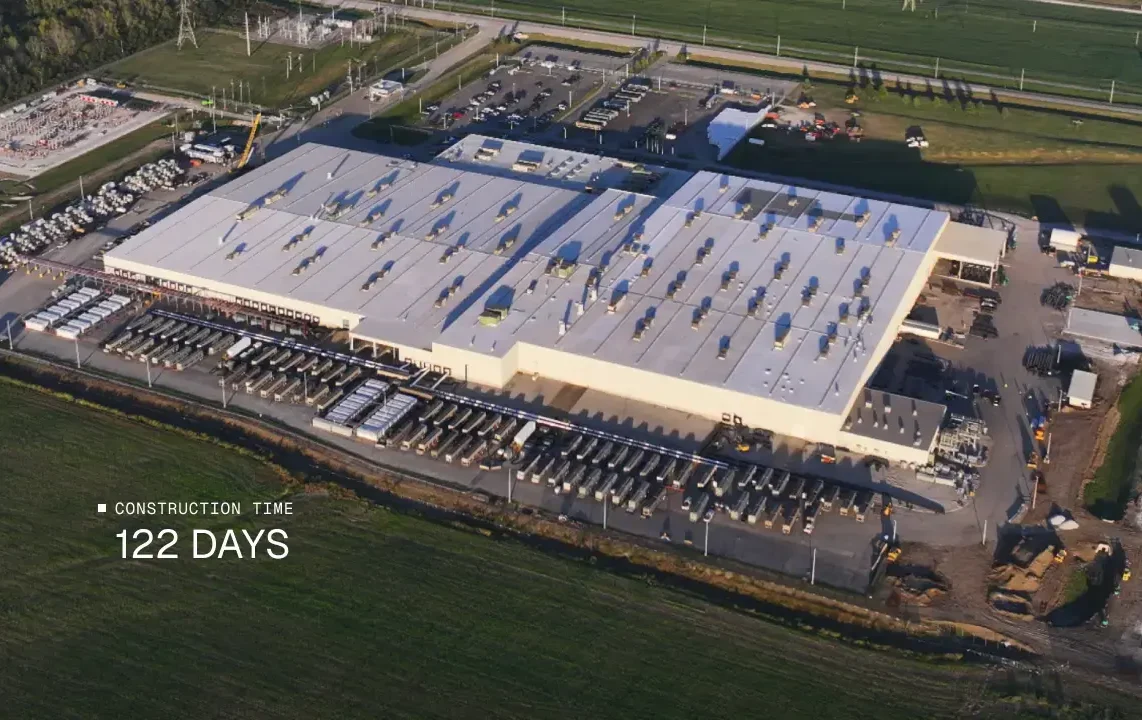
Elon Musk pushed back on Sunday against the idea that SpaceX’s compute contract with Anthropic is a one way bet, after venture capitalist Chamath Palihapitiya argued the company could use a termination clause to charge the AI lab far more.
“It works both ways, of course. If compute becomes plentiful and cheap, SpaceX revenue will drop. No crying in the casino for either party,” Musk wrote on X Sunday evening, replying to a clip of Palihapitiya’s comments shared by AI commentator Rohan Paul.
On the All-In podcast released Sunday, Palihapitiya said either side can walk away from the agreement on 90 days’ notice. If data center supply tightens, he argued, SpaceX could exercise that option and bring the contract back at two to three times the current price, and Anthropic would have little choice but to accept. He called it “the kingmaking move,” according to BigGo Finance.
The clause itself is not new. SpaceX disclosed in its IPO filings in May that Anthropic would pay $1.25 billion per month for dedicated capacity at its Colossus clusters through May 2029, nearly $45 billion in total, with both companies able to terminate on 90 days’ notice, as Teslarati reported at the time. SpaceX’s later compute deals with Google and Reflection AI carry similar exit terms.
What has changed is the political backdrop. Palihapitiya’s thesis rests on incoming Democratic governors pulling tax incentives for data centers and slowing new construction. In Texas, Gov.-elect Gina Hinojosa campaigned on a moratorium on new data center approvals, and Deutsche Bank analysts warned last week that SpaceX’s Texas compute capacity could face delays. SpaceX and Tesla shares both fell after the midterm results.
A slowdown would favor companies that already own capacity. SpaceX acquired xAI in February and has been renting data centers to outside AI labs before the space is needed for Grok. At the Baron Investment Conference on Friday, Musk said SpaceX was “getting 50 billion a year for 35 billion dollar investments” and that it can bring a data center online in eight or nine months, compared to two and a half years for competitors. He also said SpaceX is tracking toward an annualized revenue rate above $100 billion in December, with a “best guess” of $500 billion by December 2027.
Musk’s reply points to the other side of the clause. Anthropic has signed large compute agreements with Amazon, Google and Microsoft, and if that capacity comes online faster than new construction slows, the AI lab would have its own leverage to renegotiate or leave. Musk has called Anthropic “obviously currently the leader in AI,” and it remains one of SpaceX’s largest compute customers.
SpaceX shares rose more than 2 percent in overnight trading late Sunday after closing Friday at $134.27, according to Stocktwits.

Tesla begins groundworks on $10B ‘Project Crystal Sun’ in Texas

Elon Musk keeps justifying Tesla Cybertruck’s cancelation, but it’s confusing


