Elon Musk
Delaware Supreme Court reinstates Elon Musk’s 2018 Tesla CEO pay package
The unanimous decision criticized the prior total rescission as “improper and inequitable,” arguing that it left Musk uncompensated for six years of transformative leadership at Tesla.

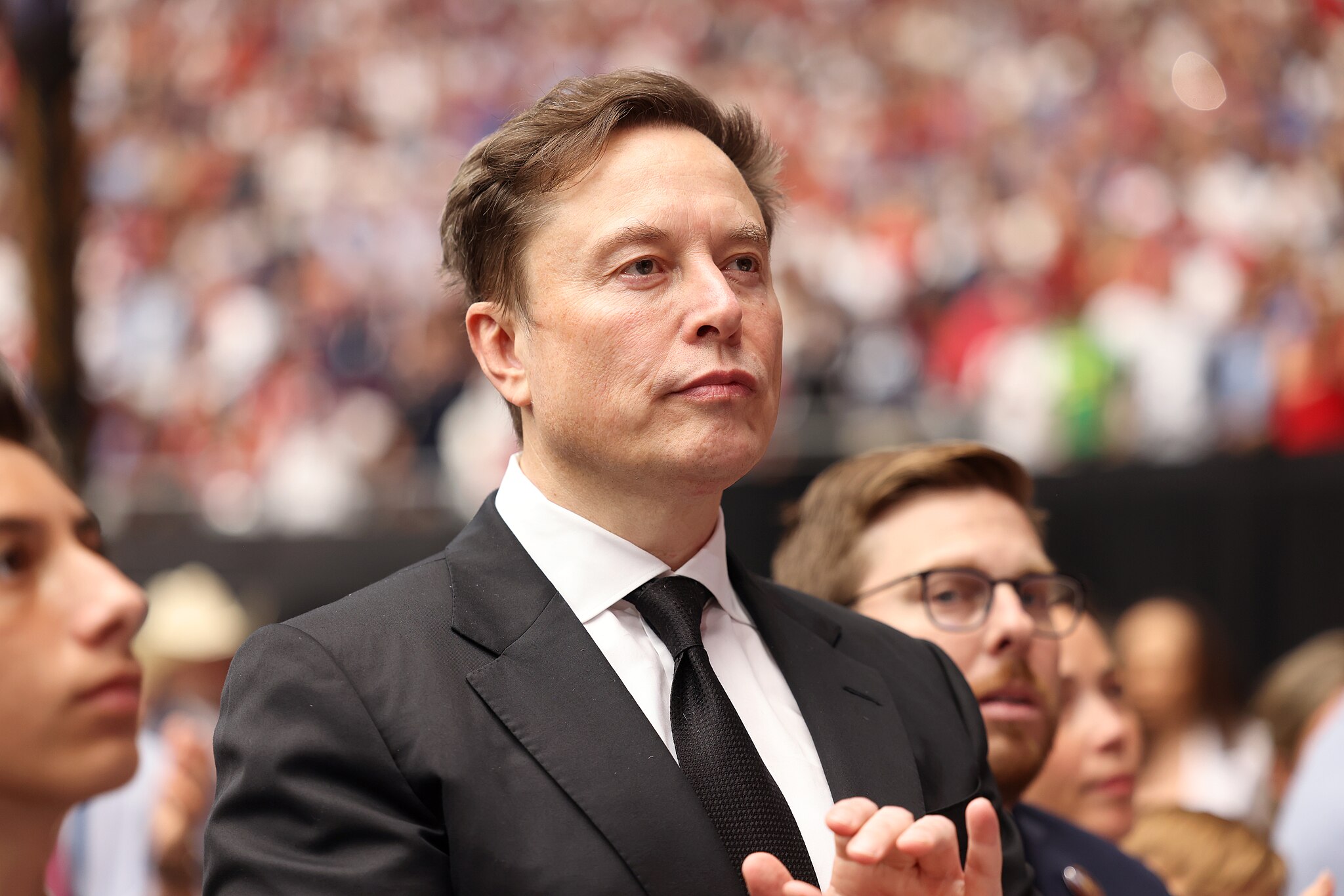
The Delaware Supreme Court has overturned a lower court ruling, reinstating Elon Musk’s 2018 compensation package originally valued at $56 billion but now worth approximately $139 billion due to Tesla’s soaring stock price.
The unanimous decision criticized the prior total rescission as “improper and inequitable,” arguing that it left Musk uncompensated for six years of transformative leadership at Tesla. Musk quickly celebrated the outcome on X, stating that he felt “vindicated.” He also shared his gratitude to TSLA shareholders.
Delaware Supreme Court makes a decision
In a 49-page ruling Friday, the Delaware Supreme Court reversed Chancellor Kathaleen McCormick’s 2024 decision that voided the 2018 package over alleged board conflicts and inadequate shareholder disclosures. The high court acknowledged varying views on liability but agreed rescission was excessive, stating it “leaves Musk uncompensated for his time and efforts over a period of six years.”
The 2018 plan granted Musk options on about 304 million shares upon hitting aggressive milestones, all of which were achieved ahead of time. Shareholders overwhelmingly approved it initially in 2018 and ratified it once again in 2024 after the Delaware lower court struck it down. The case against Musk’s 2018 pay package was filed by plaintiff Richard Tornetta, who held just nine shares when the compensation plan was approved.
A hard-fought victory
As noted in a Reuters report, Tesla’s win avoids a potential $26 billion earnings hit from replacing the award at current prices. Tesla, now Texas-incorporated, had hedged with interim plans, including a November 2025 shareholder-approved package potentially worth $878 billion tied to Robotaxi and Optimus goals and other extremely aggressive operational milestones.
The saga surrounding Elon Musk’s 2018 pay package ultimately damaged Delaware’s corporate appeal, prompting a number of high-profile firms, such as Dropbox, Roblox, Trade Desk, and Coinbase, to follow Tesla’s exodus out of the state. What added more fuel to the issue was the fact that Tornetta’s legal team, following the lower court’s 2024 decision, demanded a fee request of more than $5.1 billion worth of TSLA stock, which was equal to an hourly rate of over $200,000.
Delaware Supreme Court Elon Musk 2018 Pay Package by Simon Alvarez


Elon Musk
What is Digital Optimus? The new Tesla and xAI project explained
At its core, Digital Optimus operates through a dual-process architecture inspired by human cognition.

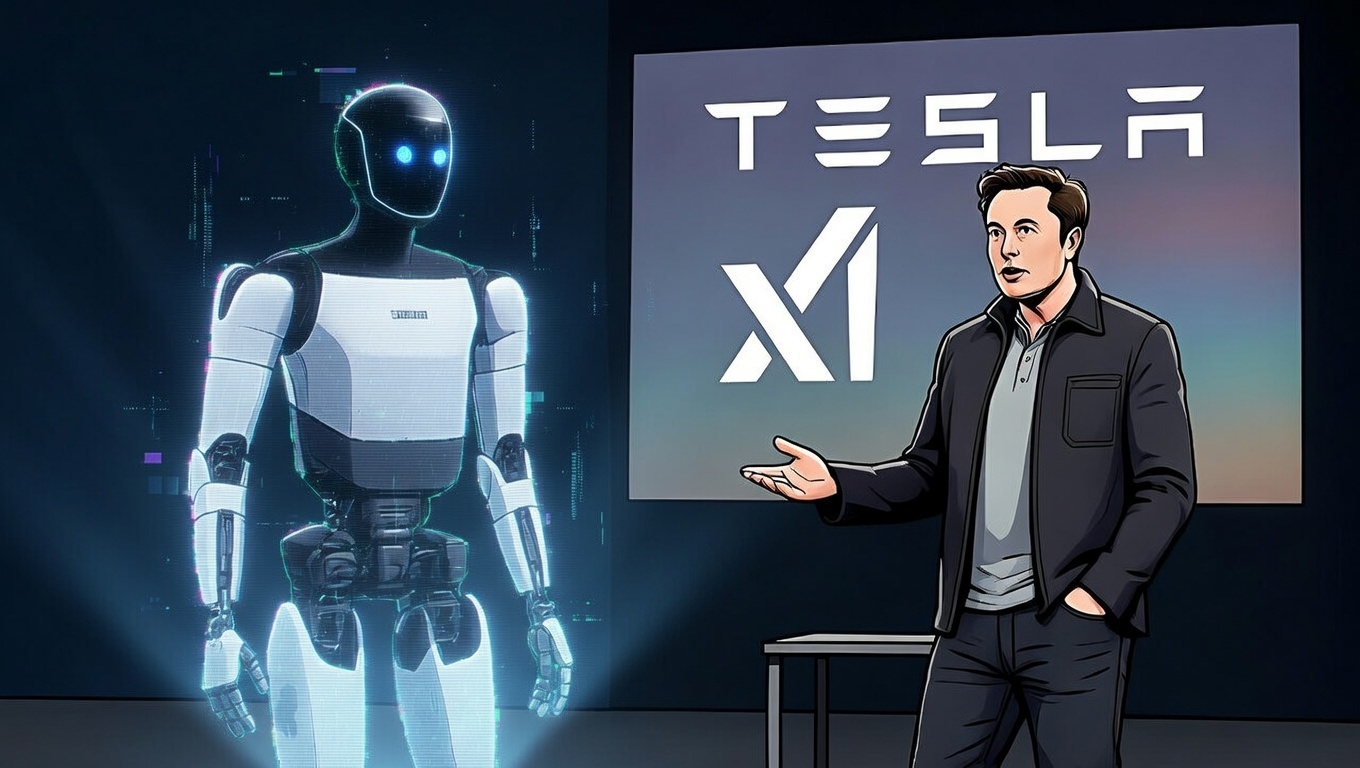
Tesla and xAI announced their groundbreaking joint project, Digital Optimus, also nicknamed “Macrohard” in a humorous jab at Microsoft, earlier this week.
This software-based AI agent is designed to automate complex office workflows by observing and replicating human interactions with computers. As the first major outcome of Tesla’s $2 billion investment in xAI, it represents a powerful fusion of hardware efficiency and advanced reasoning.
At its core, Digital Optimus operates through a dual-process architecture inspired by human cognition.
Macrohard or Digital Optimus is a joint xAI-Tesla project, coming as part of Tesla’s investment agreement with xAI.
Grok is the master conductor/navigator with deep understanding of the world to direct digital Optimus, which is processing and actioning the past 5 secs of…
— Elon Musk (@elonmusk) March 11, 2026
Tesla’s specialized AI acts as “System 1”—the fast, instinctive executor—processing the past five seconds of real-time computer screen video along with keyboard and mouse actions to perform immediate tasks.
xAI’s Grok model serves as “System 2,” the strategic “master conductor” or navigator, providing high-level reasoning, world understanding, and directional oversight, much like an advanced turn-by-turn navigation system.
When combined, the two can create a powerful AI-based assistant that can complete everything from accounting work to HR tasks.
Will Tesla join the fold? Predicting a triple merger with SpaceX and xAI
The system runs primarily on Tesla’s low-cost AI4 inference chip, minimizing expensive Nvidia resources from xAI for competitive, real-time performance.
Elon Musk described it as “the only real-time smart AI system” capable, in principle, of emulating the functions of entire companies, handling everything from accounting and HR to repetitive digital operations.
Timelines point to swift deployment. Announced just days ago, Musk expects Digital Optimus to be ready for user experience within about six months, targeting rollout around September 2026.
It will integrate into all AI4-equipped Tesla vehicles, enabling parked cars to handle office work during downtime. Millions of dedicated units are also planned for deployment at Supercharger stations, tapping into roughly 7 gigawatts of available power.
Oh and it works in all AI4-equipped cars, so your car can do office work for you when not driving.
We’re also deploying millions of dedicated Digital Optimus units in the field at Superchargers where we have ~7 gigawatts of available power.
— Elon Musk (@elonmusk) March 12, 2026
Digital Optimus directly supports Tesla’s broader autonomy strategy. It leverages the same end-to-end neural networks, computer vision, and real-time decision-making tech that power Full Self-Driving (FSD) software and the physical Optimus humanoid robot.
By repurposing idle vehicle compute and extending AI4 hardware beyond driving, the project scales Tesla’s autonomy ecosystem from roads to digital workspaces.
As a virtual counterpart to physical Optimus, it divides labor: software agents manage screen-based tasks while humanoid robots tackle physical ones, accelerating Tesla’s vision of general-purpose AI for productivity, Robotaxi fleets, and beyond.
In essence, Digital Optimus bridges Tesla’s vehicle and robotics autonomy with enterprise-scale AI, promising massive efficiency gains. No other company currently matches its real-time capabilities on such accessible hardware.
It really could be one of the most crucial developments Tesla and xAI begin to integrate, as it could revolutionize how people work and travel.
Elon Musk
Brazil Supreme Court orders Elon Musk and X investigation closed
The decision was issued by Supreme Court Justice Alexandre de Moraes following a recommendation from Brazil’s Prosecutor-General Paulo Gonet.
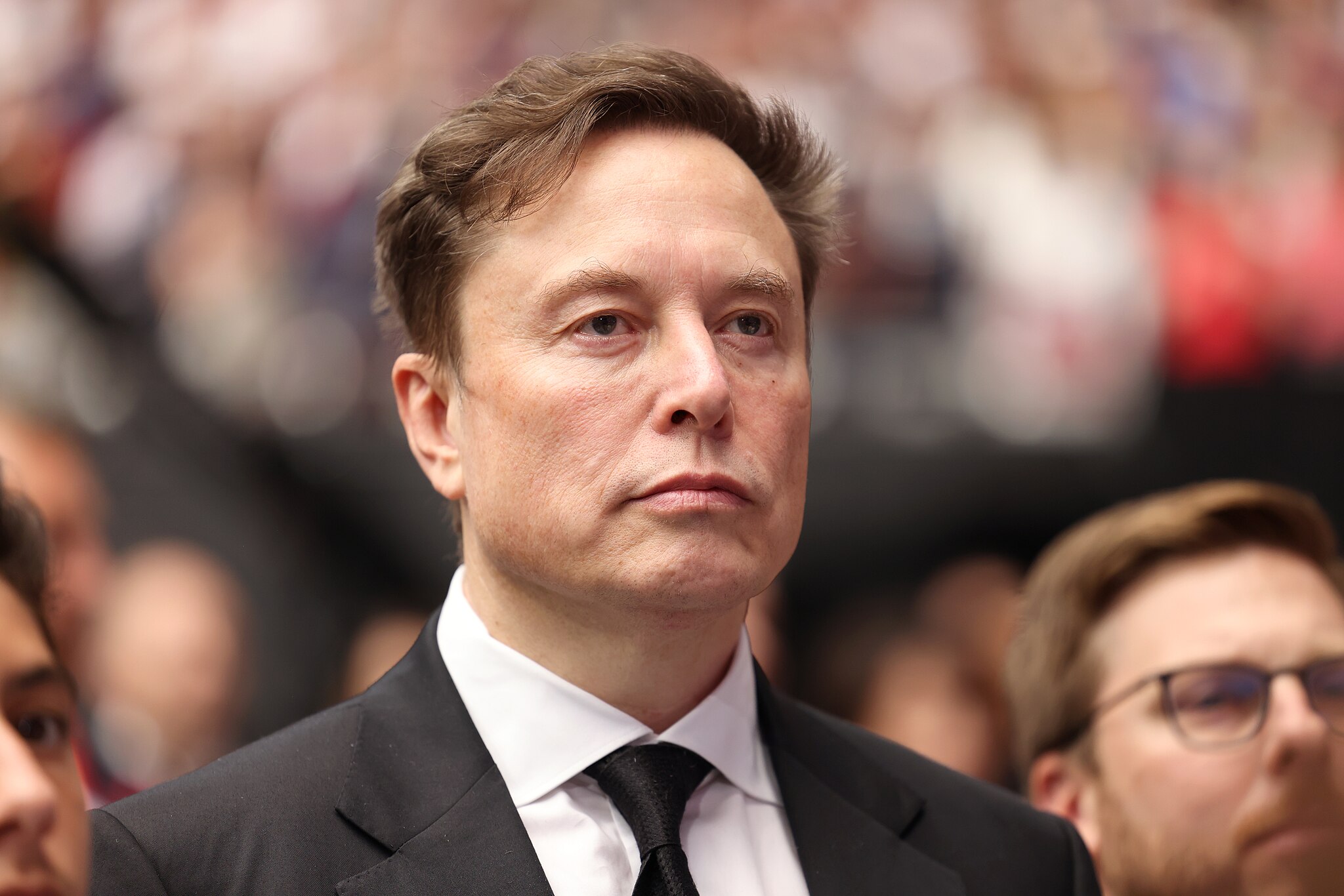
Brazil’s Supreme Federal Court has ordered the closure of an investigation involving Elon Musk and social media platform X. The inquiry had been pending for about two years and examined whether the platform was used to coordinate attacks against members of the judiciary.
The decision was issued by Supreme Court Justice Alexandre de Moraes following a recommendation from Brazil’s Prosecutor-General Paulo Gonet.
According to a report from Agencia Brasil, the investigation conducted by the Federal Police did not find evidence that X deliberately attempted to attack the judiciary or circumvent court orders.
Prosecutor-General Paulo Gonet concluded that the irregularities identified during the probe did not indicate fraudulent intent.
Justice Moraes accepted the prosecutor’s recommendation and ruled that the investigation should be closed. Under the ruling, the case will remain closed unless new evidence emerges.
The inquiry stemmed from concerns that content on X may have enabled online attacks against Supreme Court justices or violated rulings requiring the suspension of certain accounts under investigation.
Justice Moraes had previously taken several enforcement actions related to the platform during the broader dispute involving social media regulation in Brazil.
These included ordering a nationwide block of the platform, freezing Starlink accounts, and imposing fines on X totaling about $5.2 million. Authorities also froze financial assets linked to X and SpaceX through Starlink to collect unpaid penalties and seized roughly $3.3 million from the companies’ accounts.
Moraes also imposed daily fines of up to R$5 million, about $920,000, for alleged evasion of the X ban and established penalties of R$50,000 per day for VPN users who attempted to bypass the restriction.
Brazil remains an important market for X, with roughly 17 million users, making it one of the platform’s larger user bases globally.
The country is also a major market for Starlink, SpaceX’s satellite internet service, which has surpassed one million subscribers in Brazil.
Elon Musk
FCC chair criticizes Amazon over opposition to SpaceX satellite plan
Carr made the remarks in a post on social media platform X.
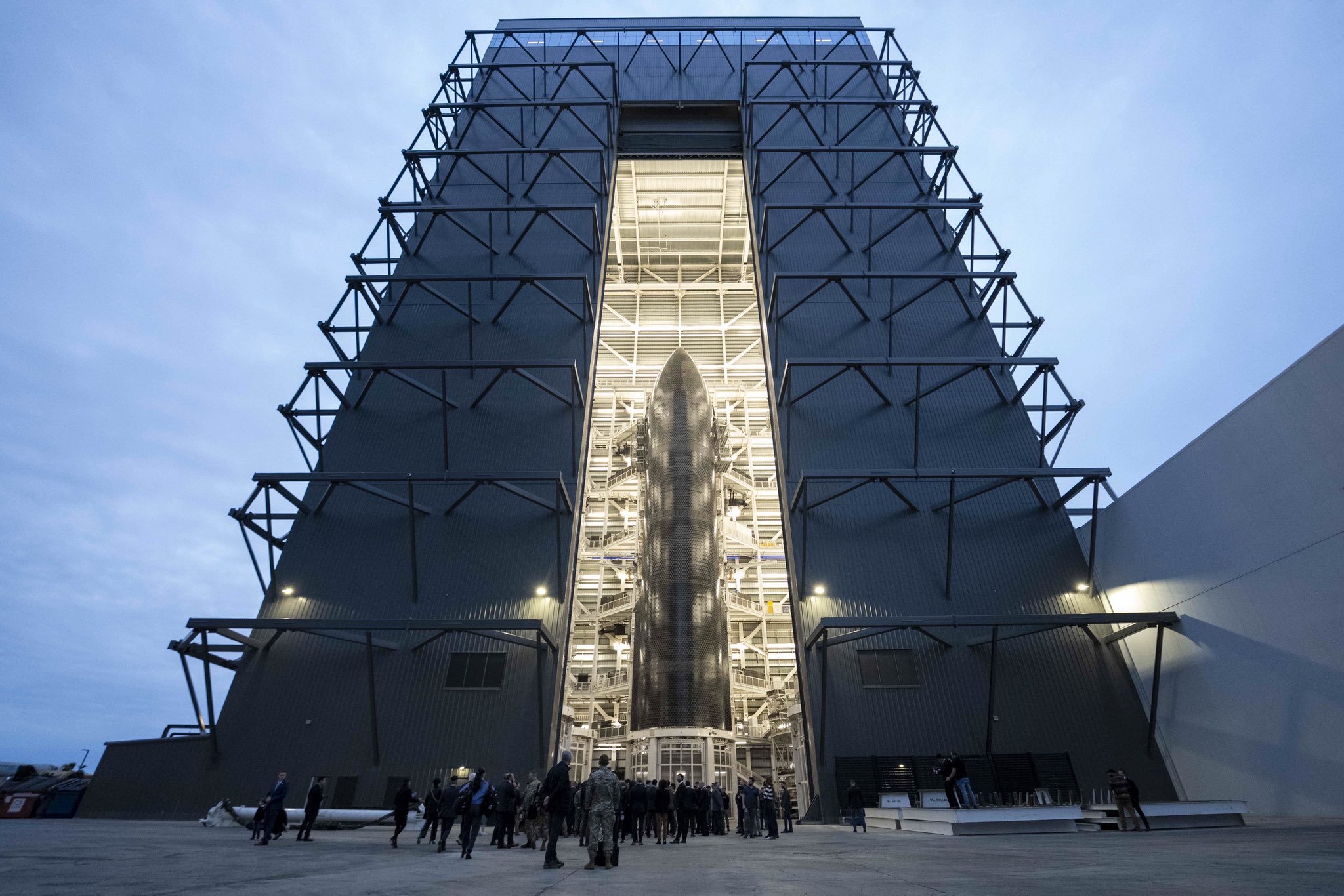
U.S. Federal Communications Commission (FCC) Chairman Brendan Carr criticized Amazon after the company opposed SpaceX’s proposal to launch a large satellite constellation that could function as an orbital data center network.
Carr made the remarks in a post on social media platform X.
Amazon recently urged the FCC to reject SpaceX’s application to deploy a constellation of up to 1 million low Earth orbit satellites that could serve as artificial intelligence data centers in space.
The company described the proposal as a “lofty ambition rather than a real plan,” arguing that SpaceX had not provided sufficient details about how the system would operate.
Carr responded by pointing to Amazon’s own satellite deployment progress.
“Amazon should focus on the fact that it will fall roughly 1,000 satellites short of meeting its upcoming deployment milestone, rather than spending their time and resources filing petitions against companies that are putting thousands of satellites in orbit,” Carr wrote on X.
Amazon has declined to comment on the statement.
Amazon has been working to deploy its Project Kuiper satellite network, which is intended to compete with SpaceX’s Starlink service. The company has invested more than $10 billion in the program and has launched more than 200 satellites since April of last year.
Amazon has also asked the FCC for a 24-month extension, until July 2028, to meet a requirement to deploy roughly 1,600 satellites by July 2026, as noted in a CNBC report.
SpaceX’s Starlink network currently has nearly 10,000 satellites in orbit and serves roughly 10 million customers. The FCC has also authorized SpaceX to deploy 7,500 additional satellites as the company continues expanding its global satellite internet network.

What is Digital Optimus? The new Tesla and xAI project explained

Tesla adds awesome new driving feature to Model Y


