Elon Musk
Musk bankers looking to trim xAI debt after SpaceX merger: report
xAI has built up $18 billion in debt over the past few years, with some of this being attributed to the purchase of social media platform Twitter (now X) and the creation of the AI development company. A new financing deal would help trim some of the financial burden that is currently present ahead of the plan to take SpaceX public sometime this year.

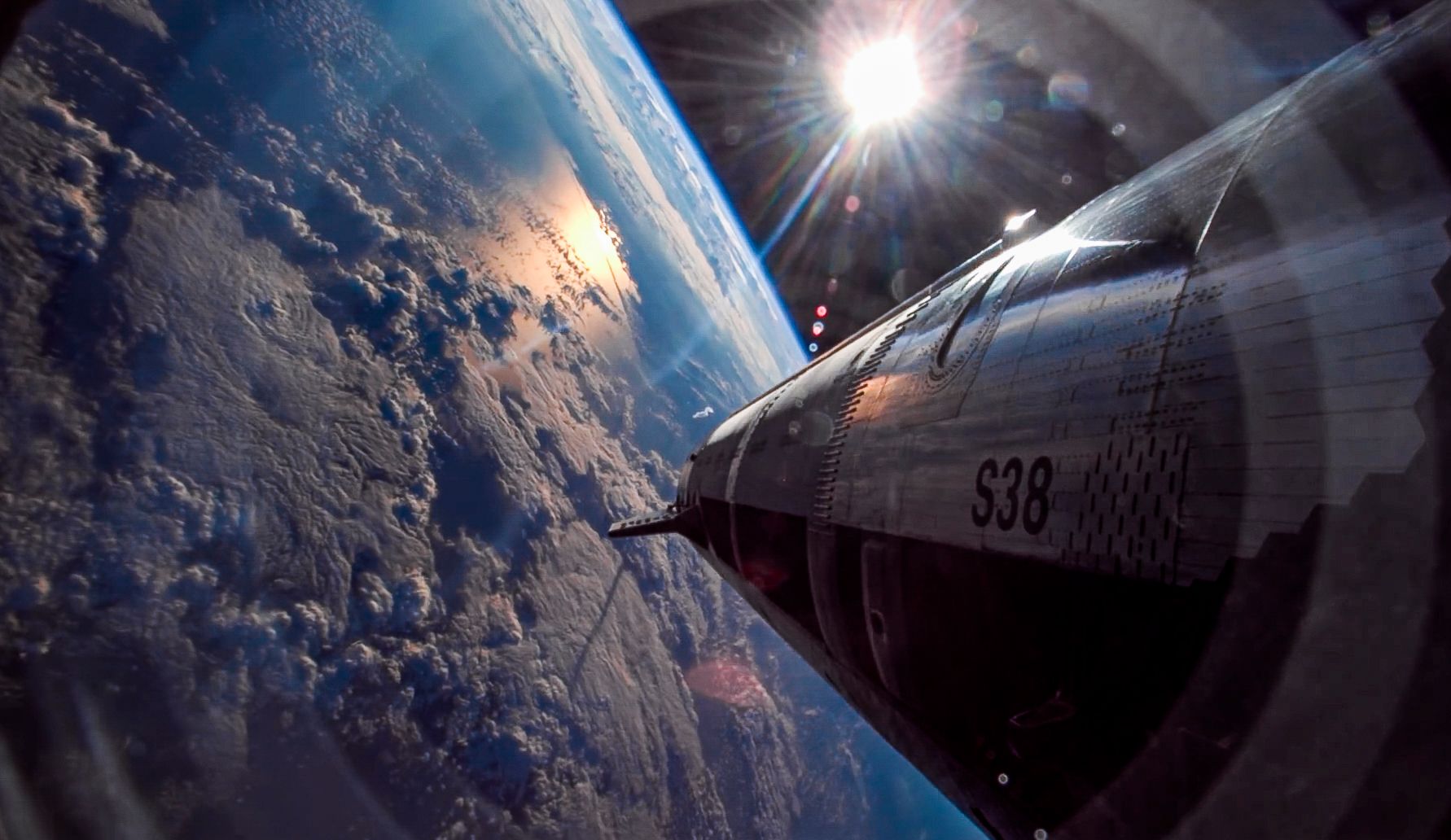
Elon Musk’s bankers are looking to trim the debt that xAI has taken on over the past few years, following the company’s merger with SpaceX, a new report from Bloomberg says.
xAI has built up $18 billion in debt over the past few years, with some of this being attributed to the purchase of social media platform Twitter (now X) and the creation of the AI development company. Bankers are trying to create some kind of financing plan that would trim “some of the heavy interest costs” that come with the debt.
The financing deal would help trim some of the financial burden that is currently present ahead of the plan to take SpaceX public sometime this year. Musk has essentially confirmed that SpaceX would be heading toward an IPO last month.
The report indicates that Morgan Stanley is expected to take the leading role in any financing plan, citing people familiar with the matter. Morgan Stanley, along with Goldman Sachs, Bank of America, and JPMorgan Chase & Co., are all expected to be in the lineup of banks leading SpaceX’s potential IPO.
Since Musk acquired X, he has also had what Bloomberg says is a “mixed track record with debt markets.” Since purchasing X a few years ago with a $12.5 billion financing package, X pays “tens of millions in interest payments every month.”
That debt is held by Bank of America, Barclays, Mitsubishi, UFJ Financial, BNP Paribas SA, Mizuho, and Société Générale SA.
 -
-
X merged with xAI last March, which brought the valuation to $45 billion, including the debt.
SpaceX announced the merger with xAI earlier this month, a major move in Musk’s plan to alleviate Earth of necessary data centers and replace them with orbital options that will be lower cost:
“In the long term, space-based AI is obviously the only way to scale. To harness even a millionth of our Sun’s energy would require over a million times more energy than our civilization currently uses! The only logical solution, therefore, is to transport these resource-intensive efforts to a location with vast power and space. I mean, space is called “space” for a reason.”
The merger has many advantages, but one of the most crucial is that it positions the now-merged companies to fund broader goals, fueled by revenue from the Starlink expansion, potential IPO, and AI-driven applications that could accelerate the development of lunar bases.



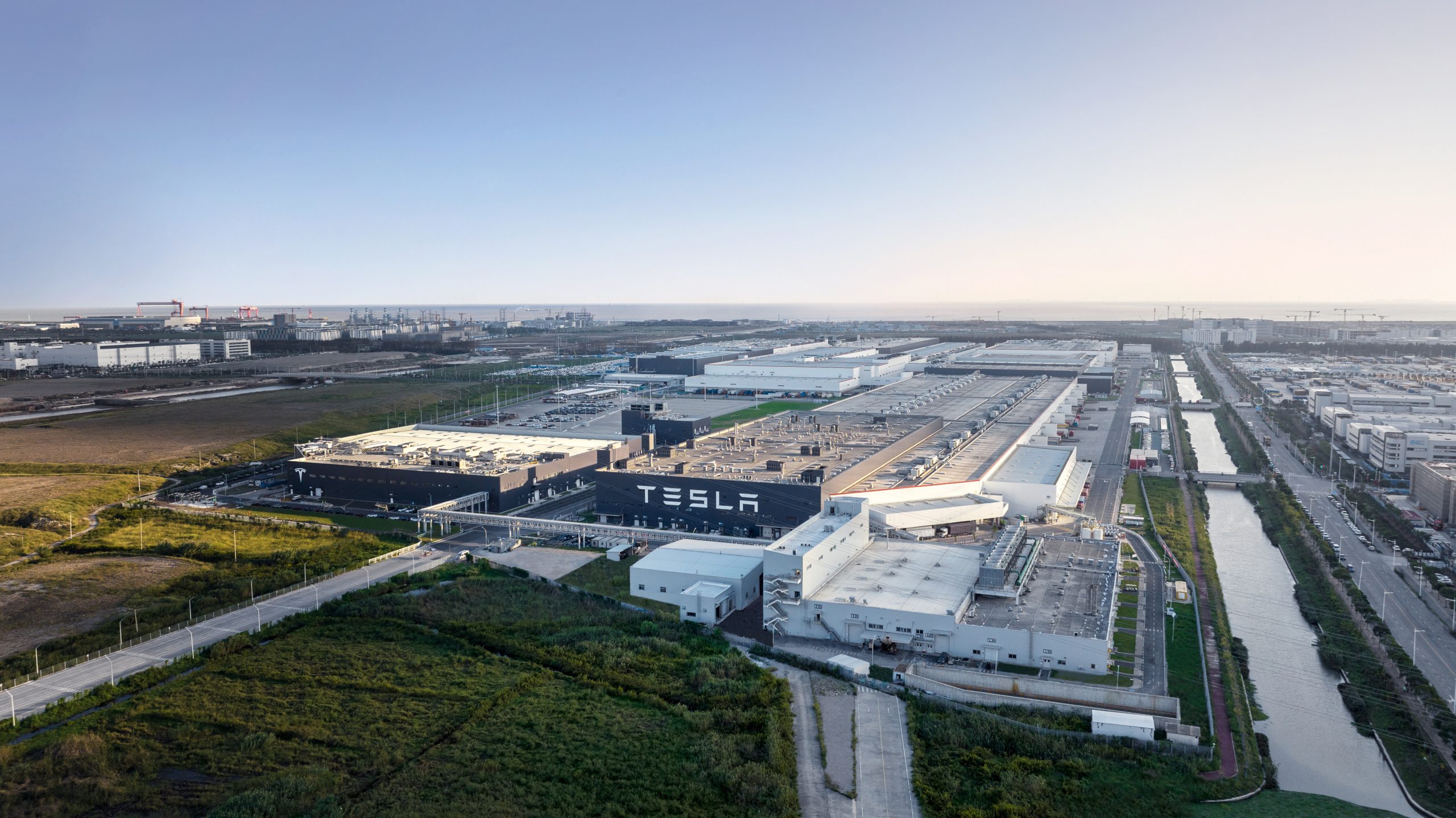
Tesla CEO Elon Musk took to his social media platform X on Thursday night to deny a ridiculous rumor regarding the sale of the company’s Chinese vehicle production plant, Gigafactory Shanghai.
On Thursday, the Wall Street Journal, citing sources familiar with the matter, claimed in a scathing new report that Tesla was exploring a potential sale of the entire China business in an effort to help bolster a potential merger between SpaceX and Tesla.
Musk immediately denied the rumor not once but twice, initially calling it “fake news,” and then calling it “absurdly fake news” in a separate post just a few moments later:
This is fake news
— Elon Musk (@elonmusk) July 31, 2026
The original poster of the Wall Street Journal article that Musk saw deleted the initial post sharing the headline and the rumored sale of Tesla’s China business.
This has never even come up in a discussion ever.
Absurdly fake news.
-People should assume news is fake until proven otherwise.
— Elon Musk (@elonmusk) July 31, 2026
The report seemed absolutely and unequivocally false to begin with; Tesla’s business in China is among the most important pieces of the company’s business. Not only does the factory supply vehicles for the domestic market, but also for various other markets in Asia and Europe.
China is also one of the largest automotive markets in the world, and Tesla has performed well there despite the robust competition.
The speculation regarding a Tesla and SpaceX merger has started to gain steam this year as the space exploration company went public just a month ago. There has been speculation that Musk will bridge all of his companies under one “umbrella company,” and analysts believe this could happen before the end of the decade.
The Tesla and SpaceX merger everyone is talking about is quietly building
-
This is the latest iteration of Musk’s very evident war on mainstream media. Reports regarding any of Musk’s companies are quick to get the dreaded “false” or “fake news” response from the CEO when they are unfounded.
Elon Musk
Tesla AI boss reveals how big Optimus is going to get
Tesla’s Optimus chief corrected himself on X, confirming a staggering 10 million robot production target.

![Tesla Optimus Gen 3 [Credit: Tesla]](https://www.teslarati.com/wp-content/uploads/2026/03/tesla-optimus-gen3-diner.jpg)
Tesla’s Optimus program has a new number attached to it, after Ashok Elluswamy, the executive who has run the humanoid robot program since June 2025, posted a three word correction on X Thursday, “Correction, 10 million robots.”
The line clarifies the long term annual capacity Tesla is building toward its planned second Optimus production line at Gigafactory Texas, a figure Musk has cited repeatedly since last year’s shareholder meeting.
The scale is worth noting, because ten million robots a year would mean Tesla building more units annually than most countries sell in new cars. Tesla has framed this as a second line, not the first. The buildout is happening in two phases: a roughly one million unit per year line inside Tesla’s Fremont factory, installed on the floor space vacated when Model S and Model X production ended earlier this year, and a much larger dedicated facility under construction at Giga Texas that broke ground on its first steel structure in May. That Texas facility is the one Elluswamy’s correction refers to, and is expected to reach volume production sometime in 2027.
Correction, 10 million robots https://t.co/0z4nyQNTzp
— Ashok Elluswamy (@aelluswamy) July 30, 2026
Tesla Optimus project fires up as Musk sees production line progress
Elluswamy took over Optimus from Milan Kovac last summer and has spent the months since talking up the program’s trajectory. Elon Musk has also floated the ten million figure at Tesla’s 2025 shareholder meeting.
-
Ending Model S and Model X production to make room for the first Optimus line was one of the more consequential manufacturing decisions in the company’s recent history, retiring two flagship vehicles in favor of a robot that has yet to enter mass production. Musk has previously estimated per unit production costs at $20,000 to $25,000 once Tesla reaches a million units a year, though he hasn’t said what that cost looks like at ten times the volume.
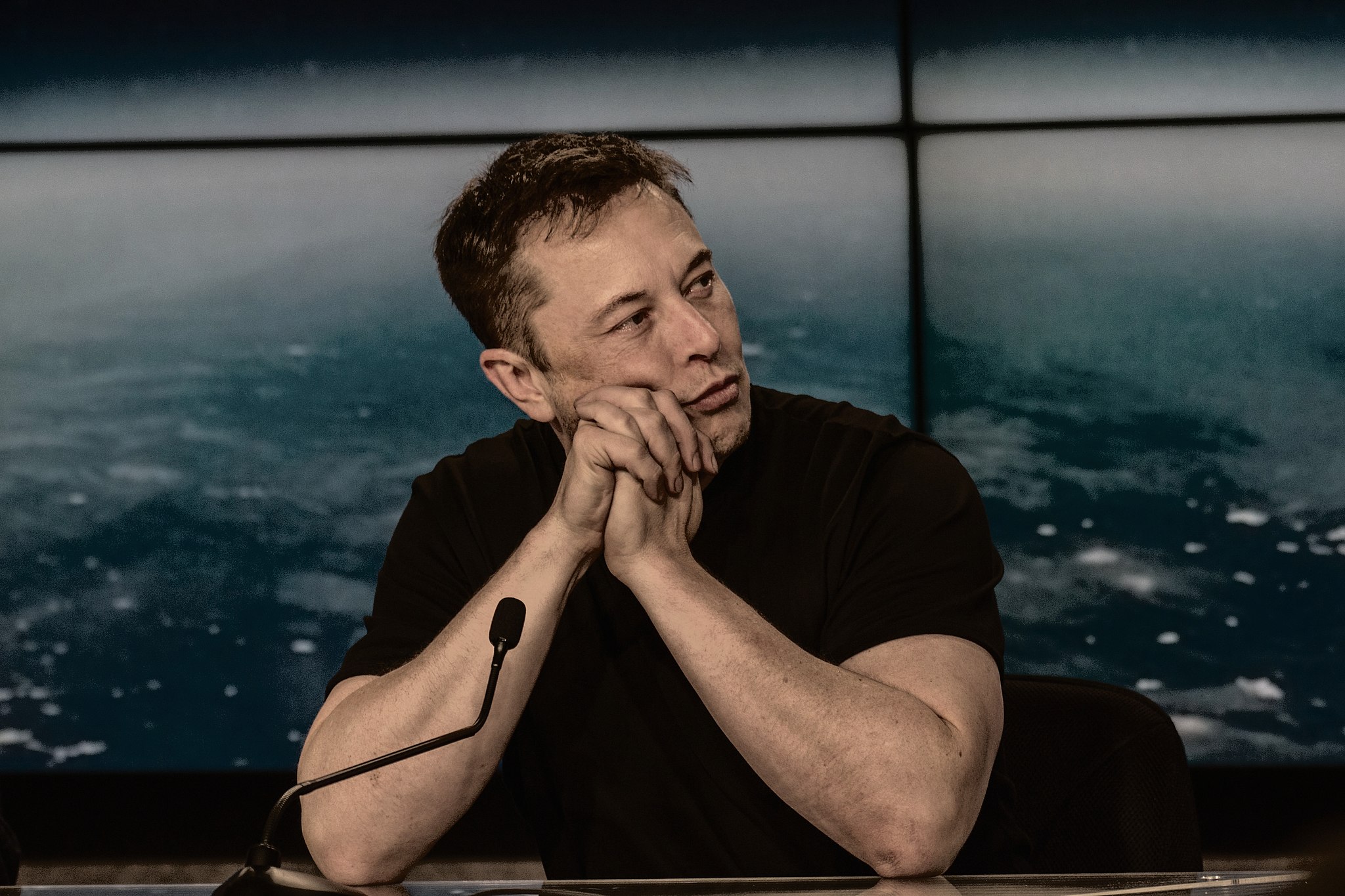
Elon Musk is, in many respects, one of the biggest and most influential figures in modern-day artificial intelligence.
Given that Tesla, SpaceX, and xAI are all looked at in their respective fields as leaders to an extent, each of them has a heavy influence on the future of AI, even though two of them are not thought of, at face value, as AI companies.
Musk has grand expectations for what is to come with AI, not only as a form of assistance to make human lives easier, but to make humans multiplanetary and solve some of the biggest issues that face us today. But even he is astounded by AI’s pace of progress.
He believes that in two years, AI will be so mind-blowing it might be unrecognizable.
Given that AI from 2 years ago feels so old that it should be in a museum, then obviously AI 2 years from now will be mind-blowing https://t.co/TcsKZ8o8OE
— Elon Musk (@elonmusk) July 30, 2026
This progress can be seen in a variety of ways, but perhaps the most popular way people have shown AI’s progress, especially on social media, is through an incredibly arbitrary way of watching Will Smith eat spaghetti:
-
The progression in AI of Will Smith eating spaghetti (2023 – 2026) pic.twitter.com/VDv82mB5gs
— internet hall of fame (@InternetH0F) February 10, 2026
This is a great way to show people how AI is improving, especially from a perspective that examines how it can manufacture images and video from prompts. AI is an incredibly complex concept, however, and it goes much deeper than Will Smith eating Italian food.
Musk’s most widely adopted method of AI is likely Tesla Full Self-Driving, which impacts millions of people as they utilize it to increase safety with their travel. Musk has routinely pushed incredibly aggressive timelines for self-driving, especially unsupervised.
Perhaps this perspective is why he feels that things will be solved in a timeframe that is much more aggressive than most of us would think. Regardless, the progress of AI is moving fast, and it seems that Musk’s expectations for it could be high.
But if it can actually achieve full-length motion pictures and even more realistic production value, it will be hard to distinguish between reality and AI very soon.
-

Tesla Model Y L’s new features flexed at unveiling event at Diner

Tesla CEO Elon Musk denies ridiculous Gigafactory Shanghai rumor
![Tesla Optimus Gen 3 [Credit: Tesla]](https://www.teslarati.com/wp-content/uploads/2026/03/tesla-optimus-gen3-diner-80x80.jpg)


