Elon Musk
What to expect from Tesla CEO Elon Musk’s new Master Plan
While Musk only shared a few tidbits about his next plan, he did hint at its theme.

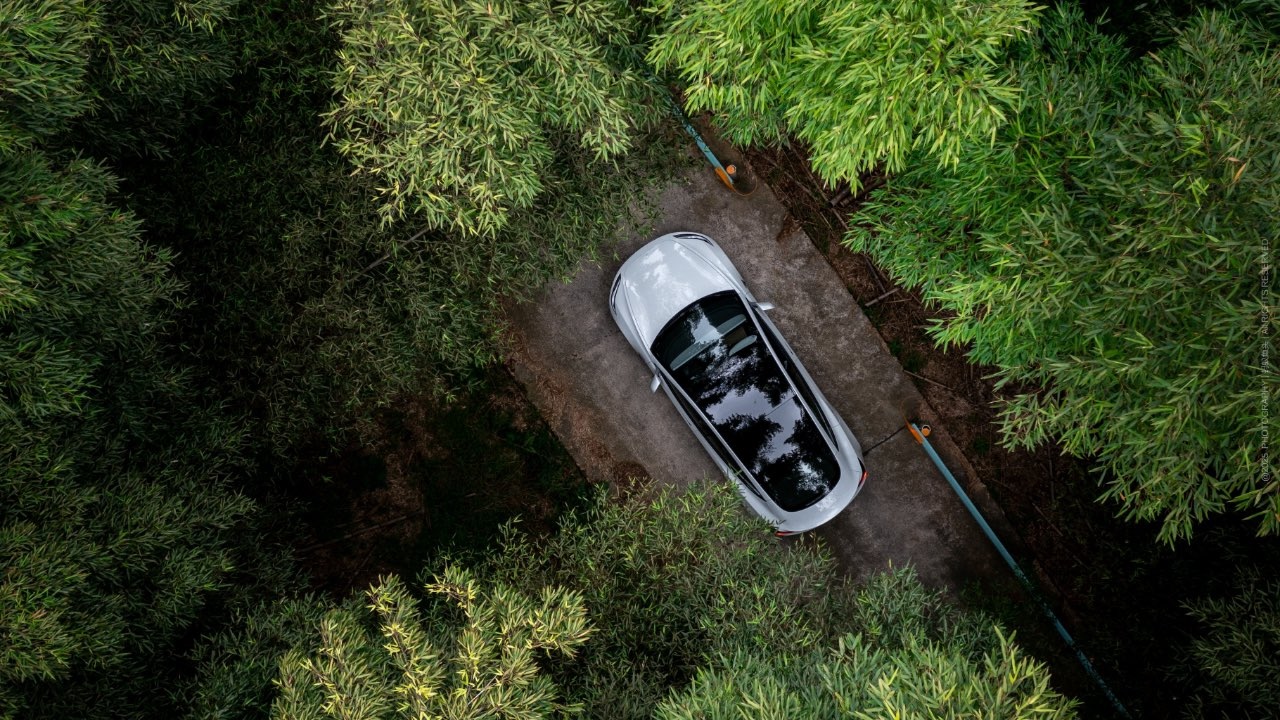
Tesla CEO Elon Musk is working on another Master Plan. The executive mentioned this during the company’s second quarter earnings call earlier this week. While Musk only shared a few tidbits about his next plan, he did hint at its theme.
Master Plan Part Four
Elon Musk’s Master Plans have been a huge guiding hand for Tesla over the past couple of decades. His first Master Plan, which was published in 2006, featured a pathway towards the production of the Model 3 and energy storage systems. Master Plan, Part Deux, which was published ten years later in 2016, featured a pathway towards a Robotaxi network.
Master Plan Part 3 was more ambitious, as it presented a case towards a world where there is sustainable energy for the entire planet. Considering the scale and ambitious nature of Master Plan Part 3, it was widely speculated that Elon Musk’s next Master Plan would not be around for some time. During the second quarter earnings call, however, Musk confirmed that he is indeed creating his next big plan.
Master Plan Part 4
Elon Musk mentioned his next Master Plan when a question was asked about the work that goes on inside the Tesla Design Studio during the Q2 2025 earnings call. In response to the inquiry, Tesla Chief Designer Franz von Holzhausen emphasized that while earnings calls are not the venue for disclosing new product-related information, Tesla is working to ensure that the future remains exciting. Musk agreed, stating that there are lots of exciting things happening in the Tesla Design Studio.
“What’s going to happen over the next several years is a fundamental transformation of the company from a pre-autonomy world to a post-autonomy. And I’m working on a new Master Plan to articulate that to the Tesla team. And there will be some teething pains as you transition from a pre- autonomy to post-autonomy world, but I think the future vision for Tesla is incredibly exciting and will profoundly change the world in a good way,” Musk said.
A Post-Autonomy World
Considering Musk’s comments, it would appear that Master Plan Part 4 will be focused on a path towards what the CEO has been describing as “sustainable abundance.” If Master Plan Part 3 was focused on fostering sustainable energy for the entire planet, Master Plan Part 4 will likely present a path towards abundance in a world populated by self-driving vehicles like the Cybercab and humanoid robots like Optimus.
Master Plan Part 4 will likely have been farfetched just a couple years ago. Yet with Tesla now operating its Robotaxi service in Austin and Optimus V3 expected to enter production next year, the idea of a world filled with “sustainable abundance” does seem quite feasible. It will be ambitious like Elon Musk’s other Master Plans, of course, but it will be attainable.


Elon Musk
Elon Musk calls out $2 trillion SpaceX IPO valuation as ‘BS’
In a swift rebuke on X, Elon Musk dismissed reports claiming SpaceX had confidentially filed for an initial public offering targeting a valuation above $2 trillion, labeling the information as unreliable.

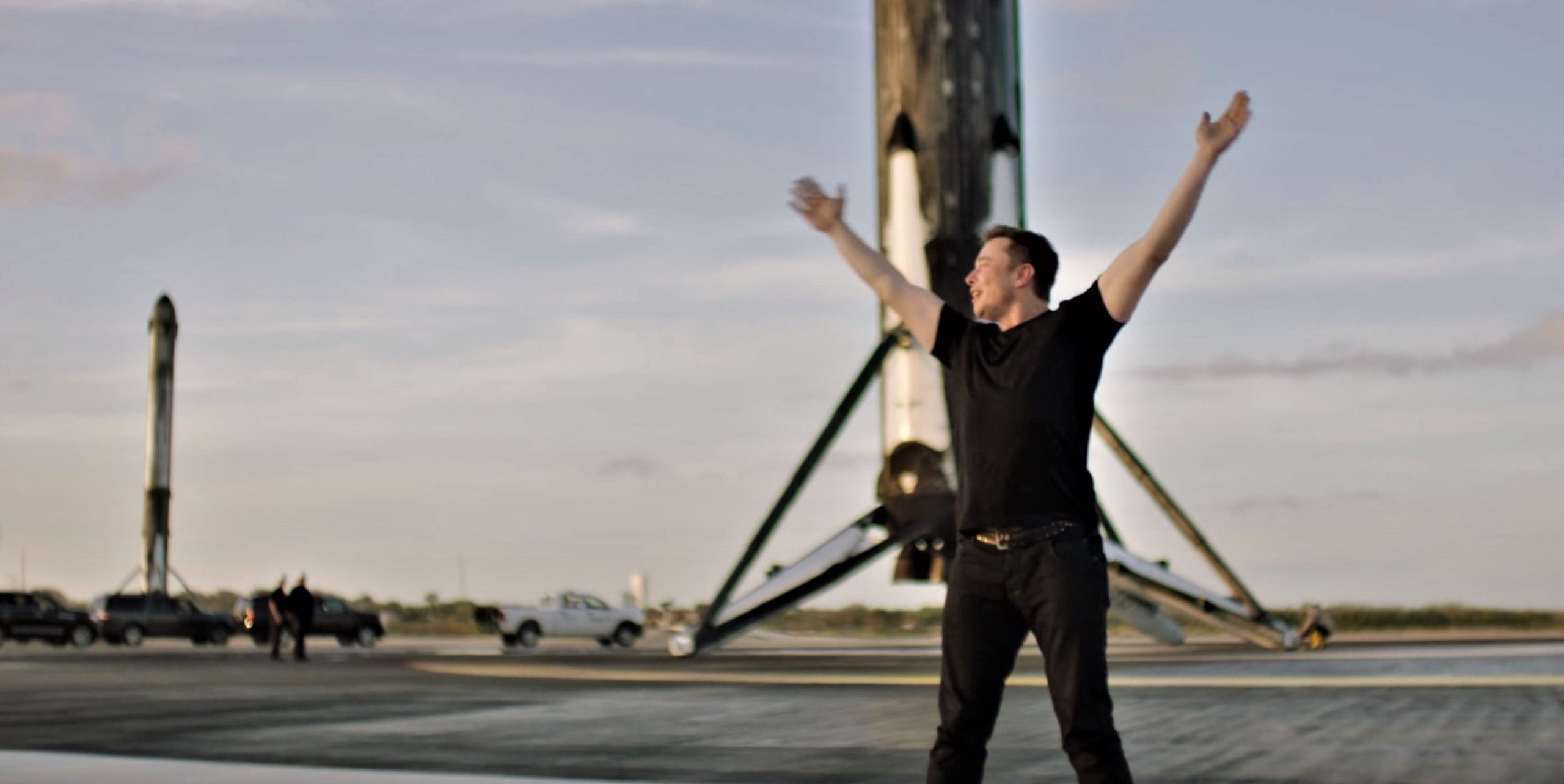
Elon Musk is quick to call out any false information regarding him or his companies on his social media platform, known as X.
A recent report that claimed SpaceX was aiming to go public with an IPO in the coming weeks at a massive valuation of $2 trillion was called out by Musk, who referred to it as “BS.”
In a swift rebuke on X, Elon Musk dismissed reports claiming SpaceX had confidentially filed for an initial public offering targeting a valuation above $2 trillion, labeling the information as unreliable.
The exchange highlights ongoing media speculation about the rocket company’s future and Musk’s frustration with what he views as inaccurate financial reporting. The report came from Bloomberg.
Don’t believe everything you read.
Bloomberg publishes bs.
— Elon Musk (@elonmusk) April 3, 2026
The controversy erupted on April 2, 2026, when influencer Mario Nawfal amplified claims from Bloomberg.
The outlet posted that SpaceX had boosted its IPO target valuation above $2 trillion, describing it as potentially one of the largest public offerings in history. Musk challenged the story.
It echoes past instances where Musk has corrected valuation rumors about his companies, emphasizing that speculation often outpaces reality.
Background context adds nuance.
Earlier reports indicated SpaceX had filed confidential IPO paperwork with the U.S. Securities and Exchange Commission, potentially positioning it for a record-breaking debut that could eclipse Saudi Aramco’s 2019 listing.
Initial estimates pegged a possible valuation north of $1.75 trillion, building on a post-merger figure around $1.25 trillion after SpaceX absorbed xAI. A subsequent Bloomberg update claimed advisers were floating figures above $2 trillion to investors, with the offering potentially raising up to $75 billion.
SpaceX remains a private powerhouse. Its achievements include thousands of Starlink satellites providing global broadband, routine Falcon 9 rocket reusability, and a mission to slash launch costs, along with ambitions for Starship to enable Mars colonization.
The company also benefits from government contracts with NASA and the Department of Defense. A public listing could democratize access for retail investors while subjecting SpaceX to greater scrutiny and quarterly reporting pressures.
Critics of the reports point to the confidential nature of filings, which limits verifiable details. Musk has previously downplayed inflated valuations, once calling an $800 billion figure for SpaceX “too high.”
Supporters argue that hype around mega-IPOs, especially amid the ongoing AI fervor, fuels premature narratives that distract from core technical milestones, such as full Starship reusability and Starlink constellation expansion.
The incident reflects broader tensions in tech finance. Anonymous sourcing in valuation stories can drive market chatter and betting activity, yet it risks misinformation.
Bloomberg defended its reporting through multiple articles citing “people familiar with the matter,” but Musk’s blunt dismissal resonated widely on X, with users piling on to question media reliability.
Whether SpaceX ultimately goes public remains uncertain. Musk has teased an IPO tied to Starlink maturity, but priorities center on engineering breakthroughs over Wall Street timelines. For now, the $2 trillion figure joins a list of rumored milestones that Musk insists should be taken with skepticism.
Elon Musk
Elon Musk reveals date of SpaceX Starship v3’s maiden voyage
The announcement arrives after Flight 11 on October 13 of last year, which concluded a busy 2025 testing campaign. Since then, SpaceX has focused on ground testing, including cryoproofing of Ship 39 and preparations for Booster 19, the first V3 Super Heavy.
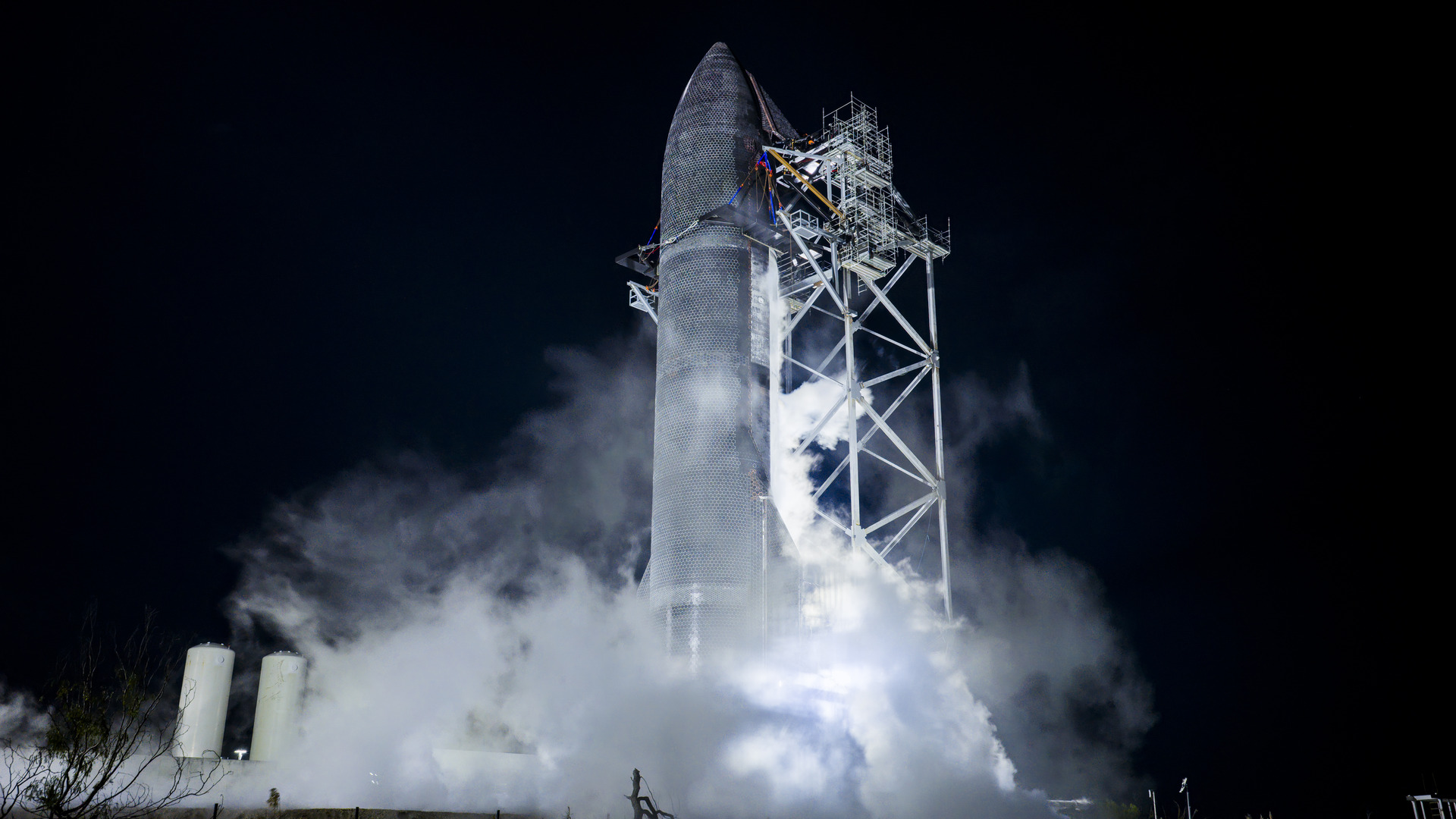
SpaceX CEO Elon Musk has revealed the timeline for the next Starship launch. It will be the first launch using SpaceX’s revamped design for Starship, as its v3 rocket will take its maiden voyage sooner than many might expect.
Musk announced on April 3 on X that the next Starship flight test, and the first flight of the upgraded v3 ship and booster, is 4 to 6 weeks away. The update signals the end of a nearly six-month hiatus since the program’s last launch.
Elon says the first V3 Starship launch will occur in 4-6 weeks
It will be the first Starship launch since Flight 11 on October 13, 2025 https://t.co/QnnYPTdbUu
— TESLARATI (@Teslarati) April 3, 2026
The upcoming mission, designated as Starship’s 12 integrated flight test (IFT-12), marks a significant milestone. It will be the debut of the v3 configuration, featuring a taller Super Heavy Booster and Starship upper stage. The changes SpaceX has made with the v3 rocket and booster are an increased propellant capacity and the more powerful Raptor 3 engines.
Earlier predictions from Musk in March had pointed to an April timeframe, but the latest timeline now targets a launch window in early to mid-May 2026.
The V3 iteration represents a substantial evolution from previous Starship prototypes. Engineers have optimized the design for improved manufacturability, higher thrust, and greater efficiency. Raptor 3 engines deliver significantly more power while reducing weight and production costs compared to earlier variants.
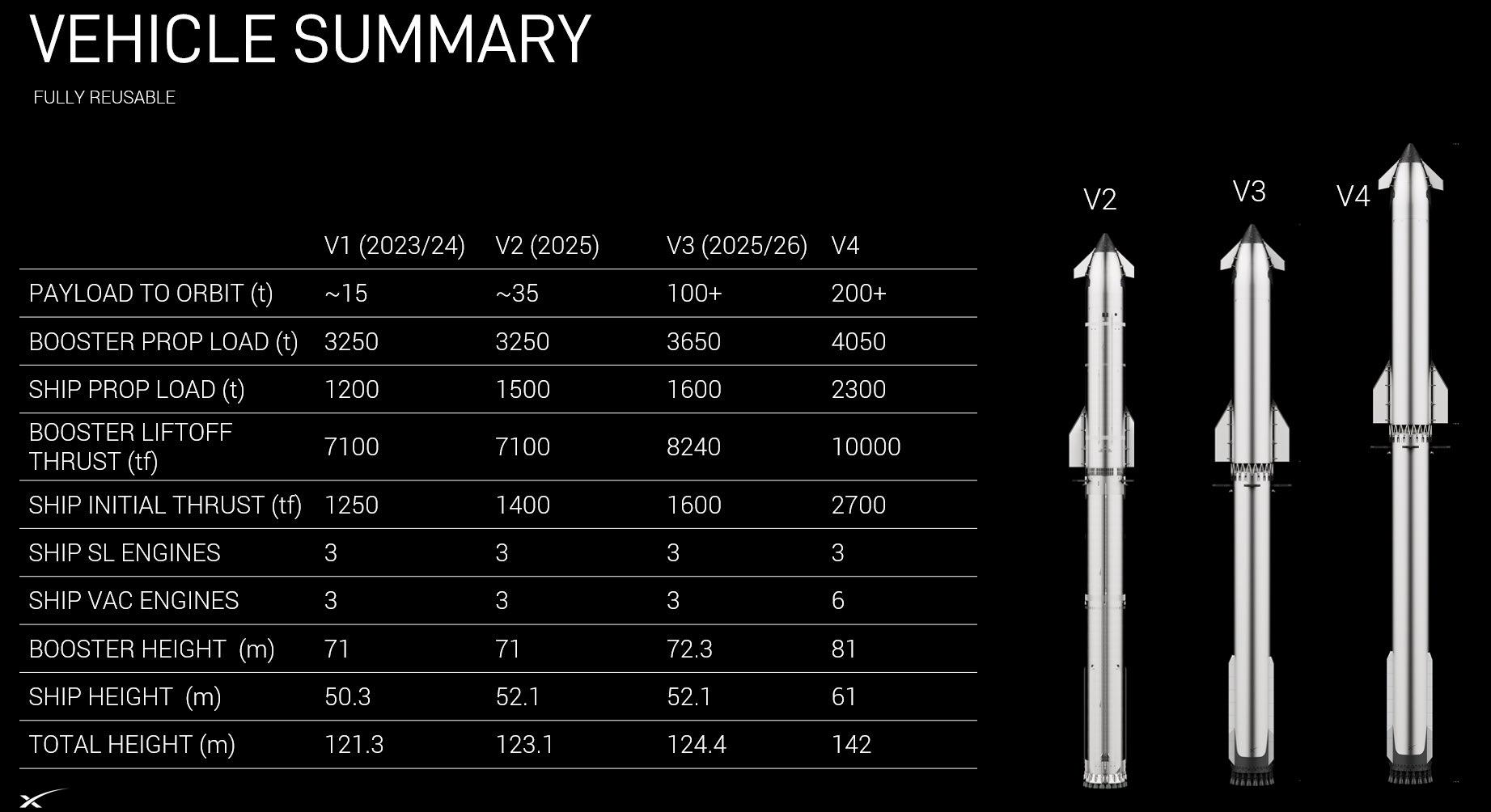
With these enhancements, SpaceX aims to boost payload capacity toward 200 metric tons to low Earth orbit in a fully reusable configuration — a dramatic leap from the roughly 35-ton target of prior versions. Such capabilities are critical for ambitious goals, including NASA’s Artemis lunar missions and eventual crewed flights to Mars.
The announcement arrives after Flight 11 on October 13 of last year, which concluded a busy 2025 testing campaign. Since then, SpaceX has focused on ground testing, including cryoproofing of Ship 39 and preparations for Booster 19, the first V3 Super Heavy.
Recent activities have involved static fires, activation of the new Pad 2 at Starbase in Boca Chica, Texas, and integration of Raptor 3 engines.
A prior incident with an early V3 booster on the test stand in late 2025 contributed to the delay, necessitating additional assembly and qualification work.
Musk’s timeline updates have become a hallmark of the Starship program, often described with characteristic optimism.
SpaceX’s Starship V3 is almost ready and it will change space travel forever
While past targets have occasionally shifted by weeks, the rapid iteration pace remains impressive. However, don’t be surprised if this timeline shifts again, as Musk has been overly optimistic in the past with not only launches, but products under his other companies, too.
SpaceX continues to refine launch infrastructure, including new propellant loading systems and tower mechanisms designed to support higher cadence operations. A successful V3 flight could pave the way for more frequent tests, tower catches of both booster and ship, and progression toward operational reusability.
The v3 debut is viewed as a transition point for Starship, moving beyond experimental flights toward a system capable of supporting large-scale deployment of Starlink satellites, lunar landers, and interplanetary transport.
Success on IFT-12 would demonstrate not only the new hardware’s performance but also SpaceX’s ability to recover from setbacks and maintain momentum.
As the 4-to-6-week countdown begins, anticipation builds at Starbase. Teams are finalizing vehicle stacking, conducting final pre-flight checks, and preparing for regulatory approvals. The world will be watching to see if Starship V3 can deliver on its promise of transforming humanity’s access to space.
Elon Musk
SpaceX to launch military missile tracking satellites through new Space Force contract
SpaceX wins a $178.5M Space Force contract to launch missile tracking satellites starting in 2027.

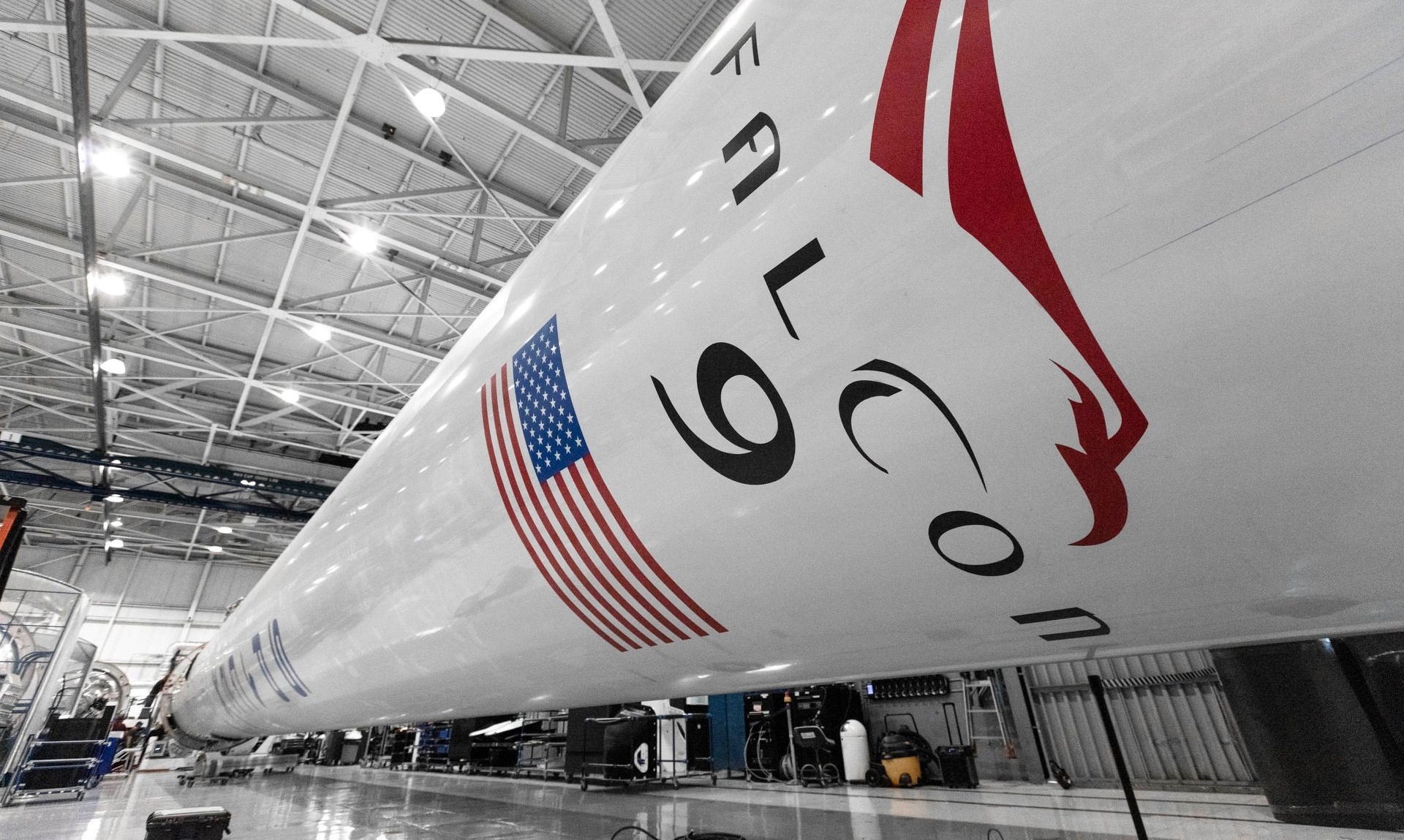
The U.S. Space Force awarded SpaceX a $178.5 million task order on April 1, 2026 to launch missile tracking satellites for the Space Development Agency. The contract, designated SDA-4, covers two Falcon 9 launches beginning in Q3 2027, one from Cape Canaveral Space Force Station in Florida and one from Vandenberg Space Force Base in California. The satellites, built by Sierra Space, are designed to bolster the nation’s ability to detect and track missile threats from orbit.
The award falls under the National Security Space Launch Phase 3 Lane 1 program, which Space Force uses to move payloads to orbit on faster timelines and at more competitive prices. “Our Lane 1 contract affords us the flexibility to deliver satellites for our customers, like SDA, more easily and faster than ever before to all the orbits our satellites need to reach,” said Col. Matt Flahive, SSC’s system program director for Launch Acquisition, in the official press release.
SpaceX is quietly becoming the U.S. Military’s only reliable rocket
The SDA-4 contract is the latest in a long string of national security wins for SpaceX. As Teslarati reported last month, the Space Force recently shifted a GPS III satellite launch from ULA’s Vulcan rocket to SpaceX’s Falcon 9 after a significant Vulcan booster anomaly grounded ULA’s military missions indefinitely. That move made it four consecutive GPS III satellites transferred to SpaceX after contracts were originally awarded to its competitor.
This didn’t come without a fight and dates back years. SpaceX originally had to sue the Air Force in 2014 for the right to compete for national security launches, at a time when United Launch Alliance held a near monopoly on the market. Since then, the company has steadily displaced ULA as the dominant provider, and last year the Space Force confirmed SpaceX would handle approximately 60 percent of all Phase 3 launches through 2032, worth close to $6 billion.
With missile defense satellites now part of its launch manifest alongside GPS, communications, and reconnaissance payloads, SpaceX is giving hungry investors something to chew on before its imminent IPO.

Tesla hit by Iranian missile debris in Israel

Elon Musk calls out $2 trillion SpaceX IPO valuation as ‘BS’


