Investor's Corner
Tesla and SpaceX to merge in 2027, Wall Street analyst predicts
The move, Ives argues, is no longer a distant possibility but a logical next step, fueled by deepening operational ties, shared AI ambitions, and Elon Musk’s vision for dominating the next era of technology.

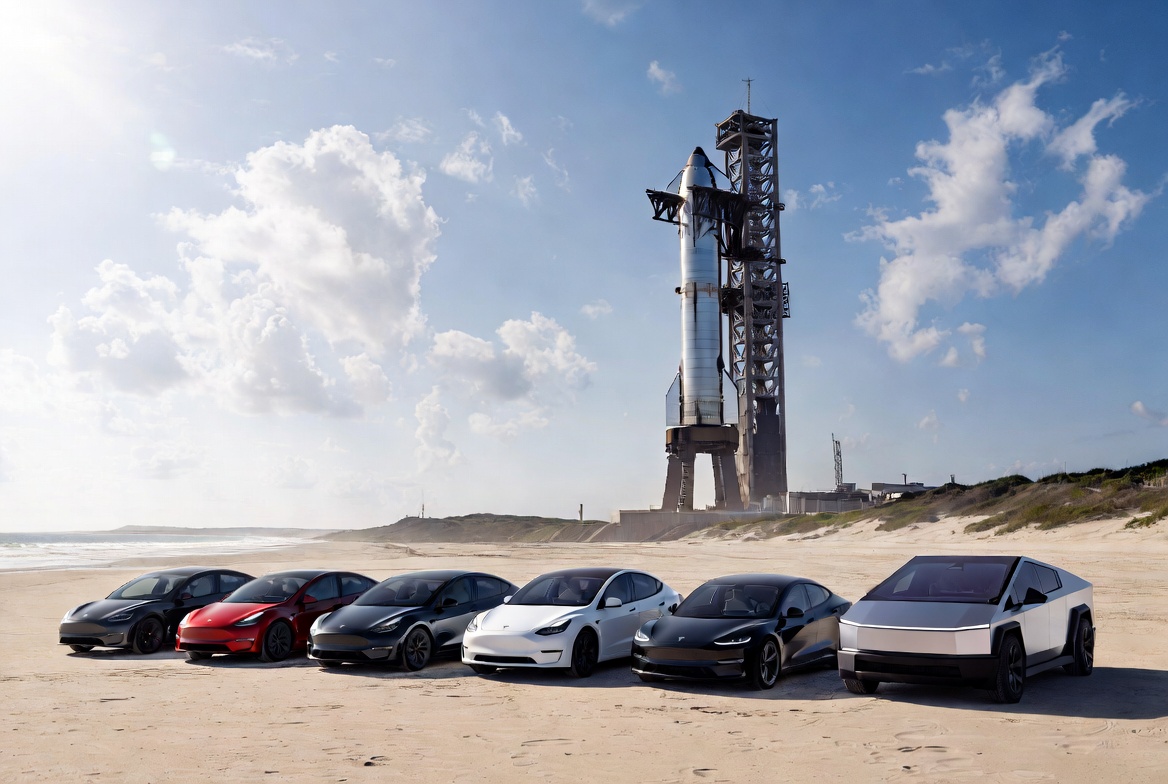
Tesla and SpaceX are two of Elon Musk’s most popular and notable companies, but a new note from one Wall Street analyst claims the two companies will become one sometime next year, as 2027 could see the dawn of a new horizon.
In a bold new research note, Wedbush analyst Dan Ives has reaffirmed his long-standing prediction: Tesla and SpaceX will merge in 2027.
The move, Ives argues, is no longer a distant possibility but a logical next step, fueled by deepening operational ties, shared AI ambitions, and Elon Musk’s vision for dominating the next era of technology.
He writes:
“Still Expect Tesla and SpaceX to Merge in 2027. We continue to believe that SpaceX and Tesla will eventually merge into one company in 2027 with the groundwork already in place for both operations to become one organization. Tesla already owns a stake in SpaceX after the company’s $2 billion investment in xAI got converted to SpaceX shares following SpaceX’s acquisition of xAI earlier this year initially tying both of Musk’s ventures closer together but still represents <1% of SpaceX’s expected valuation. The recent announcement of a joint Terafab facility between SpaceX and Tesla further ties both operations together making it more feasible to merge operations given the now existing overlap being built out across the two with this the first step.”
The groundwork is already being laid. Earlier this year, SpaceX acquired xAI, converting Tesla’s $2 billion investment in the AI startup into a small equity stake, less than 1 percent, in SpaceX.
Regulatory filings cleared the transaction in March 2026, formally linking the two Musk-led companies financially for the first time. Then came the announcement of a joint TERAFAB facility in Austin, Texas: two advanced chip factories, one dedicated to Tesla’s AI needs for vehicles and Optimus robots, the other targeting space-based data centers.
Elon Musk launches TERAFAB: The $25B Tesla-SpaceXAI chip factory that will rewire the AI industry
Ives calls Terafab the “first step” toward full operational integration.
SpaceX’s impending IPO, expected as soon as mid-June 2026, will turbocharge these plans. The company aims to raise approximately $75 billion at a roughly $1.75 trillion valuation, far exceeding earlier estimates.
Proceeds will fund Starship rocket flights, a NASA-contracted lunar base, expanded Starlink services across maritime, aviation, and direct-to-mobile applications, and crucially, orbital AI infrastructure
A major driver is the exploding demand for AI compute. U.S. data centers are projected to consume 470 TWh of electricity by 2030, constrained by power grids and land.
🚨 Wedbush’s Dan Ives says that Tesla and SpaceX will merge in 2027. SpaceX will IPO soon, his new note says:
“According to media reports, SpaceX could file a prospectus for an IPO imminently with the goal of raising ~$75 billion above the prior expectation of ~$50 billion…
— TESLARATI (@Teslarati) March 27, 2026
SpaceX’s strategy, launching millions of solar-powered satellites to host data centers in orbit, bypasses Earth’s energy bottlenecks. Solar energy captured in space avoids atmospheric losses and day-night cycles, offering a scalable solution for AI training and inference.
The xAI acquisition ties directly into this vision, positioning the combined entity as a leader in extraterrestrial computing.
The merger would create a formidable conglomerate spanning electric vehicles, robotics, satellite communications, human spaceflight, and defense.
Ives highlights SpaceX’s role in the Trump administration’s “Golden Dome” missile defense shield, which would leverage Starlink satellites for tracking.
For Tesla, access to SpaceX’s launch cadence and orbital assets could accelerate autonomous driving, Robotaxi fleets, and Optimus deployment.
Musk, who has signaled his desire to own roughly 25 percent of Tesla to steer its AI future, views the combination as essential to overcoming fragmented regulatory scrutiny from the FTC and DOJ.
Challenges remain. Antitrust hurdles could delay or reshape the deal, and shareholder approvals on both sides would be required. Yet Ives remains bullish, maintaining an Outperform rating on Tesla with a $600 price target, implying substantial upside from current levels. The analyst sees the merger as the “holy grail” for consolidating Musk’s disruptive tech empire.
If realized, a 2027 Tesla-SpaceX union would not only reshape corporate boundaries but redefine humanity’s trajectory in AI and space exploration. It would mark the moment two pioneering companies become one unstoppable force, pushing the limits of what’s possible on Earth and beyond.


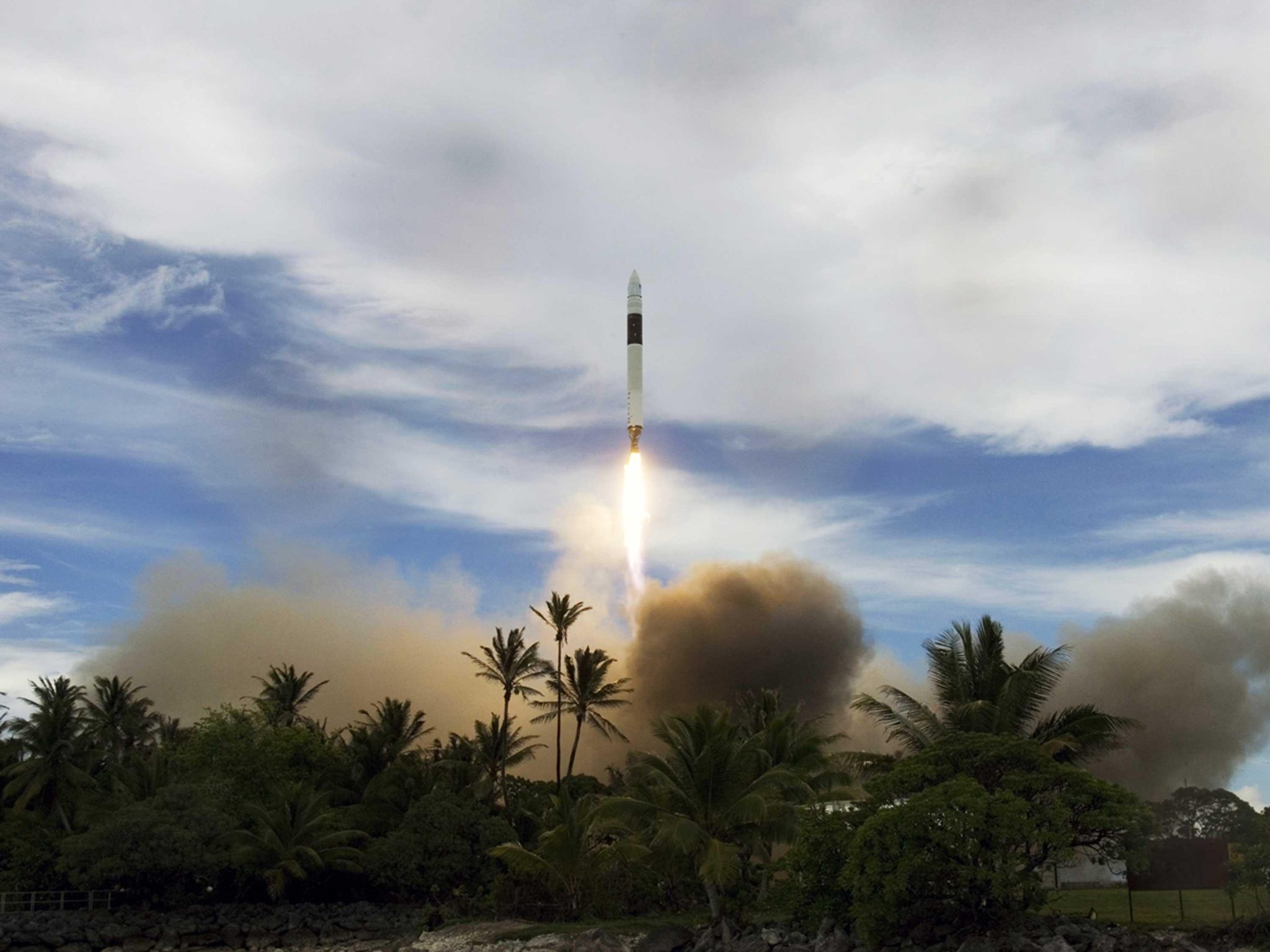
SpaceX (NASDAQ: SPCX) will report its first public earnings call today since its IPO earlier this year, and there are a few things we expect to hear about, as well as Wall Street analysts, who have already outlined their expectations for the call.
Wall Street analysts have a consensus of $12.72 billion in revenue and an earnings per share (EPS) of $0.13. These are broken down into three sectors: Space, Connectivity, and AI/SI, which are perceived in this way:
- Space: $1.41 billion
- Connectivity: $4.84 billion
- AI/SI: $6.47 billion
Other outlets cluster near $12.8 or $12.9 billion in revenue and $0.14 – $0.15 EPS. This implies a roughly 65 percent sequential growth from Q2’s $7.81 billion, driven mostly by AI/SI, with the first post-IPO positive EPS expected.
Here are the three things to watch for on the call:
AI Revenue Ramp and the $100B+ ARR target
AI is truly the swing factor for SpaceX, and analysts expect it to roughly double from Q2’s $2.56 billion and become about half of total revenue. Management previously guided to a $100 billion+ annualized run rate by December, including the Cursor acquisition, which was $60 billion, to close the quarter.
Listen for updates on SpaceX’s compute capacity, especially pertaining to its contracts with Google, Anthropic, and others, revenue per watt, any new deals, and Cursor’s early contribution.
Starlink/Connectivity Metrics and Mobile Expansion
Connectivity remains a main profit engine for SpaceX. Subscriber additions will be something to pay attention to, as Q2 ended at 12 million and previews are looking at 14 million for this quarter. Additionally, ARPU trends, enterprise and government growth, and any commentary on Starlink Mobile will be something to pay attention to, especially following the recent low-band spectrum deal and FCC-related constellation approvals.
Capex Trajectory, Cash Burn/FCF, and Starship/Operational Updates
Q2 capex of roughly $18.4 billion weighed on the stock. Investors will look to scrutinize Q3 spending levels, any guidance on the pace into Q4/2027, free cash flow, backlog, and liquidity. Operational color on Starship (Flight 14 milestones and Flight 15 timing/reusability progress), Falcon cadence, and government/NASA contracts are also in focus.
Of course, there will also be some speculation on the potential Tesla-SpaceX merger, but there was nothing mentioned in the company’s proxy it sent earlier this week.
SpaceX will report earnings after market close today and will stream the call on X.
Watch live as SpaceX discusses our Q3 2026 earnings at 3:30pm CT today → https://t.co/Qrb0qeVG15
— SpaceX (@SpaceX) October 20, 2026
Interested in ordering a Tesla? Use my referral code for three free months of Full Self-Driving (Supervised) here
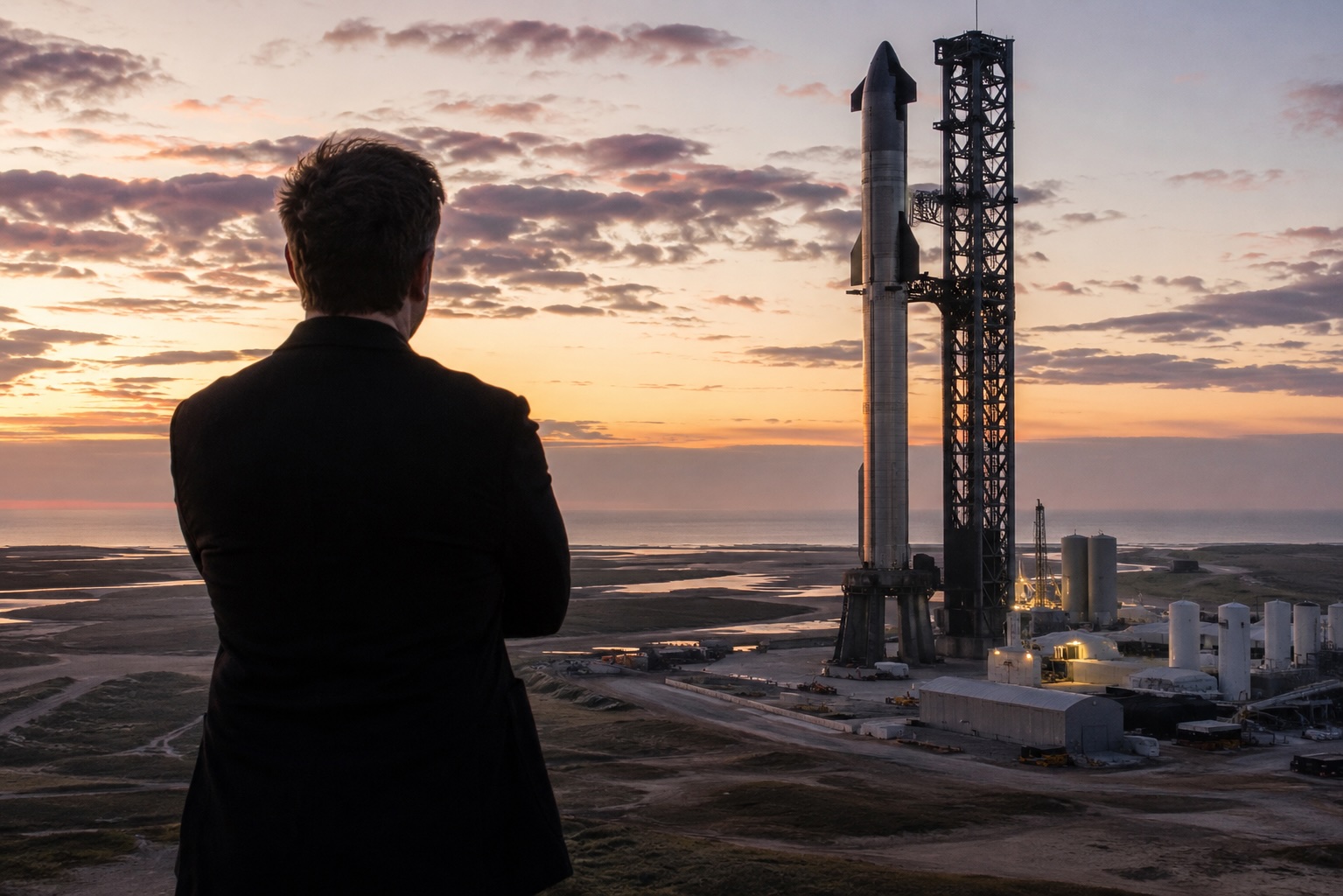
Elon Musk said he is planning to give “every one of his SpaceX shares to every kid in America” in 2027, stating that “this will be the first of many.”
SpaceX went public earlier this year, and its stock price has been relatively stable since leveling off shortly after its IPO. Based on its current price, it’s a gift of just over $10 billion to children across the United States.
It appears to be closely related to President Donald Trump’s bank accounts for children, which were set up earlier this year as Trump Accounts.
Just hours earlier, Anthropic had announced the establishment of its Anthropic Public Benefit Fund, “a new wholly-owned entity dedicated entirely to public benefit.” Musk responded by stating he recommended “giving the shares directly to the public,” and that he would be doing it that way.
Just a little bit later, Musk said children across the U.S. would be getting a share from him:
Next year, I will give one of my SpaceX shares to every kid in America.
This will be the first of many.
— Elon Musk (@elonmusk) October 19, 2026
There are roughly 70 million children, meaning someone under the age of 18, in the United States, according to the Federal Interagency Forum on Child and Family Statistics. Musk’s ownership of SpaceX stock shows he has around 849 million Class A shares of SpaceX stock, according to filings with the SEC.
Investor's Corner
SpaceX’s biggest earnings test yet lands Tuesday, and Tesla shareholders should be watching
SpaceX reports earnings Tuesday as Wall Street watches AI spending, Starlink growth and Tesla merger

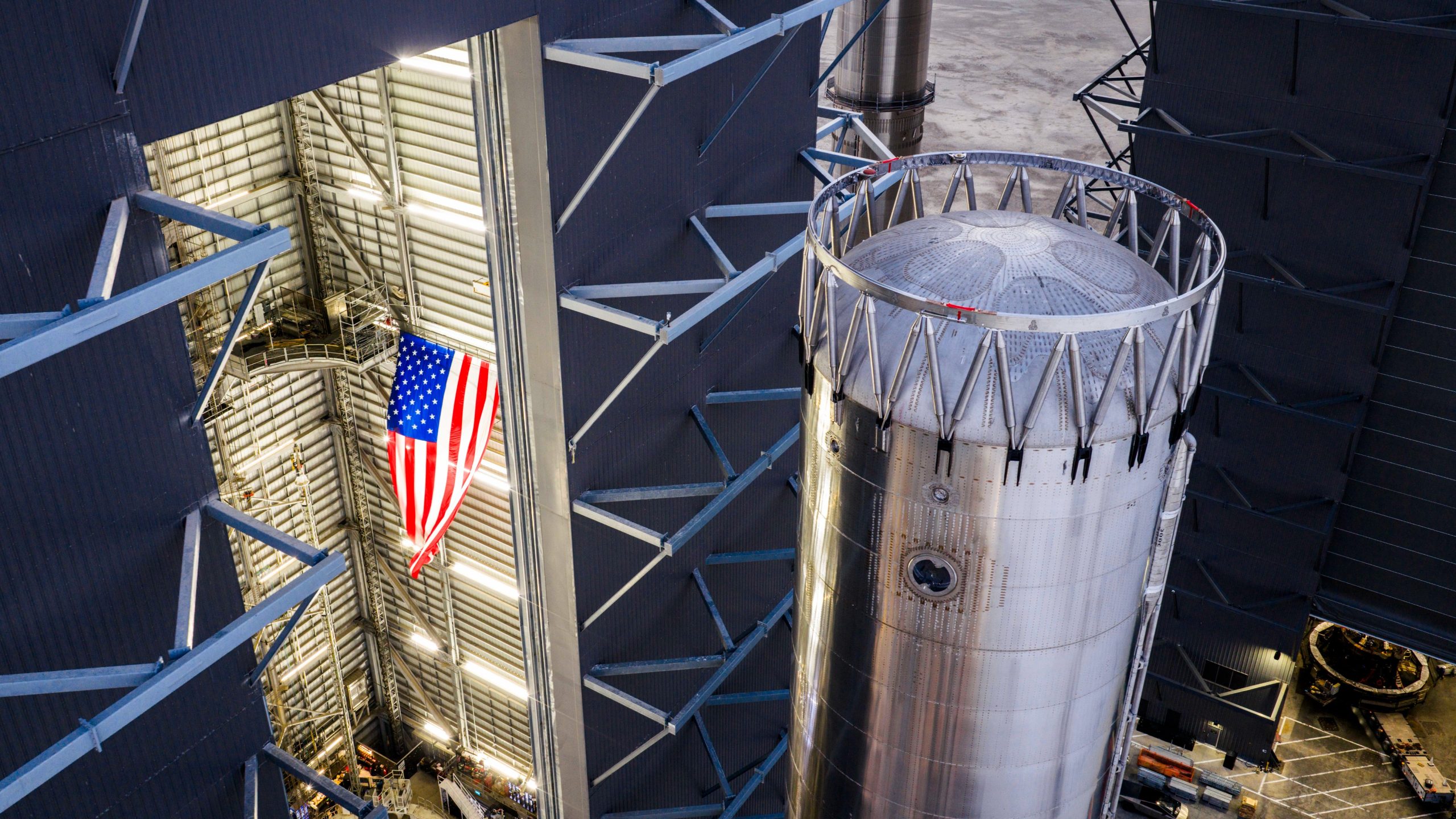
SpaceX reports third quarter results after the market closes Tuesday, with a webcast at 4:30 p.m. ET streamed on X, and Tesla follows a day later. Bloomberg consensus, cited by Pepperstone, calls for revenue of $12.89 billion, adjusted EBITDA of $6.62 billion and adjusted EPS near $0.15. That would be about 65% growth from the second quarter and SpaceX’s first profitable quarter since its IPO. Analysts expect roughly $6.4 billion from AI and $4.9 billion from Starlink, which is projected to reach 14.3 million consumer subscribers. Capital spending is forecast at $19.6 billion, leaving free cash flow near negative $11.6 billion.
The numbers matter because SpaceX has spent months trying to win over a skeptical market. It priced its record IPO at $135, spiked to $225.64, then sank near $105 in early August. Friday’s close of $146.03 sits about 28% below the June high. The Q2 report beat on revenue at $7.8 billion and put Starlink at 12 million subscribers, but $18.4 billion of capex hurt the stock. Since then SpaceX reached orbit on Starship Flight 14 with 26 Starlink V3 satellites, agreed to buy 800 MHz spectrum for about $8 billion as part of its Starlink Mobile push, and signed a fourth compute hosting deal in four months worth roughly $13 billion a year from December. Management is targeting more than 2 gigawatts of compute by year end and a $100 billion annualized revenue run rate. Evercore ISI, which raised its target to $275, said the quarter may be judged more on those targets than the reported figures
All of this sits under the Tesla merger question. Barclays analyst Dan Levy expects an all stock deal in which SpaceX buys Tesla at a premium, using reference values of $2.1 trillion and $1.5 trillion, and said an announcement would need to come by late October or early November to be voted on at Tesla’s December 6 annual meeting. Barclays estimates Musk would hold about 37% of the combined company and 56% of the votes. Musk said in July that combining companies cannot be discussed on an earnings call, but an investor question asking when SpaceX will merge with Tesla is sitting on SpaceX’s Q&A platform, and Teslarati has tracked how the Roadster demo revived the talk.
If a deal happens, Tuesday’s result would effectively set the price Tesla holders would receive. Their shares would convert into SpaceX stock, along with exposure to a company with a heavy investment on AI, while Tesla itself expects 2026 capex above $25 billion. A strong quarter and calmer spending would make that exchange easier to sell. Another round of heavy capex and a falling stock would make it harder.

SpaceX reports its first earnings today: here’s what to expect

SpaceX just launched its secret Starfall saucer again

The Boring Company’s latest Tesla tunnel truck mod “fits like a glove”

SpaceX reveals how its 1 Million AI satellite network will work and prevent space collisions

Tesla Roadster: Three configs, one can fly, 0-60 in 0.8 seconds


