Featured
Tesla Cybercab is coming to Asia this month as US service officially begins
Tesla Asia says Cybercab will be on display in Hong Kong, Tokyo, Beijing and Shanghai this month.

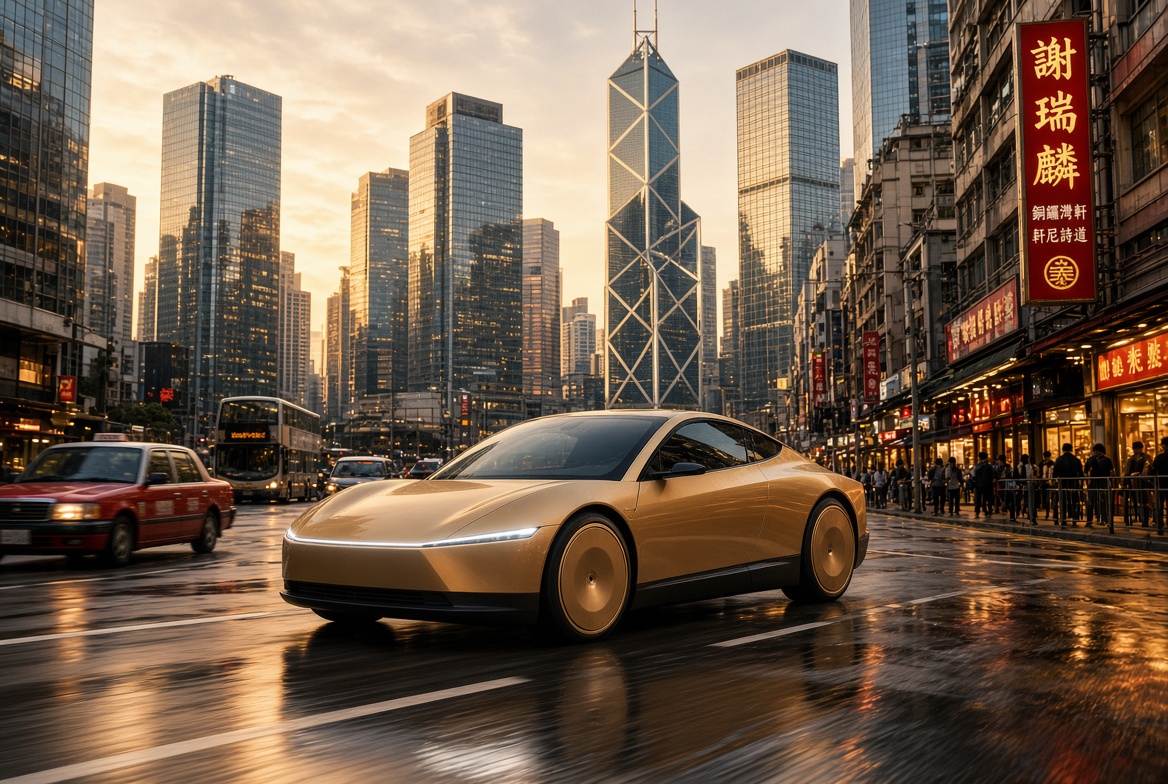
Tesla’s Cybercab is heading to Asia. The official Tesla Asia account posted on X Thursday, inviting Cybercab fans to “Come experience the future of autonomy in Hong Kong, Tokyo, Beijing & Shanghai.” The post went up within hours of Tesla’s own Cybercab milestone in Texas, where the company said Thursday it had begun offering rides in across Austin.
Exact dates and venues for the Asia tour haven’t been released yet, though Tesla Hong Kong replied to the announcement with “Cybercab will be on display in Hong Kong soon,” while Tesla Japan’s response pointed fans to a sign up page for updates. Neither post mentions test rides or a service area, and nothing so far suggests Tesla is launching Robotaxi operations in any of the four cities. Based on how Tesla has run past Cybercab tours, in Europe in late 2024 and at US shopping centers that same December, the Asia stops are almost certainly static displays at Tesla stores or public venues as a means to stimulate buzz for its future driverless ride-hailing service in the big cities.
Cybercab will be on display in Asia this month!
Come experience the future of autonomy in Hong Kong, Tokyo, Beijing & Shanghai. pic.twitter.com/wGmmEastfX— Tesla Asia (@Tesla_Asia) September 4, 2026
The timing lines up with Tesla’s only prior Cybercab appearance in the region, a booth at the China International Import Expo in Shanghai last November, which Teslarati covered at the time. At that event, Tesla’s regional general manager for Shanghai framed the car as evidence of the company’s broader mission, a message Tesla has since formalized in its Master Plan Part IV, which states that “autonomous vehicles have the capacity to dramatically improve the affordability, availability and safety of transportation while reducing pollution, particularly in our increasingly dense global cities.” The same document is where Tesla lays out its “sustainable abundance” framing for Cybercab and Optimus alike, describing the two as the hardware behind an AI driven push to cut the cost of transportation and labor at scale.
Whether Cybercab actually operates as a robotaxi anywhere in Asia remains an open question, considering China has already pushed an autonomous ride-hailing market that’s run on homegrown players like Baidu’s Apollo Go and Pony AI. For now, the four city tour reads as a marketing push timed to Austin’s momentum.


Energy
Taiwan power firm bets big on Tesla Megapacks as AI data center thirst grows
Taiwan’s Apollo Power orders 260 Tesla Megapacks, betting AI data centers will need more electricity.
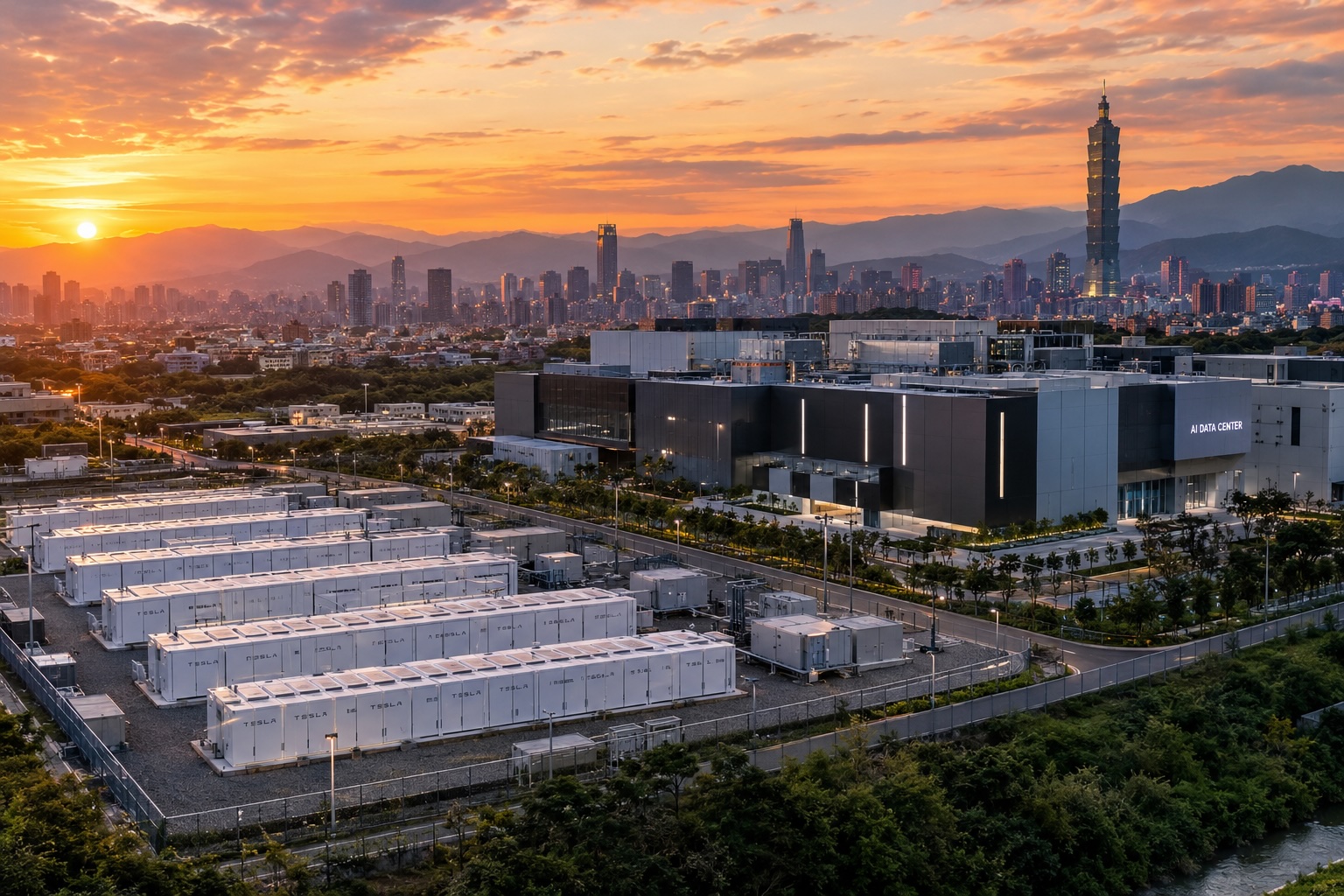
A Taiwanese power company has ordered 260 Tesla Megapack 2XL units, roughly 1GWh of storage, betting that electricity rather than chips will decide how fast AI data centers come online. Apollo Power signed the contract with Tesla’s Taiwan energy arm on October 8, according to the company’s filing with the Taiwan stock exchange.
The filing says the units are meant for behind the meter storage and resilient grid projects, with delivery in batches from the end of 2027 and sites operating in 2028. Apollo and Tesla did not disclose a price, citing a confidentiality agreement. Apollo plans to pay for the equipment through a cash capital increase and bank financing, and it noted the purchase is not revenue and does not mean it holds firm orders from its partners.
Biggo reported that only about 33 units are under signed customer contracts, with roughly 150 more in negotiation. The same report put total project investment near NT$130 billion, but that figure includes installation work, with the equipment itself making up about 40 to 50 percent. In other words, a large share of this order is Apollo reserving supply ahead of demand. Apollo’s chairman told local media global large storage supply is tight, which is why the company locked in the units early, according to Yahoo Taiwan Finance.
Apollo also launched an AI data center and grid resilience alliance with Phison, Gigabyte and Shihlin Electric. The pitch rests on a pilot at Phison’s Zhunan plant, where Apollo and Tesla Energy Taiwan installed grid forming Megapack 2XLs in June. Tesla Energy Taiwan general manager Sun Hsiao-Han said the project went from demo to 1GWh in four months, and that Tesla Energy has deployed more than 50GWh worldwide.
Taiwan’s cabinet has approved amendments that would require large energy users to install their own generation and storage, which gives enterprise storage a regulatory tailwind.
The deal fits a pattern Teslarati has tracked. Tesla’s Megablock targets 1GWh commissioned in 20 business days, a pitch aimed squarely at fast moving data center builds. Megapacks already back xAI’s Colossus in Memphis and a 400MW AI campus in Brazil. Sun Media adds that Megapack 2XL was named among the first products in Nvidia’s DSX Ready qualification for battery storage in AI factories.
Deliveries are more than a year away, so the real test is how much of that 260 unit order turns into signed customer contracts.
Featured
Tesla finally got its Nevada Robotaxi Permit but with a few catches hard to miss
Nevada granted Tesla’s robotaxi permit, but capped the fleet at just ten vehicles for now.
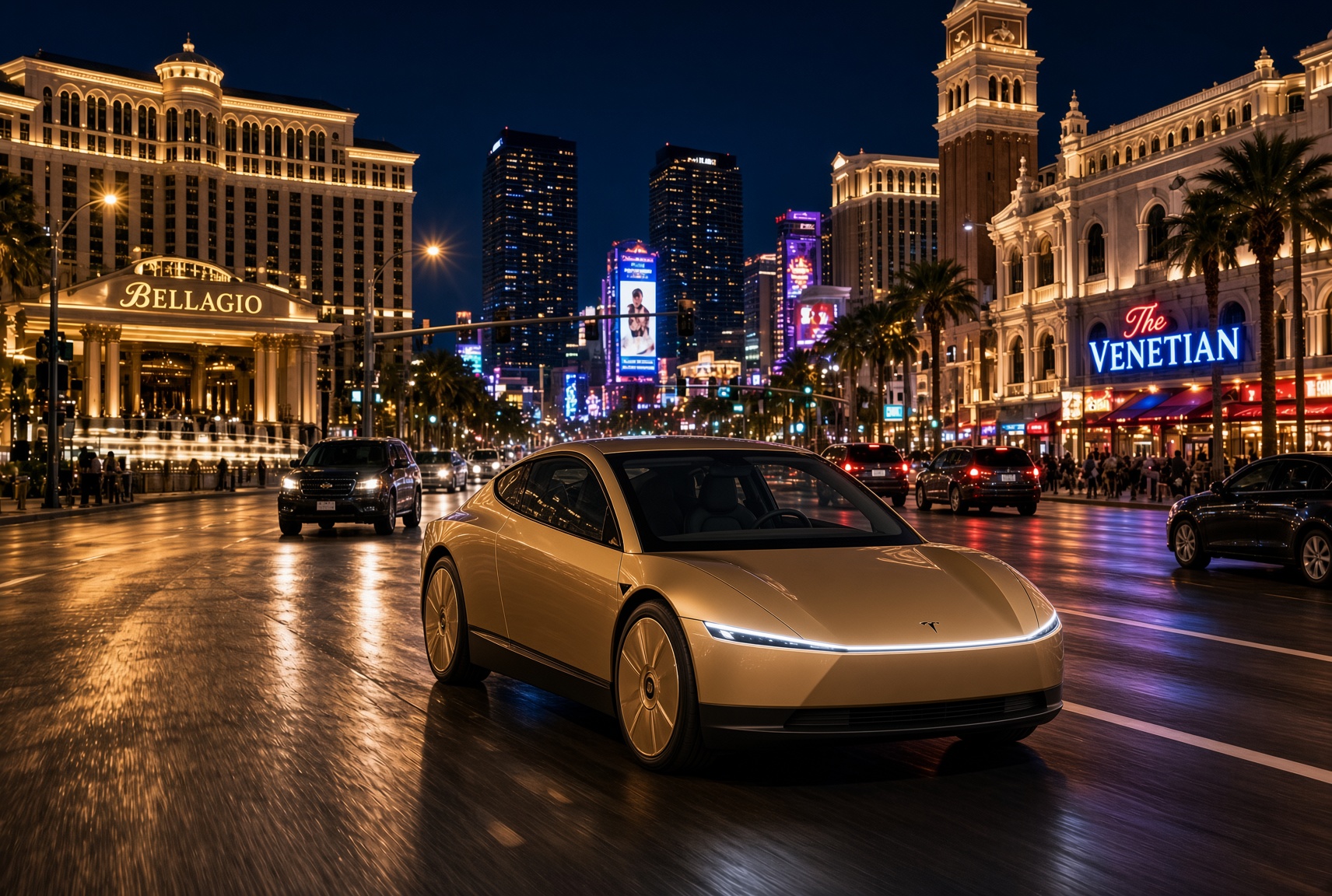
Tesla has received its robotaxi permit in Nevada, more than two months after regulators closed the public comment period on the company’s application. News of the approval surfaced Wednesday night when Tesla investor and longtime company watcher Sawyer Merritt posted a copy of the interim order, and the Nevada Transportation Authority’s own carrier registry now lists the permit, AVNC Permit 002 under Docket 26-05015, as active for Tesla Robotaxi, LLC.
Tesla asked Nevada in June for authority to run up to 5,000 vehicles in Clark County within a year, however the permit the NTA issued is initially capping Tesla at ten fully autonomous vehicles and confines them to a defined geofence along the Las Vegas Strip corridor. Any expansion of that operating area, or any increase to the fleet size, requires the NTA’s approval first.
Tesla has received its Autonomous Vehicle Network Company permit in Nevada.
The Nevada Transportation Authority says that operations are limited to a maximum fleet of 10 fully autonomous vehicles and shall be conducted only within the Authority-approved Operational Design… https://t.co/Cxfd6GIfDk pic.twitter.com/iOO6wSZkHF
— Sawyer Merritt (@SawyerMerritt) August 13, 2026
The order also sets rules that look more restrictive than what Tesla runs in Austin. Rides are barred on roads with posted speed limits above 45 miles per hour, pickups are off limits within a quarter mile of Harry Reid International Airport without separate authorization, and every vehicle has to carry visible “Robotaxi” markings while notifying riders before each trip that no one is driving. The order also requires “appropriate human supervision”, language that suggests Nevada isn’t ready to let Tesla offer the rides without a safety monitor that it has run in parts of Austin since January. As with standard protocol with robotaxi services, Tesla must report any accident, system failure, or vehicle that becomes stranded on a Nevada road within five business days.
Tesla is entering a market Nevada already knows well. Zoox, the Amazon owned robotaxi company, has run its own autonomous vehicle permit in the state since last year, building up to roughly 100 vehicles and 350,000 rides along the Strip. That history likely explains why the NTA started Tesla at ten cars rather than the fleet size the company asked for. The agency has a template for scaling a permit up once a company proves out its safety record.
Tesla’s Nevada application first surfaced in June, when the company filed for the permit alongside plans for a maintenance hub in southwest Las Vegas. The company has said it won’t meaningfully scale its robotaxi fleet anywhere until FSD v15 ships, expected in late 2026 or early 2027, which makes the ten vehicle cap less of a constraint today than it might look on paper. For now, Tesla has the legal right to start Nevada rides. Whether it starts before FSD v15 arrives is a separate question the permit doesn’t answer.
Elon Musk
Tesla launches 200mph Model S “Gold” Signature in invite-only purchase
Tesla’s final 350-unit Signature Edition closes the book on two cars that changed everything.
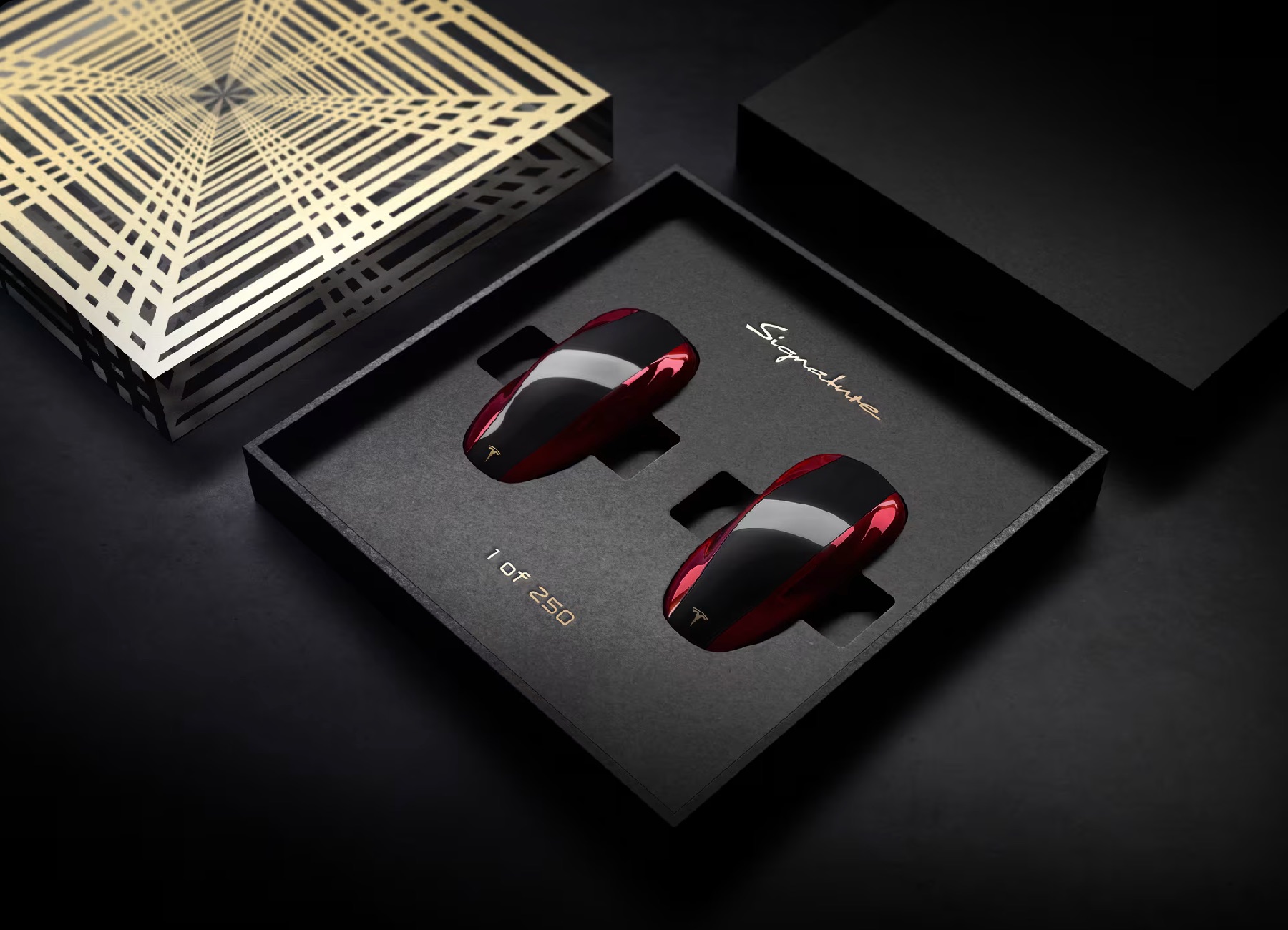
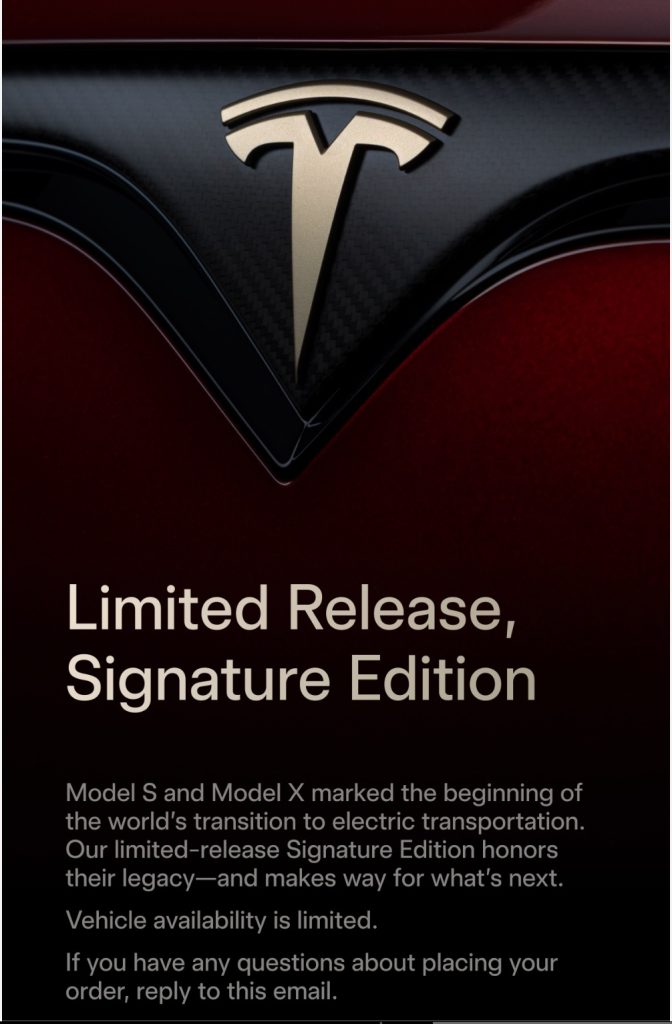
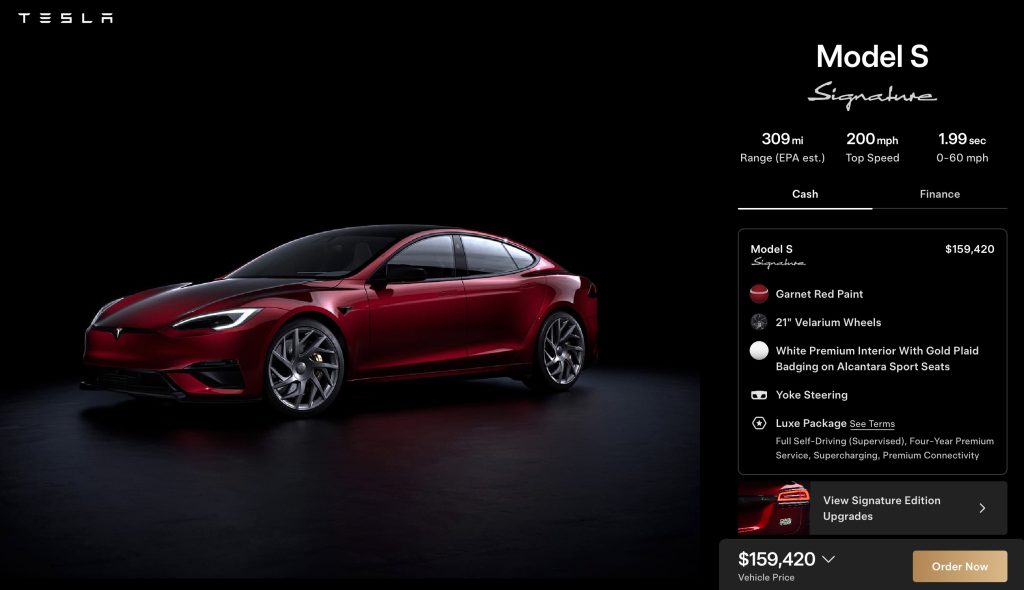
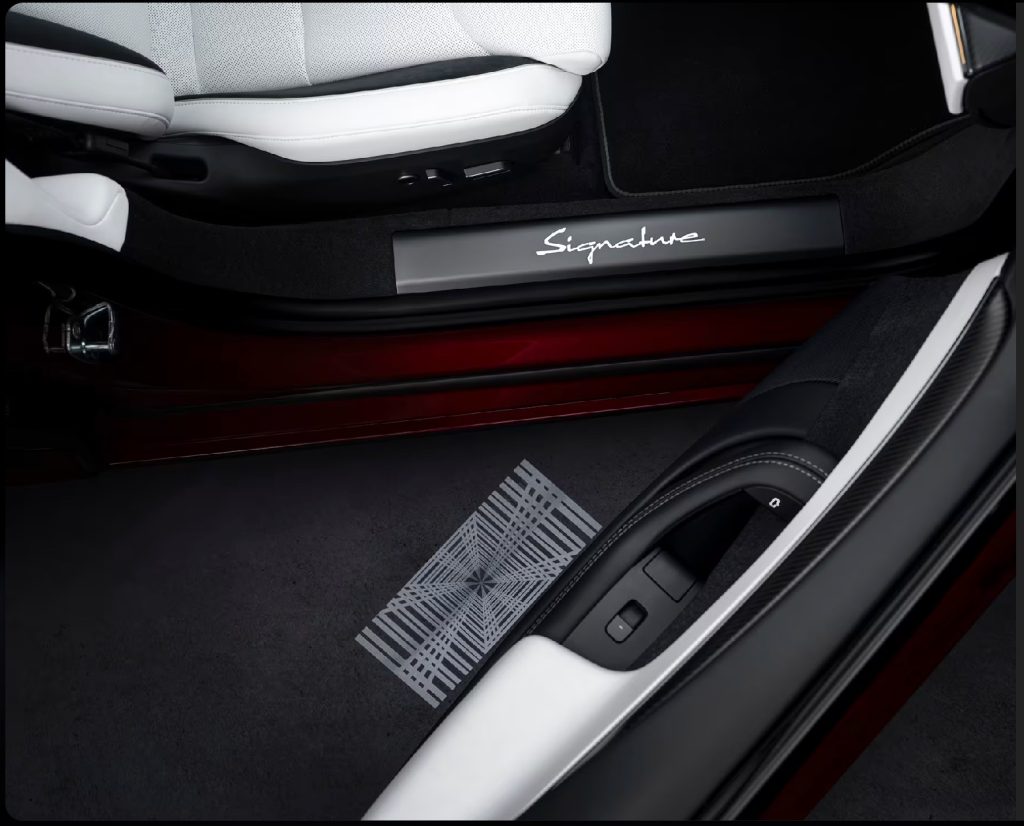
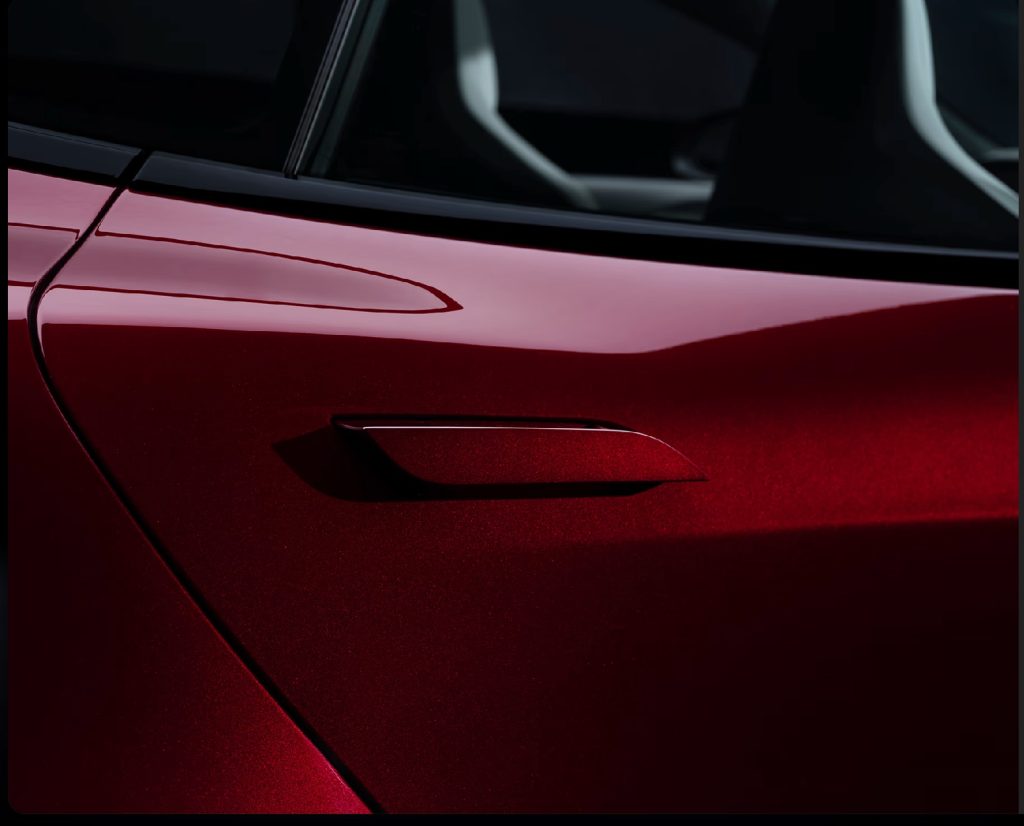
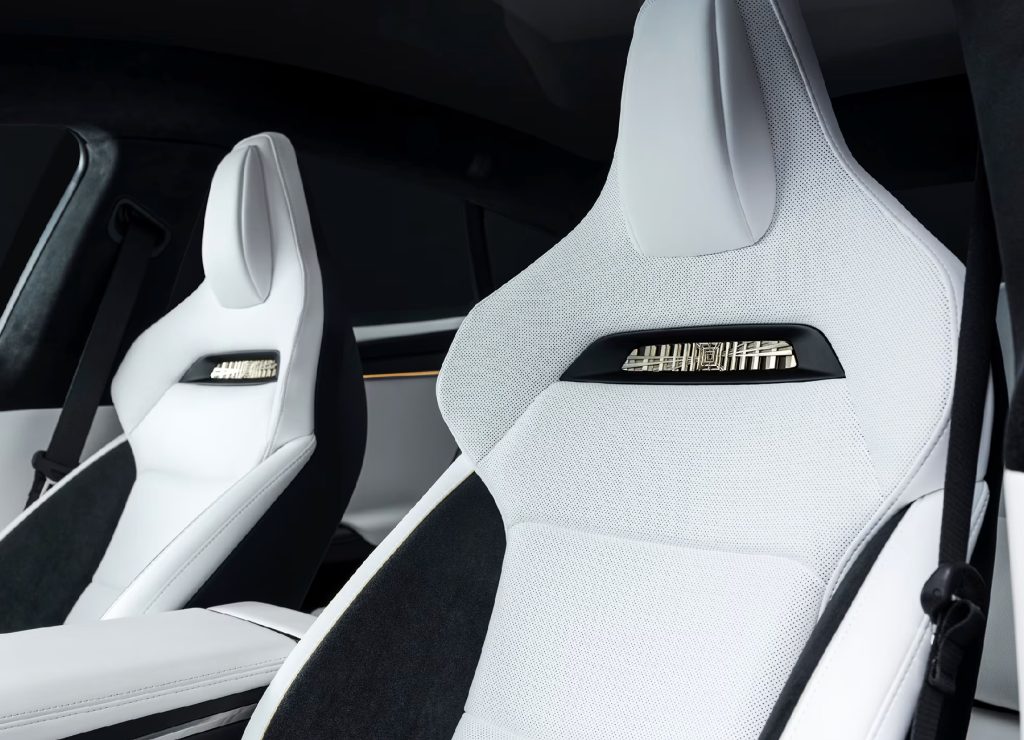
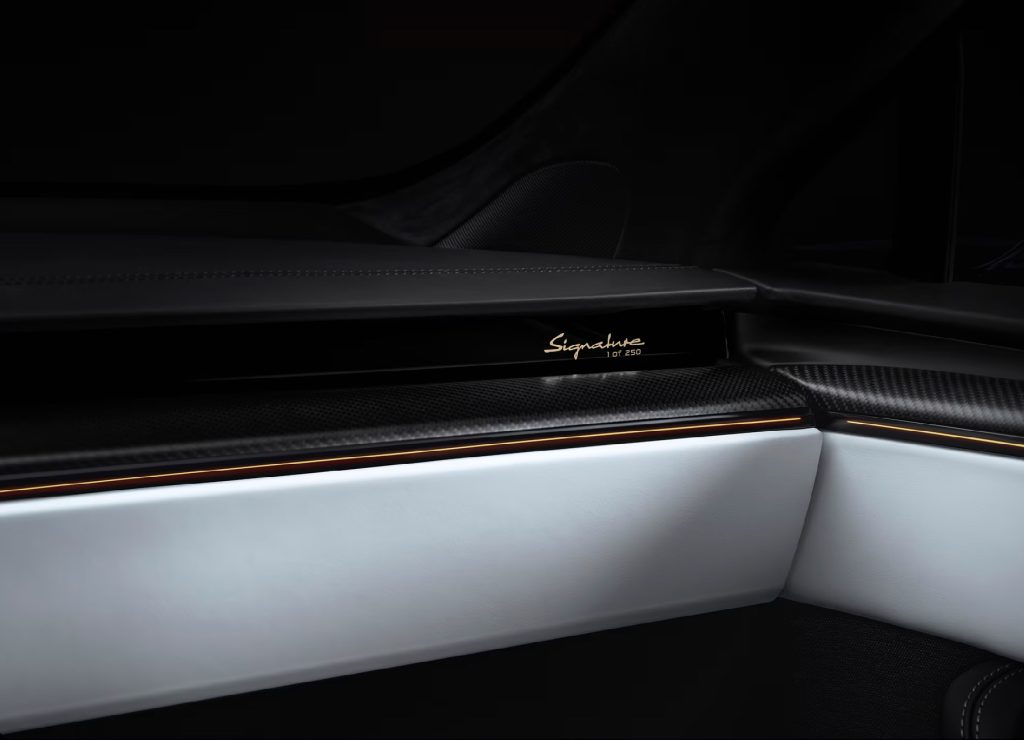
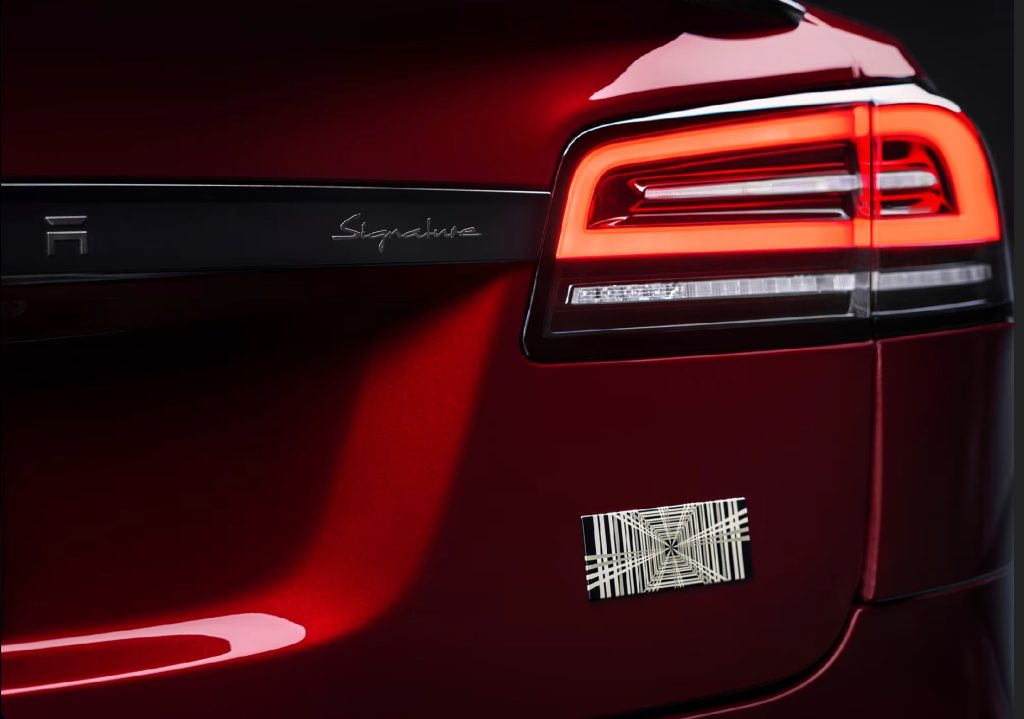
Tesla has announced a super limited Signature Edition run of 250 Model S Plaid and 100 Model X Plaid units as an invite only purchase in a bid to give its original flagship vehicles a proper send-off.
When the Model S first launched in 2012, the first 1,000 units sold were “Signature” editions that required a $40,000 deposit and cost nearly $100,000 each. Those early buyers were Tesla’s first real believers. This new Signature Edition deliberately echoes that moment, bookending a 14-year run with numbered collector hardware.
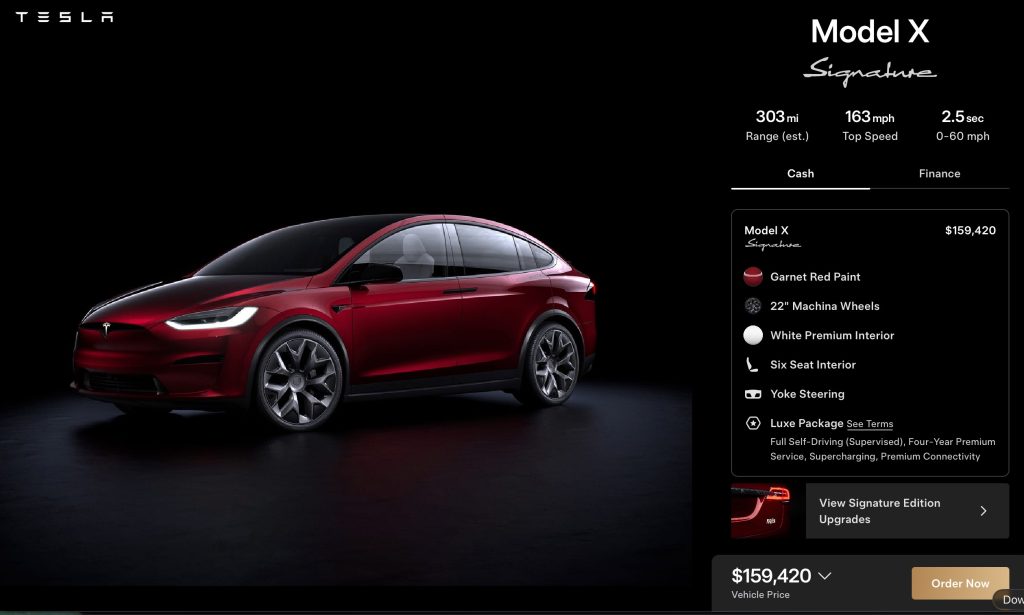
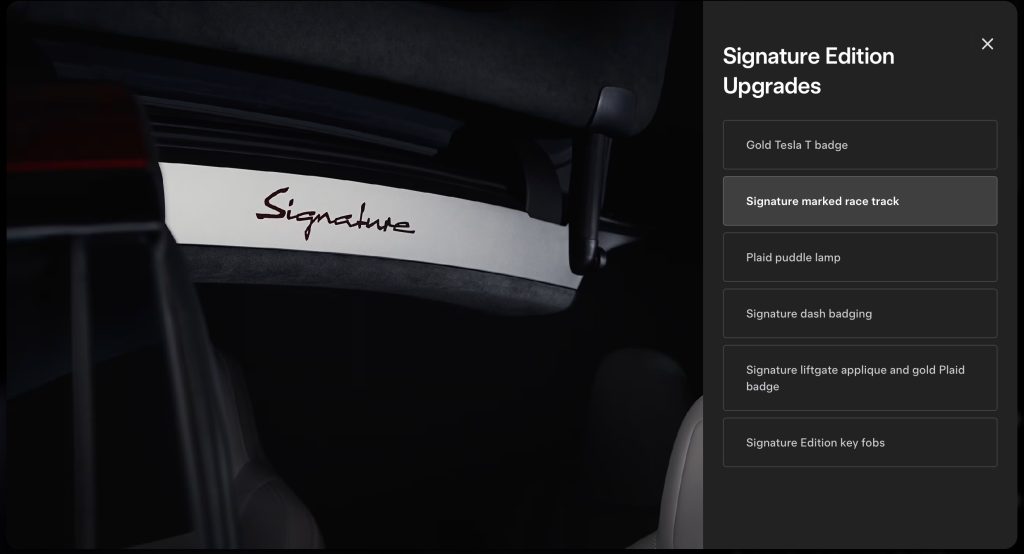
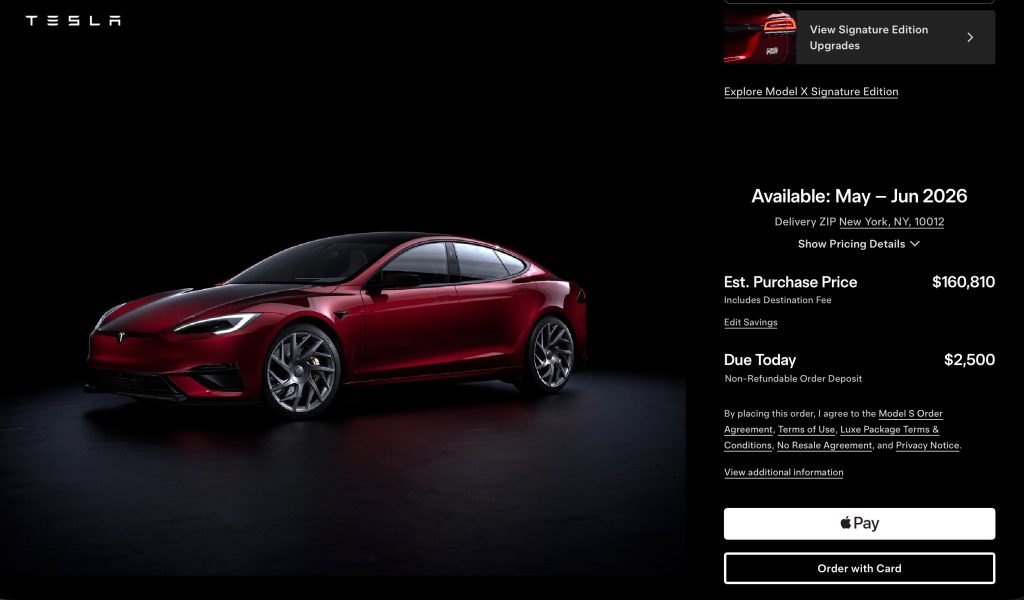
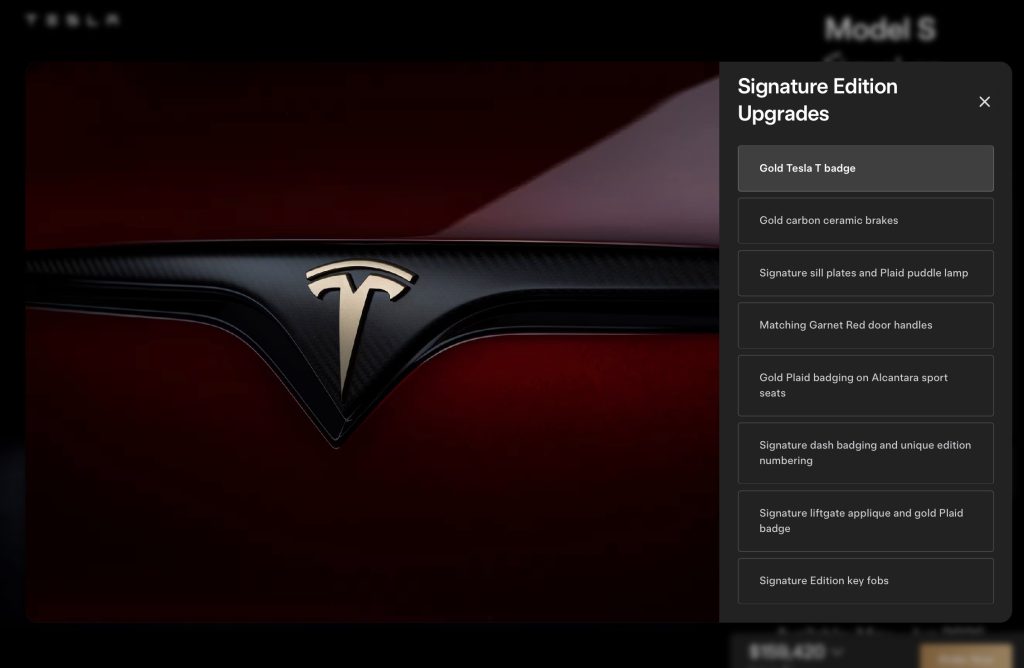
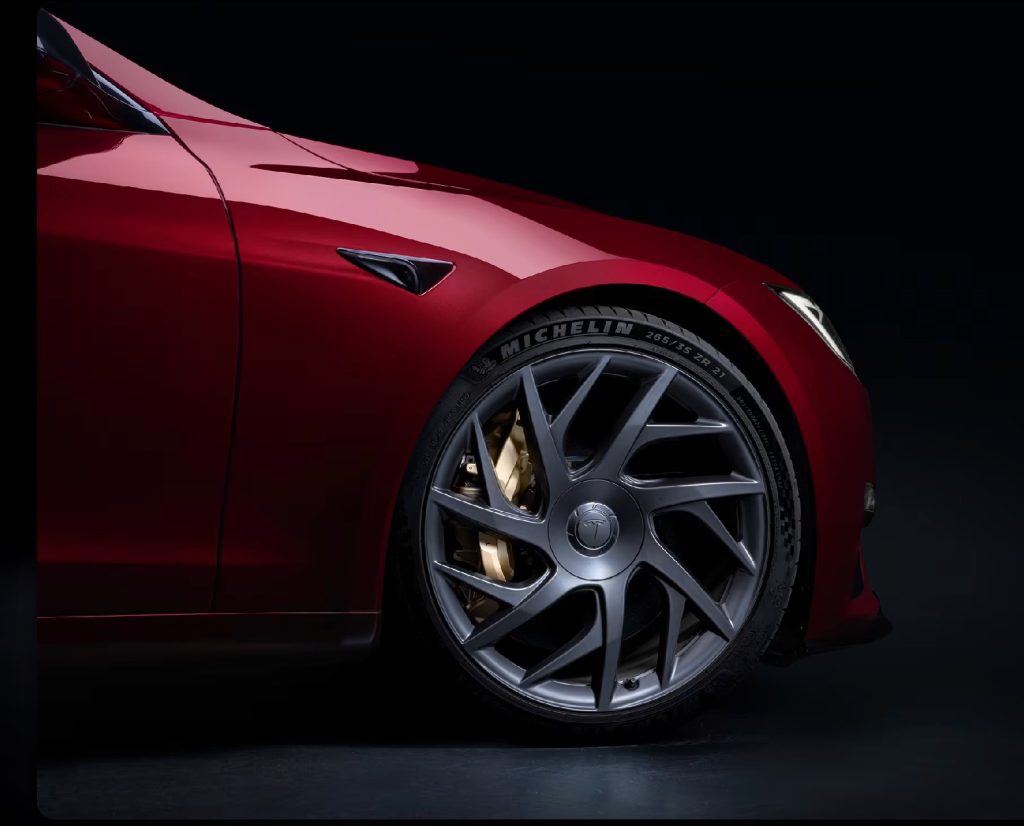
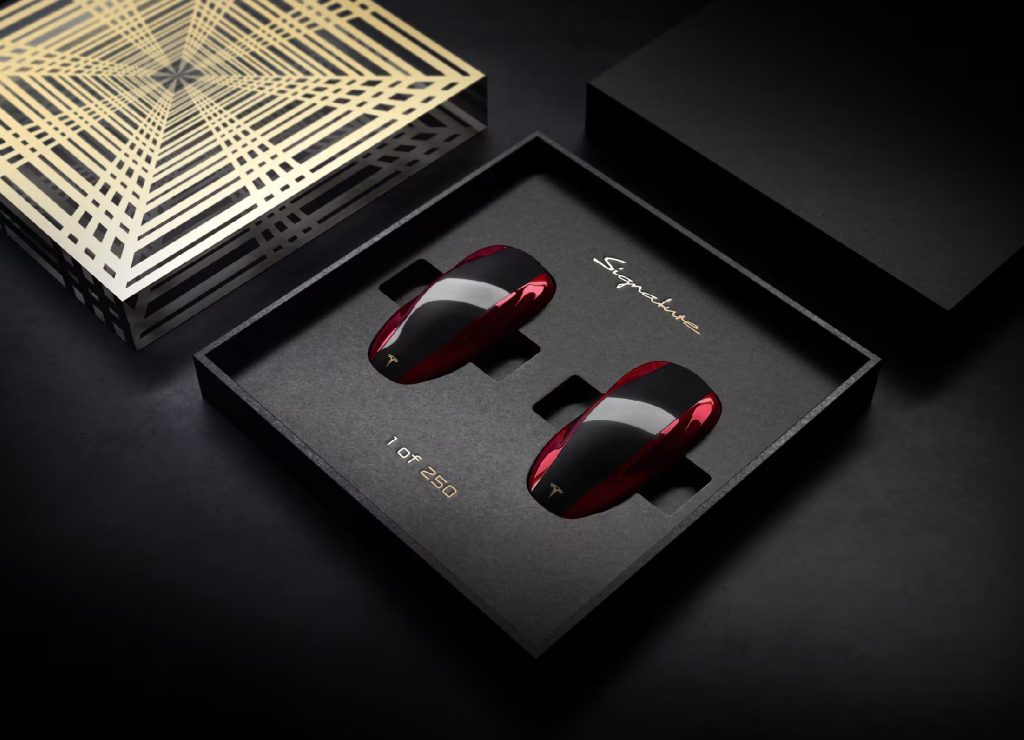
Both models are finished in an exclusive Garnet Red paint not available on any current Tesla production vehicle, with gold Tesla T badges up front, a gold Plaid badge and Signature badge at the rear, and a white Alcantara interior featuring gold Plaid seat badges, gold piping, Signature-marked door sills, and a numbered dash plate. The Model S adds carbon ceramic brakes with gold calipers. Every unit ships with Tesla’s Luxe Package, bundling Full Self-Driving (Supervised), four years of Premium Service, free lifetime Supercharging, and a Signature Edition key fob. Both are priced at $159,420, a roughly $35,000 premium over standard Plaid inventory.
The discontinuation is part of a broader strategic shift. At Tesla’s Q4 2025 earnings call, Musk described the decision as “slightly sad” but necessary, saying: “It’s time to basically bring the Model S and X programs to an end with an honorable discharge, because we’re really moving into a future that is based on autonomy.”
The Fremont factory floor that built these cars is being converted to manufacture Optimus humanoid robots, with a target of one million units annually.
-
- Credit: Tesla

Tesla opens the Q&A for its biggest earnings call yet

Ukraine says Starlink is cutting out its military drones as Poland calls out Elon Musk

FAA kicks off review of SpaceX’s bid to fly Starship nearly every day

The Pentagon taps Elon Musk to design the battlefield of the future

SpaceX reveals how its 1 Million AI satellite network will work and prevent space collisions


