News
First glimpse of Tesla Model Y with six seats and extended wheelbase
It’s longer and taller than the regular Model Y, and it has a cool new badge.

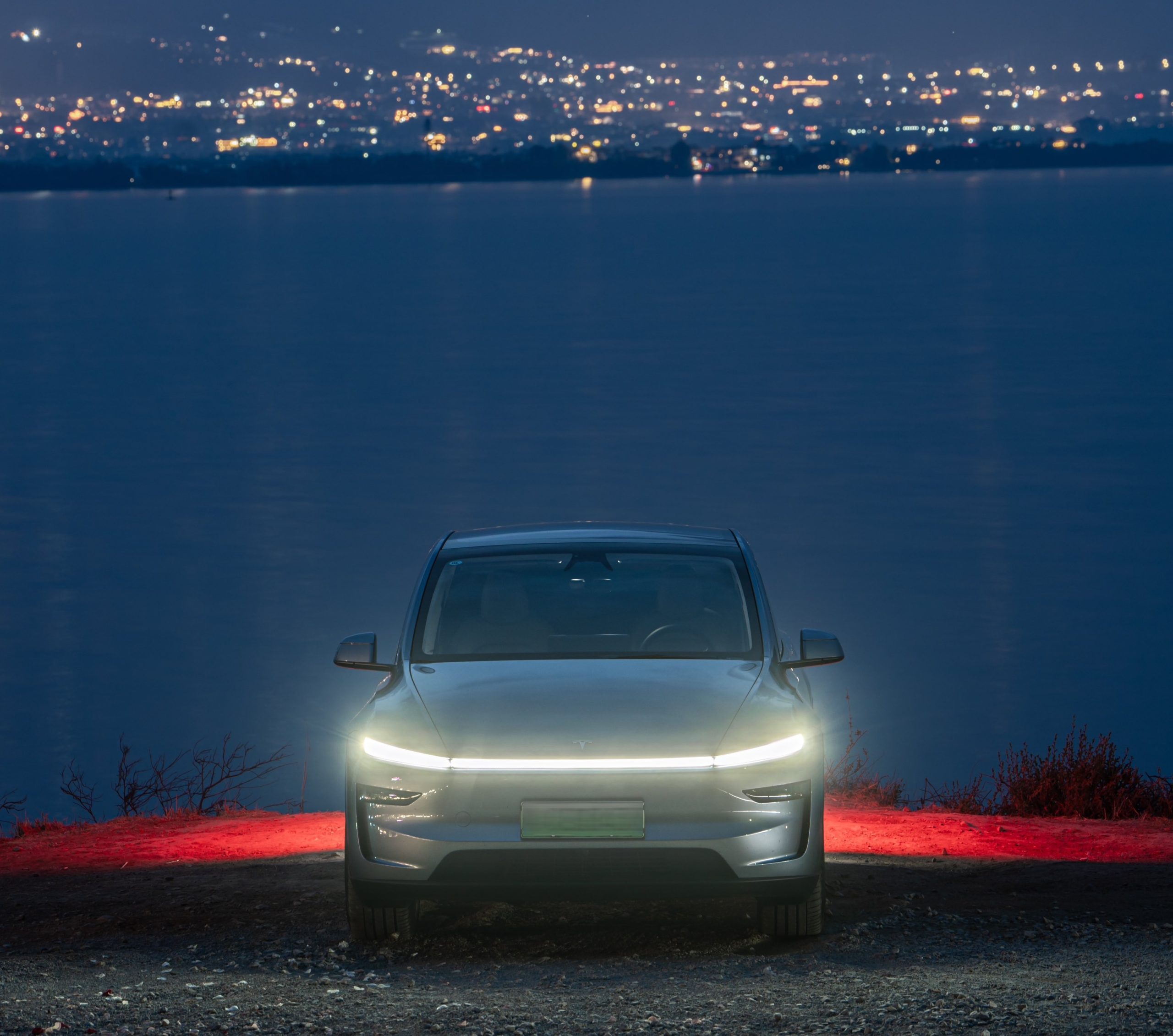
Tesla’s extended wheelbase Model Y has been announced by the electric vehicle maker on its official Weibo page in China. At the same time, details of the upcoming vehicle have been listed in the China Ministry of Industry and Information Technology’s (MIIT) new regulatory catalog.
The extended wheelbase Model Y
Tesla announced the upcoming vehicle on its official Weibo page, with the company noting that the new car will be called the “Model Y L.” Images posted by the company showed that the Model Y L will feature a “Model Y” badge with a stylized “Y” graphic. A teaser image of the vehicle taken from its side also emphasizes the extra space that was gained from its extended wheelbase.
The MIIT listing for the Model Y L indicated that the vehicle would be 4,976 mm long, 1,920 mm wide, and 1,668 mm high. Its wheelbase was listed in the MIIT’s catalog as 3,040 mm. In comparison, the new Model Y is currently 4,797 mm long, 1,920 mm wide, and 1,624 mm high, with a wheelbase of 2,890 mm.
Six seats and some power
Most notably, the extended wheelbase Model Y was listed in the MIIT regulatory catalog as a six-seat model. The vehicle is also listed with the product model number TSL6500BEVBA0, as noted in a CNEV Post report. And as hinted in Tesla China’s Weibo post, the vehicle will be released sometime in the fall.
The Model Y L is listed as a dual motor vehicle with peak power outputs of 142 kW and 198 kW for the front and rear motors. The vehicle is also listed with ternary batteries supplied by LG Energy Solution, and it reportedly weighs 2,088 kilograms (4603 pounds). In comparison, the new Model Y Dual Motor AWD weighs 4391 pounds.
Tesla China has not hinted at the price of the new Model Y L, though expectations are high that the vehicle will be priced at about RMB 400,000 ($55,764). It also remains to be seen if the Model Y L will also be produced in Tesla’s vehicle factories in the United States and Germany.



News
Tesla Robotaxi has a highly-requested hardware feature not available on typical Model Ys
These camera washers are crucial for keeping the operation going, as they are the sole way Teslas operate autonomously. The cameras act as eyes for the car to drive, recognize speed limit and traffic signs, and travel safely.

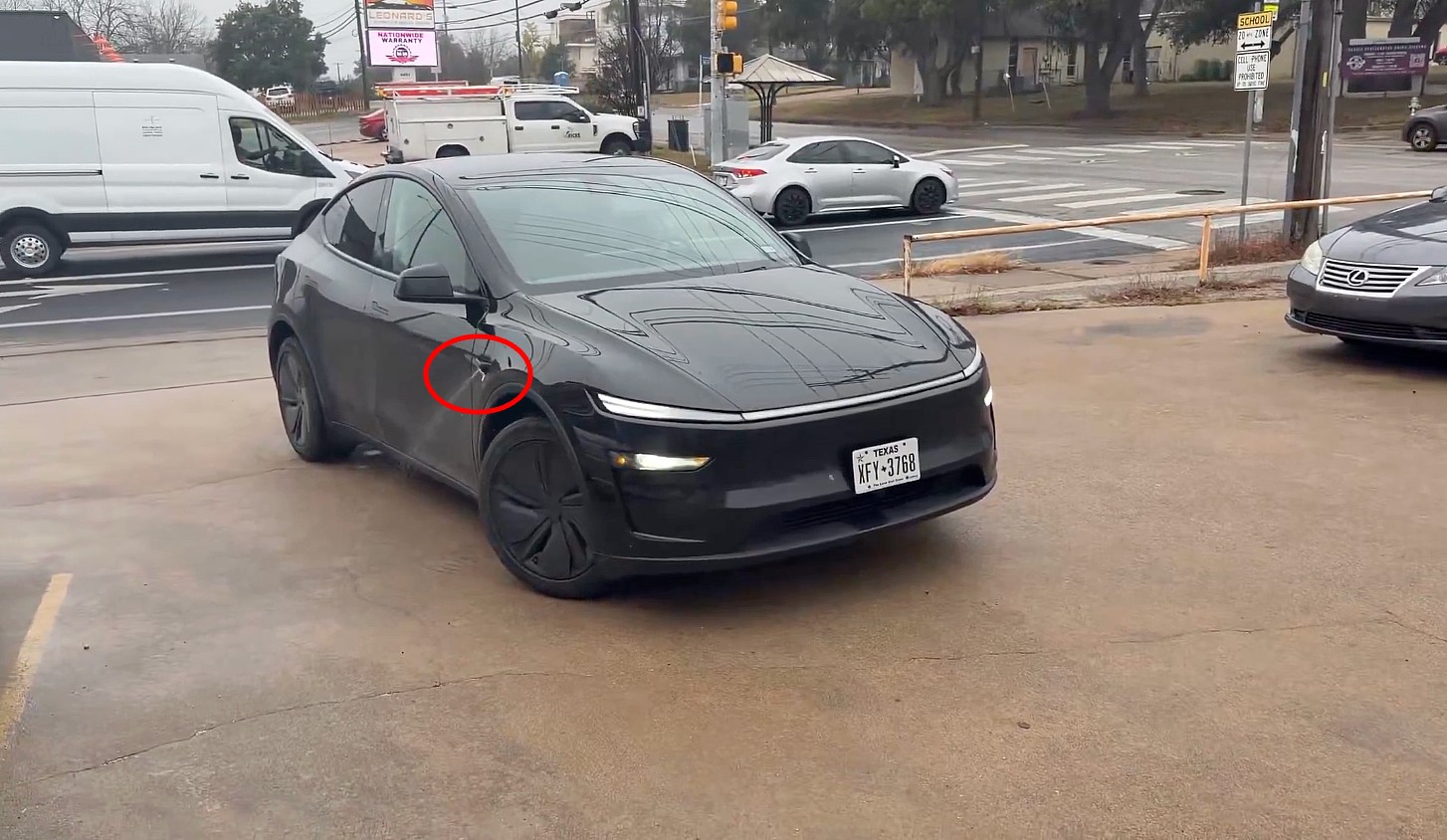
Tesla Robotaxi has a highly-requested hardware feature that is not available on typical Model Ys that people like you and me bring home after we buy them. The feature is something that many have been wanting for years, especially after the company adopted a vision-only approach to self-driving.
After Tesla launched driverless Robotaxi rides to the public earlier this week in Austin, people have been traveling to the Lone Star State in an effort to hopefully snag a ride from one of the few vehicles in the fleet that are now no longer required to have Safety Monitors present.
BREAKING: Tesla launches public Robotaxi rides in Austin with no Safety Monitor
Although only a few of those completely driverless rides are available, there have been some new things seen on these cars that are additions from regular Model Ys, including the presence of one new feature: camera washers.
With the Model Y, there has been a front camera washer, but the other exterior “eyes” have been void of any solution for this. For now, owners are required to clean them manually.
In Austin, Tesla is doing things differently. It is now utilizing camera washers on the side repeater and rear bumper cameras, which will keep the cameras clean and keep operation as smooth and as uninterrupted as possible:
🚨 Tesla looks to have installed Camera Washers on the side repeater cameras on Robotaxis in Austin
pic.twitter.com/xemRtDtlRR— TESLARATI (@Teslarati) January 23, 2026
Rear Camera Washer on Tesla Robotaxi pic.twitter.com/P9hgGStHmV
— TESLARATI (@Teslarati) January 24, 2026
These camera washers are crucial for keeping the operation going, as they are the sole way Teslas operate autonomously. The cameras act as eyes for the car to drive, recognize speed limit and traffic signs, and travel safely.
This is the first time we are seeing them, so it seems as if Safety Monitors might have been responsible for keeping the lenses clean and unobstructed previously.
However, as Tesla transitions to a fully autonomous self-driving suite and Robotaxi expands to more vehicles in the Robotaxi fleet, it needed to find a way to clean the cameras without any manual intervention, at least for a short period, until they can return for interior and exterior washing.
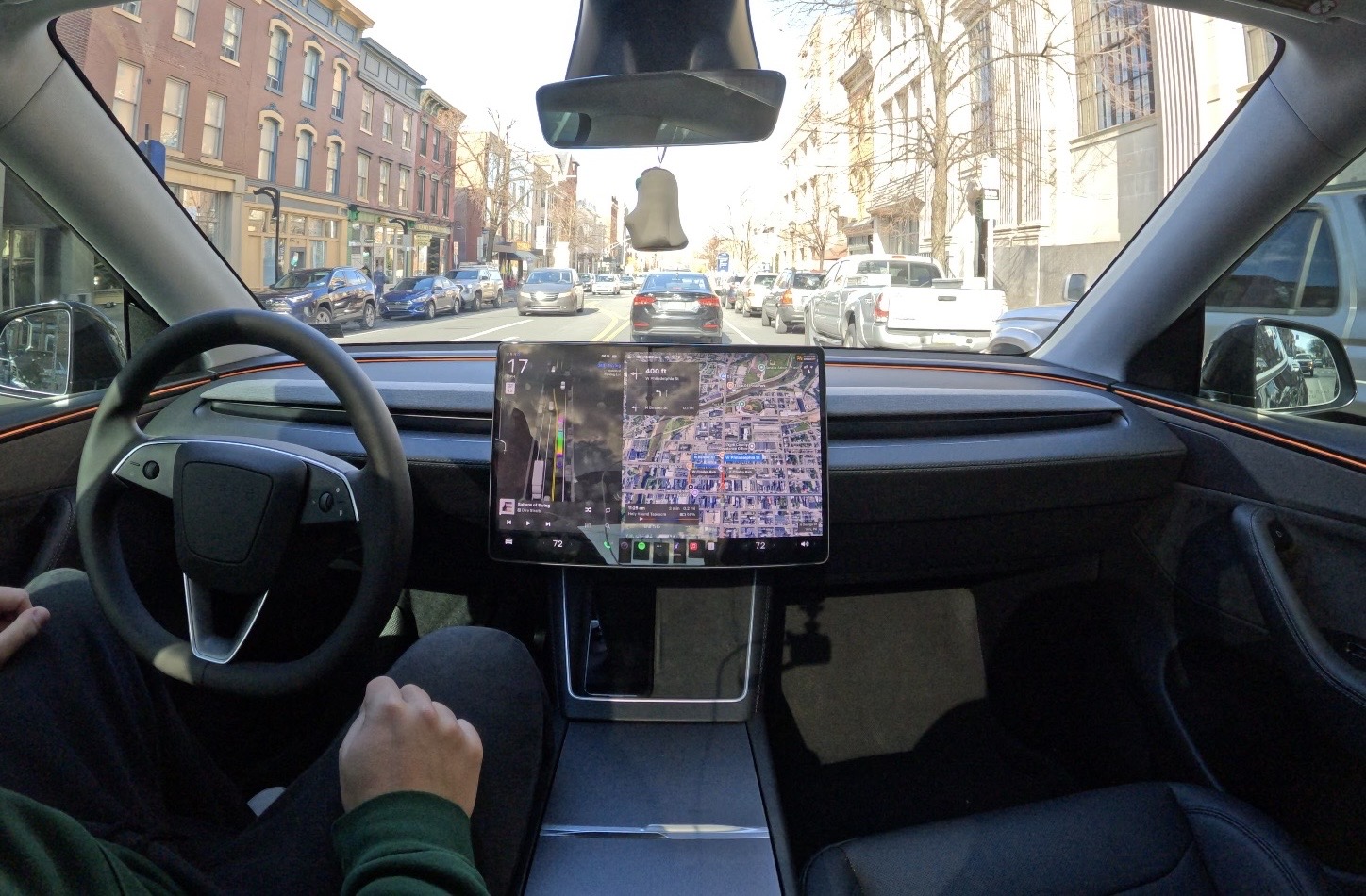
Tesla made a dramatic change to the Online Design Studio to show its plans for Full Self-Driving, a major part of the company’s plans moving forward, as CEO Elon Musk has been extremely clear on the direction moving forward.
With Tesla taking a stand and removing the ability to purchase Full Self-Driving outright next month, it is already taking steps to initiate that with owners and potential buyers.
On Thursday night, the company updated its Online Design Studio to reflect that in a new move that now lists the three purchase options that are currently available: Monthly Subscription, One-Time Purchase, or Add Later:
🚨 Check out the change Tesla made to its Online Design Studio:
It now lists the Monthly Subscription as an option for Full Self-Driving
It also shows the outright purchase option as expiring on February 14 pic.twitter.com/pM6Svmyy8d
— TESLARATI (@Teslarati) January 23, 2026
This change replaces the former option for purchasing Full Self-Driving at the time of purchase, which was a simple and single box to purchase the suite outright. Subscriptions were activated through the vehicle exclusively.
However, with Musk announcing that Tesla would soon remove the outright purchase option, it is clearer than ever that the Subscription plan is where the company is headed.
The removal of the outright purchase option has been a polarizing topic among the Tesla community, especially considering that there are many people who are concerned about potential price increases or have been saving to purchase it for $8,000.
This would bring an end to the ability to pay for it once and never have to pay for it again. With the Subscription strategy, things are definitely going to change, and if people are paying for their cars monthly, it will essentially add $100 per month to their payment, pricing some people out. The price will increase as well, as Musk said on Thursday, as it improves in functionality.
I should also mention that the $99/month for supervised FSD will rise as FSD’s capabilities improve.
The massive value jump is when you can be on your phone or sleeping for the entire ride (unsupervised FSD). https://t.co/YDKhXN3aaG
— Elon Musk (@elonmusk) January 23, 2026
Those skeptics have grown concerned that this will actually lower the take rate of Full Self-Driving. While it is understandable that FSD would increase in price as the capabilities improve, there are arguments for a tiered system that would allow owners to pay for features that they appreciate and can afford, which would help with data accumulation for the company.
Musk’s new compensation package also would require Tesla to have 10 million active FSD subscriptions, but people are not sure if this will move the needle in the correct direction. If Tesla can potentially offer a cheaper alternative that is not quite unsupervised, things could improve in terms of the number of owners who pay for it.
News
Tesla Model S completes first ever FSD Cannonball Run with zero interventions
The coast-to-coast drive marked the first time Tesla’s FSD system completed the iconic, 3,000-mile route end to end with no interventions.
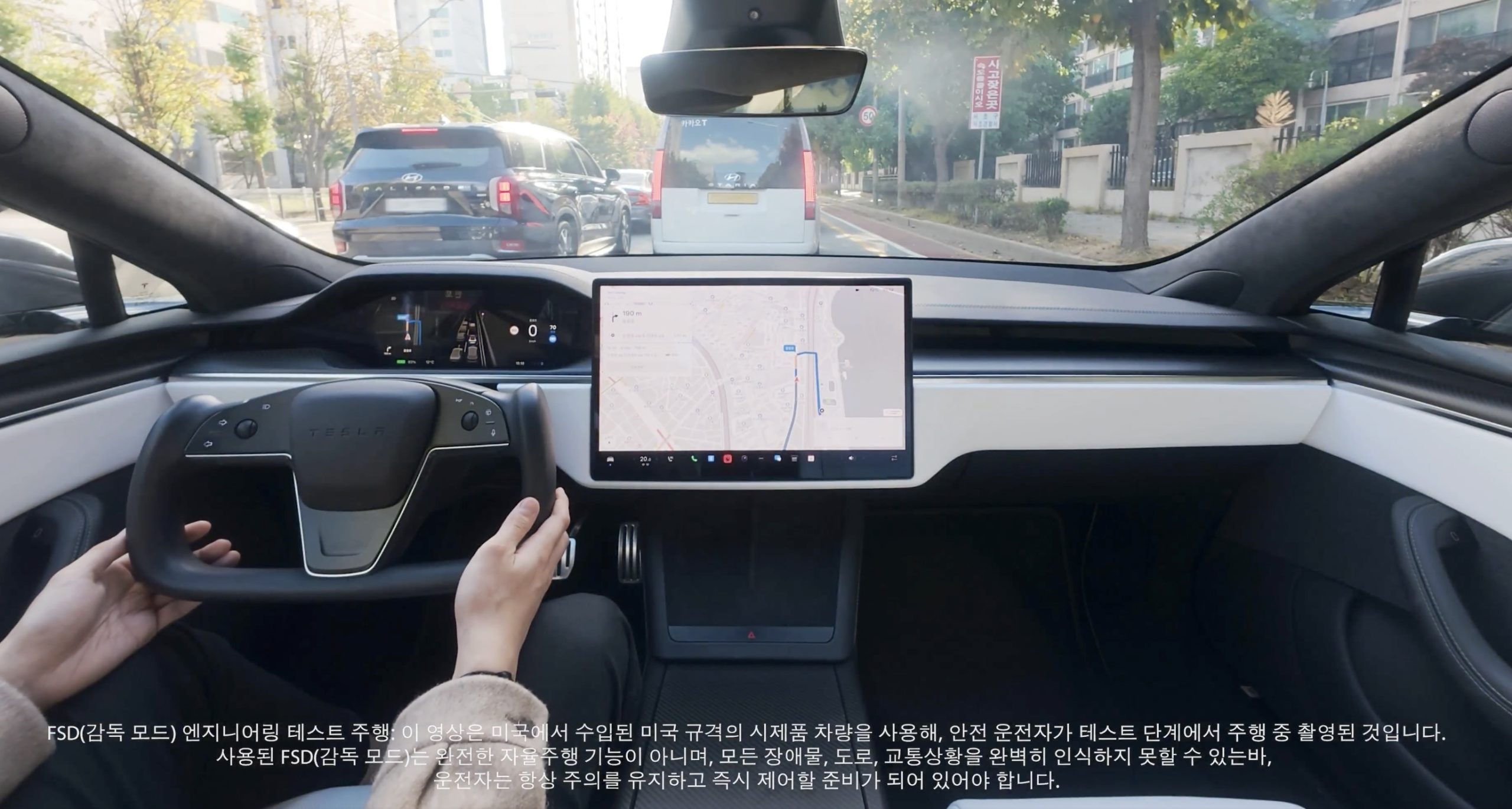
A Tesla Model S has completed the first-ever full Cannonball Run using Full Self-Driving (FSD), traveling from Los Angeles to New York with zero interventions. The coast-to-coast drive marked the first time Tesla’s FSD system completed the iconic, 3,000-mile route end to end, fulfilling a long-discussed benchmark for autonomy.
A full FSD Cannonball Run
As per a report from The Drive, a 2024 Tesla Model S with AI4 and FSD v14.2.2.3 completed the 3,081-mile trip from Redondo Beach in Los Angeles to midtown Manhattan in New York City. The drive was completed by Alex Roy, a former automotive journalist and investor, along with a small team of autonomy experts.
Roy said FSD handled all driving tasks for the entirety of the route, including highway cruising, lane changes, navigation, and adverse weather conditions. The trip took a total of 58 hours and 22 minutes at an average speed of 64 mph, and about 10 hours were spent charging the vehicle. In later comments, Roy noted that he and his team cleaned out the Model S’ cameras during their stops to keep FSD’s performance optimal.
History made
The historic trip was quite impressive, considering that the journey was in the middle of winter. This meant that FSD didn’t just deal with other cars on the road. The vehicle also had to handle extreme cold, snow, ice, slush, and rain.
As per Roy in a post on X, FSD performed so well during the trip that the journey would have been completed faster if the Model S did not have people onboard. “Elon Musk was right. Once an autonomous vehicle is mature, most human input is error. A comedy of human errors added hours and hundreds of miles, but FSD stunned us with its consistent and comfortable behavior,” Roy wrote in a post on X.
Roy’s comments are quite notable as he has previously attempted Cannonball Runs using FSD on December 2024 and February 2025. Neither were zero intervention drives.

Tesla Robotaxi has a highly-requested hardware feature not available on typical Model Ys

Tesla makes big Full Self-Driving change to reflect future plans


