Elon Musk
Tesla reveals major info about the Semi as it heads toward ‘mass production’
Some information, like trim levels and their specs were not revealed by Tesla, but now that the Semi is headed toward mass production this year, the company finally revealed those specifics.

Tesla has revealed some major information about the all-electric Semi as it heads toward “mass production,” according to CEO Elon Musk.
The Semi has been working toward a wider production phase after several years of development, pilot programs, and the construction of a dedicated production facility that is specifically catered to the manufacturing of the vehicle.
However, some information, like trim levels and their specs were not revealed by Tesla, but now that the Semi is headed toward mass production this year, the company finally revealed those specifics.
Tesla Semi undergoes major redesign as dedicated factory preps for deliveries
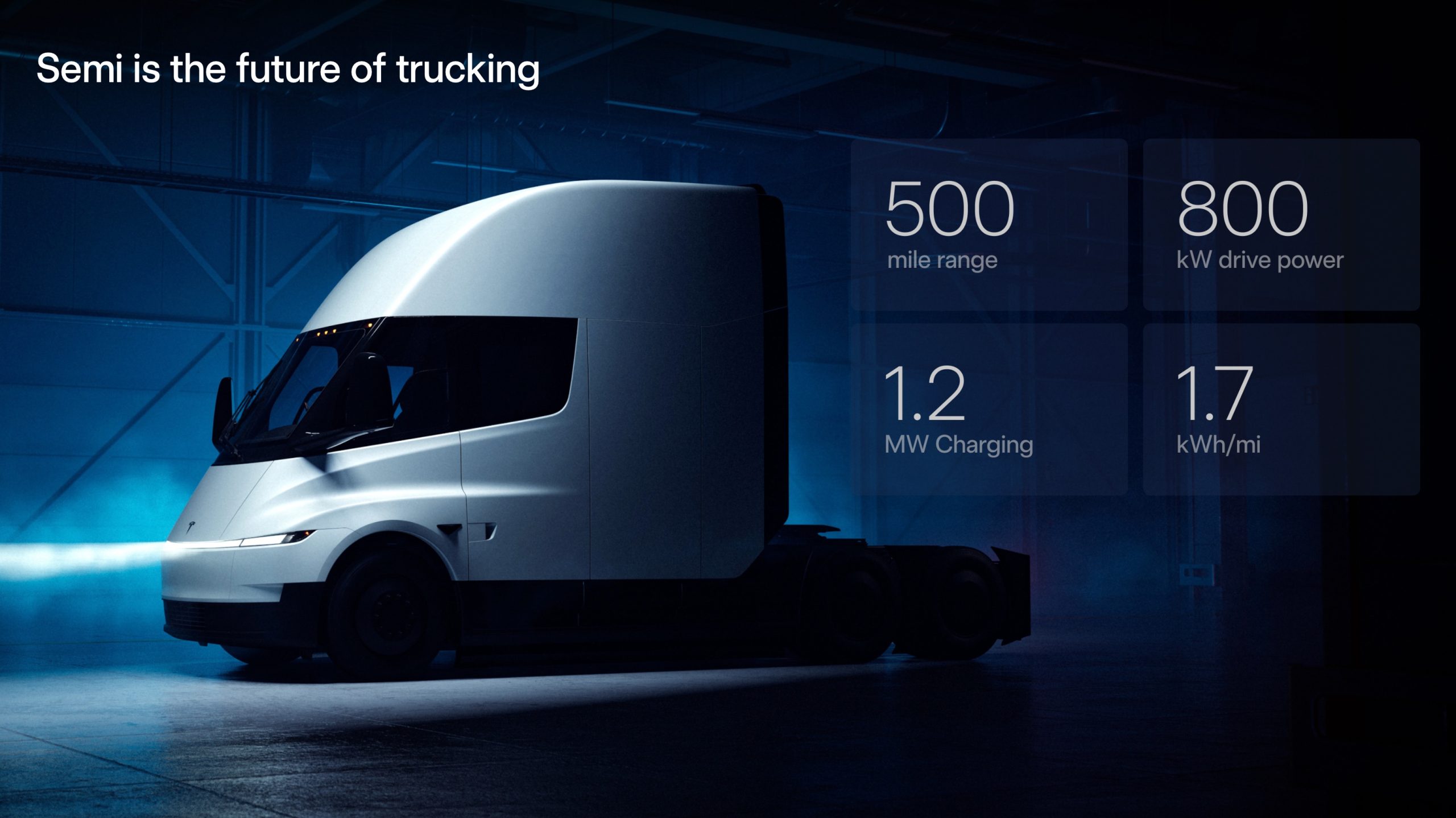
Tesla plans to build a Standard Range and Long Range Trim level of the Semi, and while the range is noted in the company’s newly-released spec list, there is no indication of what battery size will be equipped by them. However, there is a notable weight difference between the two of roughly 3,000 lbs, and the Long Range configuration has a lightning-fast peak charging speed of 1.2 MW.
This information is not available for the Standard Range quite yet.
The spec list is as follows:
- Standard Range:
- 325 miles of range (at 82,000 lbs gross combination weight
- Curb Weight: <20,000
- Energy Consumption: 1.7 kWh per mile
- Powertrain: 3 independent motors on rear axles
- Charging: Up to 60% of range in 30 minutes
- Charge Type: MCS 3.2
- Drive Power: Up to 800 kW
- ePTO (Electric Power Take Off): Up to 25 kW
- Long Range:
- Range: 500 miles (at 82,000 lbs gross combination weight)
- Curb Weight: 23,000 lbs
- Energy Consumption: 1.7 kWh per mile
- Powertrain: 3 independent motors on rear axles
- Charging: Up to 60% of range in 30 minutes
- Charge Type: MCS 3.2
- Peak charging speed: 1.2MW (1,200kW)
- Drive Power: Up to 800 kW
- ePTO (Electric Power Take Off): Up to 25 kW
It is important to keep in mind that the Semi is currently spec’d for local runs, and Tesla has not yet released or developed a sleeper cabin that would be more suitable for longer trips, cross-country hauls, and overnight travel.
Tesla Semi sleeper section and large side storage teased in new video
Instead, the vehicle will be initially used for regional deliveries, as it has in the pilot programs for Pepsi Co. and Frito-Lay for the past several years.
It will enter mass production this year, Musk confirmed on X over the weekend.
Now that the company’s dedicated Semi production facility in Sparks, Nevada, is standing, the timeline seems much more realistic as the vehicle has had its mass manufacturing date adjusted on several occasions.


Elon Musk
Elon Musk offers to pay TSA salaries as government shutdown leaves agents without paychecks
Elon Musk offered to personally cover TSA salaries as the DHS shutdown deepens travel chaos nationwide.

Elon Musk says that he is willing to personally cover the salaries of Transportation Security Administration (TSA) workers caught in the crossfire of a partial government shutdown that has now dragged on for over a month. “I would like to offer to pay the salaries of TSA personnel during this funding impasse that is negatively affecting the lives of so many Americans at airports throughout the country,” Musk wrote.
I would like to offer to pay the salaries of TSA personnel during this funding impasse that is negatively affecting the lives of so many Americans at airports throughout the country
— Elon Musk (@elonmusk) March 21, 2026
The offer arrives as Congress let funding expire for the Department of Homeland Security on February 14, amid a disagreement over immigration enforcement, leaving most TSA employees classified as essential and on duty but working without pay. The timing could not be more disruptive, as the shutdown is colliding directly with spring break travel season when millions of Americans are in the air.
This is not the first time TSA workers have endured this kind of hardship. TSA agents are being asked to work without pay until congressional action unblocks their paychecks, having previously held out through the longest government shutdown in U.S. history at 43 days. The pattern reveals a systemic failure in how Congress funds critical security infrastructure, and Musk’s offer shines a spotlight on that recurring failure at a moment when the public is directly feeling its effects through long lines and terminal closures.
Whether Musk can legally follow through remains unclear, as federal law generally prohibits government employees from receiving outside compensation related to their official duties.
Elon Musk
Elon Musk launches TERAFAB: The $25B Tesla-SpaceXAI chip factory that will rewire the AI industry
Tesla, SpaceX, and xAI unveiled TERAFAB, a $25B chip factory targeting one terawatt of AI compute annually.
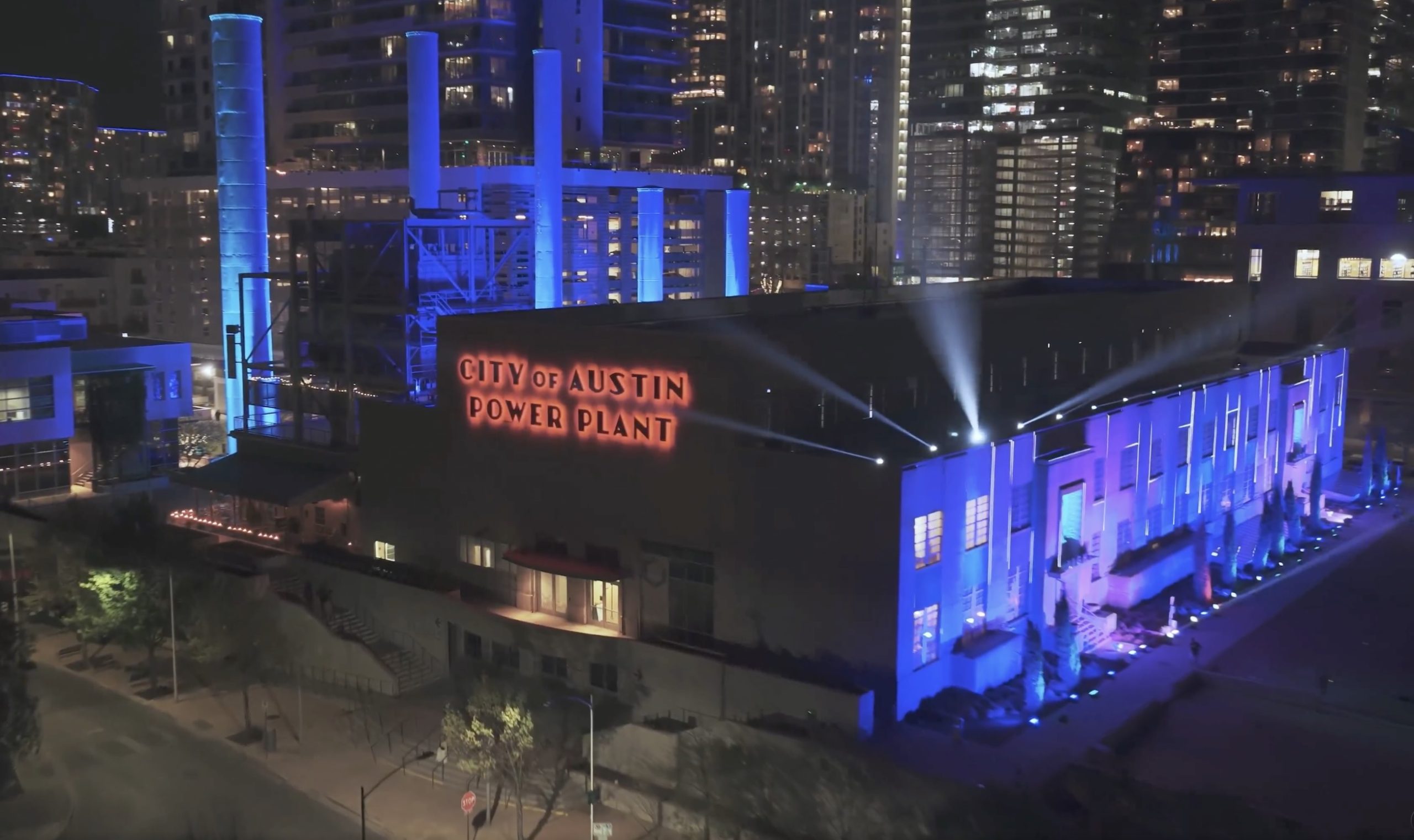
Elon Musk took the stage over the weekend at the defunct Seaholm Power Plant in Austin, Texas, to officially unveil TERAFAB, a $20-25 billion joint venture between Tesla, SpaceX, and xAI that he described as “the most epic chip building exercise in history by far.” The announcement marks the most ambitious infrastructure bet Musk has made since Gigafactory 1 in Sparks, Nevada, and it fuses three of his companies into a single, vertically integrated AI hardware machine for the first time.
TERAFAB is designed to consolidate every stage of semiconductor production under one roof, including chip design, lithography, fabrication, memory production, advanced packaging, and testing. At full capacity, the facility would scale to roughly 70% of the global output from the current world’s largest semiconductor foundry from Taiwan Semiconductor Manufacturing Company (TSMC).
Elon Musk’s stated goal is one terawatt of computing power annually, split between Tesla’s AI5 inference chips for vehicles and Optimus robots, and D3 chips built specifically for SpaceXAI’s orbital satellite constellation.
Tesla Terafab set for launch: Inside the $20B AI chip factory that will reshape the auto industry
The logic behind the merger of these three entities is rooted in a supply chain crisis Musk has been signaling for over a year. At Tesla’s Q4 2025 earnings call, he warned investors that external chip capacity from TSMC, Samsung, and Micron would hit a ceiling within three to four years. “We’re very grateful to our existing supply chain, to Samsung, TSMC, Micron and others,” Musk acknowledged at the Terafab event, “but there’s a maximum rate at which they’re comfortable expanding.” Building in-house was, in his framing, not a strategic option, but a necessity.
The space angle is where the announcement becomes genuinely unprecedented. Musk said 80% of Terafab’s compute output would be directed toward space-based orbital AI satellites, arguing that solar irradiance in space is roughly 5x greater than at Earth’s surface, and that heat rejection in vacuum makes thermal scaling viable. This directly feeds the SpaceXAI vision, which is betting that within two to three years, running AI workloads in orbit will be cheaper than doing so on the ground. The satellites, powered by constant solar energy, would effectively turn low Earth orbit into the world’s largest data center.
Will Tesla join the fold? Predicting a triple merger with SpaceX and xAI
Historically, this announcement threads together every major Musk initiative of the past two years: the xAI-SpaceX merger, Tesla’s $2.9 billion solar equipment talks with Chinese suppliers, the 100 GW domestic solar manufacturing push, the Optimus humanoid robot program, and Starship’s development. TERAFAB is the capstone that ties them into a single coherent architecture — chips made on Earth, launched by SpaceX, powered by Tesla solar, run by xAI, and ultimately extended to the Moon.
“I want us to live long enough to see the mass driver on the moon, because that’s going to be incredibly epic,”Musk said during the presentation.
Announcing TERAFAB: the next step towards becoming a galactic civilization https://t.co/IDKey07mJa
— Tesla (@Tesla) March 22, 2026
Elon Musk
SpaceX is quietly becoming the U.S. Military’s only reliable rocket
Space Force drops ULA for SpaceX on GPS launch after Vulcan rocket anomaly investigation halts flights.
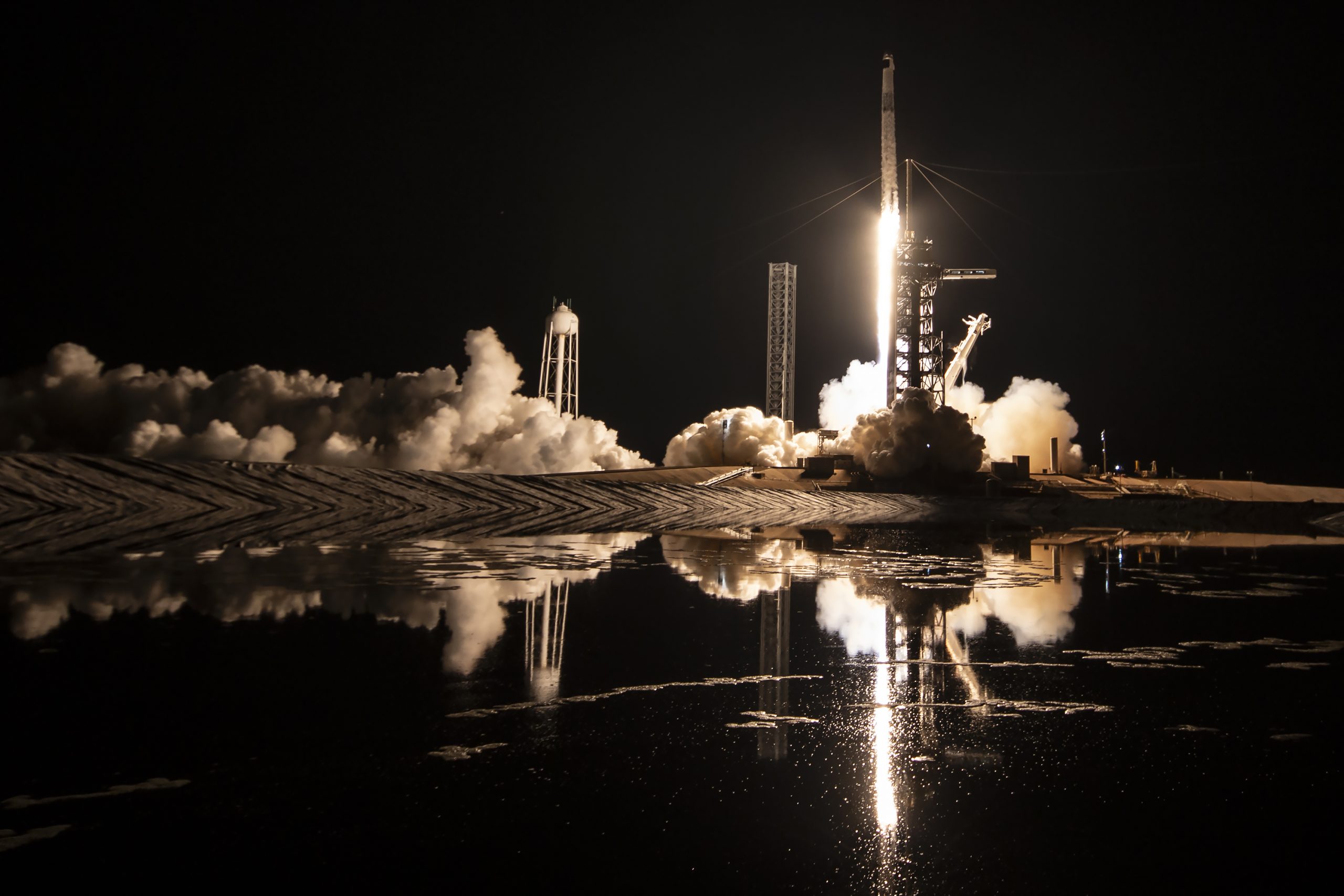
The U.S. Space Force announced today it is switching an upcoming GPS III satellite launch from United Launch Alliance’s Vulcan rocket to a SpaceX Falcon 9, a move that is as much a reflection of Vulcan’s mounting problems as it is a validation of SpaceX’s growing dominance in national security space launch. The GPS III Space Vehicle 09, originally contracted to fly on Vulcan this month, will now target a late April liftoff on Falcon 9, marking the fourth consecutive GPS III satellite the Space Force has moved to SpaceX after contracts were originally awarded to ULA.
The immediate trigger is a solid rocket motor anomaly that occurred on February 12 during Vulcan’s USSF-87 mission. Although the payloads reached orbit and ULA declared the mission successful, the company characterized the malfunction as a “significant performance anomaly” and has since paused all military launches on Vulcan pending a root cause investigation.
“With this change, we are answering the call for rapid delivery of advanced GPS capability while the Vulcan anomaly investigation continues,” said Systems Delta 81 Commander Col. Ryan Hiserote. “We are once again demonstrating our team’s flexibility and are fully committed to leverage all options available for responsive and reliable launch for the Nation.”
The broader reality is that SpaceX’s reliability record and launch cadence have made it the path of least resistance for the Pentagon, and bodes well with Elon Musk’s plans to IPO SpaceX sometime this year. Its Falcon 9 is the most flight-proven rocket in history, and the Space Force’s Rapid Response Trailblazer program was specifically designed to enable exactly this kind of provider swap for GPS missions, and effectively building SpaceX’s flexibility into the national security launch architecture by design.
For ULA, the stakes are existential. The company entered 2026 with aspirations of finally turning a corner after years of Vulcan delays, with interim CEO John Elbon pointing to a backlog of over 80 missions as reason for optimism. Meanwhile, SpaceX’s contracts with the Space Force have given it a formal pathway to take on even more national security launches going forward.
The significance of today’s announcement extends beyond one satellite swap. It reinforces that America’s most critical space infrastructure, including GPS, missile warning, and beyond, is increasingly dependent on a single commercial provider.

Elon Musk offers to pay TSA salaries as government shutdown leaves agents without paychecks

Elon Musk launches TERAFAB: The $25B Tesla-SpaceXAI chip factory that will rewire the AI industry


