Investor's Corner
Tesla gets lower price targets from Jefferies, Morgan Stanley despite 110% YoY growth

Tesla stock (NASDAQ:TSLA) is facing new reservations from Wall Street, with analysts from Jefferies and Morgan Stanley lowering their price targets for the company. This was despite Tesla’s strong year-on-year growth, which saw Q1 2019’s electric car deliveries represent a 110% increase compared to Q1 2018.
In a note on Monday, Philippe Houchois from Jefferies lowered his price target for Tesla stock from $450 to $400. Houchois’ more conservative estimates followed the company’s release of its first-quarter vehicle delivery and production report, which revealed that Tesla delivered ~30% fewer vehicles in Q1 2019 compared to Q4 2018.
“While Q1 disappointed, the critical tests in our view remain demand elasticity in Q2 as lower-priced M3 versions become available and sorting out logistics,” Houchois said.
The Jefferies analyst also noted that Tesla’s recent deal with Fiat Chrysler Automobiles, which will require the legacy automaker to pay Tesla hundreds of millions of euros to allow the electric car maker’s vehicles to be counted as part of its fleet in the region. By doing this, FCA will avoid fines for violating new European Union emission rules. In his note, Houchois stated that the deal could help Tesla generate more income.
“The announcement of an ‘Open Pool’ with FCA (Fiat Chrysler) to reduce calculated CO2 emissions in Europe could generate several $ million of cash income, possibly starting this year. The Tesla equity story remains stressful but we continue to see value in Tesla leading the charge towards attractive and more affordable battery EVs when most competitors continue to enter at the high end where the EV/ICE trade-off is assumed to be highest,” he wrote.
Apart from Houchois, longtime Tesla analyst Adam Jonas of Morgan Stanley also expressed his increasing concerns about Tesla’s funding this year. Similar to his stance in 2018, Jonas estimated that Tesla will likely raise equity in Q3 2019. “The fundamental narrative around Tesla appears more clouded than we have seen in several years. Signs of weakening demand have raised long-standing questions about the company’s ability to fund itself as an independent company,” he said.
Jonas also lowered his price target for Tesla stock from $260 to $240 per share.
While Tesla’s Q1 2019 vehicle delivery and production reports show a steep decline from the company’s figures in Q4 2018, portfolio manager Ken Kam noted that the electric car maker’s year-on-year growth actually paints a far less grim picture. Kam notes that Tesla’s annual growth between Q1 2018 and Q1 2019 is actually 110%, an impressive figure considering that Tesla was dealing with production issues during the first two quarters of the previous year.
Kam also argues that Tesla’s 110% year-over-year increase is a far better result than its peers in the auto industry, with GM announcing a 7% drop from Q1 2018, Ford announcing a decline of 1.6% in the same period, and Fiat Chrysler decreasing by 3% year over year. From this one year perspective, Tesla appears to be one of very few automakers that is actually growing.
As of writing, Tesla stock is trading -0.95% at $272.34 per share.
Disclosure: I have no ownership in shares of TSLA and have no plans to initiate any positions within 72 hours.


Elon Musk
SpaceX IPO could push Elon Musk’s net worth past $1 trillion: Polymarket
The estimates were shared by the official Polymarket Money account on social media platform X.
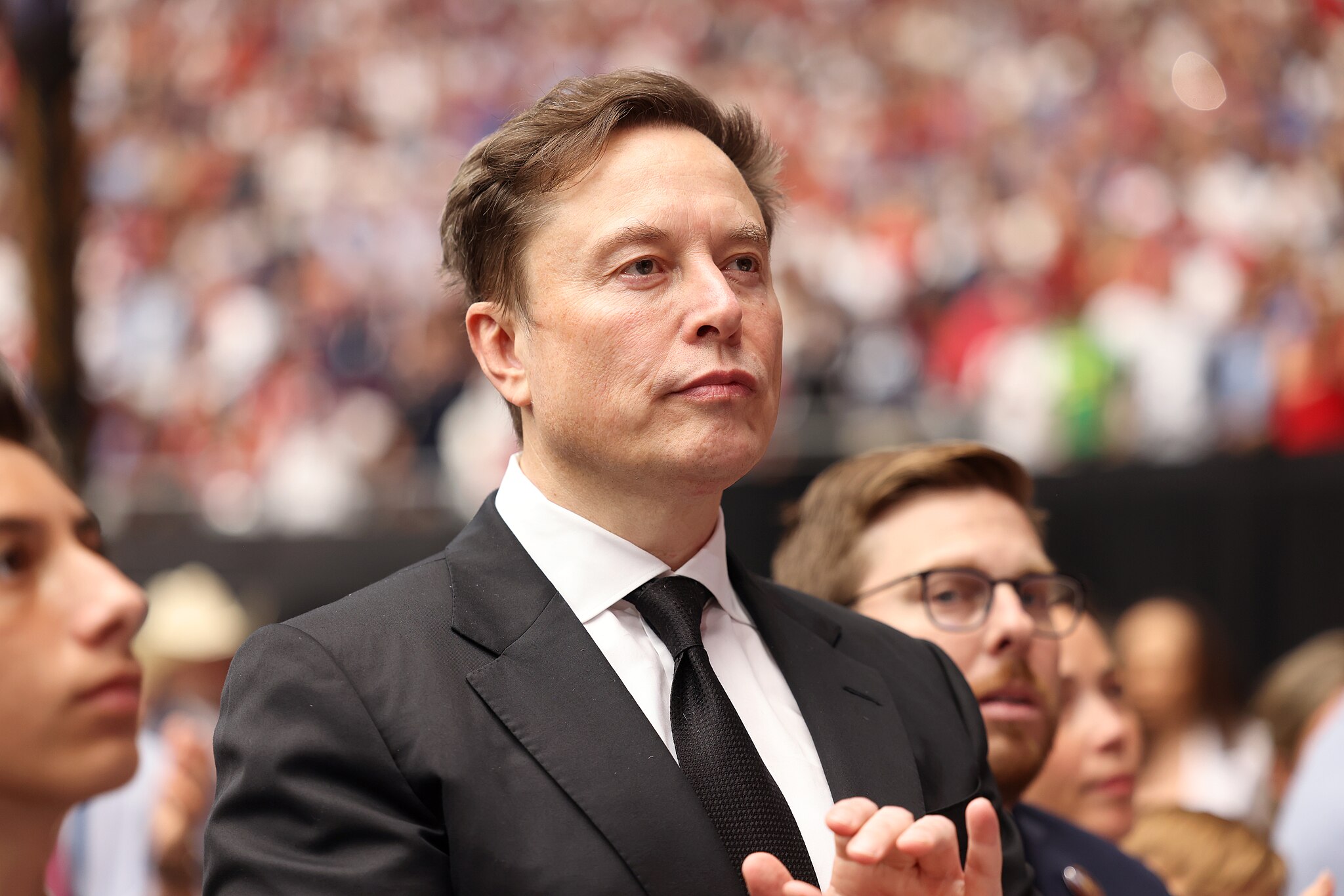
Recent projections have outlined how a potential $1.75 trillion SpaceX IPO could generate historic returns for early investors. The projections suggest the offering would not only become the largest IPO in history but could also result in unprecedented windfalls for some of the company’s key investors.
The estimates were shared by the official Polymarket Money account on social media platform X.
As noted in a Polymarket Money analysis, Elon Musk invested $100 million into SpaceX in 2002 and currently owns approximately 42% of the company. At a $1.75 trillion valuation following SpaceX’s potential $1.75 trillion IPO, that stake would be worth roughly $735 billion.
Such a figure would dramatically expand Musk’s net worth. When combined with his holdings in Tesla Inc. and other ventures, a public debut at that level could position him as the world’s first trillionaire, depending on market conditions at the time of listing.
The Bloomberg Billionaires Index currently lists Elon Musk with a net worth of $666 billion, though a notable portion of this is tied to his TSLA stock. Tesla currently holds a market cap of $1.51 trillion, and Elon Musk’s currently holds about 13% to 15% of the company’s outstanding common stock.
Founders Fund, co-founded by Peter Thiel, invested $20 million in SpaceX in 2008. Polymarket Money estimates the firm owns between 1.5% and 3% of the private space company. At a $1.75 trillion valuation, that range would translate to approximately $26.25 billion to $52.5 billion in value.
That return would represent one of the most significant venture capital outcomes in modern Silicon Valley history, with a growth of 131,150% to 262,400%.
Alphabet Inc., Google’s parent company, invested $900 million into SpaceX in 2015 and is estimated to hold between 6% and 7% of the private space firm. At the projected IPO valuation, that stake could be worth between $105 billion and $122.5 billion. That’s a growth of 11,566% to 14,455%.
Other major backers highlighted in the post include Fidelity Investments, Baillie Gifford, Valor Equity Partners, Bank of America, and Andreessen Horowitz, each potentially sitting on multibillion-dollar gains.
Elon Musk
Elon Musk hints Tesla investors will be rewarded heavily
“Hold onto your Tesla stock. It’s going to be worth a lot, I think. That’s my bet,” Musk said.

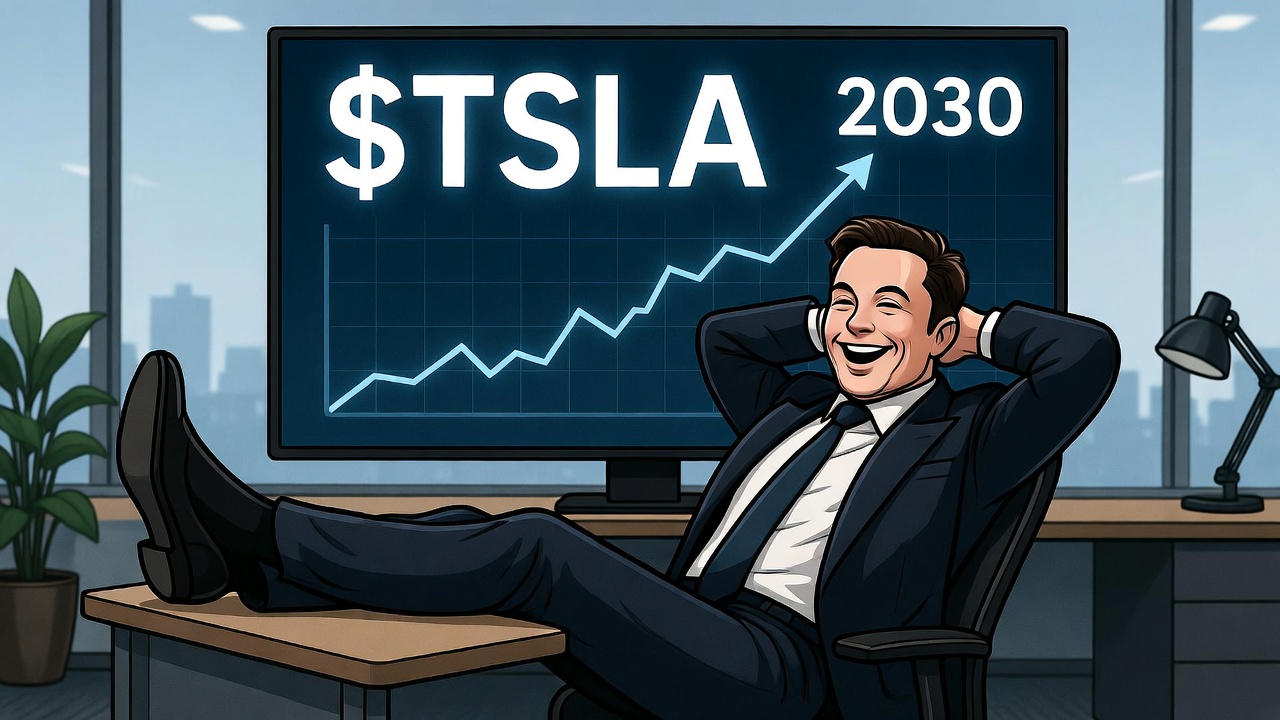
Elon Musk recently hinted that he believes Tesla investors will be rewarded heavily if they continue to hold onto their shares, and he reiterated that in a new interview that the company released on its social accounts this week.
Musk is one of the most successful CEOs in the modern era and has mammothed competitors on the Forbes Net Worth List over the past year as his holdings in his various companies have continued to swell.
Tesla investors, especially those who have been holding shares for several years, have also felt substantial gains in their portfolios. Over the past five years, the stock is up over 78 percent. Since February 2019, nearly seven years ago to the day, the stock is up over 1,800 percent.
Musk said in the interview:
“Hold onto your Tesla stock. It’s going to be worth a lot, I think. That’s my bet.”
Elon Musk in new interview: “Hold on to your $TSLA stock. It’s going to be worth a lot, I think. That’s my bet.” pic.twitter.com/cucirBuhq0
— Sawyer Merritt (@SawyerMerritt) February 26, 2026
It’s no secret Musk has been extremely bullish on his own companies, but Tesla in particular, because it is publicly traded.
However, the company has so many amazing projects that have an opportunity to revolutionize their respective industries. There is certainly a path to major growth on Wall Street for Tesla through its various future projects, including Optimus, Cybercab, Semi, and Unsupervised FSD.
- Optimus (Tesla’s humanoid robot): Musk has discussed its potential for tasks like childcare, walking dogs, or assisting elderly parents, positioning it as a massive long-term driver of company value.
- Cybercab (Tesla’s robotaxi/autonomous ride-hailing vehicle): a fully autonomous vehicle geared specifically for Tesla’s ride-sharing ambitions.
- Semi (Tesla’s electric truck, with mentions of expansion, like in Europe): brings Tesla into the commercial logistics sector.
- Unsupervised FSD (Full Self-Driving software achieving full autonomy without human supervision): turns every Tesla owner’s vehicle into a fully-autonomous vehicle upon release
These projects specifically are some of the highest-growth pillars Tesla has ever attempted to develop, especially in Musk’s eyes, as he has said Optimus will be the best-selling product of all-time.
Many analysts agree, but the bullish ones, like Cathie Wood of ARK Invest, are perhaps the one who believes Tesla has incredible potential on Wall Street, predicting a $2,600 price target for 2030, but this is not even including Optimus.
She told Bloomberg last March that she believes that the project will present a potential additive if Tesla can scale faster than anticipated.
Elon Musk
Tesla stock gets latest synopsis from Jim Cramer: ‘It’s actually a robotics company’
“Turns out it’s actually a robotics and Cybercab company, and I want to buy, buy, buy. Yes, Tesla’s the paper that turned into scissors in one session,” Cramer said.
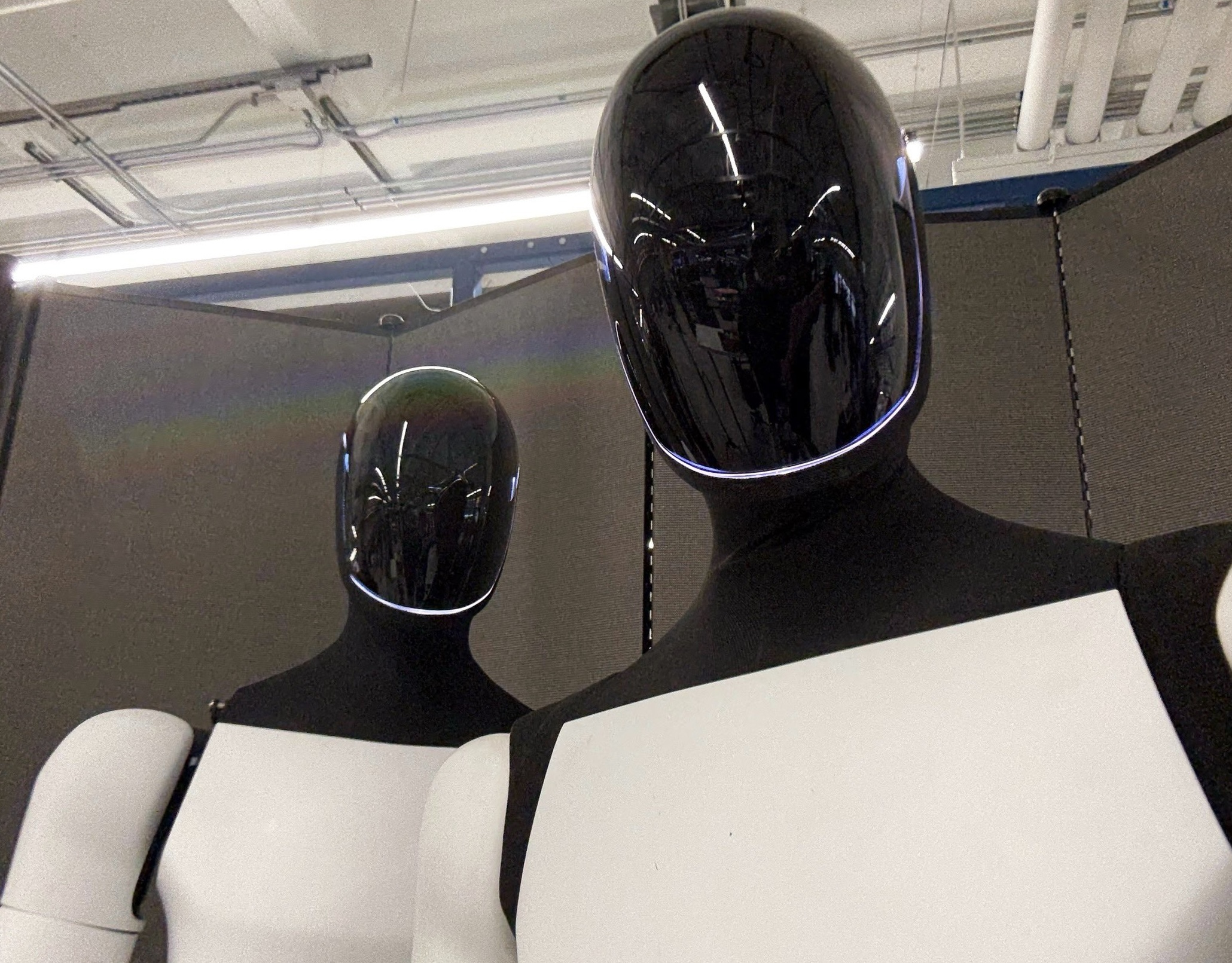
Tesla stock (NASDAQ: TSLA) got its latest synopsis from Wall Street analyst Jim Cramer, who finally realized something that many fans of the company have known all along: it’s not a car company. Instead, it’s a robotics company.
In a recent note that was released after Tesla reported Earnings in late January, Cramer seemed to recognize that the underwhelming financials and overall performance of the automotive division were not representative of the current state of affairs.
Instead, we’re seeing a company transition itself away from its early identity, essentially evolving like a caterpillar into a butterfly.
The narrative of the Earnings Call was simple: We’re not a car company, at least not from a birds-eye view. We’re an AI and Robotics company, and we are transitioning to this quicker than most people realize.
Tesla stock gets another analysis from Jim Cramer, and investors will like it
Tesla’s Q4 Earnings Call featured plenty of analysis from CEO Elon Musk and others, and some of the more minor details of the call were even indicative of a company that is moving toward AI instead of its cars. For example, the Model S and Model X will be no more after Q2, as Musk said that they serve relatively no purpose for the future.
Instead, Tesla is shifting its focus to the vehicles catered for autonomy and its Robotaxi and self-driving efforts.
Cramer recognizes this:
“…we got results from Tesla, which actually beat numbers, but nobody cares about the numbers here, as electric vehicles are the past. And according to CEO Elon Musk, the future of this company comes down to Cybercabs and humanoid robots. Stock fell more than 3% the next day. That may be because their capital expenditures budget was higher than expected, or maybe people wanted more details from the new businesses. At this point, I think Musk acolytes might be more excited about SpaceX, which is planning to come public later this year.”
He continued, highlighting the company’s true transition away from vehicles to its Cybercab, Optimus, and AI ambitions:
“I know it’s hard to believe how quickly this market can change its attitude. Last night, I heard a disastrous car company speak. Turns out it’s actually a robotics and Cybercab company, and I want to buy, buy, buy. Yes, Tesla’s the paper that turned into scissors in one session. I didn’t like it as a car company. Boy, I love it as a Cybercab and humanoid robot juggernaut. Call me a buyer and give me five robots while I’m at it.”
Cramer’s narrative seems to fit that of the most bullish Tesla investors. Anyone who is labeled a “permabull” has been echoing a similar sentiment over the past several years: Tesla is not a car company any longer.
Instead, the true focus is on the future and the potential that AI and Robotics bring to the company. It is truly difficult to put Tesla shares in the same group as companies like Ford, General Motors, and others.
Tesla shares are down less than half a percent at the time of publishing, trading at $423.69.

Tesla FSD (Supervised) fleet passes 8.4 billion cumulative miles

Elon Musk fires back after Wikipedia co-founder claims neutrality and dubs Grokipedia “ridiculous”


