Tesla Model X
Tesla CEO Stands by the Model X, “the Best Car Ever”
Elon Musk says the Tesla Model X is the “best car ever built.” He adds that, “No one will ever build a car like the Model X again.

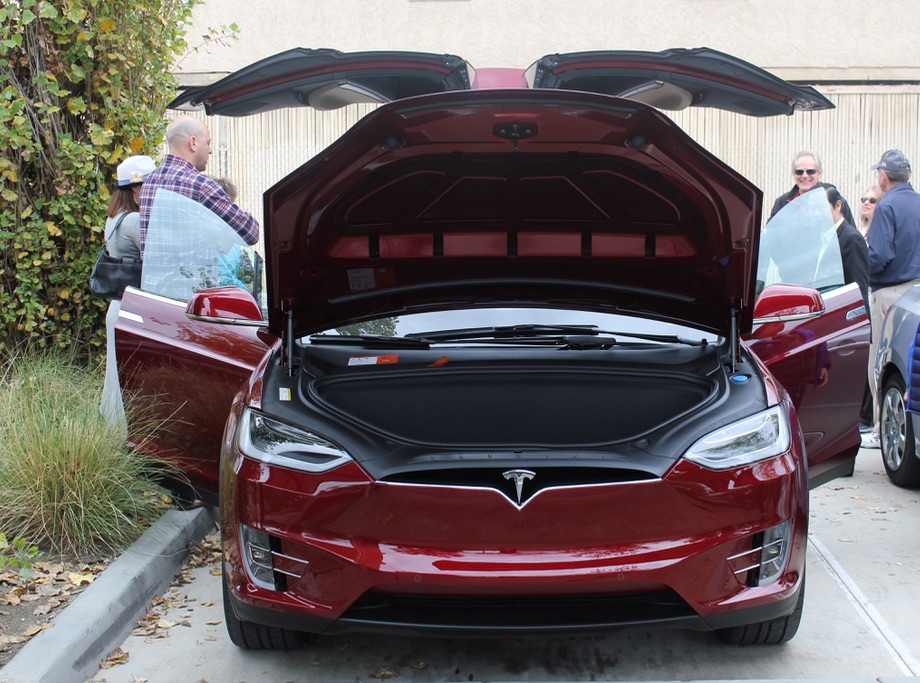
In a rare moment of humility during the question and answer portion of Tesla’s Q4 earnings call, Elon Musk admitted that there might have been more than a little hubris behind the decision to ladle as many new ideas and innovative features into the development of the Model X as humanly possible.
“Model X is an amazing car. [It] is the best car ever,” said Musk. “I’m not sure anyone’s going to make a car like this ever again. I’m not sure Tesla would make a car like this again.” The Model X engineering complexity combined with early production issues related to its falcon wing doors and second row seating resulted in a slower than expected Q4 production ramp of the vehicle. Musk acknowledges that, in retrospect, Tesla should have rolled out new Model X features over time rather than put everything into it all at once.
“I’m not sure anyone’s going to make a car like this ever again. I’m not sure Tesla would make a car like this again”
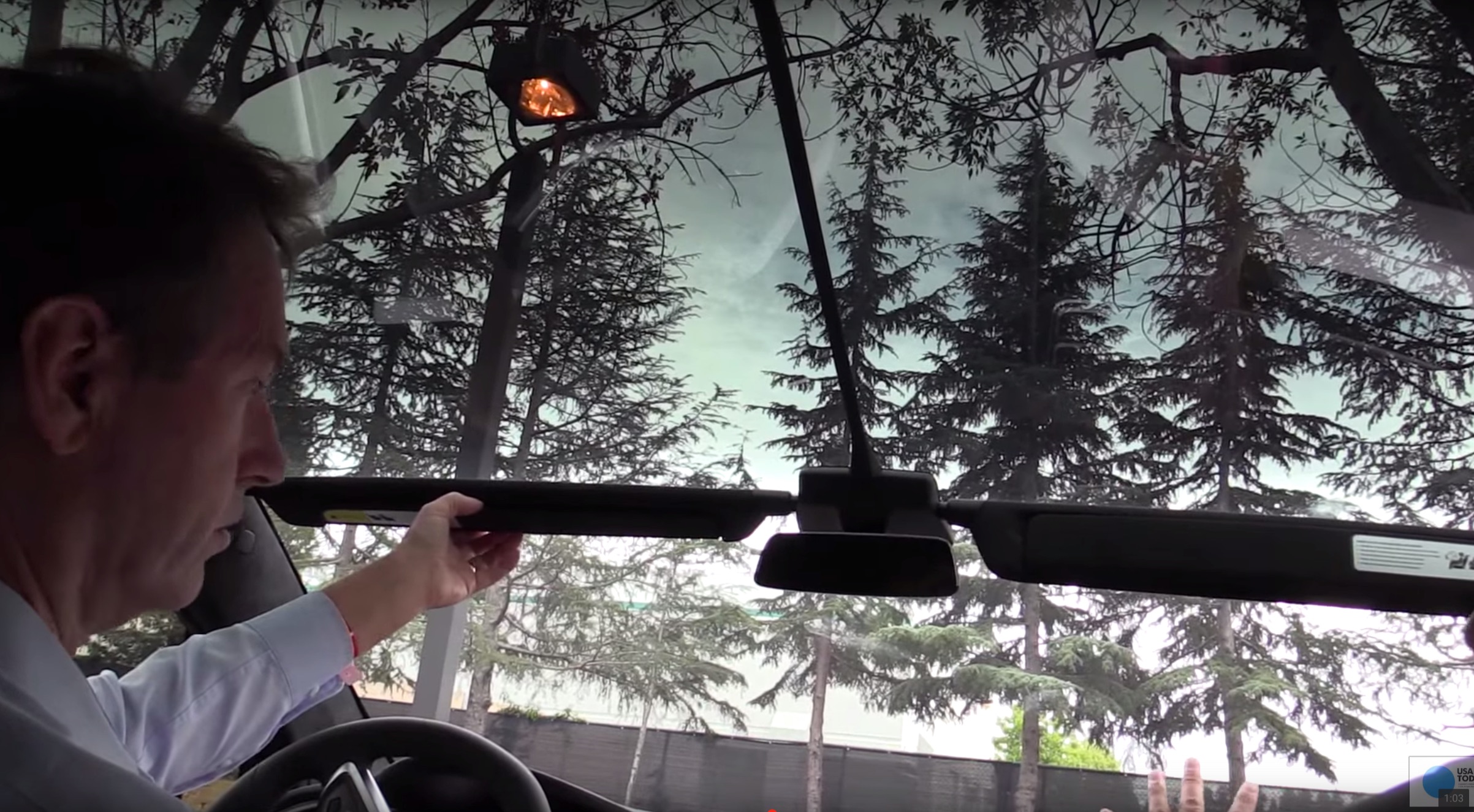
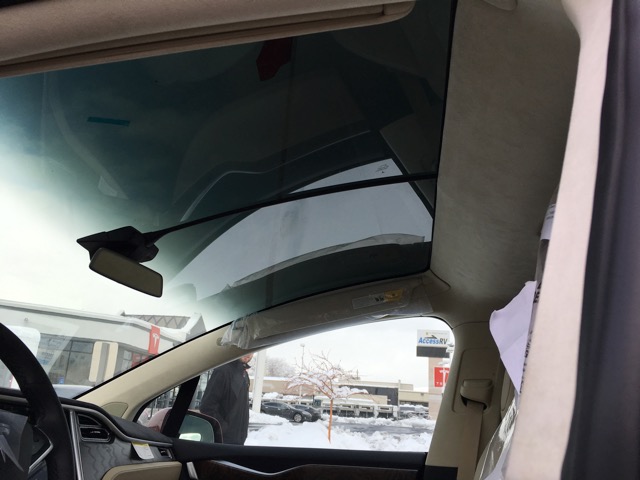
Asked whether the Model X will take sales away from the Model S, Musk responded that it will be a matter of taste for individual drivers. He said he personally prefers the lower seating of the Model S, but many people like the high seating the Model X offers. The best feature, says Musk, is its amazing panoramic windshield that sweeps back into the roof over the heads of front seat passengers.
As to how Tesla will balance production between the Model X and Model S, Musk said it would be up to the market to decide once the company begins rolling out the electric crossover SUV to select showrooms this quarter.
Production volume of the Model X is expected to be between 700 to 800 vehicles per week, with that number rising to as much as 1,000 per week towards mid to late Q2. Tesla anticipates a total of 1600-1800 cars will be produced per week, combined.


Elon Musk
Tesla uses Model S and X ‘sentimental’ value to enforce massive pricing move
By slashing production and creating immediate scarcity, the company has transformed these remaining vehicles into limited-edition relics. The price hike is not driven by rising material costs or new features.

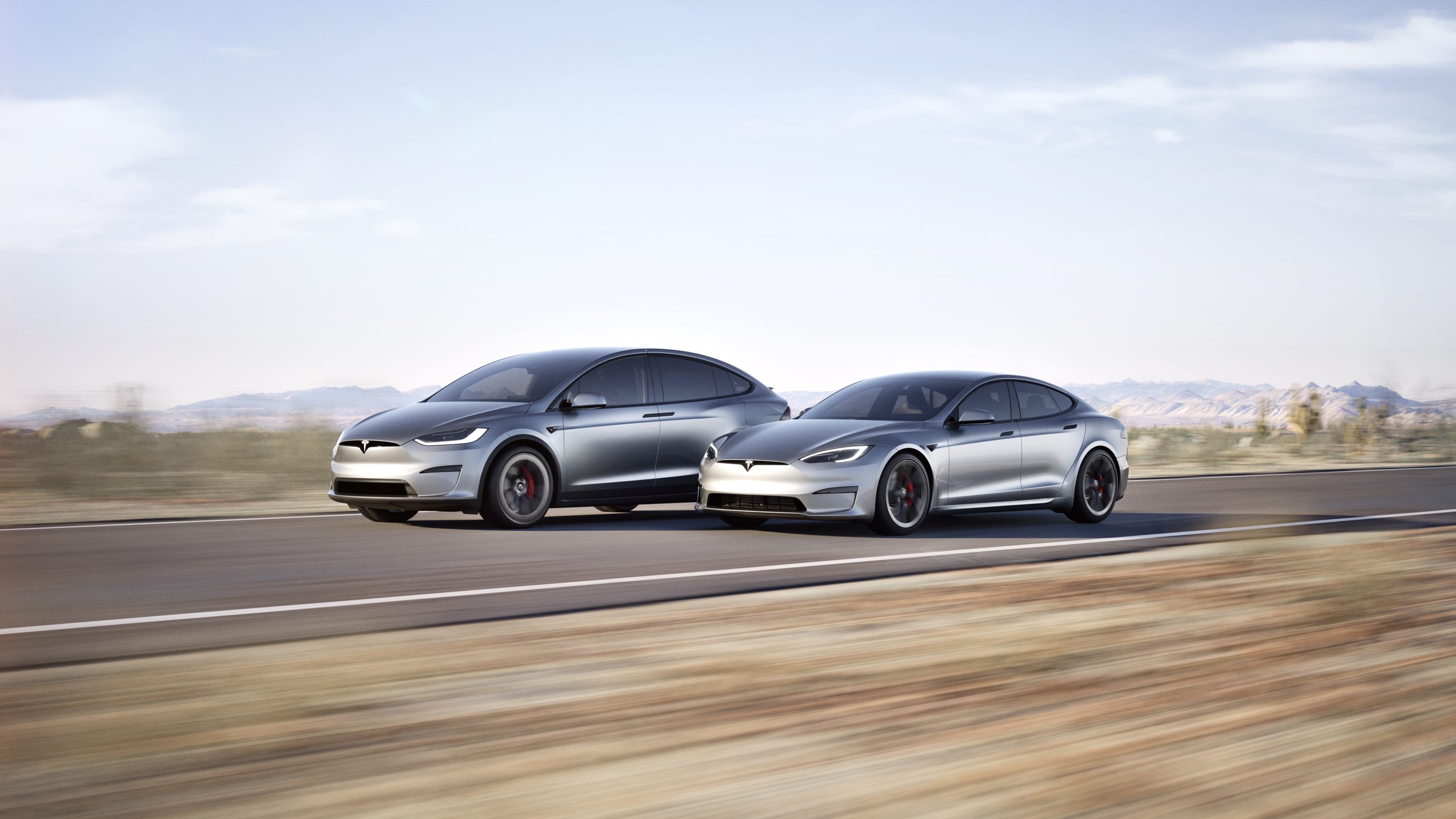
Tesla is using the “sentimental” value that CEO Elon Musk talked about with the Model S and Model X to enforce one of the most massive pricing moves it has ever applied as it begins to phase out the flagship vehicles.
Tesla quietly executed one of its most calculated pricing plays yet. After officially ending production of the Model S and Model X, the company raised prices on every remaining new and demo unit by roughly $15,000.
The refreshed starting prices now sit at:
- $109,990 for the Model S AWD
- $124,900 for the Model S Plaid
- $114,900 for the Model X AWD
- $129,900 for the Model X Plaid
NEWS: Tesla has raised the price on all remaining new (and demo) Model S and Model X vehicles left in inventory by $15,000.
New starting prices:
• Model S AWD: $109,990
• Model S Plaid: $124,900
• Model X AWD: $114,900
• Model X Plaid: $129,900 pic.twitter.com/qBEhsYAfXr— Sawyer Merritt (@SawyerMerritt) April 5, 2026
Every vehicle comes fully loaded with the Luxe Package, Full Self-Driving Supervised, four years of premium connectivity and service, and lifetime free Supercharging. What looks like a simple inventory adjustment is, in reality, a masterclass in monetizing nostalgia.
These are not ordinary cars. For many owners, the Model S and Model X represent the purest expression of Tesla’s original promise—the sleek, over-engineered flagships that proved electric vehicles could be faster, quieter, and more desirable than their gasoline counterparts.
Tesla removes Model S and X custom orders as sunset officially begins
They are the vehicles that carried Elon Musk’s vision from Silicon Valley startup to global automaker.
The final units rolling off the line carry an emotional weight that numbers alone cannot capture. Buyers are not simply purchasing transportation; they are acquiring a piece of Tesla history, the last examples of the very models that defined the brand’s first decade.
Tesla, with this move, understands this sentiment deeply.
By slashing production and creating immediate scarcity, the company has transformed these remaining vehicles into limited-edition relics. The price hike is not driven by rising material costs or new features.
It is driven by the knowledge that a certain segment of buyers, loyalists, collectors, and enthusiasts, will pay a premium precisely because these cars are about to disappear. The strategy converts emotional attachment into margin.
Where other automakers might discount outgoing models to clear lots, Tesla is betting that sentiment is worth more than volume.
The move also quietly rewards existing owners. Scarcity instantly boosts resale values for the hundreds of thousands of Model S and X already on the road, reinforcing brand loyalty among the very people who helped build Tesla’s reputation.
In the end, Tesla’s pricing decision reveals a sophisticated understanding of its audience. As the company pivots toward next-generation platforms, it has found a way to extract one final, lucrative chapter from its heritage.
For buyers willing to pay the new prices, the premium is not just for the car; it is for the feeling of owning the last true originals. Tesla has turned sentiment into strategy, and in the process, reminded everyone that even in the EV era, emotion remains a powerful line on the balance sheet.
News
Tesla removes Model S and X custom orders as sunset officially begins
In a significant development that marks the beginning of the end for two of its longest-running models, Tesla has removed the custom order configurator for the Model S sedan and Model X SUV from its website.
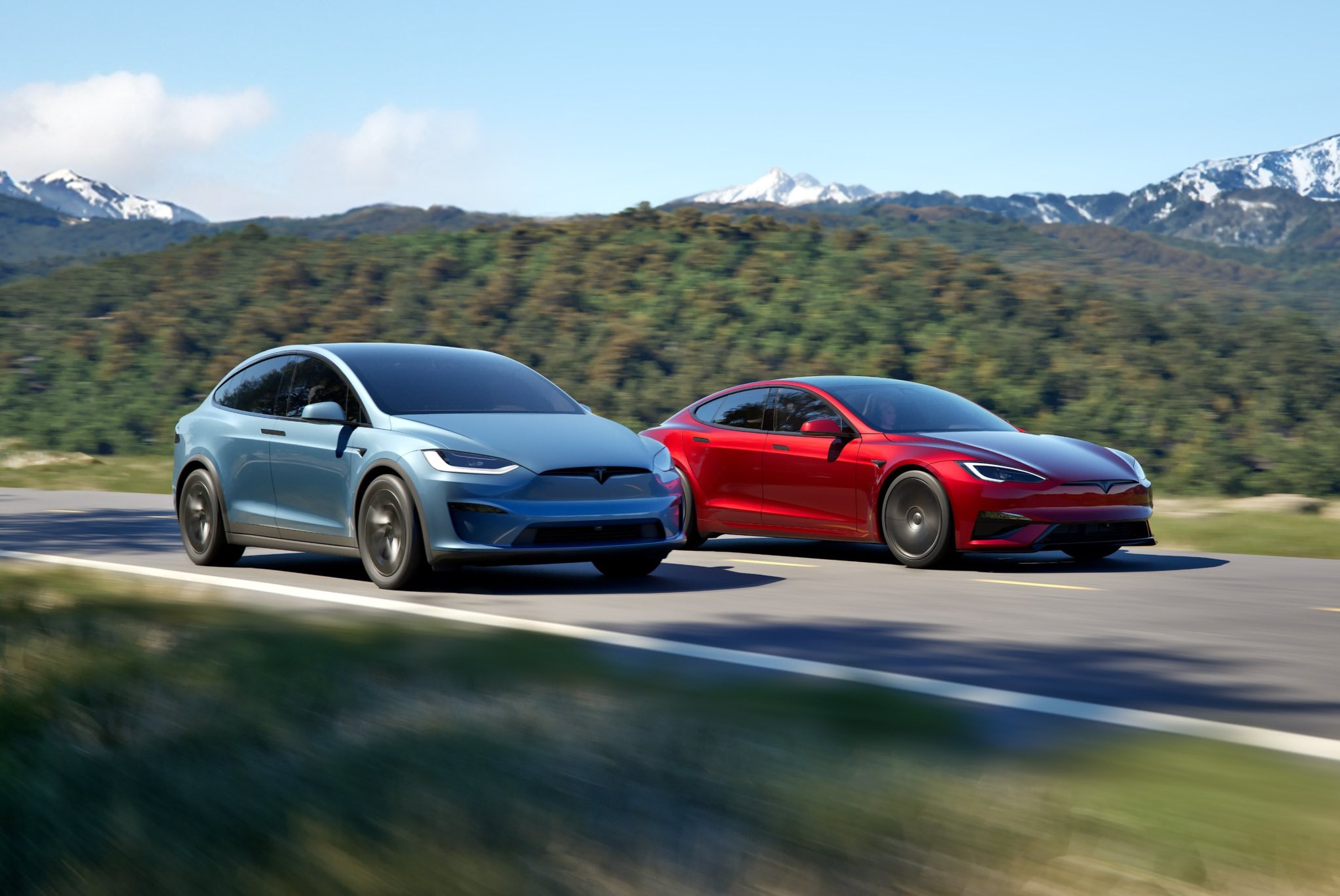
Tesla has officially started the “honorable discharge” of the Model S and Model X with a massive move, removing the two vehicles from Custom Orders and only offering inventory options.
It is the latest move Tesla has made to pull the Model S and Model X from its lineup, a decision CEO Elon Musk announced during its last quarterly earnings call.
Tesla brings closure to flagship ‘sentimental’ models, Musk confirms
In a significant development that marks the beginning of the end for two of its longest-running models, Tesla has removed the custom order configurator for the Model S sedan and Model X SUV from its website.
As of April 1, visitors to tesla.com/model-s and tesla.com/modelx are now redirected exclusively to limited inventory listings rather than a design studio, allowing buyers to select paint, wheels, interior options, or performance upgrades. Only pre-built vehicles currently in stock are available for purchase or lease.
Tesla CEO Elon Musk confirmed the change directly on X, posting: “Custom orders of the Tesla Model S & X have come to an end. All that’s left are some in inventory.”
Custom orders of the Tesla Model S & X have come to an end. All that’s left are some in inventory.
We will have an official ceremony to mark the ending of an era. I love those cars.
This was me at production launch 14 years ago: pic.twitter.com/6kvCf9HTHc
— Elon Musk (@elonmusk) April 1, 2026
We will have an official ceremony to mark the end of an era.” Accompanying the statement was a throwback photo from the Model S production launch in 2012, underscoring the emotional weight of the decision.
Musk had first signaled the phase-out during the company’s Q4 2025 earnings call in January, describing it as time for an “honorable discharge” of the programs to free up resources at the Fremont factory for Optimus humanoid robot production and autonomous vehicle initiatives.
The Model S, introduced in 2012, and the Model X, which followed in 2015, were instrumental in establishing Tesla as a premium electric vehicle leader.
The sedan offered class-leading range and acceleration, while the SUV’s signature falcon-wing doors became an iconic feature. Together, they proved EVs could compete in the luxury segment. Yet sales volumes have dwindled in recent years as Tesla prioritized higher-volume Model 3 and Model Y vehicles.
The flagships now represent a tiny fraction of overall deliveries, making continued custom production inefficient as the company accelerates toward robotaxis and next-generation platforms.
Prospective buyers are urged to act quickly. Remaining U.S. inventory vehicles—some nearly new—may include incentives such as lifetime free Supercharging, Full Self-Driving (Supervised) capability, and premium connectivity, depending on configuration.
Leasing options start around $1,699 per month for select Model X units, though exact pricing and availability fluctuate. International markets, including Europe and China, have already seen similar restrictions in recent months.
The move aligns with Tesla’s broader strategy to streamline its lineup and redirect manufacturing capacity toward autonomy and AI-driven products. While some enthusiasts lament the loss of personalization, the company views the transition as necessary progress.
Tesla has indicated that once the current inventory sells out, new Model S and Model X vehicles will no longer be offered.
For loyal owners and fans, the promised “official ceremony” may provide a fitting send-off. In the meantime, the website change serves as a clear signal: the era of bespoke flagship Teslas has quietly concluded, and the focus has fully shifted to the future.
Elon Musk
Elon Musk hints at “official ceremony” with throwback photo to close Tesla Model S, Model X chapter
Elon Musk promises an official ceremony to mark the end of Tesla Model S and Model X production.

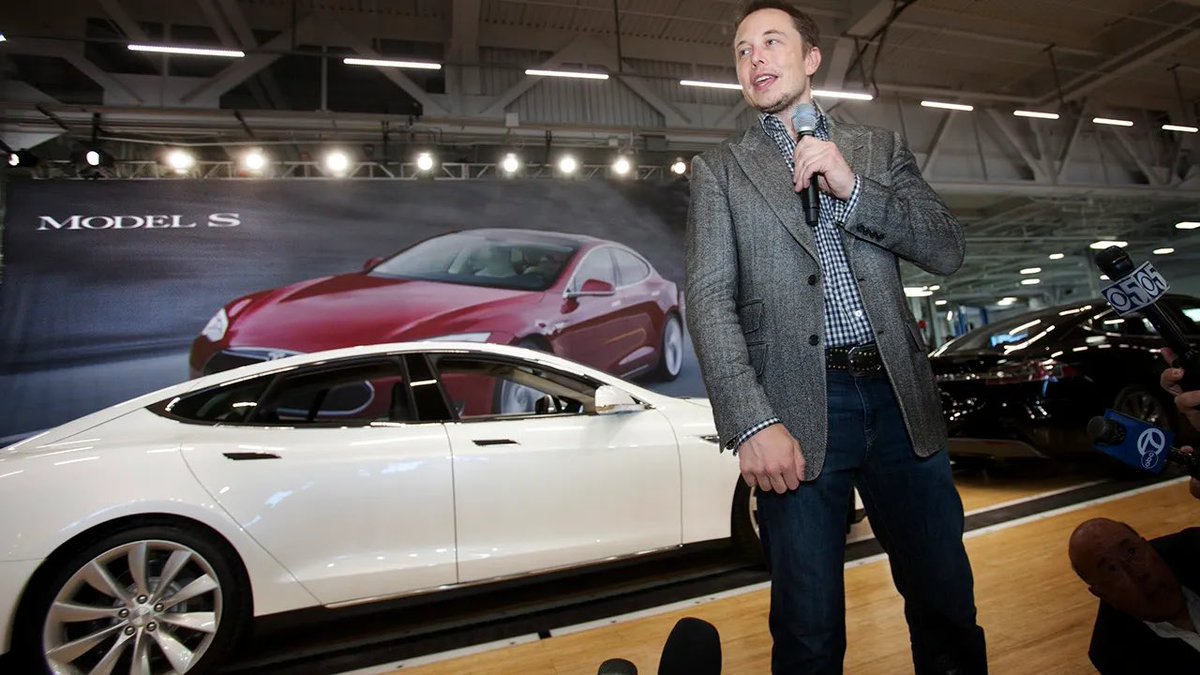
Tesla has officially begun winding down production of the Model S and Model X, sending farewell emails to U.S. customers on March 27 and updating the website to reflect the end of the line. Shoppers visiting Tesla.com now find only a limited set of Model S and Model X inventory units available for purchase, with no option to configure a new factory build. The move formalizes what CEO Elon Musk announced on the company’s Q4 2025 earnings call in January, when he said it was “time to basically bring the Model S and X programs to an end with an honorable discharge.”
Musk posted on X a throwback photo of himself speaking at the Model S production launch in 2012, and noting “We will have an official ceremony to mark the ending of an era. I love those cars.”
The mention of an official ceremony is notable. Tesla has not held a formal farewell event for a vehicle before, and Musk’s wording suggests this will be something deliberate rather than a quiet line shutdown. Given that Musk’s X post shows a photo of him on stage with a microphone in front of an audience at the Fremont factory, it wouldn’t be too far-fetched to expect a closing ceremony to take place at the same location. Perhaps? Whether it becomes a public event, a private gathering for employees, or a livestreamed moment on X remains to be seen.
Custom orders of the Tesla Model S & X have come to an end. All that’s left are some in inventory.
We will have an official ceremony to mark the ending of an era. I love those cars.
This was me at production launch 14 years ago: pic.twitter.com/6kvCf9HTHc
— Elon Musk (@elonmusk) April 1, 2026
The Model S first went on sale nearly fifteen years ago and was Tesla’s first fully in-house designed vehicle, proving that an electric car could be fast, desirable, and capable of long distance on a single charge. The Model X followed in 2015, turning heads with its unmistakable and distinctive falcon-wing doors, while becoming one of the first all-electric SUVs on the market. Tesla’s two flagship vehicles would ultimately push legacy automakers to take all-electric transportation seriously and help fund development of the more affordable Model 3 and Model Y.
By 2025, however, both models had been reduced to a rounding error in Tesla’s sales figures. Musk was direct about what comes next, stating “We are going to convert that production space to an Optimus factory. It’s part of our overall shift to an autonomous future.”
Elon Musk’s $10 Trillion robot: Inside Tesla’s push to mass produce Optimus
That shift is already underway. Tesla officially started Optimus Gen 3 production at its Fremont factory in January 2026, with the line targeting a run rate of one million units per year. The Gen 3 robot features 22 degrees of freedom per hand, runs on Tesla’s AI5 chip, and shares the same neural network architecture as Full Self-Driving. A dedicated Optimus factory at Gigafactory Texas is also under construction, with a planned annual capacity of 10 million units. The production lines that once built the Model S and Model X are being converted to support that ramp.
Tesla confirmed it will continue to support existing owners with service, software updates, and parts for as long as people own the vehicles. For buyers still interested in a new example, remaining U.S. inventory is discounted and the window is closing fast.

Tesla makes major rebound in European market with 4x in registrations

Elon Musk reveals unfortunate truth of Tesla Full Self-Driving development


