Investor's Corner
Tesla (TSLA) stock hits all-time high as Model 3 production ramps

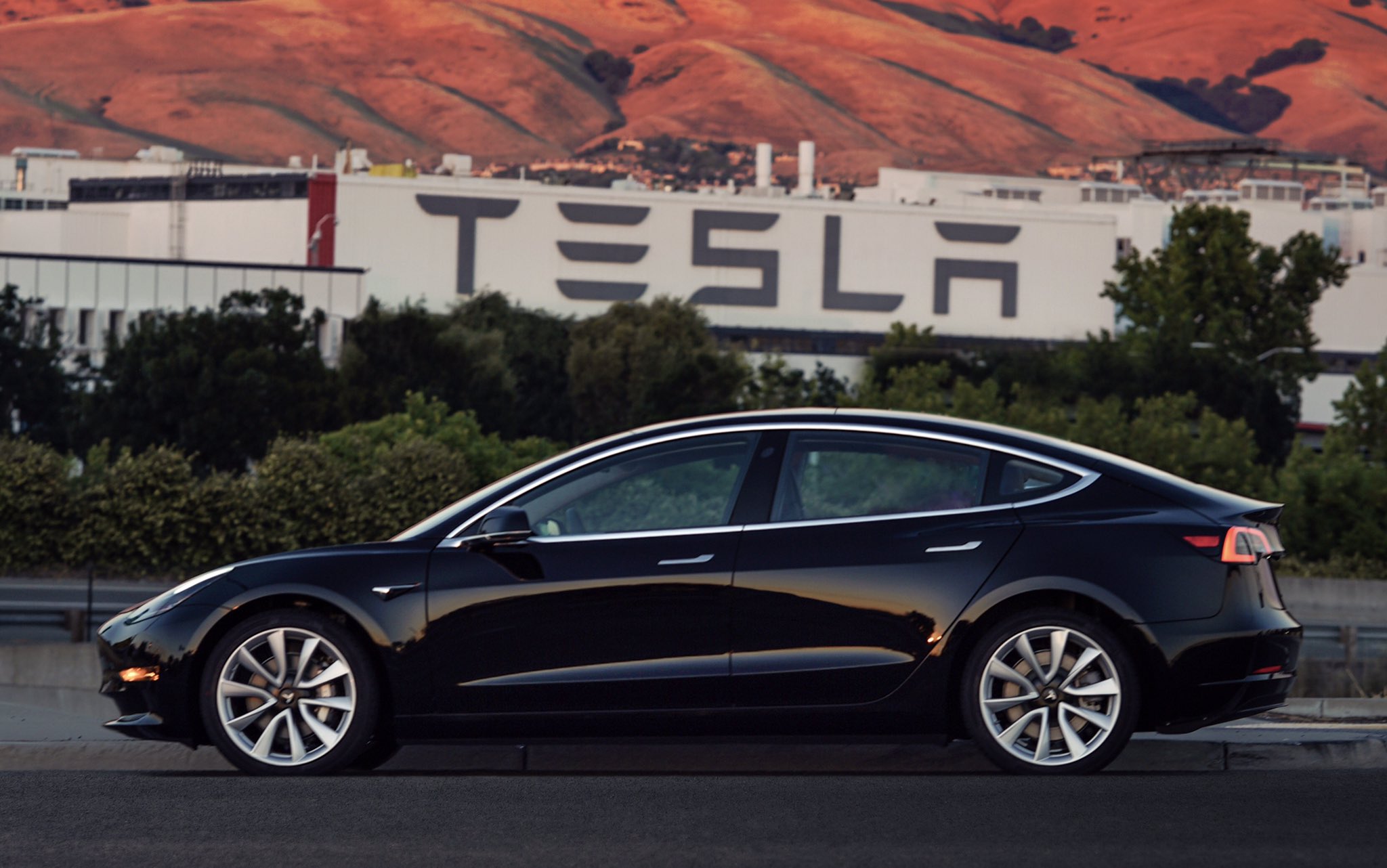
Tesla’s stock (Nasdaq: TSLA) reached an all-time high of $387.72 during the trading session Monday. The new record marks Tesla’s fifth consecutive day of gains, with the stock up nearly 9% in September and 78% for 2017.
While there’s no specific correlation to what is driving the stock upwards in the past few weeks, there are a number of reasons that could serve as a contributing factor.
Short Sellers
Tesla has long had a significant number of short sellers holding the stock. And in the last week of August there was a short interest increase of 546,814. As of August 31st there are a total of 29,244,600 shares short, which is the highest amount since late May 2017.
Based on the stock’s current trading volume, it would take 6.61 days for all the short sellers to get out of their positions. With the stock continuing its climb, short sellers may be cutting their loses. While this may not be a full-out short squeeze, it certainly could be furthering the stock’s gains.
Model 3
With the lack of current information outside of vague estimates of Model 3 deliveries, it seems that investors are taking that as a good sign. It has yet to be reported whether Tesla believes it will make its delivery targets, but the Palo Alto-based electric car maker hasn’t changed any delivery expectations for reservations holders.
Model 3 #308 is out in the wild! Quality finish on panels, interior! @romn8tr @danahull @Teslarati @TheTeslaShow @Model3Owners @teslaliving pic.twitter.com/54ZROCZ5Yh
— Vicente Silveira (@vicentes) September 17, 2017
Additionally, the press and new owners of the Model 3 have already been giving the car high marks. If the Model 3 receives great reviews from in-depth tests this fall, one can expect the stock to react positively and continue on its meteoric rise.
Tesla Semi
On October 26th Tesla will reveal its highly anticipated electric semi. The Tesla Semi event will be held in Hawthorne, CA where the company’s design studio resides. The upcoming reveal will arguably be a great test of Tesla’s ability to develop two major products simultaneously. If Tesla can develop both a Semi-truck and Model 3 at the same time, it could reduce investors concerns of CEO Elon Musk’s abilities to deliver products on time. Let’s not forget that Musk also is the CEO of SpaceX, CEO of The Boring Company, CEO of Neuralink, Founder of OpenAI, and is now developing a full scale Hyperloop with SpaceX.
One thing is clear, as Musk knocks more and more items off his to-do list, investors reward the company with increasing valuations. If the company is able to continue this trend, we could see TSLA break $400 this year.
Disclosure: I hold a small long position in TSLA, but do not plan on changing these positions in the next 72 hours.



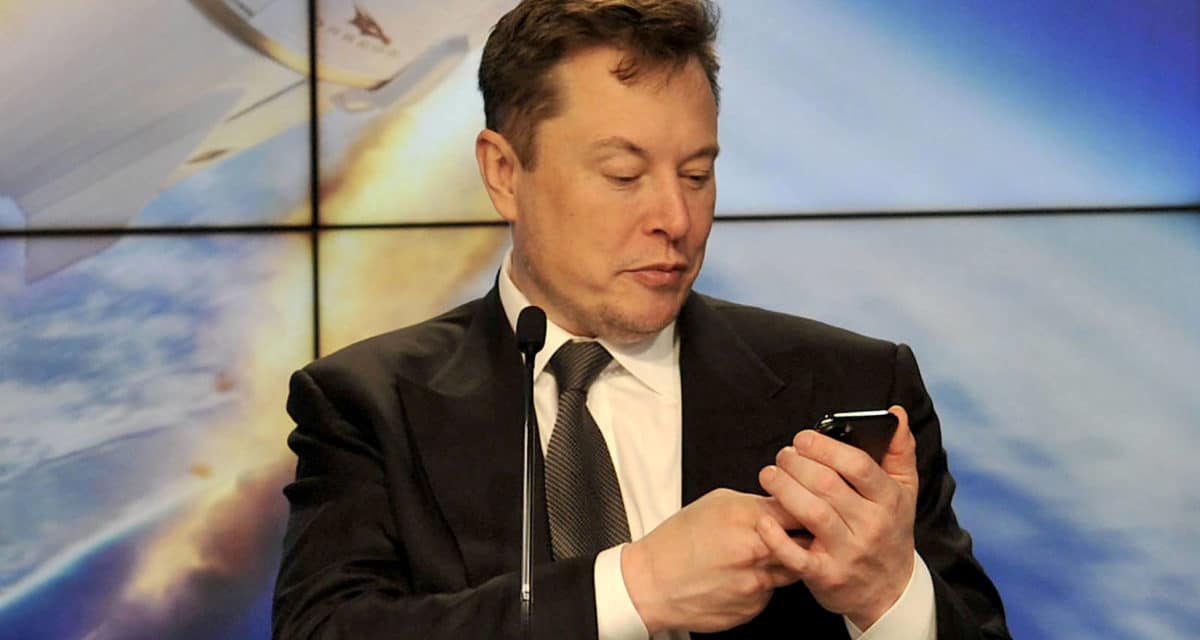
For years, there have been images and videos across social media platforms that have reminded me of when I was a 15-year-old kid teased by “Xbox 720” videos on YouTube. These videos are of the supposed “Tesla Phone” that Elon Musk was secretly developing in between leading Tesla with its electric cars and SpaceX with its reusable rockets.
Would you buy a Tesla phone ? pic.twitter.com/aaTwvvIJit
— Tesla Owners Silicon Valley (@teslaownersSV) October 6, 2023
Although Musk has put those rumors to bed several times, it was never completely out of the realm that he could get involved in cell phones in some capacity. Think outside the box and more macro-level, though. Instead of reinventing the computer, Musk reinvented connectivity by developing Starlink with SpaceX.
It could be something similar, TD Cowen analyst Gregory Williams said in a note last week, where he hinted SpaceX could be gathering some steam to acquire T-Mobile.
Williams said it would be the “clear choice” for SpaceX if it decided to go through with a network acquisition. He also suggested AT&T.
The move would be possible through selling more of its own stock, which would help SpaceX raise the money to purchase T-Mobile, which would cost roughly $300 billion. It could be one of the moves SpaceX makes post-IPO in terms of an acquisition: it already acquired Cursor AI for $60 billion.
Other analysts, like Dan Ives of Wedbush, believe SpaceX and Tesla will eventually merge into one anyway, and that conglomeration could come as soon as this year, some have said.
The implications of SpaceX purchasing T-Mobile are massive. A combined entity would create a truly ubiquitous network: T-Mobile’s terrestrial 5G towers and Starlink’s growing constellation of Direct-to-Cell satellites. This would essentially eliminate dead zones across the U.S. and potentially globally.
SpaceX would instantly become a full-scale facilities-based carrier with satellite differentiation; a huge advantage. This would pressure AT&T and Verizon heavily.
There are also concerns like a potential reduction in long-term competition, and of course, a deal of that size would face intense scrutiny from government agencies.
The strategic fit is compelling due to the existing Starlink–T-Mobile partnership and complementary technologies (space + terrestrial). It could create a dominant integrated communications player. However, the regulatory, financial, and execution hurdles are enormous — this remains highly speculative with no indication SpaceX is actively pursuing it right now.
Elon Musk
SpaceX’s newest Starmind will make earth data centers obsolete
Elon Musk confirmed Starmind as SpaceX’s AI satellite constellation name, targeting one million orbital compute nodes.

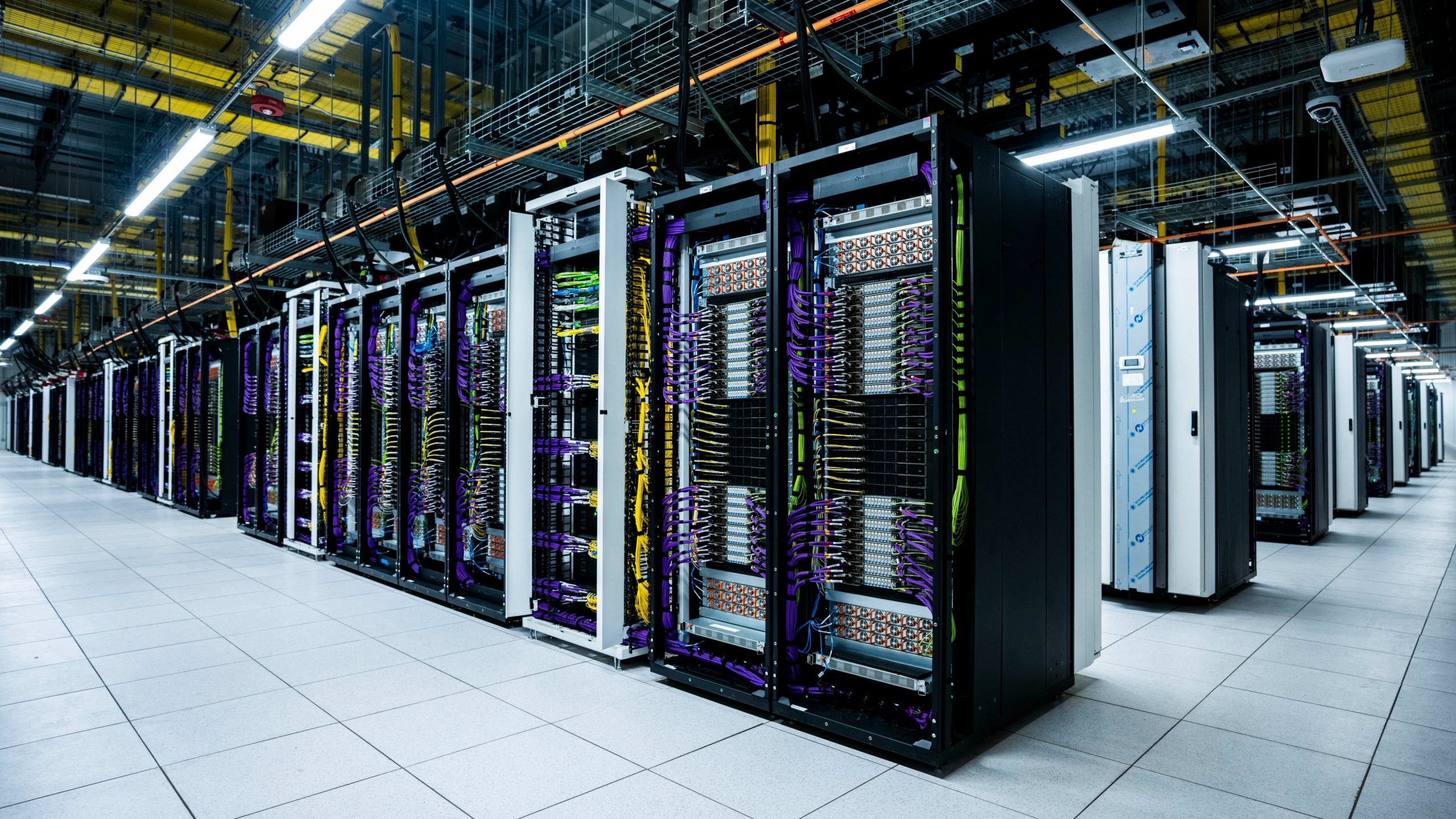
Elon Musk confirmed that Starmind will be the official name of SpaceX’s planned AI satellite constellation, following a trademark filing by xAI that surfaced earlier this week. Starmind is what’s being described to the FCC as a constellation of up to one million AI satellites
It’s worth noting that SpaceX’s Starlink communication satellite and Starmind are built on the same orbital infrastructure concept but serve entirely different purposes. Starlink is a connectivity network, with satellites receiving and relaying data between points on Earth, and functioning as a high-speed internet backbone in space. The satellites themselves do not process or think, and move information from one place to another, the same function a fiber cable performs underground.
SpaceX just forced Verizon, AT&T and T-Mobile to team up for the first time in history
Starmind, on the other hand, is something completely different, and tather than moving data, its satellites would compute data through artificial intelligence and directly in orbit using onboard processors powered by large solar arrays. Where a Starlink satellite is essentially a very fast pipe, a Starmind satellite is a server. The practical implication is that Starmind would allow AI models to run inference, process queries, and generate outputs from space, then beam results down to users anywhere on Earth within milliseconds, and without the data ever needing to travel to a terrestrial data center.
Starship will be able to carry 30 to 50 AI1 satellites per launch, delivering the equivalent of dozens of server racks per flight, with no land acquisition, no power grid approval, and no cooling infrastructure required on the ground.
SpaceX is pursuing this new technology as terrestrial data centers are running into hard limits such as lack of physical space, community opposition, and power and water consumption at a scale that is increasingly difficult to permit. Space has unlimited solar power, natural vacuum cooling, and no zoning boards. Musk said in a June 8 video presentation that he expects space to become the lowest-cost location to deploy AI compute within two to three years. Two AI1 prototypes are scheduled to launch in early 2027, with volume production targeted for the end of that year at a new facility called Gigasat.
The real world applications Starmind enables extend well beyond powering Grok. A constellation of orbiting AI processors could run inference workloads for any paying customer, anywhere on Earth, with latency measured in milliseconds rather than the seconds associated with ground-based cloud routing across continents. Starmind, if it scales as described, would make SpaceX the landlord of AI compute the same way Starlink made it the landlord of satellite internet.
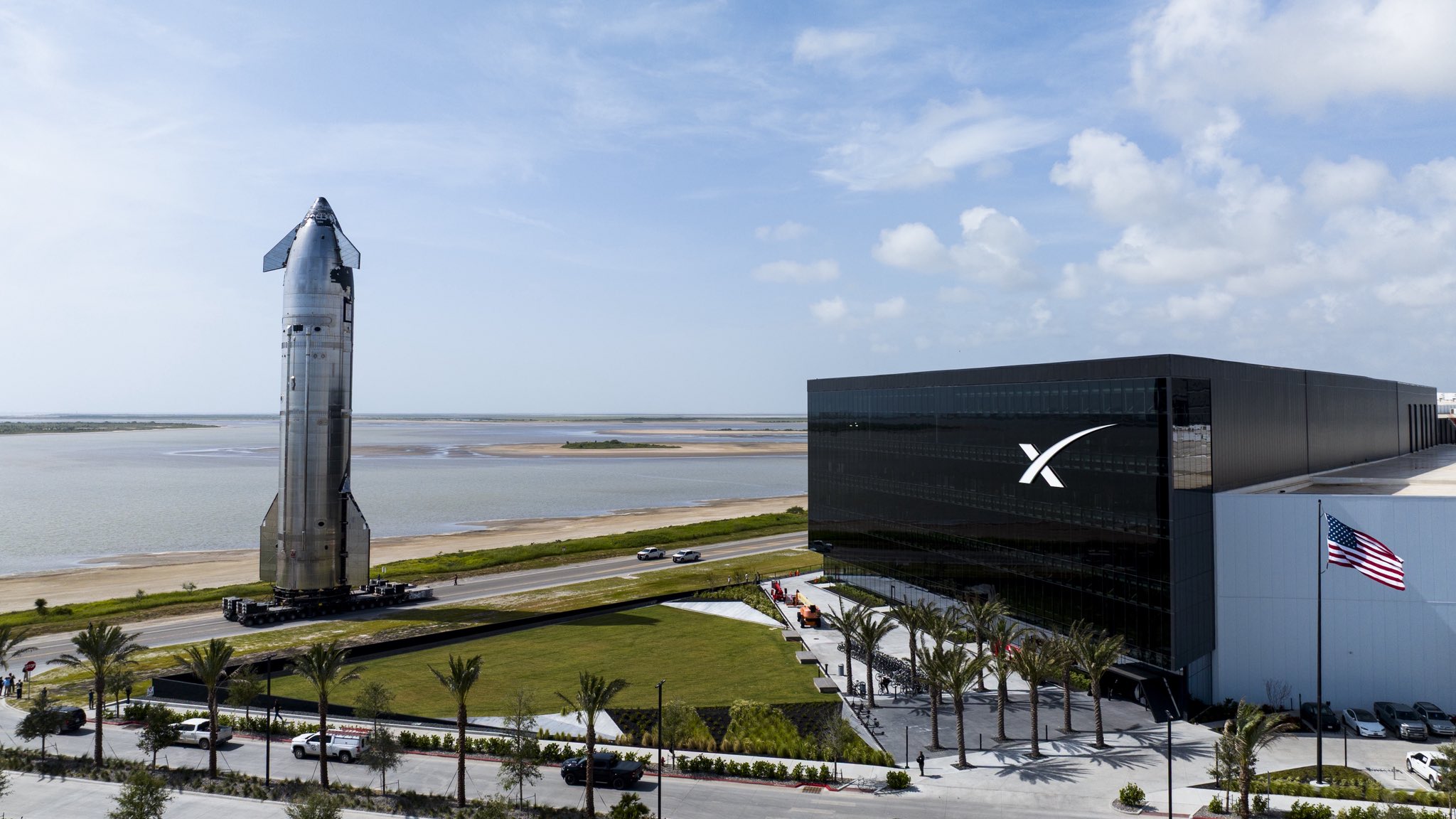
SpaceX announced today that it commenced its first-ever public bond offering, marking a significant step in the newly public company’s capital markets strategy.
The company announced an offering of senior unsecured notes expected to raise at least $20 billion.
The move comes just a short time after SpaceX completed one of the largest initial public offerings in history. In mid-June, the company priced shares at $135 and raised more than $85 billion, propelling founder Elon Musk’s net worth past the trillion-dollar mark and giving the firm substantial liquidity.
🚨 SpaceX has announced its inaugural offering of senior unsecured notes.
The net proceeds will be used to repay outstanding loans under its bridge loan facility in full.
This inaugural debt offering represents a financing milestone for SpaceX, which previously depended… pic.twitter.com/pcOZuVbTRv
— TESLARATI (@Teslarati) June 22, 2026
According to the company’s SEC filing, the net proceeds from the notes will be used primarily to repay in full the outstanding borrowings under its existing bridge loan facility, cover related fees and expenses, and fund general corporate purposes. The offering is being conducted under Rule 144A, as well as Regulation S, targeting qualified institutional buyers and non-U.S. investors. Notes will be unsecured obligations ranking equally with other unsubordinated debt.
The $20 billion bridge loan was used to refinance approximately $17.5 billion in higher-cost “junk” debt tied to X and xAI. SpaceX had merged with xAI in February 2026 in an all-stock deal. The bridge facility, which matures in September 2027, had represented the bulk of SpaceX’s long-term debt.
SpaceX officially acquires xAI, merging rockets with AI expertise
In connection with the bond launch, SpaceX disclosed it held approximately $100.8 billion in cash and cash equivalents as of June 19. Investor calls began on the announcement date, with pricing and launch expected shortly thereafter. Rating agencies have assigned investment-grade ratings to the proposed bonds, reflecting confidence in SpaceX’s dominant position in commercial launches and the growth trajectory of its Starlink internet offering.
The debt raise also allows SpaceX to optimize its balance sheet by replacing short-term, higher-cost bridge financing with longer-date, lower-cost fixed-income securities. This provides greater financial flexibility to support capital-intensive initiatives, including the development of Starship, the expansion of the Starlink constellation, and the integration of AI capabilities following the xAI combination.
SpaceX shares (NASDAQ: SPCX) fell sharply on the news, dropping over 16 percent overall on the market on Monday. The stock had surged initially after debuting but pulled back amid profit-taking and broader market dynamics.
Overall, the bond offering underscores SpaceX’s transition to a mature public company with access to diverse funding sources. It positions the firm to pursue its long-term vision of multiplanetary expansion and AI infrastructure, while maintaining a disciplined approach to its capital structure in a high-growth but capital-heavy industry.

Tesla expands massive safety feature worldwide in latest update

Tesla sends production Cybercab with no steering wheel, pedals to on-road testing


