News
SpaceX planning four more Falcon 9-launched Starlink missions this year, permits show

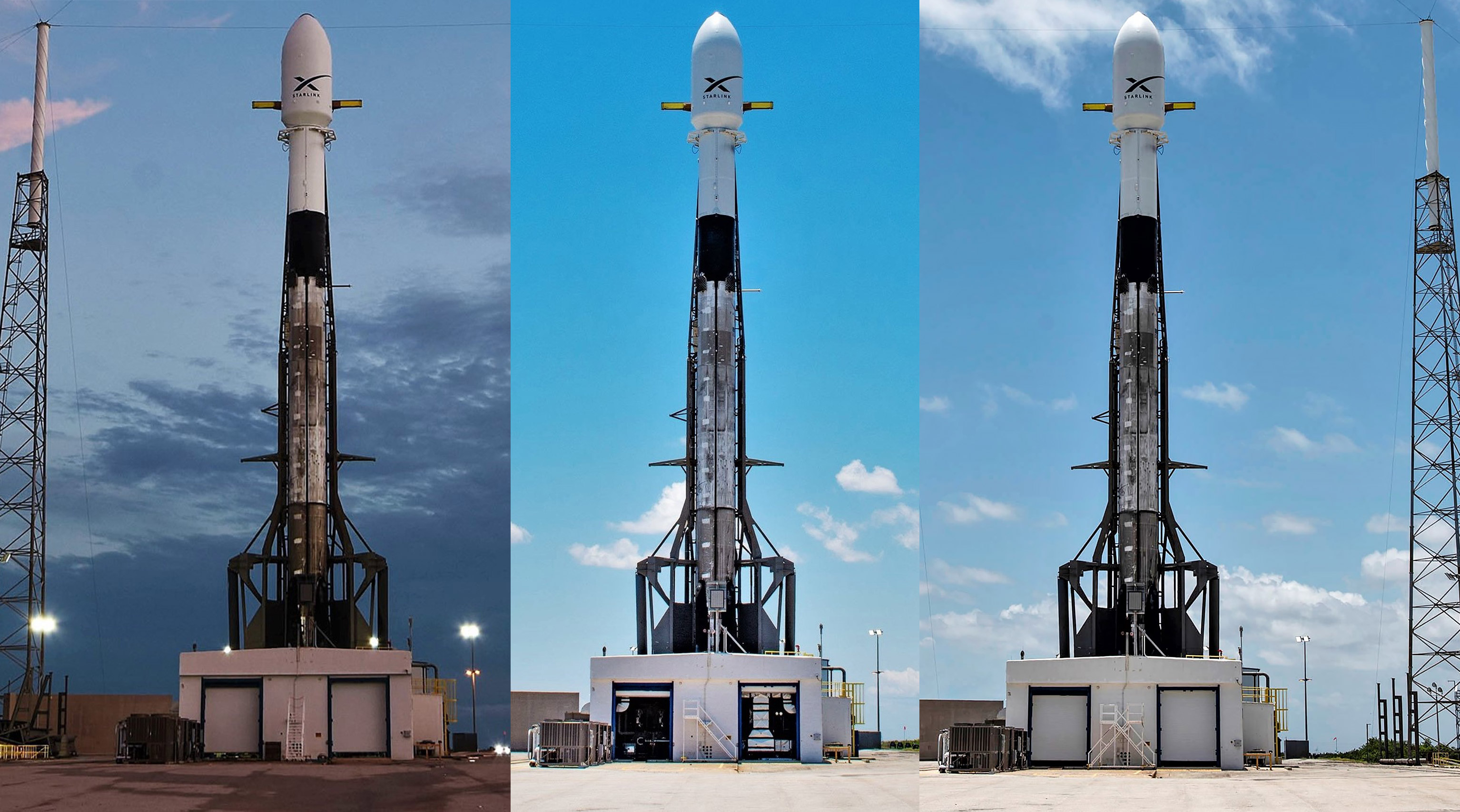
According to a suite of eight FCC Special Temporary Authority licenses SpaceX filed for on August 30th, the company has plans for as many as four additional Starlink satellite launches in 2019, on top of Starlink’s May 23rd launch debut.
Additionally, SpaceX simultaneously requested that the FCC modify its current Starlink application to permit a slight change in orbital characteristics that would drastically improve the broadband satellite constellation’s coverage in its early stages. Combined, SpaceX appears to be extremely confident about the status and near-future progress to be made by its prospective Starlink constellation, confidence presumably inspired by the performance of the first 60 “v0.9” satellites launched three months ago.
Beta-test hiccups
Over the last three months, 50 of the 60 Starlink satellites launched on May 23rd have made their way to their final ~550 km (340 mi) circular orbits. As observed by astronomer Jonathan McDowell and partially confirmed by SpaceX’s own official statements, the company remains in contact with and – more or less – in control of all but three of the 60 Starlink prototypes. SpaceX did confirm in late June that two functioning satellites were being intentionally deorbited to test procedures and performance, while another three satellites had partially failed and were to “passively deorbit”.
And for completeness here is an updated version of the plot showing Starlink satellite height ((p+a)/2) versus time, no recent changes pic.twitter.com/E3a38afRse— Jonathan McDowell (@planet4589) August 28, 2019
Based on the phrasing of SpaceX’s June 28th update, it’s ambiguous if communication and/or control has been completely lost with those three satellites. Additionally, five more satellites have remained paused partway between their ~440 km insertion orbits and ~550 km operational orbits, described two months ago as “going through checkouts prior to completing their orbit raise.” For unknown reasons, that orbit raise never happened. This leaves SpaceX with 57 of 60 satellites that have effectively ‘survived’ and are still under some form of control, while 50 (83%) of the satellites have successfully reached their nominal operational orbits and are performing as intended.
SpaceX continues to waffle between describing these first 60 satellites – internally known as “Starlink v0.9” – as a development test and the first operational Starlink launch. A ~17% failure rate for satellite orbit raising would be unacceptable for a finished product but, on a positive note, is actually quite impressive if one assumes that the 60 spacecraft are high-fidelity prototypes, not operational satellites.
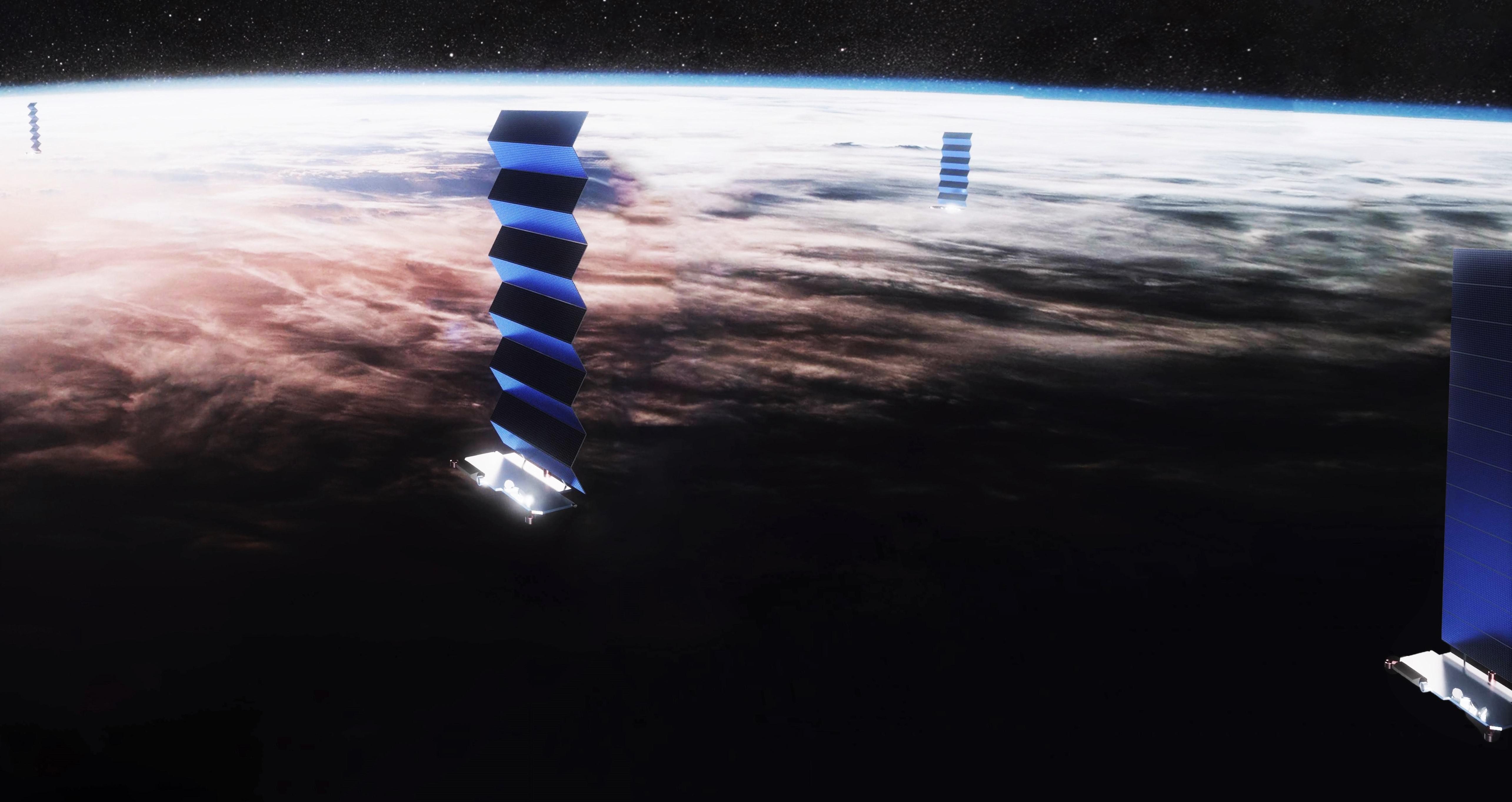
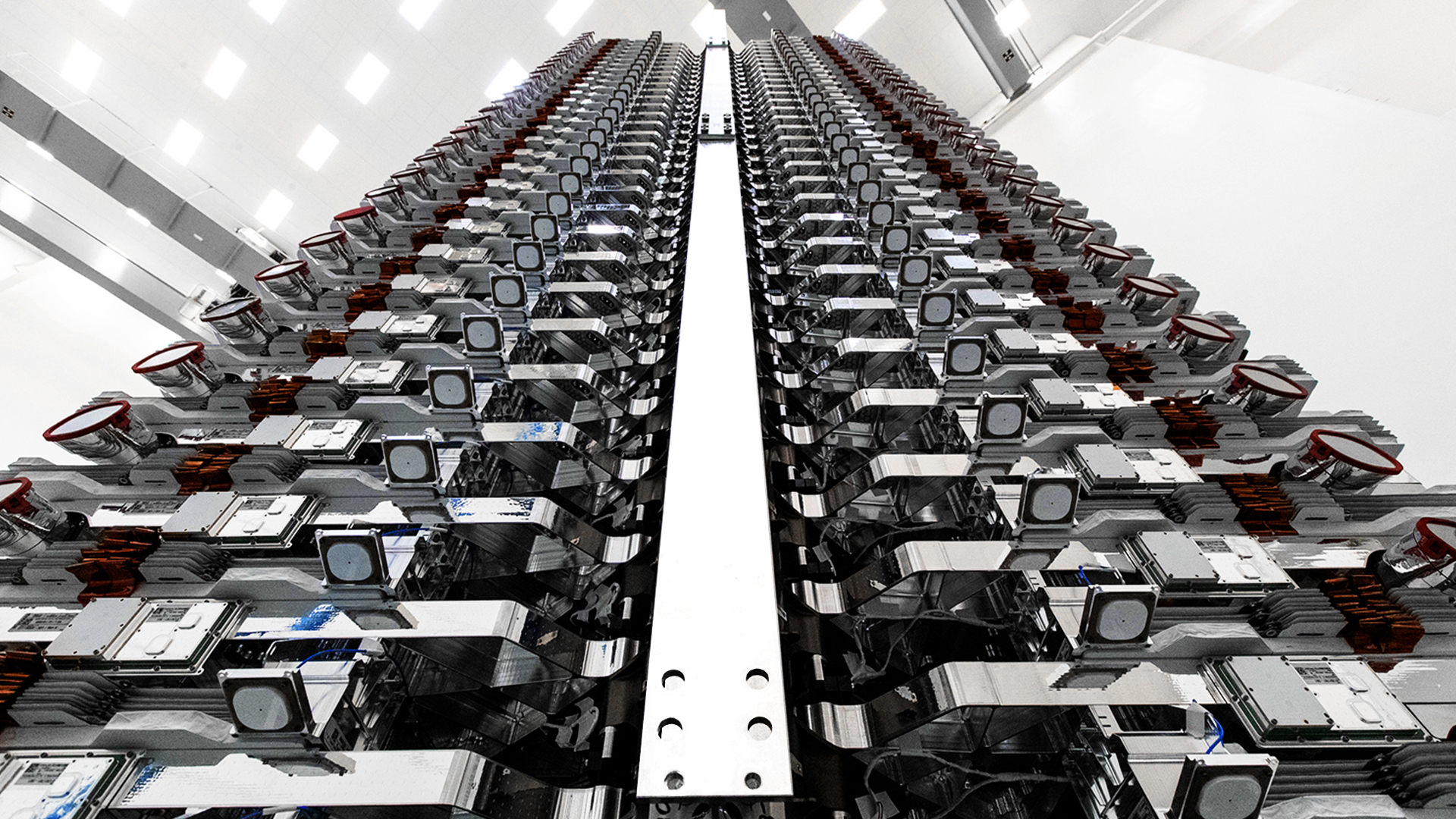
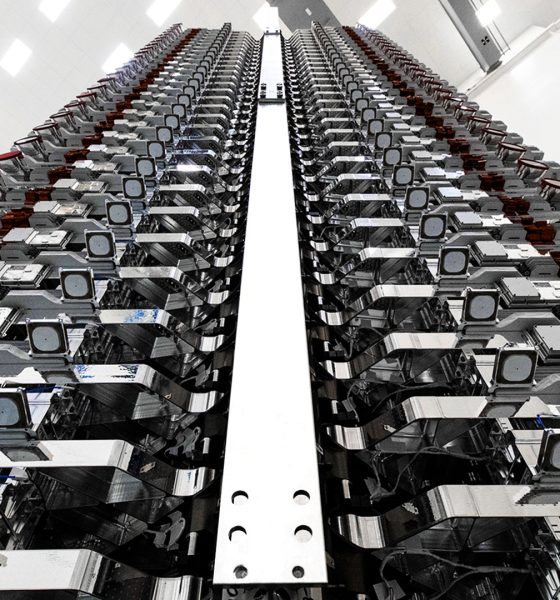
In short, there is a lot of room for improvement – particularly in the realm of short and long-term reliability – but the likely fact that “v0.9” signifies a sort of Starlink beta test means that SpaceX’s next Starlink launches will feature updated and bug-fixed hardware. In the realm of satellites, the practice of flying prototypes as early as possible and risking failures to learn from experience is exceedingly rare, but this behavior is entirely consistent with SpaceX’s preferred approach to rocket and spacecraft development.
300 satellites, 7 months
As mentioned above, SpaceX applied for four FCC STA licenses – effectively communications-related launch permits – on August 30th, all for Starlink missions with nominal No Earlier Than (NET) launch dates in 2019. It must be noted that it’s exceptionally rare for the starting dates of STAs to actually correlate with launch dates, but a best-case scenario typically sees a given launch occur within a handful of weeks of that date. STAs last six months, providing plenty of buffer for all but the most extreme launch delays.
| Mission | Date (NET) |
| Starlink-1 | October 10th |
| Starlink-2 | October 25th |
| Starlink-3 | November 13th |
| Starlink-4 | December 8th |
Of note, NASASpaceflight.com recently published Cape Canaveral Air Force Station (CCAFS) and Kennedy Space Center (KSC) planning dates for SpaceX’s next two Starlink missions, confirming that the company is planning for launches roughly one week after the dates on its newly-requested FCC STAs. Those official planning dates show two back-to-back Starlink launches no earlier than (NET) October 17th and November 4th.
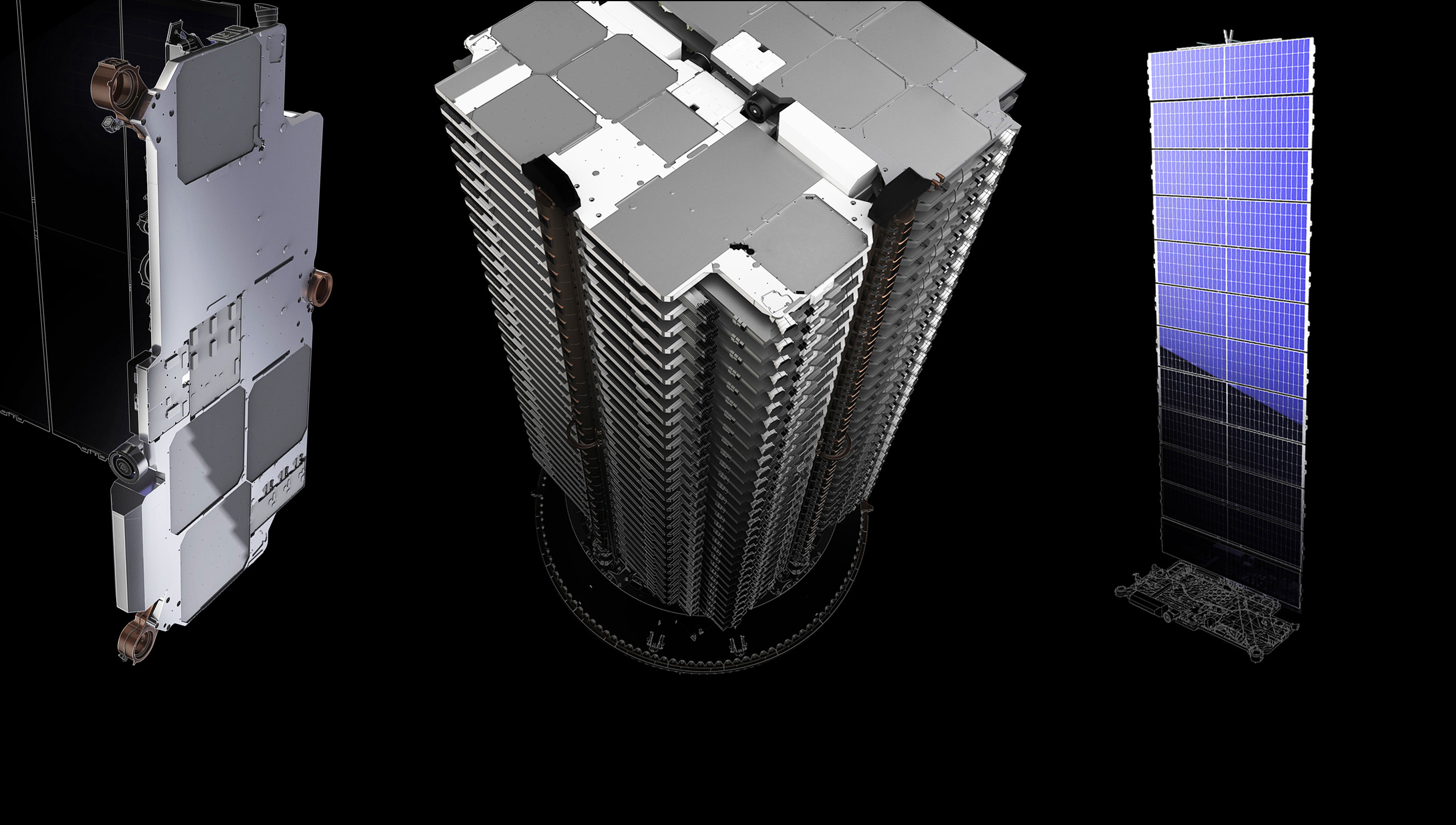
In a best-case scenario where SpaceX successfully manufactures, delivers, and prepares the satellites and readies the Falcon 9 rockets assigned to launch them, the company could complete four more Starlink launches between now and the New Year. Sticking to a three-week cadence hopefully set by Starlink-1 and Starlink-2, two more launches could follow around late-November and mid-December. Of course, as just the first few truly operational launches of more or less finalized “v1.0” Starlink satellites, delays from manufacturing through launch flows are probable and should be expected.
Even completing just one more 60-satellite launch of an updated Starlink design would be an impressive achievement, making SpaceX the first and only entity – country or company – to place more than 100 satellites in orbit in the first year of a satellite system’s launch activities. In a best-case scenario, four additional Starlink launches in 2019 would abruptly take SpaceX from two satellite prototypes to operating almost 300 satellites – unequivocally the largest constellation in the world – in no more than seven months.
Serving customers sooner
According to SpaceX’s Starlink.com website, Starlink will be able to start serving customers at Northern US and southern Canadian latitudes after just six launches (360 satellites), with limited “global coverage of the populated world” available after 24 launches (1440 satellites). However, per an FCC license modification request published on August 30th, the same day as 8 launch STAs, the company believes it can dramatically expedite Starlink coverage (regardless of launch rate) with one relatively simple modification.
This modification would leave inclination (orbit angle relative to Earth’s rotational axis), orbital altitude, and the number of satellites and launches completely unchanged, modifying Starlink’s orbital planes instead. It’s an extreme simplification of the reality of orbital mechanics, but one can imagine orbital planes as roughly akin to lanes on a road. To increase their reach, SpaceX wants to deploy Starlink satellites to three separate planes each launch, ultimately tripling the number of ‘lanes’ (from 24 to 72) while cutting the number of satellites in each ‘lane’ by two-thirds (from 66 to 22). In this analogy, it is logically easier to build fewer ‘lanes’, referring – in this case – to the challenge it poses to the launch vehicle, satellites, or both. SpaceX would only be able to triple Starlink’s orbital ‘lanes’ by requiring the satellites to do the bulk of their own orbit raising, leaning heavily on the performance and reliability of their SpaceX-built electric (ion) propulsion.
According to SpaceX, this could as much as halve the number of launches needed to achieve a given level of Starlink coverage, meaning that SpaceX’s early constellation could reach its initial operational status up to twice as quickly. SpaceX believes that this updated orbital layout of Starlink’s 1584 low Earth orbit (LEO) satellites would also significantly improve coverage and capabilities for areas with high population density (i.e. big cities).
Whether or not the FCC sees fit to rapidly grant SpaceX’s modification request in the next ~8 weeks, SpaceX’s next Starlink launches will be a major step forward for the company’s nascent communications constellation.
Check out Teslarati’s Marketplace! We offer Tesla accessories, including for the Tesla Cybertruck and Tesla Model 3.


Elon Musk
Tesla’s secretive “Project Crystal Sun” gets a big green light in Texas
Fort Bend County approved four incentive agreements Thursday for Tesla’s proposed $10.1 billion solar factory.

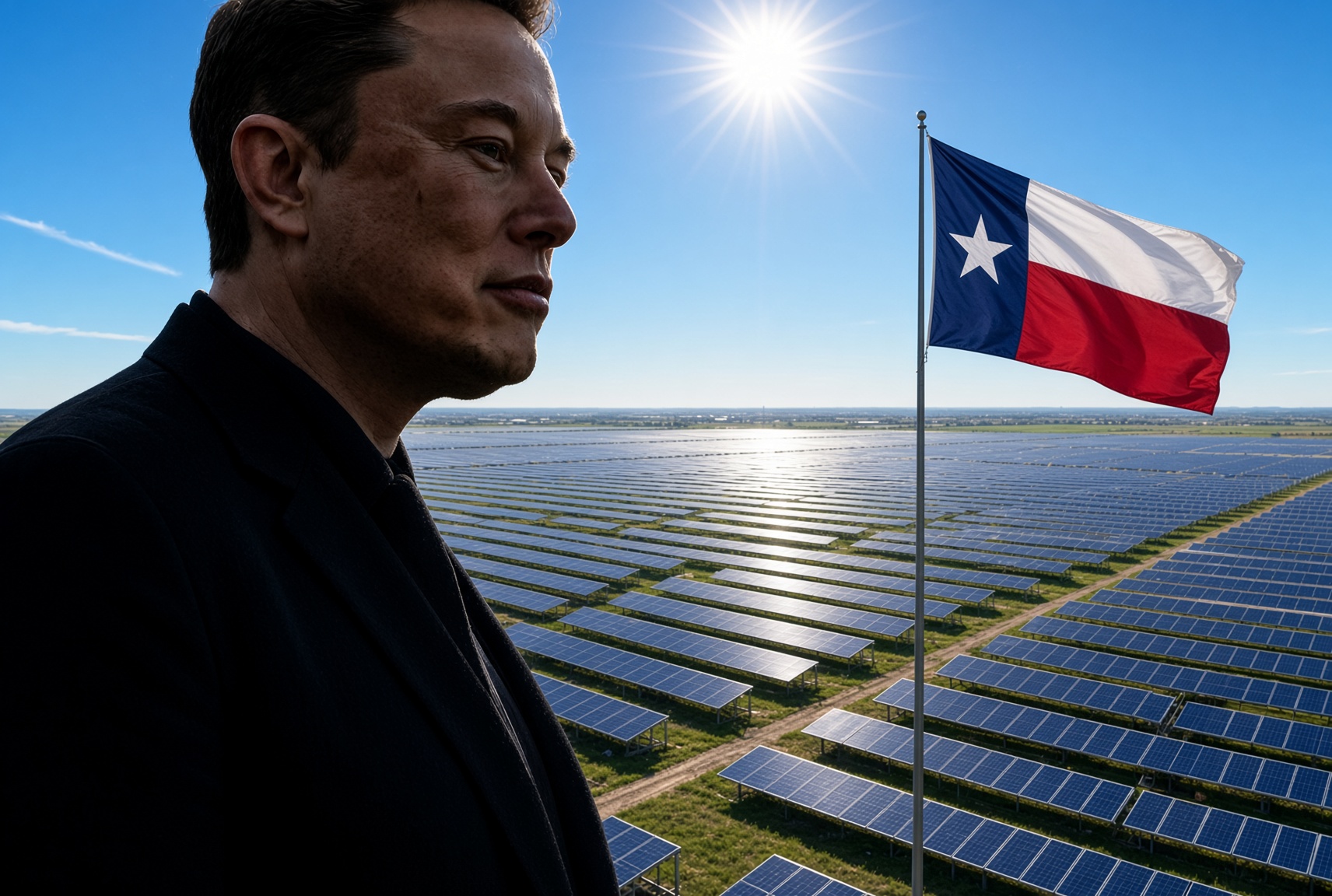
Fort Bend County commissioners on Thursday approved a package of tax incentives for Tesla’s proposed $10.1 billion solar cell factory near Needville, Texas, giving the company one of the last local approvals it needs before it decides where to build. All four Tesla agreements passed 4 to 0.
The votes covered a property tax abatement inside Reinvestment Zone No. 34, a Chapter 381 economic development agreement, a foreign trade zone non-objection paired with payments in lieu of certain taxes, and a separate payment in lieu of taxes “true up” agreement, according to agenda notes from the Fort Bend Commissioners Court meeting.
The project, known internally as “Project Crystal Sun,” would make solar cells and finished modules on roughly 3,000 acres near FM 762 and FM 1994, south of the Brazos River. As Teslarati reported when the filing first surfaced in August, Tesla’s application under the state’s JETI Act splits the investment into $1.5 billion in real property and $8.6 billion in equipment, with 9,712 permanent jobs projected by 2033 and commercial operations targeted for the first quarter of 2029. The plant would handle the full chain from ingot and wafer production through cell testing.
Inside Tesla’s secretive $10 Billion “Project Crystal Sun” filing
Thursday’s approval does not lock in the site. Tesla has told the Texas Comptroller it is still weighing other locations, and site selection adviser David Dennison told Lamar Consolidated ISD trustees in September that the race had narrowed to Fort Bend and one out of state rival with a “very compelling package,” according to the Houston Chronicle. Tesla hopes to decide before the end of 2026, and the incentives still need sign off from the Comptroller and the Governor’s office.
Local officials have now done nearly everything within their control. Commissioners created the reinvestment zone in an August 24 special meeting, with Interim County Judge Daniel Wong formally withdrawing himself over his engineering firm’s past work with Tesla. Lamar CISD trustees voted 7 to 0 on September 15 to advance a JETI agreement that would tax Tesla’s qualifying property at 50 percent of its value for maintenance and operations from 2029 through 2038.
The plant lines up with a target Elon Musk set on Tesla’s Q4 2025 earnings call in January, when he said the company would “work toward getting 100 GW a year of solar cell production, integrating across the entire supply chain from raw materials all the way to finished solar panels.” In March, Tesla was reported to be negotiating a $2.9 billion purchase of Chinese solar manufacturing equipment bound for Texas. The Houston area already hosts Tesla’s Megafactory in Brookshire, where Megapack 3 production has started. Tesla said on its Q3 call that Megapack supply for 2027 is nearly sold out, and Musk wrote on X Thursday that the company is “increasing production of Megapacks as much as possible,” as demand from data centers climbs.

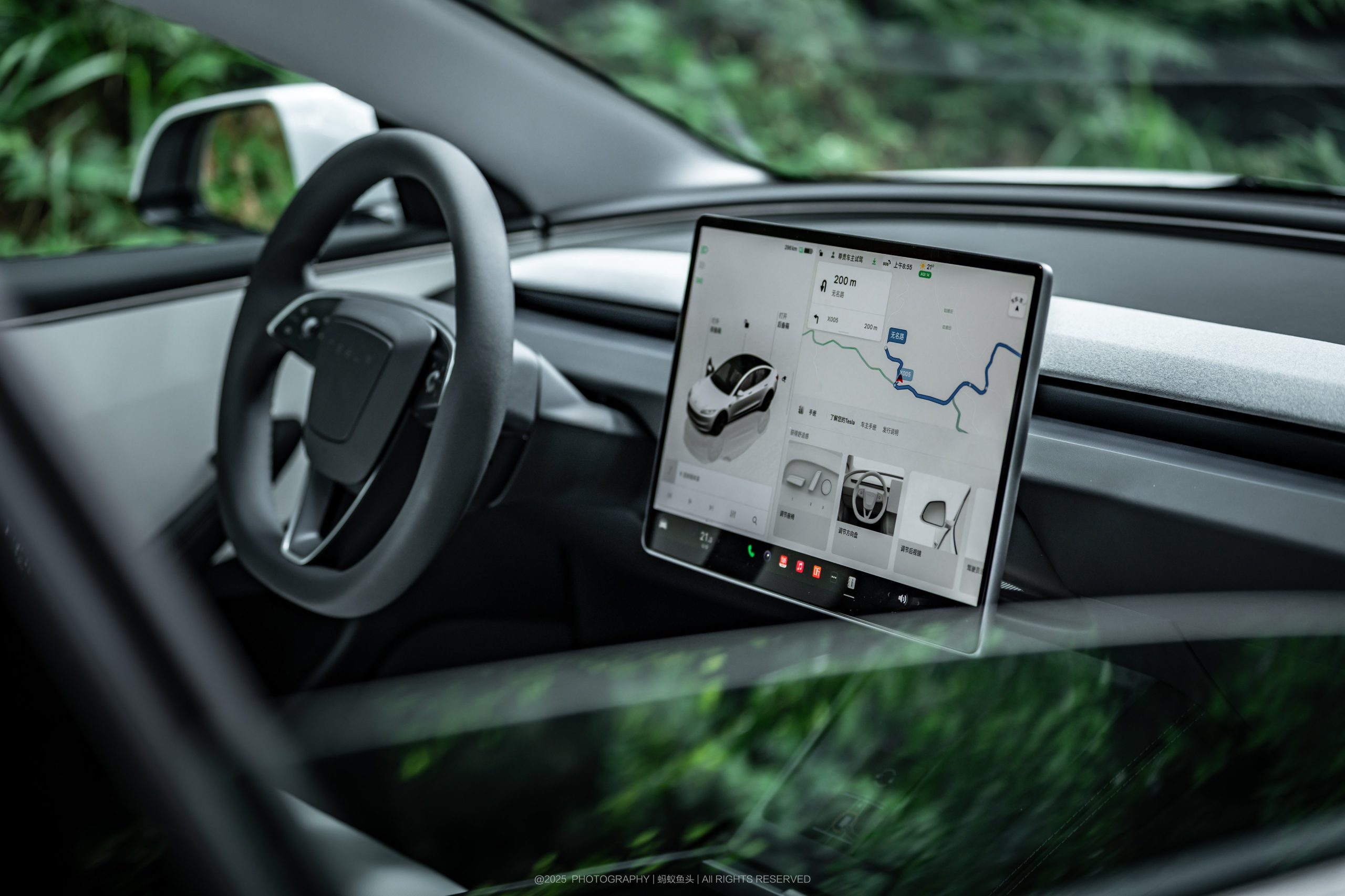
Tesla revealed plans to develop its own maps internally to fix Navigation issues and give owners more control over their routing.
On the company’s Q3 2026 Earnings Call, a question was asked about FSD Navigation issues, particularly speed limit recognition, parking, and routing. These are issues that surface from version to version and seem to be seriously challenging for Tesla’s AI team to resolve.
Tesla’s Head of AI, Ashok Elluswamy, said in response to the question:
“You’re totally right that we shouldn’t be depending on external people’s maps. So we are building our own maps, but not like the same way as OneMoreMap. We are building an entirely new architecture with essentially AI-based mapping and navigation.”
He continued:
“It’s going to be super awesome. It’s going to be integrated with voice. You can talk to it, ask for different routes. It’s going to learn your personalized preferences, plus the fleet preferences. The collective intelligence of all the cars is going to flow into making the maps and navigation super cool.”
Elluswamy said this issue should be confronted, and the mapping should be available for people by the time the v15 release starts deploying to customers.
“And over the next several months,” he added, “it’s just going to take over all of the navigation functions, parking, destination handling. And it will know you better than you know yourself in some regard for the driving task, and then handle it fully.”
Tesla Summon got insanely good in FSD v14.3.2 — Navigation? Not so much
Navigation is perhaps the most notable complaint with FSD, and although it has gotten better, it is still flawed. Much of the time, FSD will take people on routes that are not preferred by the driver, but Tesla tried to combat this with a routing feature in the Summer 2026 Update.
Tesla currently relies on Google for map data, but it is sort of counterintuitive to believe the company would rely on a third party for this. These improvements will be welcome, as routing and navigation have been such a pain point for so many owners for so long.
Quotes via Motley Fool
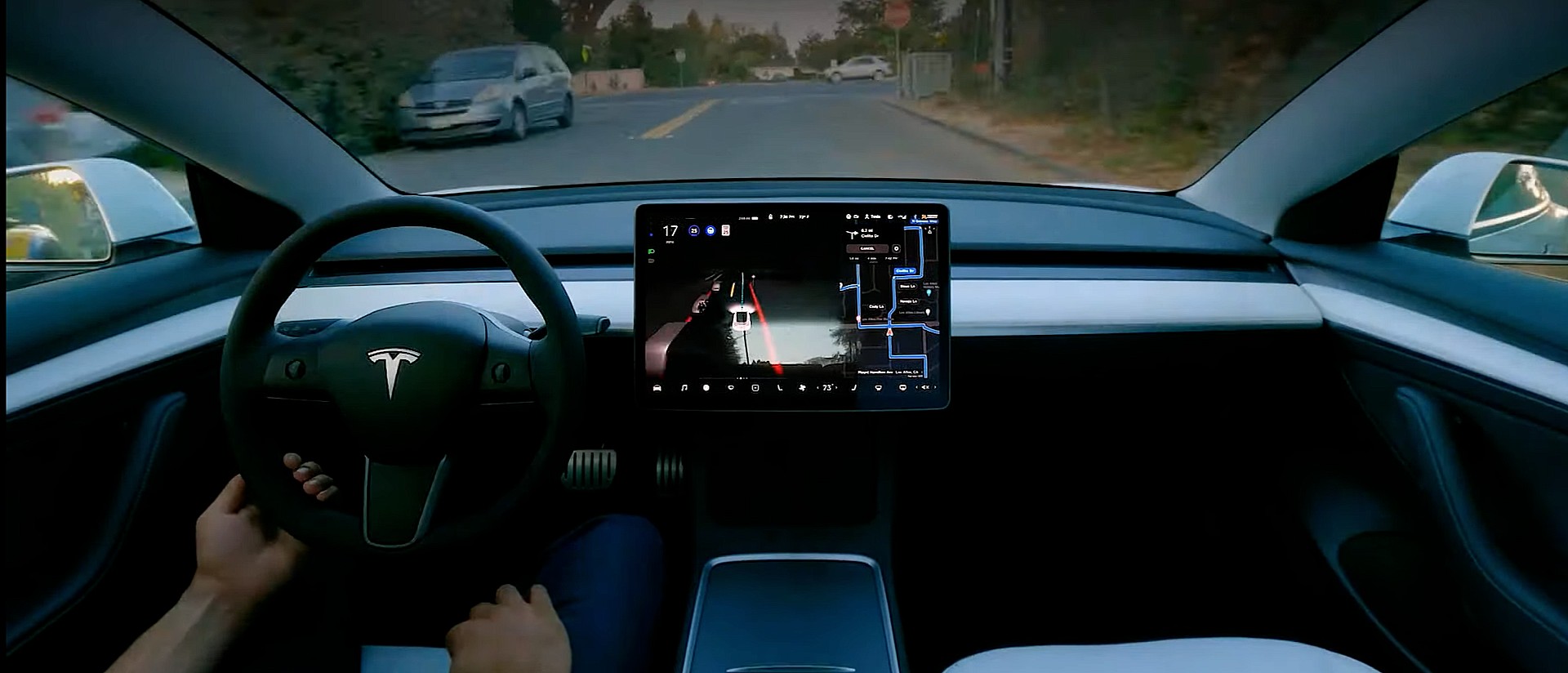
Tesla Full Self-Driving (Supervised) showed a record attach rate at delivery for new vehicles in the third quarter of 2026.
75 percent of new vehicle deliveries in North America included a subscription to FSD software, up from 55 percent in the prior quarter, a 20-percentage-point sequential gain in the company’s most mature market.
Tesla Q3 2026 Earnings results: in-line revenues, slight beat on EPS
Tesla shed light on the Q3 Shareholder Deck that 75 percent of new deliveries came with an FSD subscription:
“FSD (Supervised)⁴ attach rate continued to grow, reaching over 75% of new vehicle deliveries in North America – our most mature market – a nearly twenty percentage point sequential increase. We believe that FSD is driving demand in markets where it is available, and we continue to work with regulators to get it approved in other markets. “
The higher attach rate accompanied strong growth in the overall FSD consumer base, as active subscriptions rose to 1.75 million, a 67 percent year-over-year increase. For the first time, more than half of paid customers are on the monthly subscription, which is priced at $99 per month in the U.S.
People are buying FSD with a car attached, not the other way around
— Elon Musk (@elonmusk) October 21, 2026
The transition to subscriptions has accelerated since Tesla discontinued the one-time purchase option in most markets earlier this year. The recurring model improves revenue visibility and margins compared with large upfront payments. With three-quarters of North American deliveries now including FSD, the software is now an evidently large contributor to Tesla’s economics and ancillary revenue.
Geographic expansion remains important for further gains. FSD is now available in nine countries in the EU, and more than 100,000 customers have driven over 160 million kilometers. Tesla is pursuing broader EU-wide approval, with a related vote expected in December. Similar progress in additional markets could support higher attach rates beyond North America.
These results came as Tesla had a strong quarterly delivery performance of 486,532 vehicles in the quarter, which came with its largest passenger-vehicle backlog in four years. Battery supply continued to limit volume, but the company has pointed to FSD as a clear difference-maker that is helping sustain demand. As supervised capabilities improve, the attach rate will likely continue to improve.
At face value, it is a key measure of how Tesla is converting sales into autonomy progress.

Tesla’s secretive “Project Crystal Sun” gets a big green light in Texas

Tesla is building its own maps to fix Navigation issues


