News
SpaceX aces Starlink launch, kicks off service in Germany, New Zealand

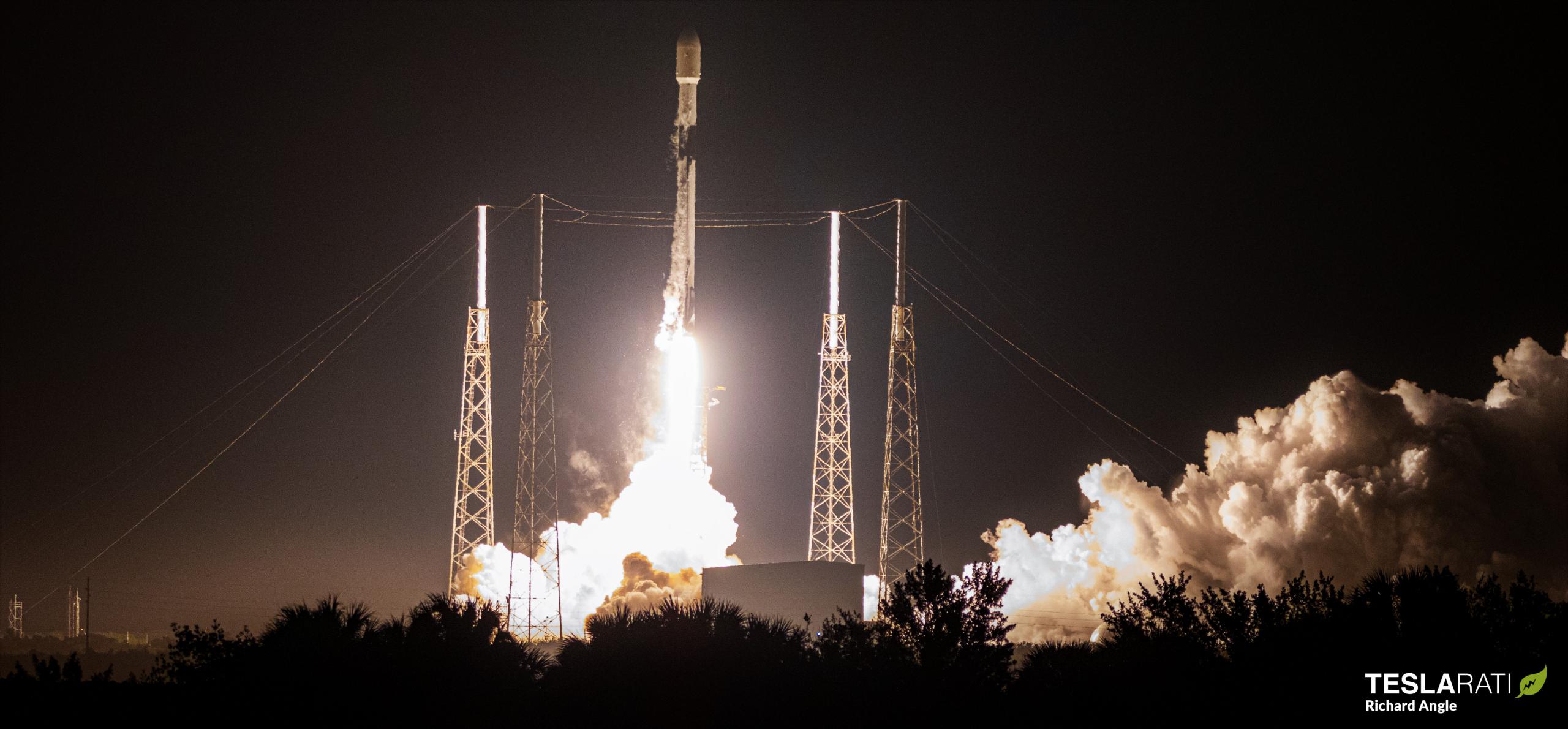
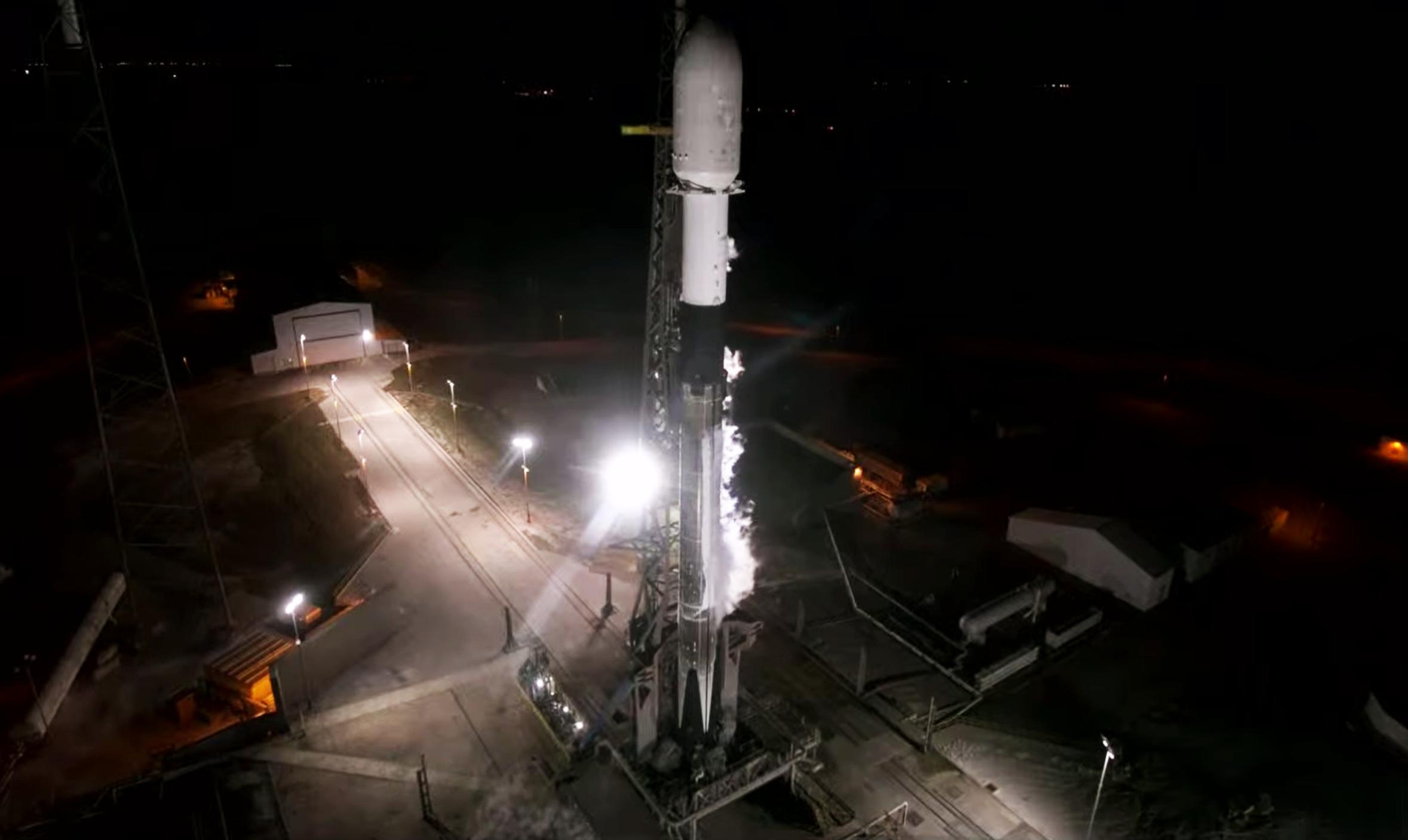
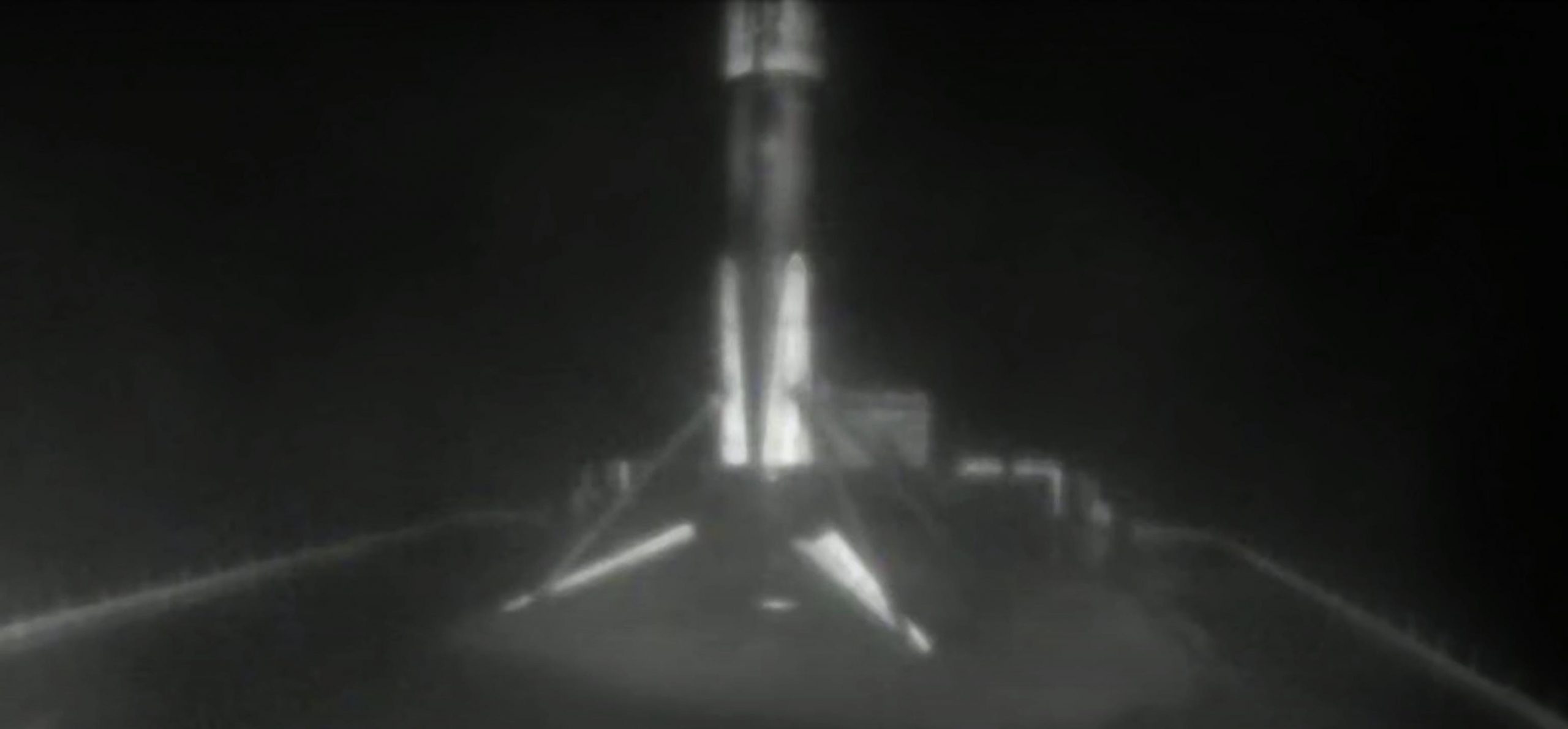
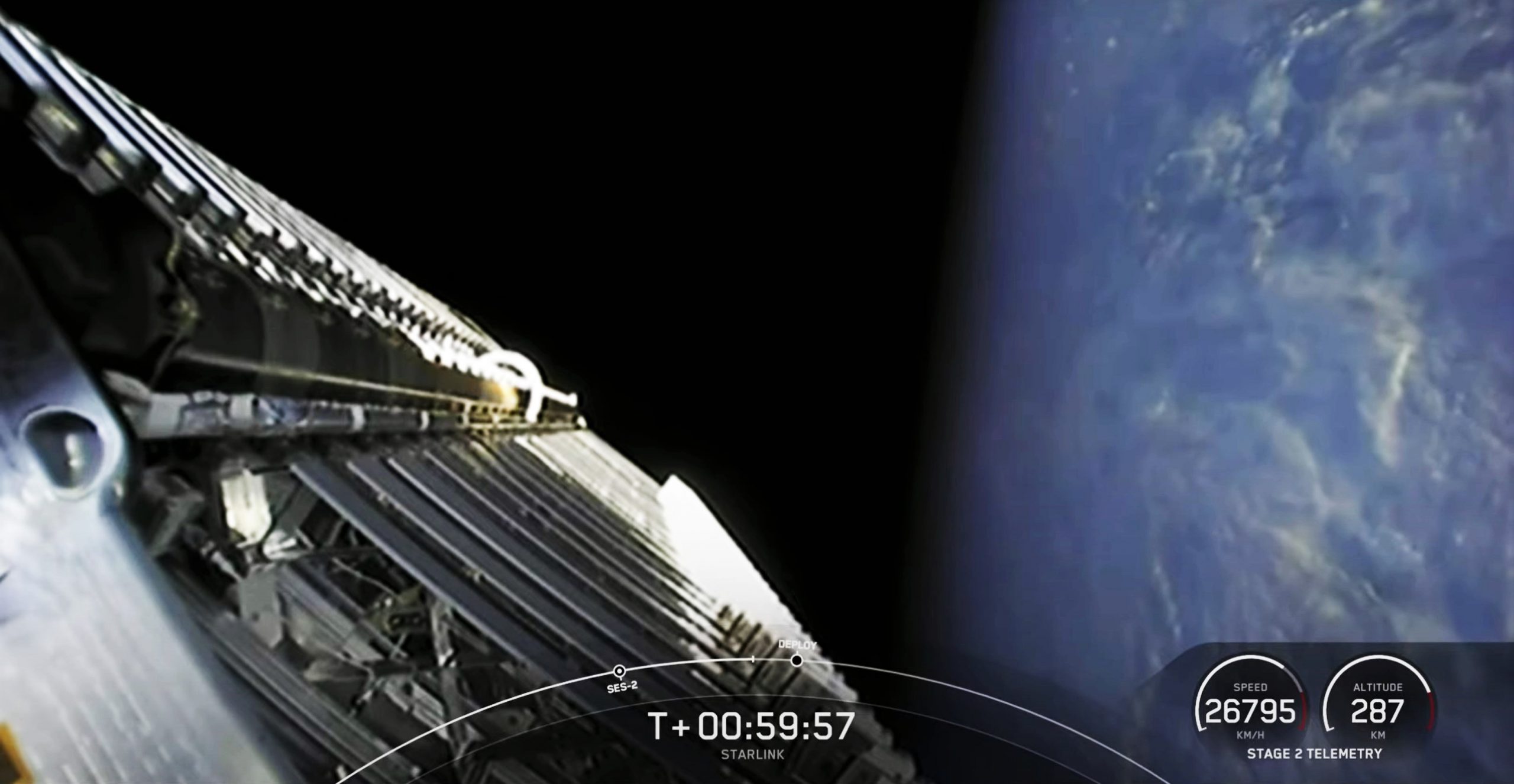
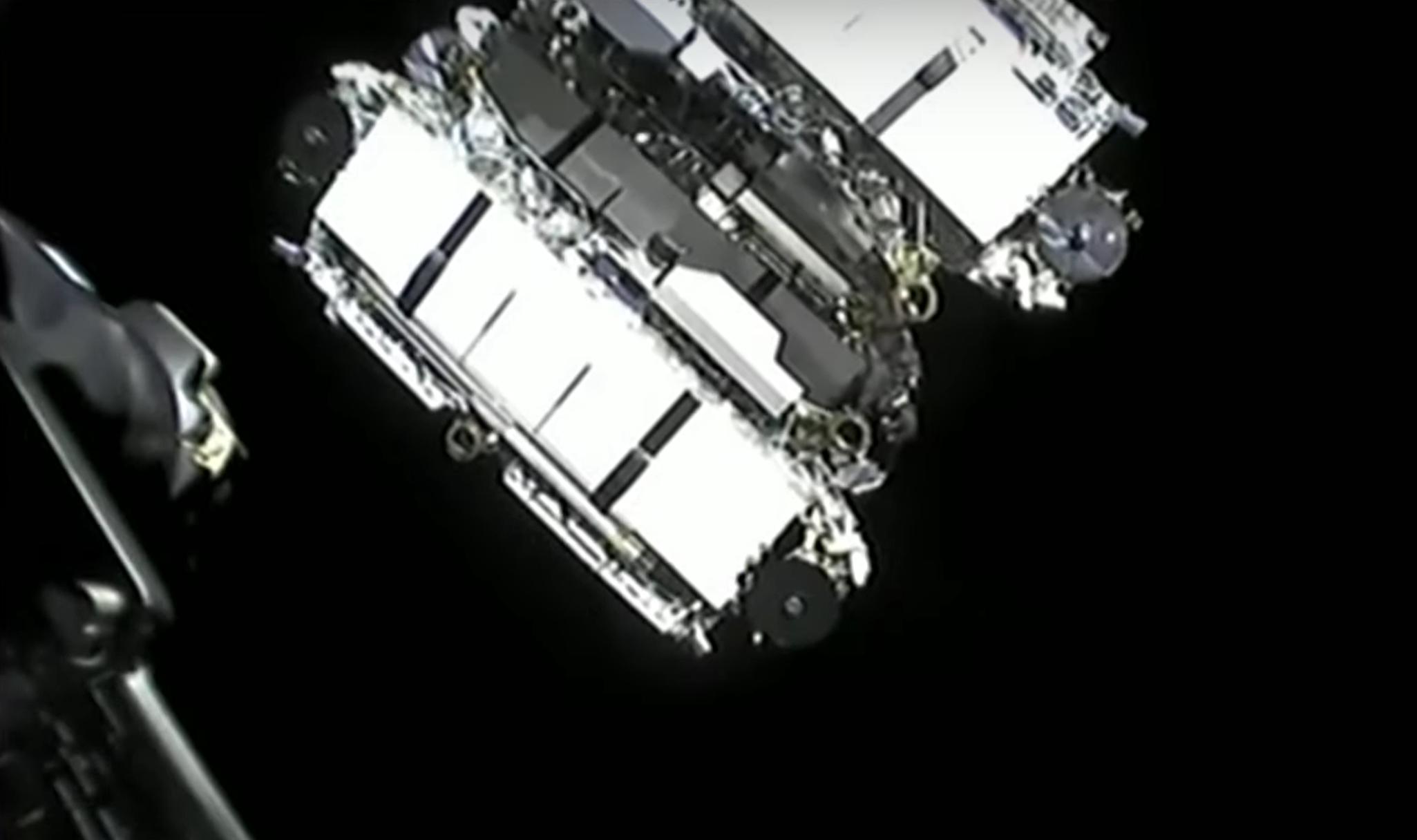
SpaceX has successfully completed the second 60-satellite Starlink launch this month and sixth Starlink launch this year while simultaneously announcing that the space-based internet service has begun rolling out in Germany and New Zealand.
SpaceX has also begun expanding Starlink availability throughout the northern and southernmost parts of the United Kingdom, as well as Wales, Scotland, and Ireland. As overall satellite reliability improves, minimizing the number of spacecraft that fail or have to eventually deorbit themselves shortly after launch, tonight’s Starlink-20 launch should theoretically leave SpaceX with a constellation more than 1180 satellites strong.
That would leave SpaceX as few as five dedicated Starlink launches away from crossing the 1440-satellite mark – a former target for “Phase 1” of the constellation. Assuming the US Federal Communications Commission (FCC) eventually grants a languishing SpaceX request to lower the constellation’s planned orbits and tweak its orbital distribution, the new target – about 1584 satellites – is still just seven launches away after Starlink-20’s success.
Depending on how SpaceX has structured its first several dozen launches, those ~1600 spacecraft would theoretically ensure coverage at almost any point on the Earth’s surface. Indeed, SpaceX itself explicitly says that Starlink “will continue expansion to near-global coverage of the populated world in 2021” – a feat it’s almost certainly on track to achieve.
SpaceX already has plans for two more Starlink launches in March with Starlink-21 lifting off as early as 5:44 am EDT (UTC-6) on March 13th and Starlink-22 following sometime around the end of the month. A relatively slow two-launch February has left SpaceX a fair bit behind its ambitious 48-launch goal for 2021 and a four-launch March would represent about as good of a ‘return to stride’ the company could hope for.
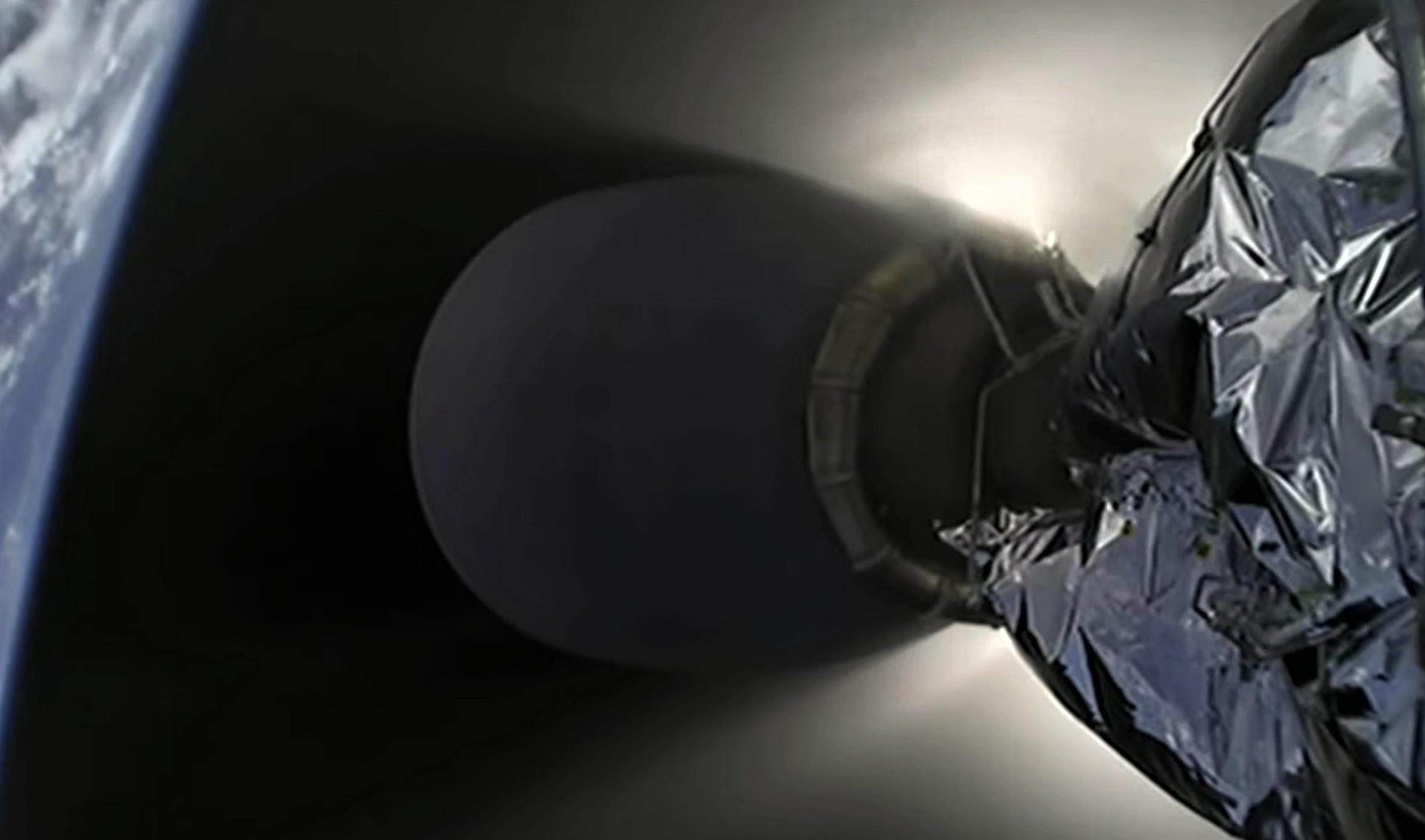
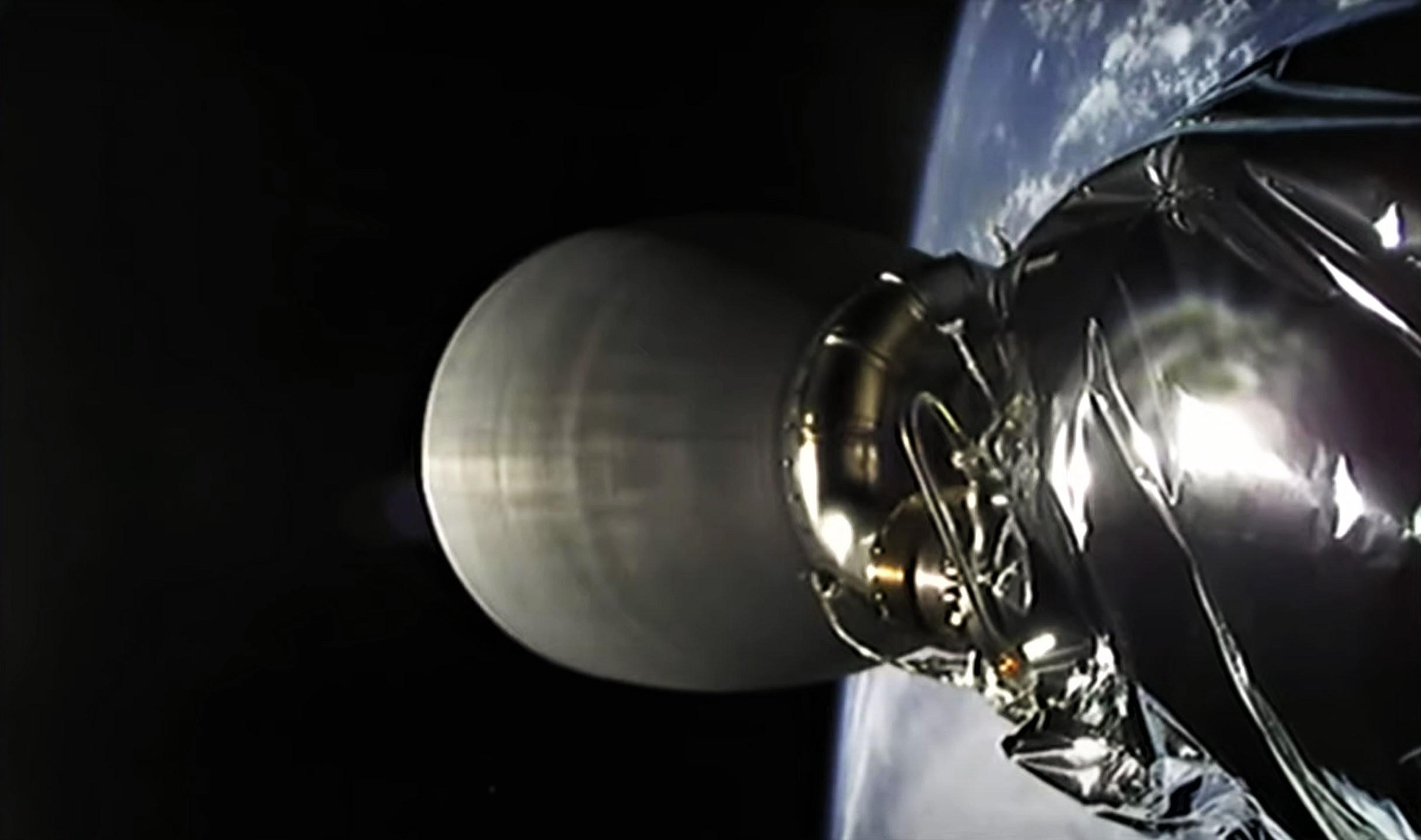
That aggressive launch cadence (four launches per month) is exactly what SpaceX needs to hit that target while simultaneously expanding the Starlink constellation at a rate unseen in the history of spaceflight. Assuming 50-75% of those 48 launches are SpaceX’s own Starlink missions, that cadence would equate to a constellation growth rate of around 1400-2100 satellites per year. Even without a multiplier like Starship, that pace would easily allow SpaceX to blow past its initial ~4400-satellite constellation goal and possibly even complete the full ~12,000-satellite Phase 2 constellation before the company’s 2027 FCC deadline.



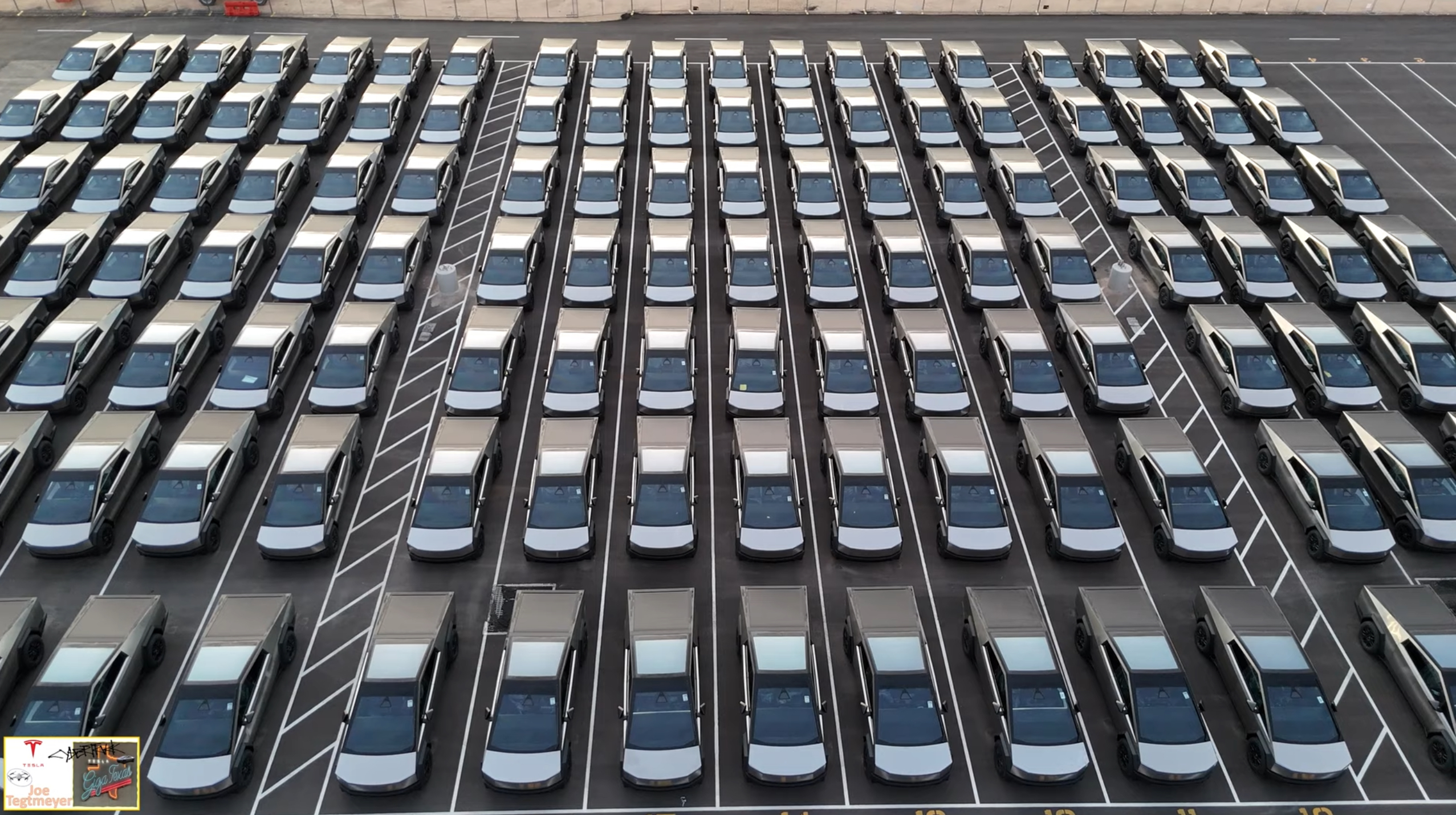
Tesla Cybertruck Lead Engineer Wes Morrill revealed the company has made several changes to the all-electric pickup, which he calls a “living thing, constantly evolving and improving.”
Cybertruck is manufactured at Tesla’s Gigafactory Texas just outside of Austin, and over the past few years, Tesla has continued to make small changes to the pickup to improve everything from cost, reliability, serviceablility, and manufacturability.
“The finish line isn’t getting to production. A product is a living thing, constantly evolving and improving,” Morrill added.
RELATED:
Tesla Cybertruck AWD is a steal at $60k, is it still at $75k? Full Review
Some of those changes are yet to be revealed, but perhaps the most notable one was the change Tesla made to the aero shield that sits underneath the truck. In the past, it was aluminum, but now the Cybertruck is using a self-reinforcing polypropylene.
Morrill said that the polypropylene is “stretched into fibers and then laminated into the form,” and is much more durable, much lighter, and significantly cheaper than aluminum when it is manufactured this way.
It also enabled some improvements in the geometry of the Cybertruck, improving the manufacturing around the bolts and edges, in addition to minor form changes. These all benefitted the Cybertruck in more ways than one: specifically with durability and improved drag.
I was surprised by how interested people were to find out we made a relatively benign change to the Cybertruck aero shield, a part of the car most people never even see. So I’ll share some more details.
Here are two photos, the left is one of the latest trucks off the… pic.twitter.com/F5cZo2CZKf
— Wes (@wmorrill3) September 7, 2026
Typically, Teslas are not necessarily identified by model year because these changes are fluid and occur when the company sees fit to implement them. It is not like other automotive companies, which usually make sweeping manufacturing changes when building a new model year.
Instead, Teslas are recognized by their “generation” or “era.” For example, those with a newer Model Y might refer to their car as a “Juniper.” This is the same with Model 3, as many refer to the new body style as the “Highland.”
Tesla’s manufacturing changes are proof of the company’s constant need to improve its products and move things forward with its vehicles. There is no need to drag one’s feet and wait until next year if the product can be made better right now, and that’s precisely what Tesla did with the Cybertruck.
Elon Musk
Tesla Cybercabs narrowly miss deadly Amazon cargo plane crash
An Amazon cargo plane crash near Miami’s airport stopped feet from dozens of Tesla Cybercabs.

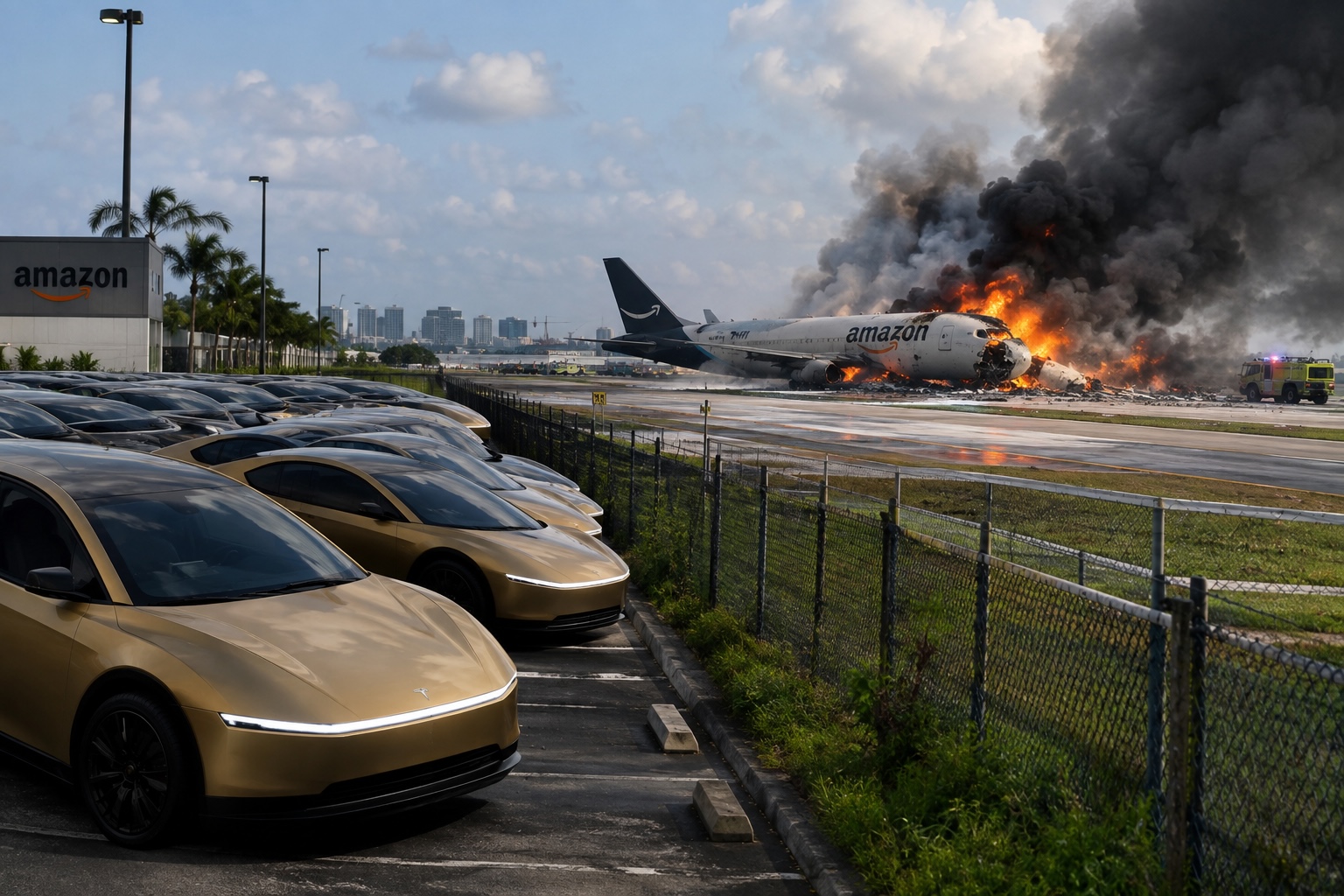
An Amazon Prime Air Boeing 767 cargo jet overran the runway at Miami International Airport on Sunday afternoon, killing five people and injuring five more. The jet, operated by North Carolina based carrier 21 Air as Flight 7598, touched down around 2 p.m. after arriving from San Juan, Puerto Rico, then crossed the airport perimeter, plowed across NW 67th Avenue and struck multiple vehicles before catching fire, according to the Associated Press.
Photos and video from the scene show the aircraft’s nose stopped within meters of a fenced staging lot holding dozens of gold painted Tesla Cybercabs, the steering wheel free robotaxi Tesla began putting on public roads in Austin last week. Miami-Dade Fire Rescue has confirmed the plane struck “multiple vehicles” but has not said whether any Cybercabs were among them, and neither Tesla nor airport officials have addressed the fleet directly.
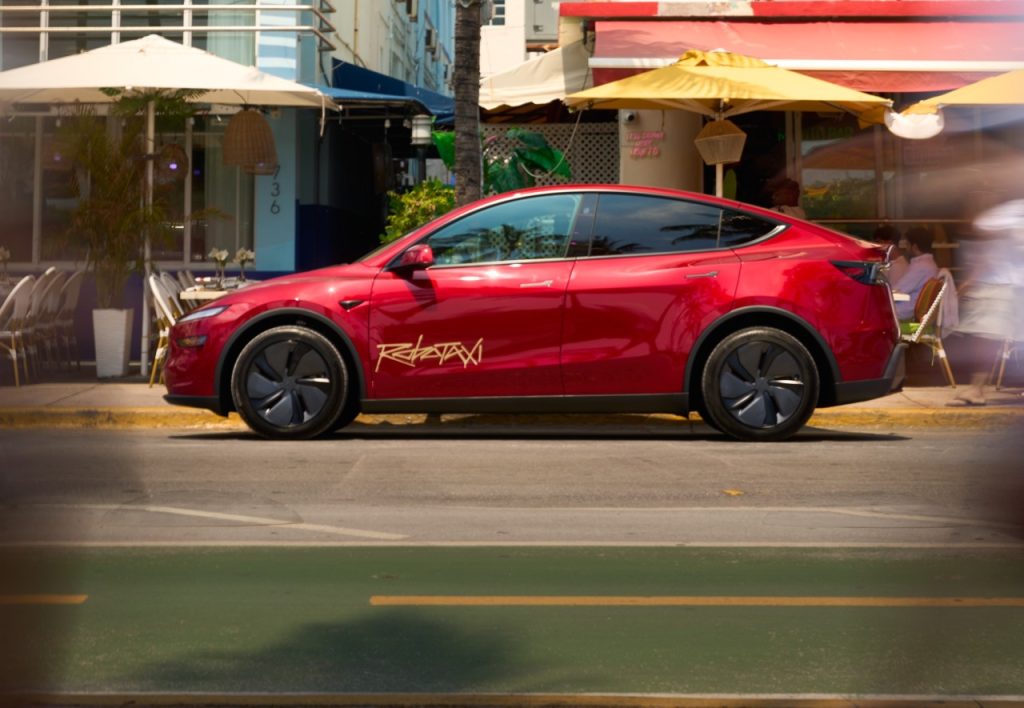
The Cybercabs had not yet entered commercial service in Miami. Tesla’s existing Robotaxi operation there runs on modified Model Y vehicles and has been unsupervised since Ashok Elluswamy confirmed the detail on X in July.
Footage of the plane crash from earlier today | #ONLYinDADE pic.twitter.com/iGoOtnd6cD
— ONLY in DADE (@ONLYinDADE) September 6, 2026
Elon Musk offered the briefest of reactions. Replying to a Zero Hedge post about the Cybercabs sitting so close to the wreckage, he wrote a single word: “Weird.” He has not commented further, and Tesla has not issued a statement.
The timing puts Tesla’s newest vehicle near an unrelated but highly visible tragedy just days after its Austin debut, a launch that had already drawn scrutiny from federal regulators. The National Highway Traffic Safety Administration opened an audit how Tesla certified the Cybercab as compliant with federal vehicle safety standards, a process Teslarati covered after the vehicle’s September 3 launch event. That inquiry concerns the car’s lack of a steering wheel and pedals, not the Miami crash.
Investigators from the FAA and NTSB are focused on the plane, not the parking lot beside it. Flight data reviewed by outlets including Simple Flying show the 767 touched down around 170 knots, well above the 135 to 140 knot range typical for the aircraft, though investigators have not determined a cause. Amazon said it is working with authorities and that its priority is the safety of everyone affected.
Whether any Cybercabs were damaged, and what Tesla plans for the fleet parked near one of the country’s busiest airports, remain open questions.
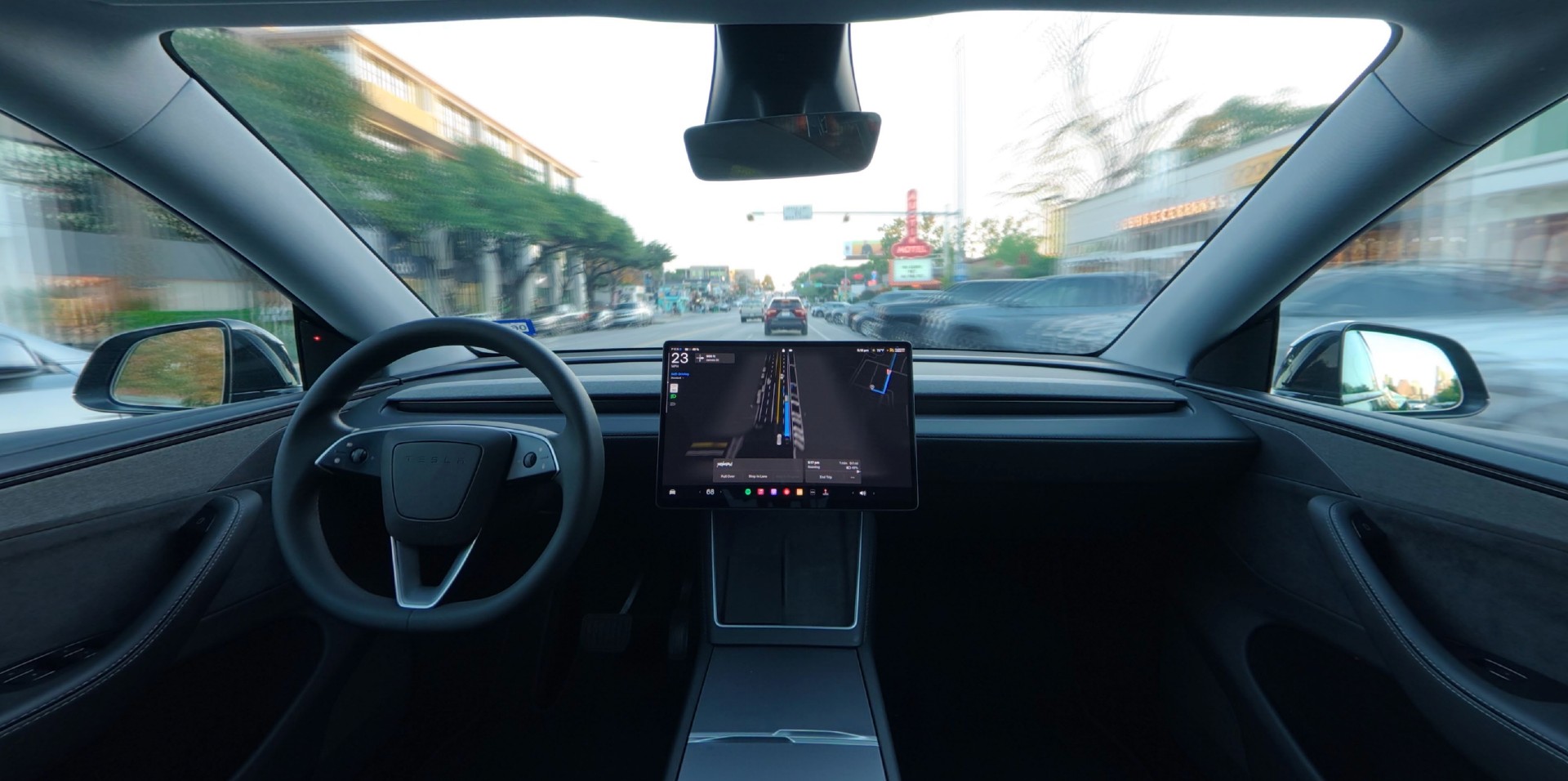
Tesla has reached a notable benchmark in its autonomous driving program after its Robotaxi fleet surpassed one million miles of unsupervised operation. The company made the announcement during its Cybercab event in Austin on September 3.
Tesla Vice President of AI Ashok Elluswamy told attendees he was happy to report the fleet had achieved one million miles of unsupervised Robotaxi operation as a testament to safety.
The new total marked a sharp increase from the 380,000 unsupervised miles Tesla disclosed during its second-quarter 2026 earnings update in late July.
In roughly six weeks, the company added about 620,000 miles. That acceleration followed Tesla’s decision to remove in-vehicle safety monitors from most of its operations outside the San Francisco Bay Area.
Credit: Tesla
Tesla first launched Robotaxi service in Austin in June 2025 with safety drivers present. It later began fully unsupervised rides and expanded into Dallas, Houston, Miami, Orlando, and Tampa. The San Francisco Bay Area remains the exception, where a safety monitor still rides in the vehicle under California permitting rules.
The company has not released a city-by-city breakdown of the one million unsupervised miles.
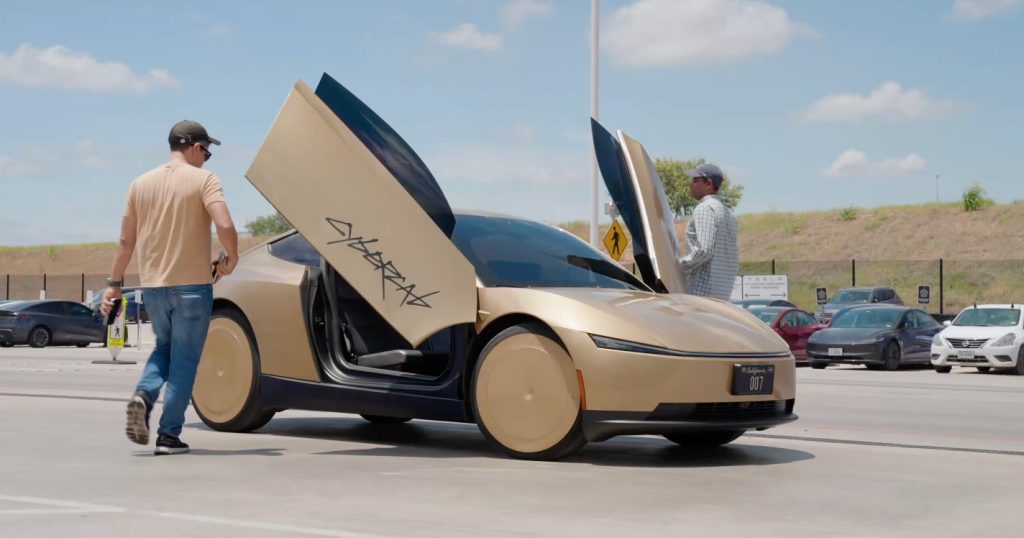
The milestone arrived as Tesla began offering public Cybercab rides in Austin. The purpose-built vehicle has no steering wheel or pedals and is designed only for autonomous ride-hailing. Production versions joined the existing fleet of modified Tesla vehicles already operating in the service.
Tesla’s unsupervised mileage is growing at a double-digit weekly rate according to earlier company comments, yet its fleet size remains modest compared with established competitors. Waymo has accumulated more than 200 million fully autonomous rider-only miles. Tesla has described its own unsupervised operations as having recorded zero notable incidents in the period leading up to the July update.
The one-million-mile figure reflects Tesla’s shift from supervised testing to broader driverless service in multiple states. It also highlights the company’s strategy of using both existing Model Y vehicles and the new Cybercab to scale its network.
Credit: Tesla
Whether the rapid recent growth continues will depend on further city expansions, regulatory approvals, and the performance of the purpose-built Cybercab in everyday paid rides. Tesla has not specified how many of the latest miles involved the new vehicle versus the rest of the fleet.
The announcement underscores Tesla’s progress toward a larger robotaxi network while illustrating the remaining gap in total autonomous experience relative to longer-operating rivals.

Tesla Cybertruck engineer reveals new changes in ‘constantly evolving’ pickup

Tesla Cybercabs narrowly miss deadly Amazon cargo plane crash


