
In an interview with Teslarati, an early Tesla Model 3 owner, shared her story of how her Tesla saved her and her family’s lives when they were hit by another car. Anna Febiana was picking up her son and daughter from school and were just minutes away from their home when they were struck by a BMW.
Anna took delivery of her Model 3 in December of 2018 and the accident happened on October 1, 2019. Although it happened two years ago, this was a hard story for Anna to share due to the trauma but she believed that people need to know that her Tesla saved her and her family’s lives.
“That was a Thursday afternoon and the crazy thing is that people think accidents happen on the freeway or the busy street. No, it was two miles away from my house at a quiet intersection. I was hit by a Series 5 BMW. I think it’s an older version, like the early 2000s. The car was bigger than my Tesla Model 3.”
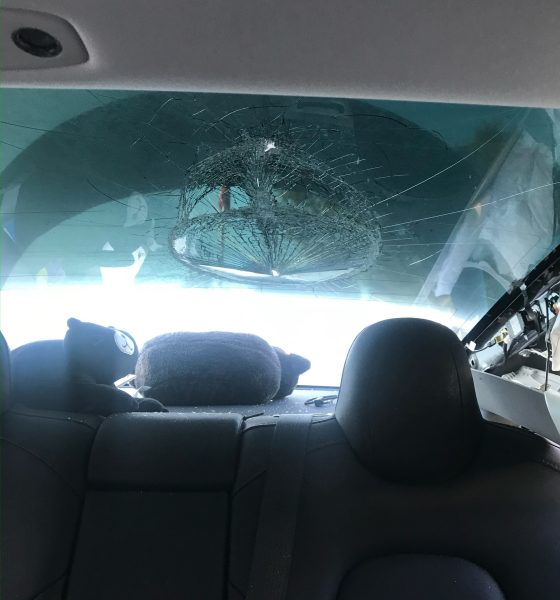
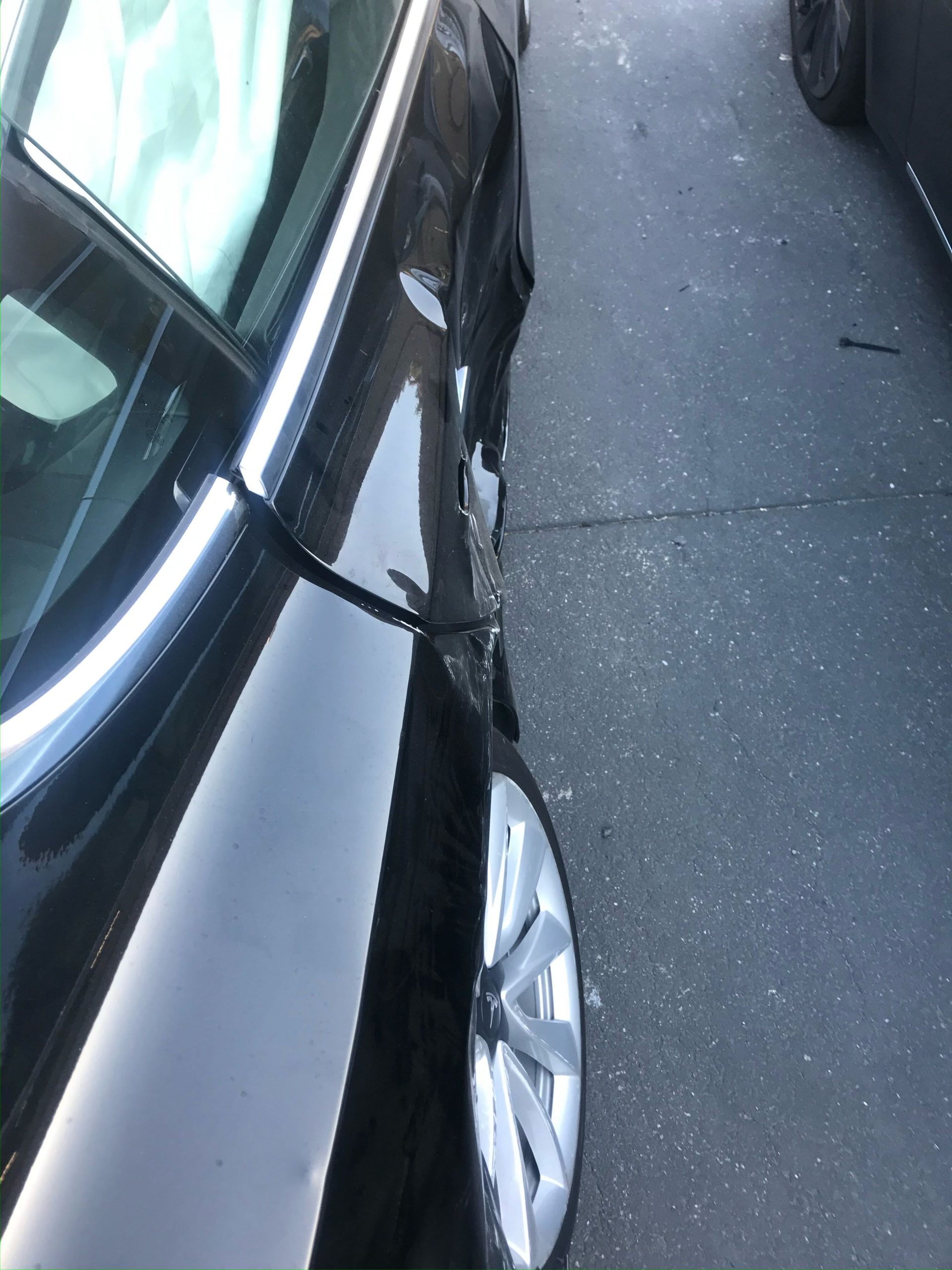
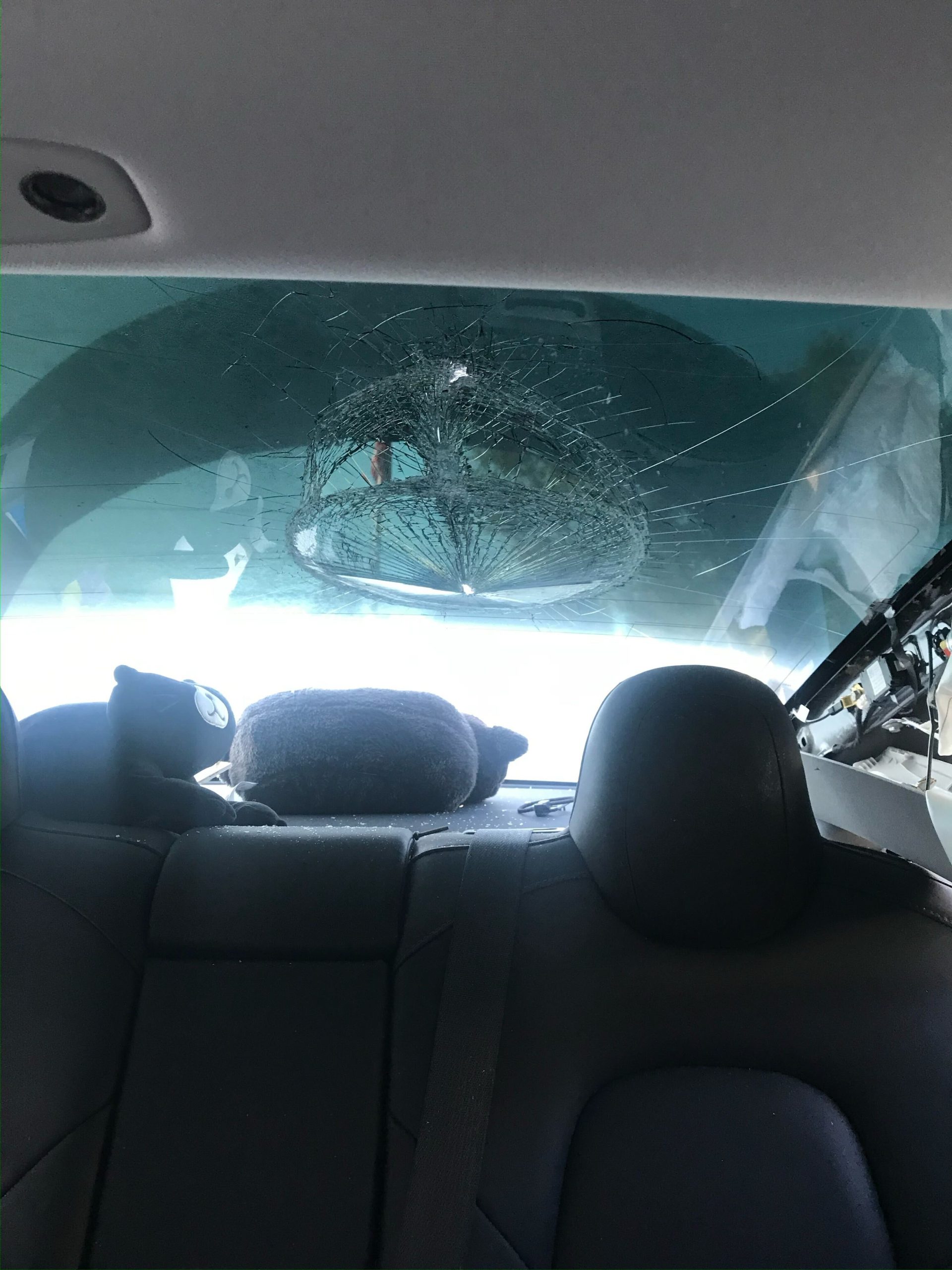
The impact caused her car to spin twice and crash into a wooden street pole that fell onto the roof over her Model 3. It was the glass roof that prevented the pole from fully penetrating the roof. Although it left a hole, the glass held.
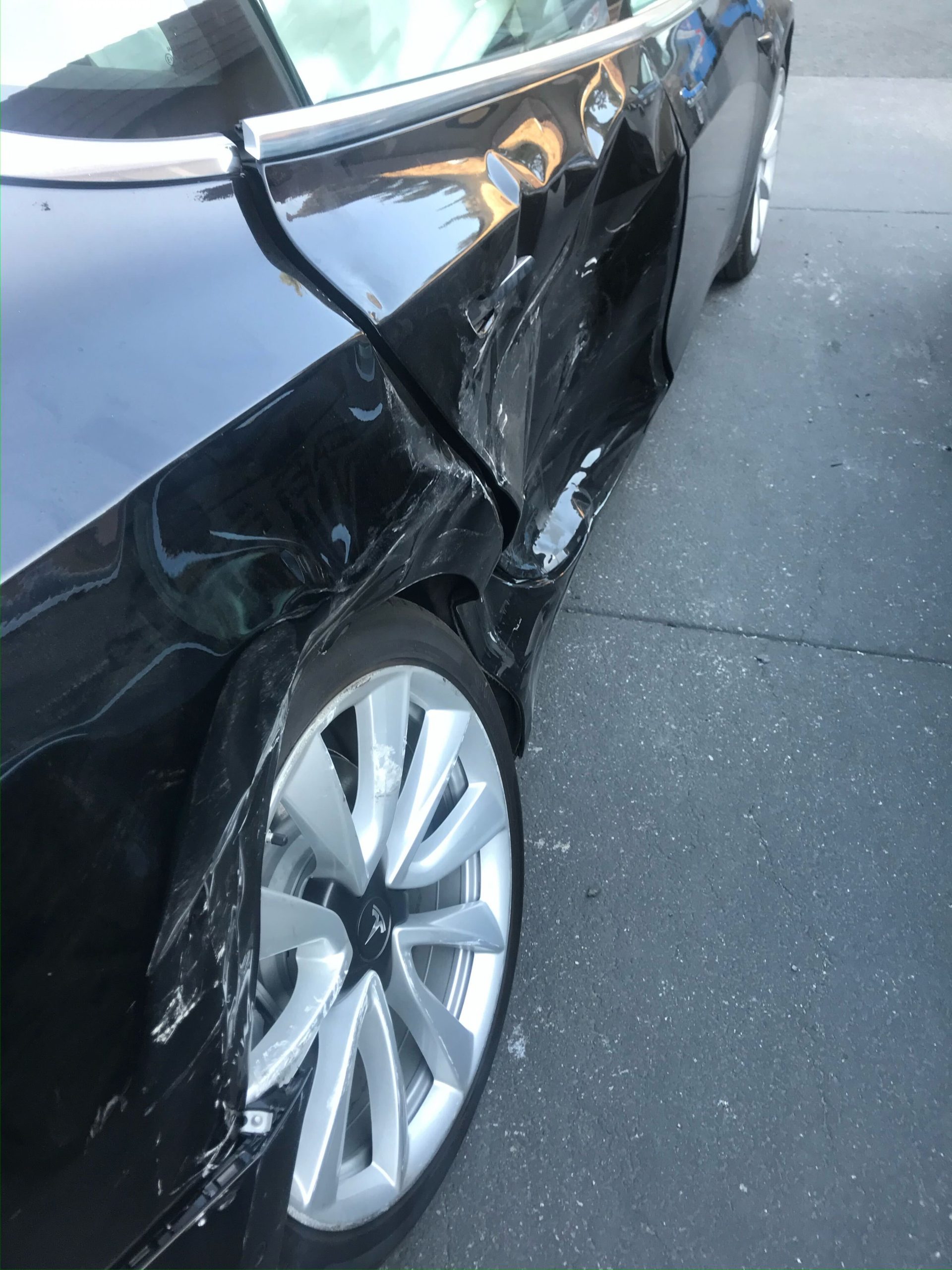
Tesla glass is a key safety design in its vehicles and it can not only protect drivers from UV rays but it can take on four times the weight of the car. This fact has been proven in multiple stories of accidents where miraculously, the occupants in the car survived.
“I don’t think we could have come out of the car to tell this story if it’s not for stable the Model 3 was. But also especially for my son, if it was not for how strong the roof of the car was, I don’t think he would be here,” Anna told me over the phone.
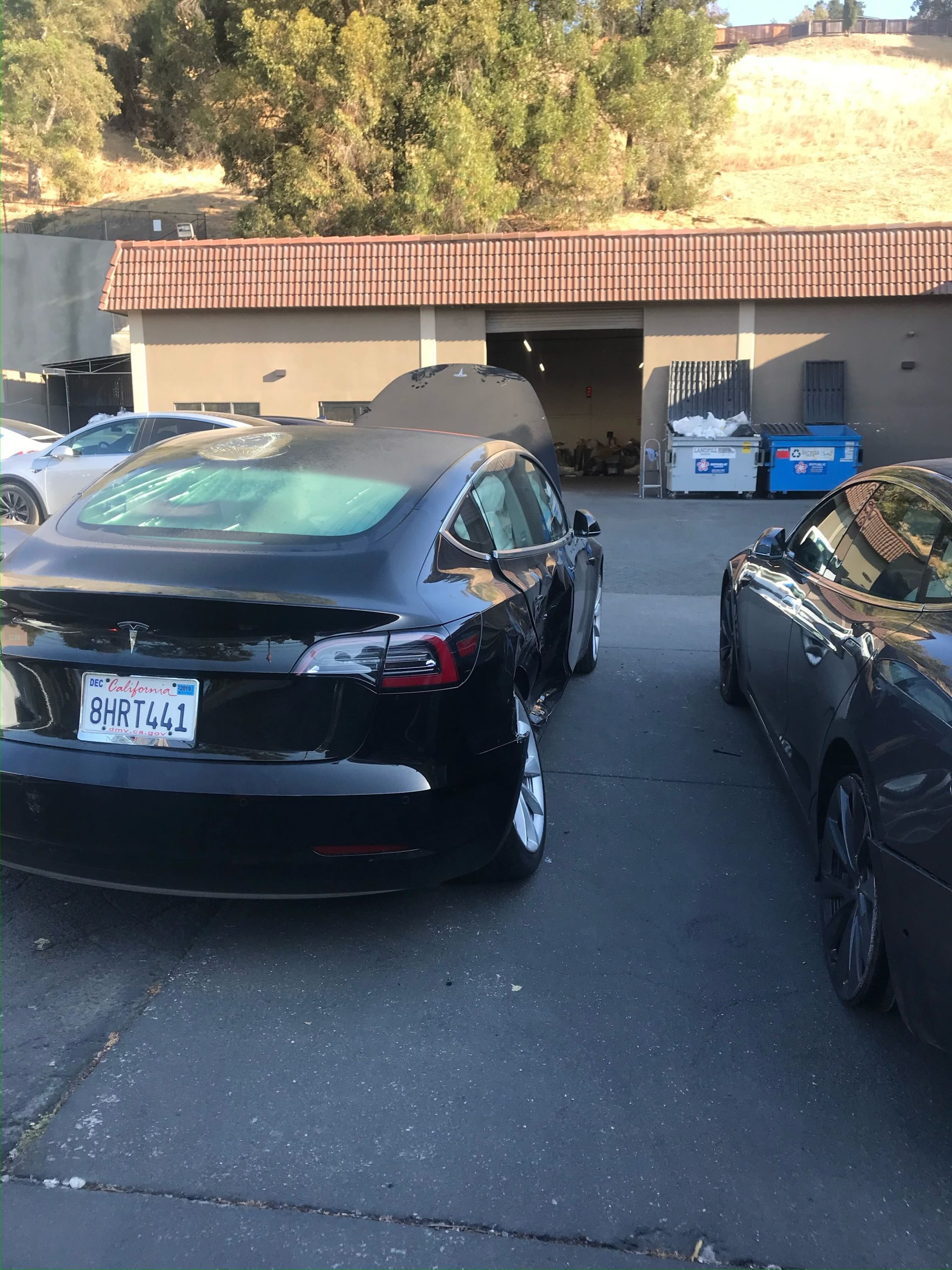
Anna’s daughter was sitting on the back passenger’s side where the impact occurred. Although she and her daughter had concussions, there were no bruises.
“The back wheel on the passenger side was completely crooked. My daughter was sitting there and because of how good the airbags were inside, I believe that saved my daughter. Both my daughter and I had concussions. My daughter had it a little bit worse than I had it. But there were no bruises on my daughter. It’s a miracle.”
Anna told me that she believed that God protected her that day through how safe the Model 3 was. She also didn’t realize how bad the accident was.
“After the accident, my son had all this corn-sized glass on top of his head and I didn’t have time to analyze anything. I was so shocked. My kids were in shock. My son had a bloody nose and half of his face was swollen.”
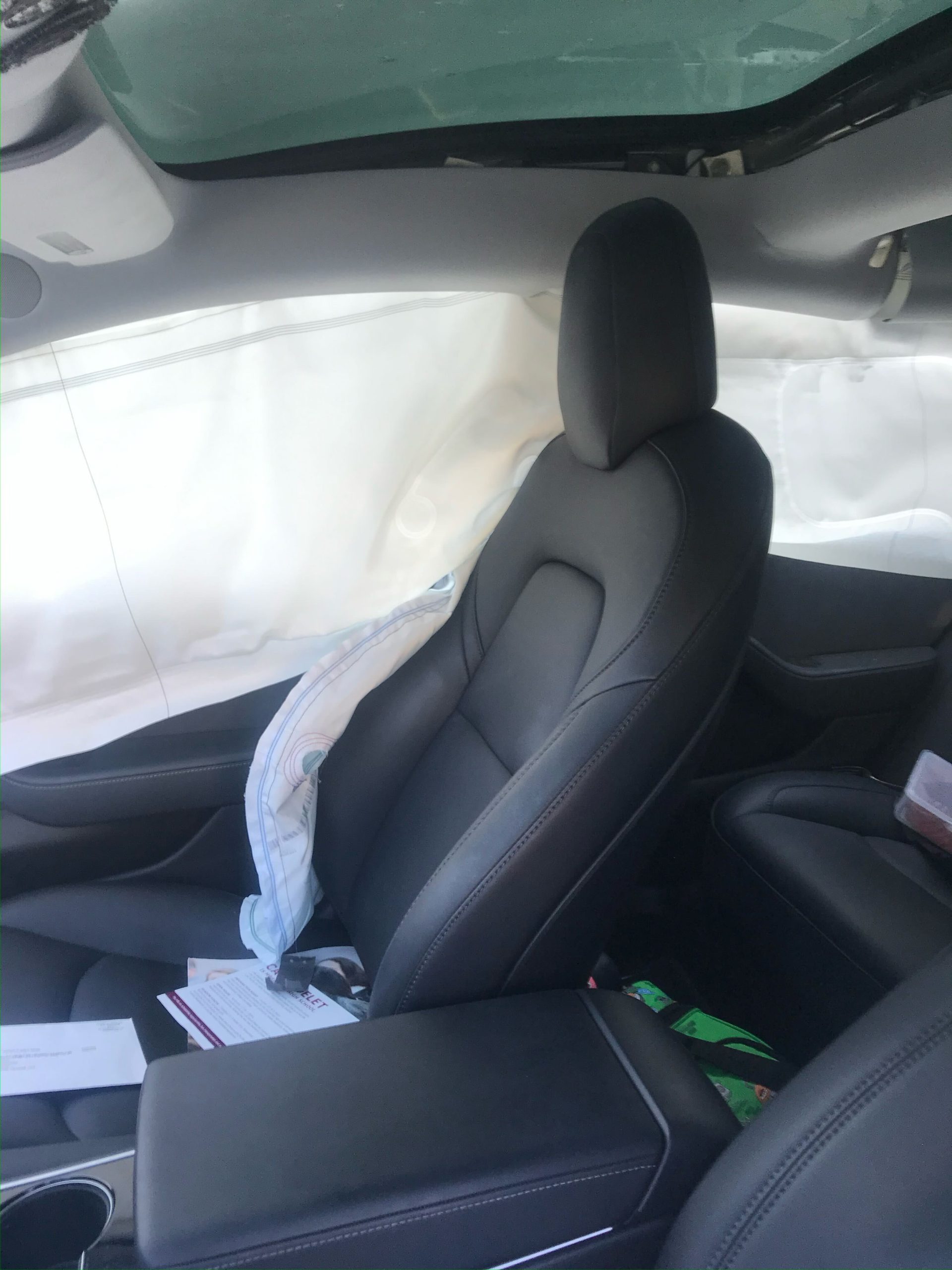
At that moment, her focus was on her children, not the accident itself. So she didn’t realize how bad it was until afterward. The car, she told me, didn’t flip over and they were able to leave the car.
When she saw the car after the accident, that’s when the gravity of the situation set in. She realized that all of the airbags had been deployed. And there was a big dent in the glass roof and a hole. The hole was above where her son was sitting. It was then she realized where those corn-sized pieces of glass came from.
“I don’t know if any other car has airbags the way Tesla designs the car with the airbags but with the strong impact, I had the side airbags deployed. The back–and I believe, as I said, saved my kids. That and how strong the car was.”
“My daughter got out of that crash with just a concussion. It’s a testament to how well built the car was.”
“When my car spun and stopped, the back of the car hit a street pole. I’ve never seen a wooden street pole anymore. I believe that the pole is the last of a kind in the city. It’s a wooden pole that held three different street signs. It was so heavy and I think that’s why the glass broke but it didn’t break completely.”
“Coming back and looking at the car, I got chills. Had it been any other glass or roof, I don’t think my son would be here today. He was sitting under that pole.”
Anna was the first person in her circle of friends to buy a Tesla. Many of her friends said that she was fancy and no, she was just tired of paying for service and maintenance and wanted to contribute to the planet by driving an EV.
After the accident, she told me that many of her friends had skeptical questions. She told them that she was alive because her car was a Model 3. And of course, she was going to get another Tesla.
“People need to know. This is a good car. It’s fancy for some people. But it’s safe and I will get it again. And we got another Model 3.”
Note: Johnna is a Tesla shareholder and supports its mission.
Your feedback is important. If you have any comments, or concerns, or see a typo, you can email me at johnna@teslarati.com. You can also reach me on Twitter @JohnnaCrider1



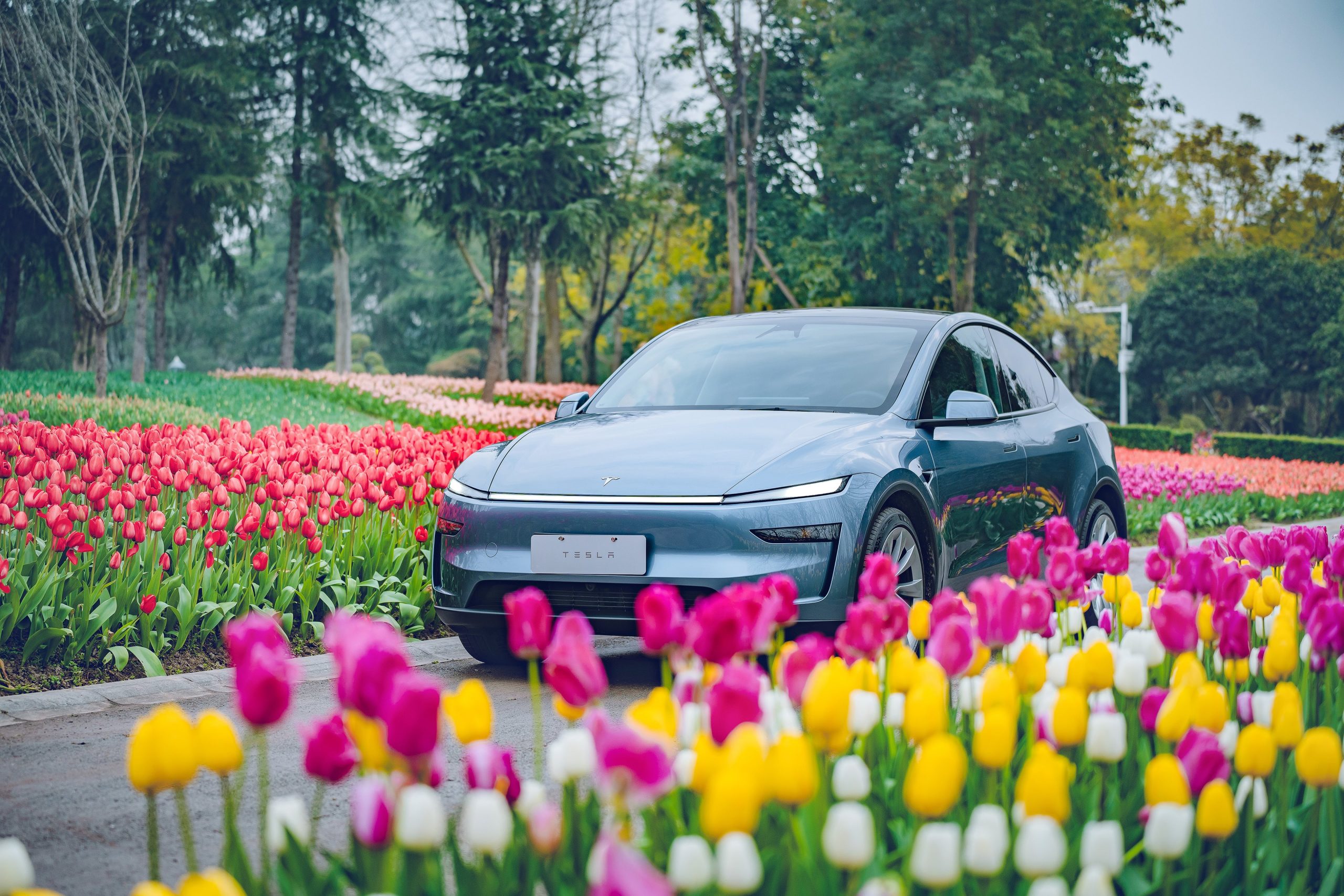
Tesla is looking to expand into a new Asian market, strengthening its presence in a region that has been bullish on electric vehicles as a whole.
Tesla officially filed to establish a subsidiary of its business in Vietnam, a report from Reuters suggests. Tesla named the entity “Tesla Motors Vietnam Limited Liability Company.”
The planned entrance into the Vietnamese market is a good sign and move for Tesla, as it has become one of the fastest-growing EV markets in Southeast Asia. It is already among the leaders in the region in both volume and electrification rate. In the first half of this year, Vietnam led Southeast Asia in battery-electric passenger car sales at about 116,000 units, up about 71 percent year over year.
Currently, Vietnamese EV drivers rely on VinFast’s V-Green network, which has about 150,000 ports, but these are primarily reserved for VinFast vehicles. Public third-party charging is fragmented and unreliable for those who do not own chargers that are dedicated to a certain manufacturer’s vehicles.
Tesla has had mixed results in Asia as a whole, and as China remains the core part of its story in Asia, the company is evidently working on expanding its footprint on the continent. Tesla’s domestic retail deliveries fell about 12 percent year over year through the first eight months of 2026.
Model Y remains a standout individual product, holding its position as one of, if not the, best-selling vehicles in the world. However, Model 3 has been weaker than it has been in past years.
Gigafactory Shanghai, the company’s Chinese production facility, still performs very well. Wholesale volumes in terms of exports have more than doubled and now exceed domestic retail sales; Giga Shanghai builds vehicles for Europe, South Korea, Japan, Australia, and other markets. South Korea has been an explicit bright spot, with registrations doubling year-to-date and Tesla frequently appearing as the top imported brand.
Tesla just did something in South Korea that no foreign carmaker has ever done
Tesla’s entrance into Vietnam signals a broader effort to take over the Asian market and grab more market share from rivals.
Elon Musk
Elon Musk’s companies made up with Apple but OpenAI still on the hook
Elon Musk’s X Corp and SpaceXAI dropped their Apple antitrust suit, leaving OpenAI as defendant.

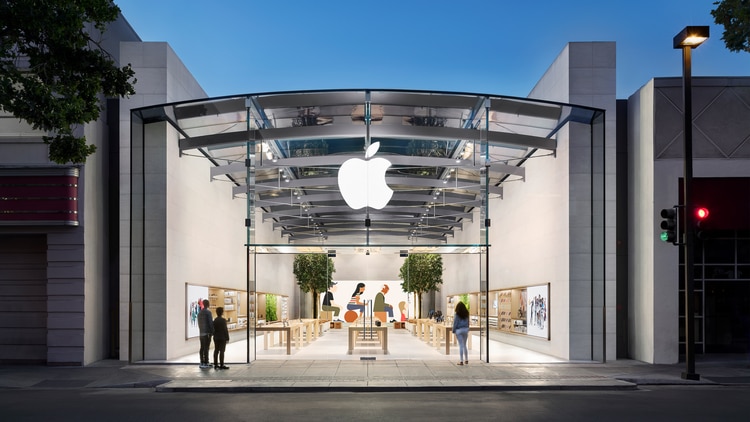
X Corp and SpaceXAI, Elon Musk’s social platform and AI venture, have dropped Apple from the antitrust lawsuit that they filed against the iPhone maker and OpenAI last year. In a filing in the U.S. District Court for the Northern District of Texas, attorneys for X and SpaceXAI moved to dismiss the Apple portion of the case, first reported by Reuters. The filing does not explain why the companies are dropping Apple or say whether a settlement was reached.
X and SpaceXAI say they intend to keep pursuing the case against OpenAI, which remains a defendant. That resolves the dispute with one company while leaving the core allegation intact against the other, with no public accounting of what changed in between.
The lawsuit dates to August 2025, when xAI and X sued Apple and OpenAI, arguing that Apple’s decision to make ChatGPT the only generative AI chatbot built into iOS gave OpenAI an unfair structural advantage. The complaint claimed ChatGPT controlled roughly 80 percent of the chatbot market at the time, while Grok held only a few percent. It sought billions of dollars in damages and asked the court to unwind the arrangement.
Elon Musk’s xAI and X file antitrust suit against Apple and OpenAI over AI exclusivity
The filing followed weeks of Musk publicly complaining that Grok and X weren’t appearing in Apple’s “Must Have” App Store section, though Grok ranked second in the Productivity category and X ranked first in News at the time. He accused Apple of “playing politics” and warned of immediate legal action before following through days later.
Apple and OpenAI tried to get the case thrown out, but a federal judge denied both motions in November, ruling the dispute was better suited to summary judgment than an early dismissal. That decision sent the case into discovery, which is presumably what led to Monday’s filing.
Hey @Apple App Store, why do you refuse to put either 𝕏 or Grok in your “Must Have” section when 𝕏 is the #1 news app in the world and Grok is #5 among all apps?
Are you playing politics? What gives? Inquiring minds want to know. https://t.co/3wenLZGtwG
— Elon Musk (@elonmusk) August 11, 2025
The timing is notable given how Musk’s sentiment toward Apple has shifted, with Musk noting that he was open to letting Grok power a revamped Siri after a user suggested Apple replace its aging assistant with xAI’s model.
xAI, the AI venture Musk folded into X Corp last year, has since combined with SpaceX under the SpaceXAI brand. That structure now puts X, Grok and SpaceX’s rocket and satellite businesses under one roof as Musk pushes his AI ambitions beyond chatbots.
OpenAI remains the sole defendant going forward, and Musk’s companies have not said if there’s any changes to those original claims. Apple and OpenAI did not immediately respond to requests for comment on the filing.
News
Why SpaceX is finishing another space-internet system that isn’t Starlink
SpaceX launched three final O3b mPower satellites Sunday, finishing a lesser known SES satellite network.
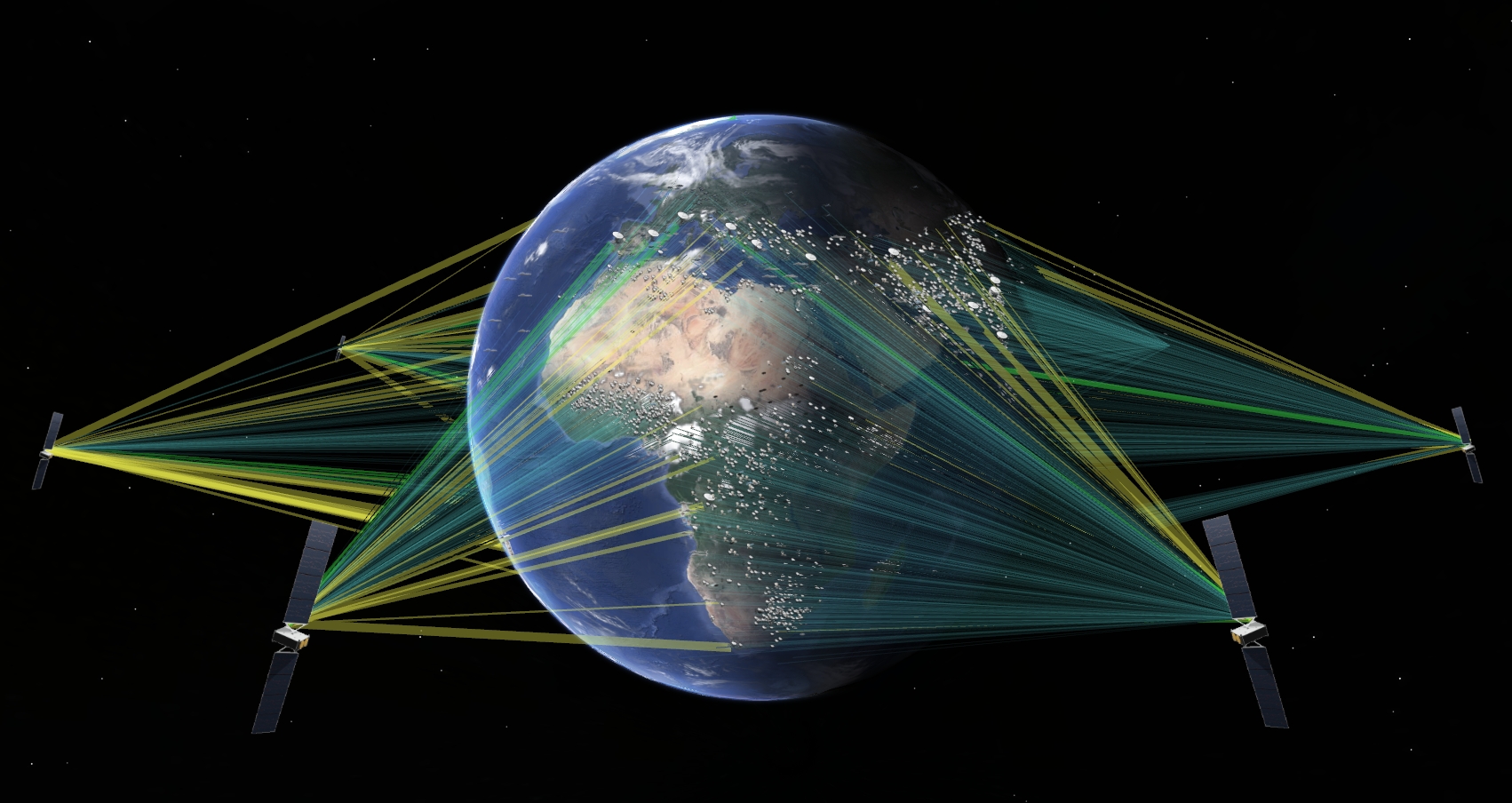
SpaceX had an 87 minute window opening at 2:49 p.m. Eastern on Sunday to fly a Falcon 9 out of Cape Canaveral carrying the final three satellites for SES’s O3b mPower constellation, a project that has taken more than a decade to finish since Boeing and SES first signed SpaceX on for the work.
Unlike the thousands of Starlink satellites SpaceX has stacked into orbit over the years, O3b mPower flies in a different neighborhood entirely. The three new satellites, tagged F11, F12 and F13, are headed for medium Earth orbit at roughly 5,000 miles up, more than ten times higher than Starlink’s shell around 340 miles but still a small fraction of the 22,000 miles where old school geostationary satellites sit. That middle position is the whole point, because a satellite that far out needs far fewer siblings to blanket the globe than a low orbit constellation does. Essentially, SES only needed 13 satellites total to build a network offering quick, steady service that used to require thousands of spacecraft.
With most people having heard plenty about Starlink and almost nothing about O3b mPower, SES and SpaceX already blend the two networks for some customers. Both SpaceX and SES sell satellite broadband, but they’re aimed at different buyers. Starlink is built for volume, direct to consumers, RVs, homes, small businesses, plus a growing aviation and maritime business. O3b mPower skips consumers entirely and sells enterprise grade connectivity to airlines, cruise lines, offshore energy operators, telecoms needing backhaul, and governments, priced and provisioned more like a dedicated circuit.
A 2023 partnership lets cruise ships combine Starlink’s speed with O3b mPower’s steady capacity depending on what a ship needs at a given moment. Sunday’s completed 13 satellite constellation effectively finishes the medium orbit half of that pairing, years after.
Sunday’s mission was already a something on SpaceX’s manifest well before O3b mPower entered the picture. This flight marked its 29th trip to orbit, a history that includes two crewed Axiom missions, the European Space Agency’s Euclid telescope and 22 separate Starlink batches. SpaceX has landed boosters on the droneship A Shortfall of Gravitas so often that Sunday’s touchdown attempt, if it went as planned, was set to be the 661st successful Falcon booster landing to date.
For a company that pushed the Starlink constellation past 11,000 satellites back in August, almost entirely through bulk launches from California, Sunday’s flight was a reminder that SpaceX’s schedule still has room for someone else’s satellites too. SES gets a finished network built for a narrower set of customers, and Falcon 9 gets one more line on an already long resume.

Tesla looks to expand into new Asian market, strengthening presence

Elon Musk’s companies made up with Apple but OpenAI still on the hook


